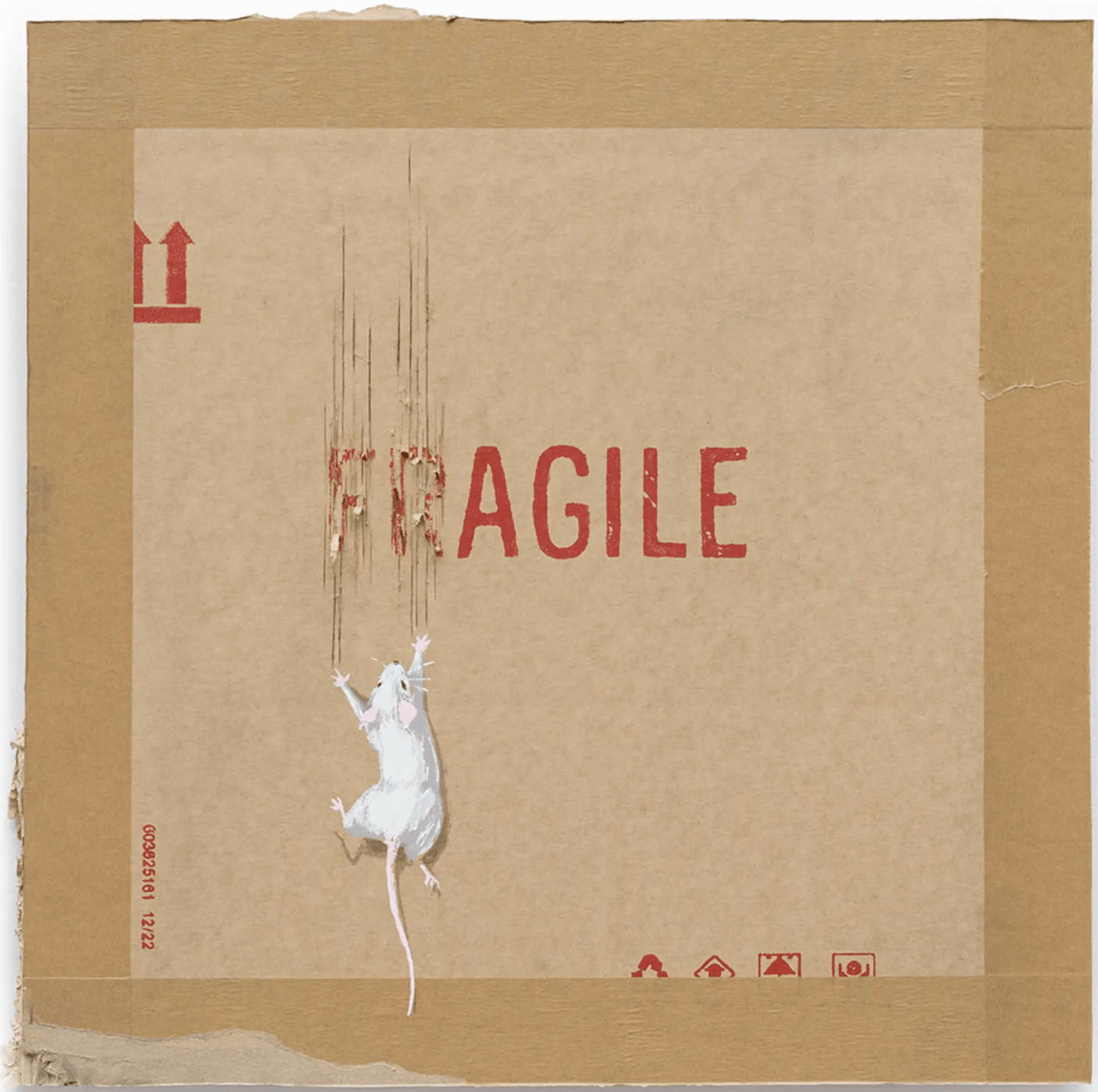
(Fr)agile

September 19, 2026
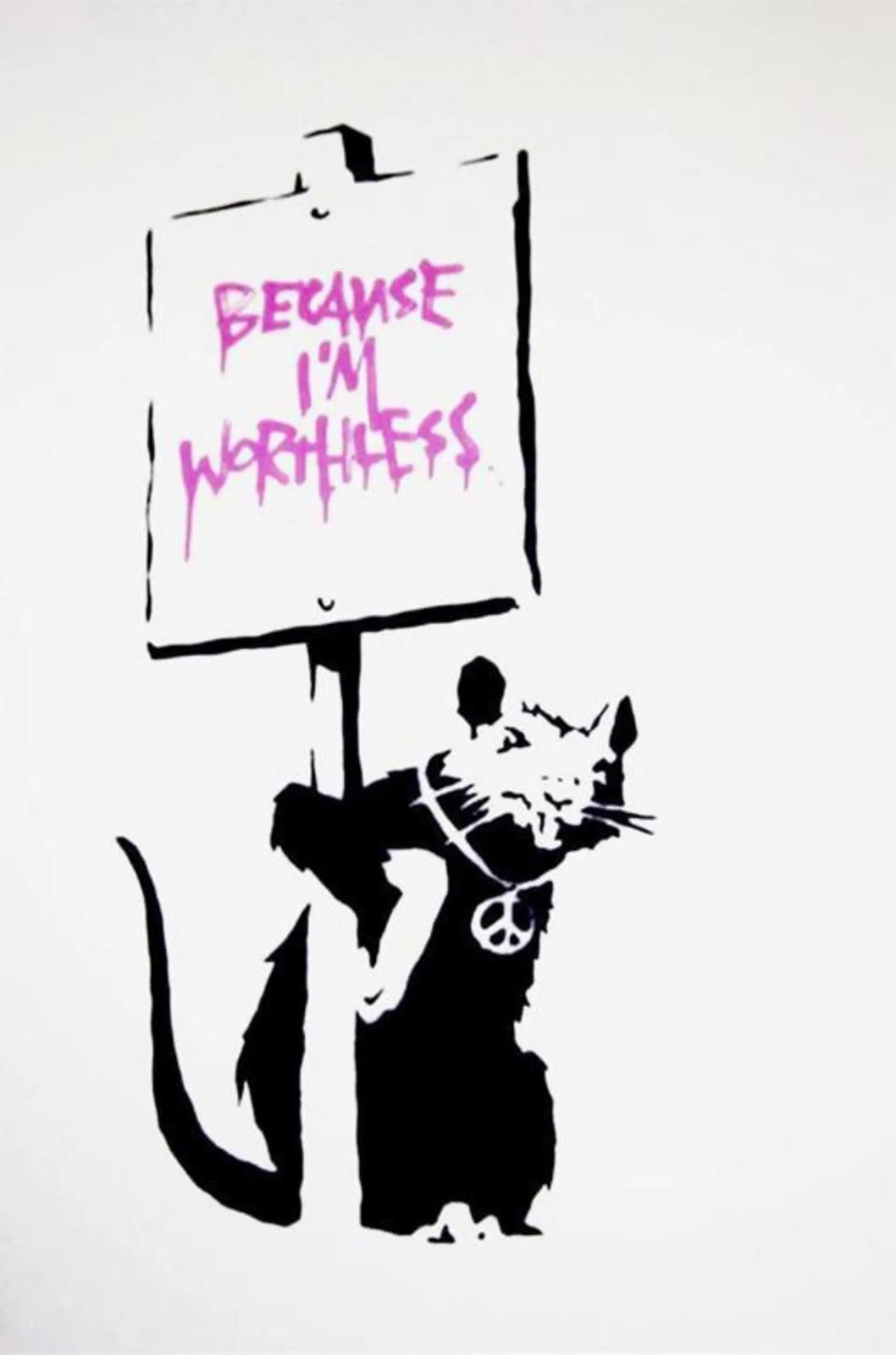
Banksy art for sale represents one of the most active and scrutinized segments of the contemporary art market. For collectors considering a purchase, the opportunity is clear: work by an artist whose auction record stands at £18.6 million, whose cultural influence remains unmatched in street art, and whose authentication system provides a level of documentation rare in this field. But buying Banksy requires specific knowledge — about signed versus unsigned editions, about Pest Control certification, about condition standards, and about which series carry genuine collector demand versus which have been oversaturated through unauthorized reproductions.
This guide addresses what you need to know before committing capital to a Banksy print. The market rewards informed buyers and punishes those who purchase without understanding the authentication landscape or the substantial price differences between edition types. Whether you are acquiring your first screenprint or adding to an established collection, the following sections cover historical context, market structure, authentication procedures, and the practical considerations that separate a sound acquisition from a costly mistake.
Banksy emerged from the Bristol graffiti scene in the 1990s, developing the stencil technique that would become his signature approach. The method allowed for rapid execution on streets while producing the crisp, graphic images that translate effectively to screenprints. By the early 2000s, Banksy had established a dual practice: unauthorized street interventions that generated media attention and cultural capital, alongside a parallel market of limited edition prints sold through galleries and his own channels.
The market trajectory has been remarkable. Street art as a category struggled for institutional acceptance through much of its history, but Banksy's work crossed into the mainstream contemporary market with force. His auction record — £18.6 million for Love Is In The Bin at Sotheby's London on 14 October 2021 — places him among the most valuable living artists by sale price. That work itself embodies the Banksy phenomenon: originally titled Girl with Balloon, it partially self-destructed through a hidden shredder at the moment of sale in October 2018, transforming into a new work and generating global media coverage that reinforced his market position.
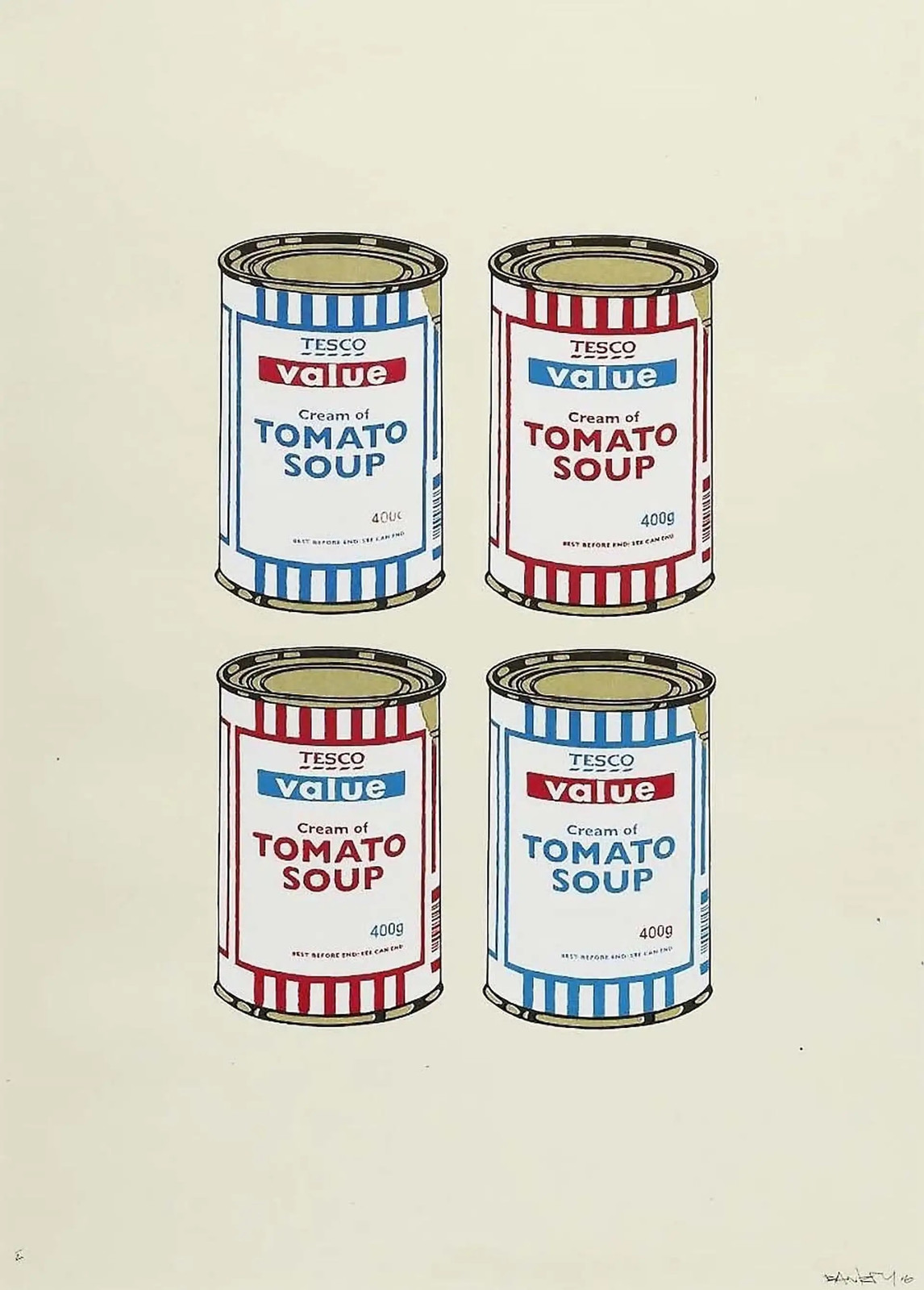
Banksy, Tesco Value Soup Cans, 2008, Screenprint. Available at Guy Hepner, New York.
Other major auction results confirm the depth of collector demand. Girl and Balloon on Found Landscape, from the Crude Oils series, achieved $17.94 million at Fair Warning in New York on 20 May 2026. Game Changer, depicting a child playing with a nurse doll while Batman and Spiderman figures sit discarded in a bin, sold for £16.8 million at Christie's London in March 2021, with proceeds benefiting the NHS. Sunflowers from Petrol Station brought $14.5 million at Christie's New York in November 2021. Devolved Parliament — showing the House of Commons filled with chimpanzees — reached £9.9 million at Sotheby's London in October 2019.
These figures represent unique works and exceptional pieces. The print market operates at different price points, but the underlying collector interest flows from the same source: Banksy's proven cultural relevance and the finite nature of authenticated editions.
The single most important distinction in the Banksy print market is whether a work is signed or unsigned. This is not merely a matter of preference or prestige — it represents the primary pricing variable and reflects fundamentally different supply dynamics.
Banksy released most of his screenprint editions in two tiers. The unsigned editions were produced in larger quantities and sold at lower initial prices, often through Pictures on Walls and similar outlets in the 2000s. The signed editions, produced in much smaller numbers for the same images, were priced higher from the outset and have appreciated more substantially on the secondary market. The signed run for any given image represents a small fraction of the unsigned run, creating genuine scarcity that the market prices accordingly.
For collectors, this means two prints of identical imagery may differ dramatically in value based solely on the presence of a signature. Both carry the same Pest Control authentication requirements, both represent legitimate Banksy editions, and both can appreciate — but their market positions are distinct. A collector choosing between a signed and unsigned version of the same subject should understand that the signed work typically commands multiples of the unsigned price, reflecting its smaller supply and stronger secondary market demand.
Unsigned editions should not be dismissed, however. They represent authentic Banksy screenprints at more accessible price points, and many serious collectors begin with unsigned works before moving to signed pieces. The authentication standards are identical, and condition remains equally important for both tiers.
Banksy's print output spans numerous series, each with its own collector following and market dynamics. Understanding the major bodies of work helps contextualize what you are acquiring.
Perhaps the most recognized Banksy image worldwide, Girl with Balloon depicts a young girl reaching toward a red heart-shaped balloon carried by the wind. The image has been reproduced extensively in unauthorized formats, making authenticated editions particularly valuable as the only legitimate versions. The print exists in several color variants and formats, with signed examples achieving strong auction results consistently.

Banksy, Choose Your Weapon (Lemon), 2010, Screenprint. Available at Guy Hepner, New York.
This series features a hooded figure walking a dog rendered in the style of Keith Haring — a pointed commentary on street art's relationship to its own commercialization. The prints were released in multiple colorways, creating variety for collectors while maintaining the core image. The series demonstrates Banksy's engagement with art history and his willingness to reference other artists directly.
A direct response to Warhol's Campbell's Soup Cans, this series replaces the American brand with British supermarket Tesco's value range. The work operates as both homage and critique, questioning the continued relevance of pop art strategies while participating in them. Guy Hepner maintains significant depth in this series, with numerous colorways and variants available.
One of Banksy's most enduring street images, Flower Thrower depicts a masked protestor in the act of throwing not a Molotov cocktail but a bouquet of flowers. The print version has been a consistent performer in the secondary market, with signed editions particularly sought after.
Created in response to Hurricane Katrina, this image shows a girl holding an umbrella while colored rain falls around her. The political context — Banksy visited New Orleans in 2008 to create street works addressing the failed government response — adds documentary weight to the print editions.
A series of portraits clearly referencing Warhol's Marilyn Monroe prints, Kate Moss works substitute the contemporary model for the mid-century film star. The series comments on celebrity culture, the fashion industry, and the mechanics of pop portraiture while producing visually striking prints in multiple colorways.
Condition assessment for Banksy prints follows standard practices for works on paper, but certain factors warrant particular attention.
Works in excellent condition command premiums over those with condition issues, and the difference can be substantial. Never purchase a Banksy print without clear documentation of condition, and if buying remotely, request detailed photographs including close-ups of any areas of concern.
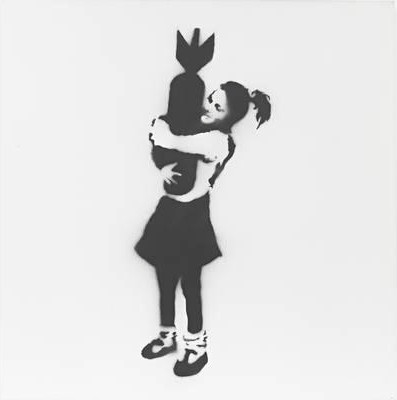
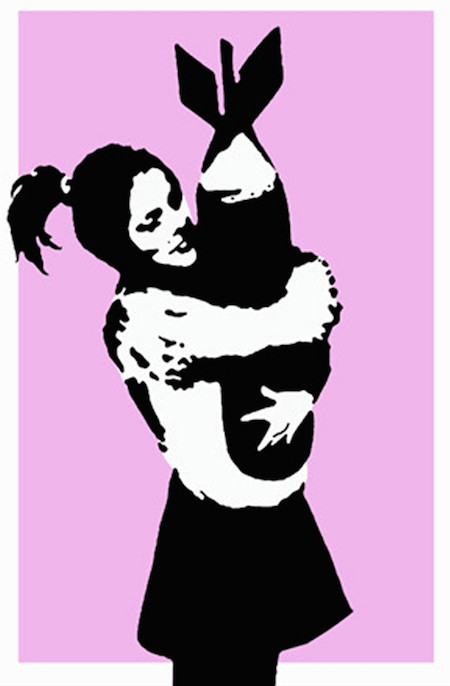
Banksy, Bomb Love, 2003, Screenprint. Available at Guy Hepner, New York.
Pest Control Office is the only body that authenticates Banksy's commercial works. Understanding what Pest Control does — and what it does not do — is essential for any buyer.
Pest Control issues certificates of authenticity for genuine Banksy prints and original works. The certificate is tied to the specific work and registers the owner, providing protection against fraud. When you purchase an authenticated Banksy, you should receive the Pest Control certificate, and the seller should facilitate transfer of ownership registration.
The authentication process is straightforward for legitimate works. Published fees are £100 plus VAT for screenprints and £150 plus VAT for original works. If Pest Control determines a submitted work is not genuine, no fee is charged — you simply do not receive a certificate.
Crucially, Pest Control does not authenticate street pieces that have been removed from walls. This policy has significant implications for the market. Removed wall sections, regardless of their apparent authenticity or visual quality, are effectively untradeable through mainstream auction houses and reputable galleries without Pest Control certification. A work that cannot be authenticated cannot be resold with confidence, regardless of what the seller claims about its provenance.
For buyers, this means a simple rule: do not purchase any Banksy work without a Pest Control certificate or without a clear path to obtaining one from the current owner. The certificate is not optional — it is the foundation of the work's market value.
Banksy prints exist in several edition structures:
Availability varies dramatically by series and edition type. Some images remain relatively accessible in unsigned versions while signed examples appear only rarely on the secondary market. Others have become genuinely scarce in any authenticated form. Guy Hepner maintains inventory across numerous series, including signed examples of Girl with Balloon, Love Is In The Air (Flower Thrower), Grin Reaper, Cnd Soldiers, Chocolate Donut, and Sale Ends V2, alongside substantial holdings of unsigned works from series including Bomb Hugger, Morons, Pulp Fiction, Love Rat, Grannies, and others.
Availability shifts regularly as works sell and new inventory is sourced. Confirming current availability is an essential step before committing to any purchase.
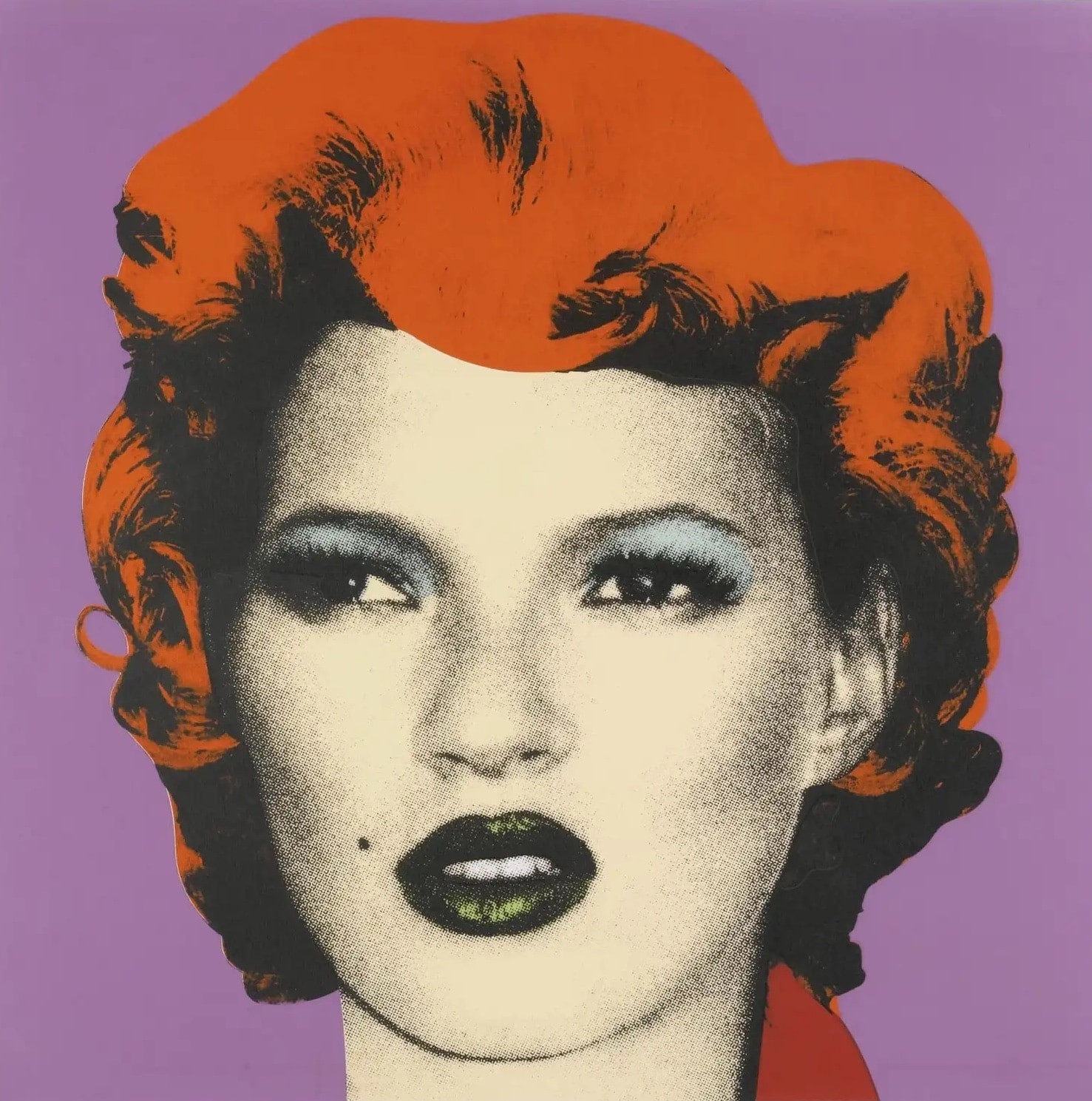
Banksy, Kate Moss (Purple), 2005, Screenprint. Available at Guy Hepner, New York.
Banksy print prices span a wide range depending on edition type, series, condition, and current market demand. Signed screenprints represent the higher end of the print market, while unsigned editions offer entry points at lower levels. Providing specific price ranges risks immediate obsolescence as the market moves, but understanding the structural factors helps frame any pricing you encounter.
The signed versus unsigned premium is substantial. For the same image, a signed impression may trade at several multiples of the unsigned price. This premium reflects the significantly smaller supply of signed works combined with collector preference for the most complete version of any edition.
Series desirability affects pricing within edition types. Girl with Balloon and Love Is In The Air consistently command strong prices due to their recognizability and the strength of their street art originals. Lesser-known series may offer better value relative to their rarity.
Condition adjustments work in both directions. Exceptional condition can push prices above typical ranges for a given edition, while condition issues — even moderate ones — can reduce value substantially. The market is sufficiently developed that buyers have options and do not need to accept compromised works.
Artist's Proofs generally command premiums over standard edition numbers, reflecting their position outside the main run and their association with the production process itself.
Auction results for major unique works, while not directly comparable to print prices, indicate the ceiling of collector interest. When Love Is In The Bin sells for £18.6 million and Game Changer brings £16.8 million, the broader market for authenticated Banksy works benefits from the validation.
Beyond Pest Control authentication, provenance documentation strengthens any Banksy acquisition. Ideal documentation includes:
Guy Hepner sources works with full provenance documentation and can provide detailed information on the history of any piece in inventory. This documentation matters not only for your own records but for eventual resale — a well-documented work sells more readily and at stronger prices than one with gaps in its history.
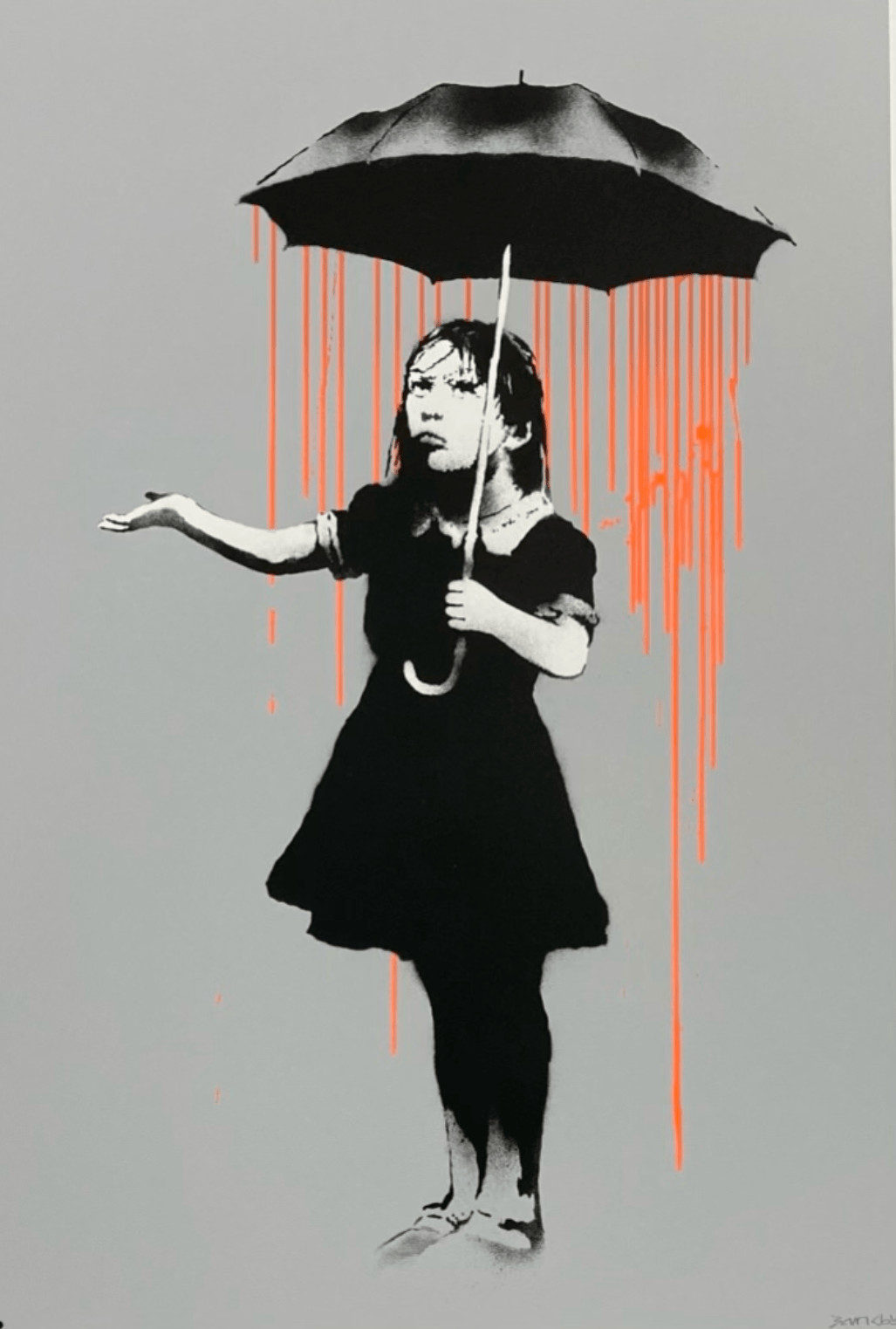
Banksy, Nola (Dark Orange to Orange Rain), 2008, Screenprint. Available at Guy Hepner, New York.
Approaches to building a Banksy collection vary based on budget, goals, and personal response to the work. Several strategies have proven effective:
None of these approaches is inherently superior — they reflect different collector priorities and circumstances. What matters is purchasing authentically, understanding what you own, and maintaining standards for condition and documentation.
Guy Hepner deals in the secondary market for Banksy prints and editions from New York. The gallery's current Banksy inventory spans fifty-six series, with particular depth in Tesco Soup Cans, Choose Your Weapon, Kate, Nola, Gangsta Rat, Girl with Balloon, and I Fought the Law.
All works are sourced with full provenance and Pest Control authentication documentation. The gallery also buys Banksy art and provides free valuations for collectors considering sales.
For collectors seeking to acquire Banksy prints, the gallery offers direct access to authenticated inventory with documentation you can rely upon.
Before committing to any Banksy purchase, confirm the following:
Purchasing Banksy art rewards preparation. The works are significant, the market is active, and authenticated pieces in strong condition will continue to find collector demand. Contact Guy Hepner to discuss current availability and begin the acquisition process.
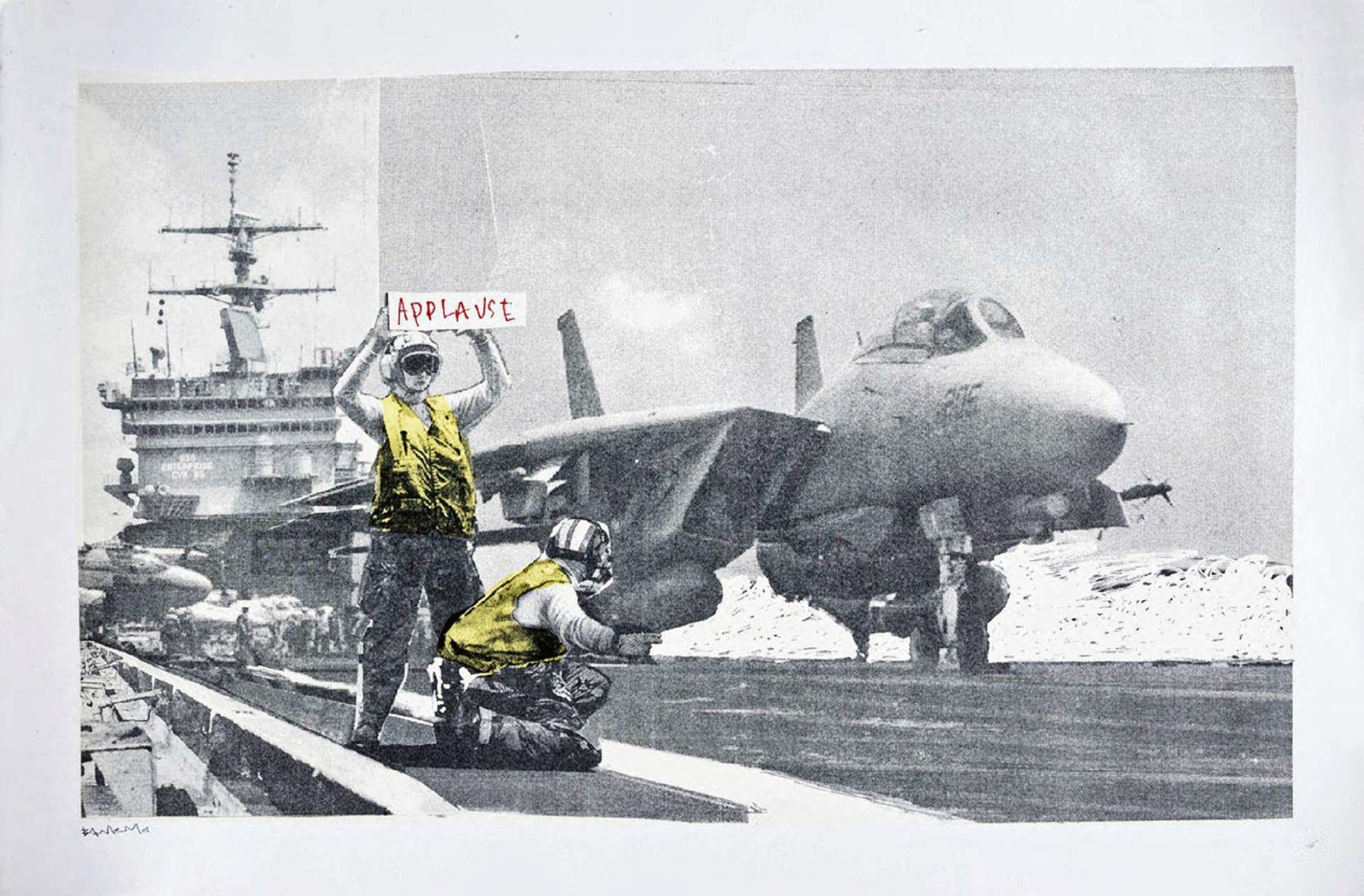
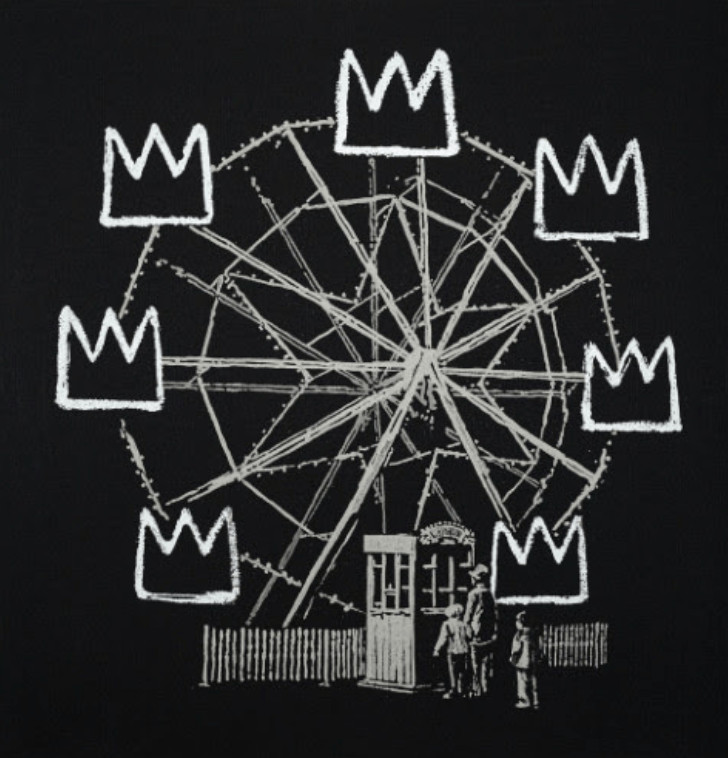
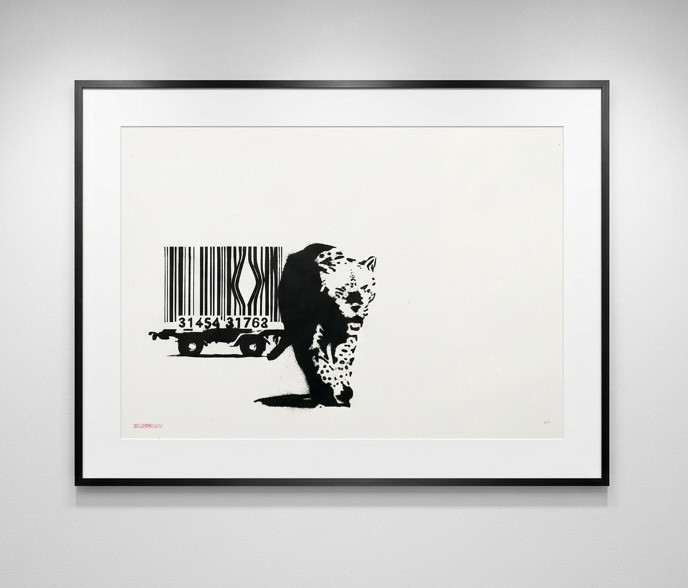
Explore Banksy prints for sale at Guy Hepner: (Fr)agile, Applause, Banksquiat, Barcode, Because I'm Worthless.
Related Series