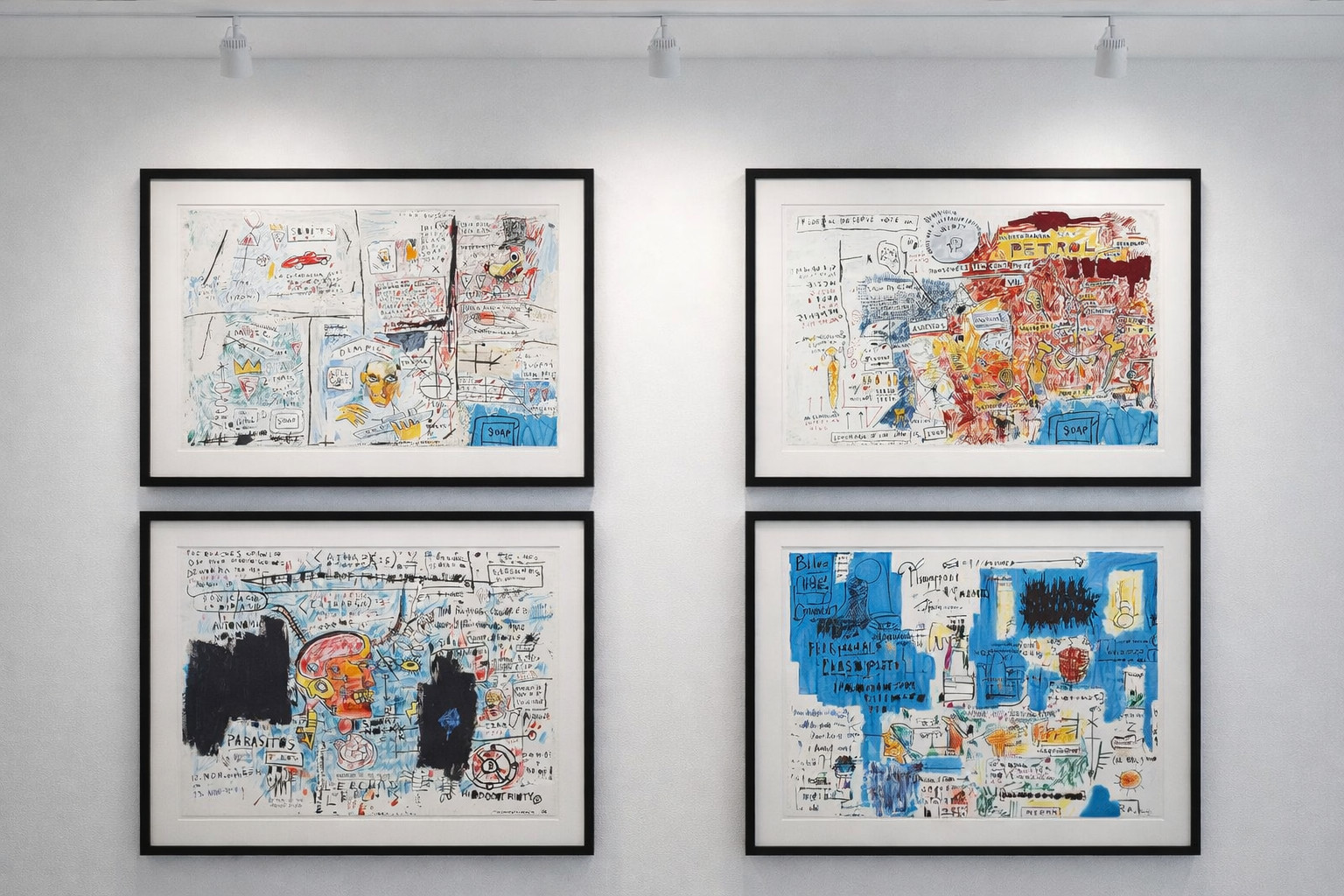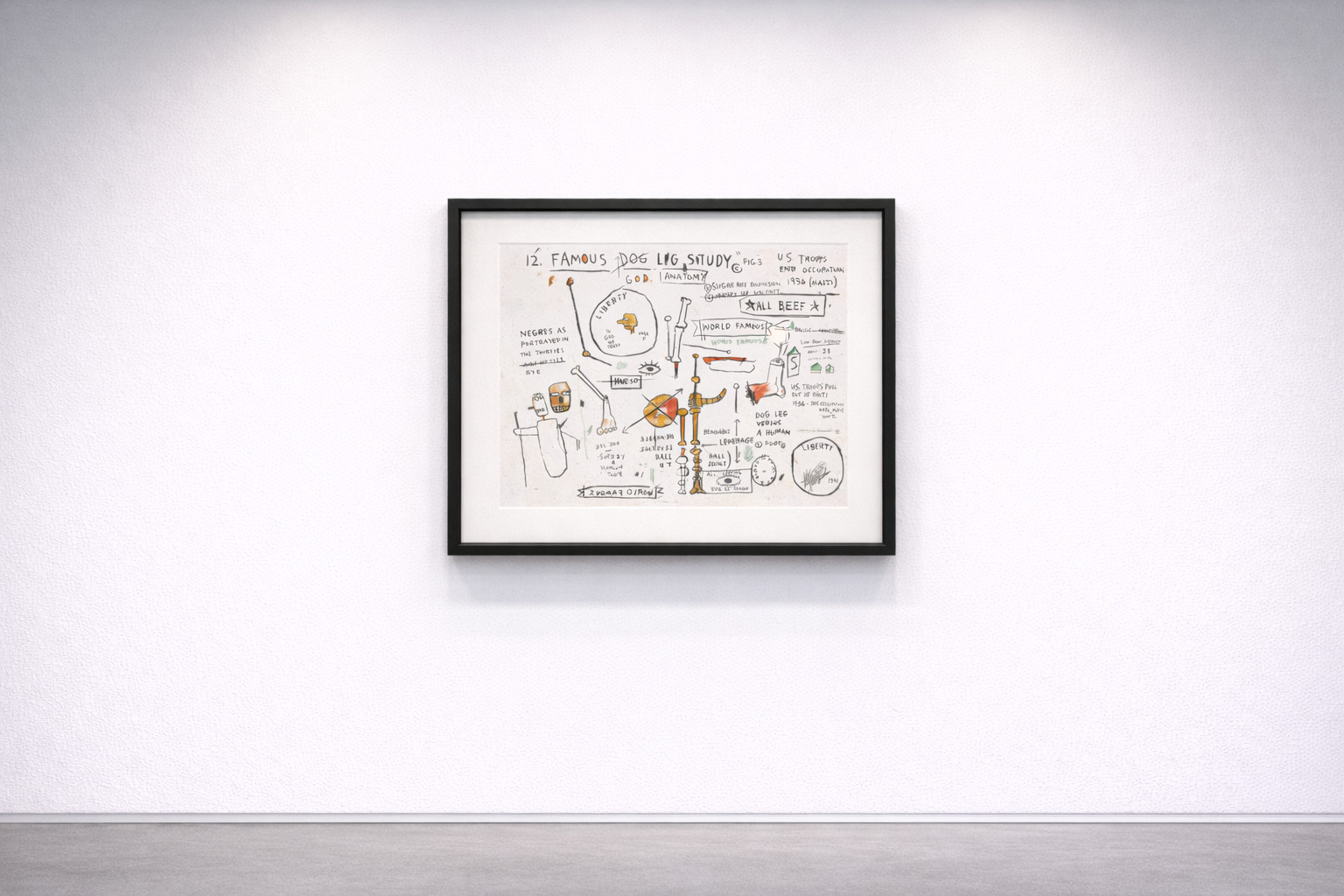
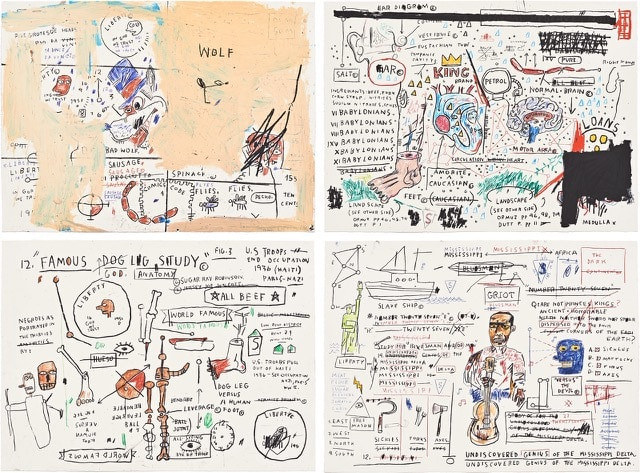
Wolf Sausage, King Brand, Untitled (Dog Leg Study), Undiscovered Genius

Jean-Michel Basquiat's career, though tragically brief, remains one of the most impactful chapters in the story of contemporary art. Emerging from the graffiti-strewn streets of downtown New York in the late 1970s, Basquiat developed a visual language that was both primal and erudite - one that distilled his lived experience, his voracious appetite for knowledge, and his acute sensitivity to social injustices into a body of work that reads as both poetry and painting. To describe Jean-Michel Basquiat simply as a painter misses the breadth of his artistry: he was a poet, storyteller, and cultural critic who used canvas as a stage for urgent dialogue. His works embody a rare synthesis of childlike immediacy and intellectual depth, where words and images collide in a raw yet carefully orchestrated lexicon that continues to captivate collectors and institutions worldwide.
Basquiat's art is infused with poetry - not in the sense of verse written on a page, but as a quality of language, rhythm, and metaphor embedded within visual form. He incorporated fragments of text into his canvases: single words, phrases, crossed-out statements, and lists that jolt the viewer into heightened awareness. His use of language was not ornamental but integral, functioning as both image and idea simultaneously. Words become pictorial elements, while images carry the weight of literary significance.
This poetic sensibility stemmed from Basquiat's early immersion in literature, music, and the written word. As a child in Brooklyn, he was given a copy of Gray's Anatomy by his mother following a serious accident - a text that would profoundly influence his artistic vocabulary. The anatomical diagrams, Latin terminology, and systematic categorisation of the human body became raw material for his creative practice, transformed through his distinctive lens into meditations on mortality, identity, and the Black experience in America.
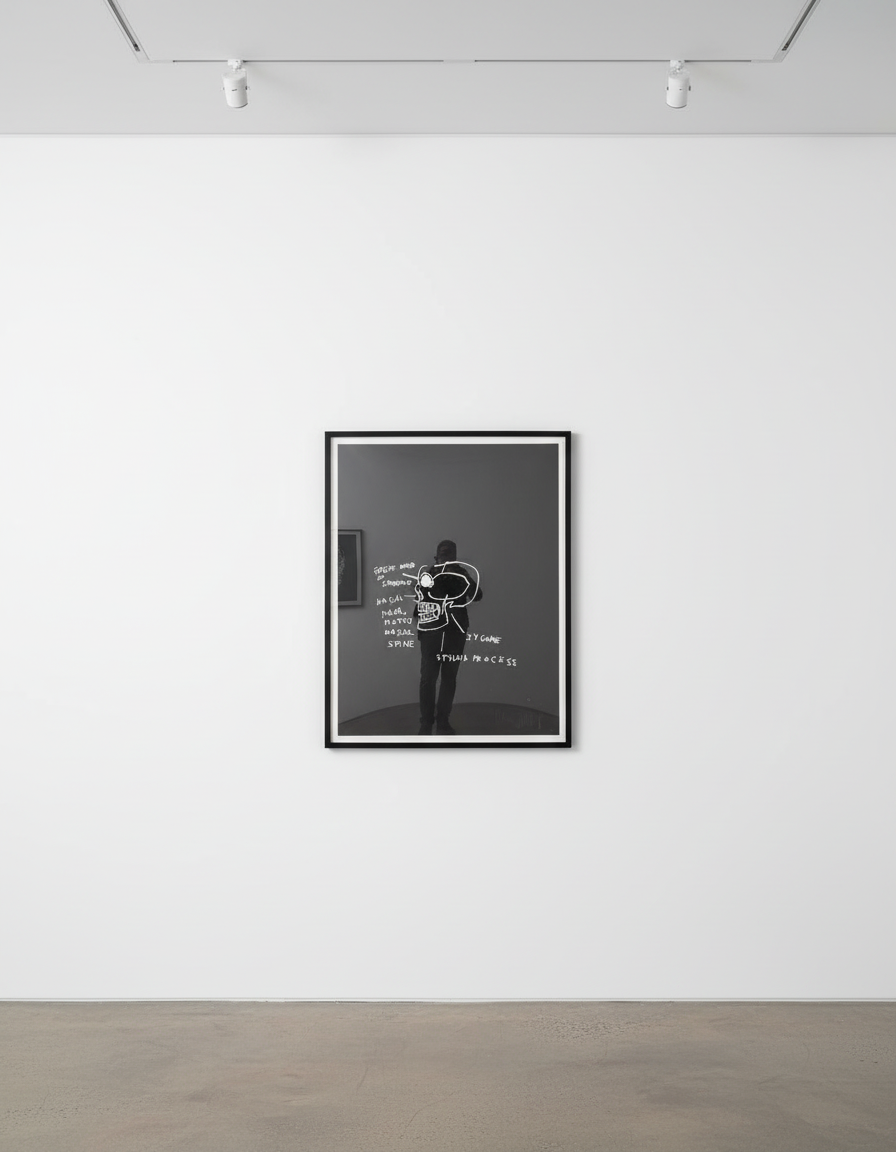
Great Wind of Sphenoid, from Anatomy — Jean-Michel Basquiat. Available at Guy Hepner, New York.
The crossed-out words that appear throughout Basquiat's oeuvre serve a dual purpose: they draw attention to what has been obscured while simultaneously preserving it for contemplation. This technique reflects the artist's understanding that erasure itself is a form of emphasis - a poetic device that forces viewers to consider what society attempts to silence or forget. In works from his Anatomy series, such as Great Wind of Sphenoid, Basquiat transforms clinical medical terminology into something approaching incantation, where scientific language becomes lyrical and the body becomes a site of both vulnerability and power.
Jean-Michel Basquiat's poetic genius extended beyond formal innovation to encompass a sustained engagement with history, race, and power structures. His canvases function as palimpsests of cultural memory, layering references to African kingdoms, Caribbean heritage, jazz musicians, boxing champions, and the systematic oppression of Black Americans. This archaeological approach to image-making positioned Basquiat as both historian and prophet, excavating buried narratives while projecting urgent warnings about contemporary society.
The artist's treatment of Black heroes - from musicians like Charlie Parker and Dizzy Gillespie to athletes like Sugar Ray Robinson and Joe Louis - reveals his commitment to constructing an alternative canon of greatness. These figures appear crowned in his signature three-pointed motif, elevated to the status of royalty and sainthood in defiance of a Western art historical tradition that had largely excluded them. Basquiat understood that representation itself was a political act, and his portraits served as both tribute and corrective.
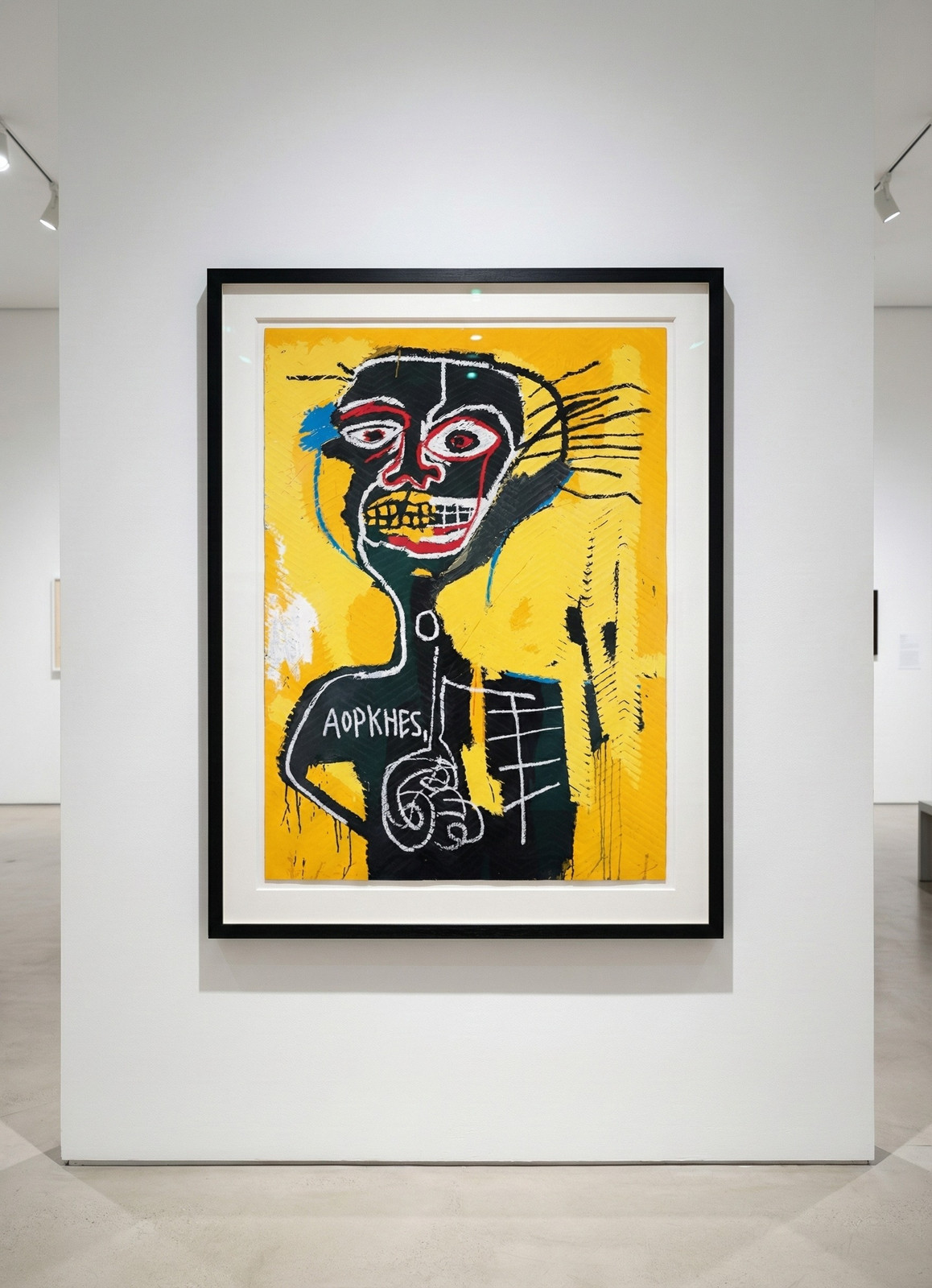
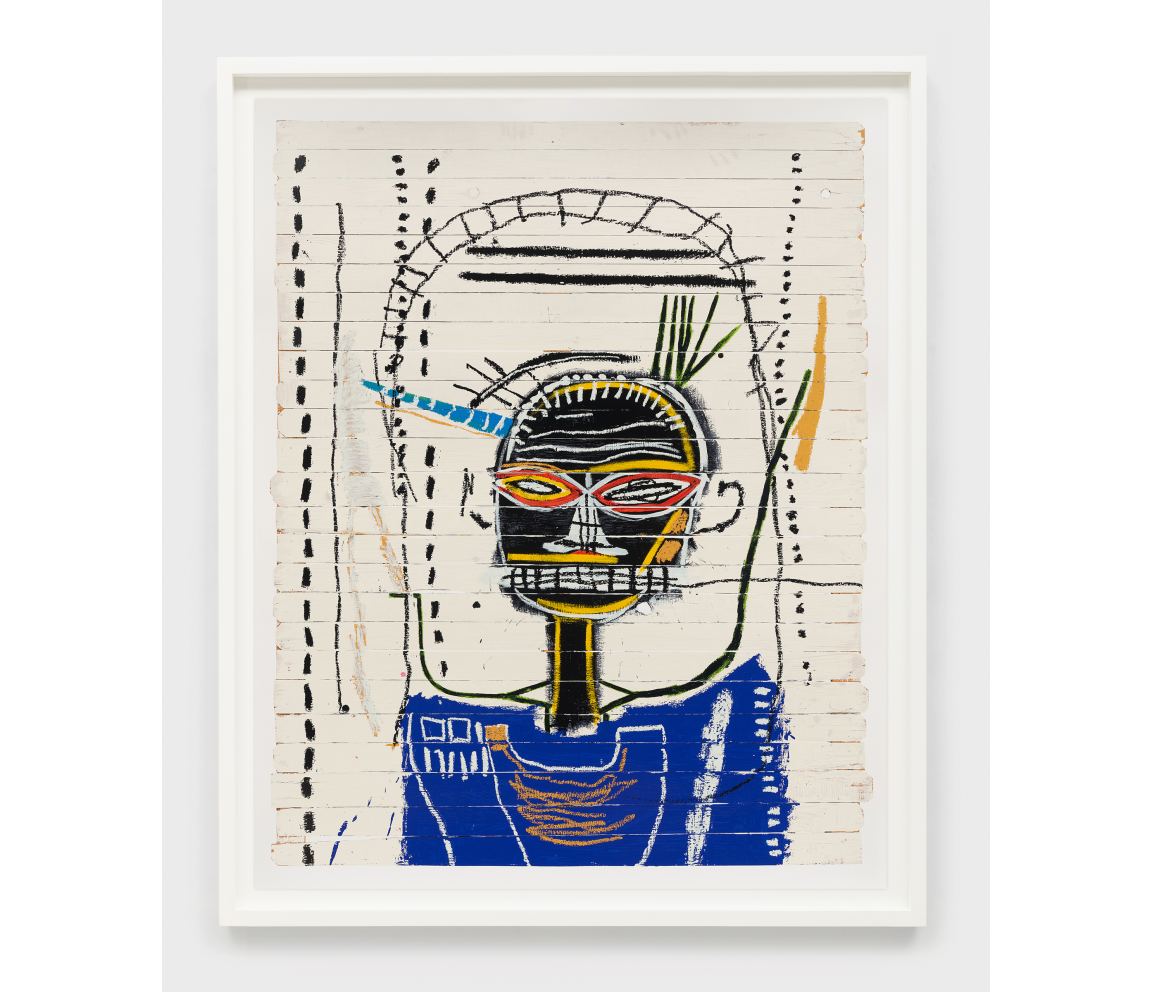
Cabeza, from Portfolio Ii — Jean-Michel Basquiat. Available at Guy Hepner, New York.
His Superhero Portfolio exemplifies this reclamation project, presenting figures who transcend conventional narratives of power. In Flash In Naples, Basquiat merges classical European references with his characteristic visual vocabulary, creating a dialogue between artistic traditions while asserting his own position within - and challenge to - the canon. The work demonstrates his ability to move fluidly between cultural registers, synthesising disparate influences into something entirely original.
The market for Jean-Michel Basquiat has reached extraordinary heights, reflecting both the scarcity of available works and the enduring relevance of his artistic vision. According to the Art Basel and UBS Global Art Market Report, Basquiat consistently ranks among the most valuable post-war artists at auction, with major works regularly achieving prices in excess of fifty million dollars. His 1982 painting Untitled sold at Sotheby's in 2017 for $110.5 million, establishing a benchmark that underscored his position among the most significant artists of any era.
Christie's and Sotheby's continue to see robust demand for Basquiat's works across all media, from monumental canvases to works on paper and prints. The artist's relatively small output - approximately 1,500 paintings and 600 drawings produced during a career spanning less than a decade - ensures that quality examples remain highly sought after. Collectors are drawn not only to the visual power of his work but to its conceptual richness and historical importance.
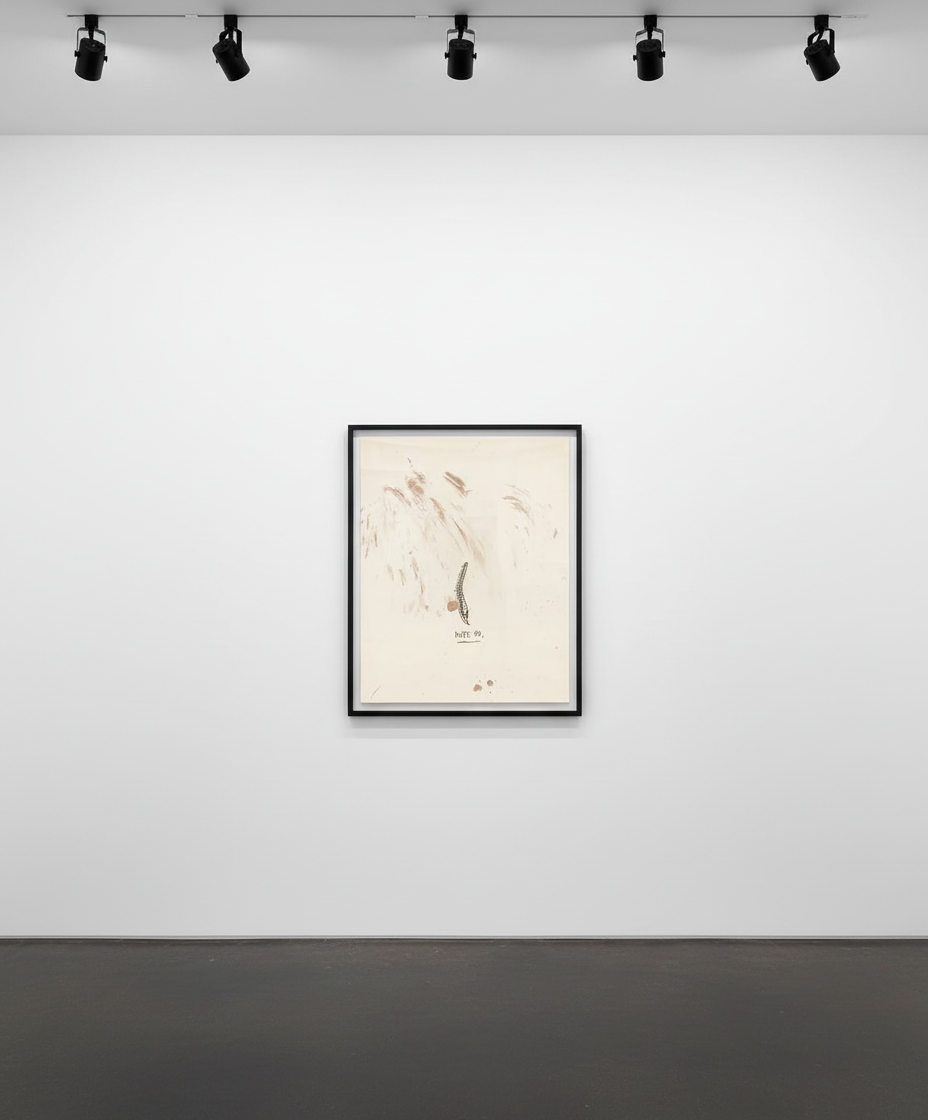
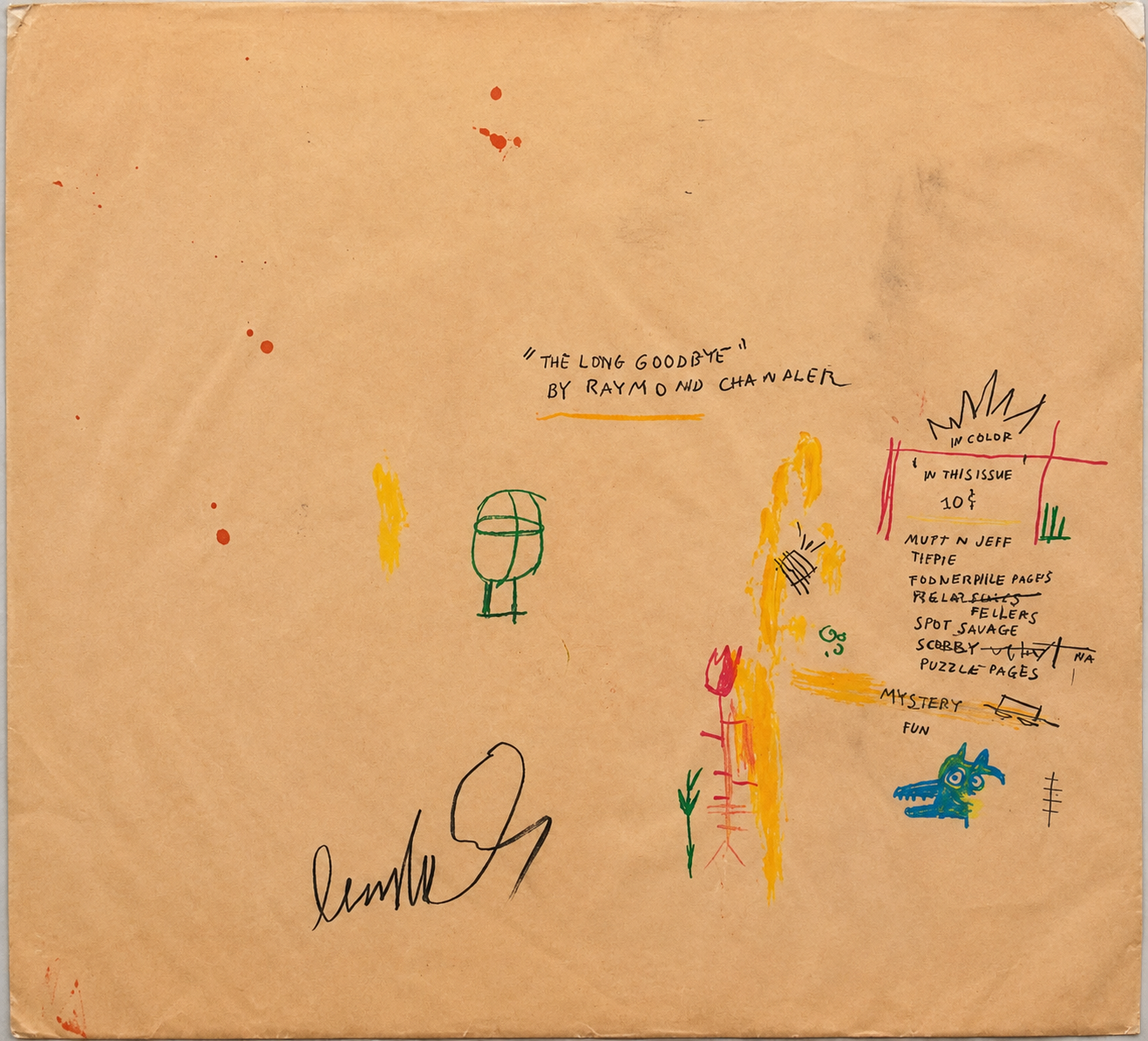
Untitled 4 (from Leonardo) — Jean-Michel Basquiat. Available at Guy Hepner, New York.
The collaborative works Basquiat produced with Andy Warhol, represented in suites such as Wolf Sausage, King Brand, Untitled (Dog Leg Study), Undiscovered Genius, occupy a unique position in the market. These pieces document a remarkable artistic dialogue between two generational icons, combining Warhol's pop sensibility with Basquiat's neo-expressionist intensity. For collectors, they represent an opportunity to acquire work that embodies a pivotal moment in late twentieth-century art history.
Guy Hepner is proud to offer collectors access to exceptional works by Jean-Michel Basquiat, including rare prints and editions that capture the full force of his poetic genius. Our expertise in the secondary market for blue-chip contemporary art ensures that clients receive informed guidance throughout the acquisition process, from initial consultation to authentication and provenance verification. Whether you are building a focused collection or seeking a singular masterpiece, our team stands ready to assist in securing works by this transformative artist. Contact Guy Hepner today to explore available works by Jean-Michel Basquiat and discover why his vision continues to resonate with collectors worldwide.
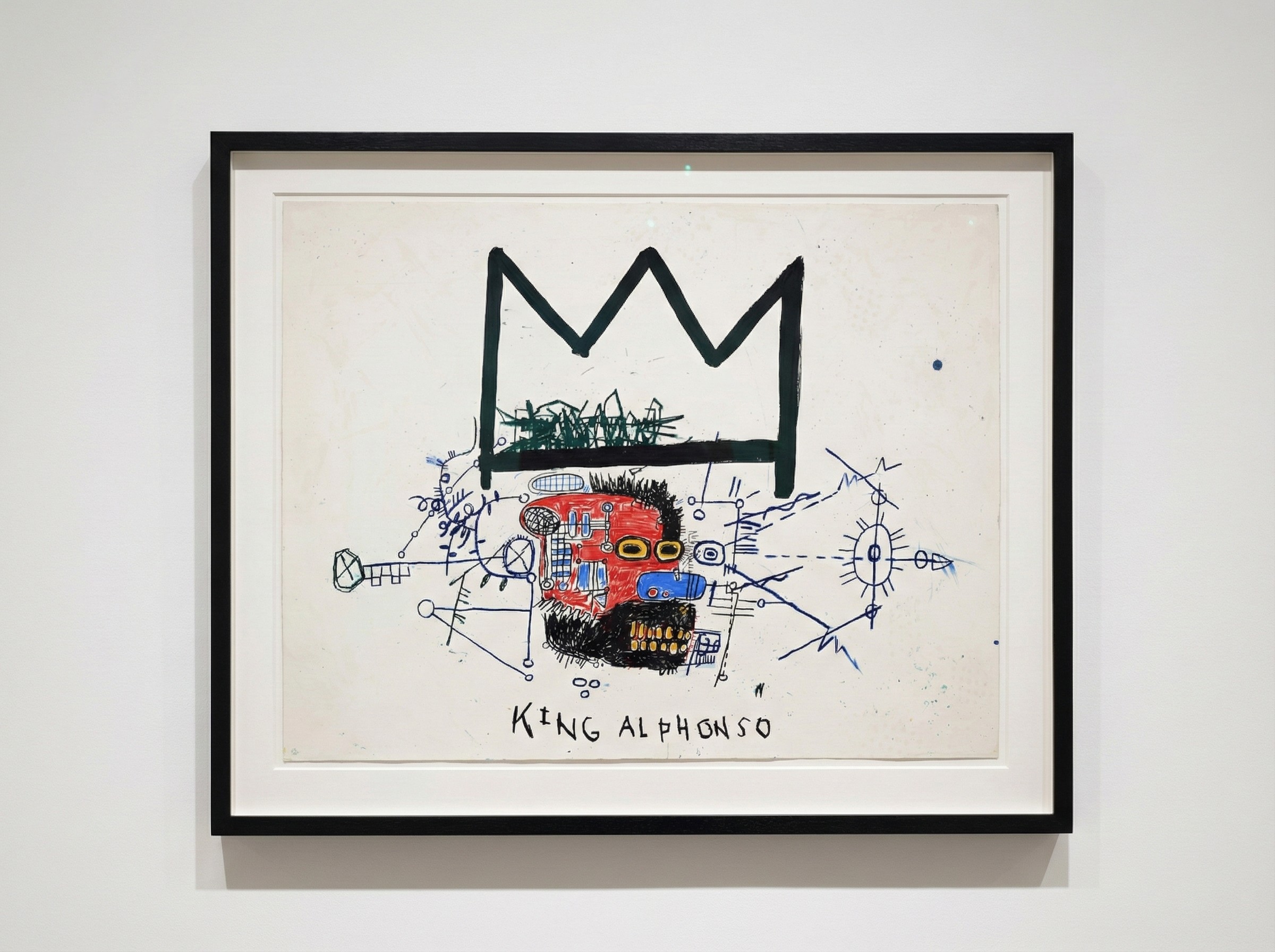
Explore Jean Michel Basquiat prints for sale at Guy Hepner: Wolf Sausage, King Brand, Untitled (Dog Leg Study), Undiscovered Genius, Anatomy, Daros Suite, Estate Prints, King Alphonso.
Related Series