Anatomy

May 23, 2026
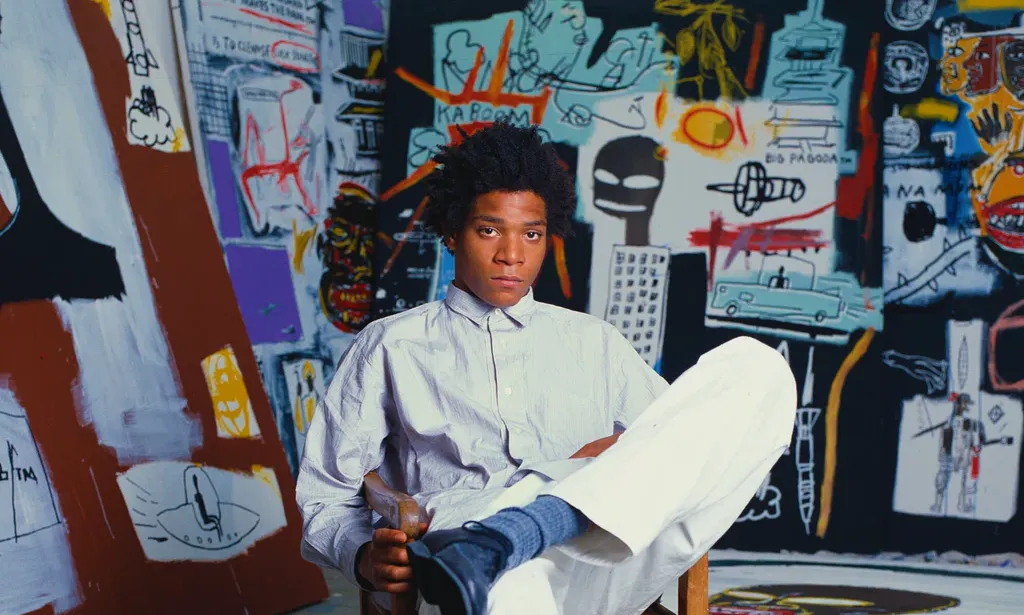
Jean-Michel Basquiat's meteoric rise from street artist to international icon was no accident of timing or luck. His trajectory from the graffiti-covered walls of downtown Manhattan to the most prestigious auction houses in the world represents one of the most compelling narratives in contemporary art history. Basquiat's brief but extraordinarily prolific career - spanning less than a decade before his death at twenty-seven - reflected the complexity of his upbringing, and his unique synthesis of street energy, academic influence, and raw emotional depth made his work unmistakably singular. To fully appreciate Basquiat's artistic output and understand why his works now command prices exceeding one hundred million dollars at auction, one must examine the early forces that shaped this revolutionary figure.
Born in Brooklyn, New York, on December 22, 1960, Jean-Michel Basquiat emerged from a rich bicultural heritage that would prove foundational to his artistic identity. His father, Gérard Basquiat, emigrated from Haiti, while his mother, Matilde Andrades, was of Puerto Rican descent. This dual Caribbean lineage provided Basquiat with a complex cultural framework through which he would later interrogate questions of identity, belonging, and historical erasure in his paintings.
From an early age, Basquiat demonstrated exceptional linguistic abilities - he spoke English, Spanish, and French fluently - which gave him unusual access to multiple cultural traditions and literary canons. This multilingual facility would later manifest in his paintings through fragmented words, cryptic phrases, and text that moved fluidly between languages. His work often incorporated Spanish and French alongside English, creating layers of meaning that rewarded sustained attention and cultural literacy.
The themes of colonialism, diaspora, and cultural hybridity that permeate Basquiat's oeuvre find their origins in these formative years. Growing up in a household where Caribbean history and African diasporic experience were living realities rather than abstract concepts shaped his later critiques of Western art historical hierarchies and his insistence on centering Black historical figures in his compositions.
Matilde Andrades recognized her son's artistic gifts early and became instrumental in nurturing his creative development. She enrolled him as a junior member of the Brooklyn Museum at age six and regularly took him to visit the Museum of Modern Art and the Metropolitan Museum of Art. These institutional encounters exposed the young Basquiat to canonical works of Western art history - knowledge he would later deploy, subvert, and challenge in his own practice.
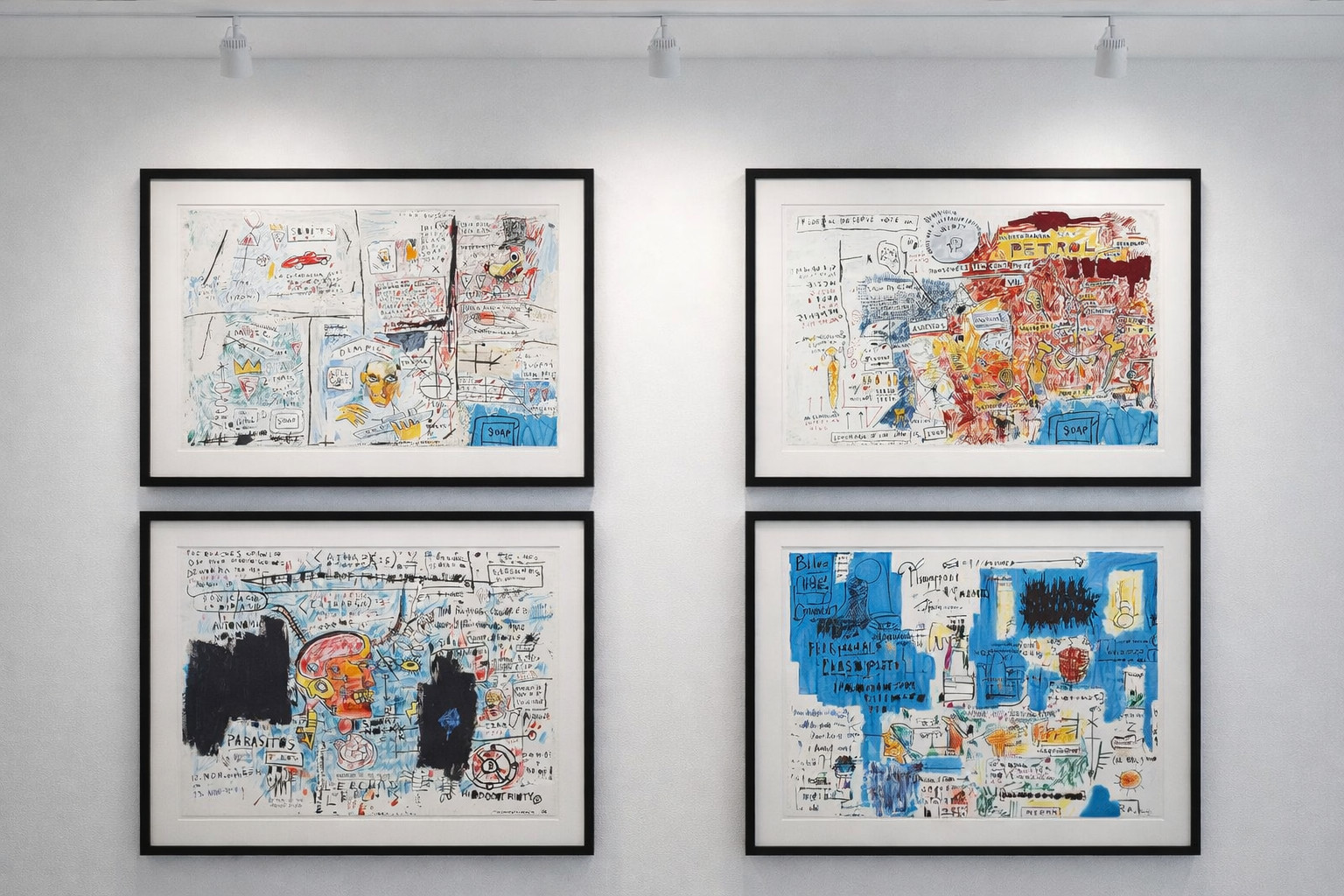
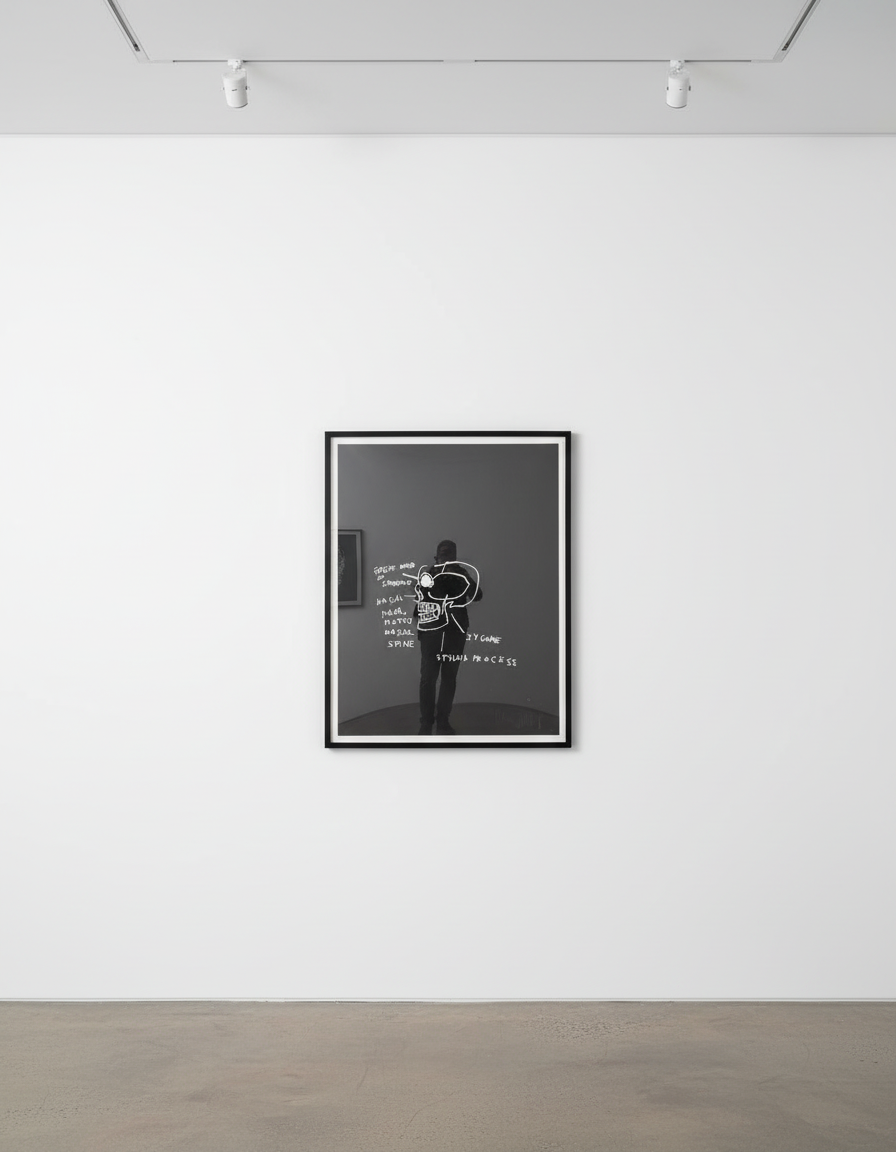
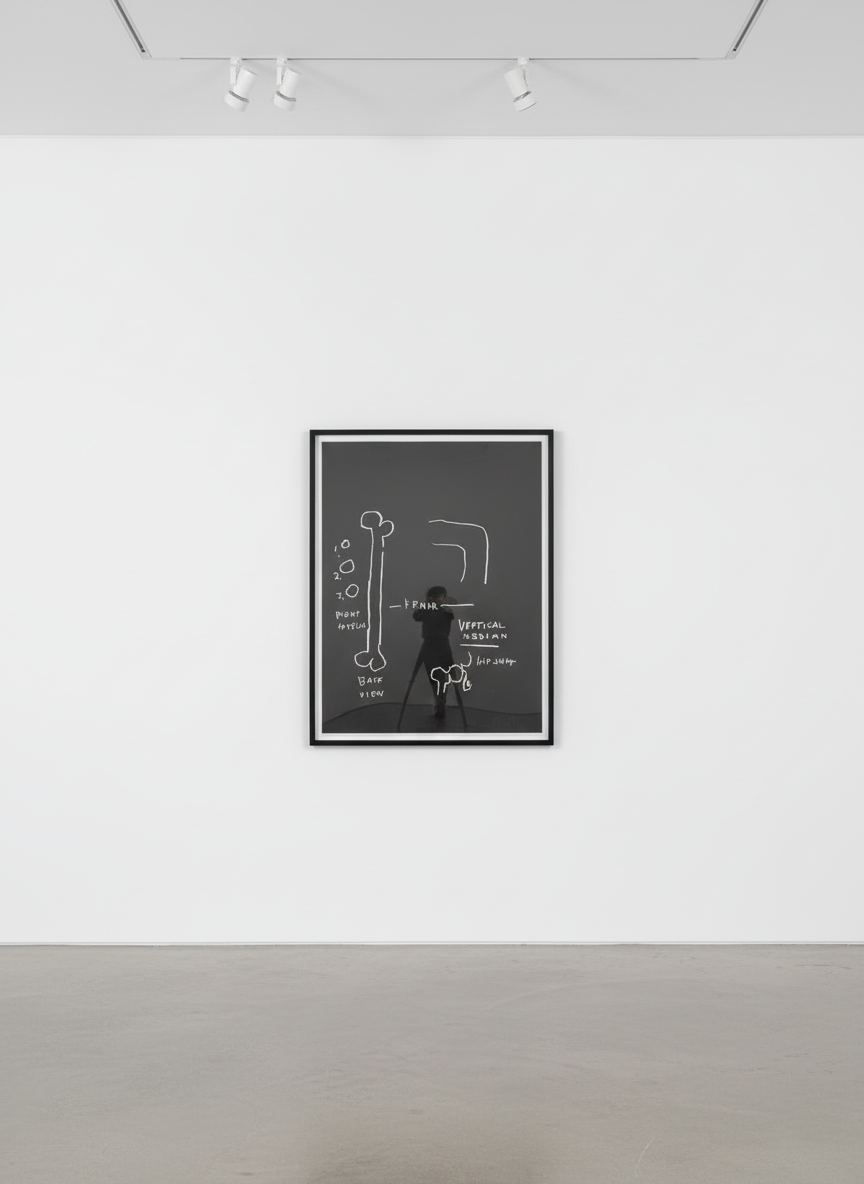
A pivotal moment in Basquiat's development occurred at age seven when he was struck by a car while playing in the street. During his hospitalization and subsequent recovery from a splenectomy, his mother brought him a copy of Gray's Anatomy. This medical text captivated the young artist, and its influence would resonate throughout his career. The anatomical diagrams, cross-sections, and systematic documentation of the human body became recurring motifs in Basquiat's paintings. His Anatomy series, created in collaboration with the publisher Fonds Régional d'Art Contemporain, directly references this childhood encounter with medical illustration - transforming clinical imagery into visceral artistic statements about mortality, embodiment, and the fragility of human existence.
The period following his parents' separation proved turbulent. Basquiat moved with his father and two sisters to Puerto Rico for several years before returning to New York. This instability - combined with his mother's eventual institutionalization for mental illness - created emotional upheaval that found expression in his art's urgent, often aggressive energy. By his teenage years, Basquiat had begun running away from home and would eventually drop out of high school, choosing instead the alternative education offered by the streets of lower Manhattan.
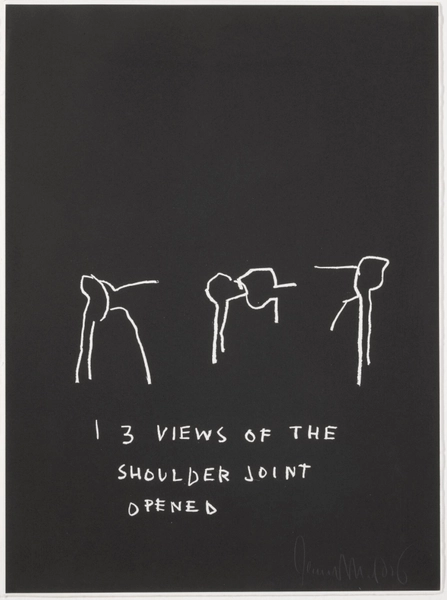Three Views of The Shoulder Joint Opened, from Anatomy — Jean-Michel Basquiat. Available at Guy Hepner, New York.
Basquiat's emergence onto the New York art scene began not in galleries but on the streets. Working with his friend Al Diaz under the tag SAMO - an abbreviation of "same old shit" - Basquiat created enigmatic phrases and statements that appeared throughout downtown Manhattan in the late 1970s. These interventions combined conceptual sophistication with punk-era irreverence, announcing a new voice that refused easy categorization.
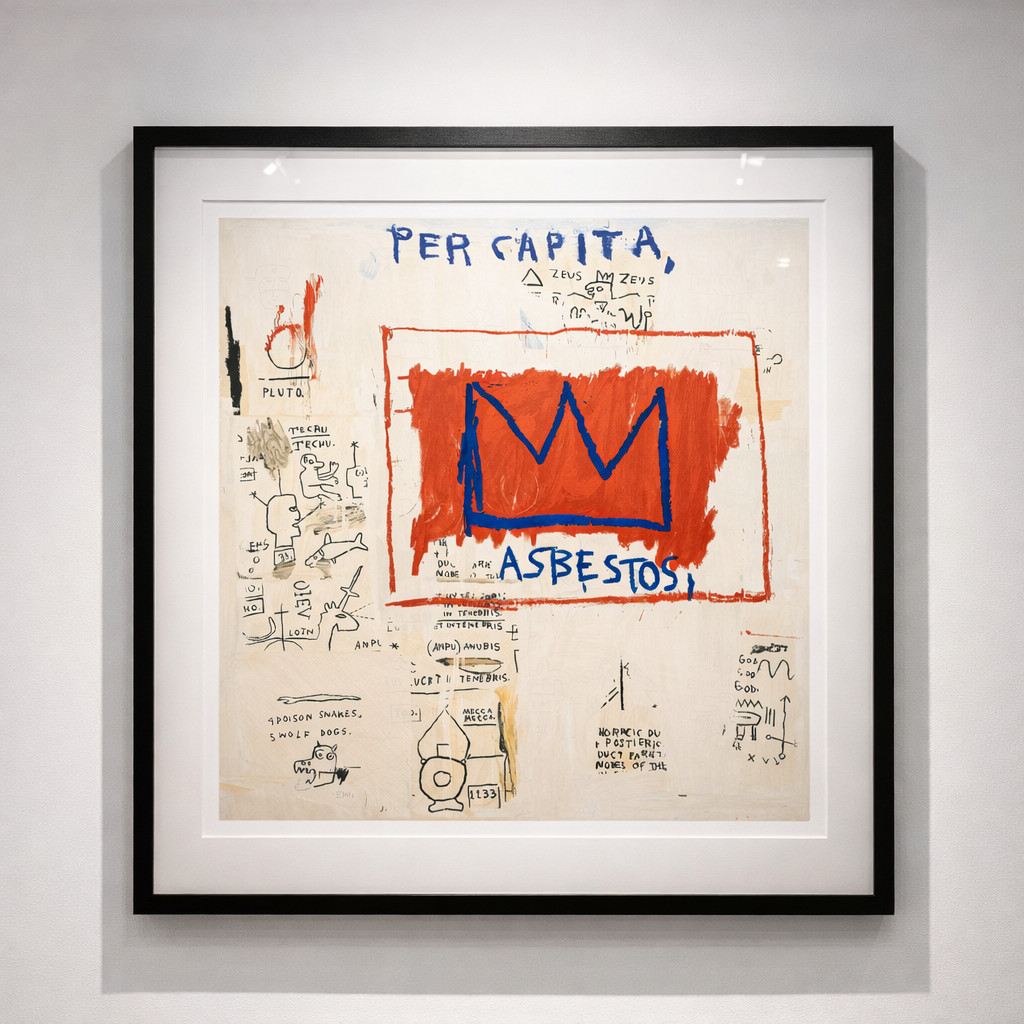
The transition from street interventions to canvas occurred rapidly. By the early 1980s, Basquiat had captured the attention of the international art world, his paintings commanding significant prices even as he remained in his early twenties. His work synthesized the raw energy of graffiti with references to jazz, boxing, African-American history, and canonical Western art. Figures like Charlie Parker, Sugar Ray Robinson, and unnamed Black kings populated his canvases, demanding recognition within art historical frameworks that had historically excluded them.
According to data compiled in the Art Basel and UBS Global Art Market Report, works by Basquiat consistently rank among the highest-performing lots in the contemporary art market. Christie's and Sotheby's have recorded numerous record-breaking sales, with his 1982 painting Untitled achieving over one hundred ten million dollars - establishing Basquiat as one of the most valuable artists of any era. This market performance reflects not merely speculative enthusiasm but genuine recognition of Basquiat's art historical significance and enduring cultural relevance.
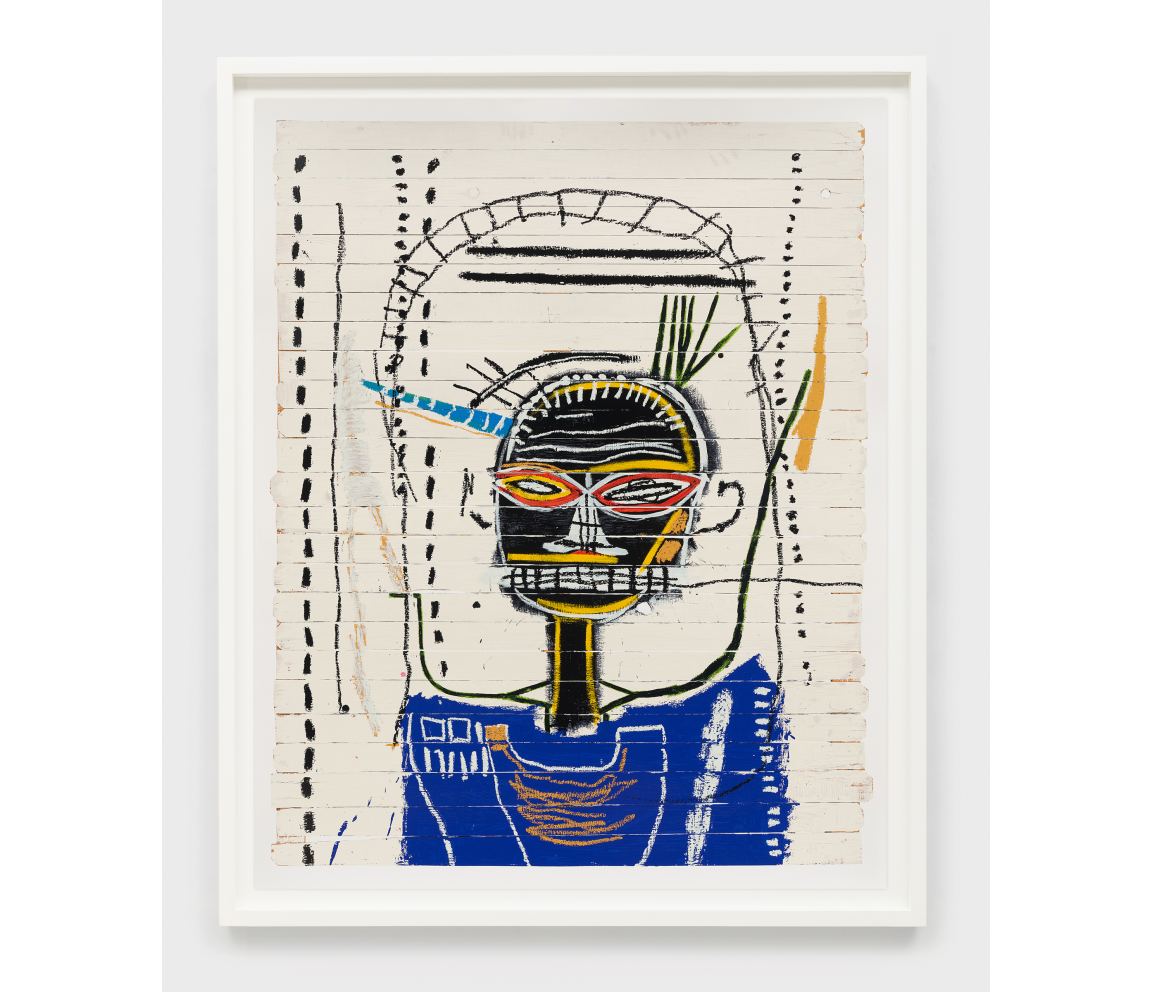
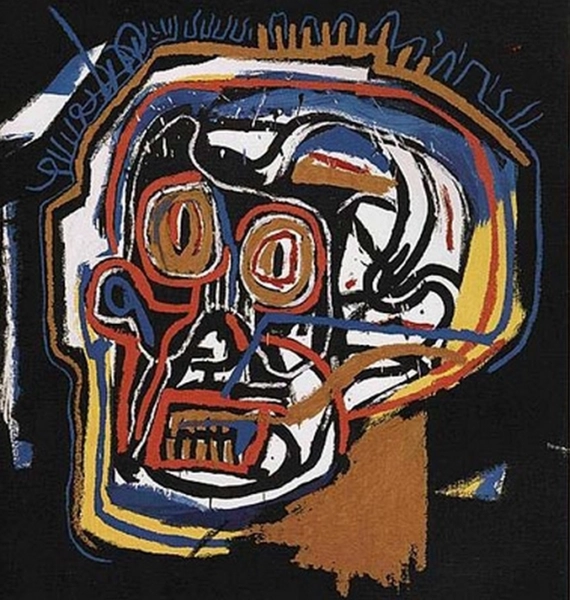Untitled (Head), from Portfolio I — Jean-Michel Basquiat. Available at Guy Hepner, New York.
For serious collectors, Basquiat represents a unique convergence of critical acclaim and market strength. His works offer both intellectual depth and visceral immediacy - they reward scholarly analysis while maintaining the raw power that made them revolutionary upon first appearance. The relative scarcity of his output, constrained by his tragically brief career, ensures that significant works rarely appear at auction and command exceptional attention when they do.
Guy Hepner is pleased to offer collectors access to works from Basquiat's celebrated Anatomy series, including Female Pelvis - Back View, Three Views of The Shoulder Joint Opened, Great Wind of Sphenoid, The Scapula, and Thyroid. These works represent an exceptional opportunity to acquire pieces that directly connect to Basquiat's formative experiences while demonstrating the sophisticated visual vocabulary that defines his mature practice. For acquisition inquiries, private viewing appointments, or further information regarding available works by Jean-Michel Basquiat, please contact Guy Hepner directly.
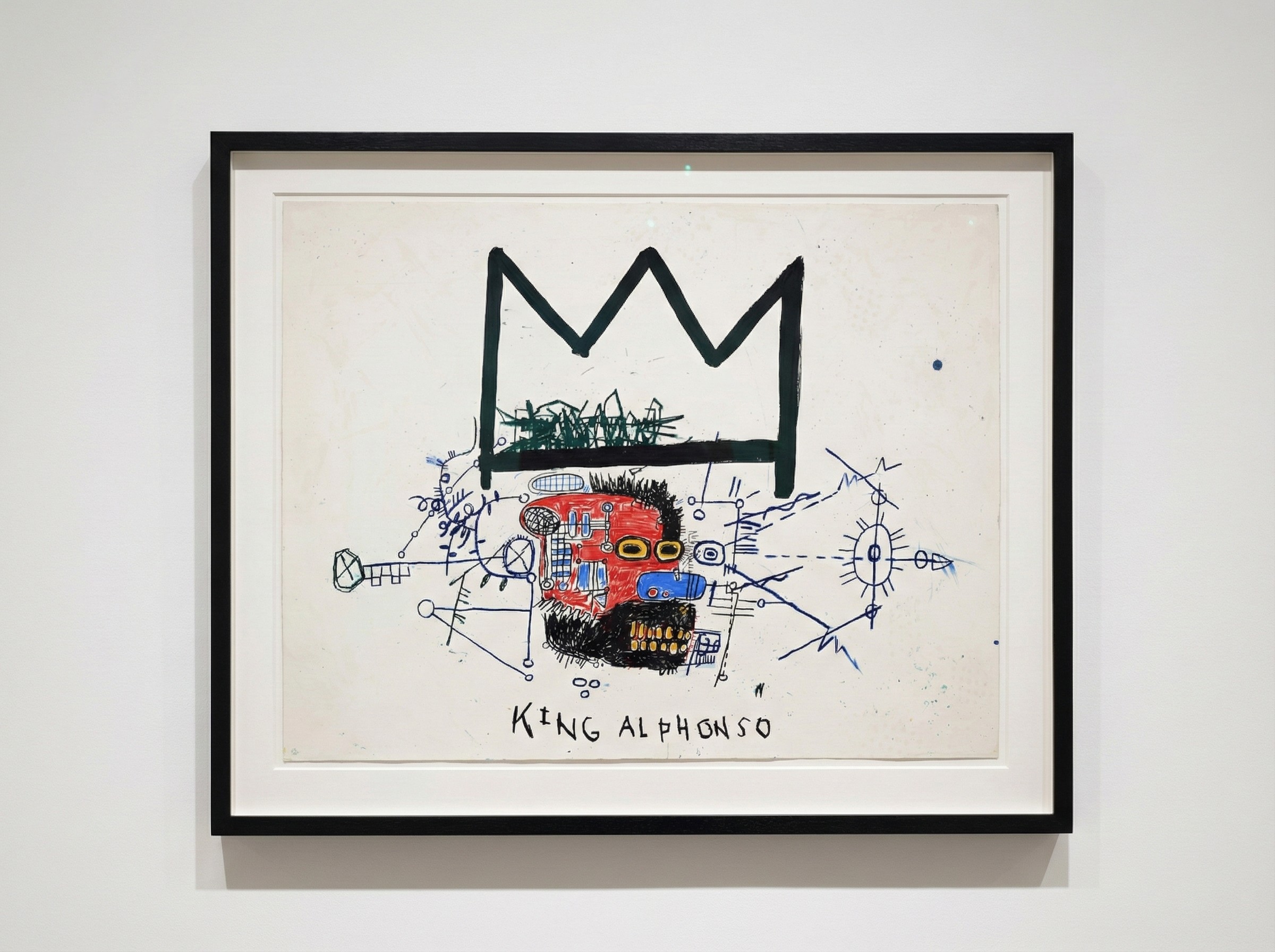
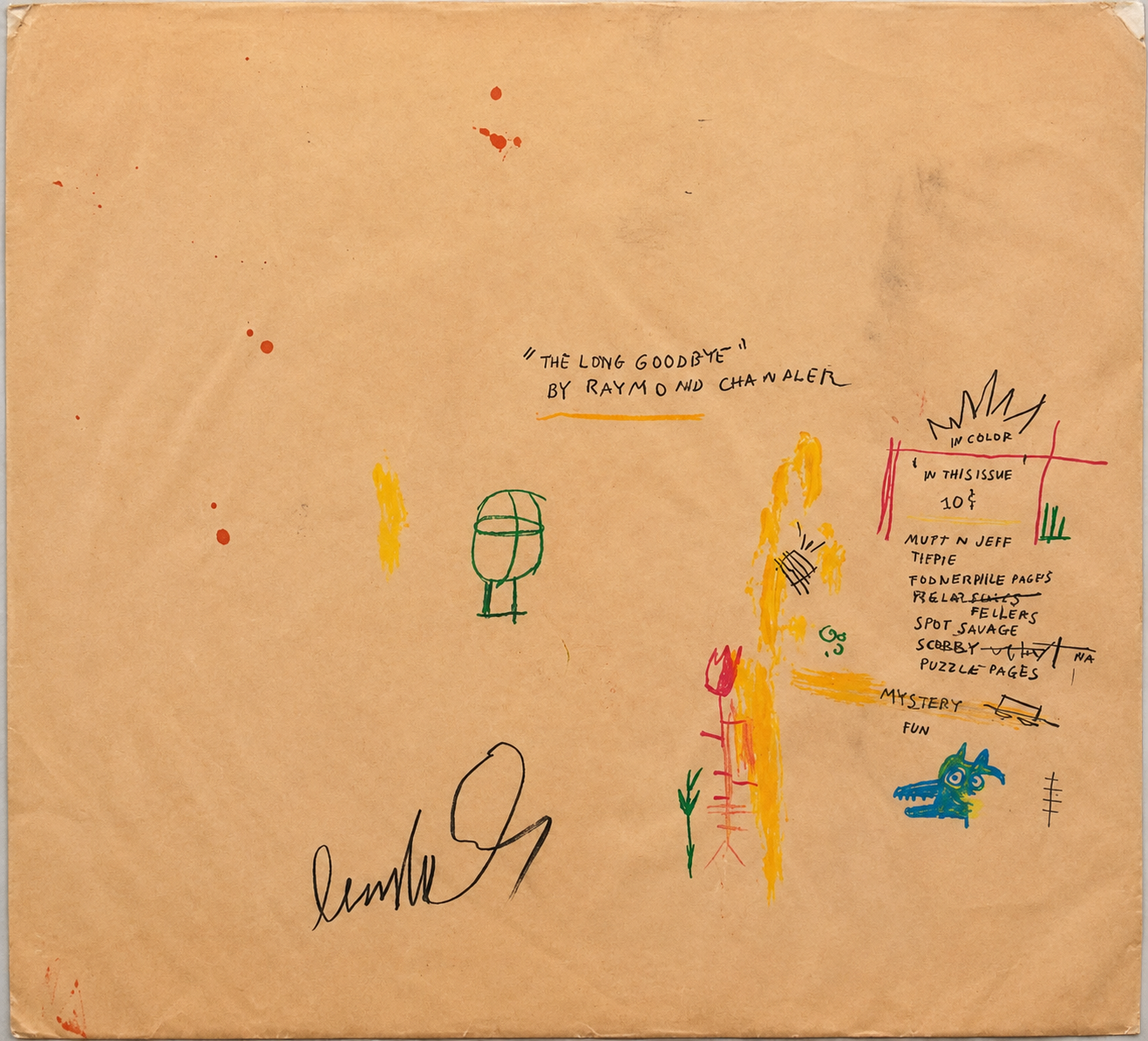
Explore Jean Michel Basquiat prints for sale at Guy Hepner: Anatomy, Daros Suite, Estate Prints, King Alphonso, Original Works.
Related Series