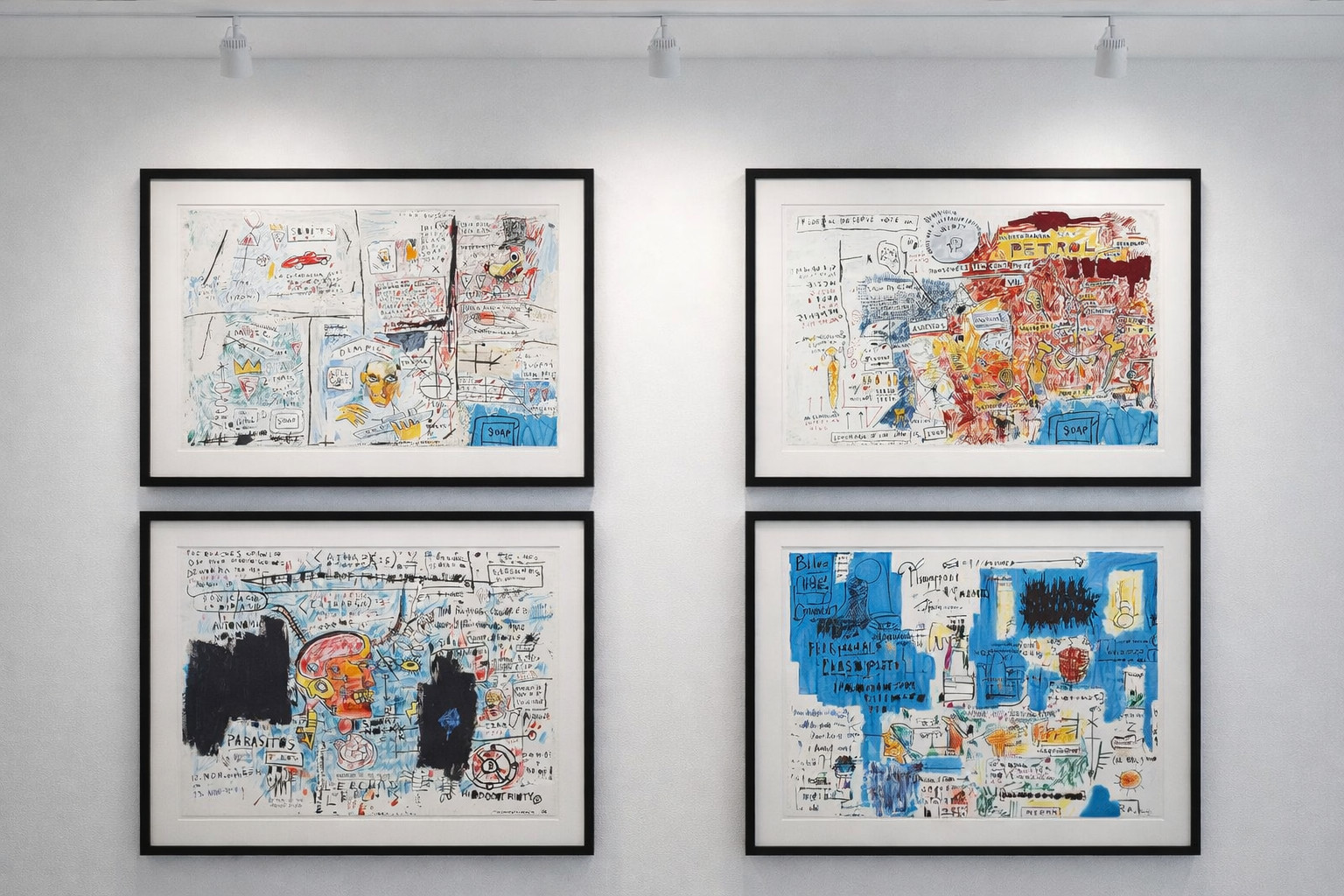
Anatomy

Jean-Michel Basquiat's meteoric rise from the gritty streets of New York to the walls of the world's most prestigious museums remains one of the most compelling narratives in modern art history. A figure whose work merges poetry, street culture, and high art, Basquiat transcends the label of 1980s art star - he stands as an enduring symbol of rebellion, brilliance, and cultural fusion. His importance lies not only in stylistic innovation but in how he gave voice to marginalized histories and fundamentally redefined what contemporary art could be. Today, Jean-Michel Basquiat matters more than ever, as new generations of collectors and institutions recognize the prophetic urgency of his vision.
Born in Brooklyn in 1960 to a Haitian father and Puerto Rican mother, Jean-Michel Basquiat grew up in a multilingual, multicultural household that fostered his extraordinary creativity. He was a precocious child who absorbed influences from everything around him - cartoons, classical music, Anatomy books, and the chaotic rhythm of New York City. His mother, Matilde, took him to museums and encouraged his early artistic pursuits, while his father, Gérard, gave him access to a world of literature and language. This rich cultural foundation would later manifest in the layered iconography that defines his mature work.
Basquiat first entered public consciousness in the late 1970s under the pseudonym SAMO - short for "Same Old Shit" - which he used alongside collaborator Al Diaz to spray-paint cryptic, poetic phrases across Lower Manhattan. These enigmatic statements challenged viewers to question consumer culture, racism, and artistic pretension. The SAMO project announced Basquiat's arrival not merely as a graffiti artist but as a conceptual provocateur whose words carried the weight of philosophical inquiry.
By 1980, Jean-Michel Basquiat had transitioned from the streets to the gallery world with remarkable speed. His raw aesthetic and intellectual depth caught the attention of dealers, curators, and fellow artists alike. Within just a few years, he would become the youngest artist ever to exhibit at documenta in Kassel and would forge a legendary friendship and collaboration with Andy Warhol.
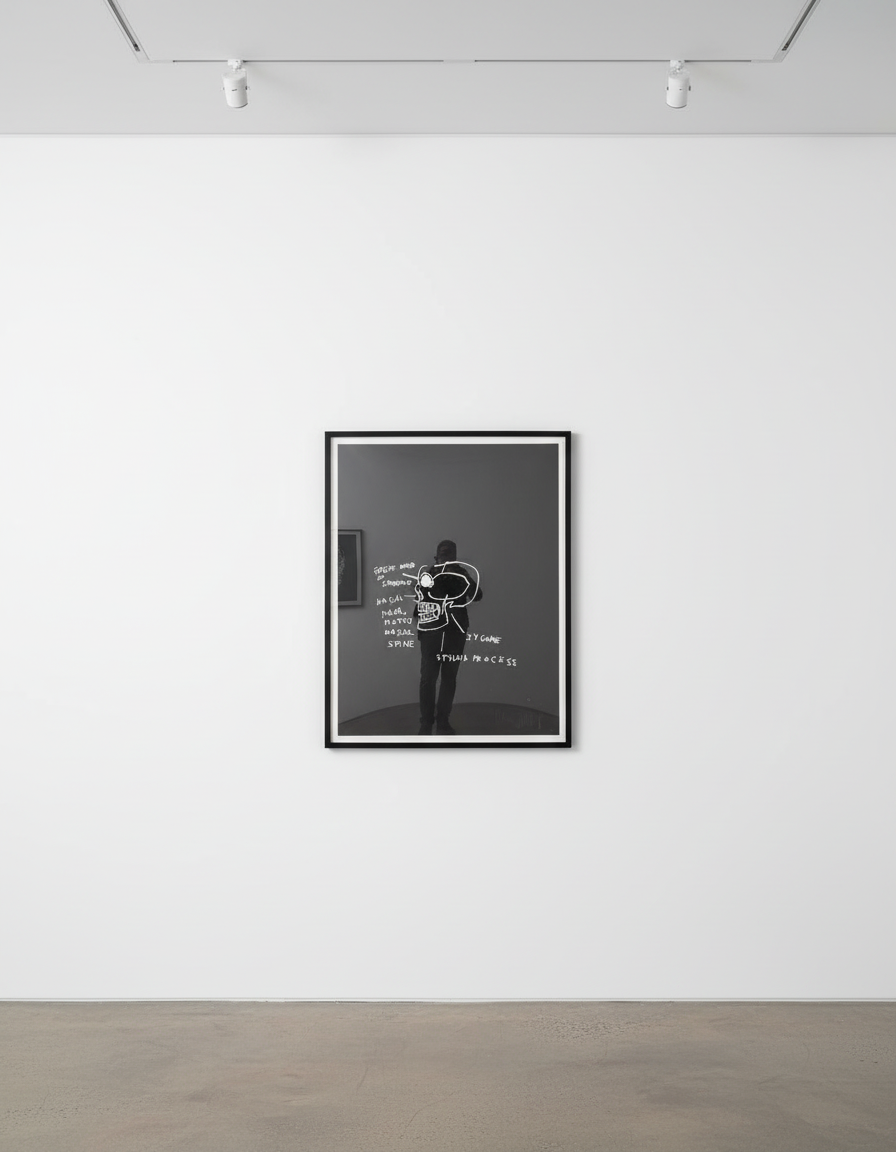
Great Wind of Sphenoid, from Anatomy — Jean-Michel Basquiat. Available at Guy Hepner, New York.
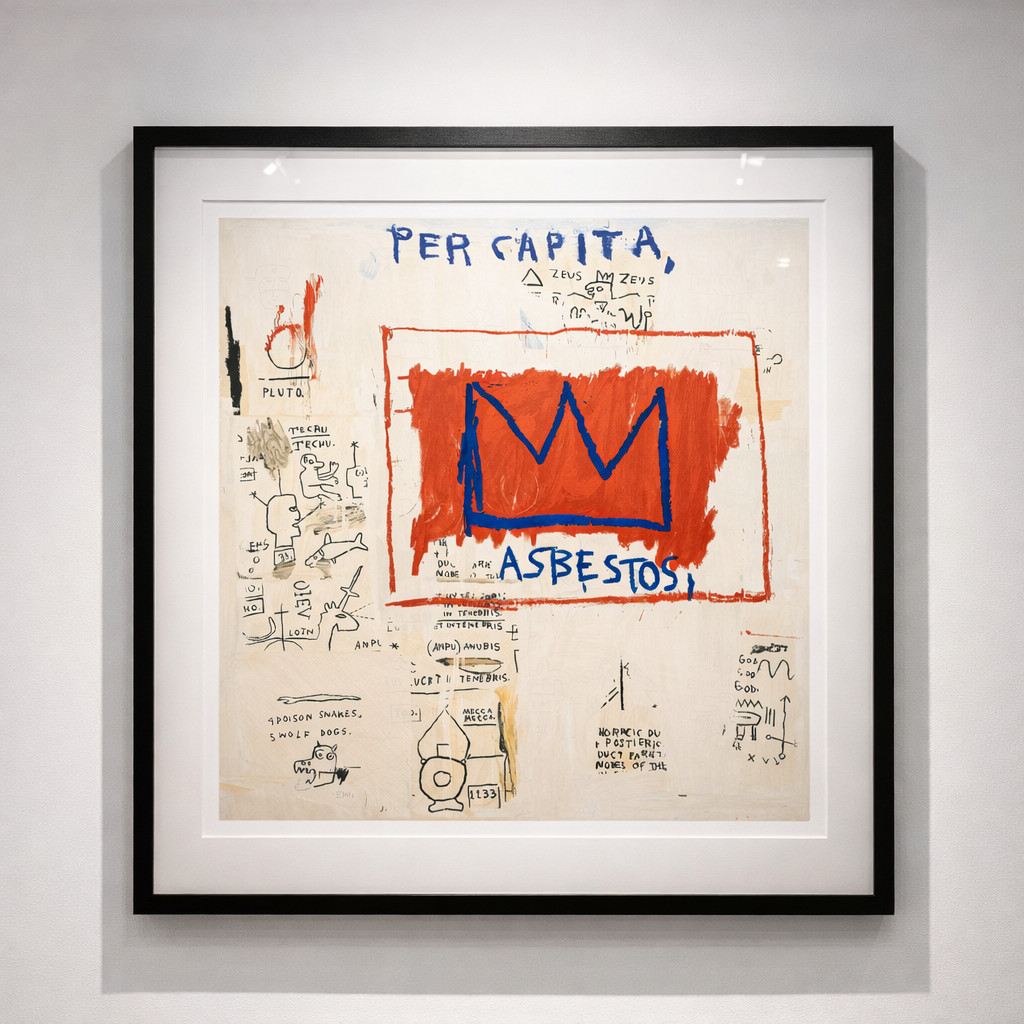
What distinguishes Jean-Michel Basquiat from his contemporaries is the extraordinary density of meaning within each canvas. His paintings function as archaeological sites where African diaspora history, anatomical studies, jazz improvisation, and street culture coexist in dynamic tension. Basquiat developed a visual vocabulary that included recurring motifs - crowns, skulls, copyright symbols, and crossed-out words - each carrying symbolic weight that rewards sustained attention.
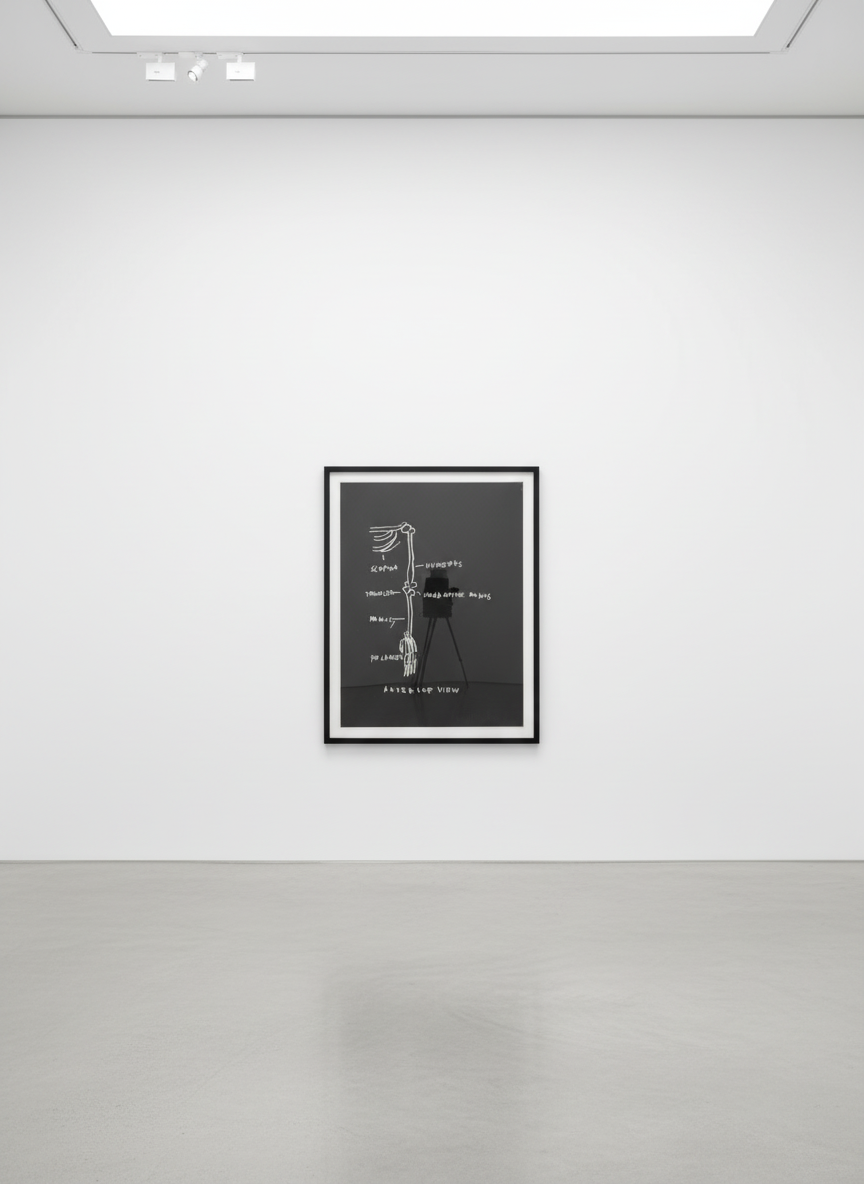
His anatomical works demonstrate a sophisticated understanding of the human body derived partly from Gray's Anatomy, a book his mother gave him during childhood hospitalization. In pieces exploring the sphenoid bone and other skeletal structures, Basquiat transformed medical illustration into meditation on mortality, identity, and the Black body's historical objectification. These works reveal an artist grappling with how bodies are categorized, dissected, and dehumanized by institutional power.
Basquiat's engagement with art history was equally profound and subversive. He positioned Black figures as heroes, kings, and saints - roles historically denied them in Western canonical painting. His tributes to jazz musicians, boxers, and athletes celebrated Black excellence while simultaneously critiquing the systems that commodified Black talent. The recurring crown motif served as both coronation and commentary, elevating his subjects while questioning who determines cultural royalty.
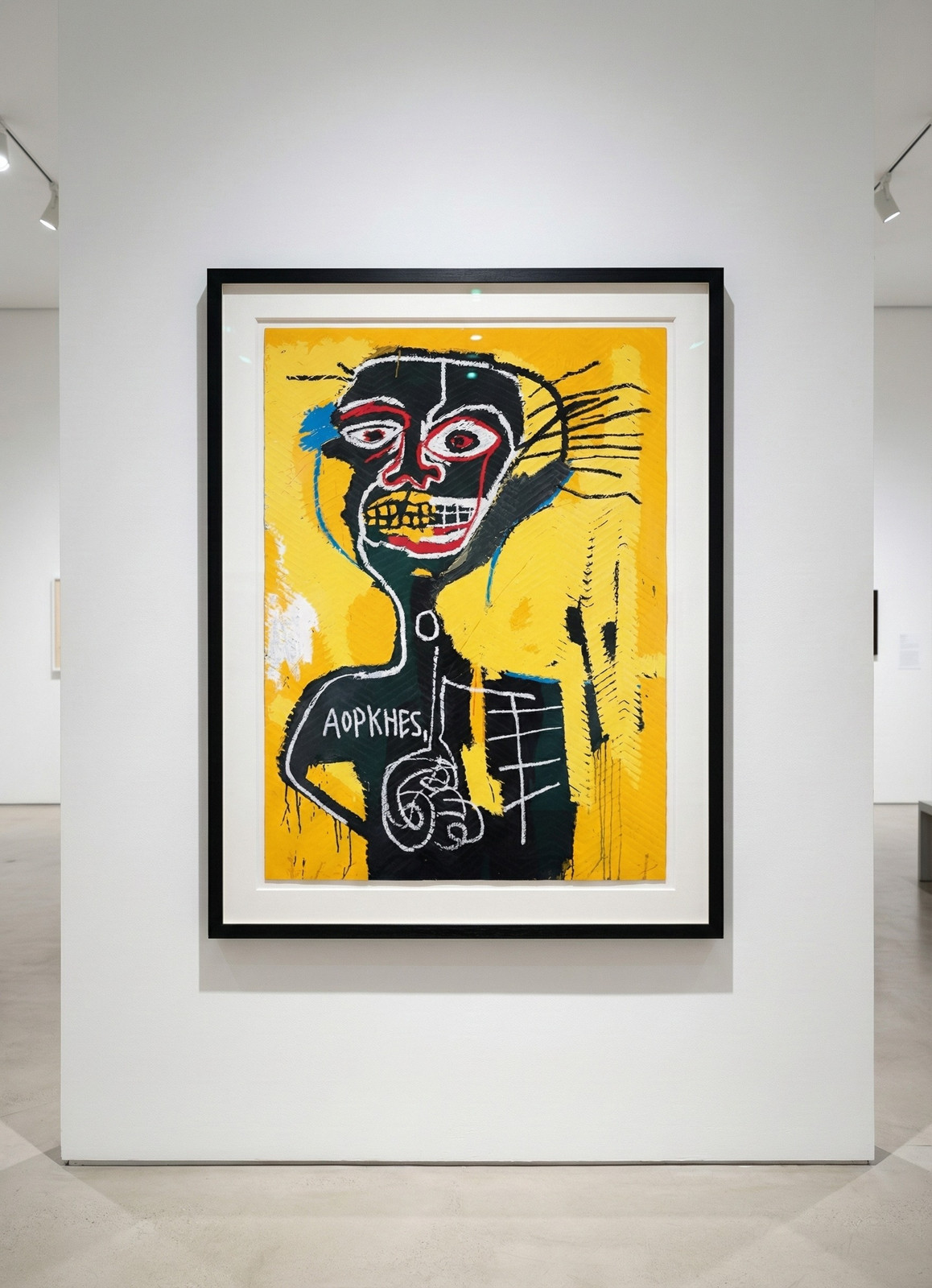
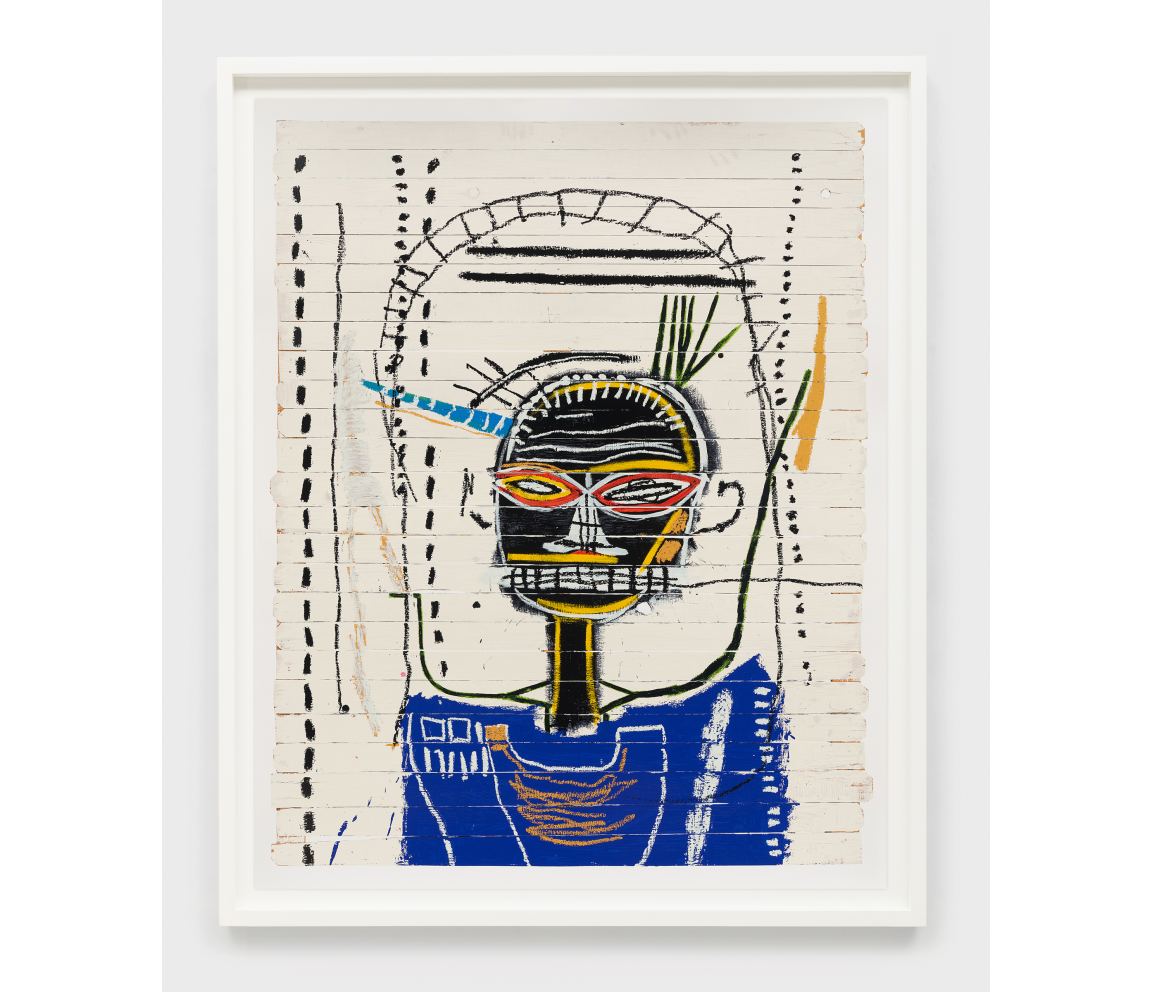
Cabeza, from Portfolio Ii — Jean-Michel Basquiat. Available at Guy Hepner, New York.
The textual elements in Basquiat's work deserve particular attention. Words appear crossed out, repeated, fragmented, and recombined across his canvases. This technique forces viewers to consider what gets erased from official narratives and what persists despite attempts at suppression. Jean-Michel Basquiat understood that language itself was a battleground, and his paintings enact that struggle visibly.
The auction market has consistently validated Jean-Michel Basquiat's position among the most important artists of the twentieth century. According to data from Christie's and Sotheby's, Basquiat regularly achieves results that place him alongside Warhol, Picasso, and Bacon in the upper echelon of post-war and contemporary art sales. His 1982 painting Untitled sold at Sotheby's in 2017 for over $110 million, a record-breaking result that confirmed his blue-chip status.
The Art Basel and UBS Global Art Market Report has consistently identified Basquiat as a market leader, with strong demand across all price points - from major museum-quality canvases to works on paper and limited-edition prints. This broad market depth reflects both institutional validation and genuine collector passion for the artist's work. Unlike artists whose markets depend on speculation, Basquiat's value rests on unassailable art historical significance combined with visceral visual appeal.
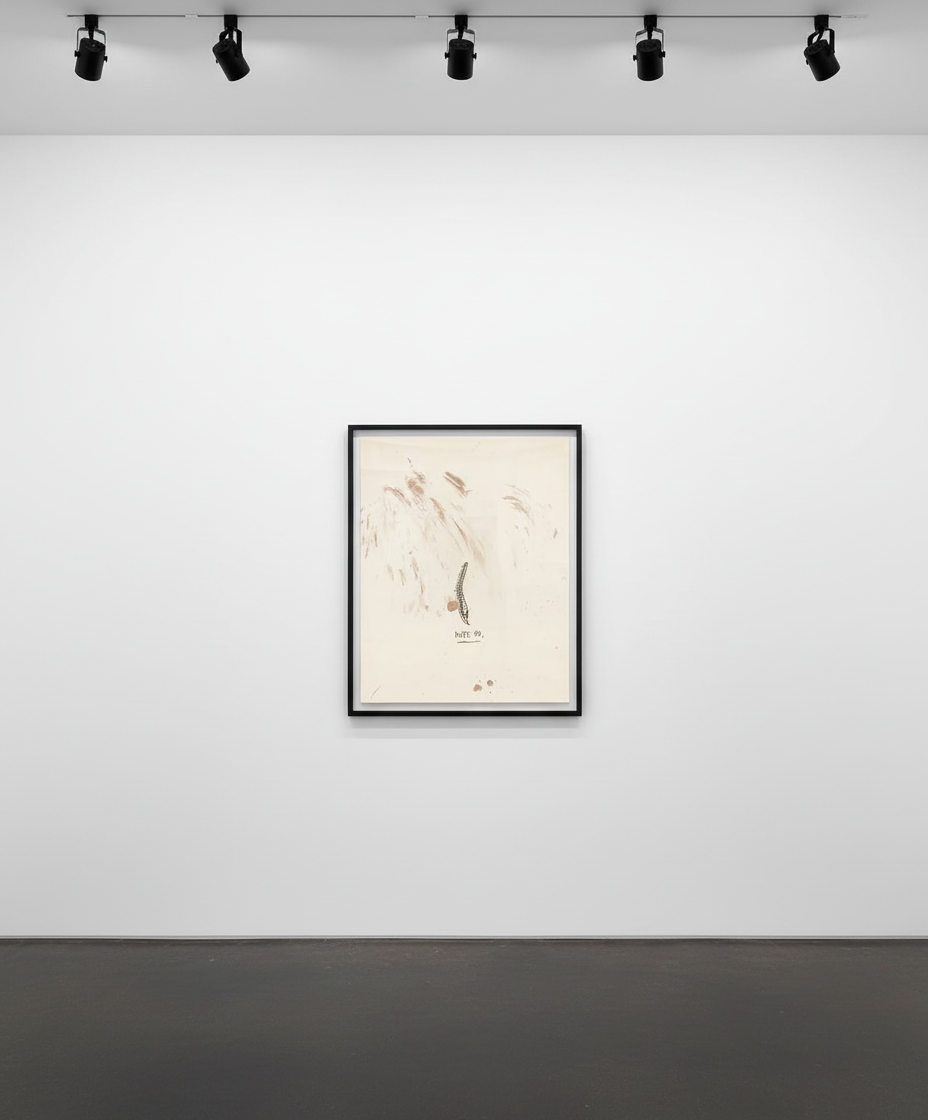
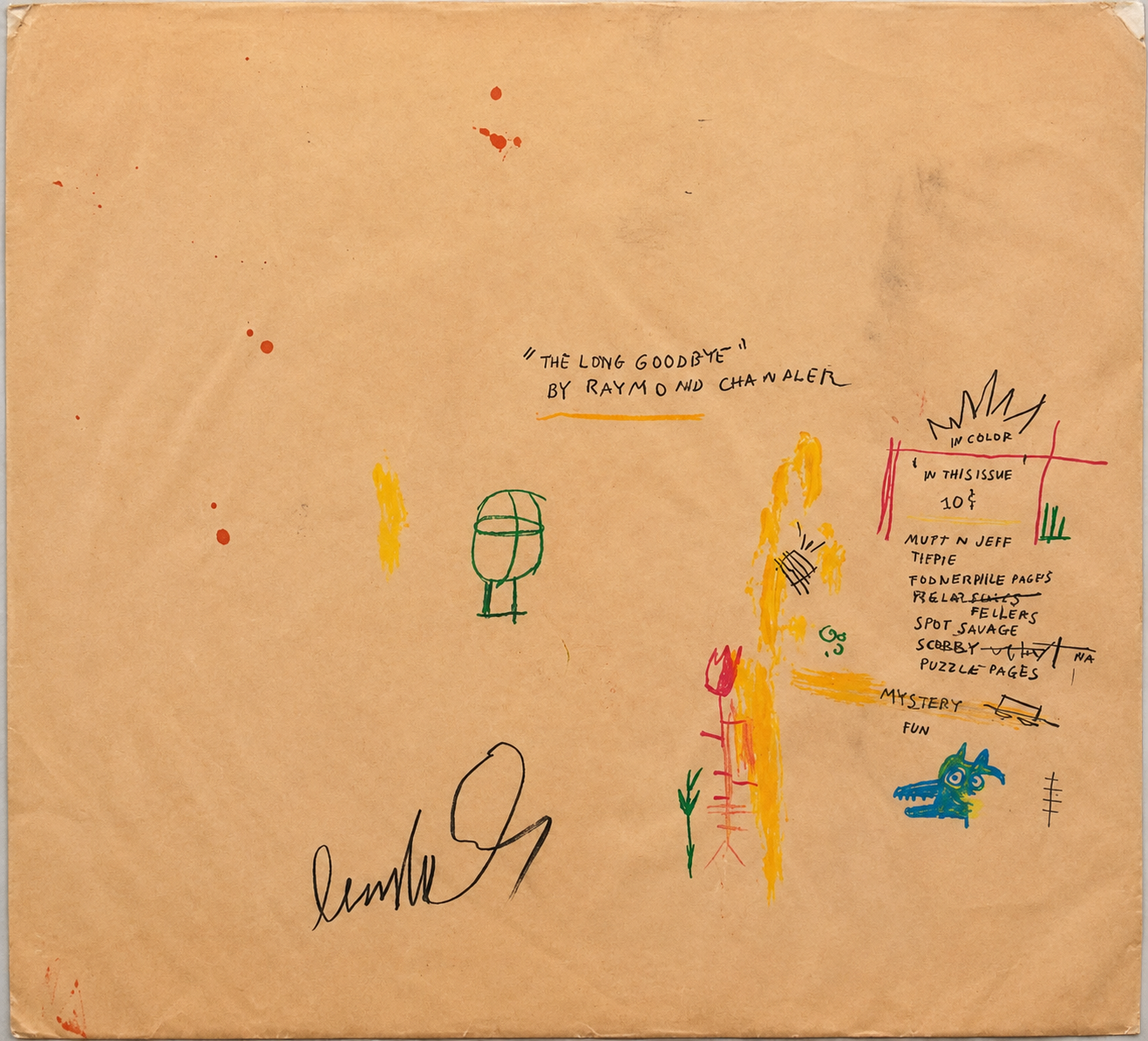
Untitled 4 (from Leonardo) — Jean-Michel Basquiat. Available at Guy Hepner, New York.
For contemporary collectors, Jean-Michel Basquiat represents an increasingly rare opportunity to acquire work by an artist whose cultural relevance continues to expand. His exploration of race, identity, and systemic power speaks directly to current social discourse, making his pieces resonate with collectors who seek art that matters beyond aesthetic pleasure. Museums worldwide continue to mount major retrospectives, further cementing his legacy and driving scholarly attention to his oeuvre.
Guy Hepner is proud to offer exceptional works by Jean-Michel Basquiat, including rare prints and editions that provide collectors meaningful access to this towering figure of contemporary art. Our gallery maintains rigorous standards of authentication and provenance, ensuring that every acquisition meets museum-quality criteria. Whether you are building a collection or seeking a singular masterpiece, our expert team provides personalized guidance through the acquisition process. Contact Guy Hepner today to explore available works by Jean-Michel Basquiat and discover why this visionary artist remains essential to any serious contemporary art collection.
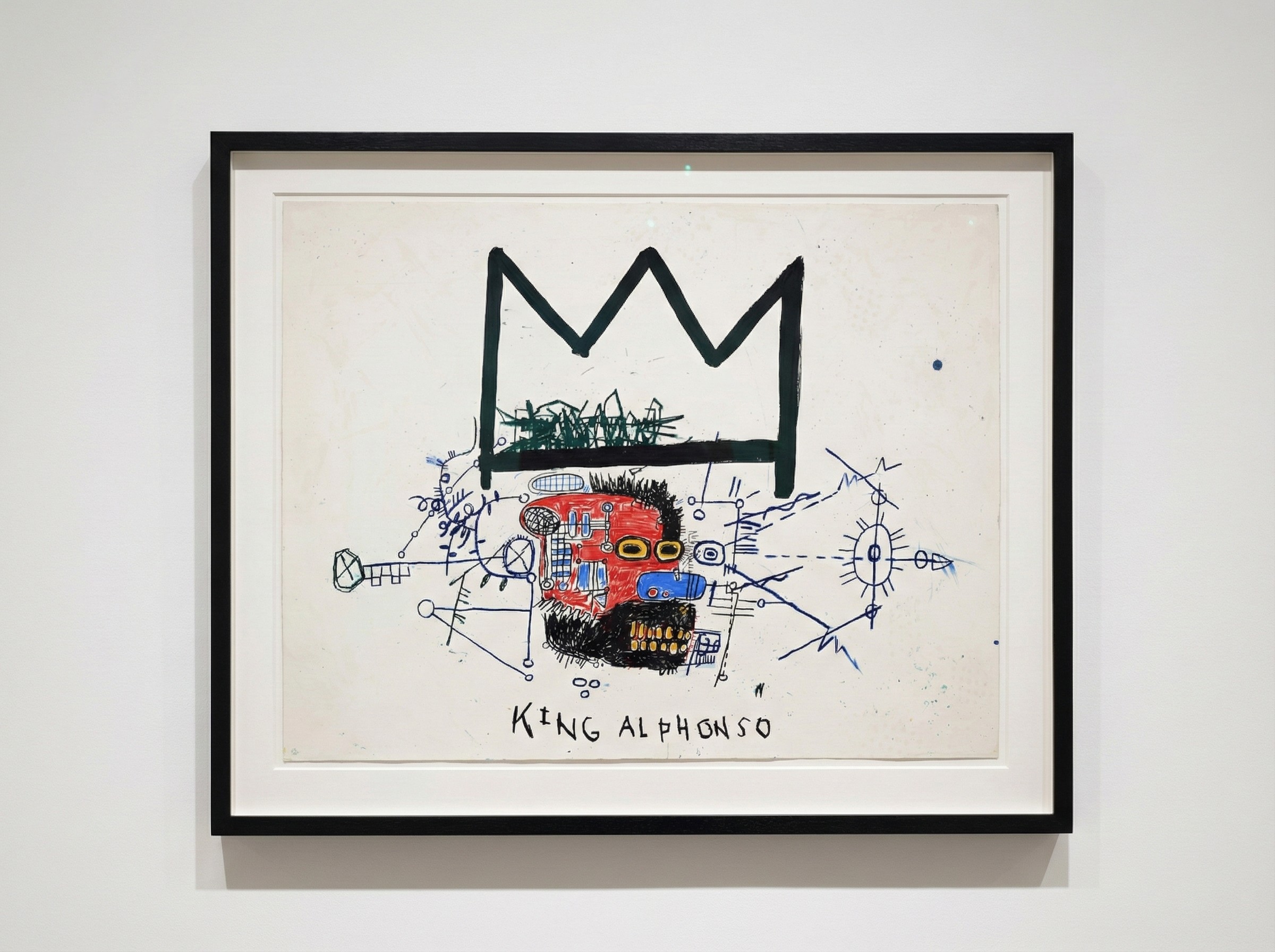
Explore Jean Michel Basquiat prints for sale at Guy Hepner: Anatomy, Daros Suite, Estate Prints, King Alphonso, Original Works.
Related Series