Anatomy

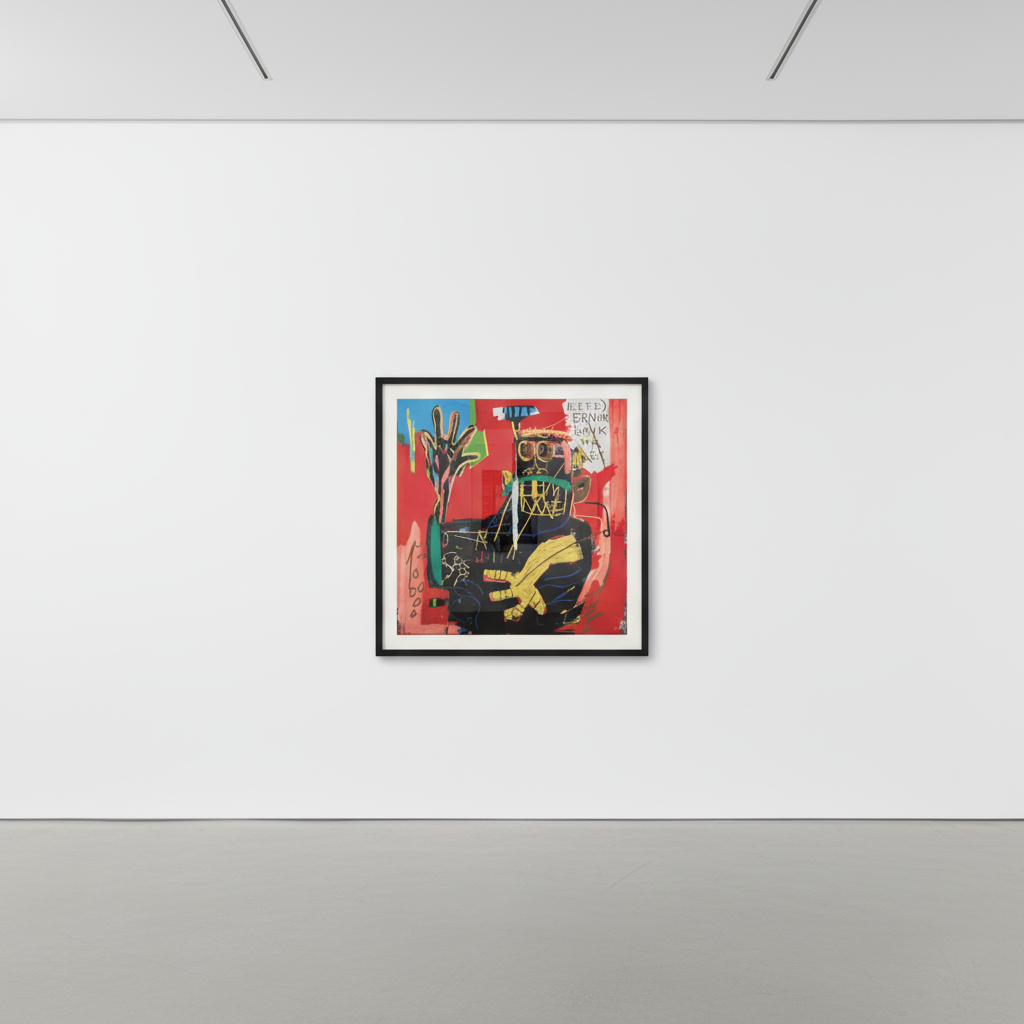
Jean-Michel Basquiat wasn't just a painter - he was a cultural detonator. Though he rose to fame through the New York art scene of the 1980s, his influence extended far beyond galleries and museums into the pulsating heart of contemporary music. Nowhere is this crossover more evident than in hip-hop, where Basquiat has become an enduring symbol of creative rebellion, raw expression, and cultural fusion. His visual language - frenetic, confrontational, and deeply rooted in Black American experience - resonates with the same urgency that defines the genre. Understanding Basquiat's beat means recognising how one artist's vision transcended medium to become a cornerstone of contemporary culture.
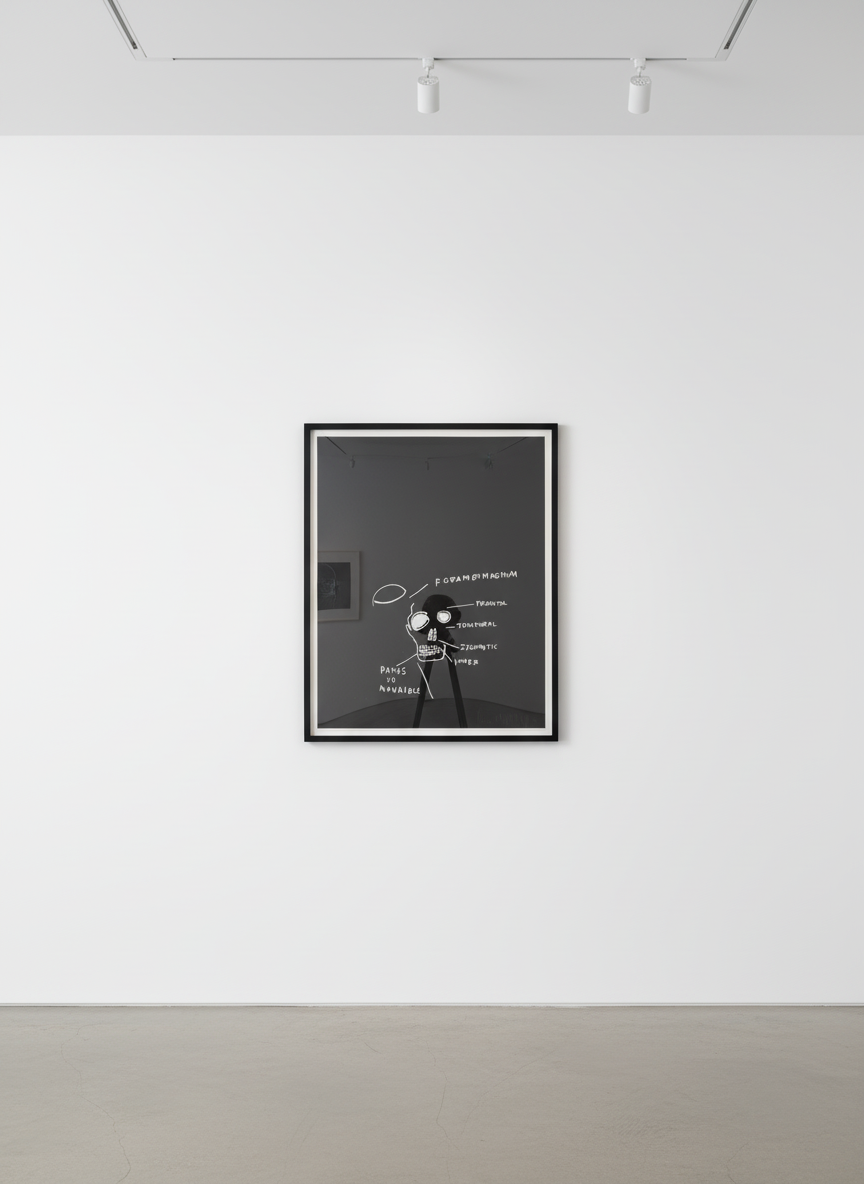
Before Jean-Michel Basquiat became an art world icon commanding record-breaking prices at auction, he was immersed in the sonic experimentation of downtown Manhattan. As co-founder of the experimental noise band Gray alongside filmmaker Michael Holman, Basquiat explored sound with the same boundary-breaking intensity he brought to canvas. The band's name itself revealed his artistic obsessions - a direct reference to Gray's Anatomy, the medical textbook that would later inspire some of his most compelling works on paper.
Gray performed at legendary venues including the Mudd Club and CBGB, situating Basquiat within the fertile collision of post-punk, new wave, and nascent hip-hop movements. The band's music was intentionally dissonant and improvisational, drawing from the same instinctive, frenetic energy that defined his visual practice. In both mediums, Basquiat dismantled conventional structure to reach a purer form of expression - an unfiltered, anarchic creativity that refused categorisation.
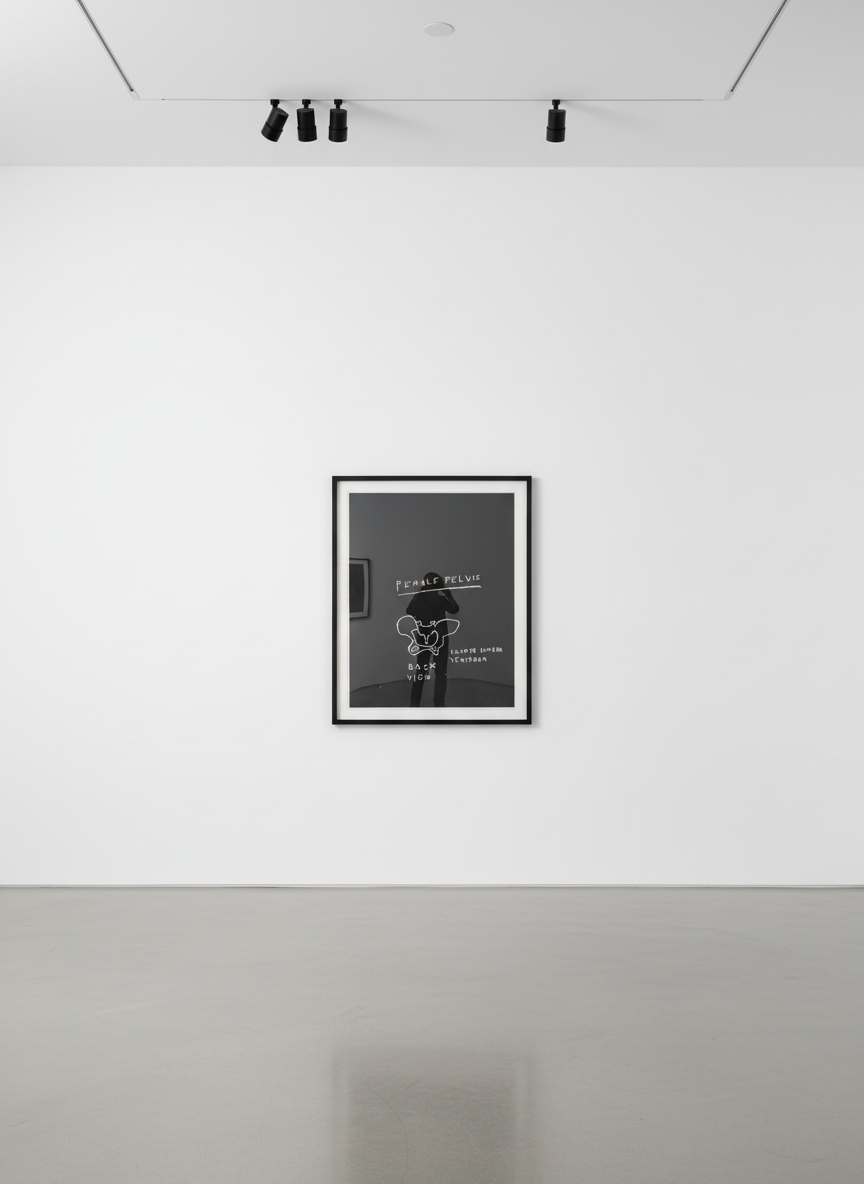
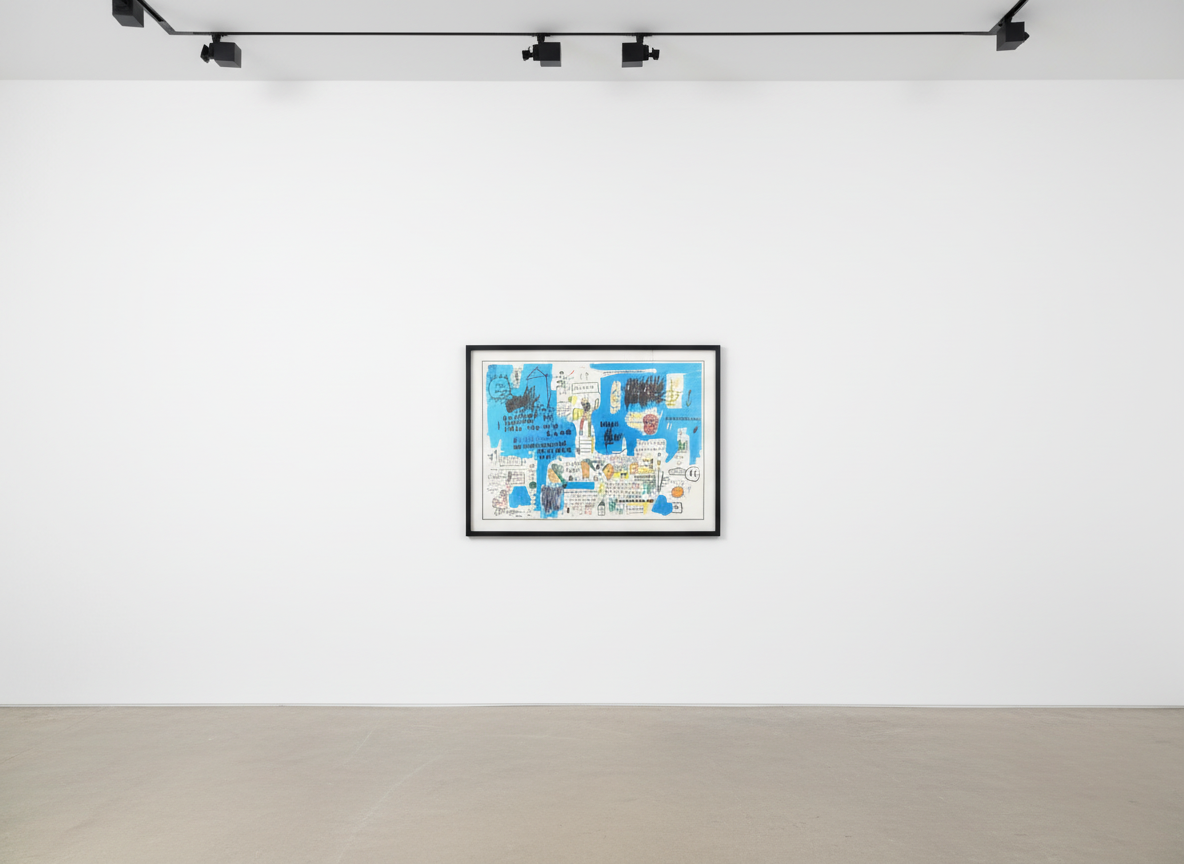
Female Pelvis, Back View, from Anatomy — Jean-Michel Basquiat. Available at Guy Hepner, New York.
This period of sonic exploration deeply informed his artistic vocabulary. The rhythmic repetition in his paintings, the layered sampling of text and imagery, and the improvisational quality of his mark-making all carry traces of musical thinking. His Anatomy series, created in collaboration with Andy Warhol in 1982, demonstrates this synthesis perfectly - clinical medical illustrations transformed through Basquiat's hand into works that pulse with organic vitality and visceral energy.
The relationship between Jean-Michel Basquiat and hip-hop culture extends far beyond his lifetime, evolving into something approaching mythology. Contemporary artists have consistently invoked his name, image, and artistic philosophy as touchstones of authentic creative expression. Jay-Z famously referenced him in "Picasso Baby," while Kanye West, Nas, and Swizz Beatz have all paid homage to Basquiat's legacy through lyrics, visual aesthetics, and personal collecting practices.
This connection runs deeper than celebrity name-dropping. Basquiat and hip-hop emerged from the same cultural moment - the late 1970s and early 1980s New York scene where graffiti, breakdancing, DJing, and MCing coalesced into a movement. Both forms prioritised authenticity, challenged institutional gatekeeping, and centred Black American experience within their creative frameworks. Basquiat's crown motif - that three-pointed symbol he deployed across countless works - has become as recognisable in hip-hop iconography as gold chains or Adidas sneakers.
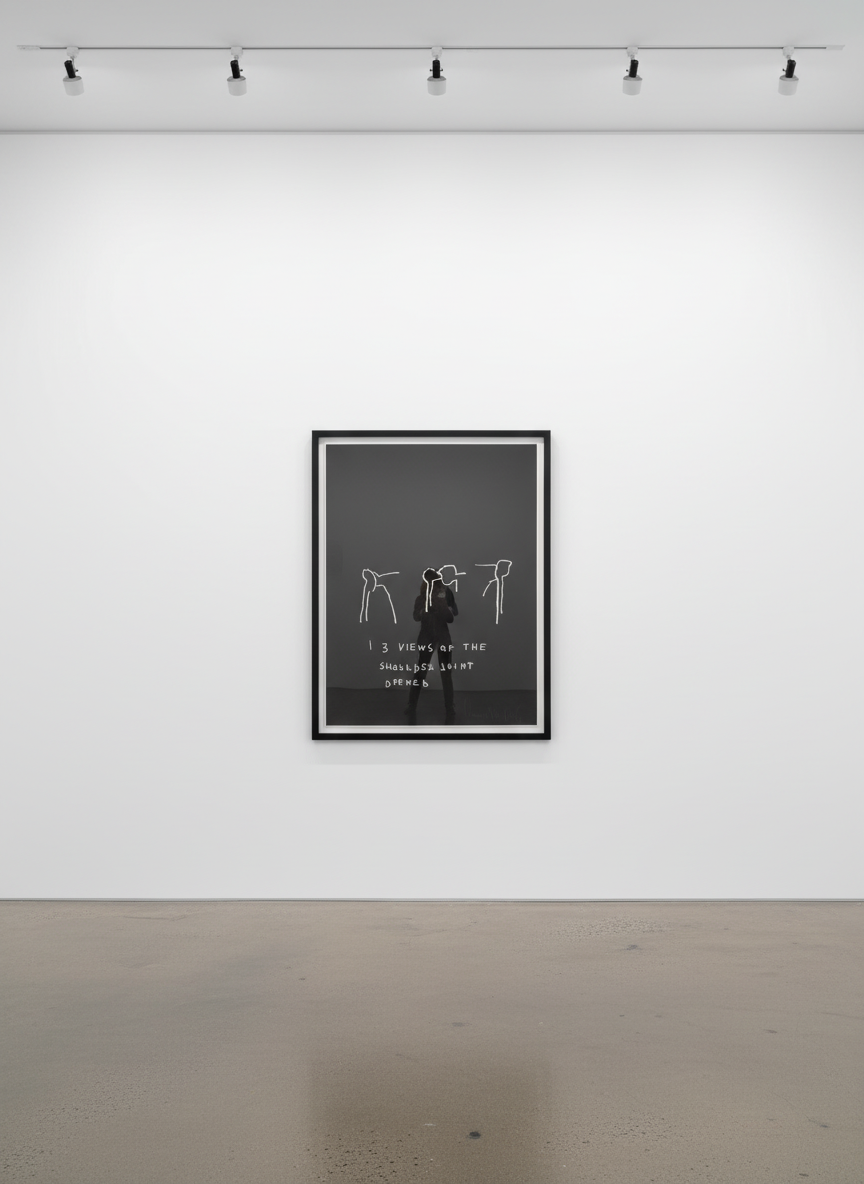
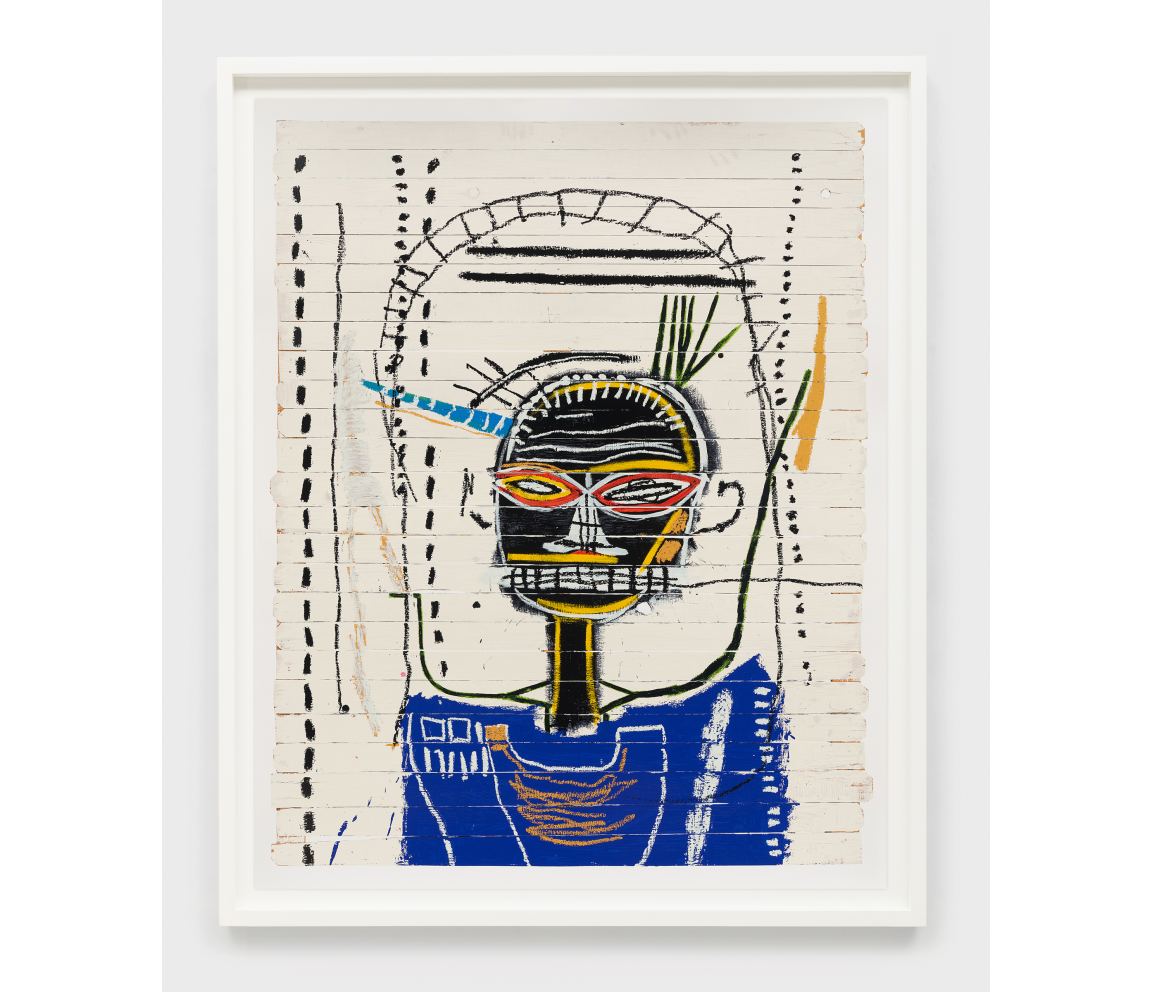
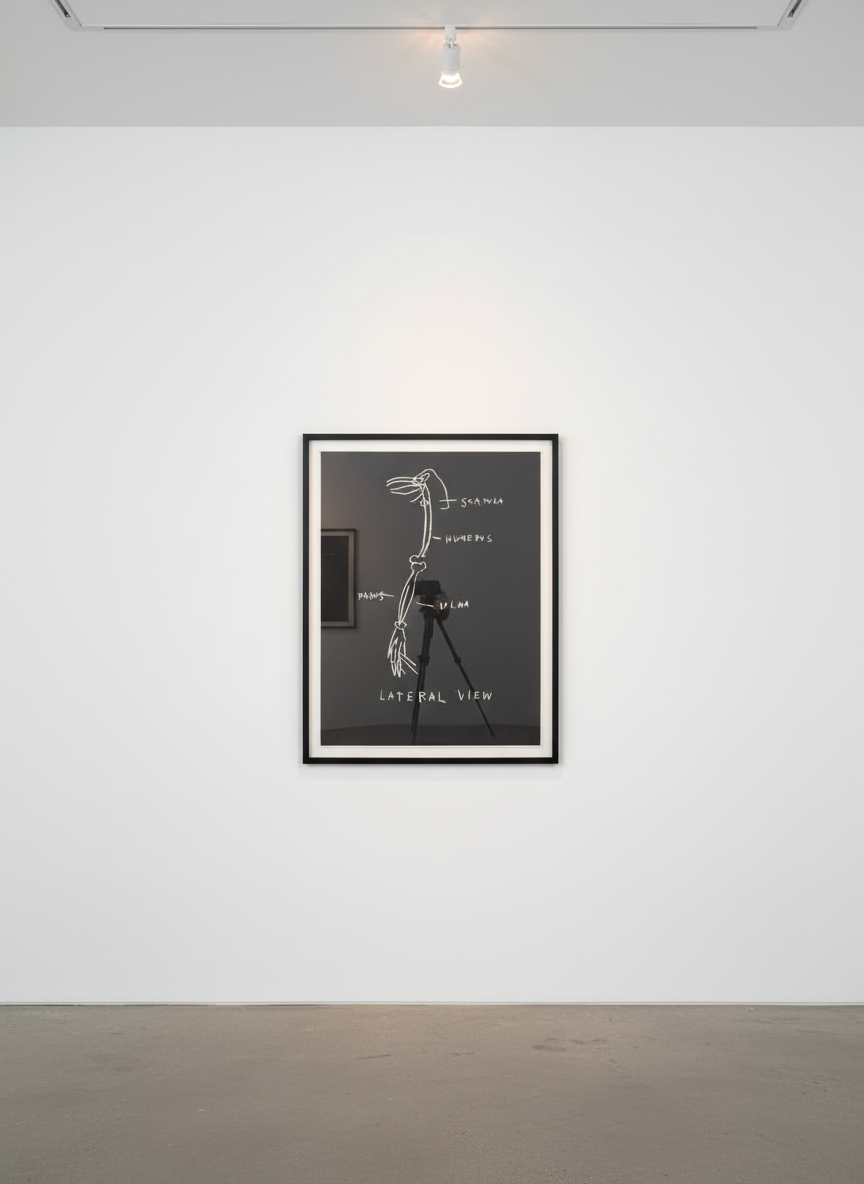
Three Views of The Shoulder Joint Opened, from Anatomy — Jean-Michel Basquiat. Available at Guy Hepner, New York.
His Anatomy works exemplify the intellectual rigour underlying his seemingly spontaneous style. These pieces reveal Basquiat's systematic study of the human form, filtered through his unique perspective on Black bodies, medical history, and the commodification of physical existence. The thyroid, the scapula, the pelvis - each anatomical element becomes a site of cultural investigation, examining how bodies are categorised, valued, and ultimately consumed by larger systems of power.
The auction market has consistently validated Basquiat's position among the most significant artists of the twentieth century. His 1982 painting "Untitled" achieved $110.5 million at Sotheby's in 2017, establishing him as the highest-selling American artist at auction and cementing his status within the ultra-premium tier of the contemporary art market. According to data compiled through Art Basel and UBS's annual art market reports, Basquiat remains among the most actively traded artists globally, with strong performance across price brackets.
Christie's and Sotheby's continue to feature his works prominently in their marquee evening sales, where competition among collectors regularly drives results well beyond estimates. This sustained market strength reflects both his art historical importance and his unique cultural positioning - Basquiat appeals simultaneously to traditional collectors, contemporary art enthusiasts, and a newer generation of buyers drawn to his connections with music and street culture.
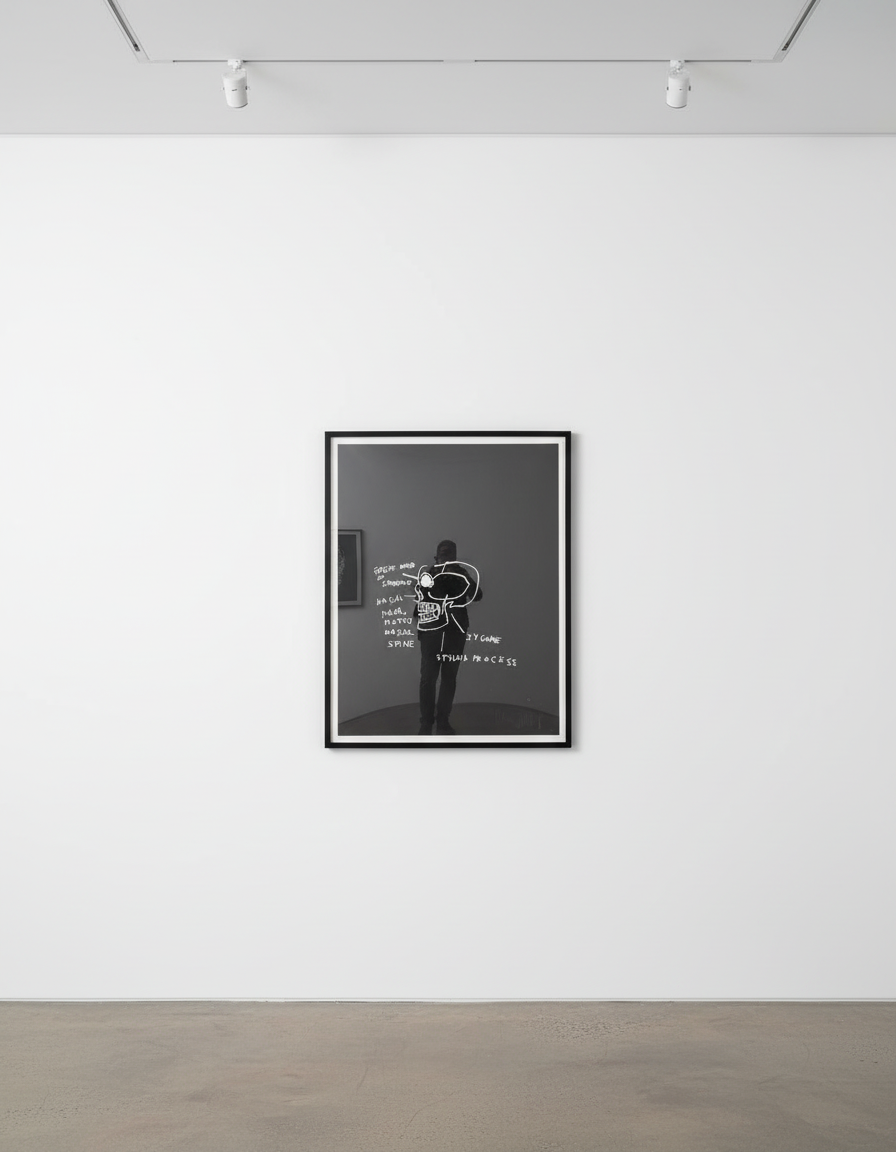
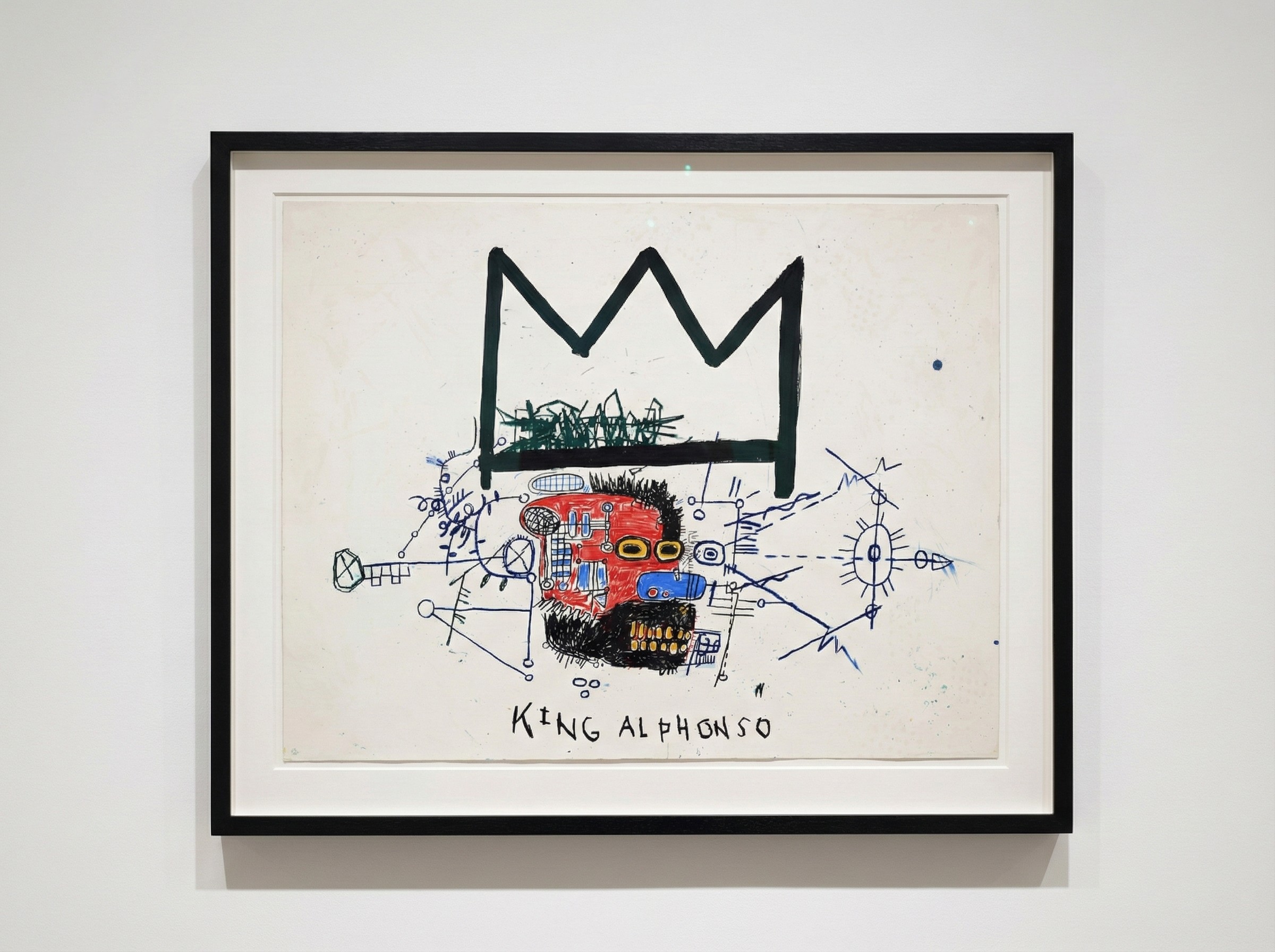
Great Wind of Sphenoid, from Anatomy — Jean-Michel Basquiat. Available at Guy Hepner, New York.
For collectors, Basquiat's Anatomy series represents a particularly compelling entry point. These works on paper demonstrate his draughtsmanship, conceptual depth, and engagement with art historical sources while remaining more accessible than his monumental paintings. The series also connects directly to his musical origins through that Gray's Anatomy reference, creating a closed loop between his sonic experiments and visual production.
Jean-Michel Basquiat's relevance continues to amplify rather than diminish. His work speaks to contemporary conversations about race, capitalism, cultural appropriation, and the commodification of Black creativity with an urgency that feels prescient rather than historical. The same tensions he explored - between insider and outsider status, between street credibility and institutional validation, between raw expression and market demand - remain central to cultural discourse today.
His influence on hip-hop has created a feedback loop where each generation discovers his work anew, finding fresh resonance in his imagery and approach. This cultural embeddedness ensures ongoing collector interest while protecting against the market corrections that affect artists without such broad-based appeal. Basquiat's beat continues, steady and insistent, across decades and disciplines.
Guy Hepner gallery is proud to offer works by Jean-Michel Basquiat, including exceptional examples from his celebrated Anatomy series. Our expertise in sourcing and placing significant works by this pivotal artist ensures collectors receive comprehensive guidance through every stage of acquisition. To enquire about available Basquiat works or to discuss building a collection that includes this essential artist, contact our specialists at Guy Hepner today.
Explore Jean Michel Basquiat prints for sale at Guy Hepner: Anatomy, Daros Suite, Estate Prints, King Alphonso, Original Works.
Related Series