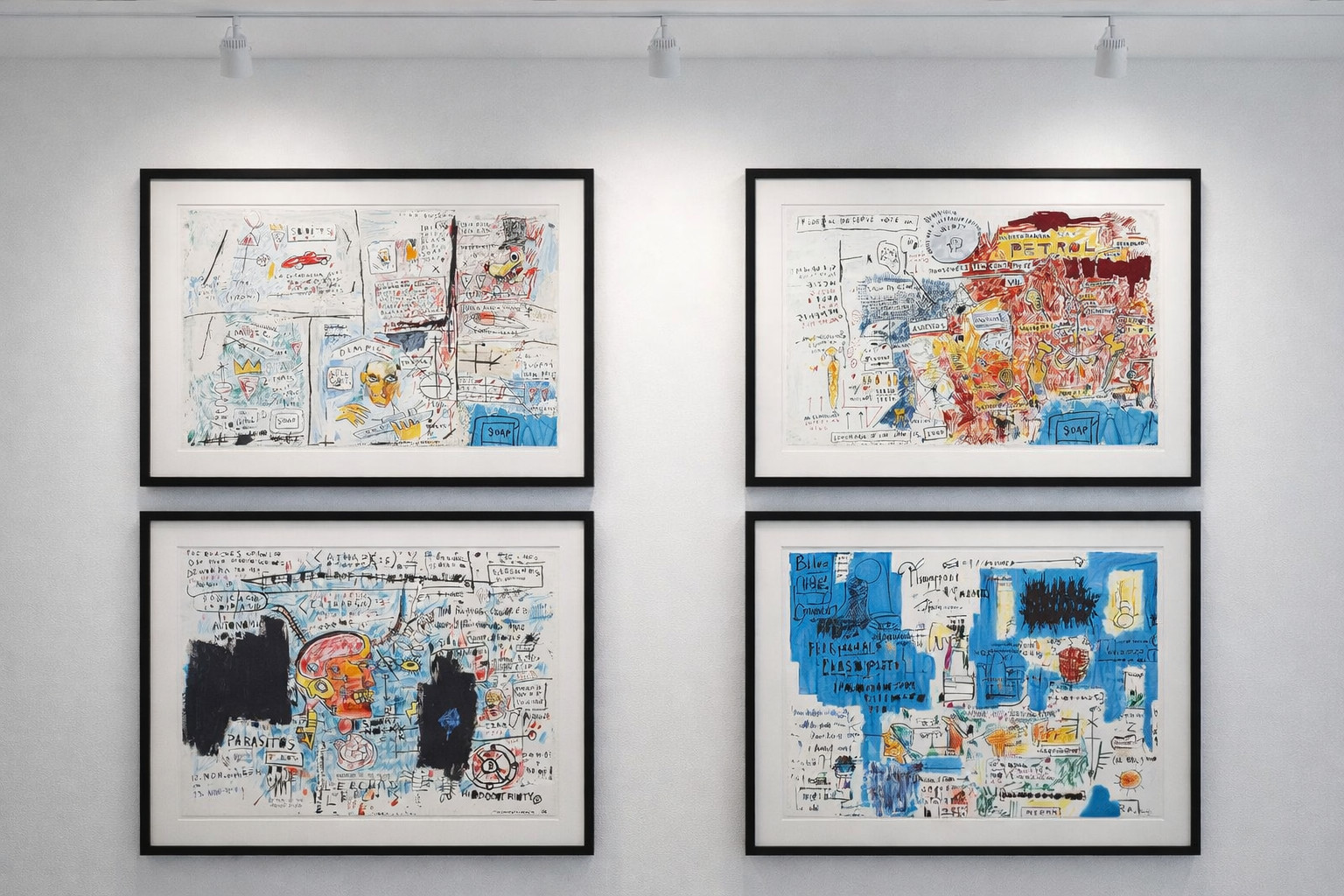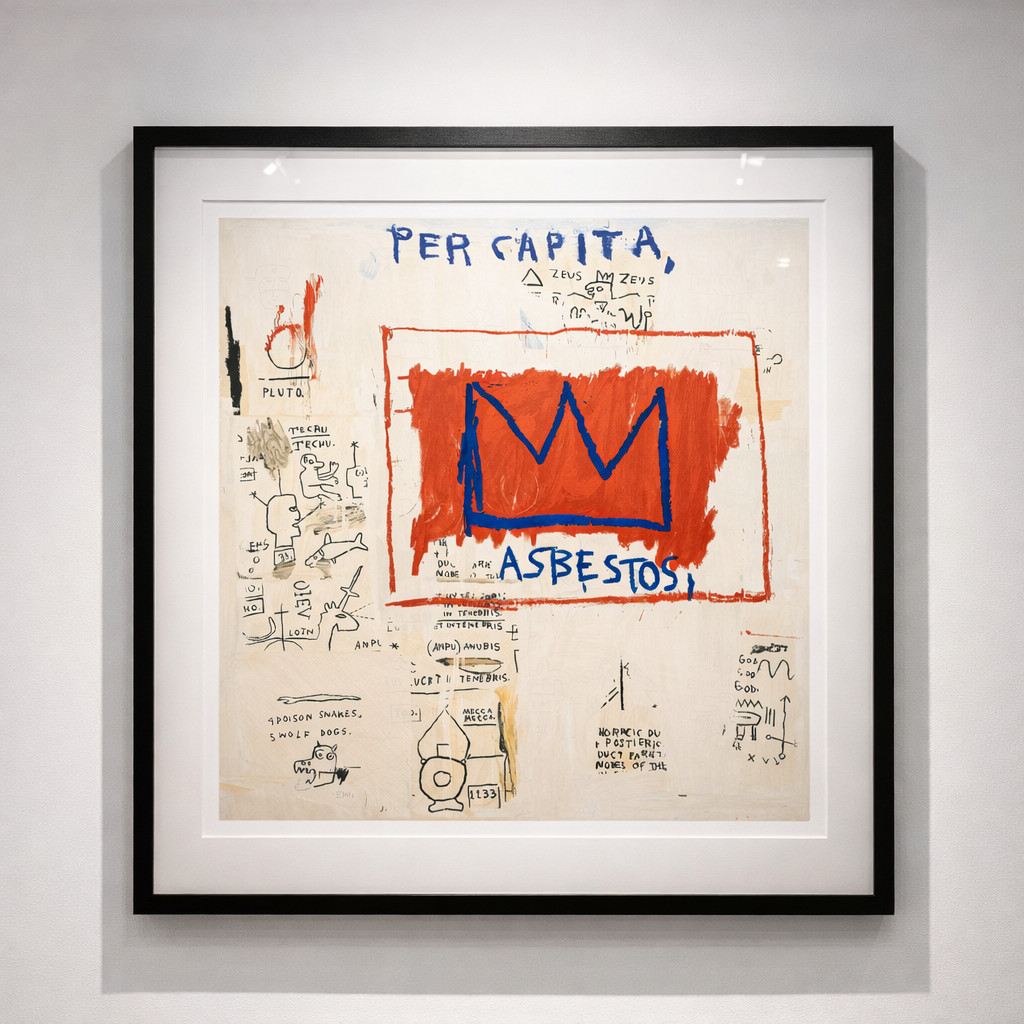
Anatomy

Jean-Michel Basquiat stands as one of the most influential artists of the twentieth century, a visionary whose meteoric rise from the graffiti-tagged streets of Lower Manhattan to the prestigious galleries of SoHo fundamentally altered the trajectory of contemporary art. While his works are often celebrated for their explosive use of colour, it is Basquiat's masterful command of black and white that reveals the true depth of his artistic genius. These monochromatic compositions - stripped of chromatic distraction - lay bare the raw intensity of his vision, offering collectors and scholars alike an unfiltered window into the artist's most powerful statements on race, identity, history, and the human condition.
Born in Brooklyn in 1960 to a Haitian father and Puerto Rican mother, Jean-Michel Basquiat emerged during a period of profound artistic experimentation in New York City. His early work as part of the graffiti duo SAMO brought cryptic, poetic statements to the walls of downtown Manhattan, establishing the textual foundation that would define his mature practice. When Basquiat transitioned to canvas, he carried with him an understanding of visual communication that transcended traditional fine art boundaries - a language built on symbols, words, and the stark contrast between black marks and white ground.
Basquiat's monochromatic works represent some of his most intellectually rigorous and aesthetically compelling pieces. By eliminating colour, the artist forced viewers to confront the essential elements of his visual vocabulary: the crowned heads that spoke to Black excellence and martyrdom, the anatomical diagrams that referenced both medical illustration and the commodification of Black bodies, the crossed-out words that simultaneously presented and negated meaning. This strategic reduction created compositions of extraordinary power, where every line carried weight and every negative space became charged with intention.
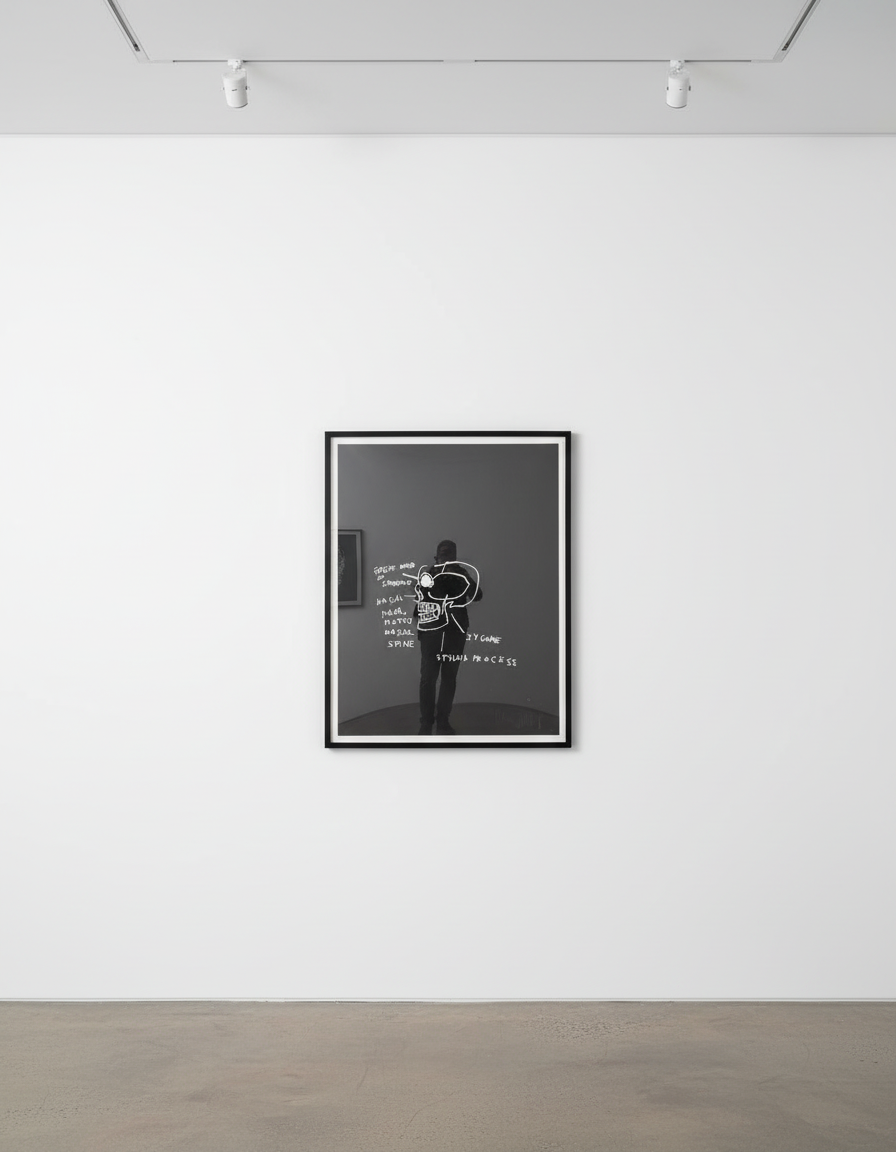
Great Wind of Sphenoid, from Anatomy — Jean-Michel Basquiat. Available at Guy Hepner, New York.
The artist's engagement with anatomy represents a particularly significant thread within his monochromatic practice. Works such as Great Wind of Sphenoid from his Anatomy series demonstrate Basquiat's sophisticated understanding of medical illustration and its historical implications. These pieces reference Gray's Anatomy and Leonardo da Vinci's anatomical studies while simultaneously critiquing the Western medical establishment's treatment of Black bodies throughout history. The stark black-and-white palette in these works creates an almost clinical aesthetic that heightens the tension between scientific objectivity and deeply personal commentary.
Basquiat's approach to monochromatic composition drew from diverse sources that reflected his voracious intellectual appetite. He absorbed influences ranging from African art and Caribbean culture to Renaissance masters and contemporary street culture, synthesising these references into a visual language entirely his own. His black-and-white works often employed what he termed a "sampling" technique - appropriating and recontextualising imagery in a manner that prefigured hip-hop production methods while echoing the collage strategies of earlier avant-garde movements.
The artist's use of black outlines served multiple purposes within his compositions. These bold demarcations created figures that seemed to vibrate with nervous energy, their crude yet intentional rendering suggesting both urgency and timelessness. The white space surrounding these forms was never merely empty but rather activated - a field of tension against which Basquiat's subjects asserted their presence. This interplay between positive and negative space reflected the artist's broader concerns with visibility and erasure, presence and absence, recognition and neglect.
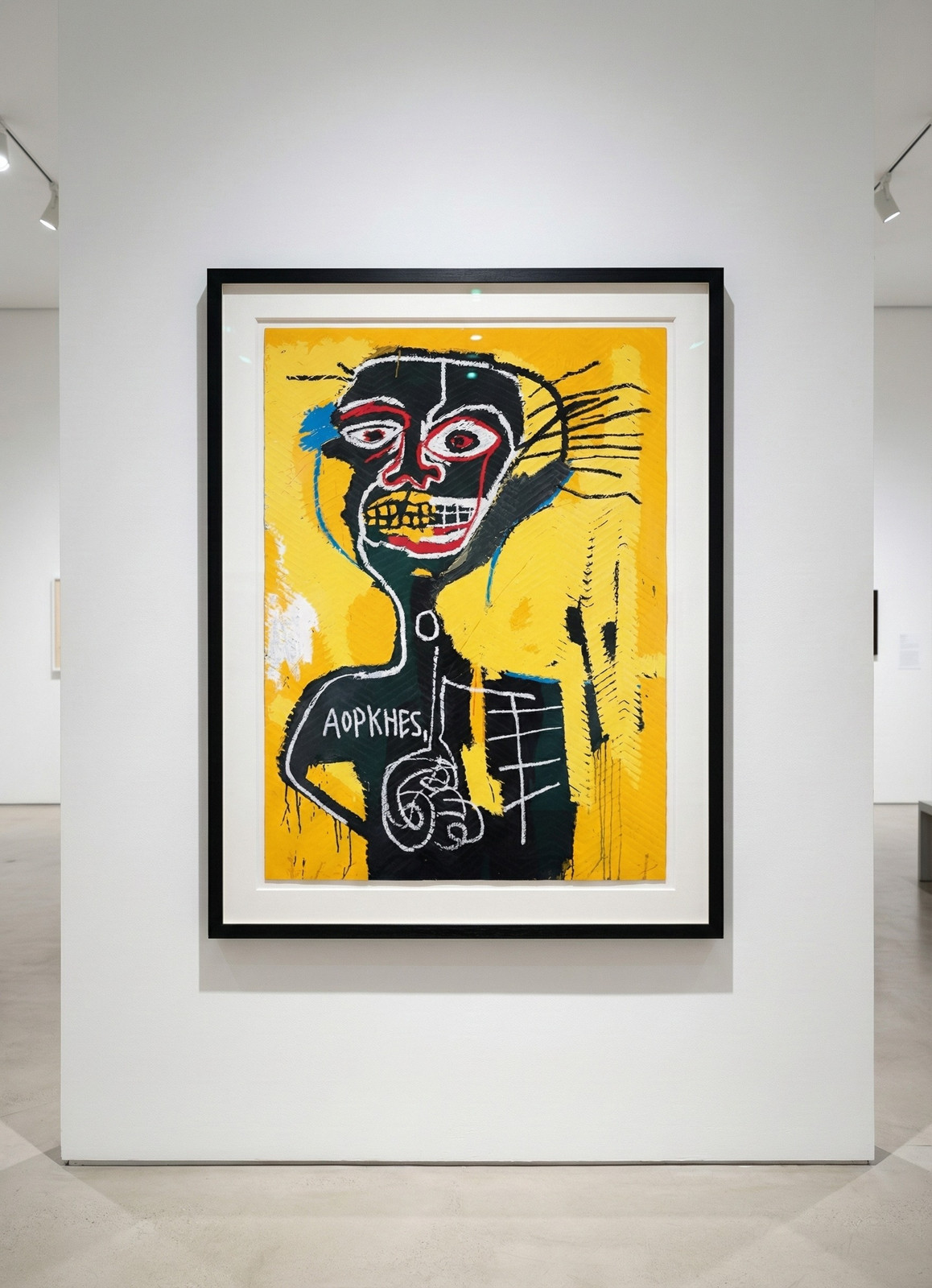
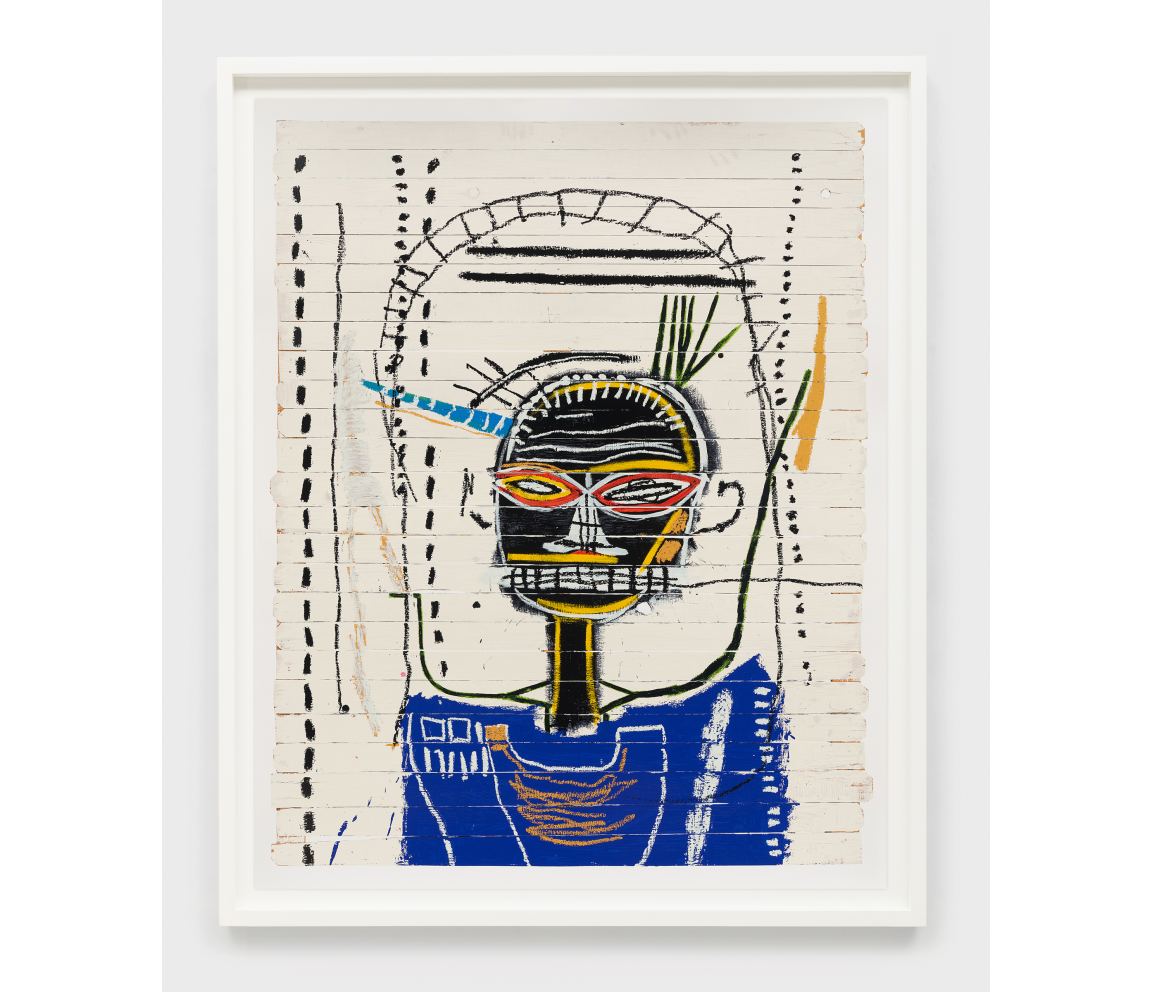
Cabeza, from Portfolio Ii — Jean-Michel Basquiat. Available at Guy Hepner, New York.
Works such as Cabeza from Portfolio II exemplify Basquiat's ability to distil complex ideas into apparently simple forms. The head - a recurring motif throughout his career - becomes in his monochromatic treatment a universal symbol of human dignity and suffering. These crowned and haloed figures reference art historical traditions while simultaneously honouring contemporary Black heroes, from jazz musicians to athletes to the anonymous individuals Basquiat encountered on New York streets. The reduction to black and white strips away the decorative, leaving only the essential statement of humanity demanding recognition.
The market for Jean-Michel Basquiat's work has demonstrated extraordinary strength and continued growth over the past two decades, with his paintings consistently achieving record prices at major auction houses. Christie's and Sotheby's have facilitated numerous landmark sales, including the 2017 auction of Untitled (1982) for $110.5 million, establishing Basquiat as one of the most valuable American artists at auction. According to the Art Basel and UBS Global Art Market Report, works by Basquiat continue to attract significant institutional and private collector interest, with demand spanning established collections and new market entrants alike.
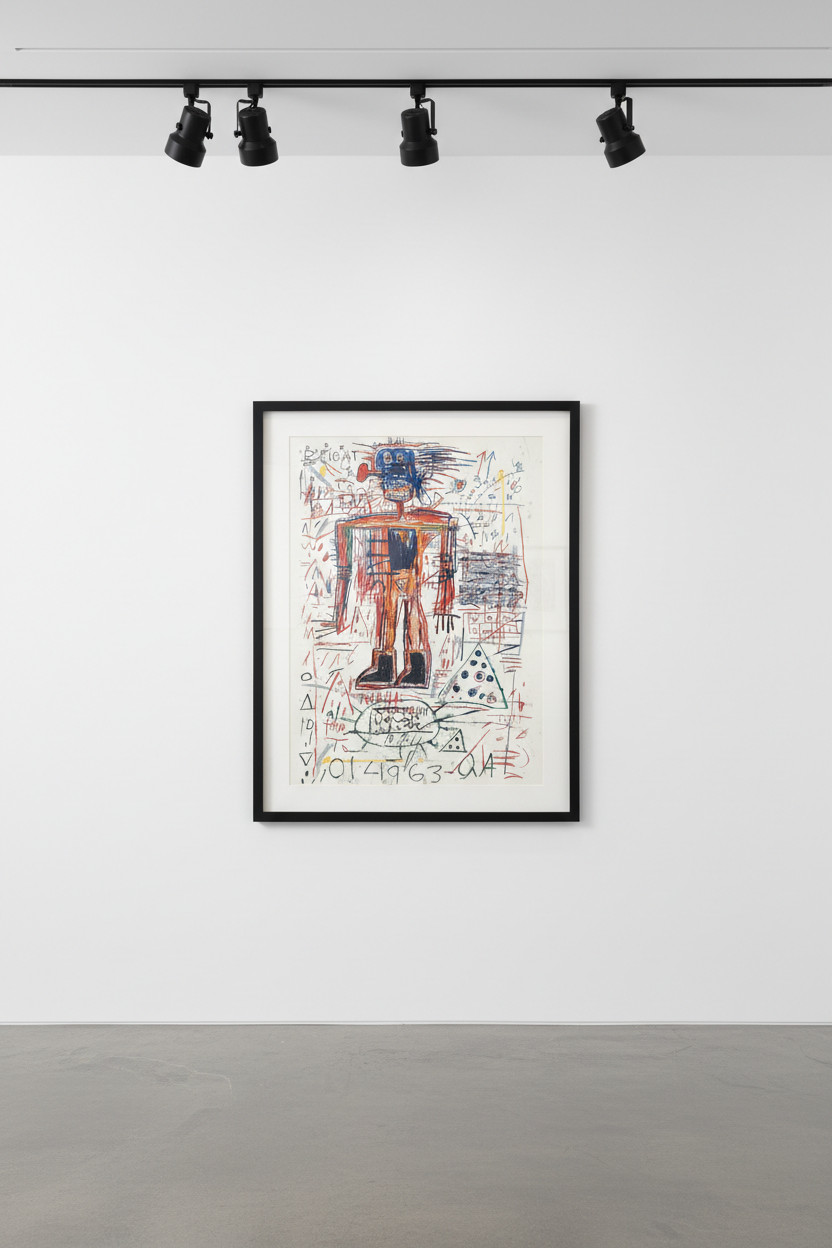
Basquiat's monochromatic works hold particular appeal for discerning collectors seeking pieces that represent the artist's intellectual core. These compositions - whether drawings, prints, or paintings - offer accessibility into an artist whose major canvases now command prices beyond most private collectors' reach. The prints and works on paper demonstrate the same visual intelligence and cultural significance as his large-scale paintings while providing opportunities for acquisition at various price points.
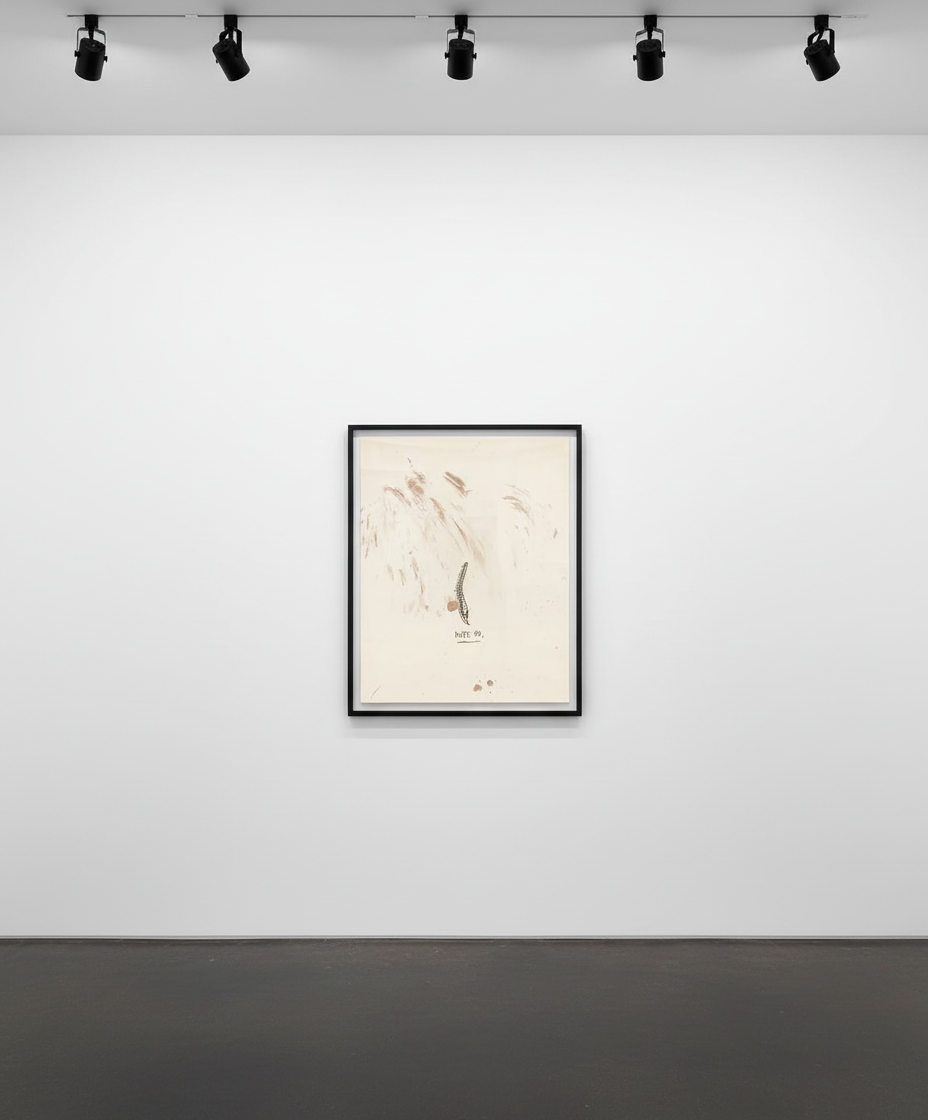
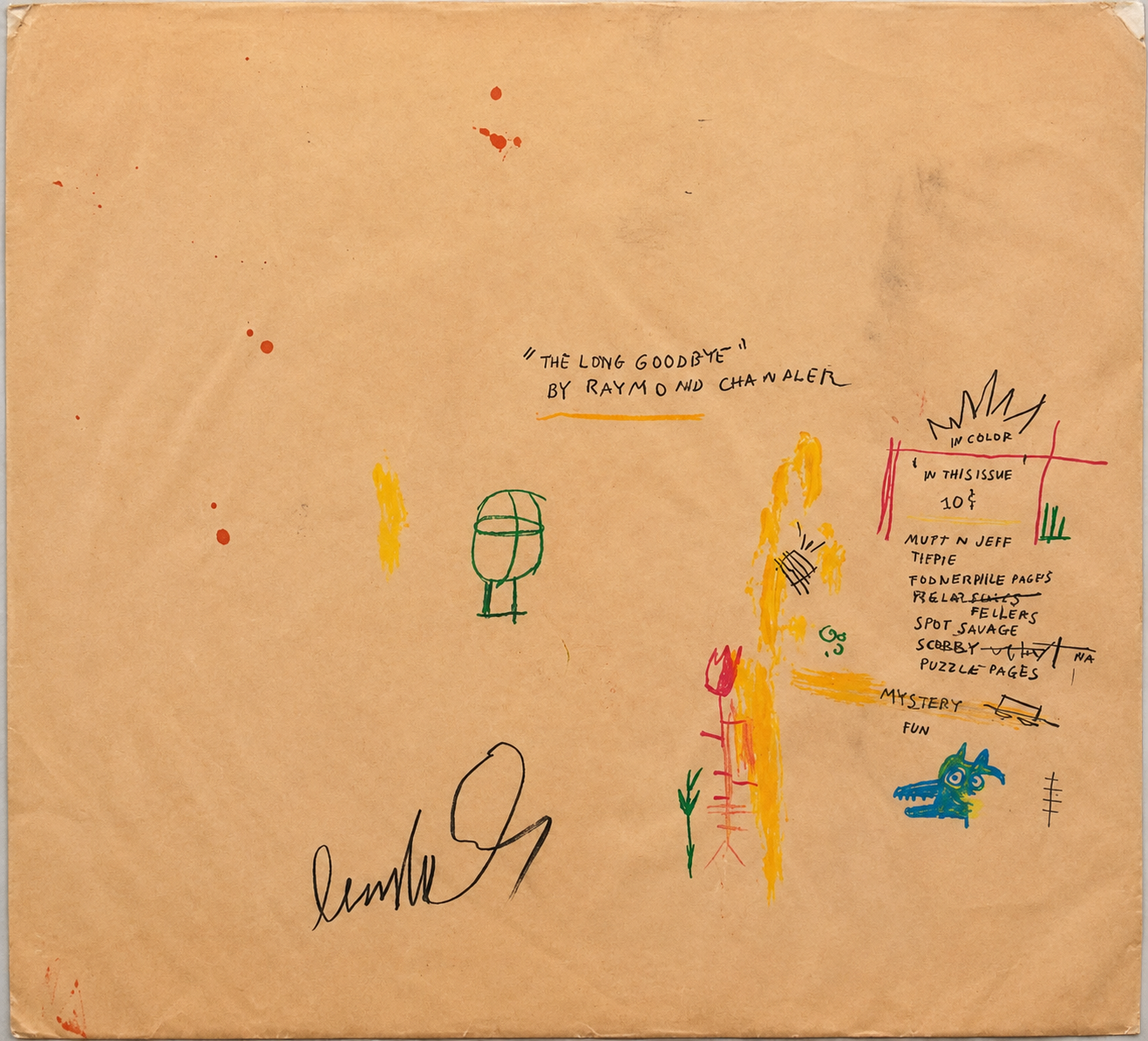
Untitled 4 (from Leonardo) — Jean-Michel Basquiat. Available at Guy Hepner, New York.
The collaborative works Basquiat created with Andy Warhol represent another significant category within his monochromatic practice. Pieces such as those in the Wolf Sausage, King Brand, Untitled (Dog Leg Study), Undiscovered Genius portfolio capture a remarkable dialogue between two artists who defined their respective generations. These collaborations merge Warhol's mechanical reproduction aesthetic with Basquiat's gestural expressionism, creating works that speak to both Pop Art's legacy and neo-expressionism's innovations. For collectors, these pieces offer dual provenance and the historical significance of a documented artistic partnership that shaped the 1980s art world.
Jean-Michel Basquiat's tragically brief career - cut short by his death in 1988 at age twenty-seven - produced a body of work that continues to resonate with contemporary audiences. His monochromatic pieces, in particular, speak to current conversations about race, representation, and the power of visual culture. Museums worldwide have mounted major retrospectives examining his practice, while scholars continue to uncover new dimensions of meaning within his densely layered compositions.
The artist's influence extends far beyond the art world proper, shaping contemporary fashion, music, and visual culture in ways that underscore his prescient understanding of media and communication. His black-and-white works, with their textual elements and appropriated imagery, anticipated the visual strategies of the digital age while remaining rooted in deeply human concerns. This dual relevance - historical significance combined with contemporary resonance - ensures continued collector interest and scholarly attention.
Guy Hepner is proud to offer exceptional works by Jean-Michel Basquiat, including significant monochromatic pieces that represent the artist's most powerful artistic statements. Our expertise in contemporary masters positions us to guide collectors through the acquisition of these historically important works, providing provenance research, condition analysis, and market insight. We invite collectors to explore our current Basquiat inventory and contact our advisory team to discuss how these remarkable works might enhance distinguished collections.
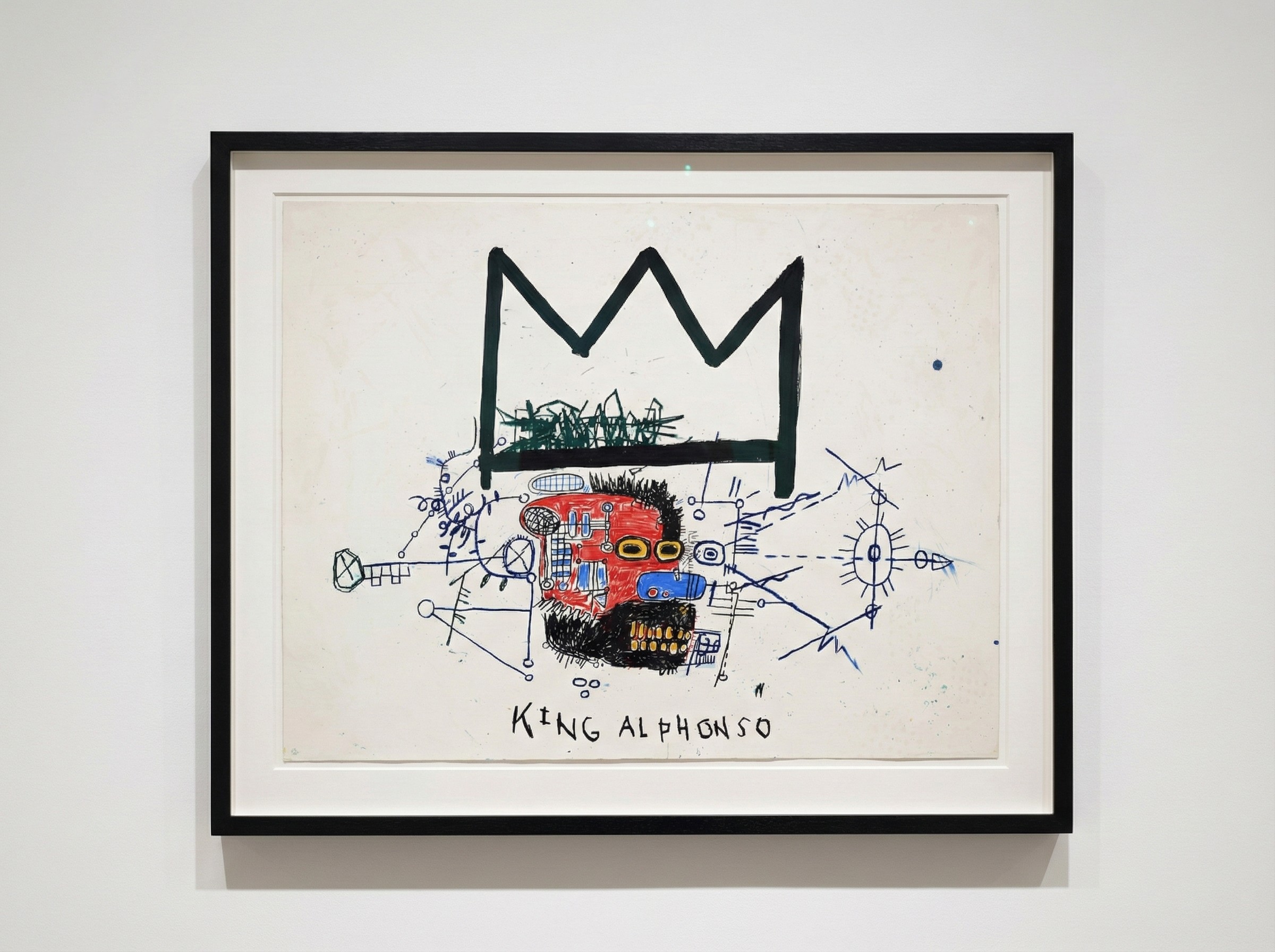
Explore Jean Michel Basquiat prints for sale at Guy Hepner: Anatomy, Daros Suite, Estate Prints, King Alphonso, Original Works.
Related Series