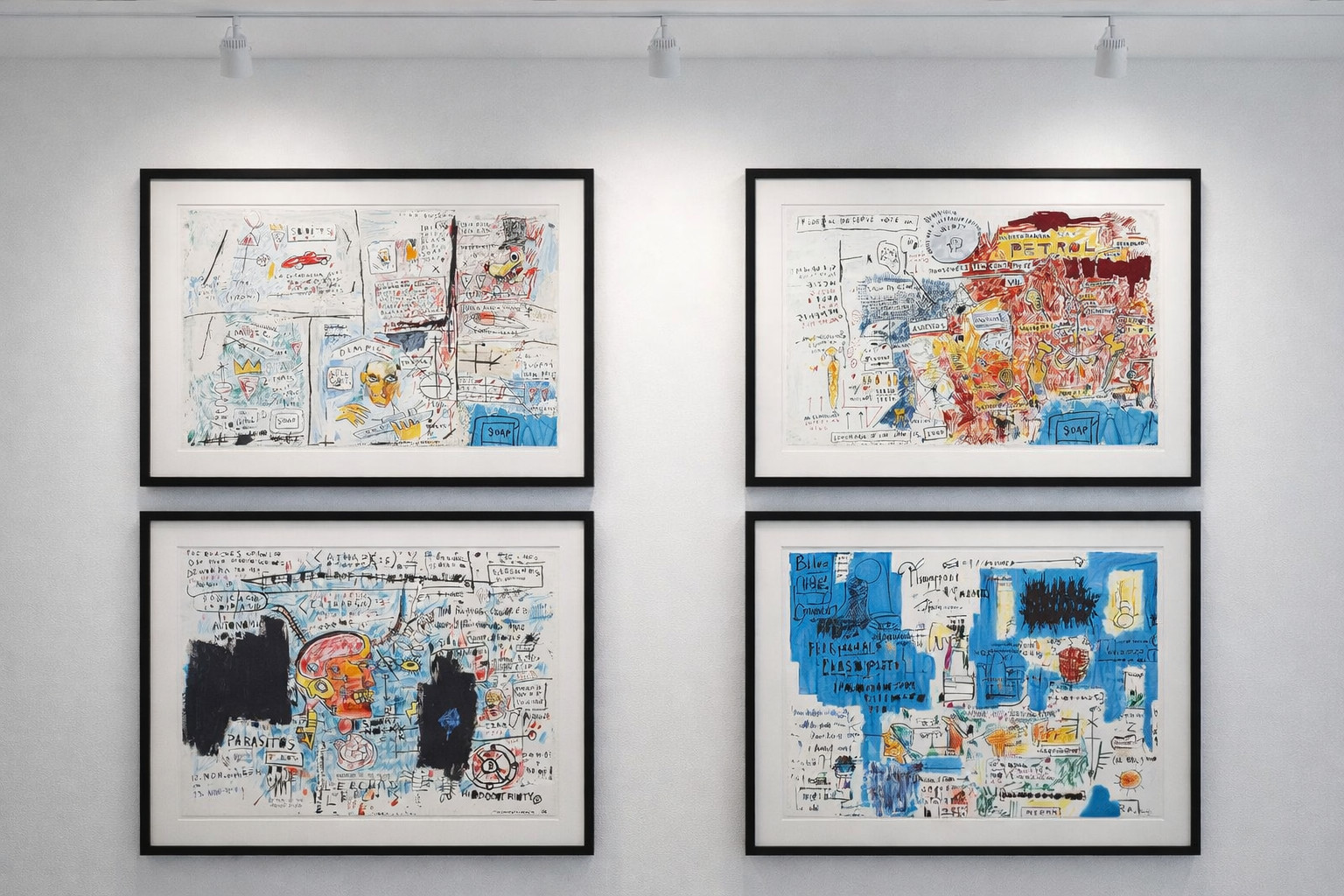
Anatomy


Jean-Michel Basquiat remains one of the most significant and influential artists of the late 20th century. Rising from the streets of New York City to the heights of the international art world, Basquiat's work represents a powerful fusion of raw expression, social commentary, and cultural introspection. His impact extends far beyond gallery walls, influencing music, fashion, and contemporary culture while fundamentally redefining the role of Black artists in the Western art canon. Understanding why Basquiat matters requires exploring his meteoric rise from street artist to international sensation, his revolutionary artistic contributions, and his enduring legacy in today's market.
Born in Brooklyn in 1960 to a Haitian father and a Puerto Rican mother, Jean-Michel Basquiat was exposed to art and culture from an early age. His mother frequently took him to museums throughout New York City, nurturing an artistic sensibility that would later revolutionise contemporary art. He showed remarkable promise as a child, absorbing influences from Anatomy textbooks, comic strips, and classical masterworks with equal enthusiasm. However, his formal education was cut short, leading him to the underground world of graffiti in the late 1970s. Under the tag SAMO, Basquiat and his collaborator Al Diaz spray-painted cryptic and thought-provoking messages across lower Manhattan, gaining notoriety in the city's countercultural scene.
As the downtown art scene flourished in the early 1980s, Basquiat transitioned from anonymous street poet to recognised artistic force. His first major exhibition in 1981 announced the arrival of a singular talent whose work synthesised street culture, art history, and incisive social critique. By 1982, at just twenty-one years old, Basquiat had become the youngest artist ever to exhibit at Documenta in Kassel, Germany. His collaborations with Andy Warhol further cemented his position at the centre of the contemporary art world, creating a dialogue between Pop Art's cool detachment and Basquiat's visceral emotional intensity.
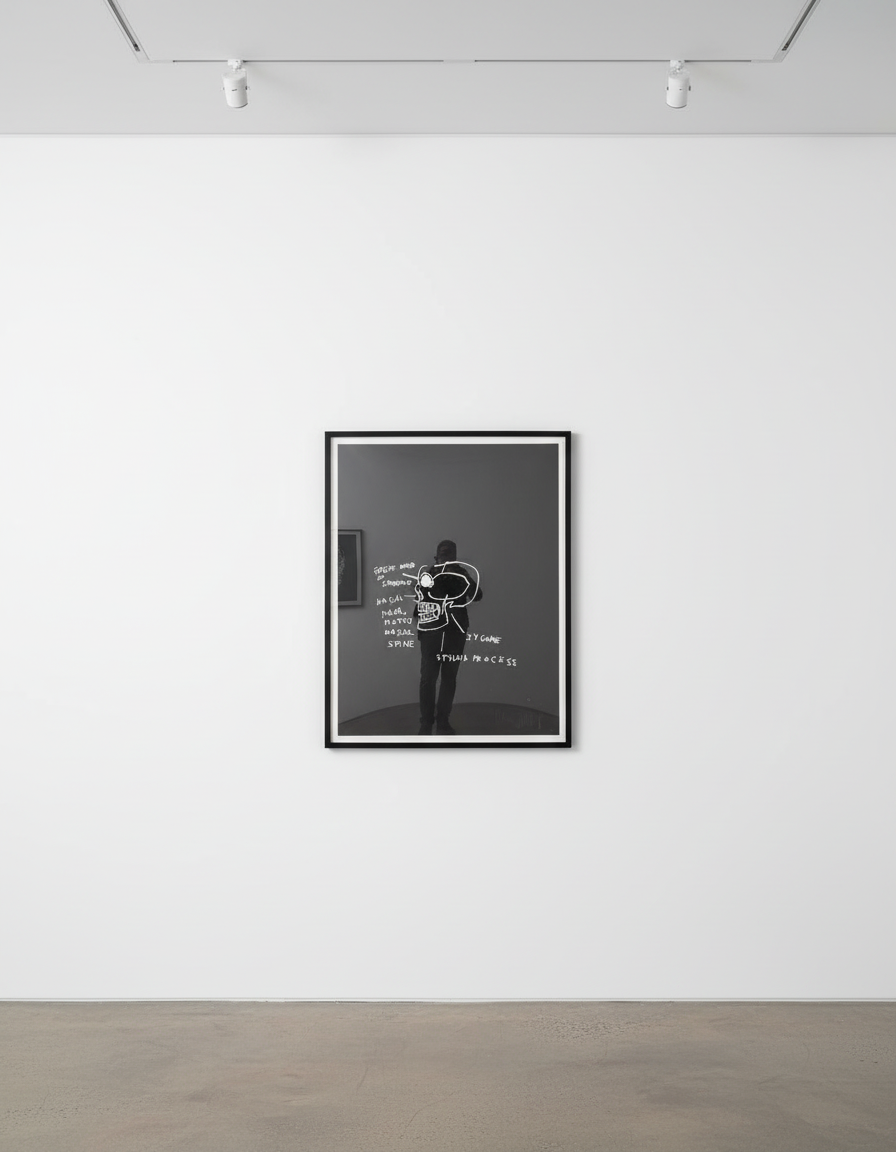
Great Wind of Sphenoid, from Anatomy — Jean-Michel Basquiat. Available at Guy Hepner, New York.
What distinguishes Jean-Michel Basquiat from his contemporaries is the development of a wholly original visual vocabulary that merged text, symbol, and image into works of extraordinary complexity and emotional power. His canvases are populated with recurring motifs - crowns, skulls, anatomical diagrams, and fragmented words - that function as a personal lexicon addressing themes of identity, mortality, racism, and power structures. This distinctive approach drew equally from his Caribbean heritage, jazz music, street culture, and the Western art historical canon that had historically excluded artists who looked like him.
Basquiat's engagement with anatomy represents one of his most compelling and sustained investigations. Works from his Anatomy series demonstrate his fascination with the human body as both biological system and site of cultural meaning. His anatomical figures are simultaneously scientific and expressionistic, revealing the artist's ability to transform medical illustration into profound meditations on vulnerability and existence. The skeletal forms and labelled body parts that populate these works speak to Basquiat's awareness of mortality - a prescient concern given his death at just twenty-seven years old.
His approach to text further distinguished his practice from that of his peers. Words appear crossed out, fragmented, and repeated across his surfaces, creating visual rhythms that echo the improvisational structures of bebop jazz. Basquiat frequently referenced his artistic heroes, from Leonardo da Vinci to Charlie Parker, positioning himself within a lineage of creative genius while simultaneously critiquing the systems that determined who received recognition and who remained invisible.
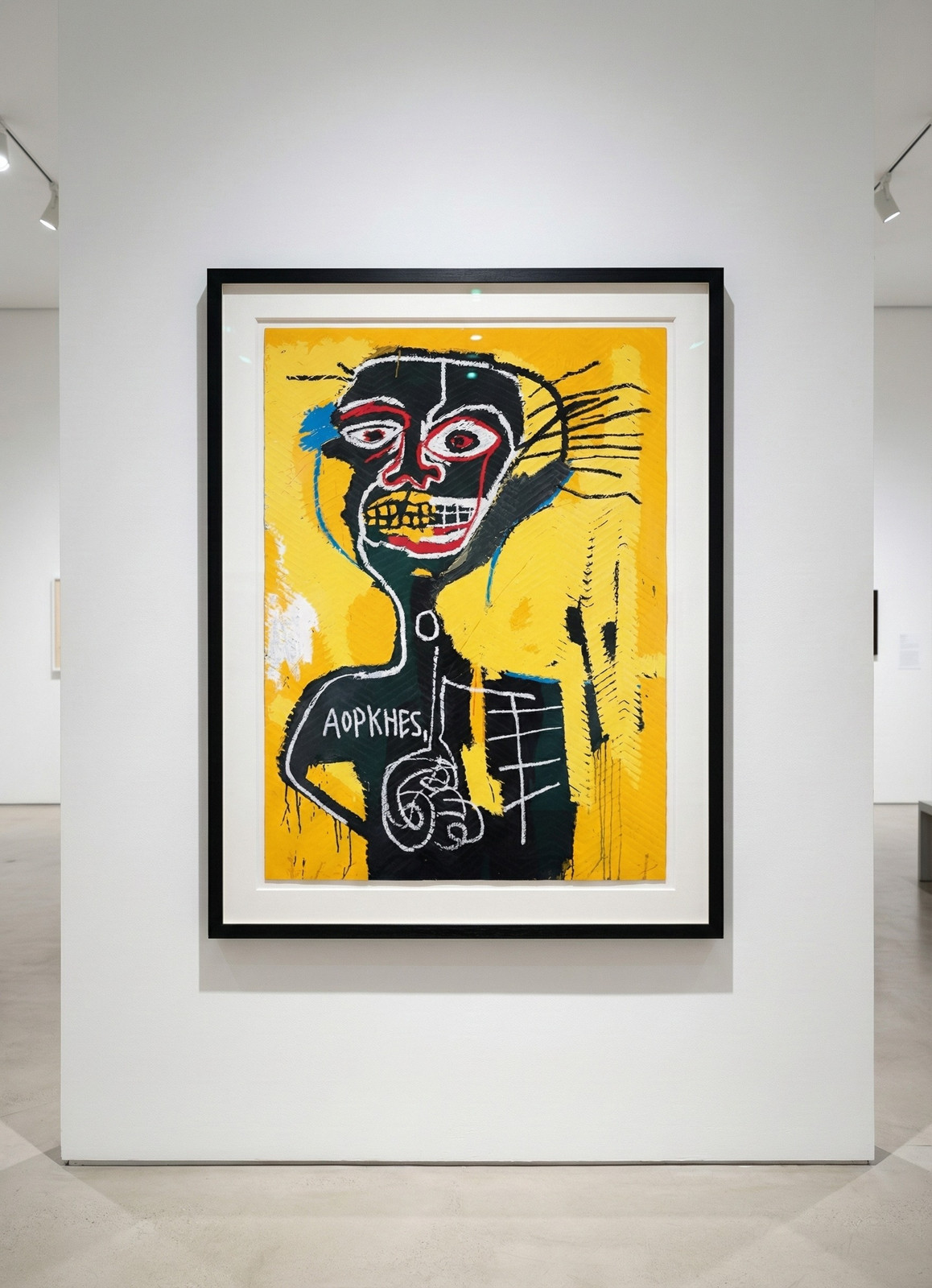
Cabeza, from Portfolio Ii — Jean-Michel Basquiat. Available at Guy Hepner, New York.
Jean-Michel Basquiat's significance extends beyond formal innovation to encompass his profound impact on questions of representation in contemporary art. As a Black artist achieving unprecedented success in a predominantly white art world, Basquiat confronted racism and exclusion directly in his work while refusing to be defined solely by his identity. His paintings address the African American experience through references to slavery, sports heroes, and jazz musicians, yet they resist simplistic categorisation, operating simultaneously as personal expression and universal statement.
The artist's exploration of heroism and celebrity culture manifests powerfully throughout his oeuvre. His depictions of boxers, musicians, and historical figures examine how Black achievement has been celebrated, commodified, and ultimately constrained by American society. These works retain their urgency decades after their creation, speaking to ongoing conversations about race, visibility, and institutional power that continue to shape contemporary discourse.
Basquiat's influence on subsequent generations of artists cannot be overstated. His success opened doors for artists of colour and demonstrated that work emerging from street culture could achieve the highest levels of critical and commercial recognition. Today, his visual language permeates contemporary art, fashion, and design, while his life story continues to inspire artists working at the intersection of high culture and popular expression.
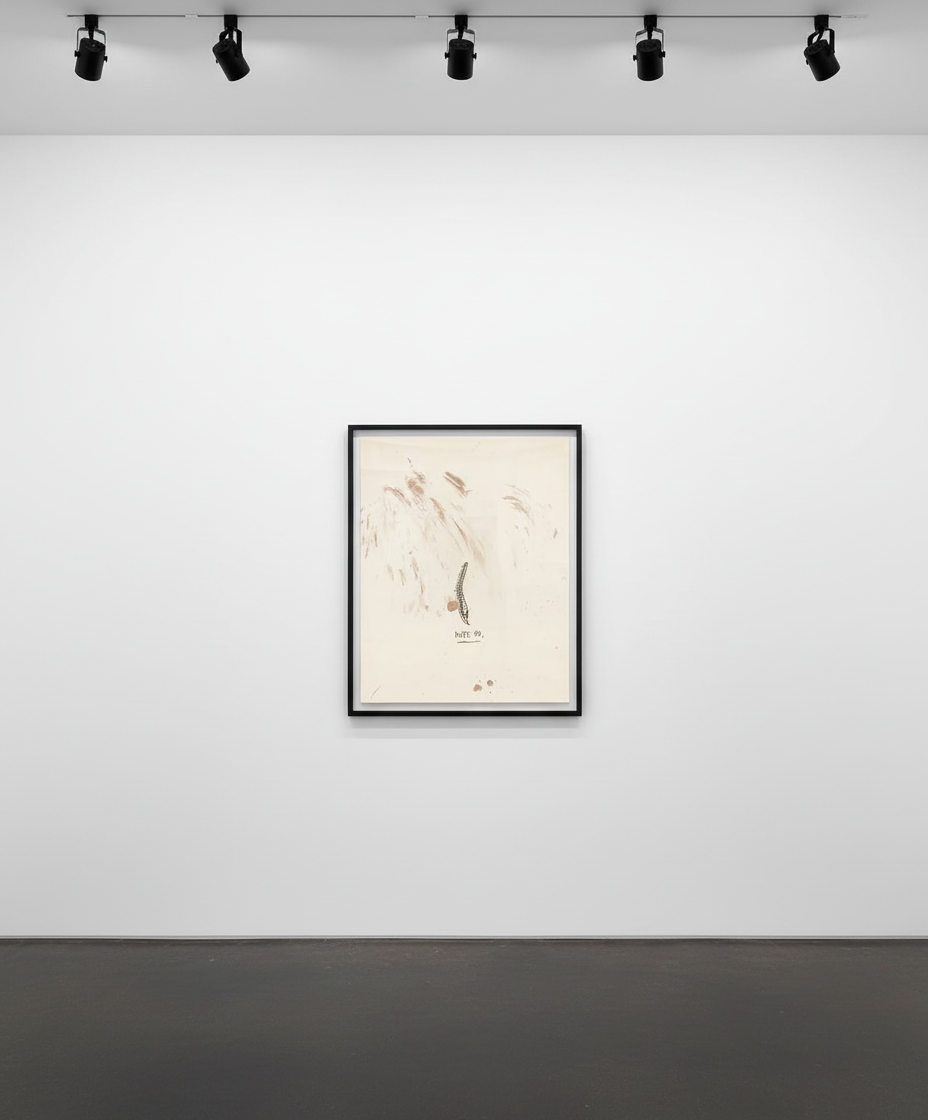
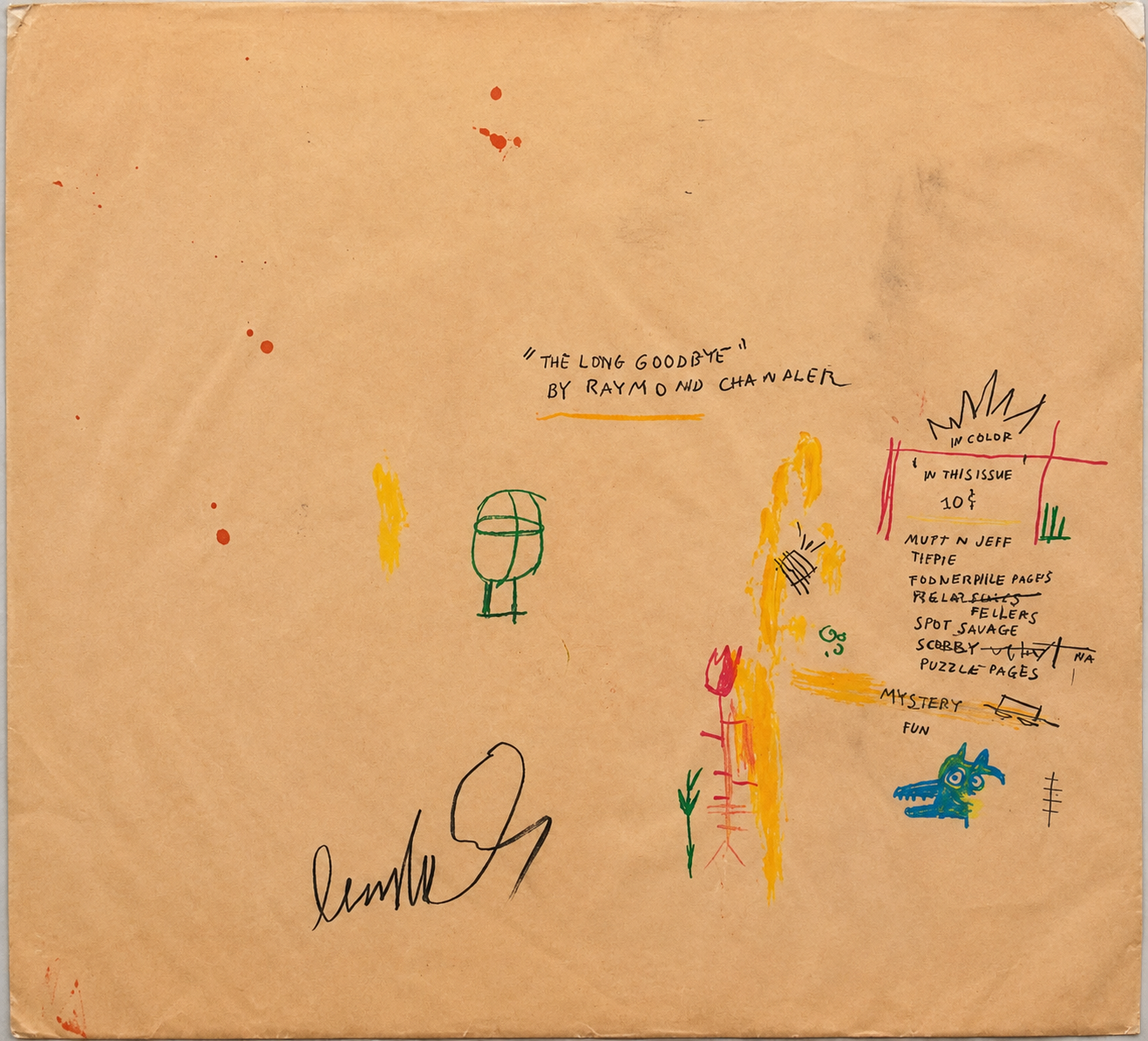
Untitled 4 (from Leonardo) — Jean-Michel Basquiat. Available at Guy Hepner, New York.
The market for Jean-Michel Basquiat has demonstrated remarkable strength and continued growth, reflecting both his art historical importance and his cultural resonance with contemporary collectors. According to data compiled for the Art Basel and UBS Global Art Market Report, Basquiat consistently ranks among the most sought-after artists at auction worldwide. His 1982 painting Untitled sold at Sotheby's in 2017 for 110.5 million dollars, establishing him as the highest-selling American artist at auction and confirming his position within the uppermost tier of the global art market.
Christie's has noted that Basquiat appeals to a broad spectrum of collectors, from established institutions to younger buyers drawn to his street art origins and contemporary relevance. His works on paper and prints offer important entry points for collectors seeking museum-quality pieces by this essential artist. The Anatomy series, Leonardo portfolio, and collaborative editions represent opportunities to acquire significant Basquiat works with impeccable provenance.
For collectors, Basquiat represents more than market performance. His work embodies a moment of cultural transformation and continues to generate scholarly attention and institutional exhibitions worldwide. Acquiring a Basquiat means possessing a piece of art history that remains vitally connected to contemporary conversations about identity, creativity, and the power of artistic vision.
Guy Hepner is proud to offer exceptional works by Jean-Michel Basquiat, including important prints and editions that demonstrate the full range of his artistic genius. Our current inventory features significant pieces from the Anatomy series, the Leonardo portfolio, and other essential bodies of work. We invite collectors to contact our gallery to discuss available works, provenance details, and acquisition opportunities. Whether you are building a foundational collection or seeking a masterwork by one of the twentieth century's most important artists, Guy Hepner provides the expertise, discretion, and access that distinguished collectors require.
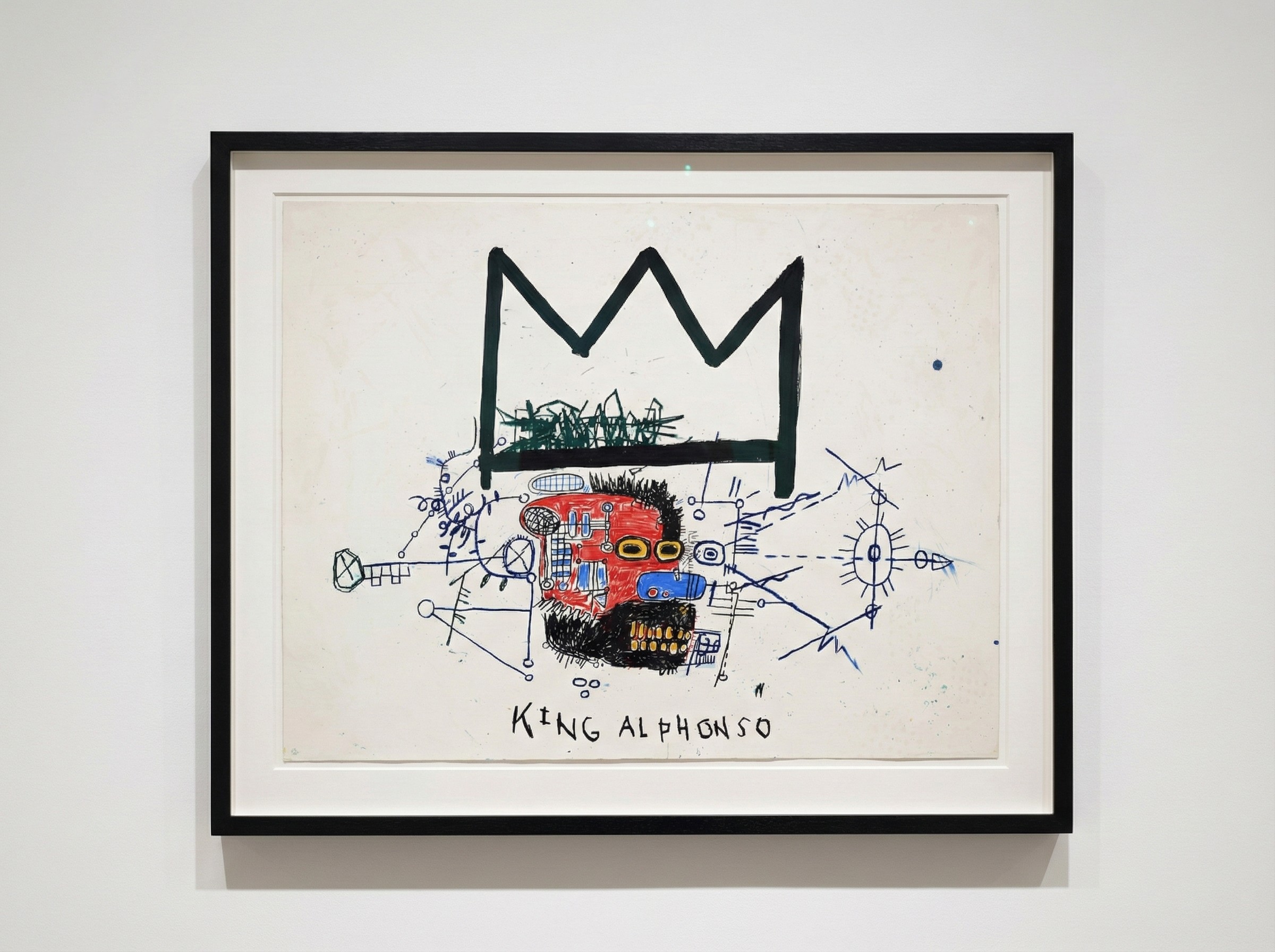
Explore Jean Michel Basquiat prints for sale at Guy Hepner: Anatomy, Daros Suite, Estate Prints, King Alphonso, Original Works.
Related Series