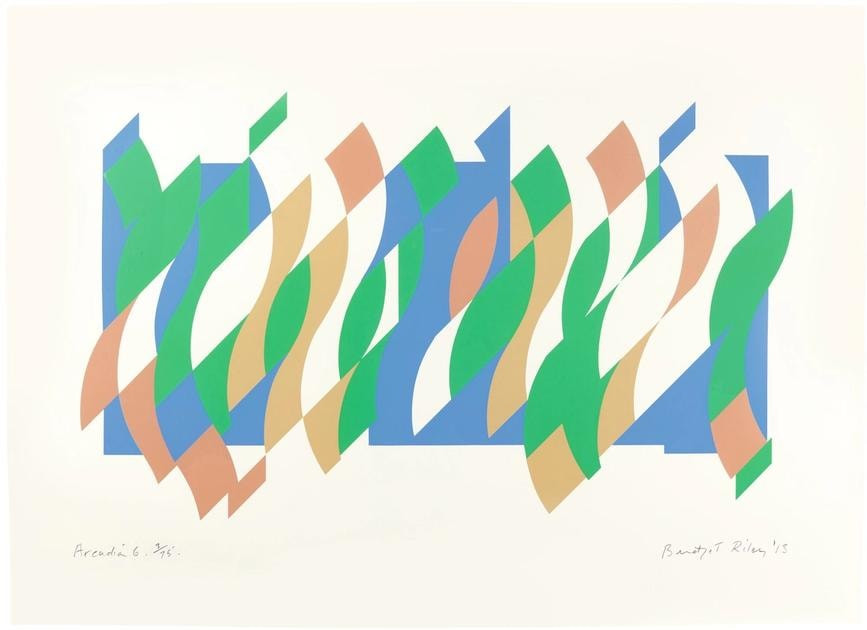
Arcadia
4 works

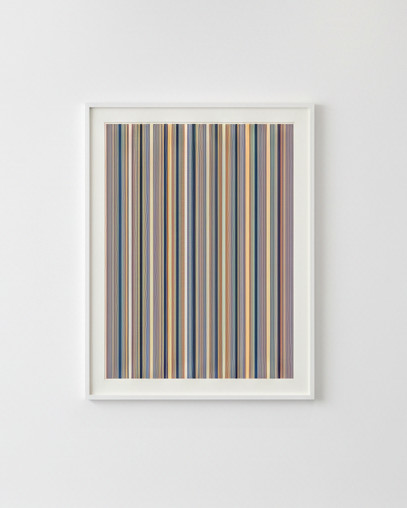
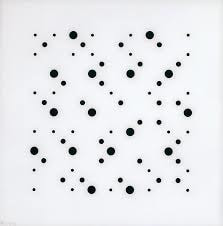
Silvered 2, 1981
Screenprint
33 7/8 x 29 7/8 in86 x 75.9 cm
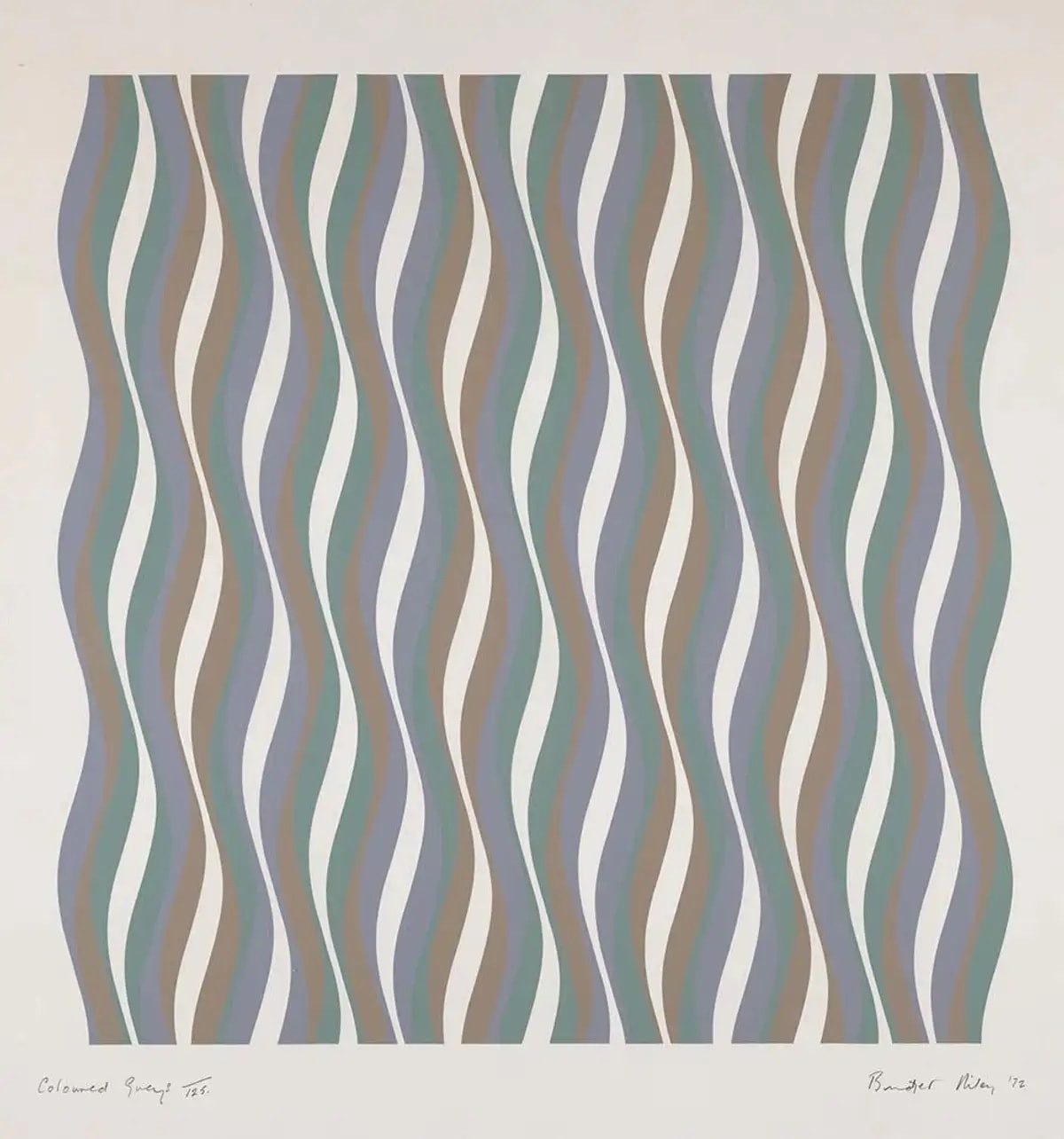
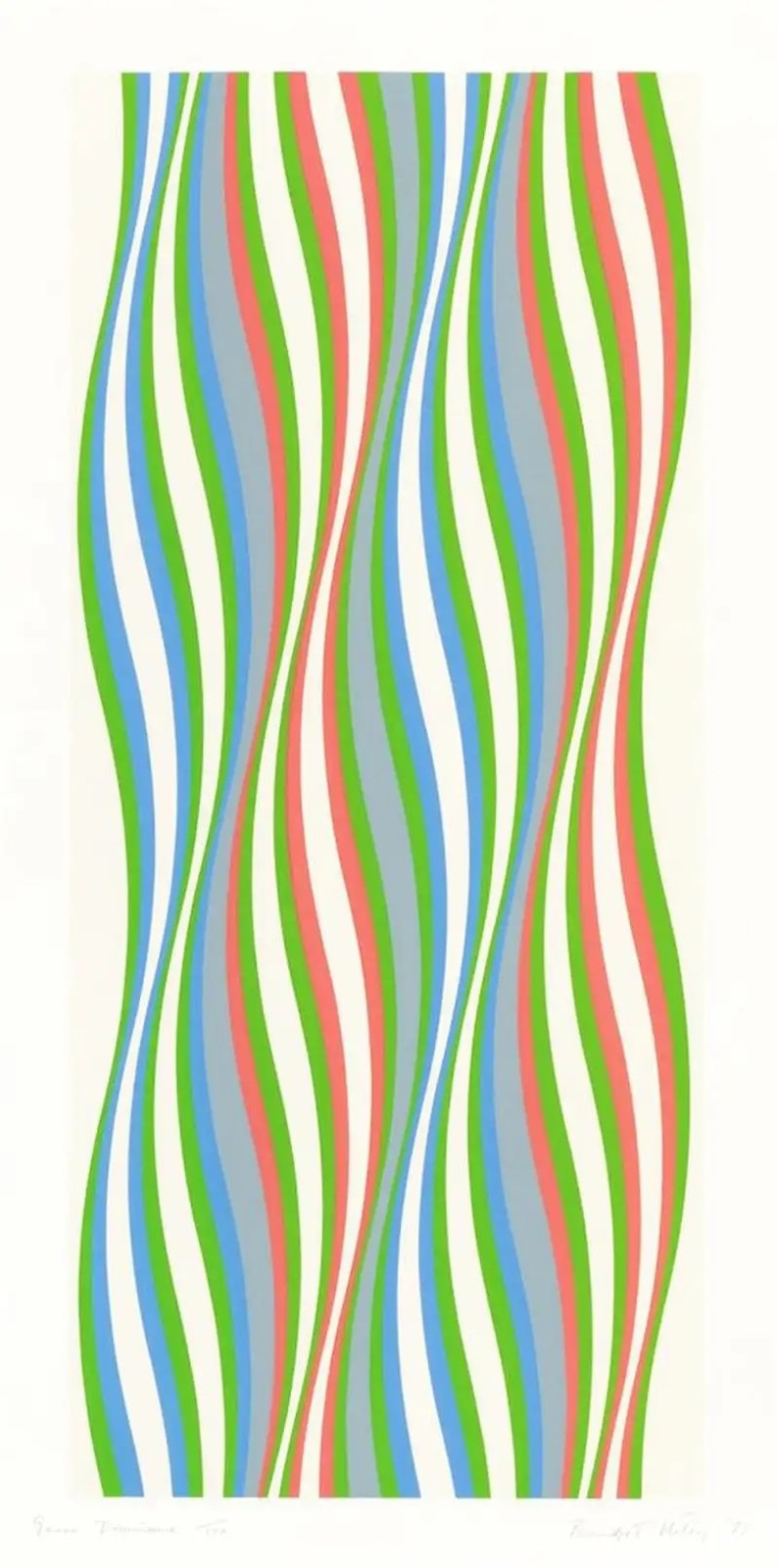
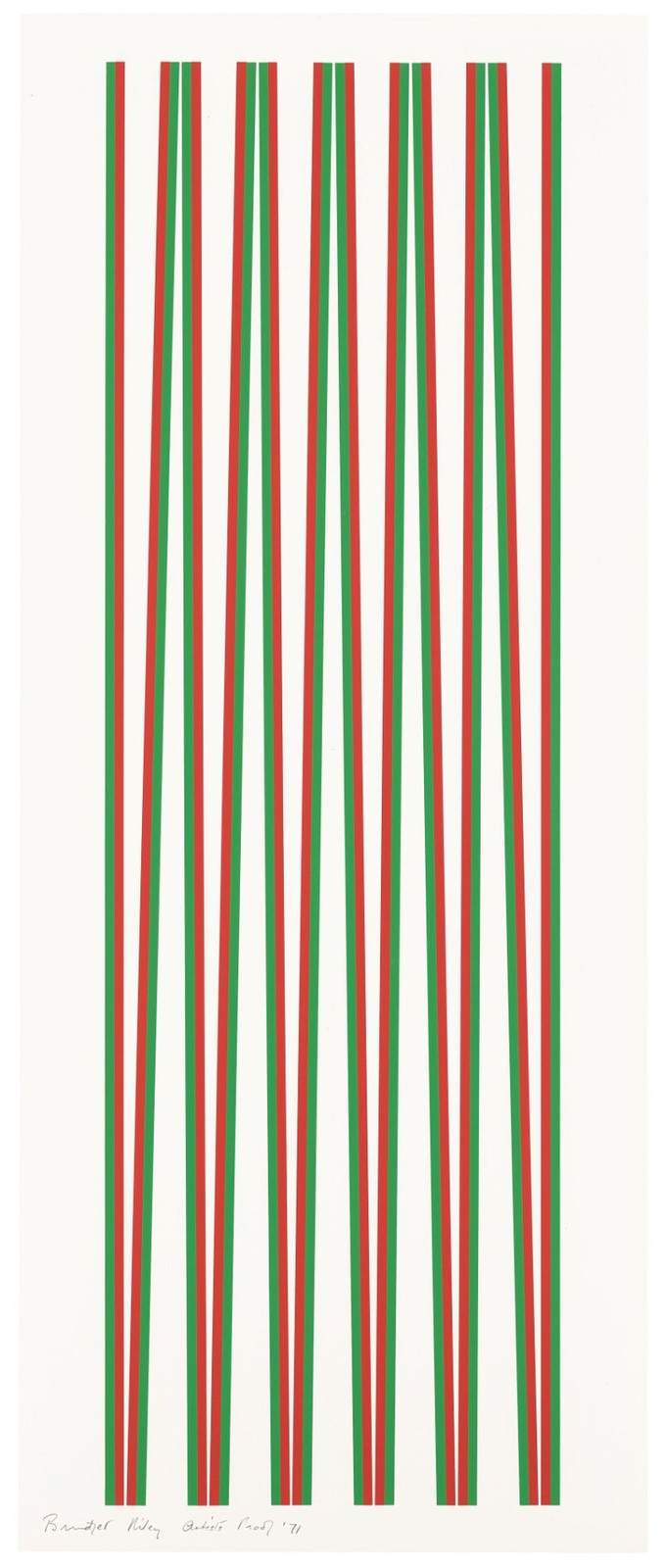
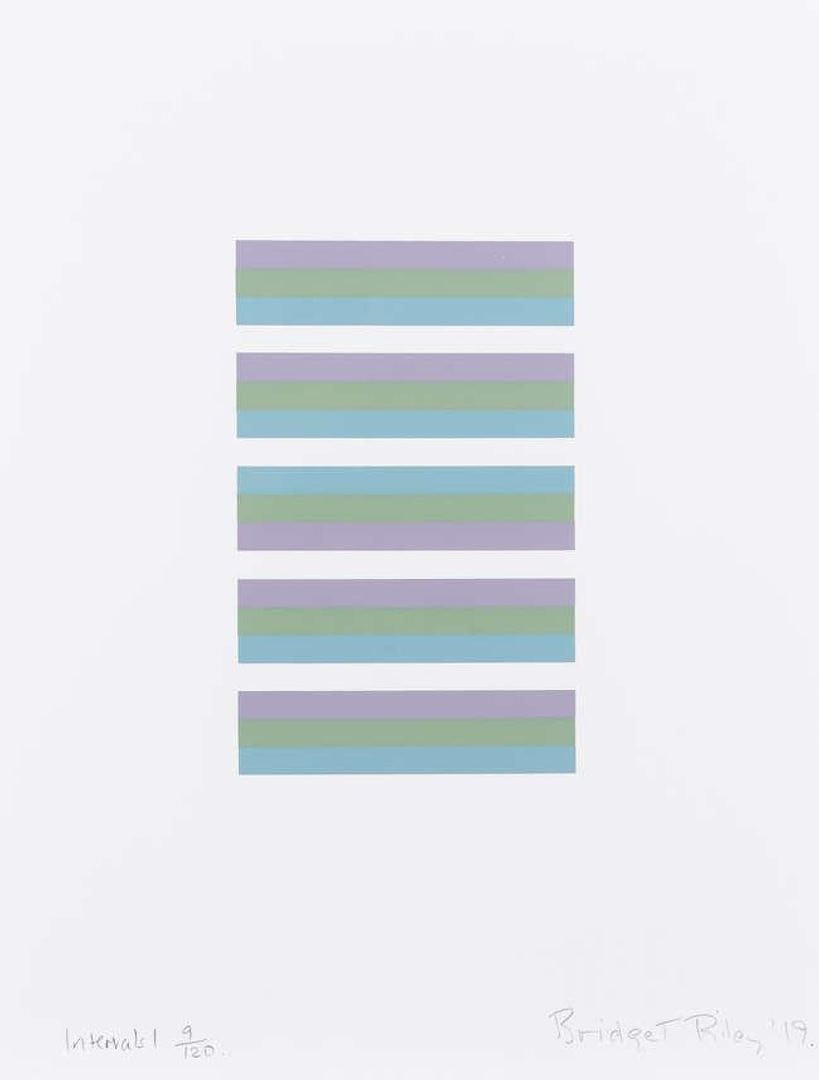
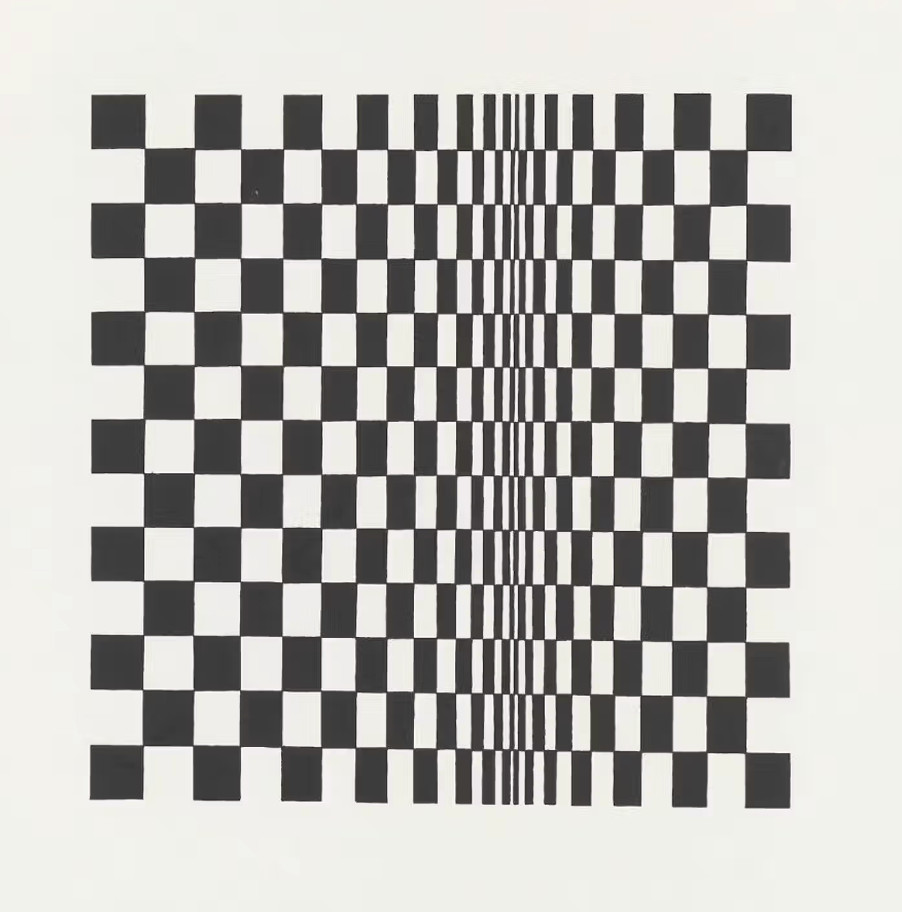
In her celebrated Stripes series, Bridget Riley explores the perceptual power of line and color through rigorously structured compositions of parallel bands. Departing from the stark black-and-white optical effects that defined her early work, Riley introduces luminous color relationships that appear to pulse, shimmer, and shift across the picture plane. Rather than depicting movement, the works generate it within the viewer’s visual experience. Subtle variations in hue, spacing, and rhythm activate the surface so that the work seems to vibrate with light. The stripes function both as formal elements and as agents of perception, inviting sustained looking and heightened awareness of how color is seen, felt, and processed. Rooted in precise planning yet sensorially dynamic, the Stripes works exemplify Riley’s lifelong investigation into visual sensation. They transform simple linear structures into immersive environments, where balance, tempo, and chromatic harmony produce a quiet but powerful optical intensity.
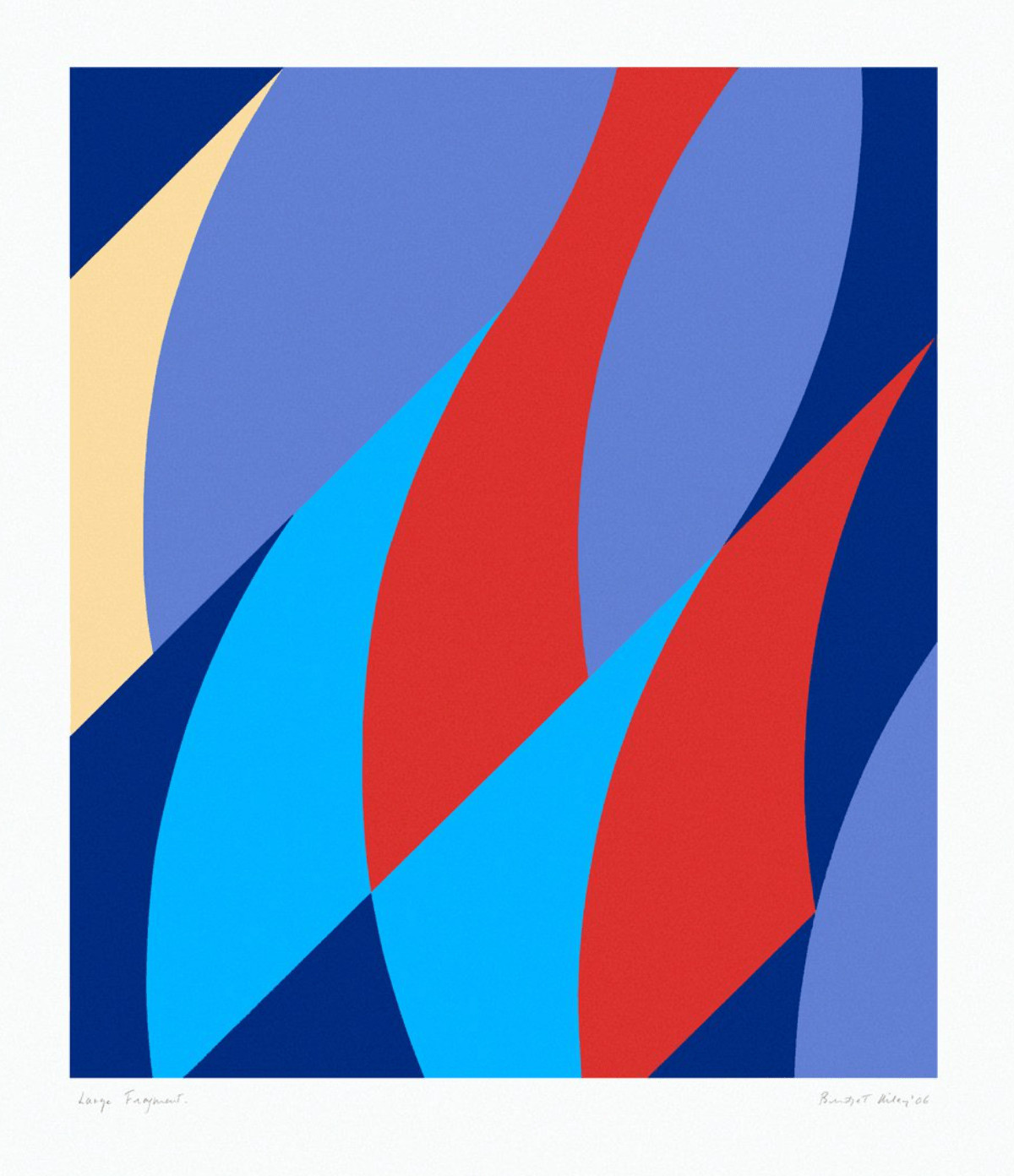
Riley was awarded the International Prize for Painting at the 1968 Venice Biennale, cementing her international reputation. From the late 1960s, she began introducing colour into her work, working first with carefully limited Egyptian palettes and later a full range of hues, exploring stripe-based and diagonal compositions in which colour interaction becomes the primary subject. Her series including Orphean Elegy, The Seasons, and Rajasthan demonstrate the sustained rigour and beauty of this investigation. She continues to work from studios in London and Cornwall.