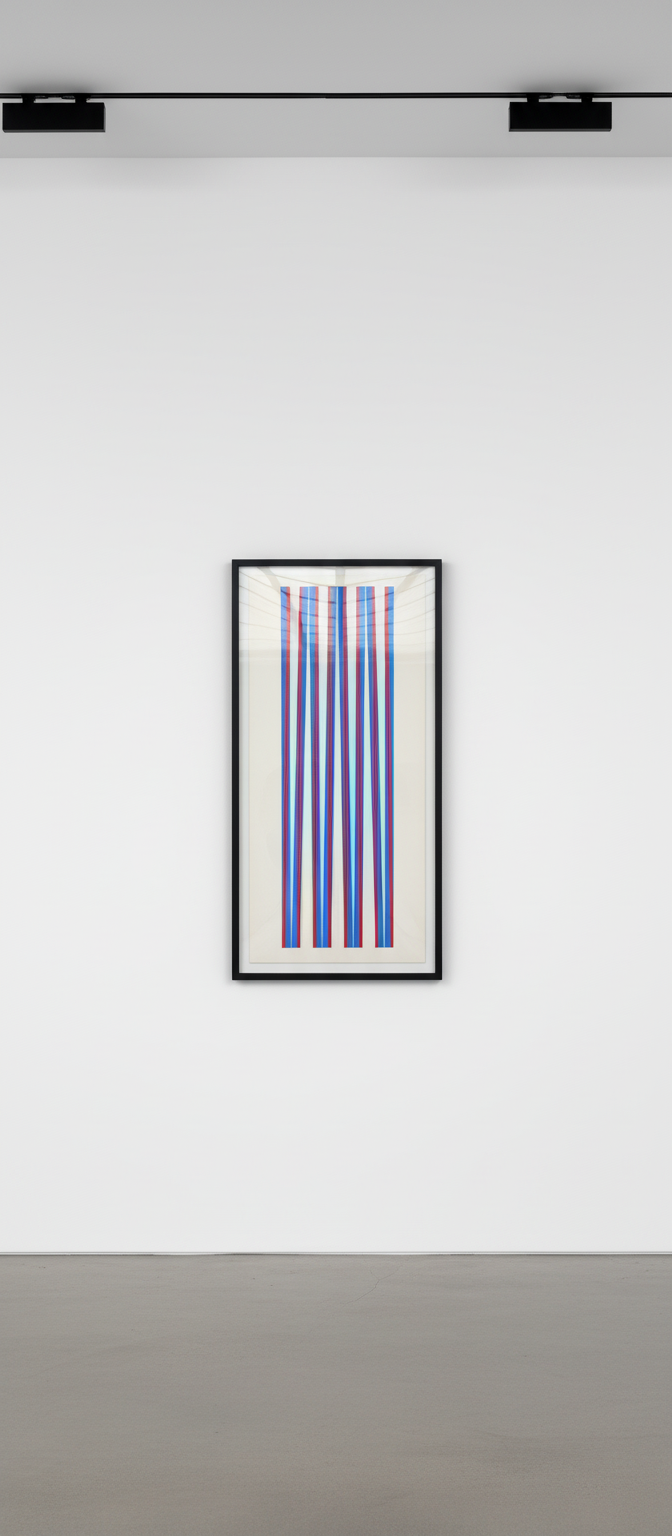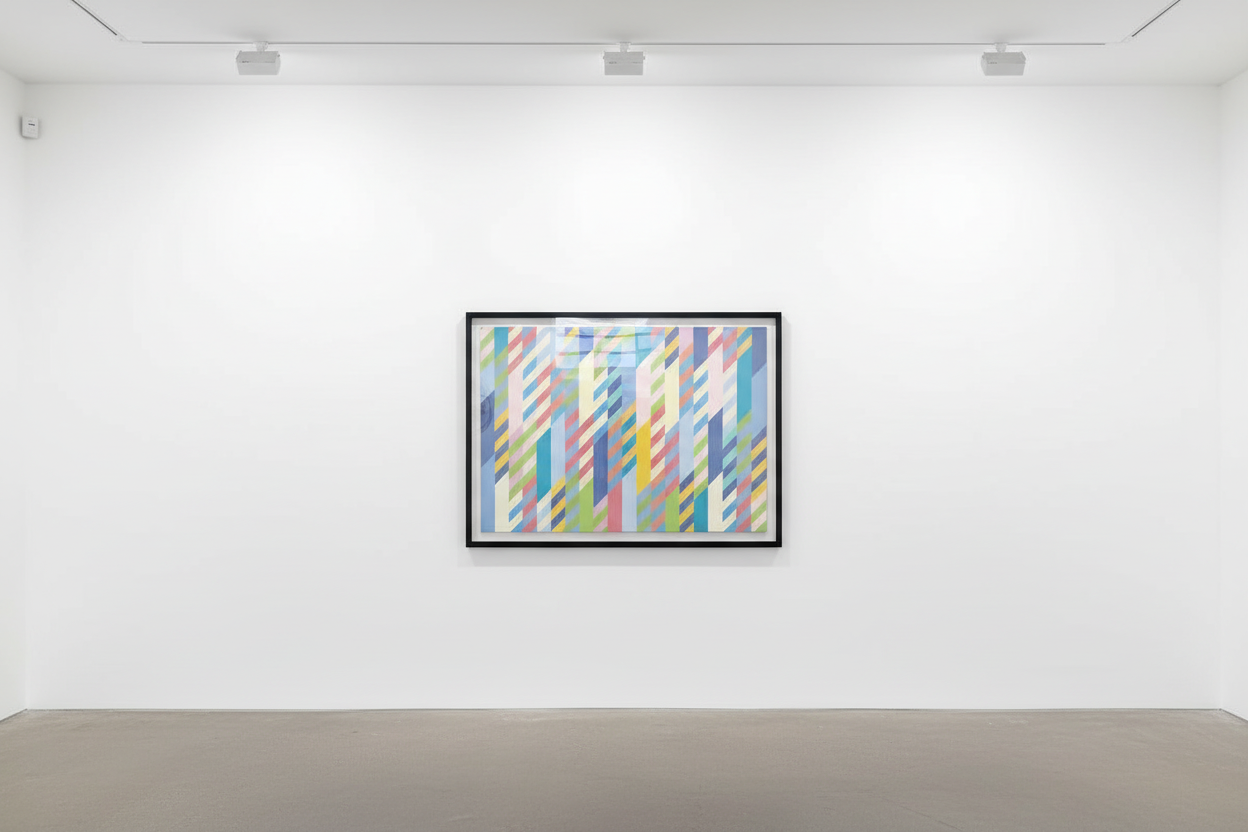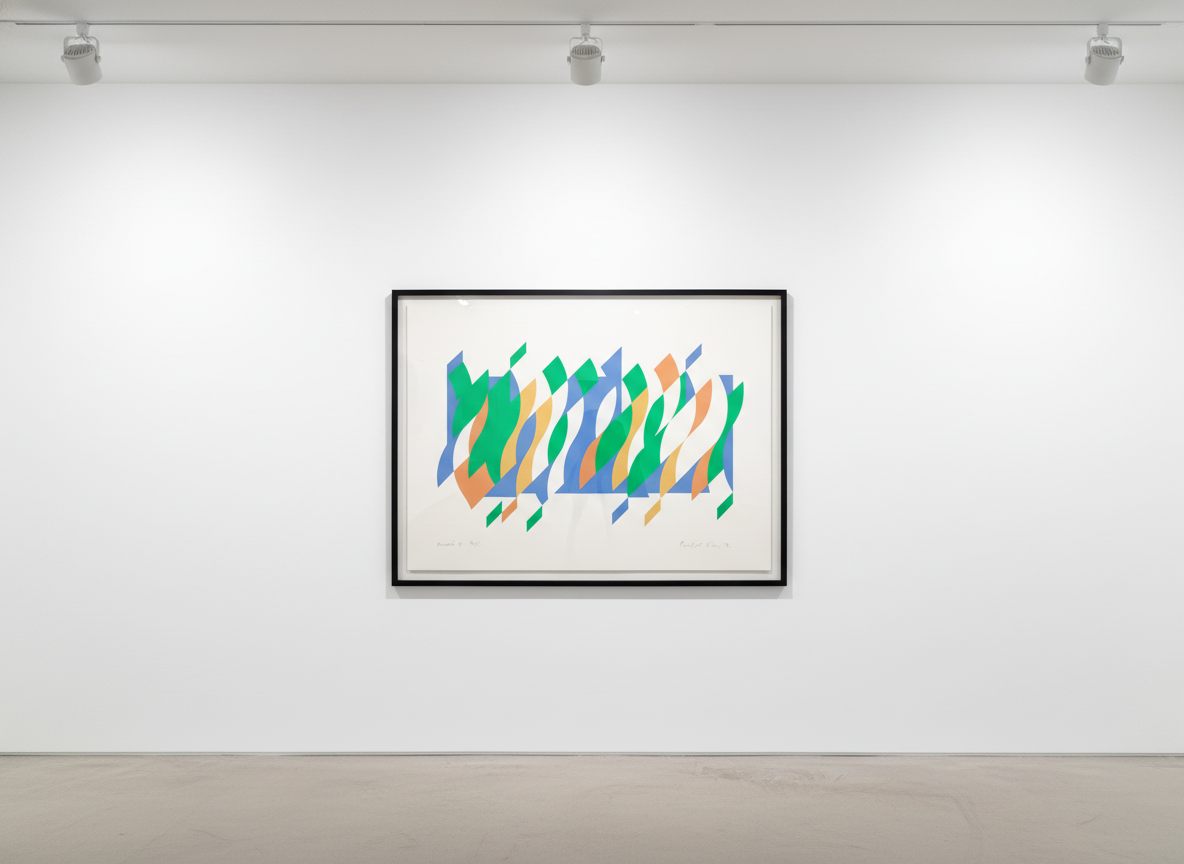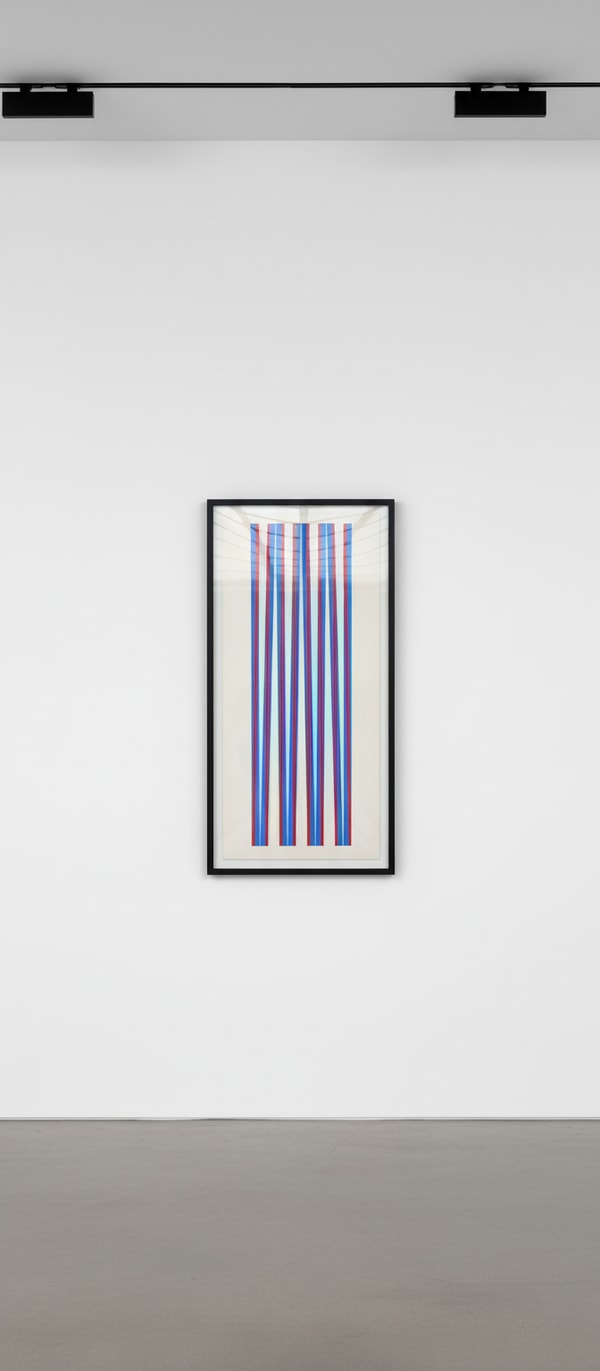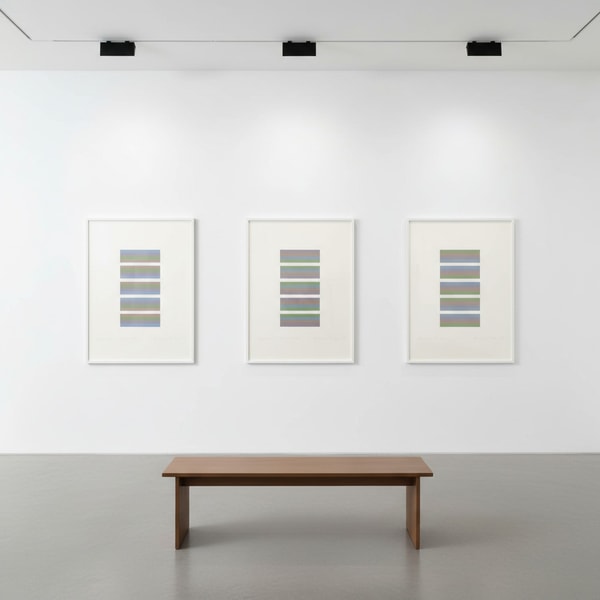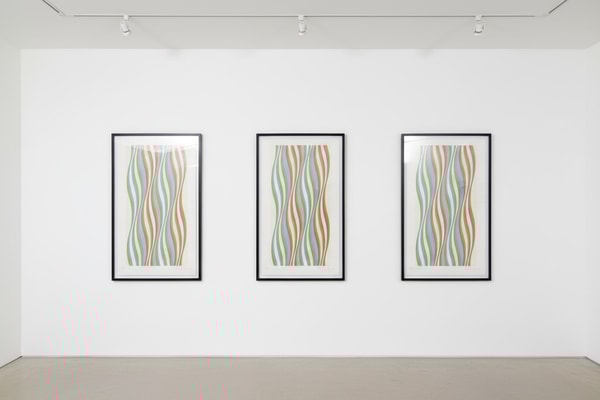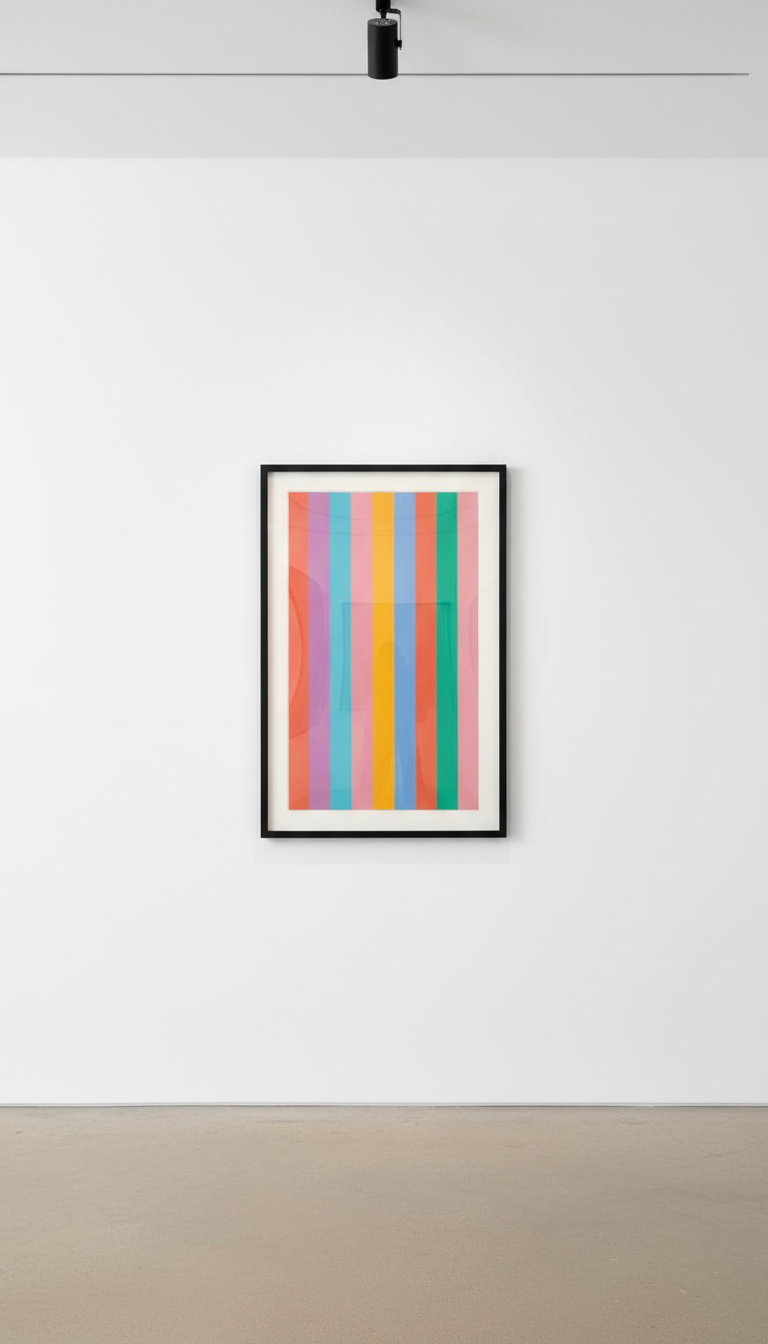
Stripes
12 works

17 series total
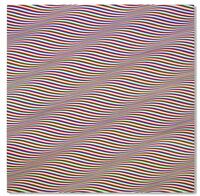
Untitled (Diagonal Curve)
Christie's · 1966
$5,834,849
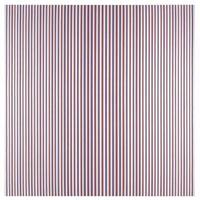
Gala
Christie's · 1974
$5,866,454
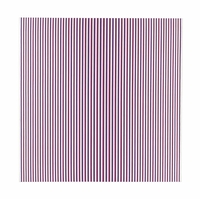
Chant 2
Sotheby's · 1967
$3,444,625
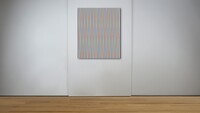
Chant 2
Christie's · 1967
$3,876,674
Zing 2
Christie's · 1971
$4,387,736
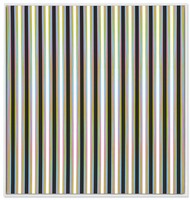
Halcyon 2
Christie's · 1972
$3,500,102
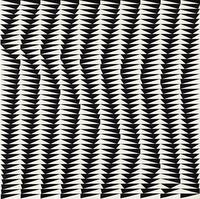
SHIFT
Sotheby's · 1963
$3,651,404
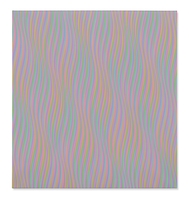
Orphean Elegy 7
Christie's · 1979
$3,807,748
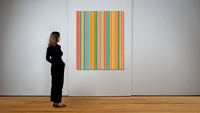
Cupid’s Quiver
Christie's · 1985
$3,015,938

Gaillard
Christie's · 1989
$3,081,502
Source: Public auction records. Prices include buyer's premium.
25+
Years in the Market
NY & LDN
Gallery Locations
Global
Collector Network
Guy Hepner Gallery specialises in buying and selling Bridget Riley prints, paintings and editions. We offer complimentary, confidential valuations for collectors looking to sell or consign Bridget Riley artwork, drawing on 25 years of experience in the post-war and contemporary market.
Bridget Riley is the defining figure of Op Art, renowned for her precisely constructed black-and-white and colour compositions. Her top auction record reached £4,338,500 at Christie's, and her prints are among the most sought-after in post-war British art.
Whether you own a print, a painting or a drawing, Guy Hepner can provide an accurate current market valuation based on recent auction results, private sales data, condition and provenance.
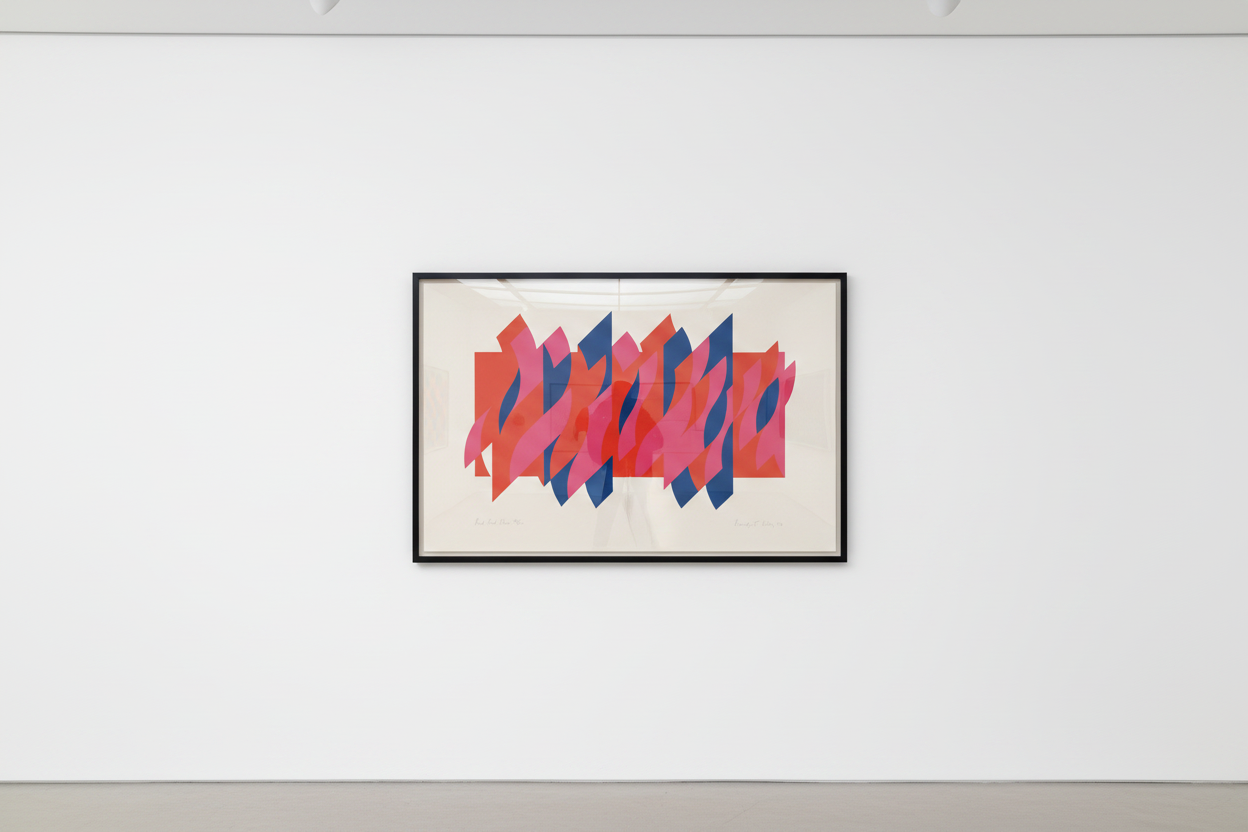
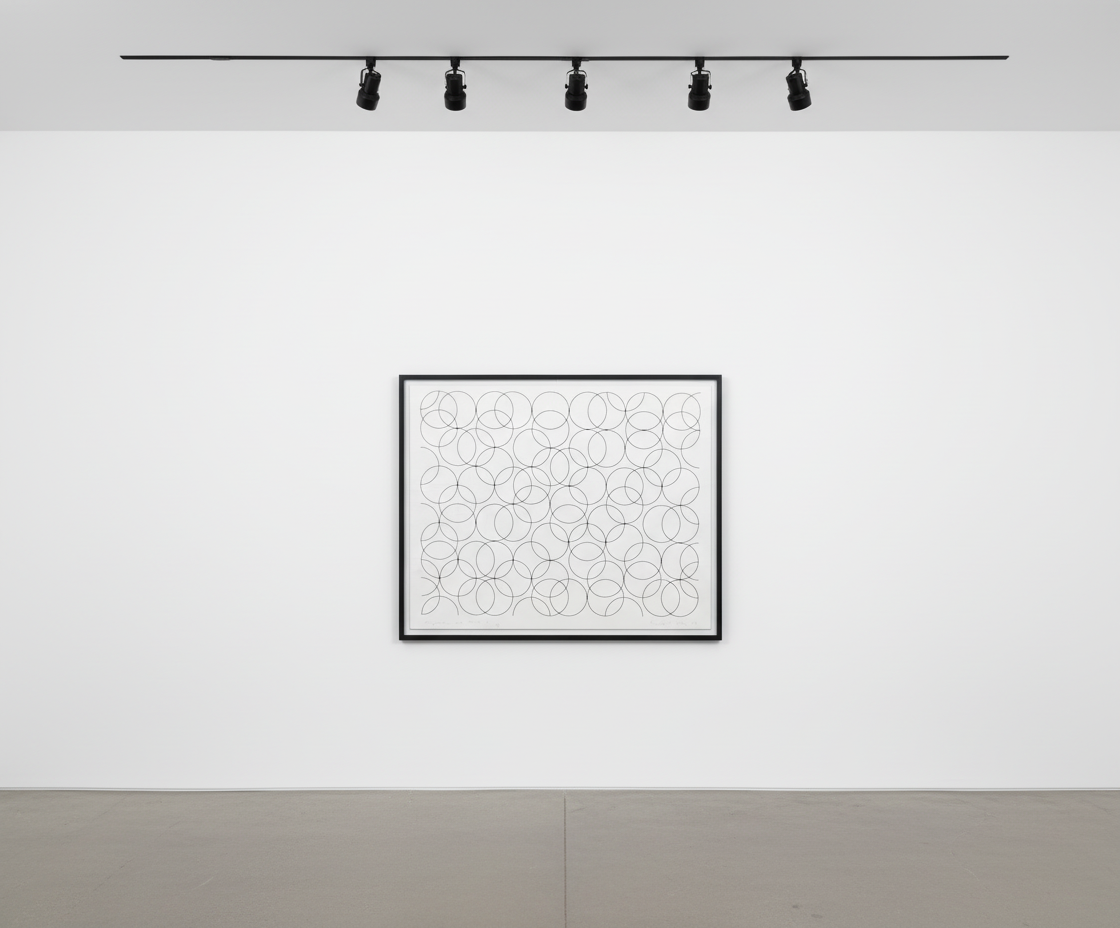
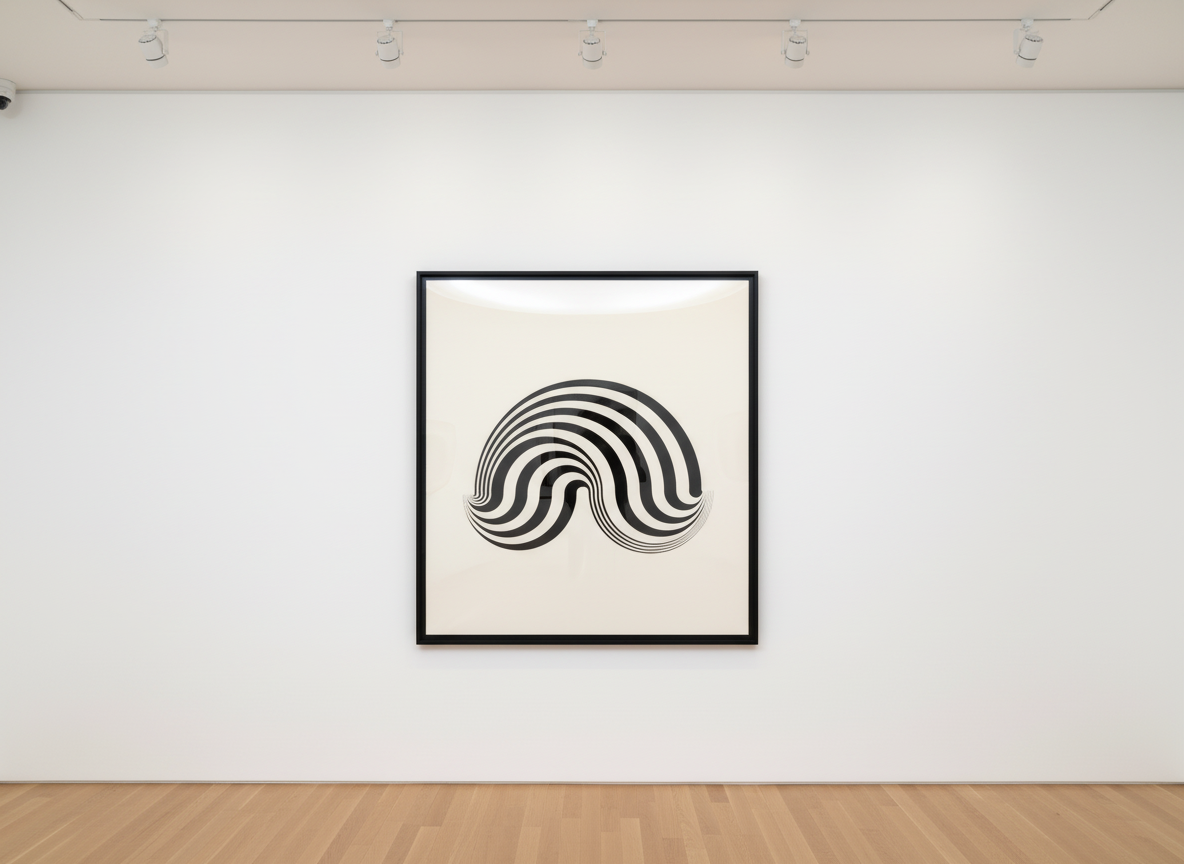
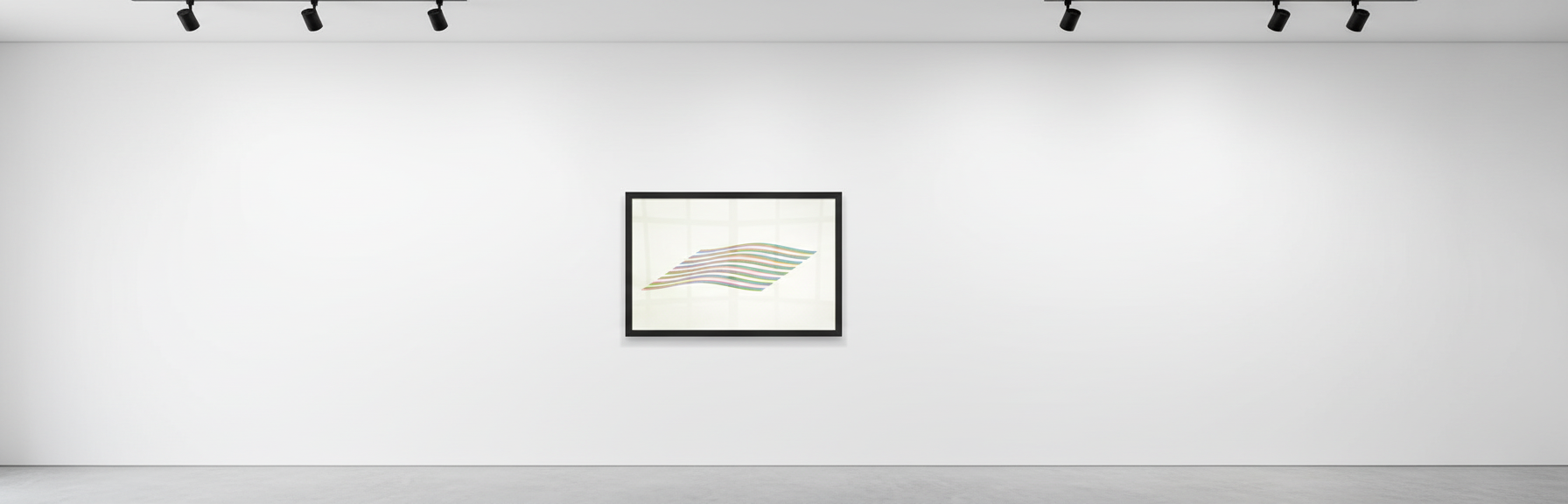
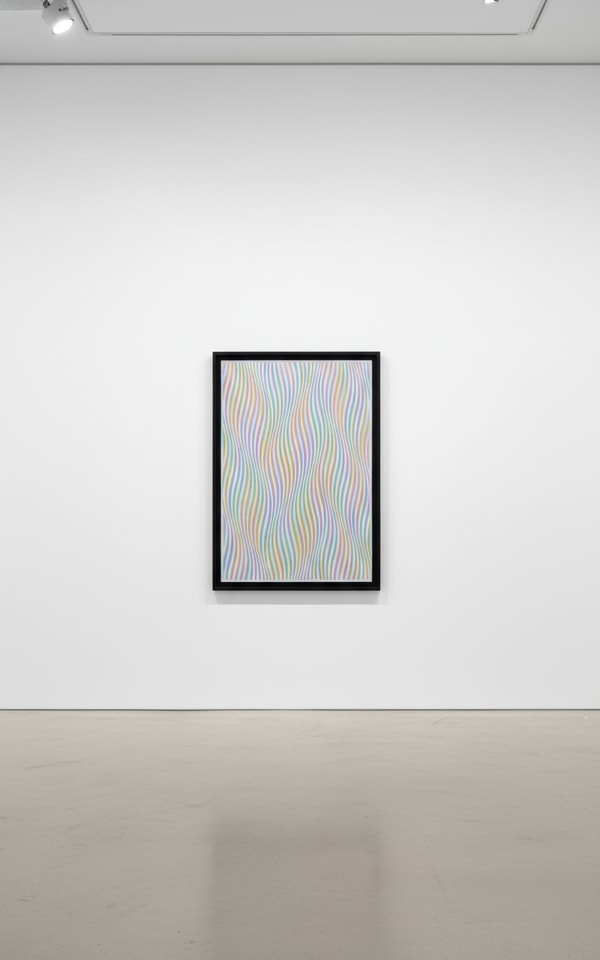
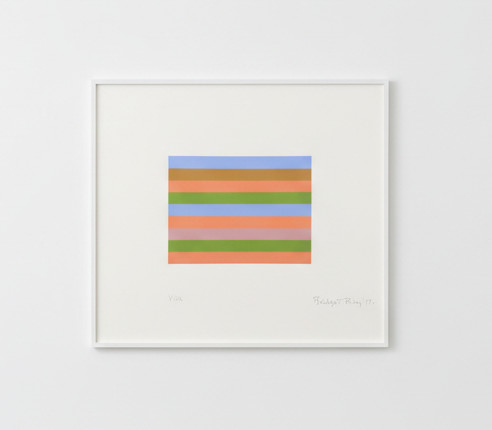
Riley's early black-and-white works and her stripe paintings from the 1970s–1980s command the highest prices. Screenprints and editions are actively traded, with value influenced by series, colour palette and condition.
Our gallery has maintained relationships with leading Bridget Riley collectors for over two decades. We have sold works across every major series and use our deep market knowledge to achieve the best possible results for consignors through private sale and our global collector network.
Sell / Appraisal
Bridget Riley (b. 1931) is one of the most important British artists of the twentieth and twenty-first centuries, and the defining figure of Op Art — an art of pure optical experience that transforms the viewer's perceptual field through the precise, disciplined organisation of visual elements. Her works are held by every major institution in the world and command consistently strong prices at auction, placing her among the most significant living artists in the global market.
Born in London in 1931, Riley studied at Goldsmiths College and the Royal College of Art before developing the visual approach that would define her mature practice. Her early black-and-white paintings of the late 1950s and early 1960s — geometric compositions of lines, dots, and curves that generate powerful illusions of movement, vibration, and depth — caused immediate critical and public sensation when exhibited. Her inclusion in The Responsive Eye at the Museum of Modern Art in New York in 1965 brought her international fame and placed her at the centre of a movement whose influence extended from fine art into fashion and design.
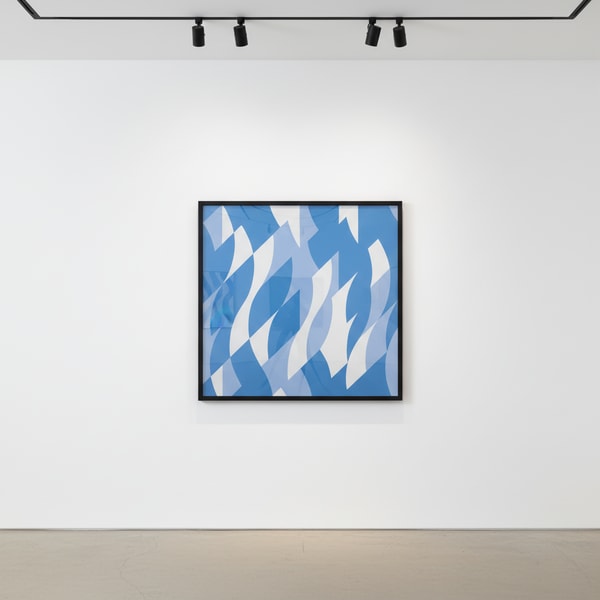
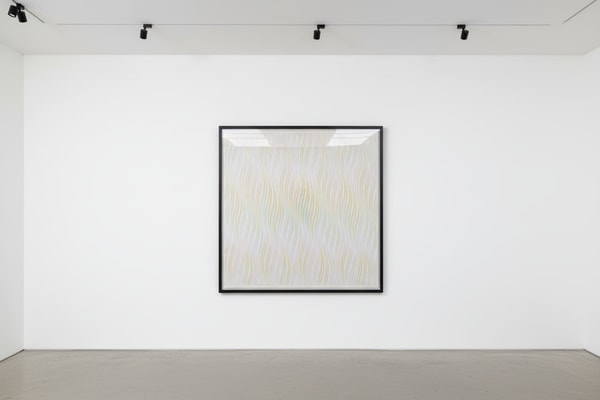
From the late 1960s, Riley introduced colour into her practice, exploring the interactions between hues with the same systematic rigour she had applied to black-and-white relationships. Her stripe paintings, curved colour sequences, and later rhomboid and lozenge compositions extended her investigation of perceptual experience across decades of consistently productive work. She continues to produce major paintings and prints that develop her core concerns with a clarity and inventiveness that shows no diminishment.
Riley's practice is founded on a fundamental investigation of how the eye and mind construct visual experience. Her paintings are not optical illusions in the trivial sense — they are sophisticated explorations of perception, attention, and the physiological and psychological mechanisms through which we make sense of the visual world. The rigour and consistency of her investigation across more than sixty years of work places her among the great systematic painters of the modern era.
Her influence on subsequent generations of artists — and on visual culture more broadly, from fashion and advertising to environmental design — has been substantial. The vocabulary she developed in the 1960s remains vital and widely referenced, and her continued production of new work ensures that her practice is engaged with as a living, developing body rather than a historical artefact.
Riley's paintings and prints command strong prices at major auction houses, with significant works regularly appearing in Christie's and Sotheby's evening sales. Her prints — produced in carefully documented editions — offer collectors accessible entry points to her practice while maintaining strong secondary market value. Major canvases, particularly early black-and-white works and significant colour paintings from the 1970s and 1980s, achieve prices that reflect her art-historical importance and the enduring appeal of her visual language.
Riley's work is held by the Tate Collection, the Museum of Modern Art in New York, the National Gallery of Art in Washington, the Stedelijk Museum in Amsterdam, the Centre Pompidou in Paris, and virtually every other major art institution globally. She is represented in more than forty public collections in the United Kingdom alone.
Guy Hepner works with collectors seeking Bridget Riley prints and works across formats. Our New York gallery at 177 Tenth Avenue provides access to carefully vetted works with full provenance documentation. Contact Guy Hepner to discuss current availability and acquisition strategy.
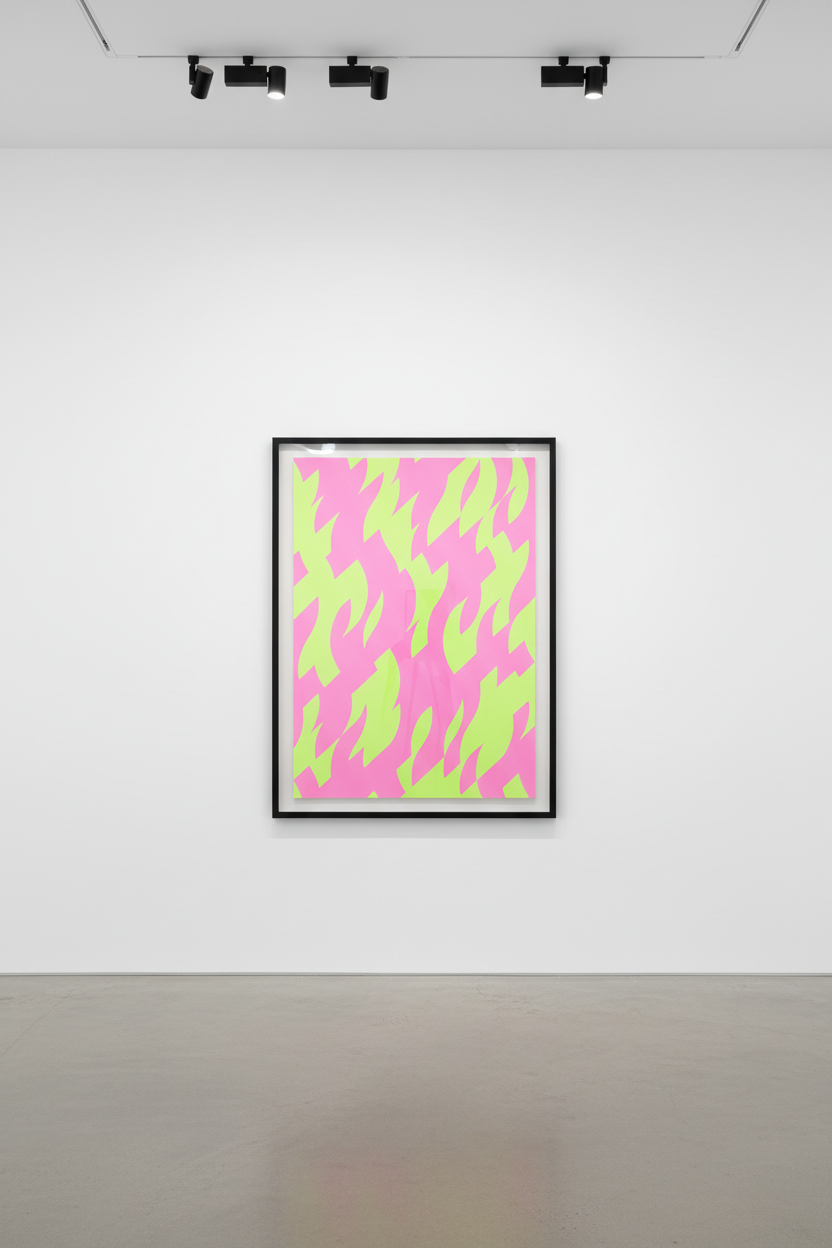
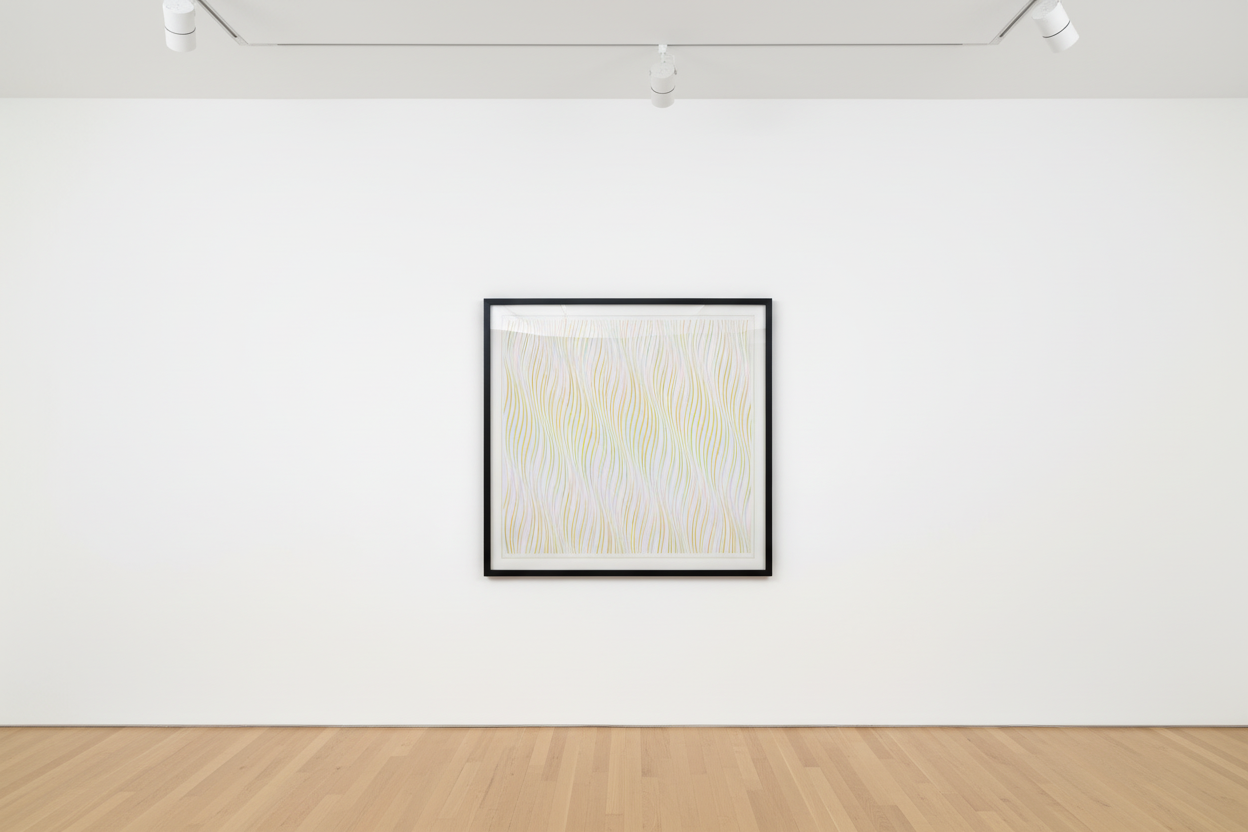
Bridget Riley is one of the most important living British artists and a defining figure of the Op Art movement. Her print editions represent some of the most formally rigorous multiples produced by any British artist of the post-war period. Her engagement with printmaking — pursued consistently since the 1960s alongside her painting practice — has produced a body of silkscreen and screenprint works that translates her visual research into the multiple format with extraordinary precision.
Riley's prints are independent investigations of the same formal problems as her paintings — the movement of colour across a surface, the optical interference generated by repeated geometric forms, the relationship between structure and perception — conducted specifically within the print medium. Edition sizes are typically modest, with most screenprint works produced in editions of 50 to 100, signed and numbered by the artist.
The secondary market has been consistently strong, reflecting both her institutional standing — works are held by Tate, MoMA, the Stedelijk, and the National Gallery of Australia — and the genuinely finite supply of her print editions. Condition is particularly important: the optical effects of her work depend on the precise registration of colour and form. Guy Hepner Gallery offers a curated selection of Riley editions with full provenance documentation.
Frequently Asked Questions
Bridget Riley prints and original works for sale are available at Guy Hepner Gallery, 529 West 20th Street, New York (by appointment). Our gallery specialises in authenticated Bridget Riley editions with full provenance documentation sourced from the secondary market.
Bridget Riley artwork prices vary significantly by medium, edition size, date, and condition. Signed and numbered prints from key series are the most accessible entry point. Contact Guy Hepner Gallery for a free valuation and current market pricing on specific works.
Authenticating Bridget Riley art requires catalogue raisonné references, provenance documentation, and where applicable, foundation authentication records. Guy Hepner Gallery provides full provenance for every work we offer for sale.