
Guy Hepner Gallery

Bridget Riley Blue Dominance For Sale

Bridget Riley
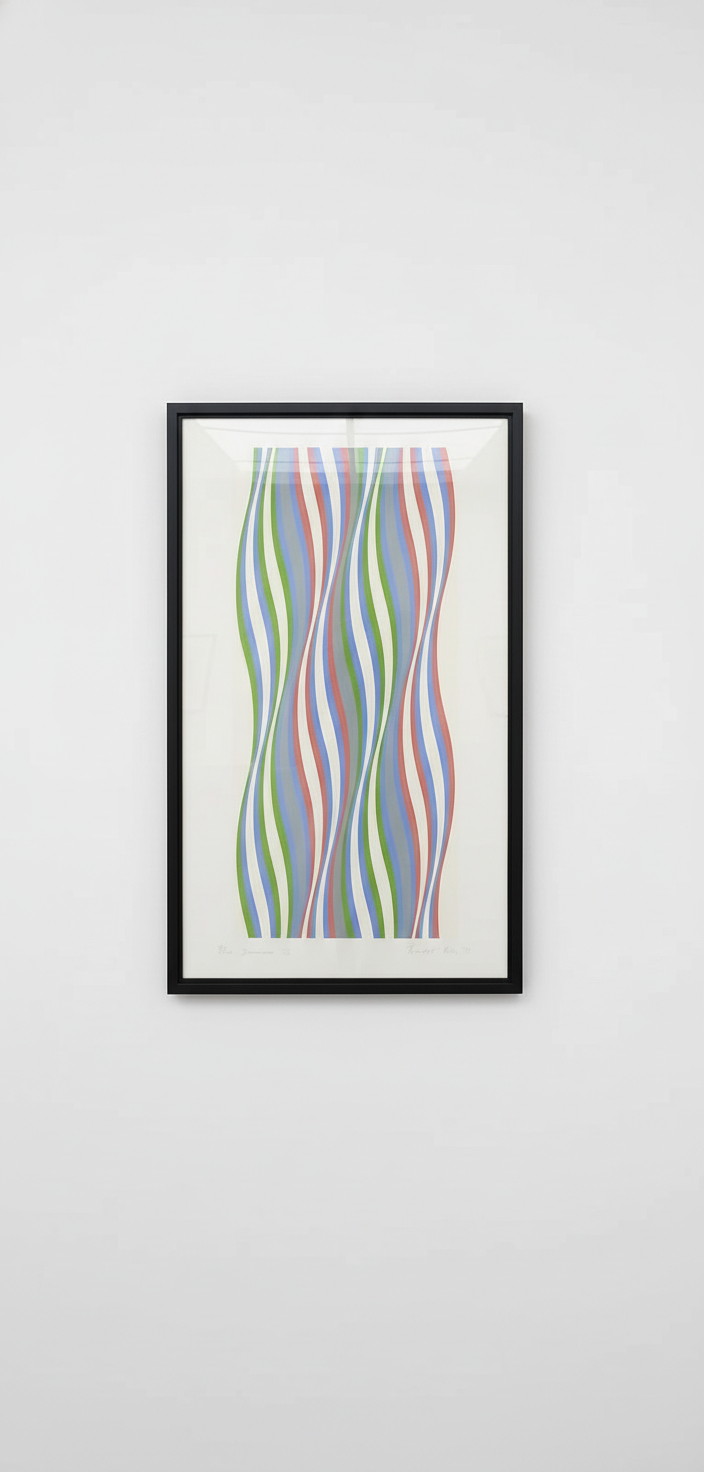
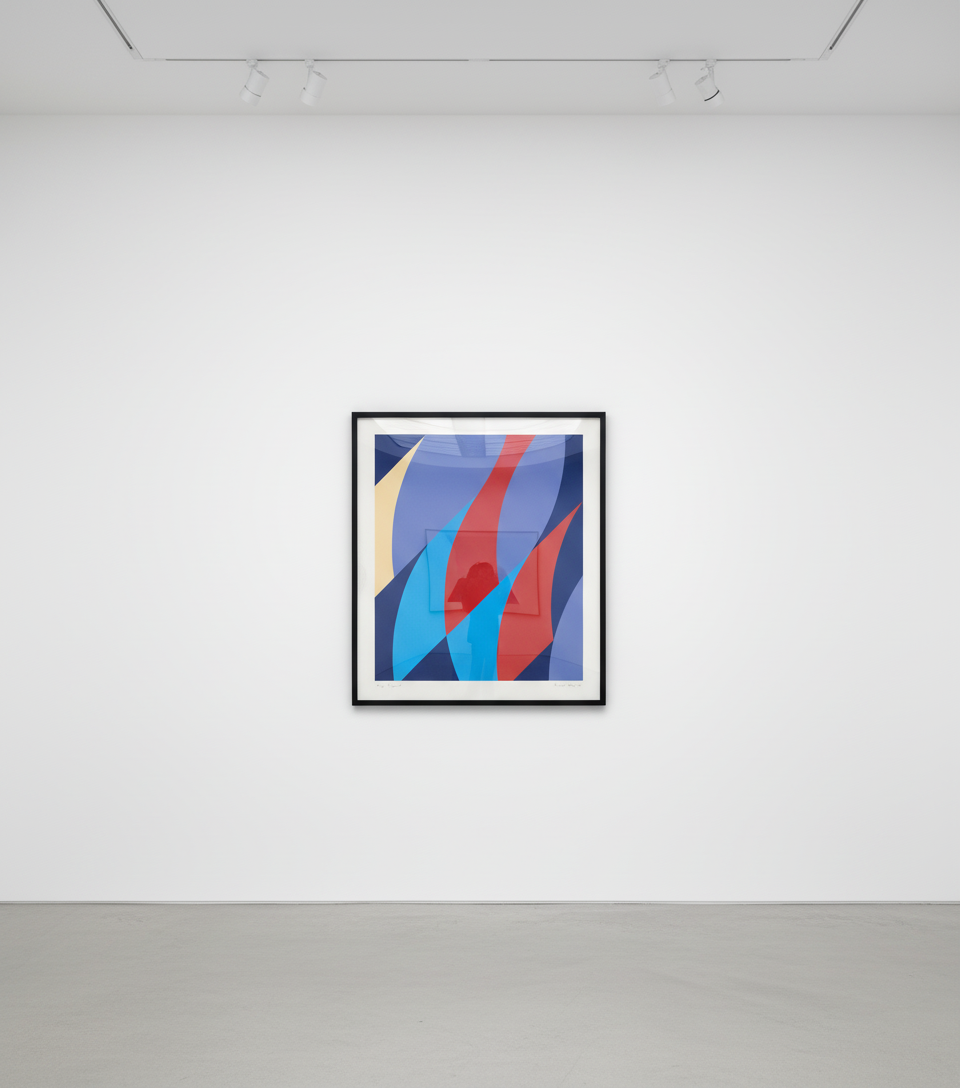
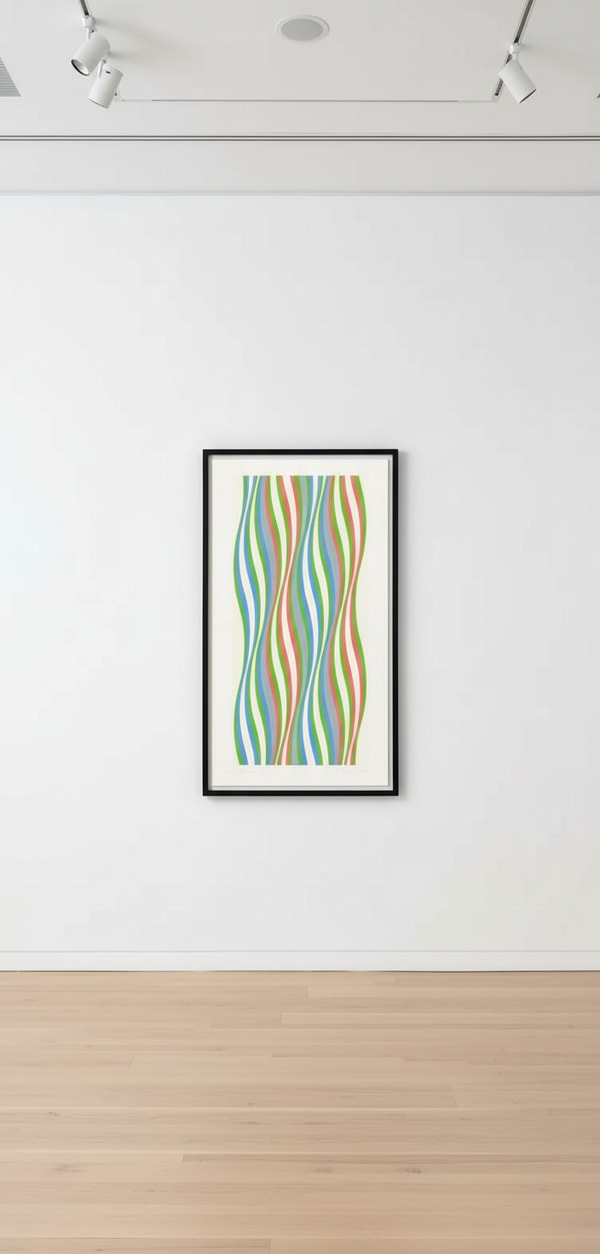
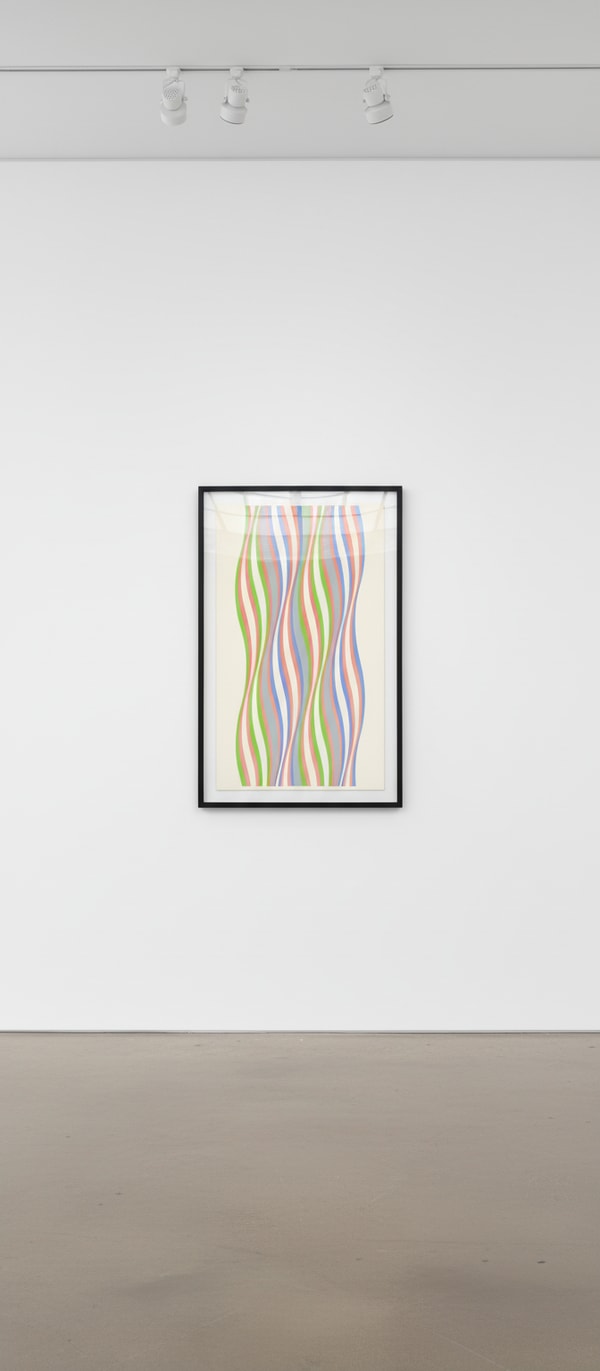
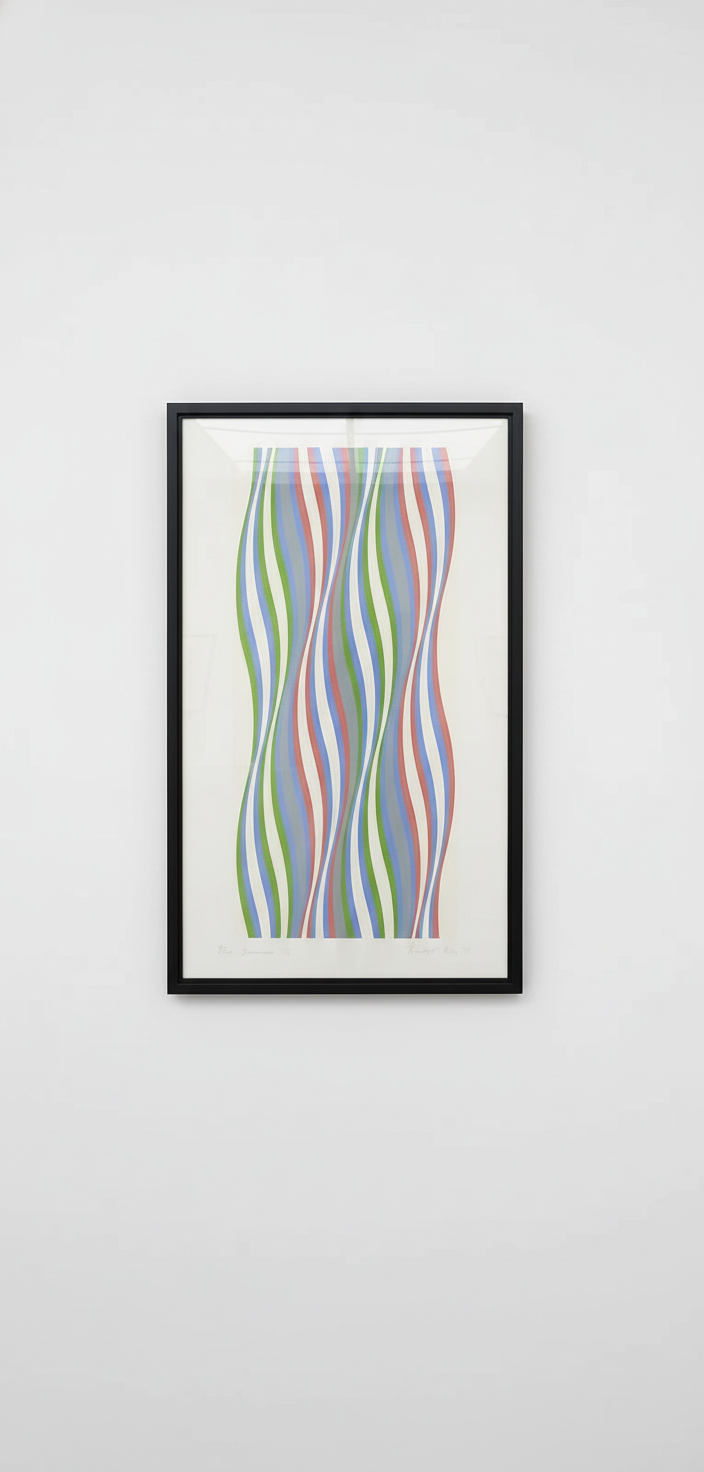
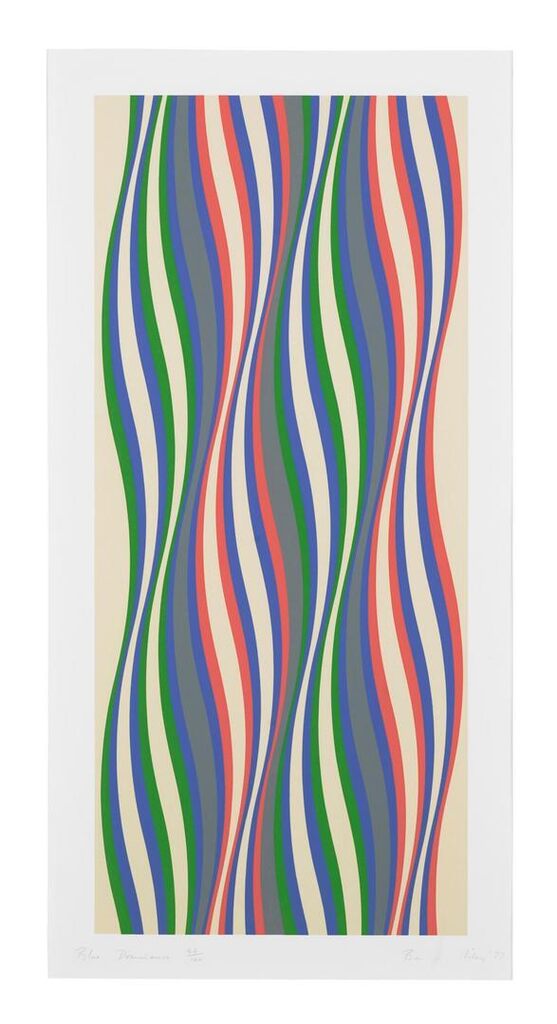
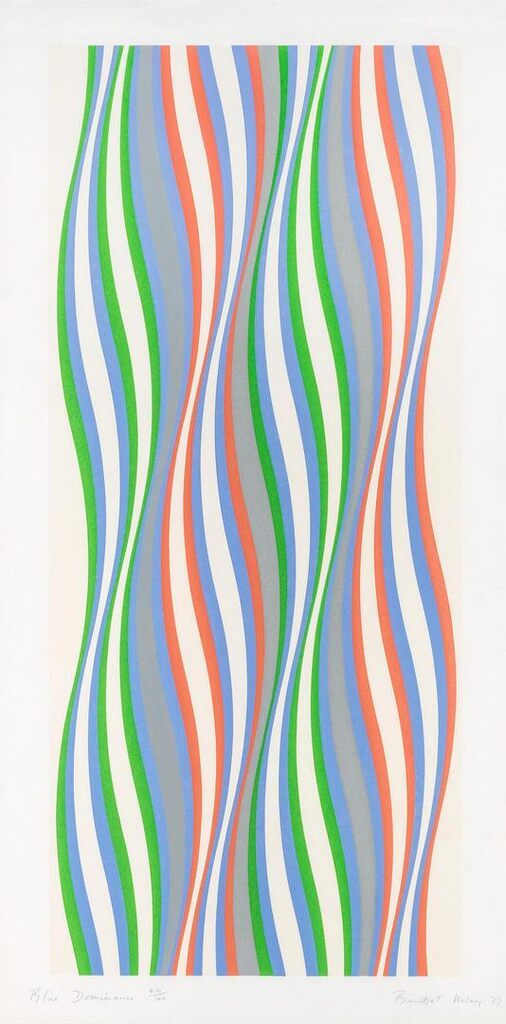
Bridget Riley - Blue Dominance, 1977, Screenprint

Blue Dominance, 1977

Screenprint

33 7/8 x 15 in 86 x 38 cm

Edition

Edition of 100

About this work

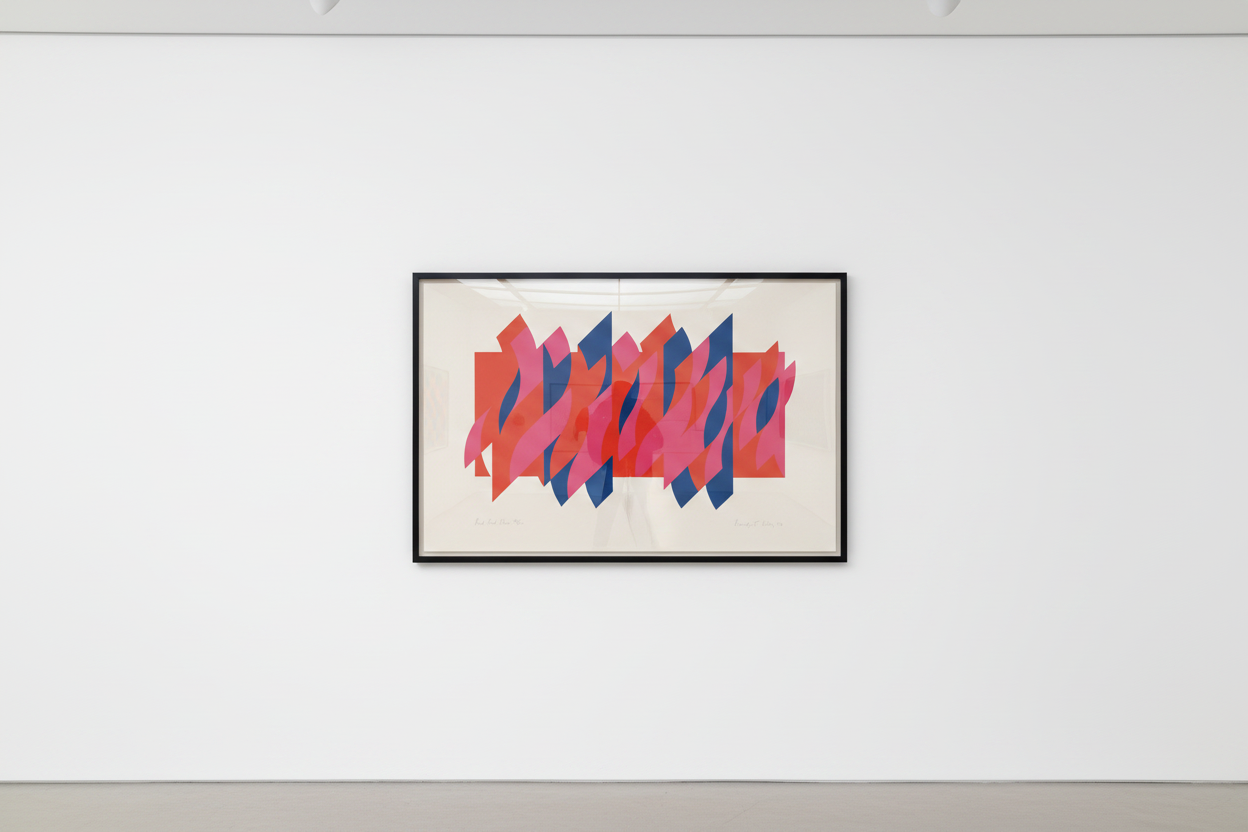
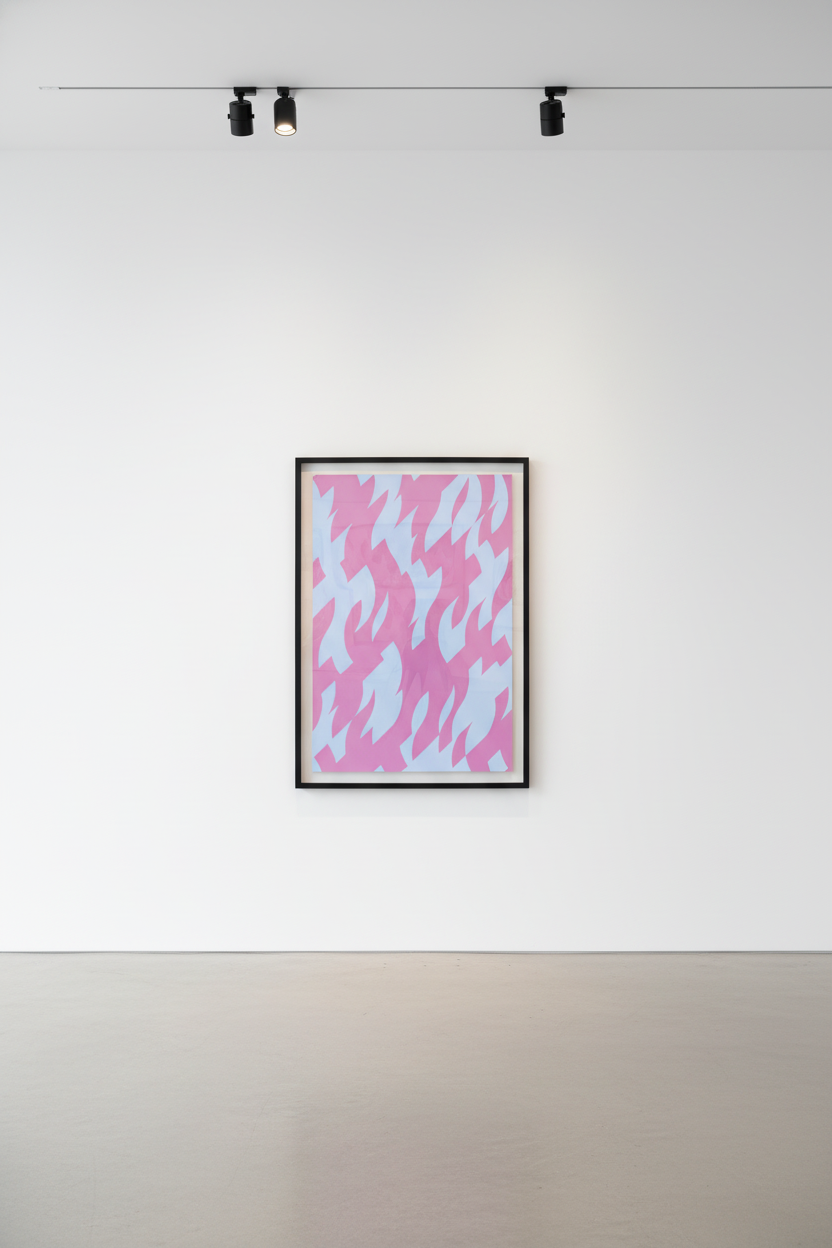
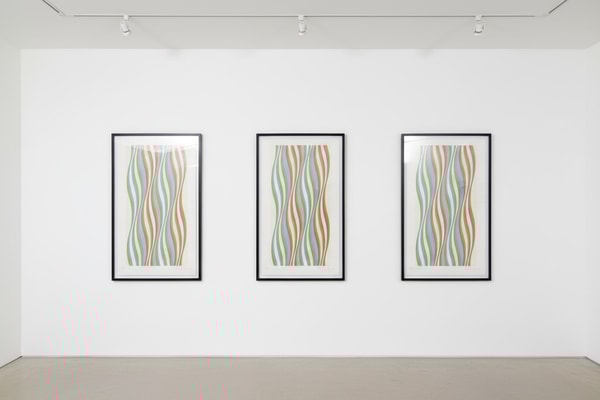
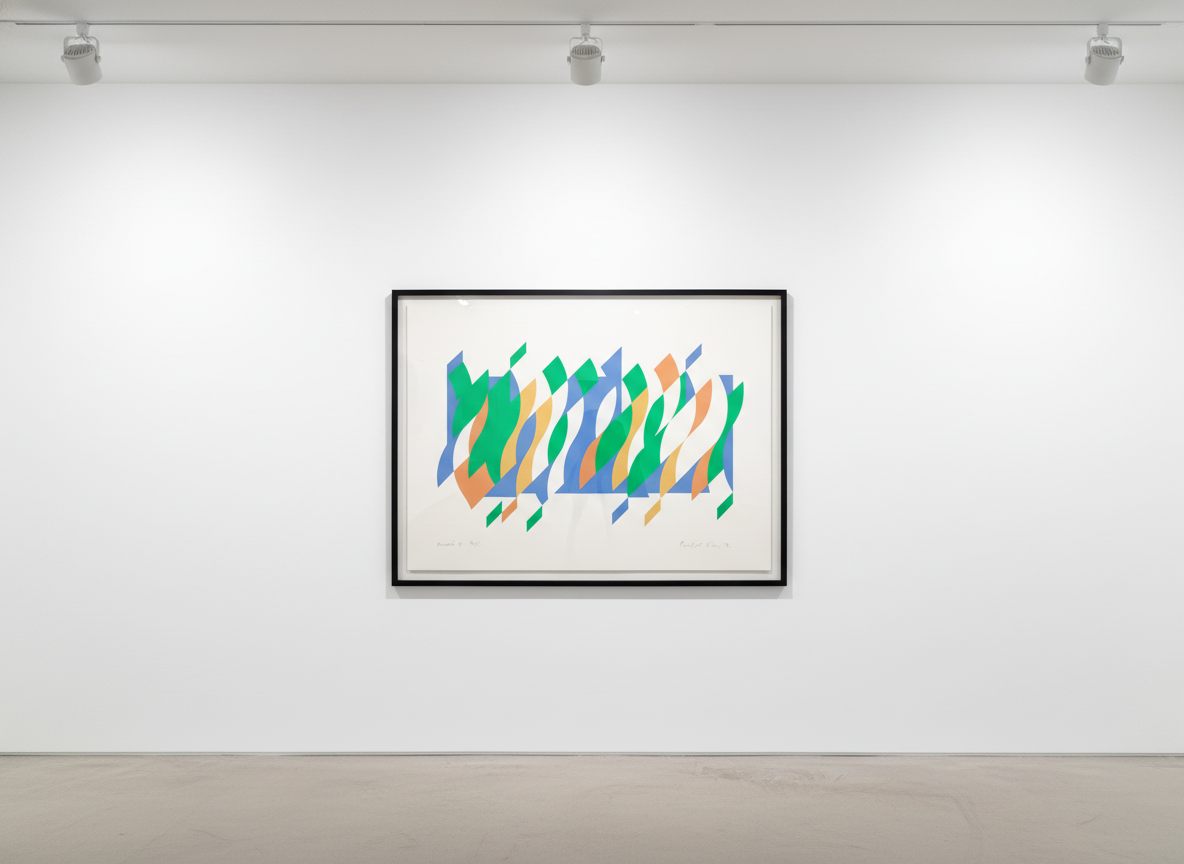
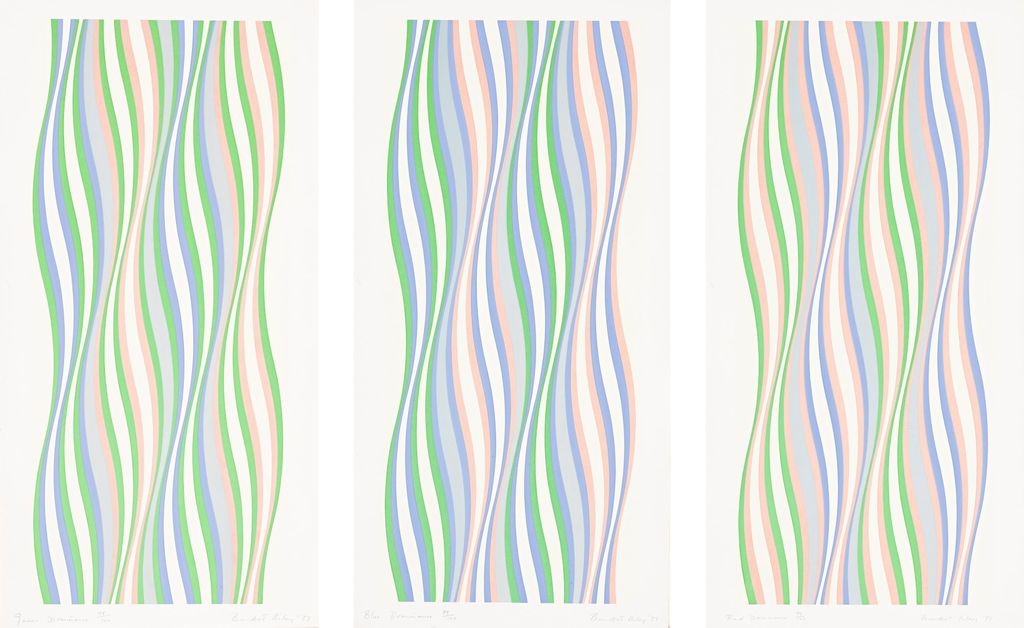
Bridget Riley’s Dominance series showcases her refined exploration of color and movement, featuring undulating lines in soft, muted hues across three striking screen prints. This series exemplifies Riley’s ongoing experimentation with Polychrome Op Art, following her initial foray into color in the late 1960s. The oscillating lines in Dominance create a gentle yet captivating optical illusion, challenging viewers’ perception as the forms seem to shift and ripple before their eyes. True to Riley's style, the series demonstrates her ability to blend color and form into an immersive visual experience that engages both the senses and the mind.

Price on Application
Auction History

Bridget Riley - Blue Dominance

Blue Dominance · Bridget Riley · Christie's · 2023-11 · $11,970
Bridget Riley - Blue Dominance (Schubert 23)

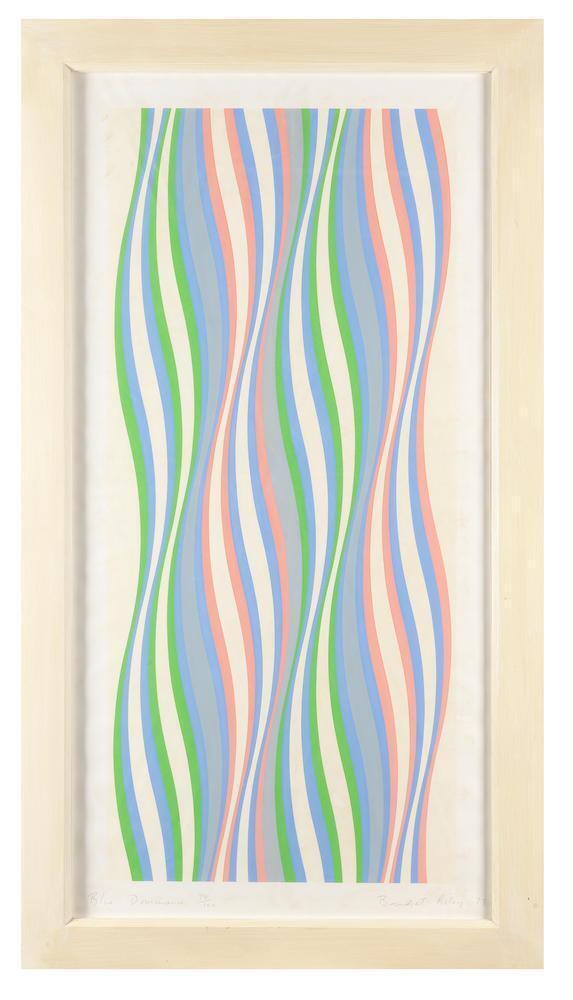
Blue Dominance (Schubert 23) · Bridget Riley · Bonhams · 2022-12 · $19,763
Bridget Riley - Blue Dominance

Blue Dominance · Bridget Riley · Bonhams · 2021-09 · $15,092

GREEN DOMINANCE; BLUE DOMINANCE; AND RED DOMINANCE (SCHUBERT 22 - 24) · Bridget Riley · Sotheby's · 2018-10 · $0

Bridget Riley - GREEN DOMINANCE; BLUE DOMINANCE; AND RED DOMINANCE (SCHUBERT 22 - 24)

GREEN DOMINANCE; BLUE DOMINANCE; AND RED DOMINANCE (SCHUBERT 22 - 24) · Bridget Riley · Sotheby's · 2018-10 · $0
More from this series

More series by Bridget Riley

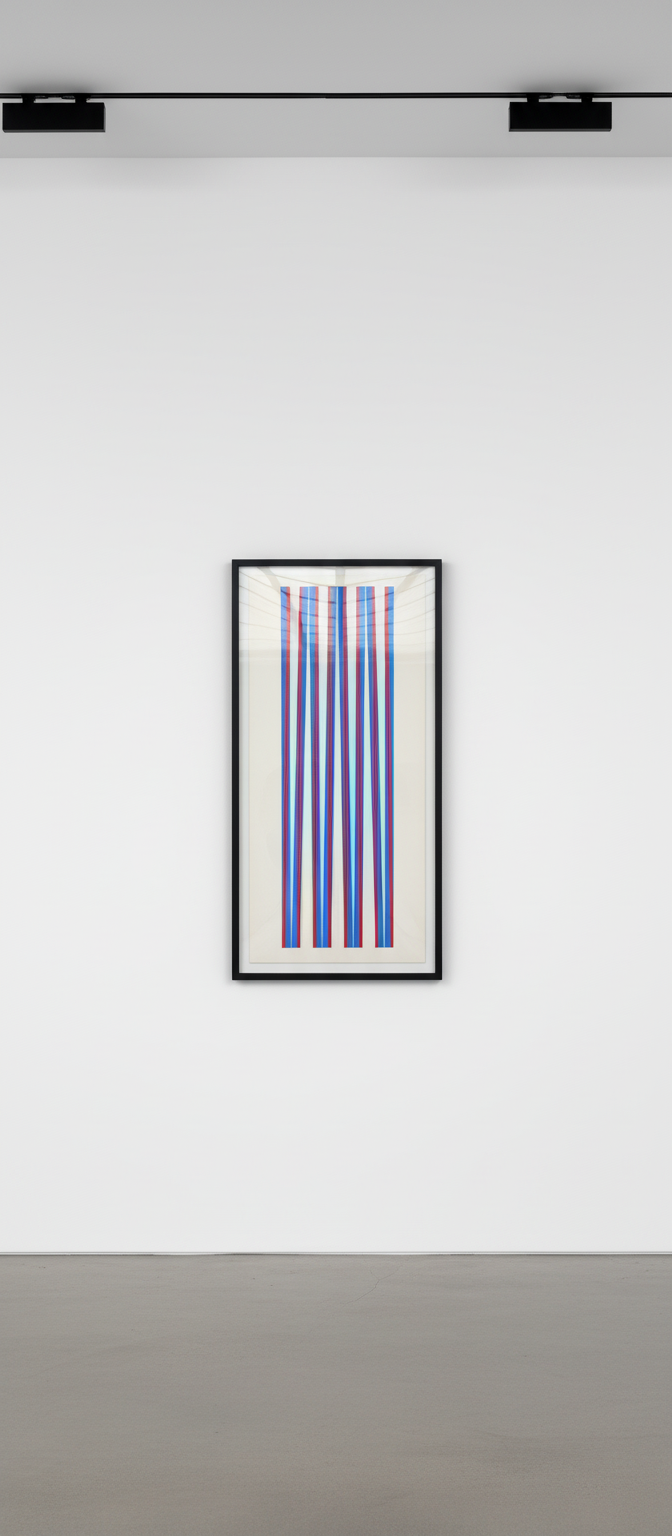
About the Dominance Series

Explore Bridget Riley's iconic Dominance series, a pivotal collection showcasing the British pioneer's mastery of optical abstraction. This influential series demonstrates Riley's signature use of precise geometric patterns and high-contrast colour fields, creating dynamic visual experiences that challenge perception and viewer engagement.

The Dominance works—including striking iterations in green, blue, and red—represent a significant moment in Riley's career, exemplifying her rigorous exploration of colour relationships and spatial illusion. Each composition in the series employs carefully calibrated hues to establish visual hierarchies, with dominant tones creating vibrant, almost kinetic effects that distinguish these pieces within her broader practice.

Highly sought after by collectors of postwar abstraction, the Dominance series remains central to Riley's legacy and continues to appreciate in value. These works embody the artist's commitment to formal innovation and mathematical precision, appealing to serious collectors who recognise the historical importance and enduring visual impact of her contribution to Op Art.

Enquire for availability of works from this seminal series.

View full series →
Blue Dominance

About Bridget Riley

Bridget Riley

Life and Practice

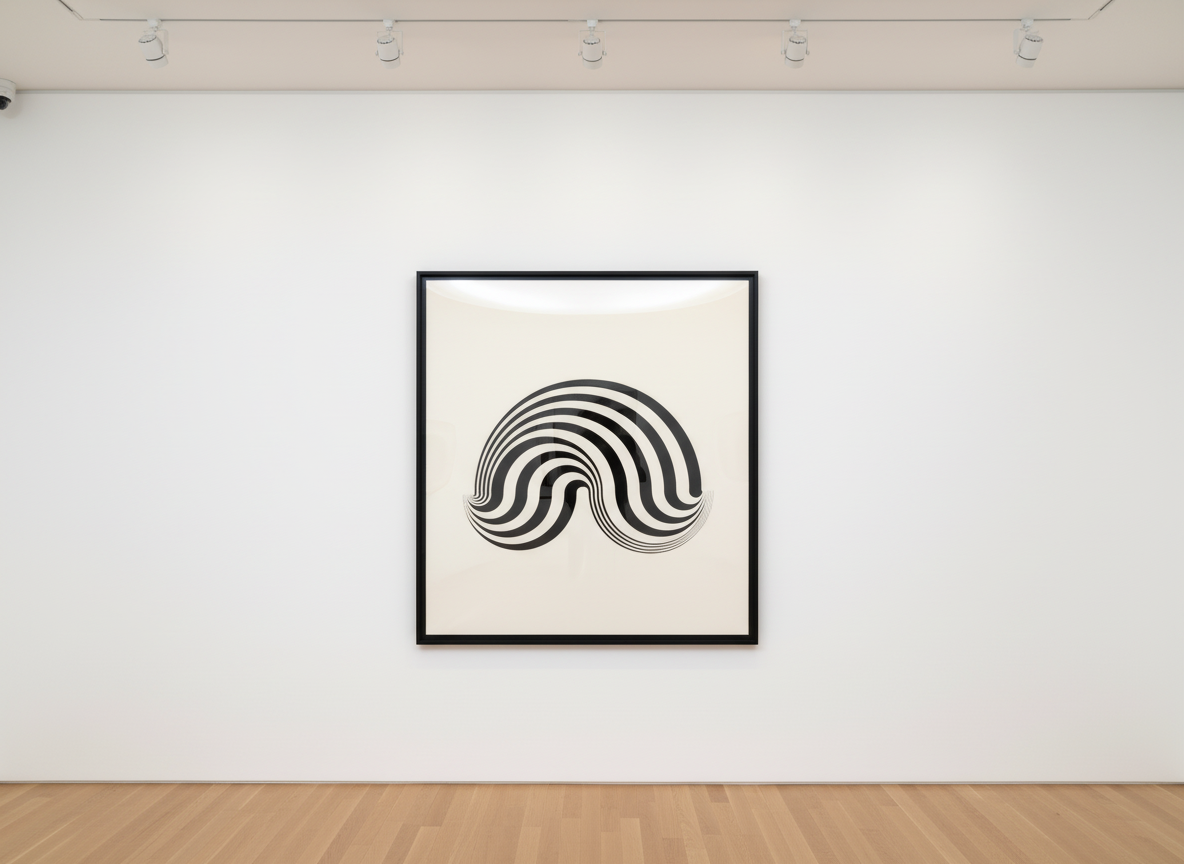
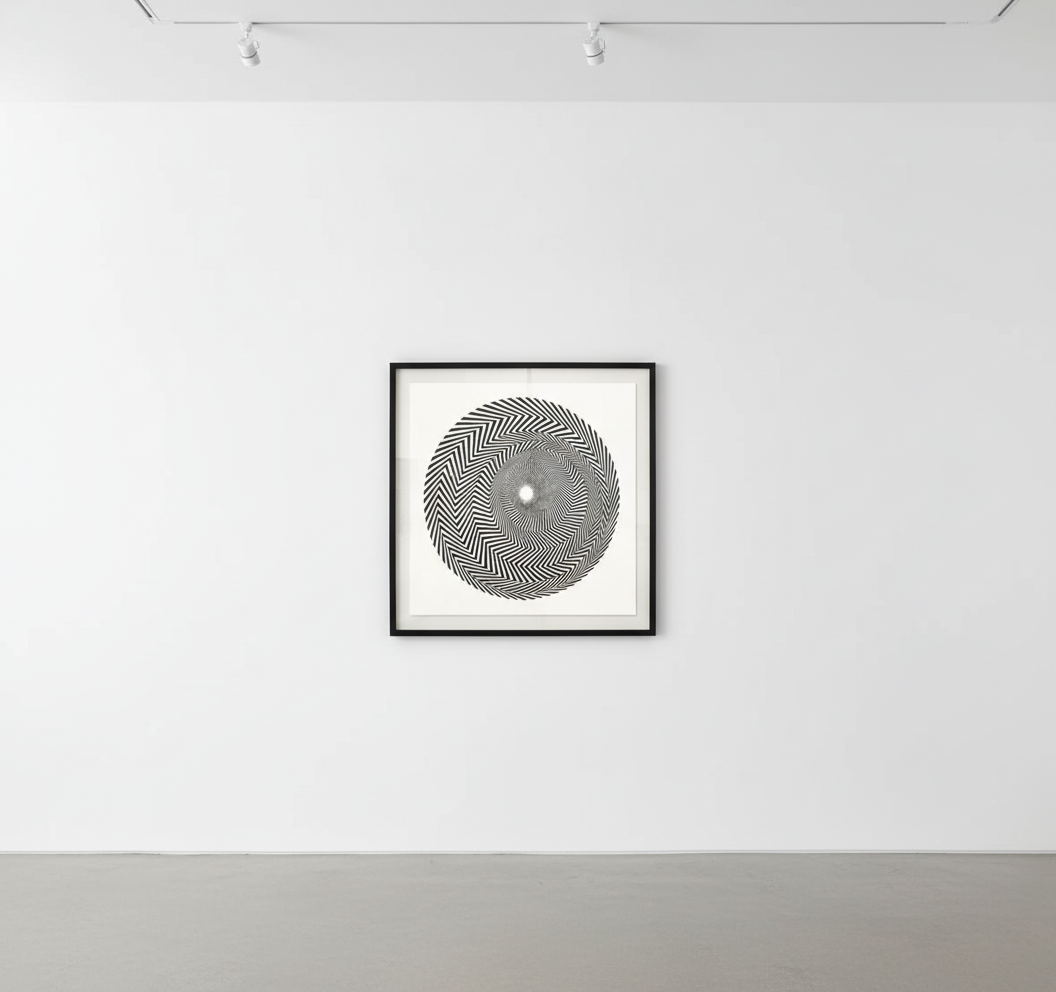
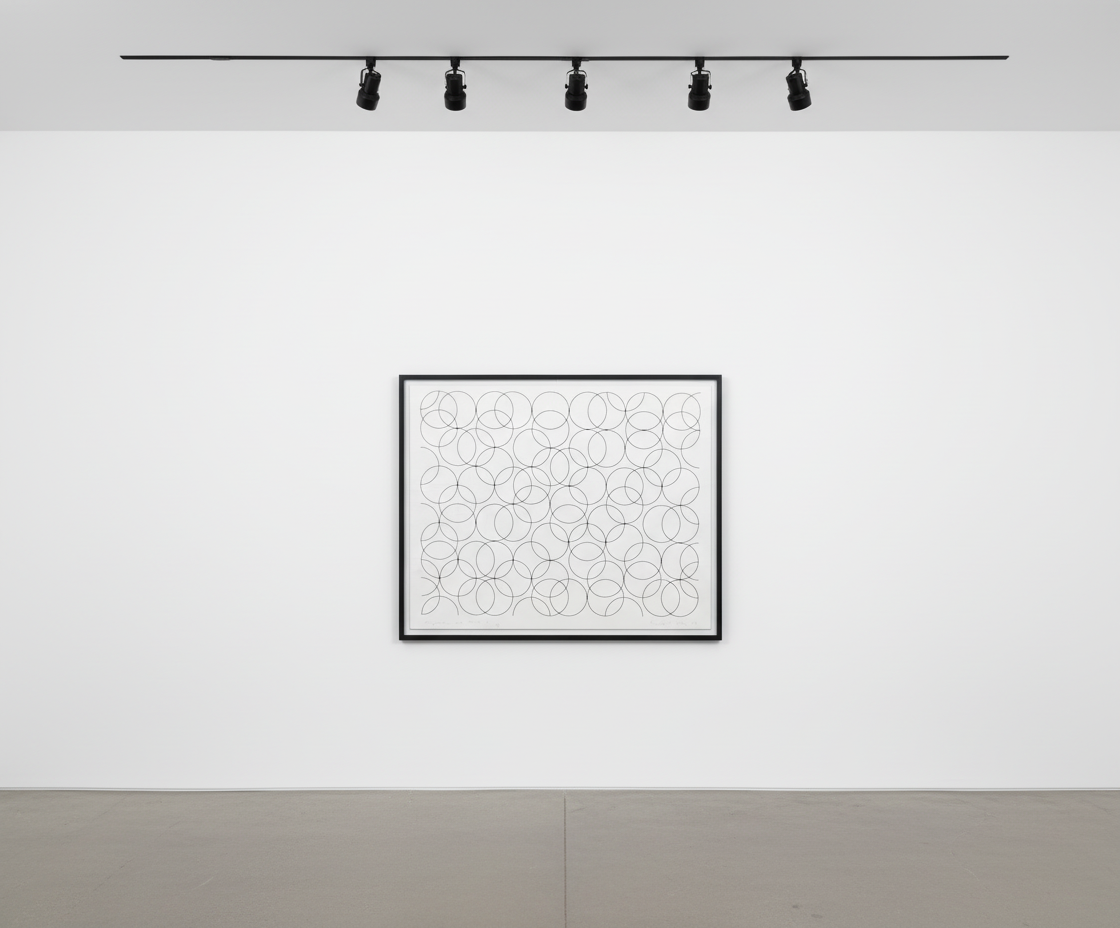
Bridget Riley (b. 1931, Norwood, London) is one of the foremost figures in twentieth-century abstract painting, internationally celebrated as a pioneer of Op Art. Educated at Goldsmiths College and the Royal College of Art, Riley spent time teaching before dedicating herself fully to painting in the early 1960s. Her early work — strict geometric compositions in black and white that induce powerful perceptual effects of motion, vibration, and depth — established her as a key innovator in art's engagement with visual perception. Movement in Squares (1961) and Fall (1963) are among the most celebrated works of the period, and remain among the defining images of British postwar art.

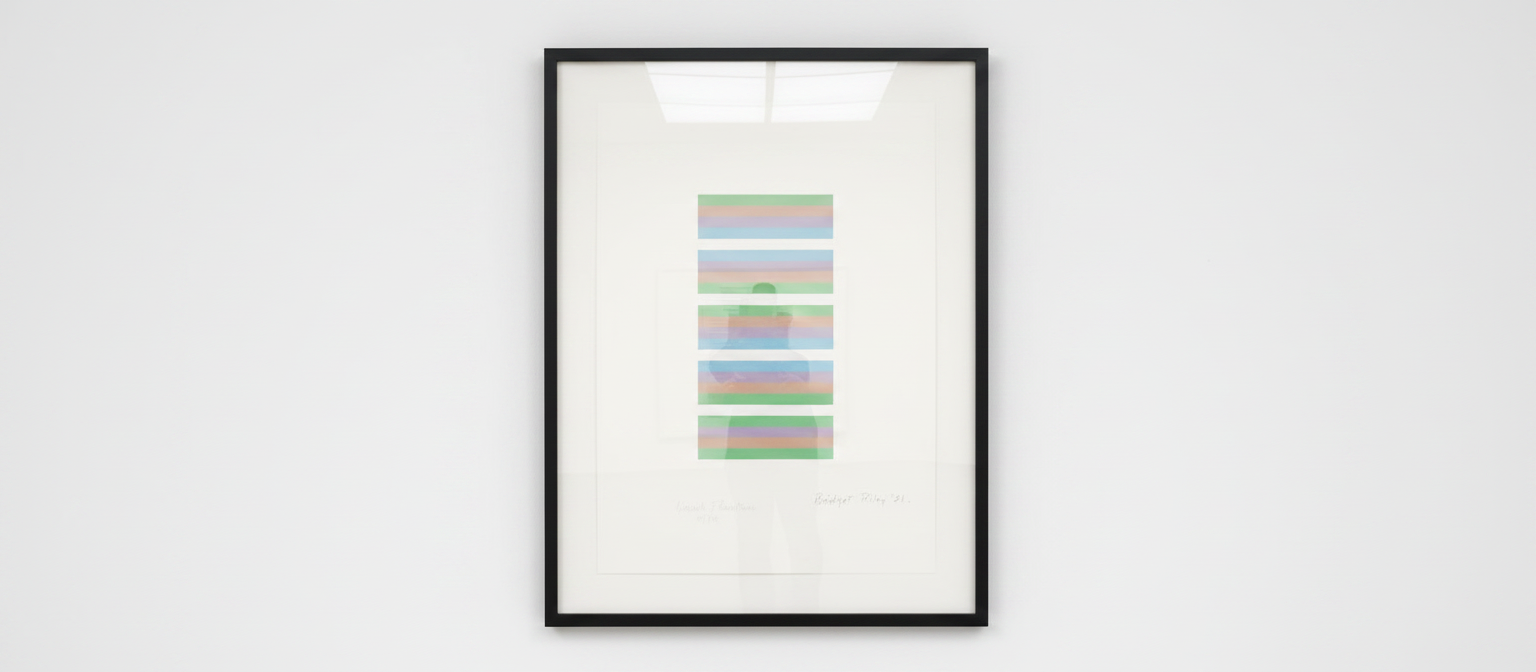
Riley was awarded the International Prize for Painting at the 1968 Venice Biennale, cementing her international reputation. From the late 1960s, she began introducing colour into her work, working first with carefully limited Egyptian palettes and later a full range of hues, exploring stripe-based and diagonal compositions in which colour interaction becomes the primary subject. Her series including Orphean Elegy, The Seasons, and Rajasthan demonstrate the sustained rigour and beauty of this investigation. She continues to work from studios in London and Cornwall.
Two Distinct Periods

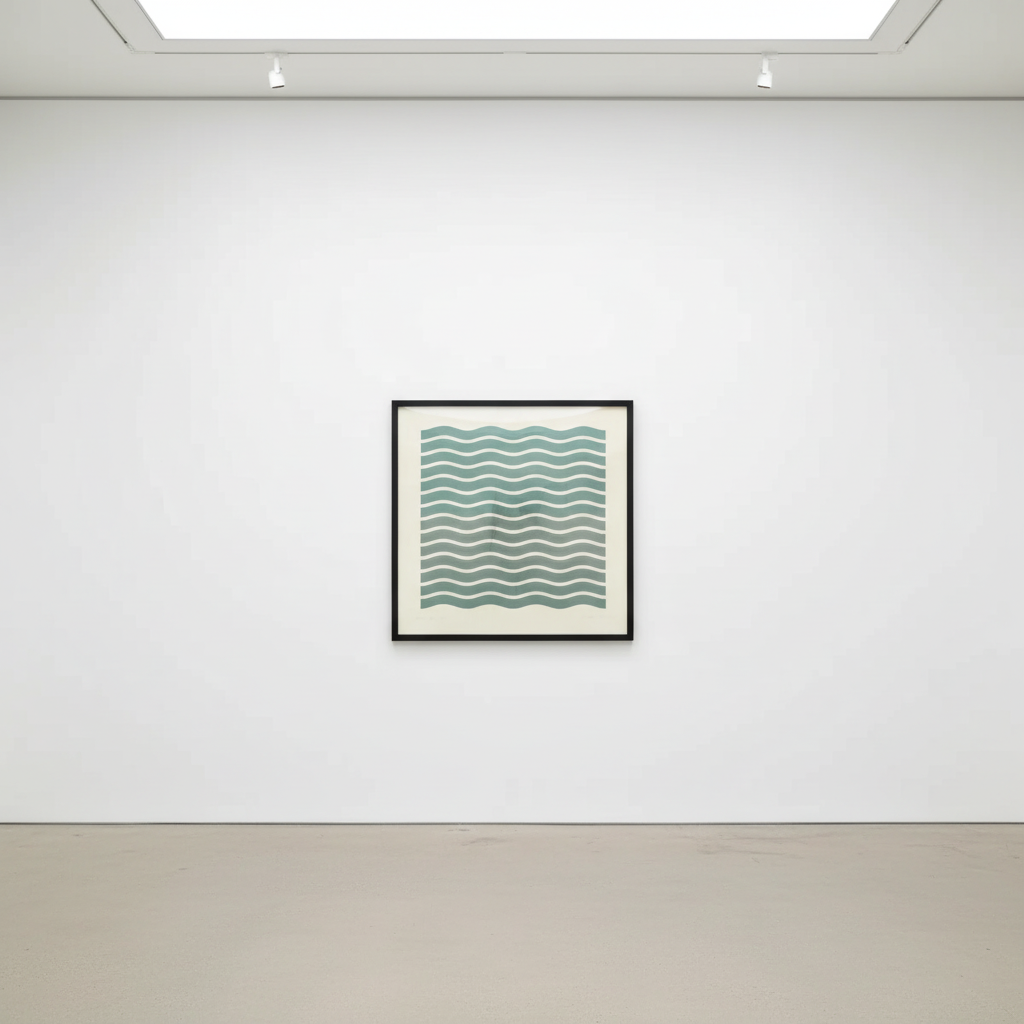
Riley's career divides into two widely recognised phases. Her black-and-white works of the early 1960s are the most immediately iconic: paintings that create genuine optical sensations in the viewer through geometric precision and perceptual ambiguity. From the late 1960s onward, her introduction of colour transformed her practice, producing works of extraordinary chromatic complexity that remain rooted in the same fundamental inquiry into how the eye perceives form and light.

Market Performance

Riley is one of Britain's most consistently collected living artists, with a robust secondary market anchored by major international auction houses. Her works regularly appear in Christie's, Sotheby's, and Bonhams sales, with significant paintings and prints achieving six-figure results. Riley's limited-edition prints — produced in close collaboration with respected publishers including Karsten Schubert and Waddington Custot — are particularly accessible entry points for new collectors, while her large-scale paintings command substantial premiums. Demand is strong across Europe, the United States, and Asia.

Museum Collections

Riley's work is held by the Tate (London), the Museum of Modern Art (New York), the British Council, the Arts Council of England, the Albright-Knox Art Gallery, the Kunstmuseum Basel, the National Gallery of Australia, and numerous other major institutions worldwide.

Buying/Selling with Guy Hepner

Guy Hepner works with collectors seeking authenticated Bridget Riley prints and works on paper. Contact us to discuss available inventory, estimated valuations, or consignment opportunities.
View all works →