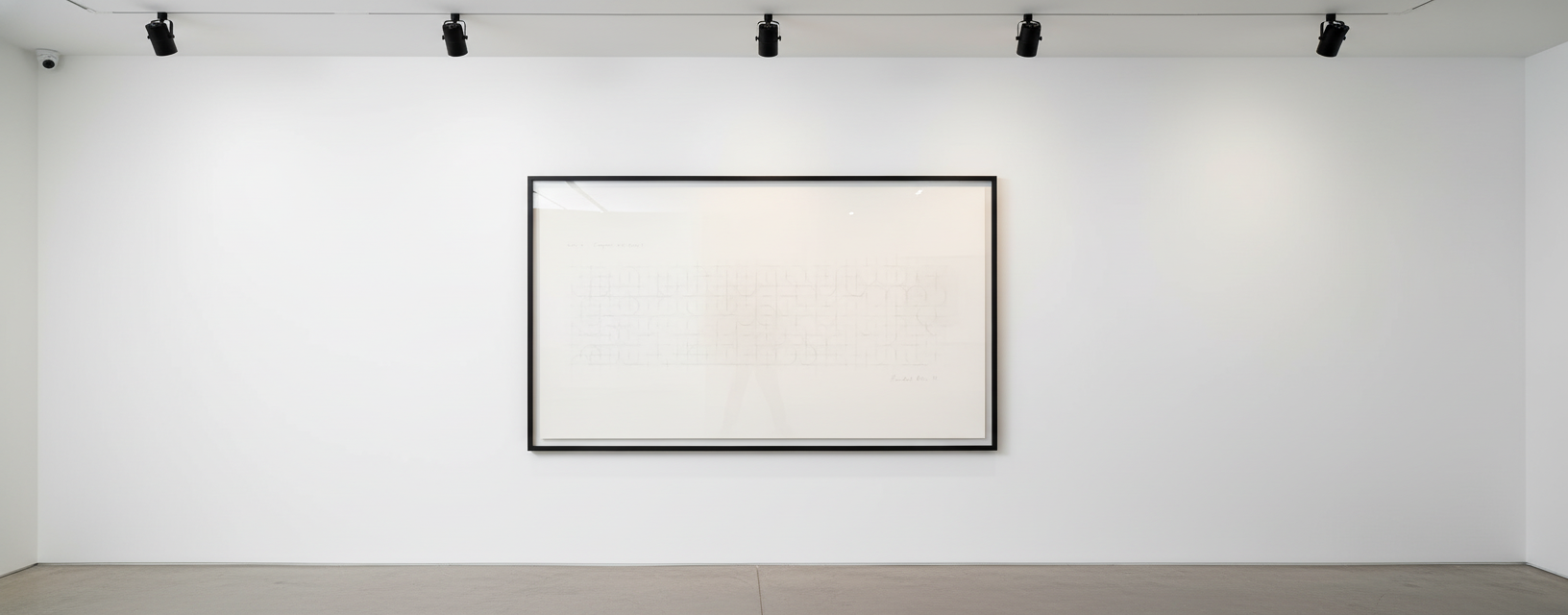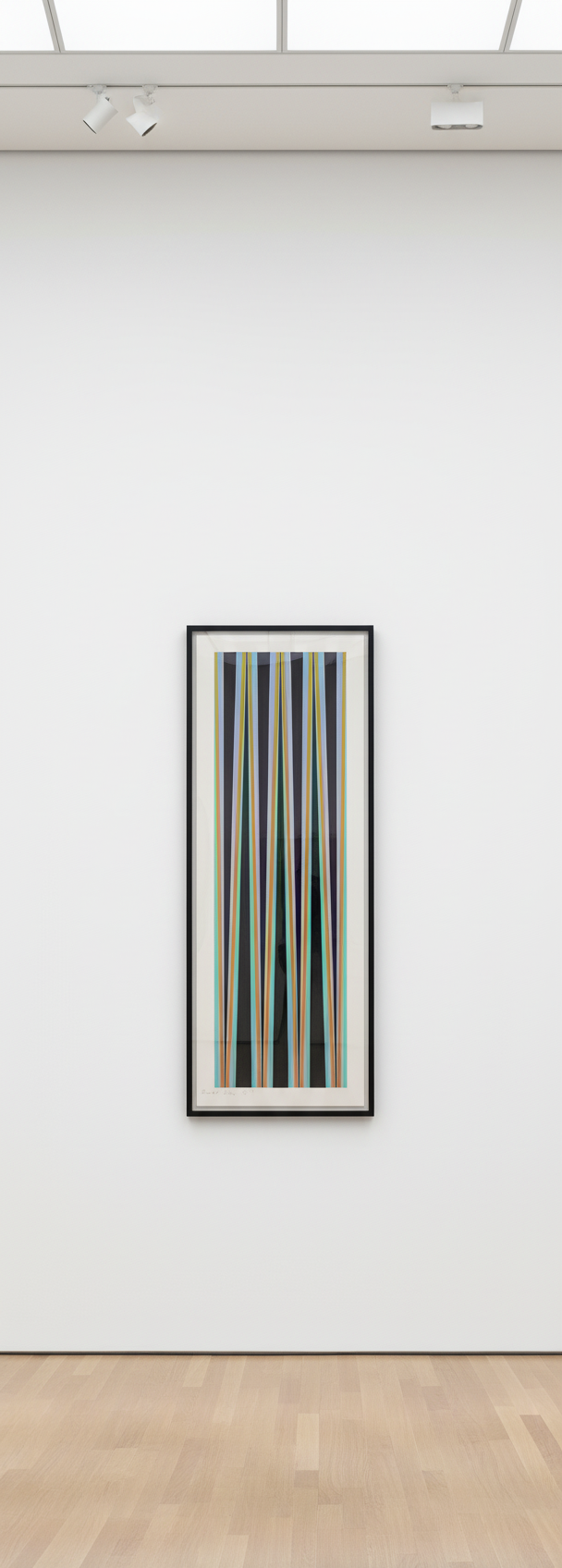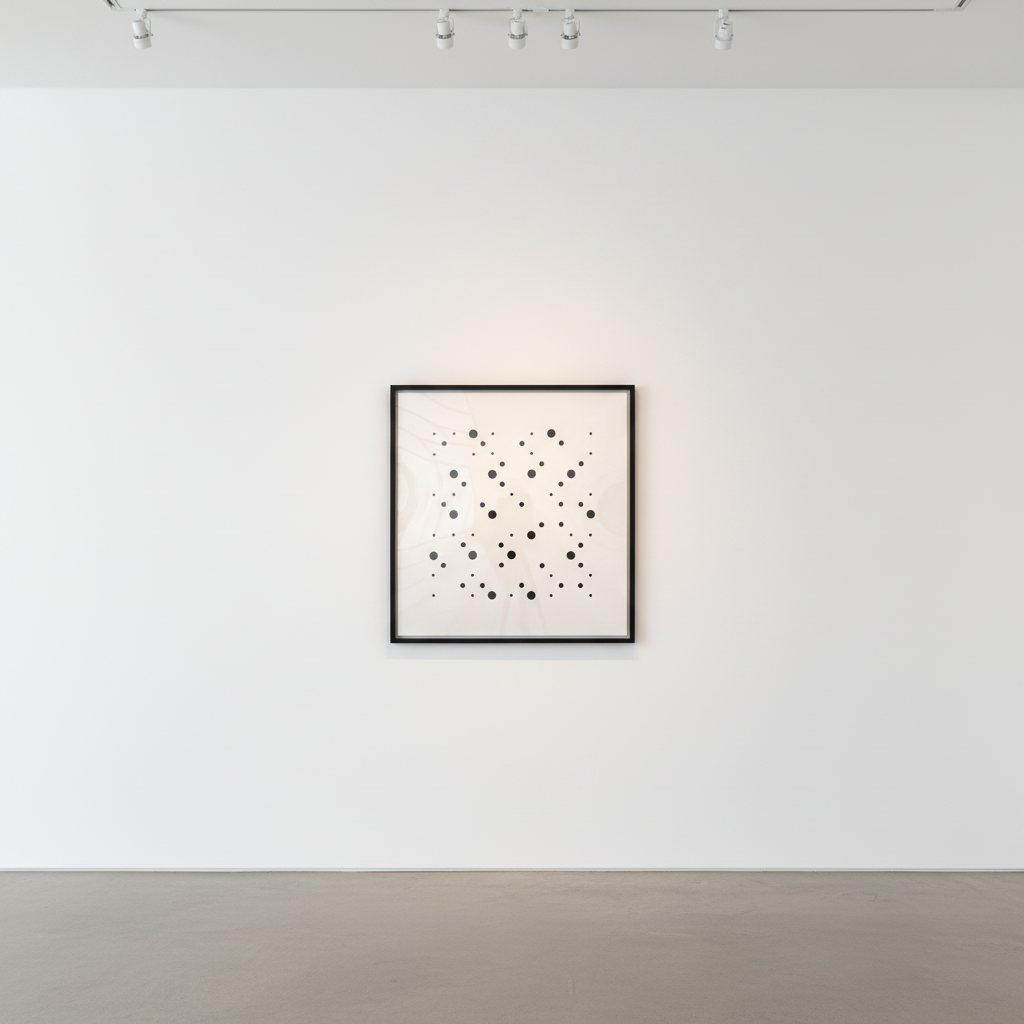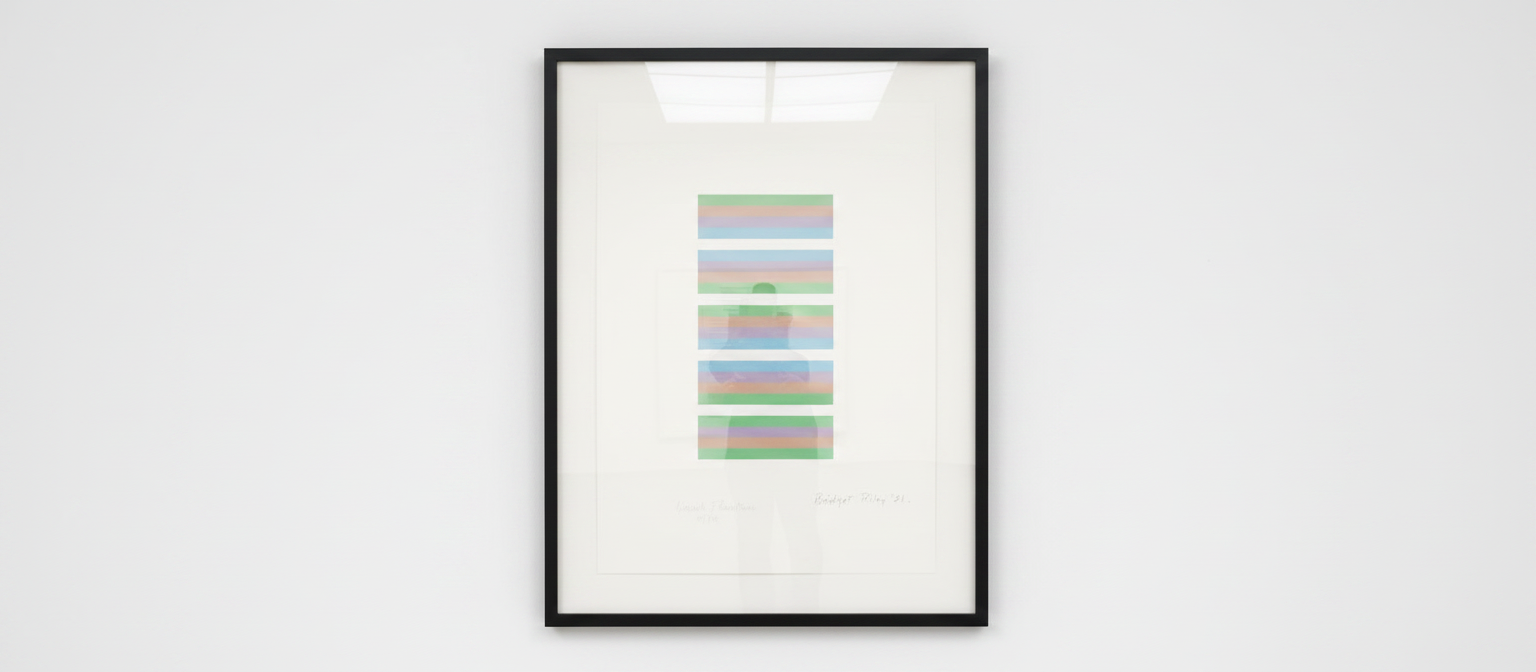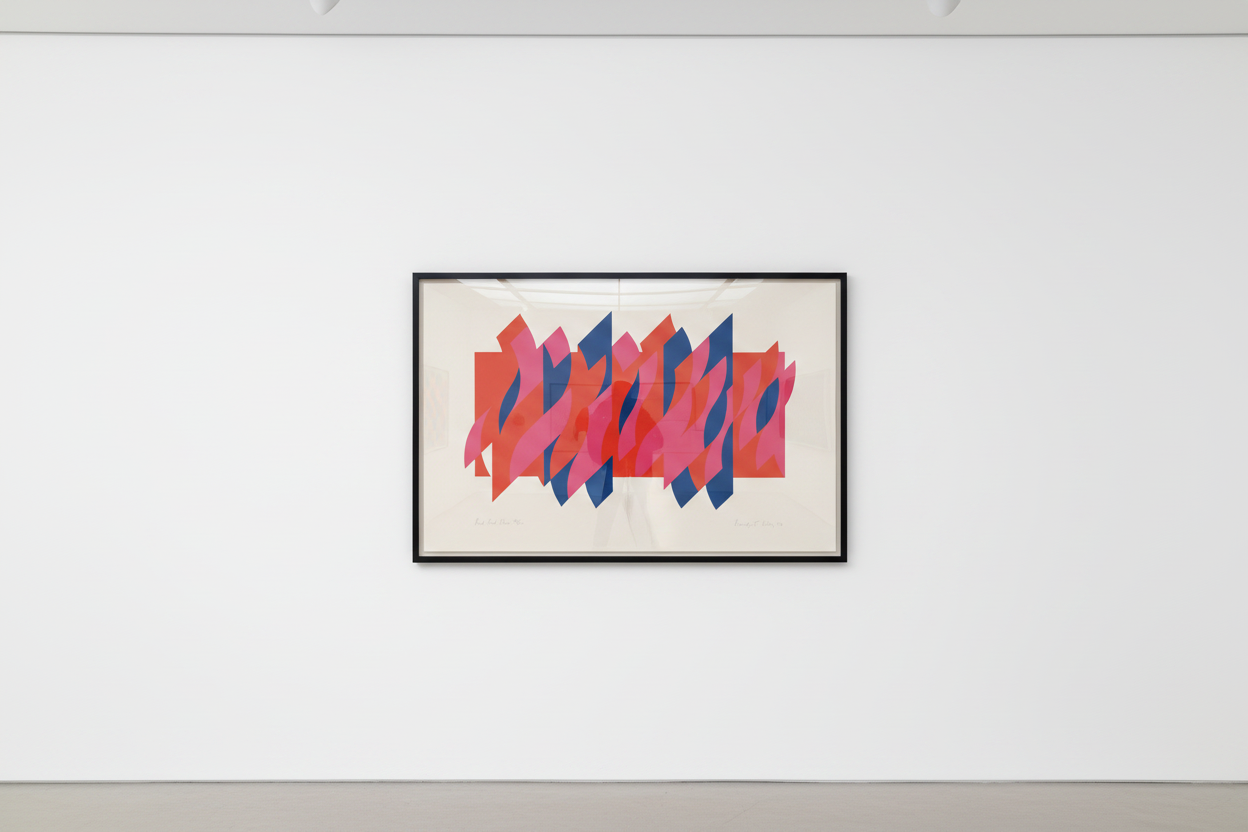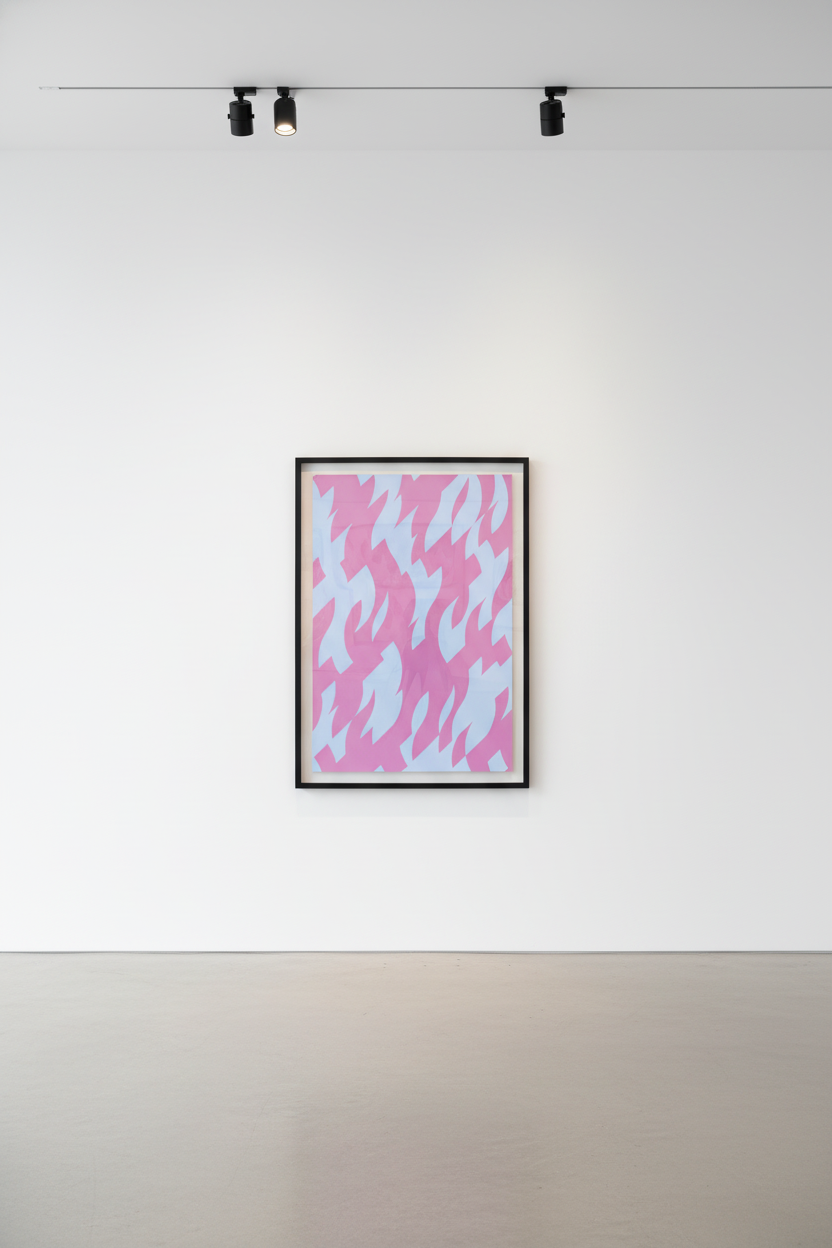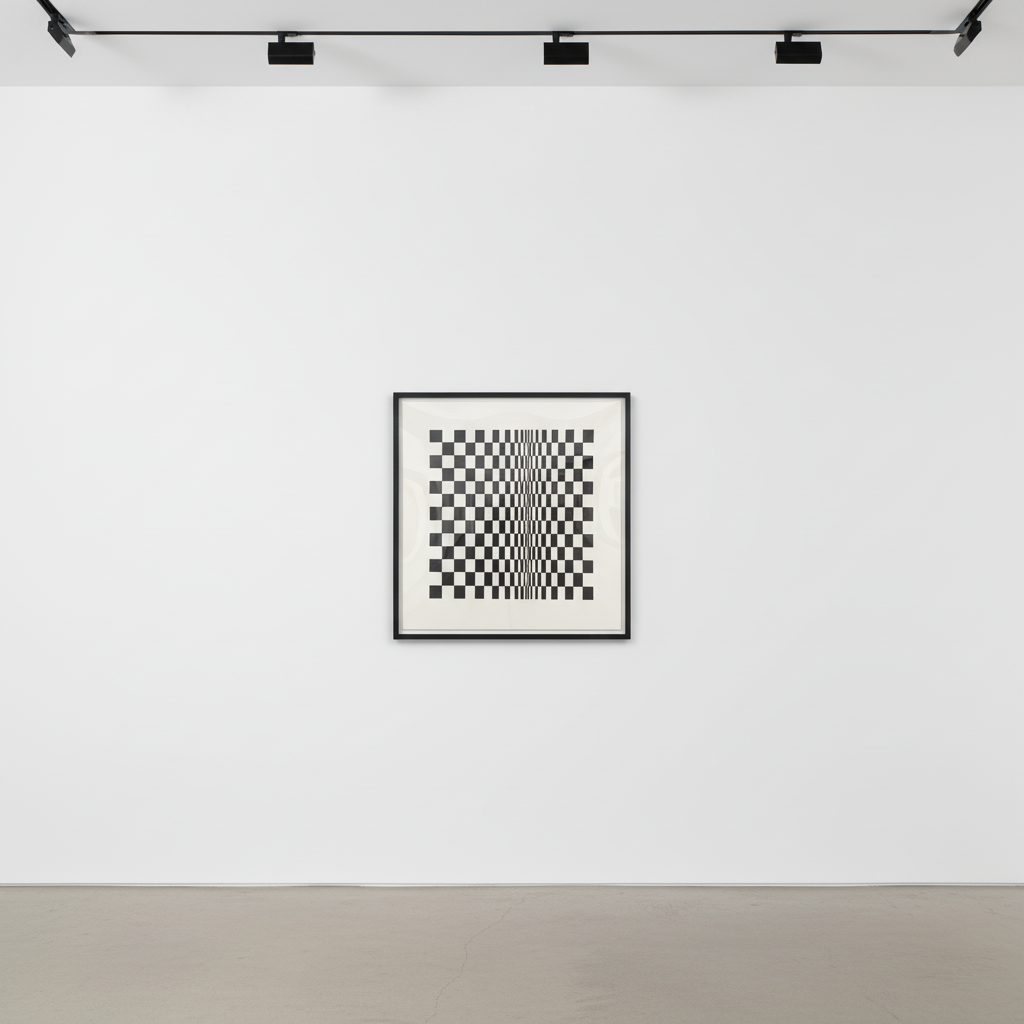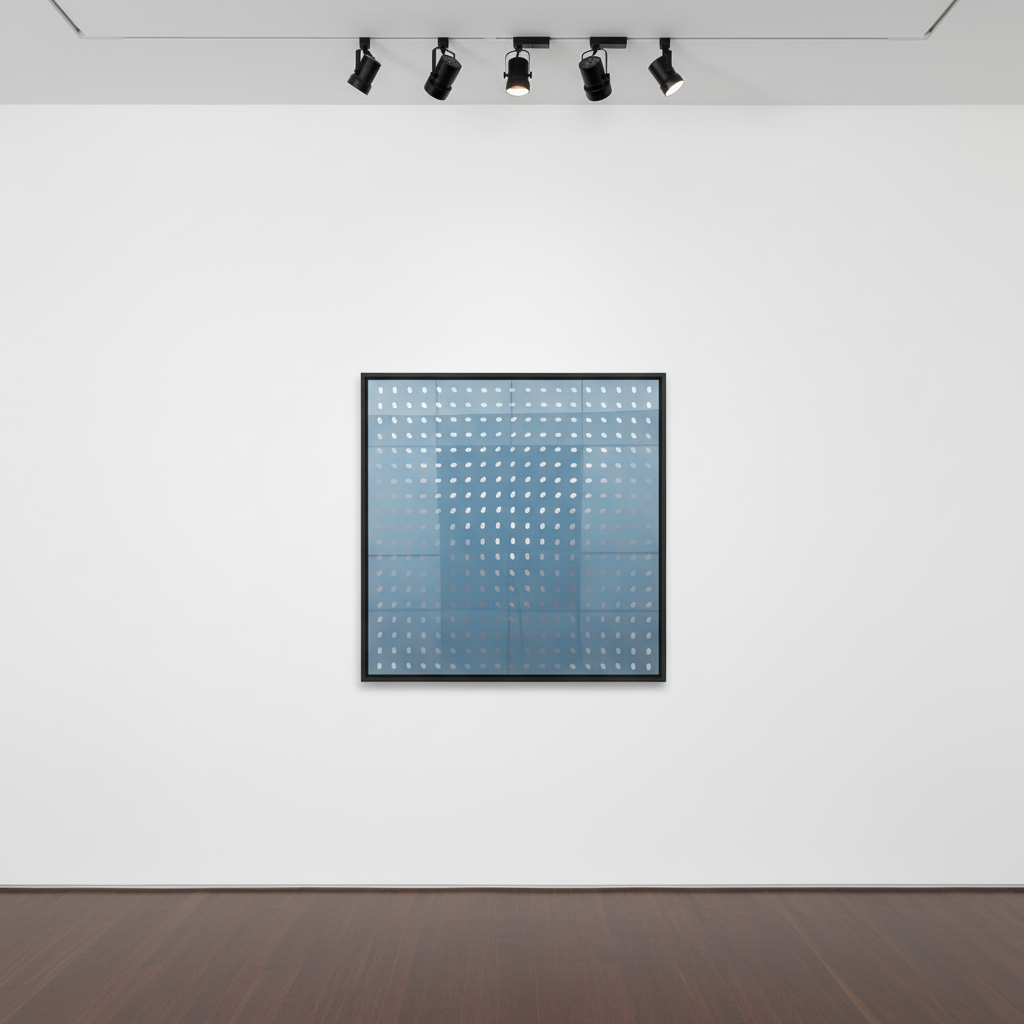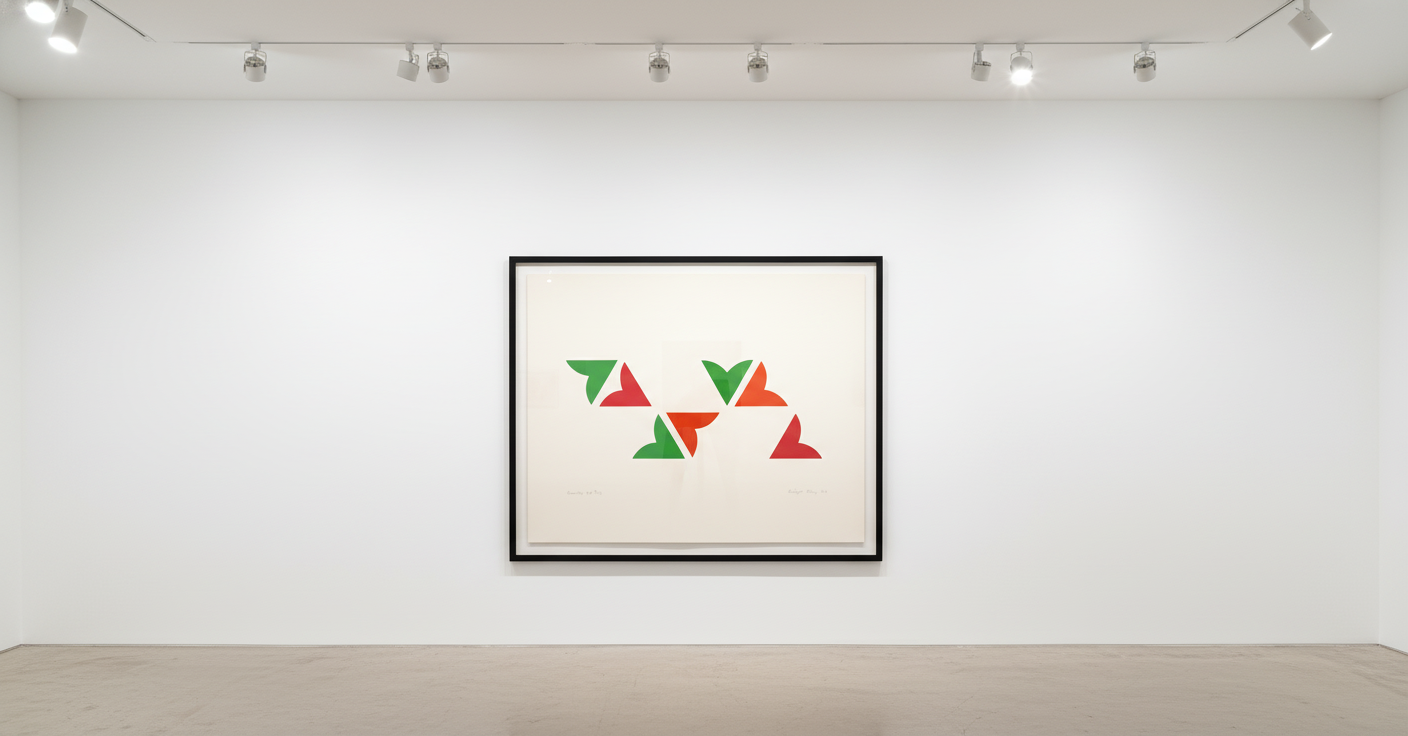
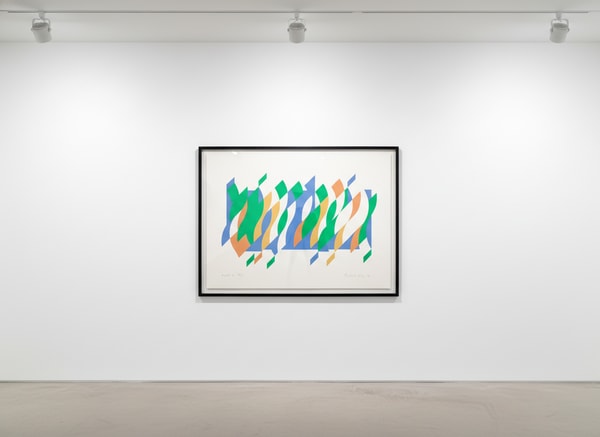
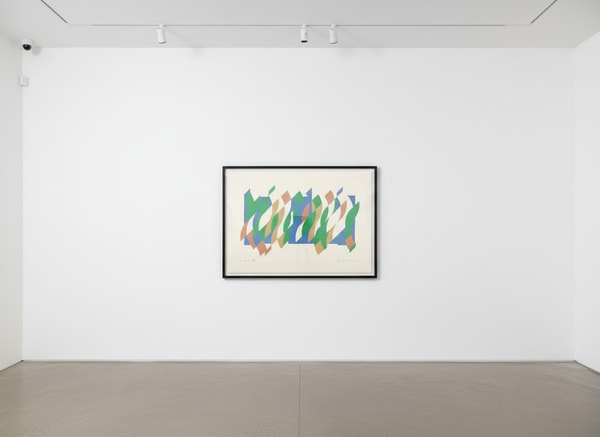
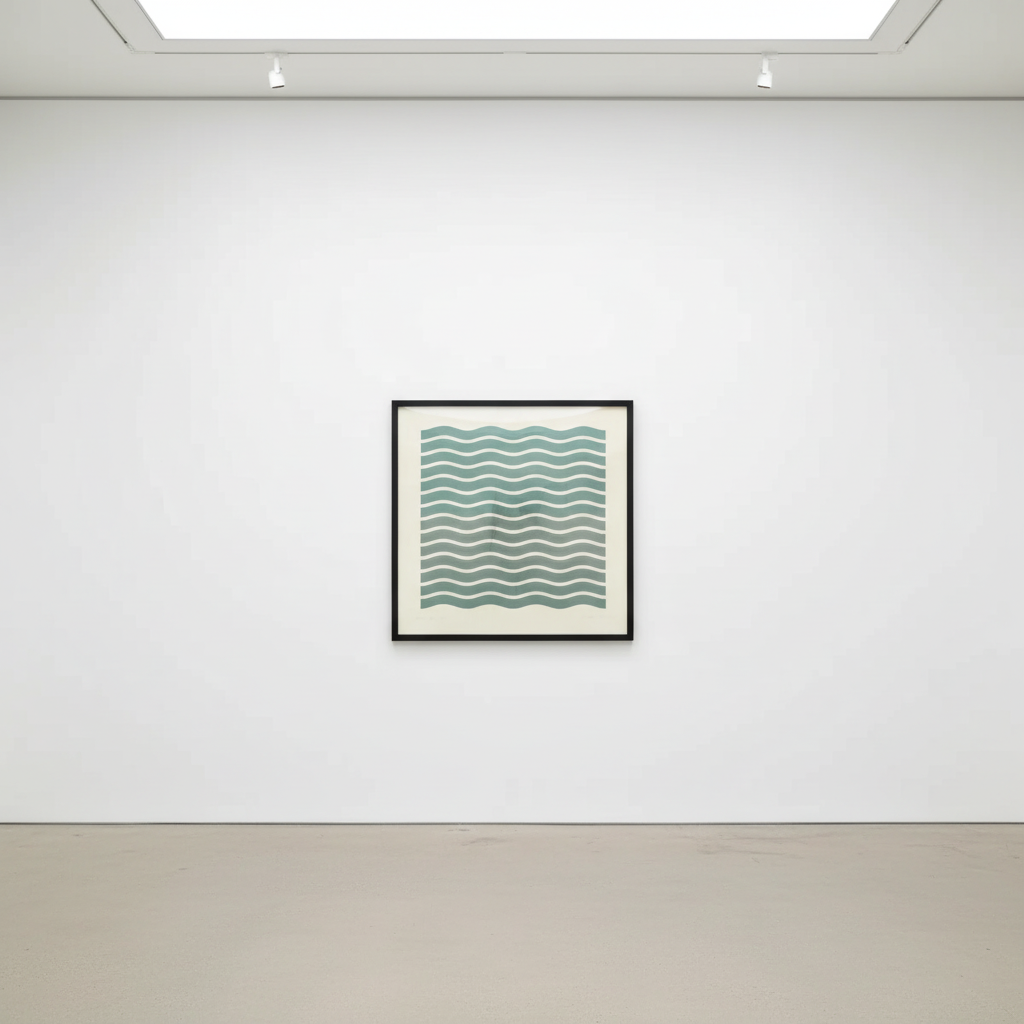
Coloured Greys
3 works

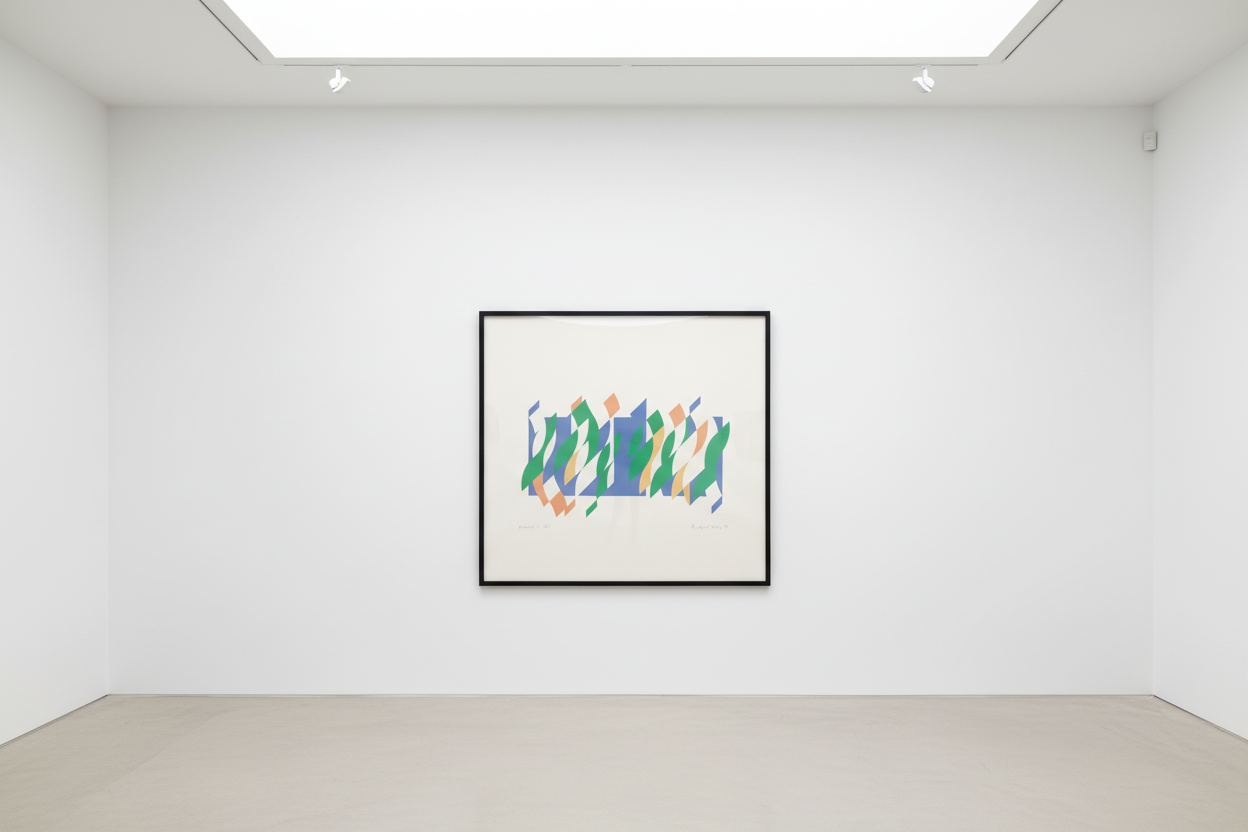
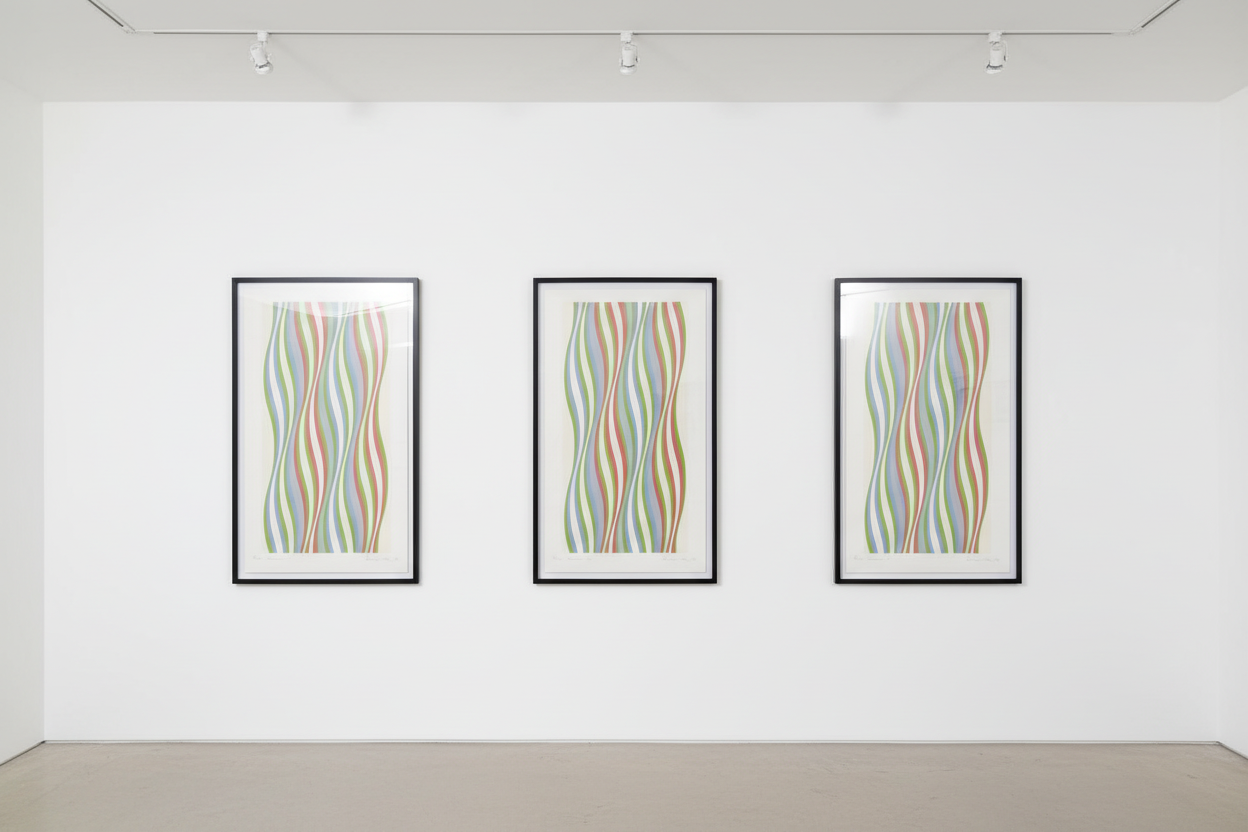
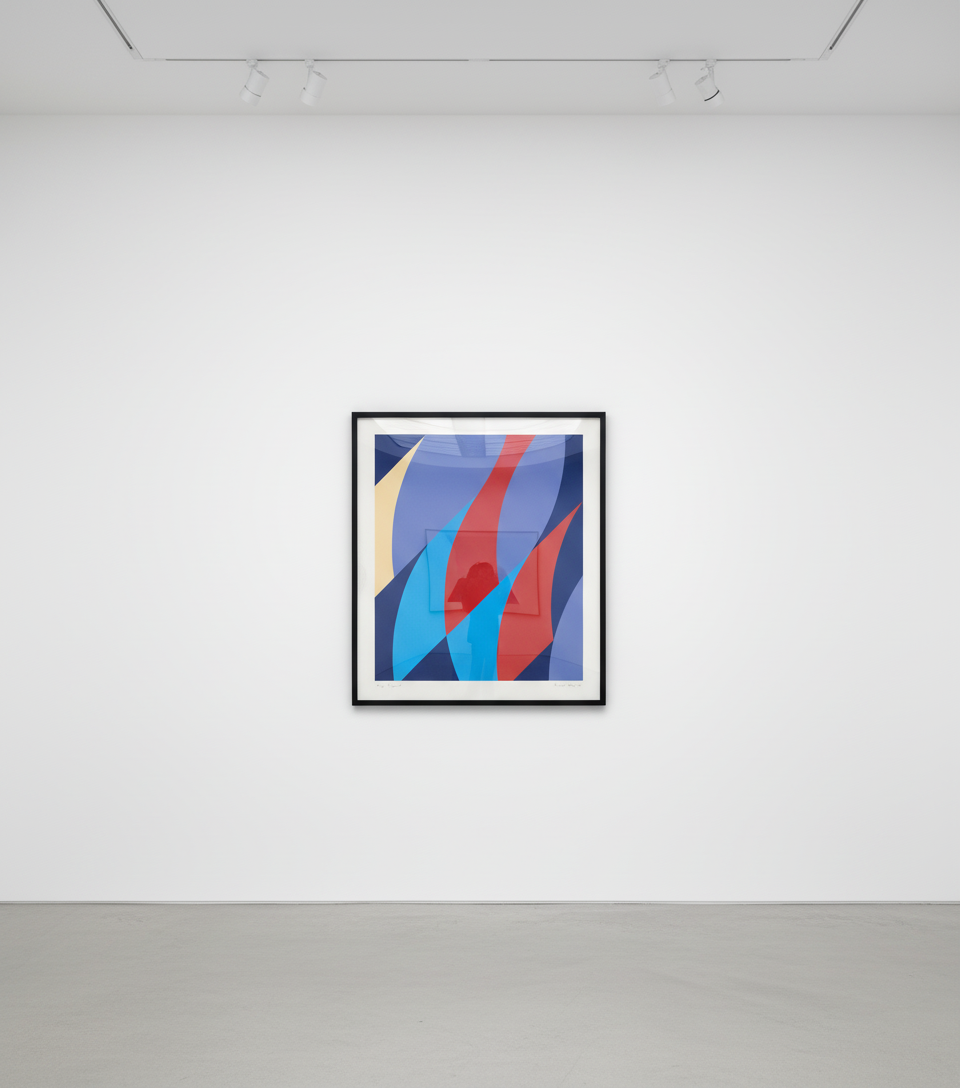
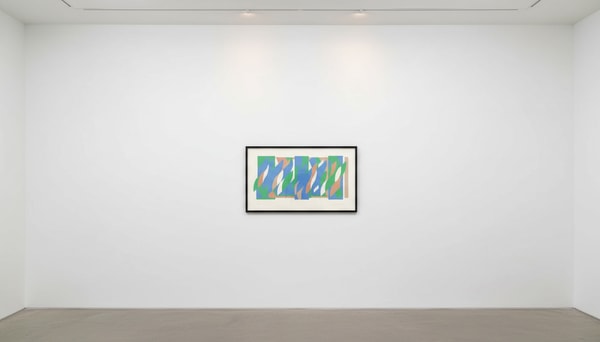
Arcadia 5, 2013
Screenprint
25 5/8 x 35 in 65 x 89 cm
Edition of 75
Bridget Riley's Arcadia series marks a luminous exploration of color and harmony, characterized by flowing bands of soft, sunlit hues that evoke a sense of serene movement. Inspired by her time in Egypt, this series reflects Riley’s fascination with light and landscape, capturing the tranquil yet dynamic qualities of nature through rhythmic, undulating color fields. Each piece in Arcadia invites the viewer into a visual experience that is both meditative and invigorating, showcasing Riley’s continued mastery of color and perceptual play.
Price on Application
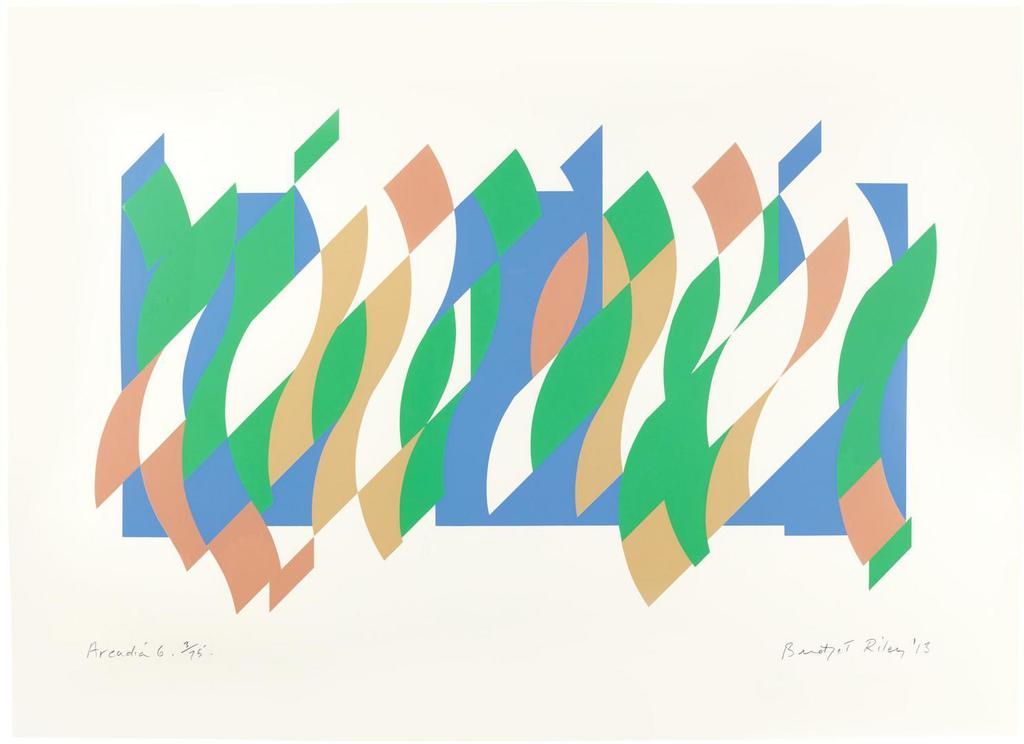
ARCADIA 6 · Bridget Riley · Sotheby's · 2019-09 · $8,302
Bridget Riley's Arcadia is a group of screenprints made between 2010 and 2013, developed in close relationship with a series of wall paintings of the same name. The prints comprise Arcadia 3 (2010) and Arcadia 4 through Arcadia 7 (2013), each published in a signed and numbered edition of 75.
Arcadia belongs to a small group of Riley print projects — alongside Composition with Circles (1998–2011) and After Rajasthan (2013) — that closely reproduce the preparatory designs made for a related wall painting, rather than translating an existing canvas into a new composition devised specifically for print. This working method distinguishes Arcadia from much of Riley's earlier print output, where the print sheet typically served as an independent site for compositional experimentation.
The series marks a distinct chapter within Riley's decades-long investigation of colour, rhythm and optical perception. Where her earlier stripe and lozenge paintings of the 1960s and 70s were built on sharply defined geometric intervals, the curved forms and shifting colour relationships of Arcadia reflect a later, more fluid phase of her practice, in which the eye is guided across the surface by gliding bands of subtly modulated hue rather than hard-edged repetition.
Arcadia is catalogued in Bridget Riley: The Complete Prints 1962–2020, published by the Bridget Riley Art Foundation with Thames & Hudson, using the BRS numbering system that superseded the earlier catalogue compiled by Karsten Schubert. The series has been exhibited alongside its related wall paintings and canvas works, allowing viewers to trace directly how a single compositional idea moved between wall, canvas and print in the final decades of Riley's career.
Riley was awarded the International Prize for Painting at the 1968 Venice Biennale, cementing her international reputation. From the late 1960s, she began introducing colour into her work, working first with carefully limited Egyptian palettes and later a full range of hues, exploring stripe-based and diagonal compositions in which colour interaction becomes the primary subject. Her series including Orphean Elegy, The Seasons, and Rajasthan demonstrate the sustained rigour and beauty of this investigation. She continues to work from studios in London and Cornwall.