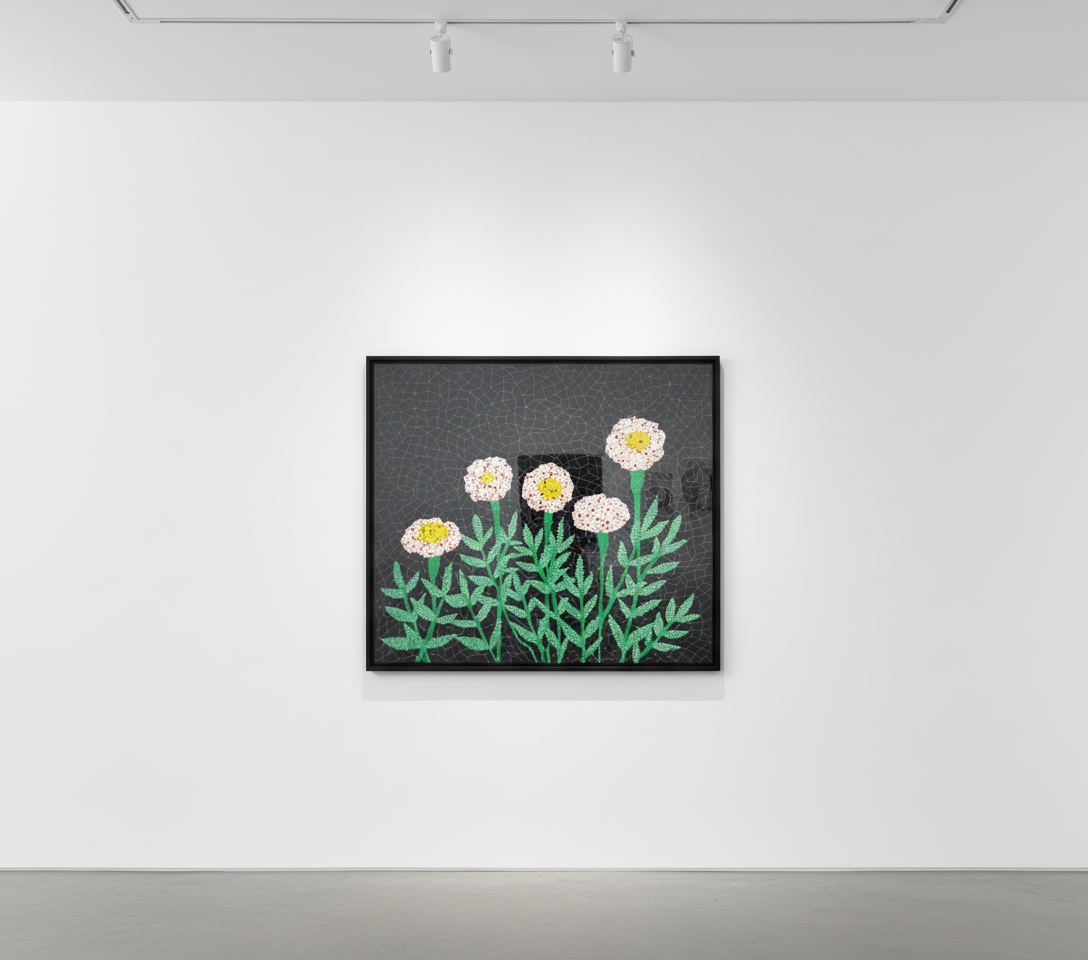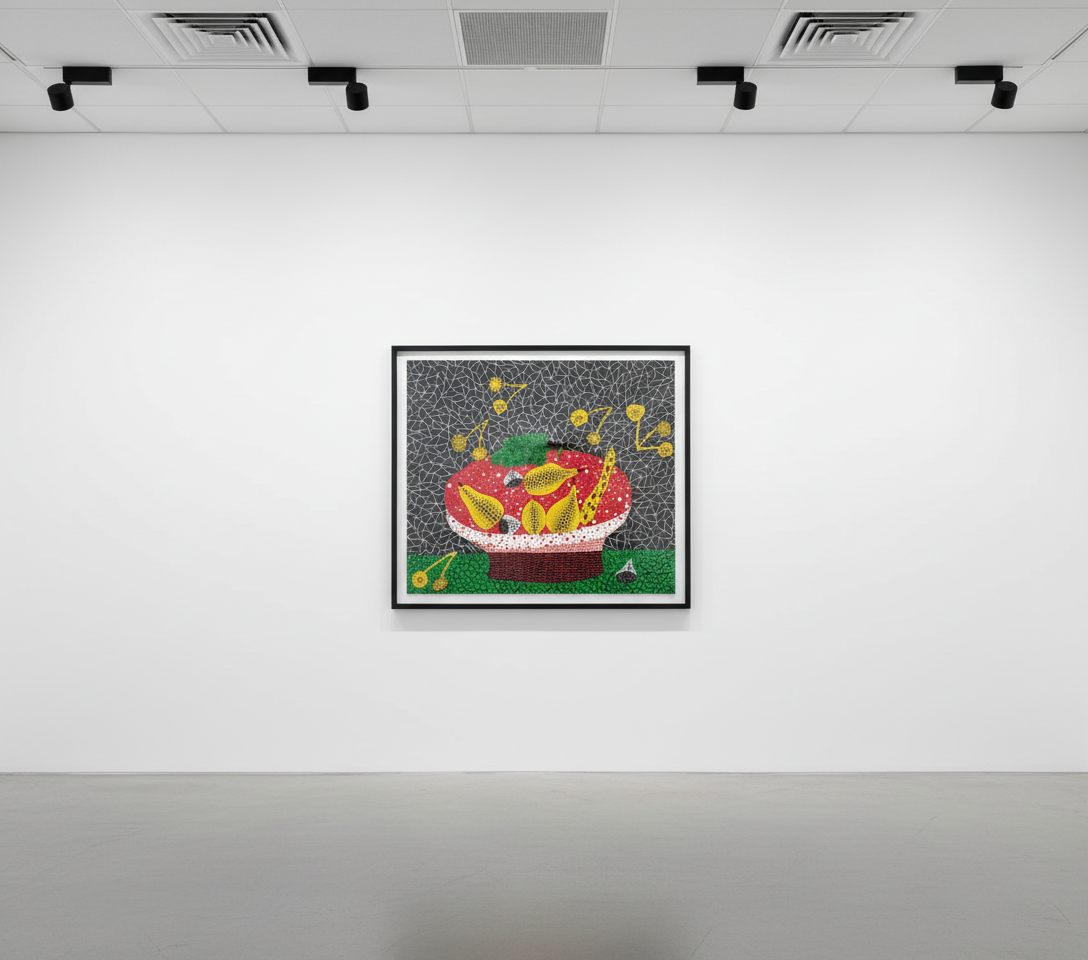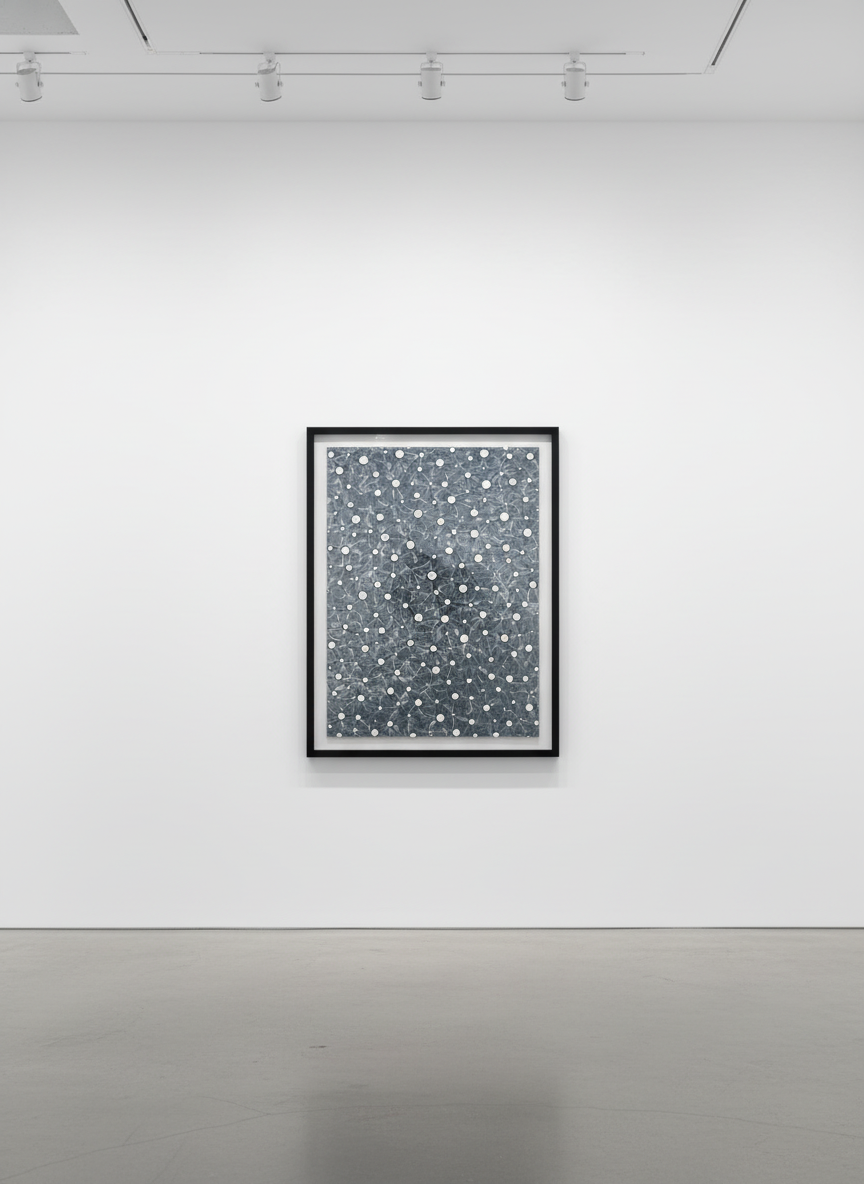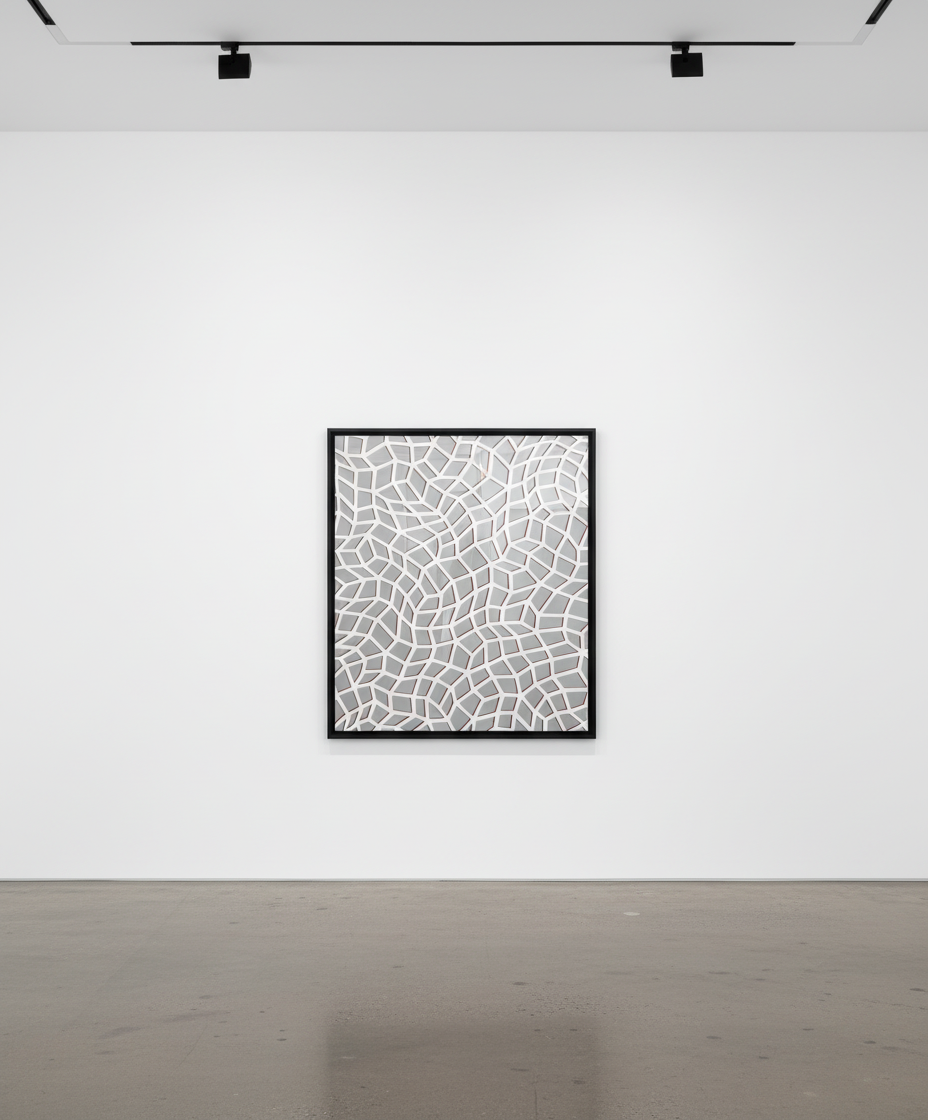

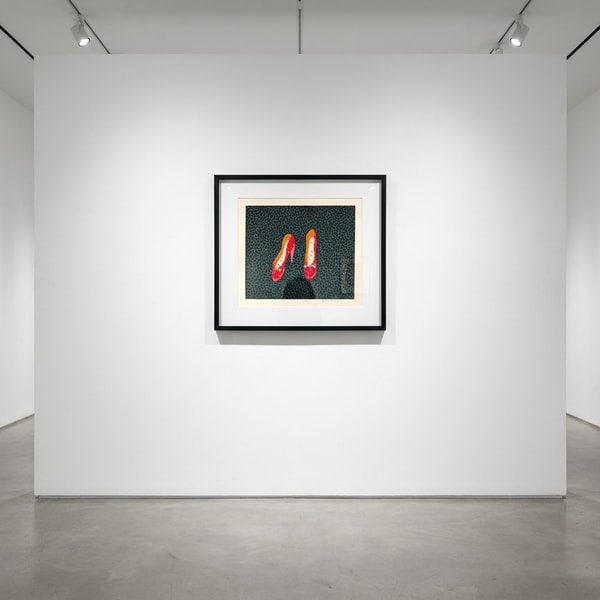
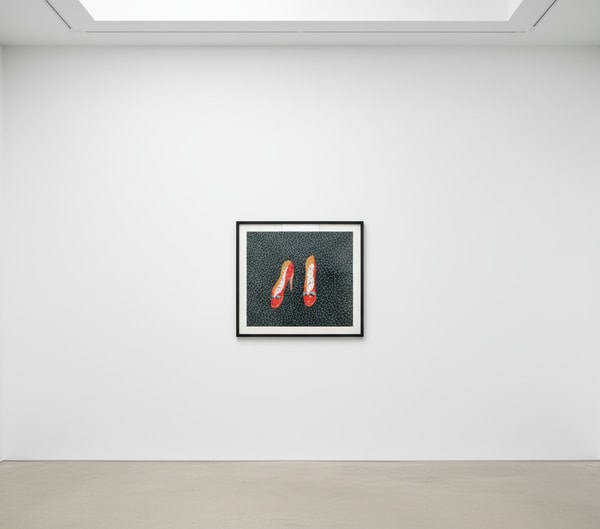
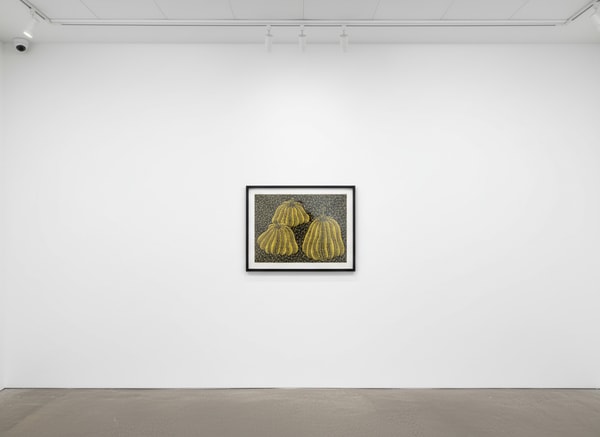
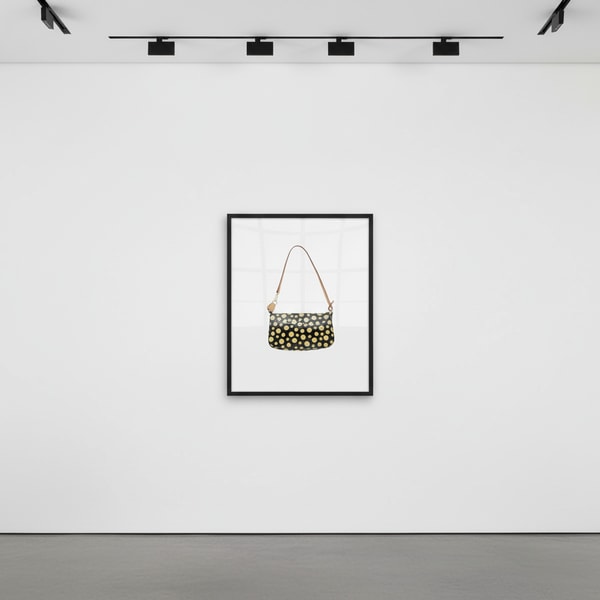
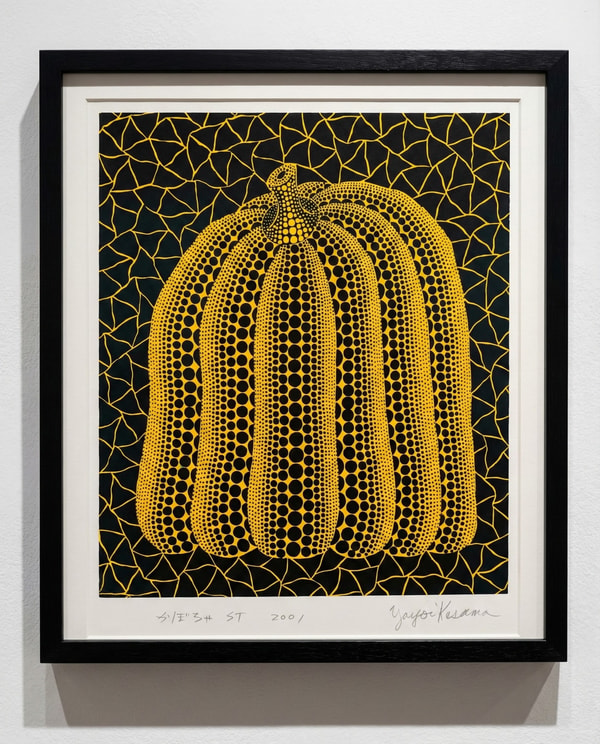

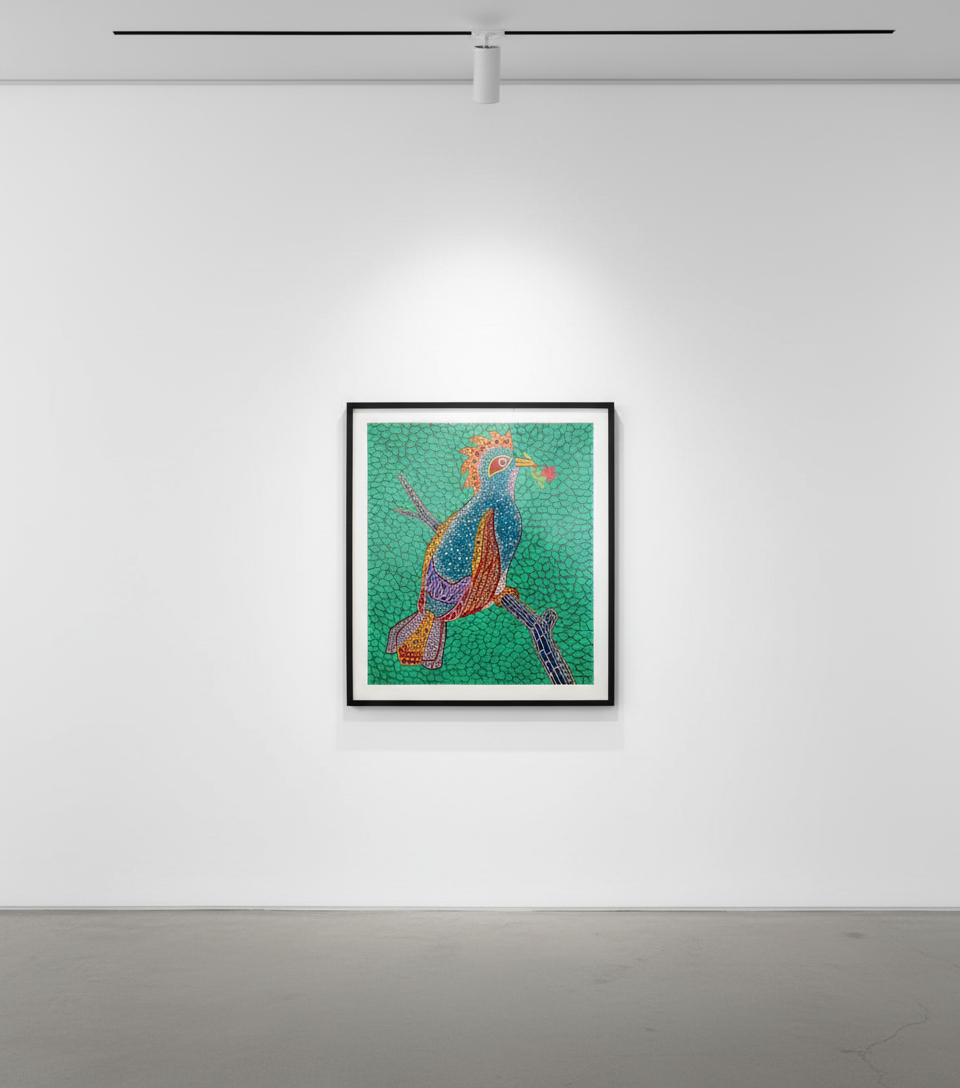
Fauna
2 works

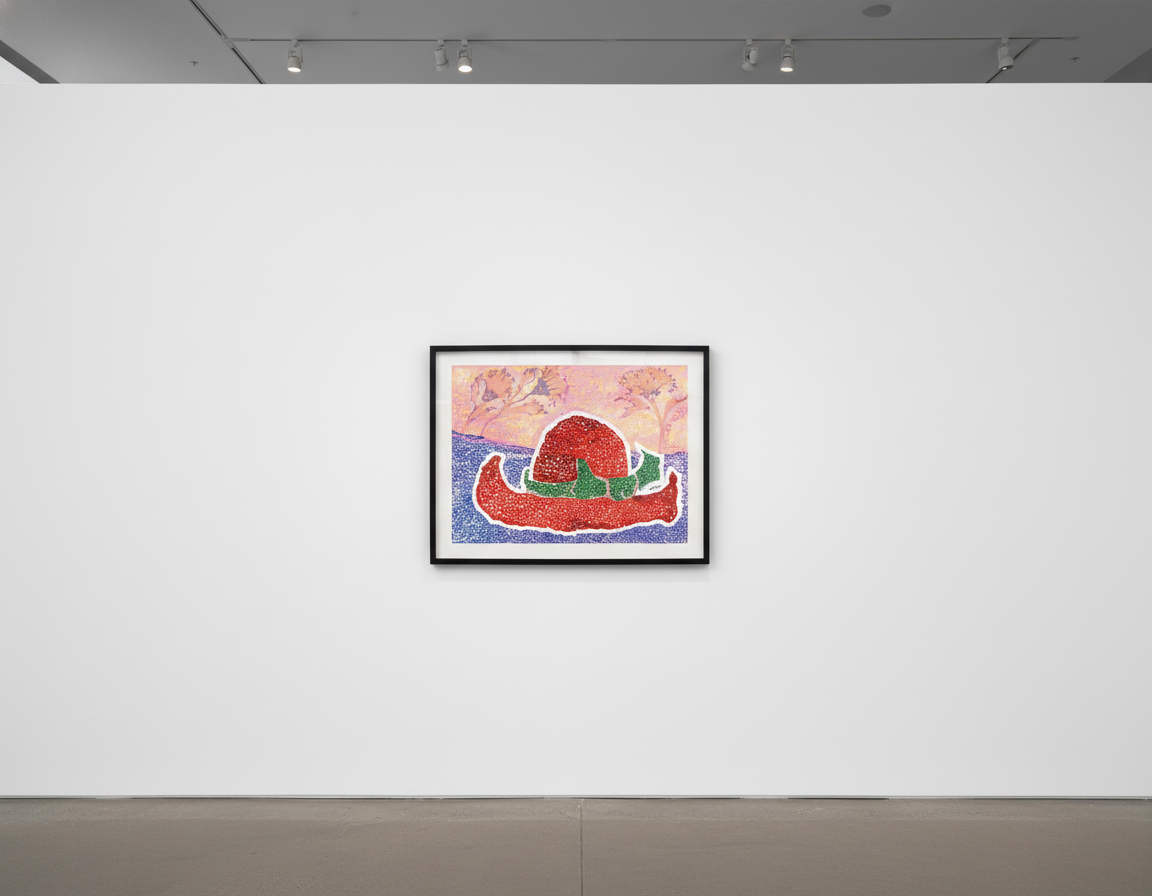
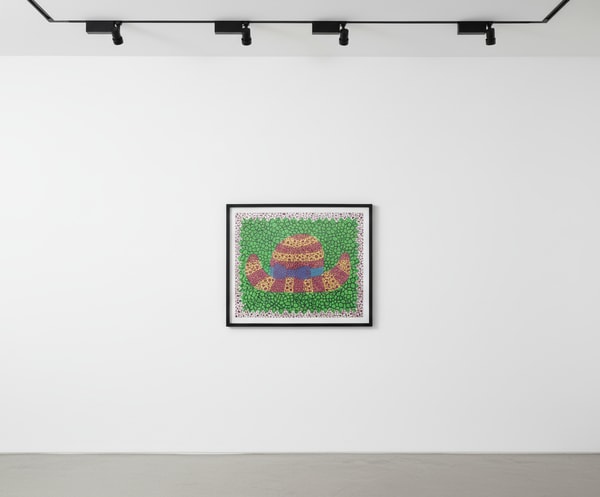
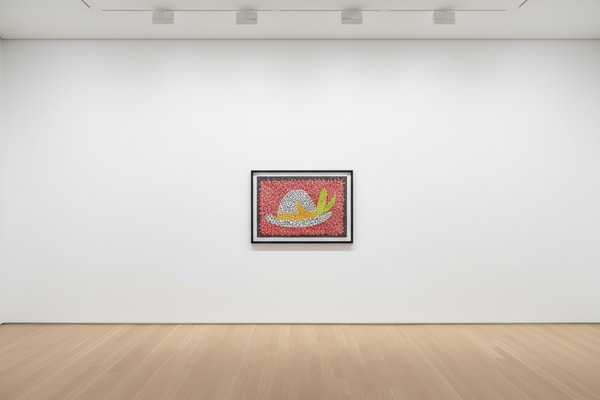
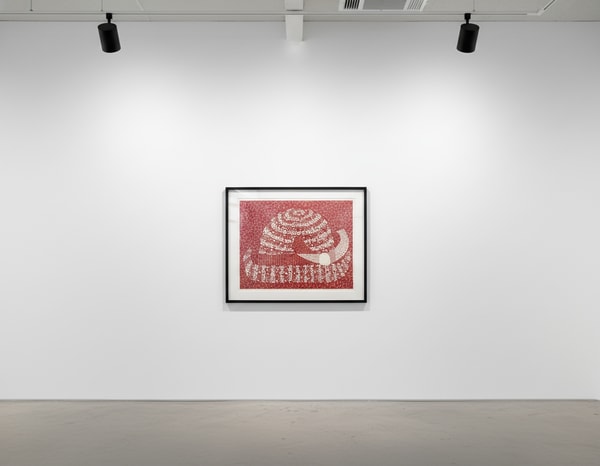
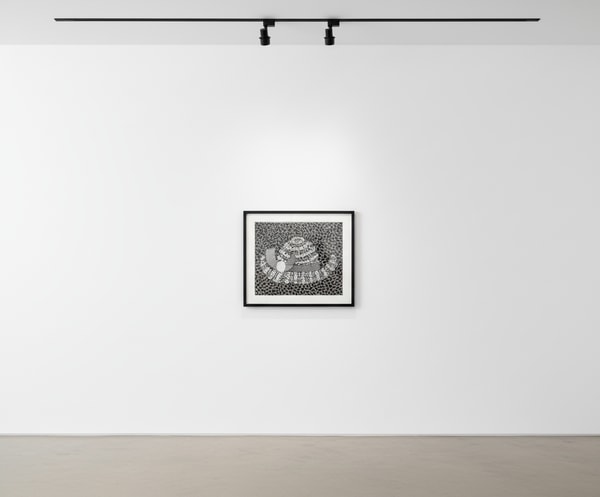
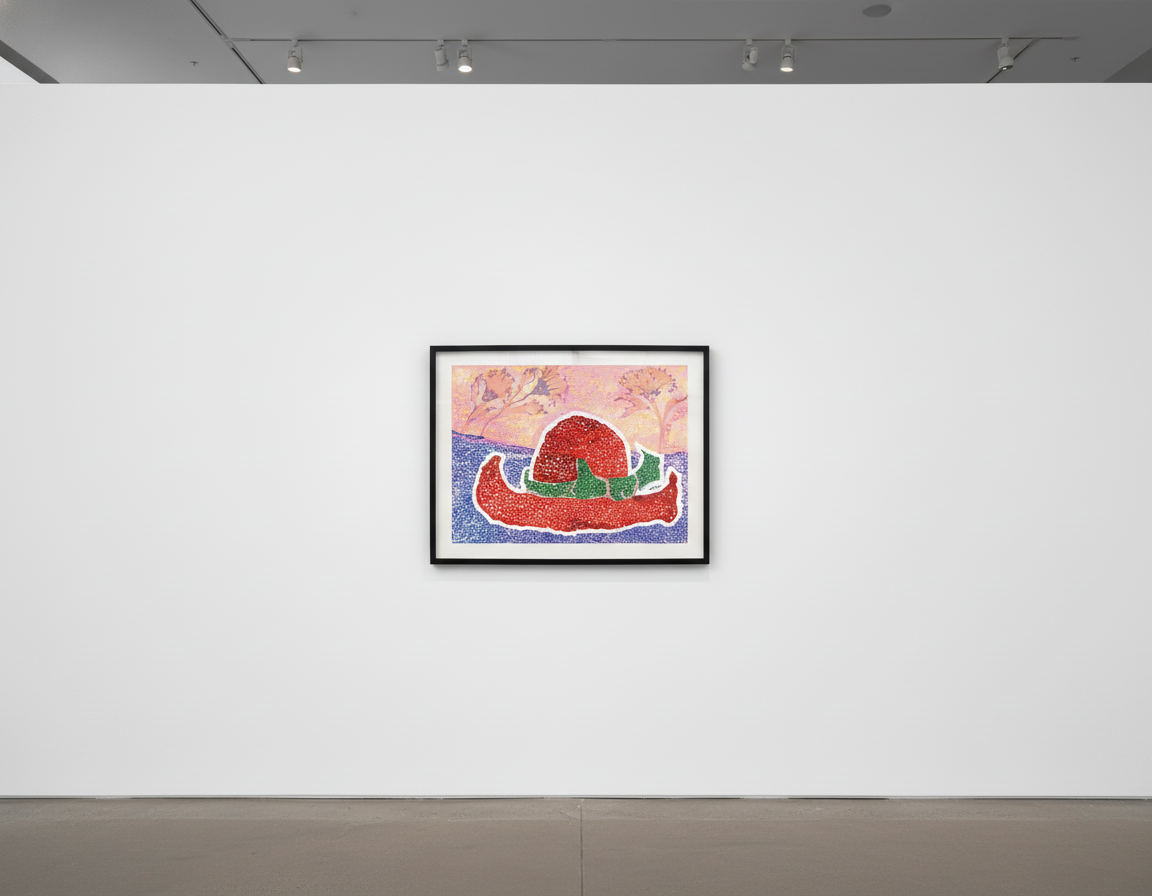
Hat Left Behind in the Field, 1981
Screenprint
16 x 20 1/2 in 40.5 x 52 cm
Edition of 100
Yayoi Kusama's prints depicting clothing, hats, shoes, bags, and other fashion accessories are a captivating exploration of identity, consumer culture, and the intersection of art and everyday life. Throughout her career, Kusama has employed various mediums to examine the relationship between the individual and their surroundings, often using fashion as a lens through which to explore themes of self-expression and societal norms. Kusama's prints of clothing and accessories are characterized by their bold colors, playful patterns, and whimsical imagery. Drawing inspiration from her own experiences and surroundings, Kusama transforms mundane objects into vibrant works of art, imbuing them with her signature style and distinctive voice. In these prints, everyday items are elevated to the realm of the fantastical, inviting viewers to reconsider their perceptions of the familiar. At the heart of Kusama's prints lies a deep fascination with the concept of identity and the ways in which we present ourselves to the world. By depicting clothing and accessories, Kusama explores the role of fashion as a form of self-expression and communication, as well as its power to shape our perceptions of ourselves and others. Through her art, Kusama challenges conventional notions of beauty and gender, embracing a sense of fluidity and playfulness that defies categorization. Moreover, Kusama's prints of clothing and accessories serve as a commentary on consumer culture and the commodification of art. By appropriating images from the world of fashion, Kusama confronts the viewer with questions about value, authenticity, and the nature of artistic creation. In doing so, she encourages us to reconsider our relationship to material possessions and to think critically about the ways in which we define ourselves in an increasingly consumer-driven society. Overall, Yayoi Kusama's prints of clothing, hats, shoes, bags, and other fashion accessories are a testament to her boundless creativity and her ability to find beauty and meaning in the everyday. Through her art, Kusama invites us to see the world through new eyes, encouraging us to embrace the joy and wonder of the world around us.
Price on Application
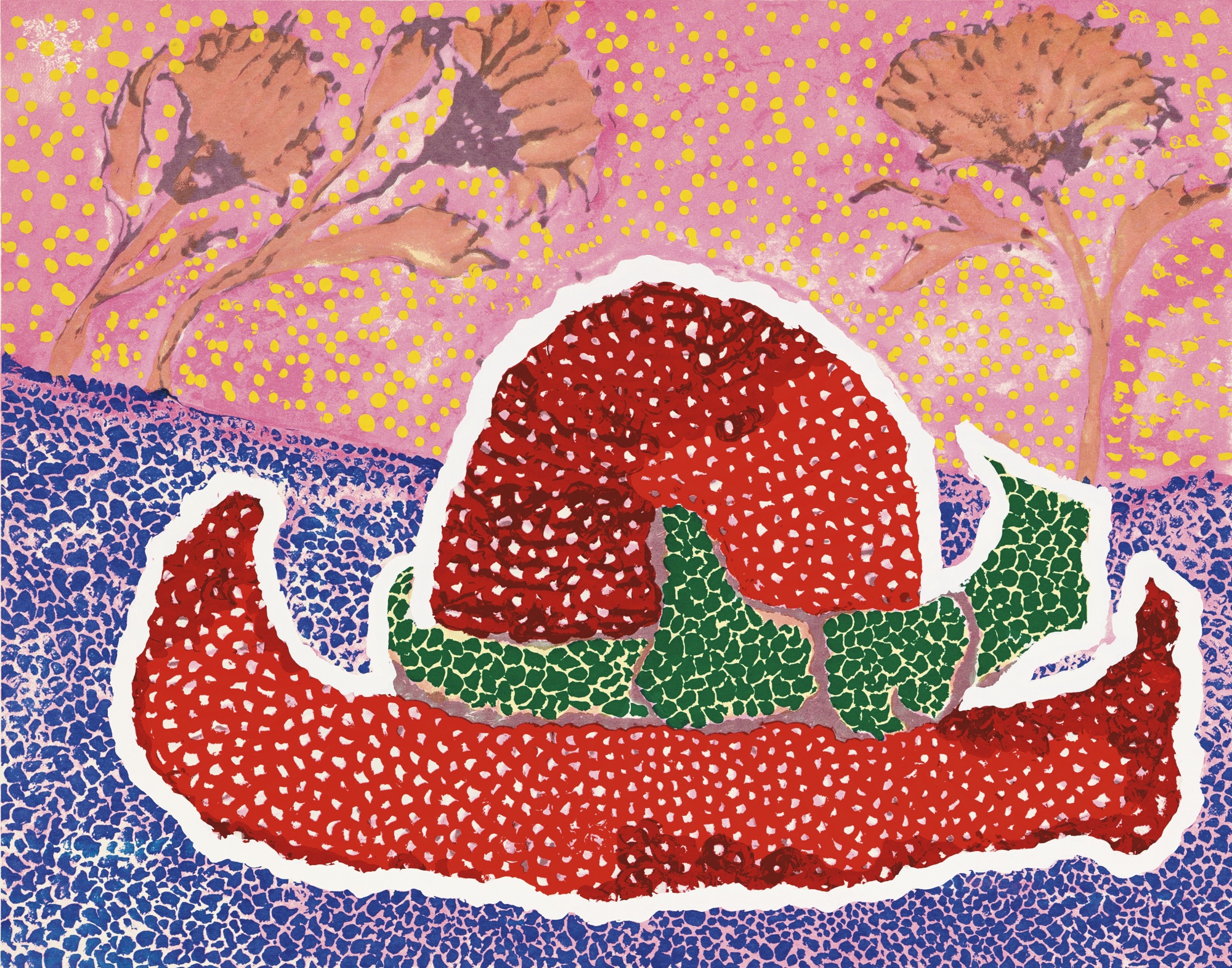
Hat Left Behind in the Field · Yayoi Kusama · Sotheby's · 2015-10 · $41,935
The market for Yayoi Kusama's prints continues to demonstrate exceptional strength as collectors worldwide seek authenticated works from the artist's most distinctive series. With the global art market returning to growth in 2025 according to Art Basel & UBS reporting, these works from the early 1980s through late 1990s showcase the artist's signature approach to transforming mundane objects into vehicles for her obsessive patterning and philosophical exploration.
Created primarily between 1982 and 1999, the Hats & Shoes series emerges from a pivotal period in Kusama's career. Following her return to Japan in 1973 and voluntary admission to Seiwa Hospital for the Mentally Ill in 1977, Kusama entered an extraordinarily productive phase of printmaking that would solidify her position in the contemporary art canon. The Hats & Shoes series reveals an equally sophisticated engagement with pattern, repetition, and the transformation of everyday objects.
These prints demonstrate Kusama's lifelong fascination with accumulation and obliteration—philosophical concepts she developed during her groundbreaking New York period from 1958 to 1973. By focusing on accessories, objects intimately connected to the body and personal identity, Kusama creates visual meditations on presence and absence, the self and its dissolution. The hats and shoes become vessels for her signature polka dots and organic patterns, transforming functional items into portals for contemplating infinity.
The Hats & Shoes series showcases Kusama's sophisticated understanding of printmaking techniques across multiple mediums. The works employ screenprint, lithograph, and silkscreen processes, each selected to achieve specific visual effects that amplify the artist's conceptual intentions.
Hat (Red) and Hat (Yellow) from 1983 utilize screen printing to achieve the saturated, vibrant color fields characteristic of Kusama's most celebrated works. The medium allows for precise registration of her dot patterns while maintaining the luminous quality that defines her approach to color. These companion pieces demonstrate the artist's systematic exploration of chromatic variation within a consistent compositional framework.
Hat from 1982, rendered as a lithograph, reveals a different textural quality—the stone-based process lending a softer, more organic feel to the imagery while maintaining Kusama's characteristic precision. Hat-S (Kusama 19) from the same year returns to screen printing, suggesting the artist's deliberate experimentation with how different printmaking methods affect viewer perception of identical subject matter.
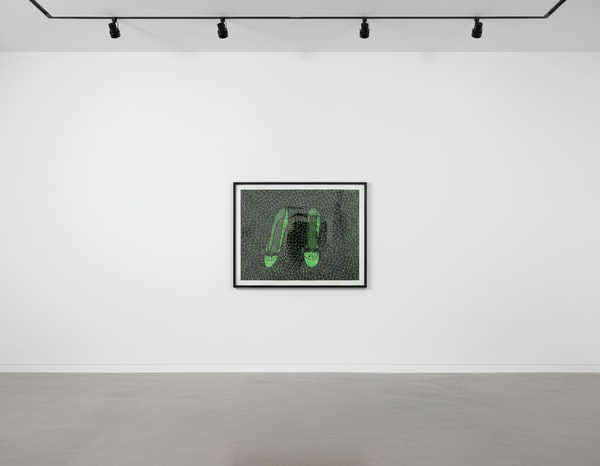
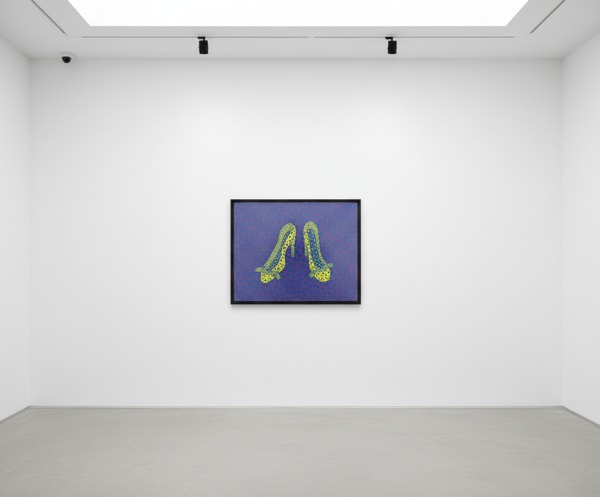
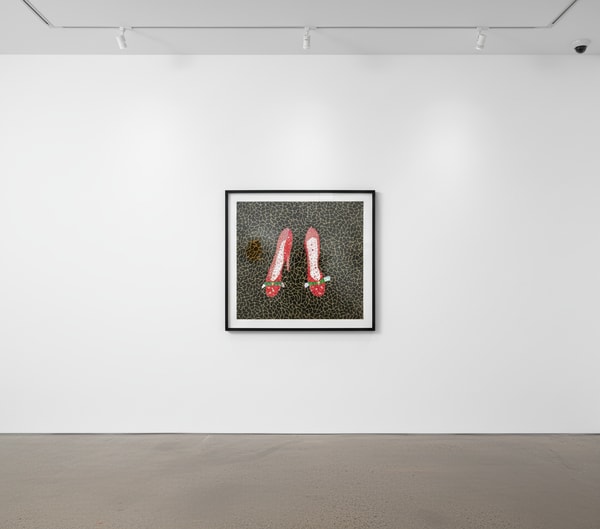
The Shoes works from 1985, including both the screenprint and silkscreen variations designated as Shoes and Shoes I, present footwear as subjects for Kusama's transformative vision. Green Shoes extends this investigation with its distinctive palette, while Highheel 4 from 1999 introduces lamé elements, adding dimensional and reflective qualities that connect to Kusama's concurrent exploration of materiality in her sculptural installations.
Each work within the Hats & Shoes series offers distinct characteristics appealing to different collector priorities:
Hat (Red) and Hat (Yellow), 1983: These screen prints represent essential examples of Kusama's approach to serial imagery. Their bold colorways and pristine technique make them anchor works for collections focused on 1980s Japanese contemporary printmaking. The pairing potential appeals to collectors seeking dialogic installations.
Shoes and Shoes I, 1985: The subtle variations between these works illuminate Kusama's process-driven methodology. Collectors interested in technical distinctions within an artist's practice find particular value in acquiring related variations.
Highheel 4, 1999: This later work incorporating lamé on paper bridges Kusama's print practice with her increasingly elaborate material explorations of the 1990s. Its hybrid nature positions it at the intersection of multiple collecting categories.
Hat, 1982 (Lithograph): As the earliest work in the series and the only lithograph, this piece holds particular significance for collectors focused on technical diversity and chronological completeness.
Yayoi Kusama has built one of the most instantly recognisable bodies of work in contemporary art through her sustained investigation of pattern, repetition, and self-obliteration, developed across painting, sculpture, installation, and print media over more than seven decades. Her recurring motifs — polka dots, net patterns, and later the pumpkin — function as a personal visual vocabulary rooted in hallucinatory visual experiences she has described since childhood, transformed through disciplined repetition into a body of work of extraordinary scale and consistency.
Kusama's work is held in the permanent collections of major museums worldwide, and her Infinity Mirror Room installations have drawn record attendance at institutions internationally, establishing her as one of the most widely recognised and best-selling living artists.
Yayoi Kusama prints for sale at Guy Hepner Gallery in New York include Infinity Net editions, pumpkin screenprints, dot works, Flower Ball multiples, and the full range of her extraordinary print output — representing one of the most consistently in-demand bodies of work in the contemporary edition market. For collectors seeking Yayoi Kusama art for sale, Guy Hepner at 177 Tenth Avenue, New York offers expert guidance, authenticated works across all her major print series, and access to a market that has demonstrated exceptional sustained strength.
Yayoi Kusama (b. 1929, Matsumoto, Japan) is the highest-selling living female artist in the world and one of the most instantly recognisable visual presences in contemporary art — an artist whose dots, nets, pumpkins, and Infinity Mirror Rooms have achieved a cultural ubiquity that coexists, without diminishing, with the genuine psychological intensity from which her work emerged. Kusama began making art as a child as a means of processing the hallucinations she experienced — flowers speaking to her, the self dissolving into fields of pattern and repetition — and the therapeutic impetus has never separated itself from the formal achievement. The work is not illustration of pathology but its transformation into aesthetic proposition.
Kusama received traditional Japanese painting training before moving to New York in 1958, where she became a conspicuous and somewhat isolated figure in an avant-garde largely indifferent to her practice. Her Infinity Net paintings — monumental canvases covered in an unbroken weave of looping marks applied with obsessive labour — anticipated the Minimalist investigation of serial mark-making while remaining intensely personal, each loop a unit in an accumulation too vast to resolve into pattern.
The visual world Kusama has created across her long career rests on a small number of obsessively repeated motifs:
Kusama's auction record stands at $7,109,000 for Infinity Nets (TW) at Christie's, with multiple major Net canvases from the late 1950s and 1960s achieving $5,000,000+ at Sotheby's and Christie's. An Infinity Nets canvas from 1959 achieved $5,098,000 at Christie's in November 2021. She has held the record for the highest auction result achieved by a living female artist for many years. Her major paintings — particularly early Net works and large-scale Infinity environments — are held primarily in institutional collections or by committed long-term private collectors and rarely come to market.
Her print editions — featuring signature dot and pumpkin imagery — are among the most actively traded in the contemporary edition market, with strong global demand across price points. Kusama has worked with publishers in Japan and internationally to produce editions across all major print media: screenprints, lithographs, woodcuts, and etchings.
Print prices range from $8,000–$15,000 for smaller open-style editions through $50,000–$200,000+ for rare signed limited editions featuring pumpkins, infinity net patterns, or dot works in high demand colourways. Works produced in collaboration with Ota Fine Arts and other authorised publishers carry the strongest provenance.
Motif: Pumpkin works and infinity net prints consistently outperform generic dot compositions. Flower Ball works carry strong demand. Early net works on paper, if available, are among the rarest and most historically significant objects in her output.
Edition size and signature: Small-edition signed prints carry significant premium over open editions. Certificates of authenticity from Ota Fine Arts or the artist's studio are essential for any significant acquisition.
Colourway: Yellow and black pumpkin works (echoing her iconic Naoshima installation) carry premium. Red and white, gold, and silver colourways in dot and net works also command strong demand.
Condition: Kusama's prints are typically produced on quality substrates, but UV protection and stable storage are critical to long-term value preservation.
Provenance: Works with direct gallery provenance from Ota Fine Arts, Victoria Miro, or Zwirner hold value most reliably.
Kusama's work is held in permanent collections at MoMA, the Whitney Museum, Tate, the Centre Pompidou, the Guggenheim, the National Gallery of Victoria, the Hirshhorn Museum, and The Broad in Los Angeles. A landmark joint retrospective toured Tate Modern, the Centre Pompidou, the Whitney, and MoMA in 2012. She continues to produce work daily from her studio in Tokyo.
Guy Hepner offers authenticated Yayoi Kusama art for sale with full provenance documentation from our gallery at 177 Tenth Avenue, New York. We provide expert guidance on acquisition, free and confidential valuations for those wishing to sell, and access to a global network of collectors actively seeking her work across all media and price points. Whether you are seeking Yayoi Kusama prints for sale in a specific motif or colourway, or exploring her broader edition output, Guy Hepner is the right starting point.