
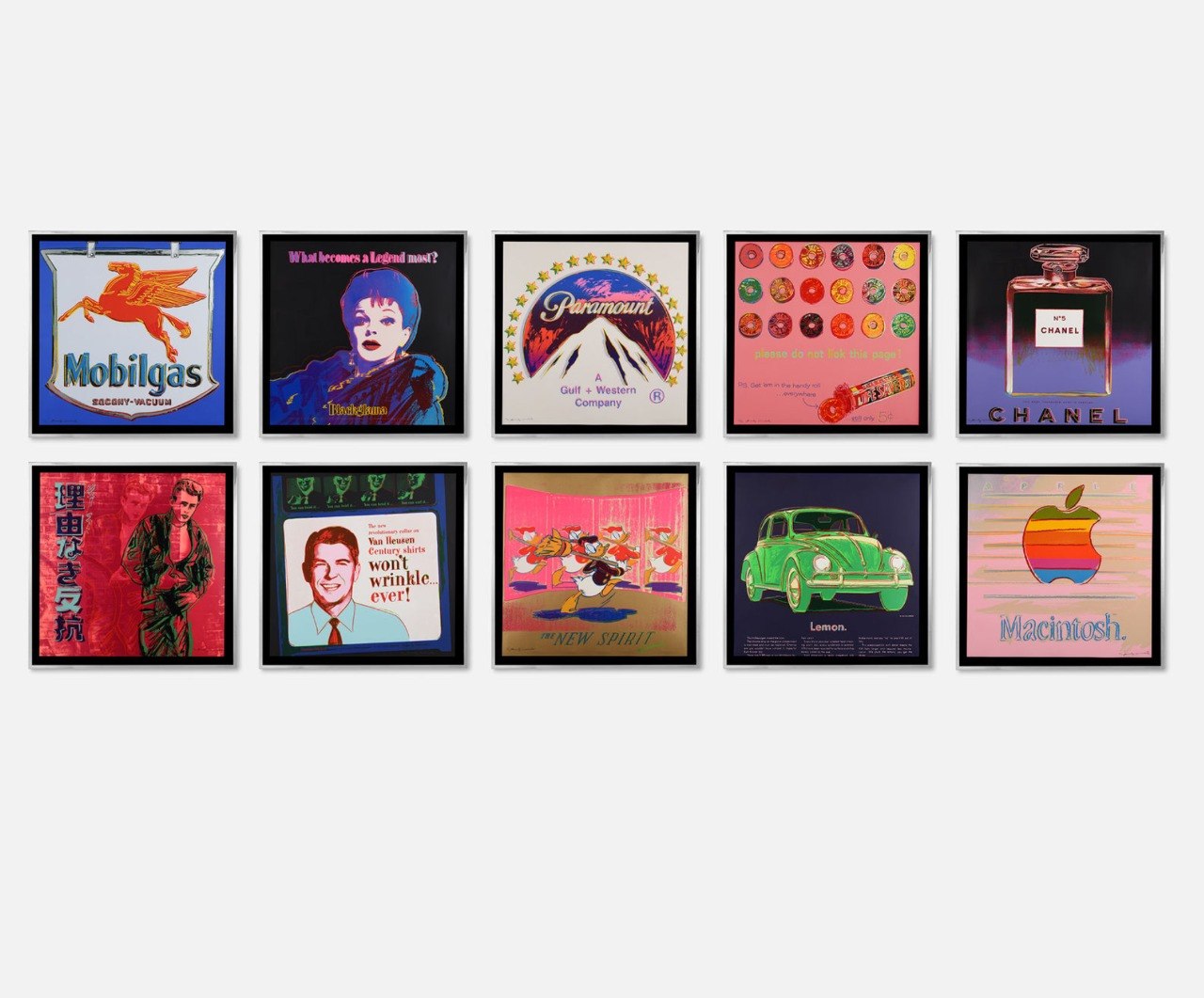
Andy Warhol: Ads
Ten Ads, One Artist, and the Moment Commerce Became Art
About This Collection
In 1985, Andy Warhol turned to the images that had always been hiding in plain sight. The Ads series revisits the visual vocabulary of twentieth-century American commerce that Warhol had been studying since his earliest days as a commercial illustrator. Absolut Vodka, Chanel No. 5, Apple, Mercedes-Benz: the selection reads like an archaeology of desire, a catalog of the images that shaped the way a generation understood aspiration, identity, and value. That this is also Warhol's explicit subject matter — the construction of value through image and repetition — is precisely what gives the series its intellectual weight. The complete portfolio holds a particular significance within Warhol's late practice. By the mid-1980s, he had long since established his canonical gestures — the soup cans, the celebrities, the disasters — and the Ads series represents a return to first principles, a clarifying statement about where image-making and commerce had always been the same thing. For collectors, that context matters. Complete sets of this caliber appear rarely on the market, and the works' ongoing cultural legibility — the Apple logo, the Chanel bottle — ensures they continue to generate the kind of critical and popular engagement that sustains long-term significance. These are not works that require explanation. They require only attention.
Works in This Room
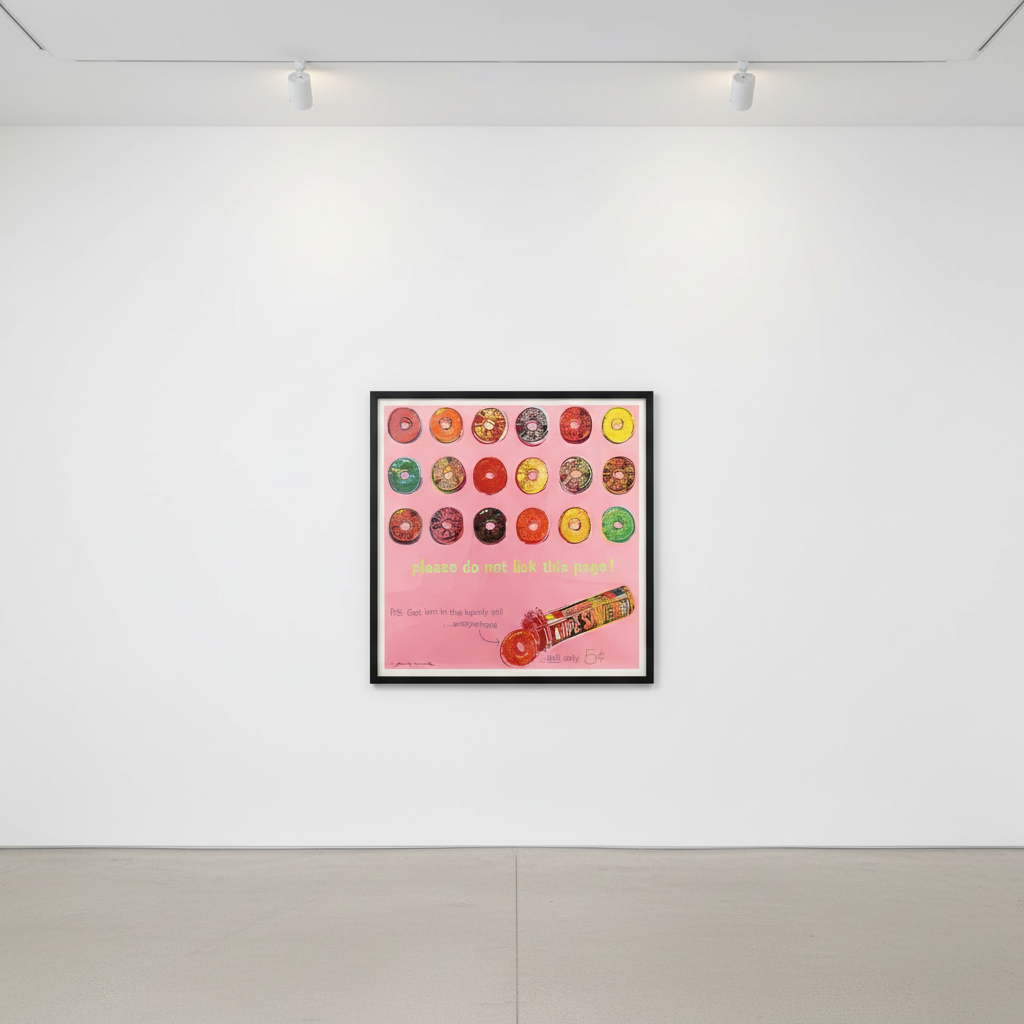
Andy Warhol
Life Savers F.S. II 353, from Ads, 1985
Screen print on Lenox Museum Board
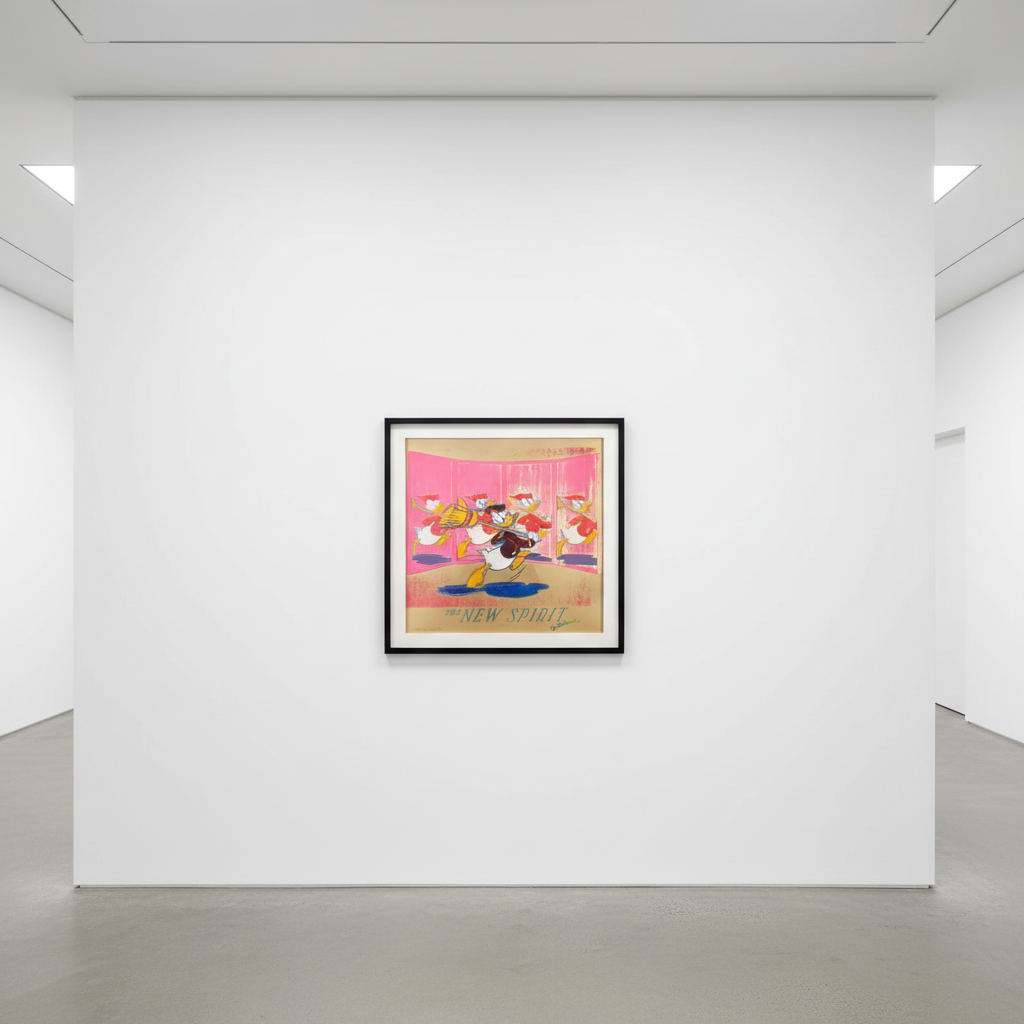
Andy Warhol
The New Spirit Donald Duck FS. II 357 from Ads, 1985
Screen print on Lenox Museum Board
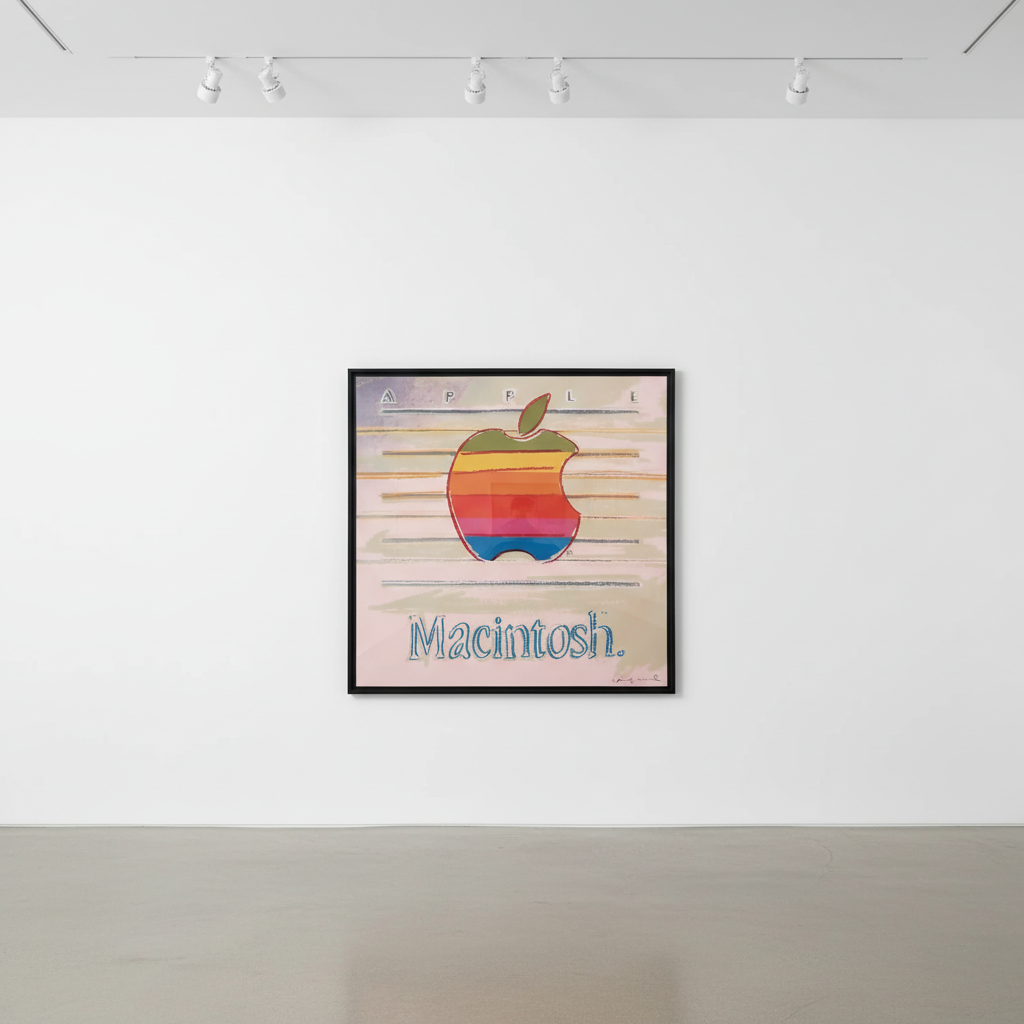
Andy Warhol
Apple Mac F.S. II 359 from Ads, 1985
Screen print on Lenox Museum Board
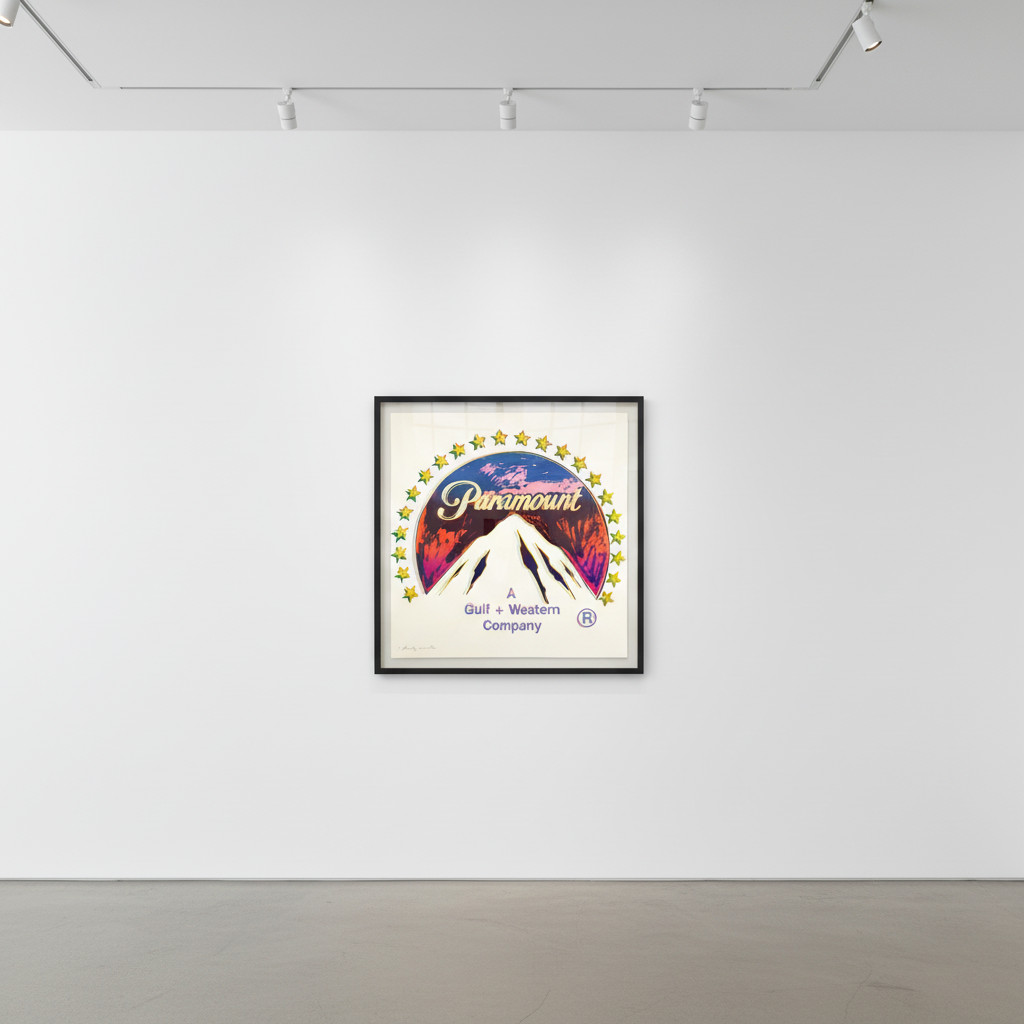
Andy Warhol
Paramount F.S. II 352, from Ads, 1985
Screen print on Lenox Museum Board
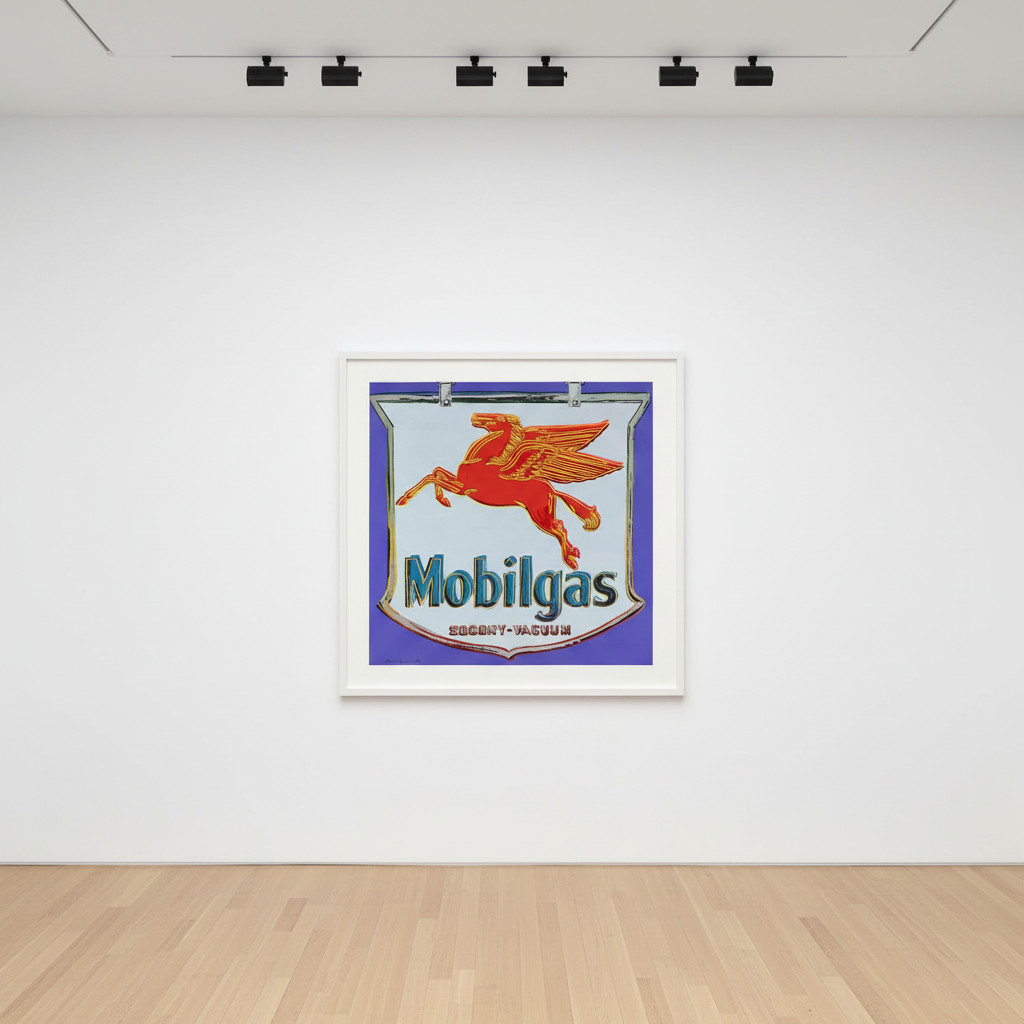
Andy Warhol
Mobil F.S. II 350, from Ads, 1985
Screen print on Lenox Museum Board
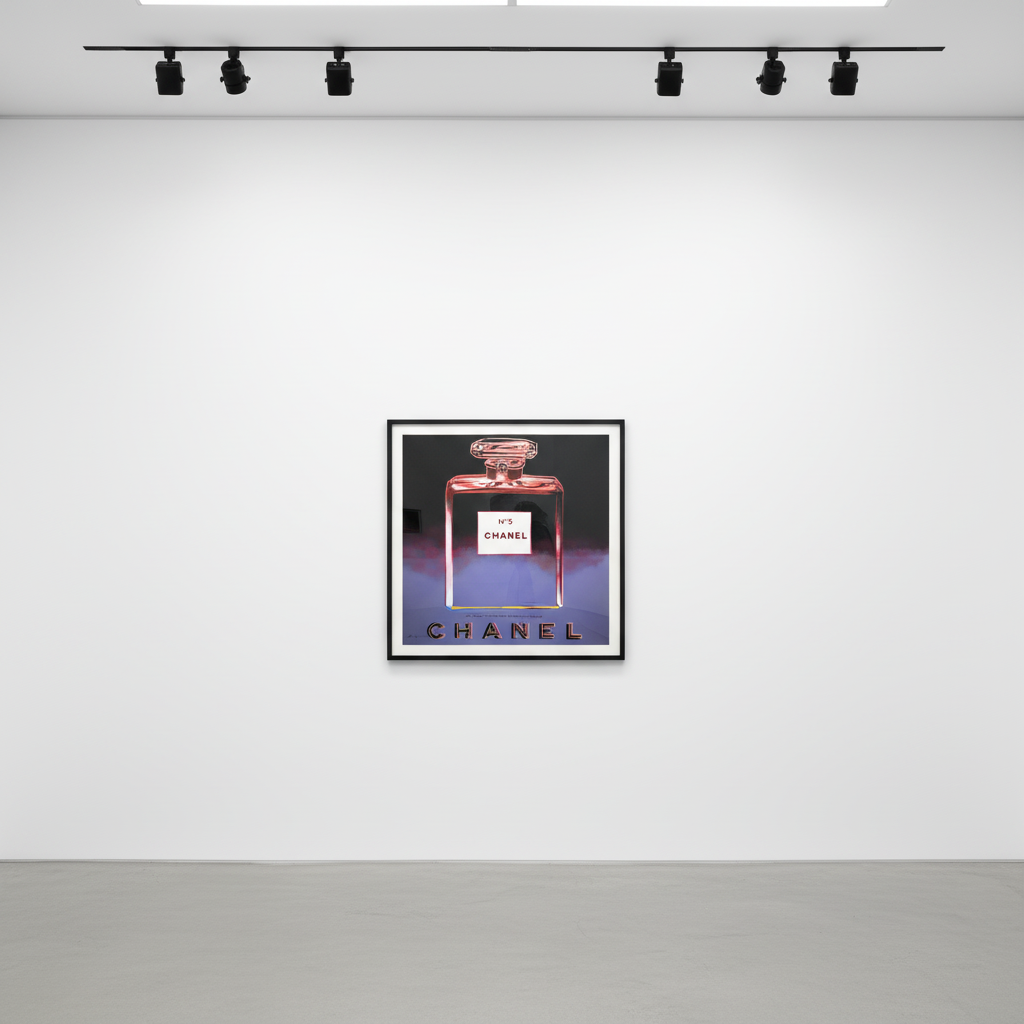
Andy Warhol
Chanel F.S. II 354 from Ads, 1985
Screen print on Lenox Museum Board
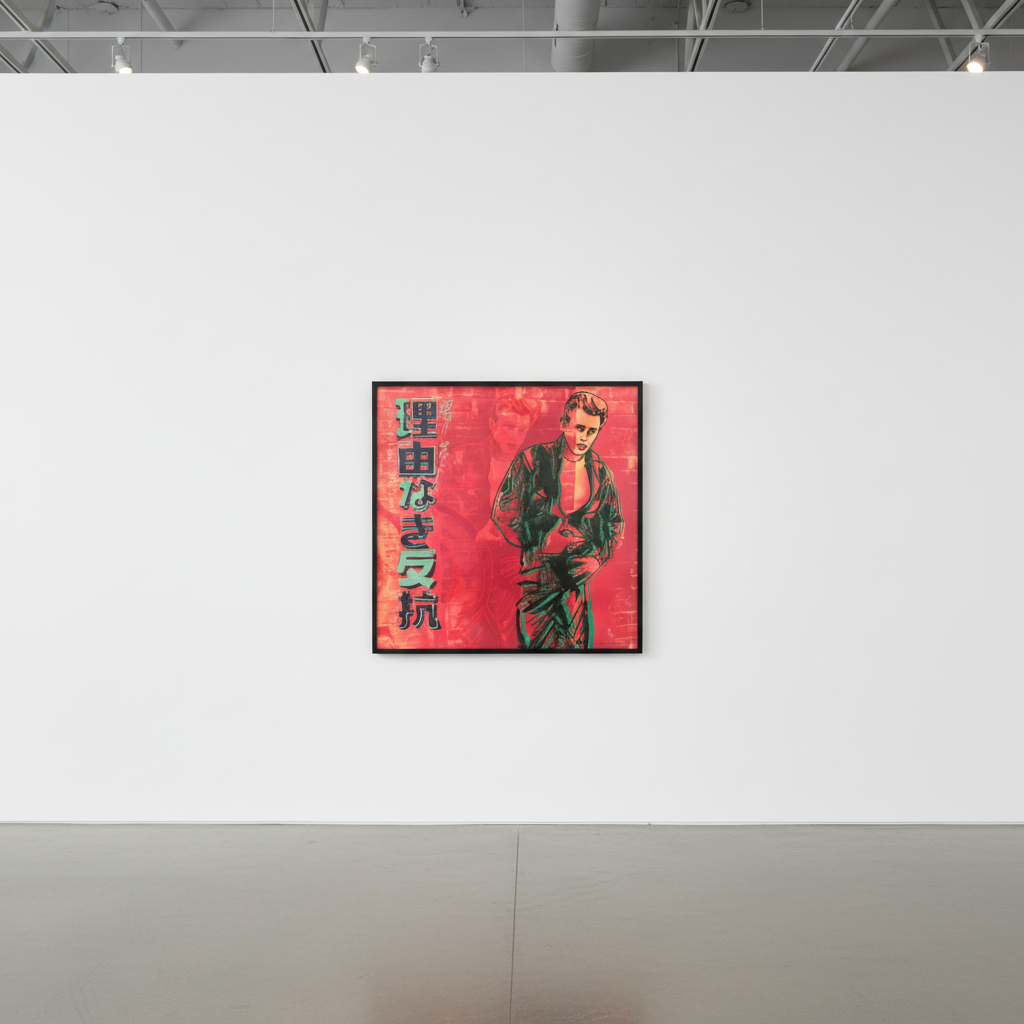
Andy Warhol
Rebel Without A Cause: James Dean F.S. II 355, from Ads, 1985
Screen print on Lenox Museum Board
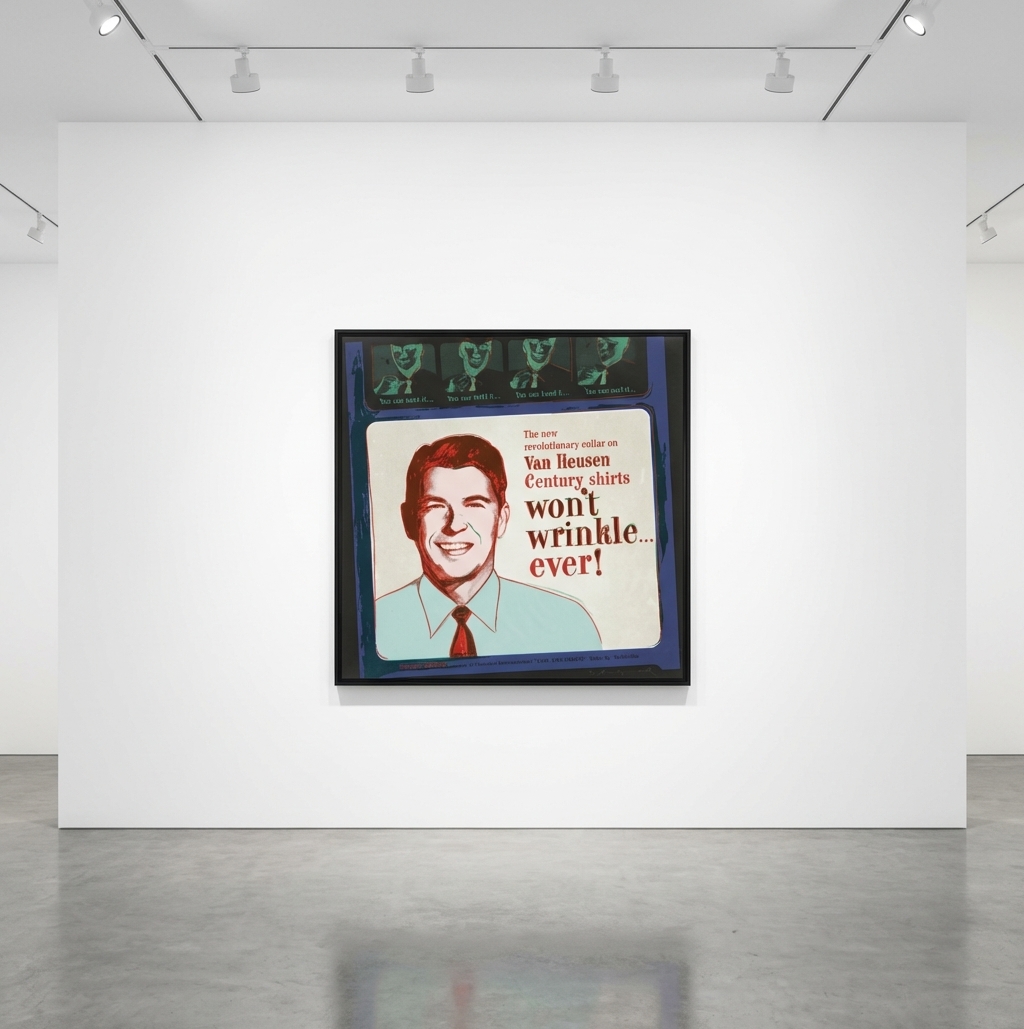
Andy Warhol
Van Heusen Ronald Reagan F.S. II 356, from Ads, 1985
Screen print on Lenox Museum Board
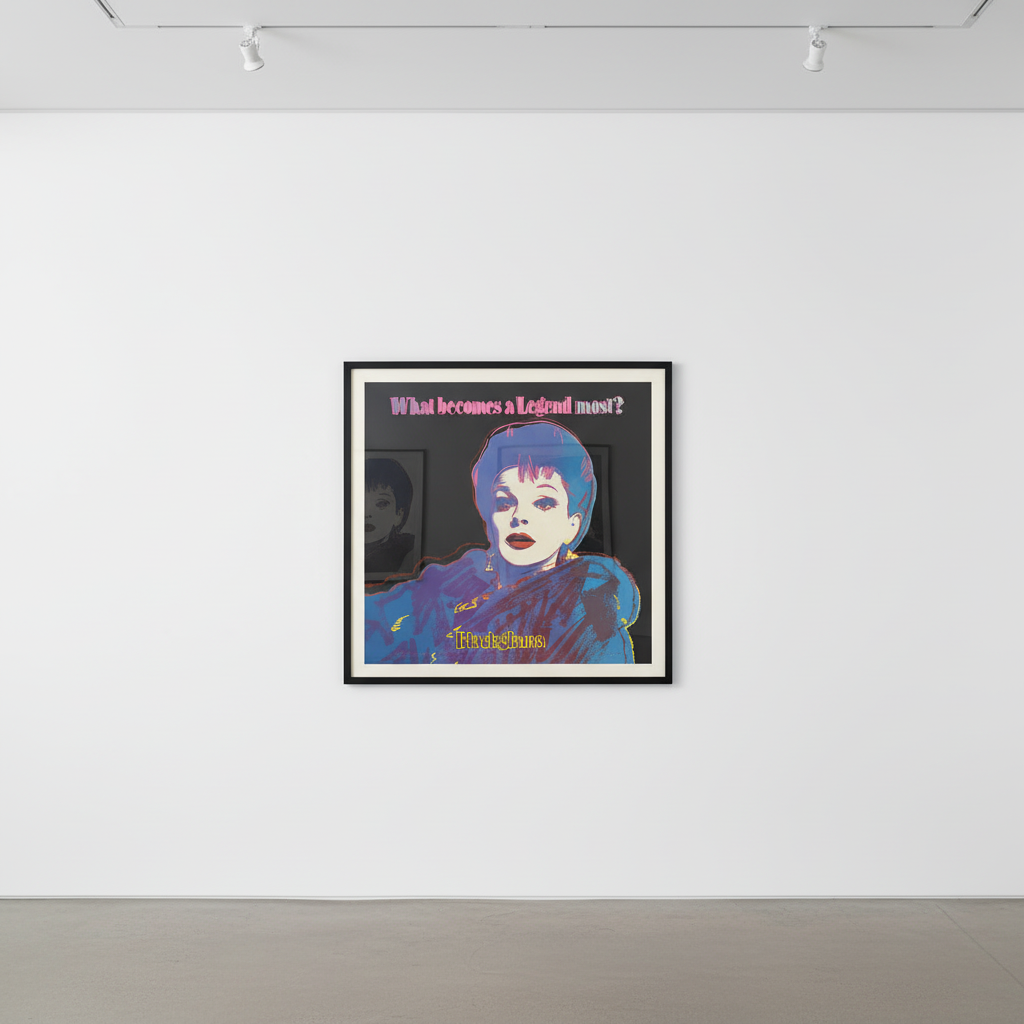
Andy Warhol
Blackglama F.S. II B 351, 1985
Screen print
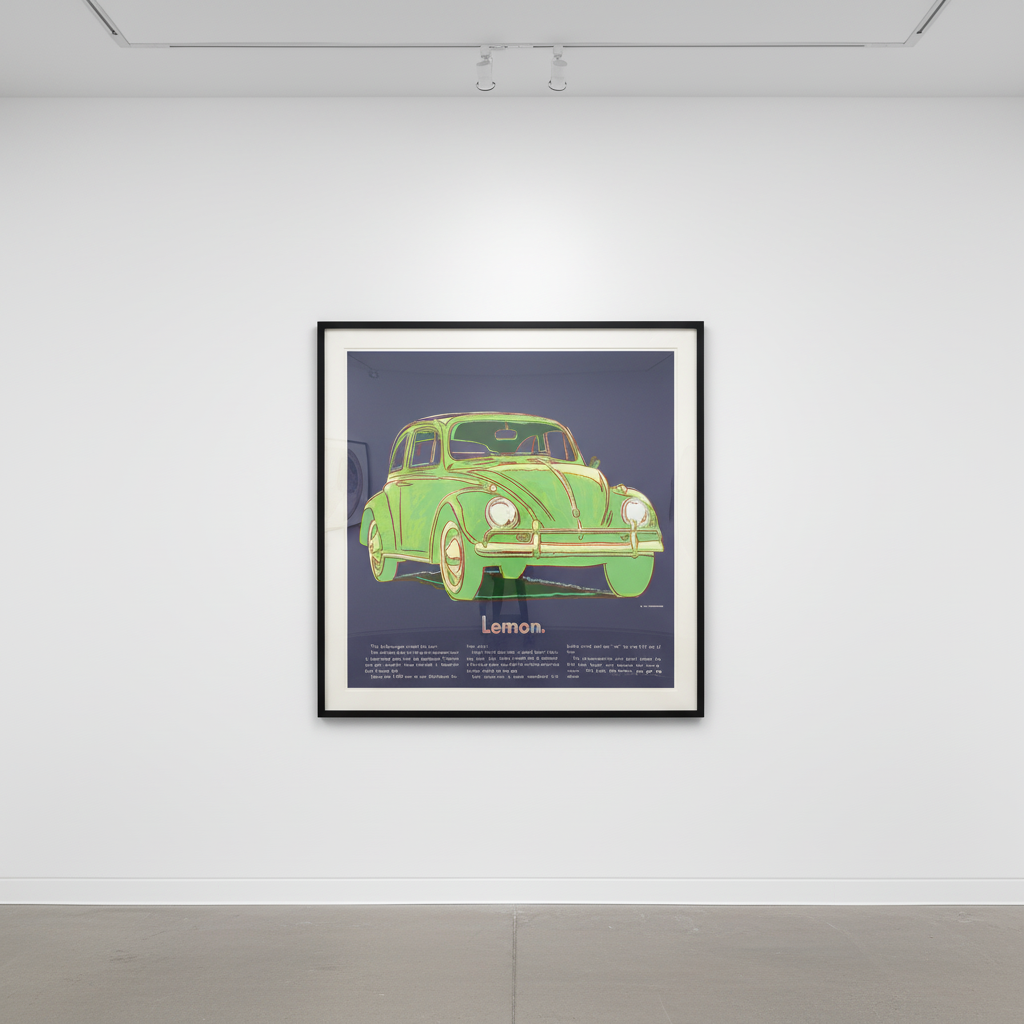
Andy Warhol
Volkswagen F.S. II 358, from Ads, 1985
Screen print on Lenox Museum Board
To enquire about any of these works, contact Guy Hepner