Acupuncture
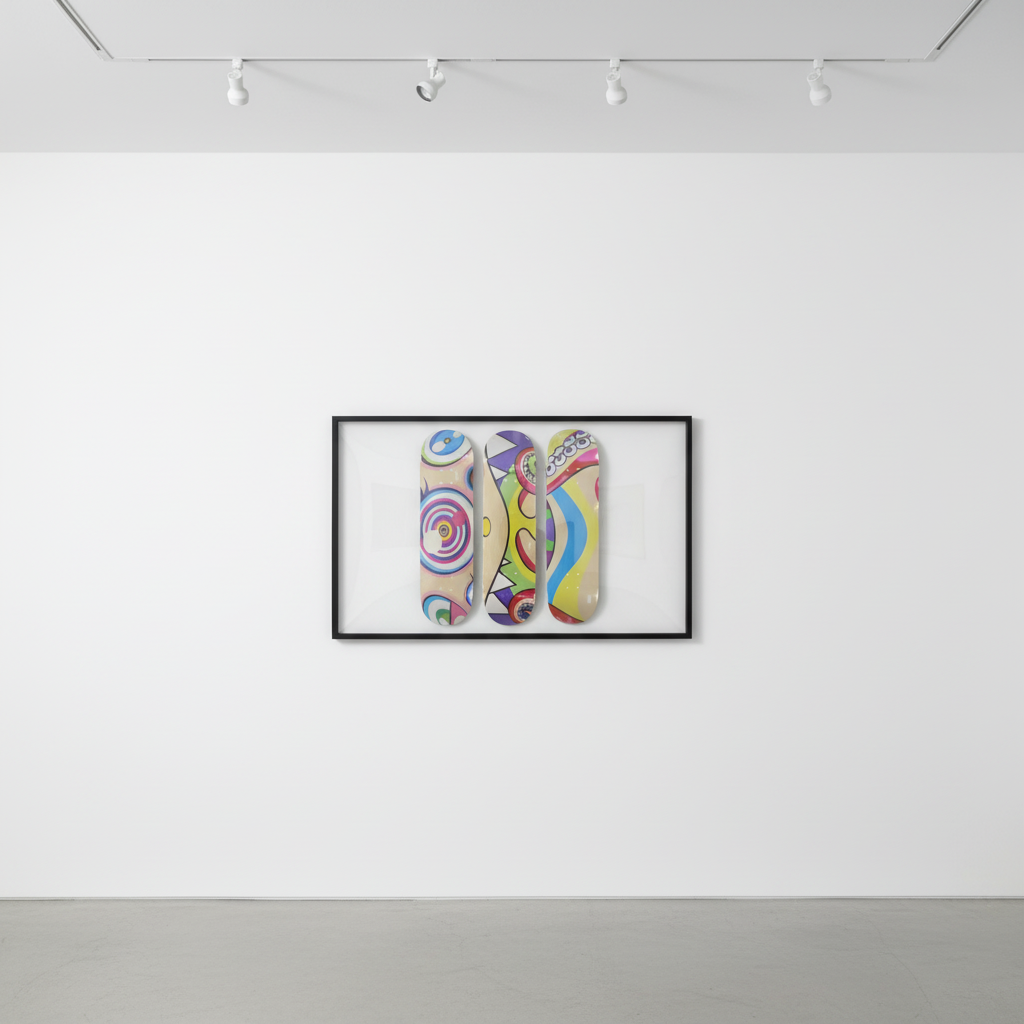
3 works

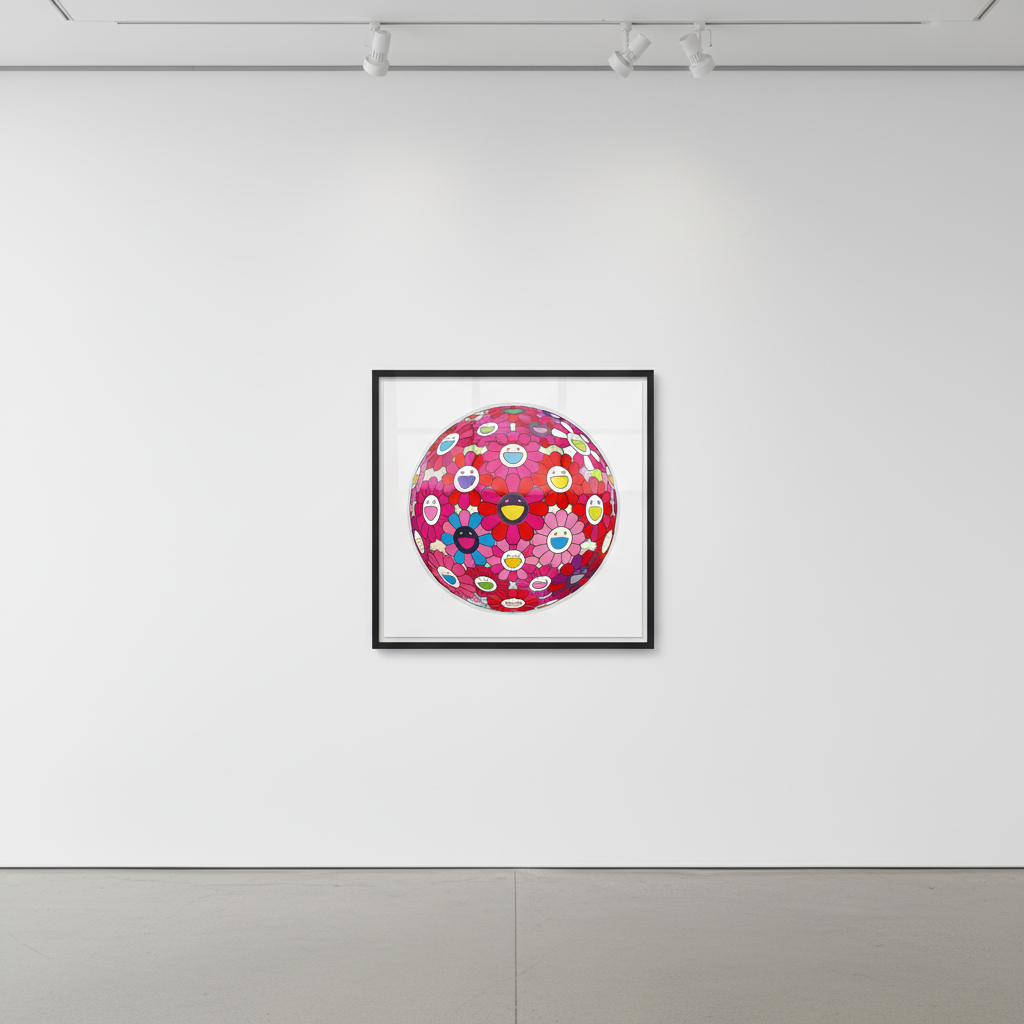
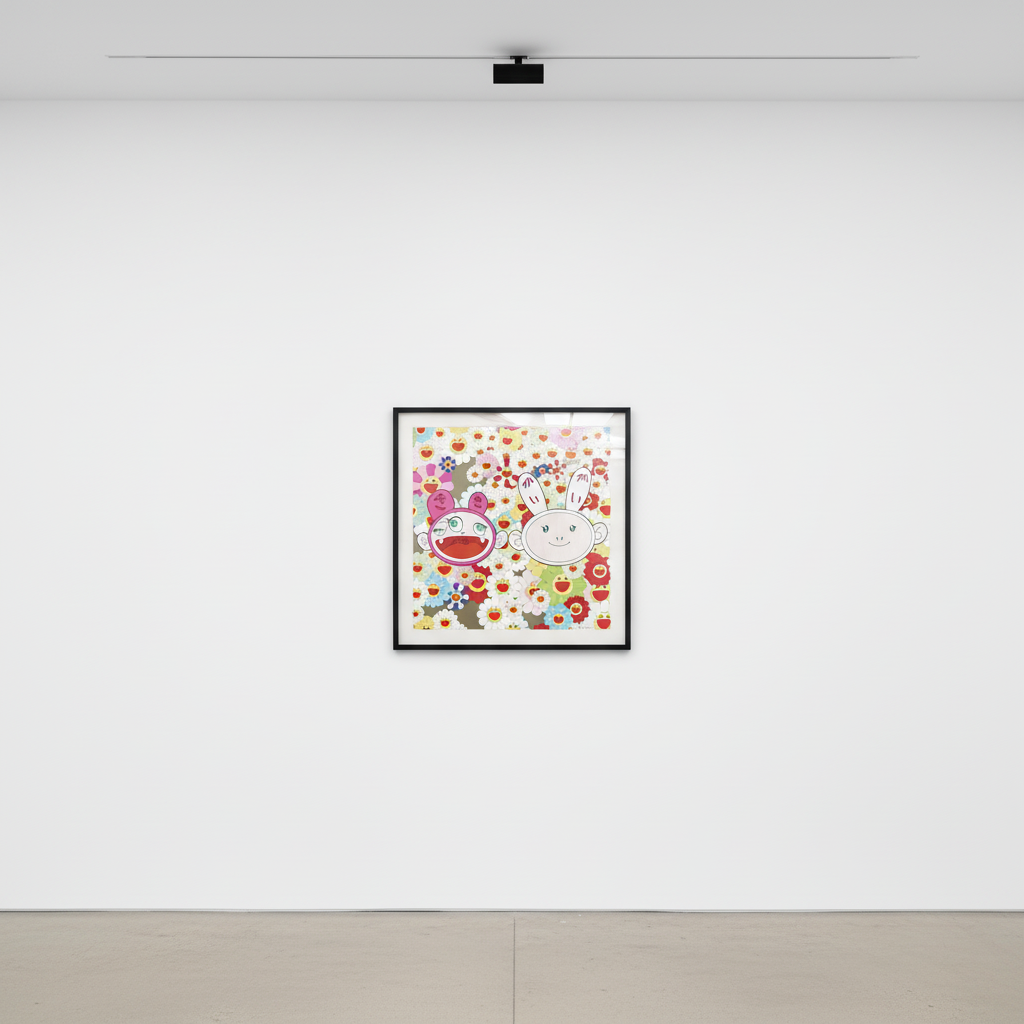
Thoughts on Picasso, 2015
Offset lithograph
28 x 28 in 71 x 71 cm
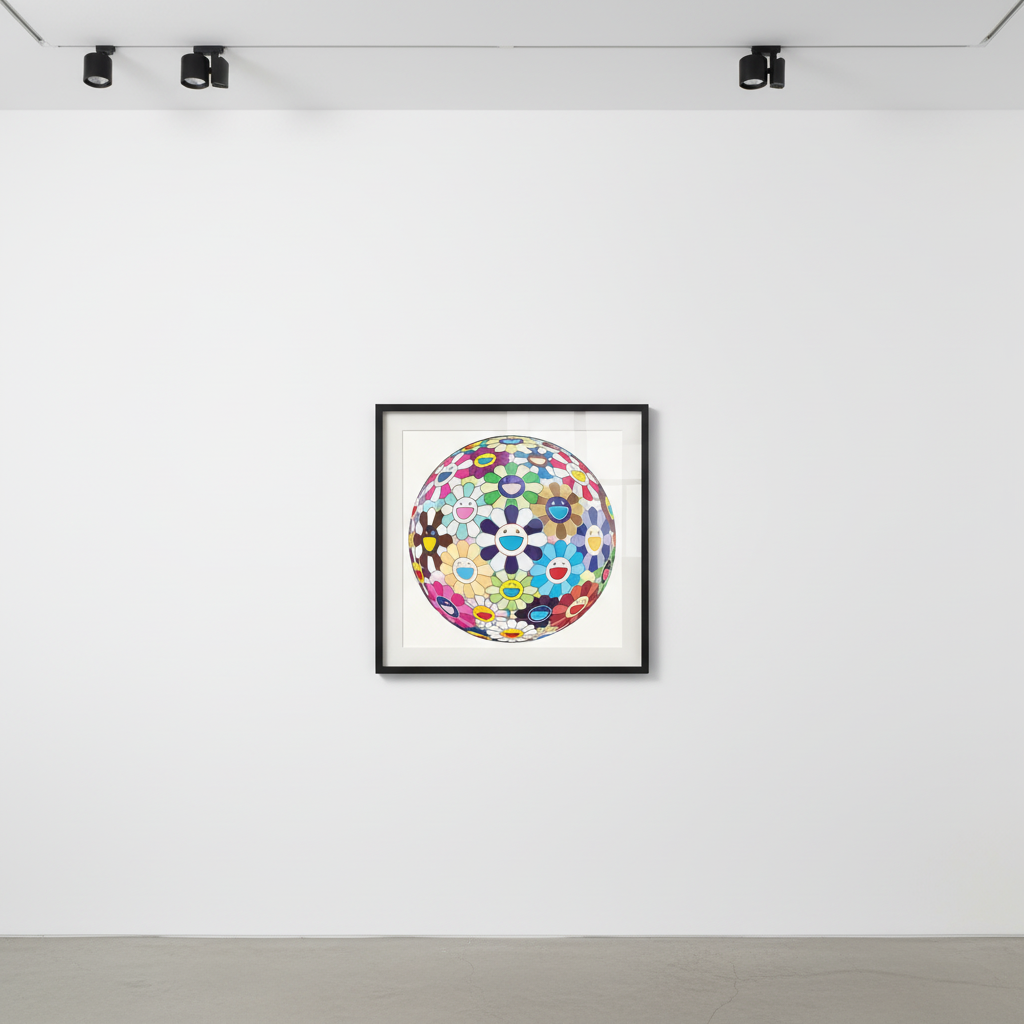
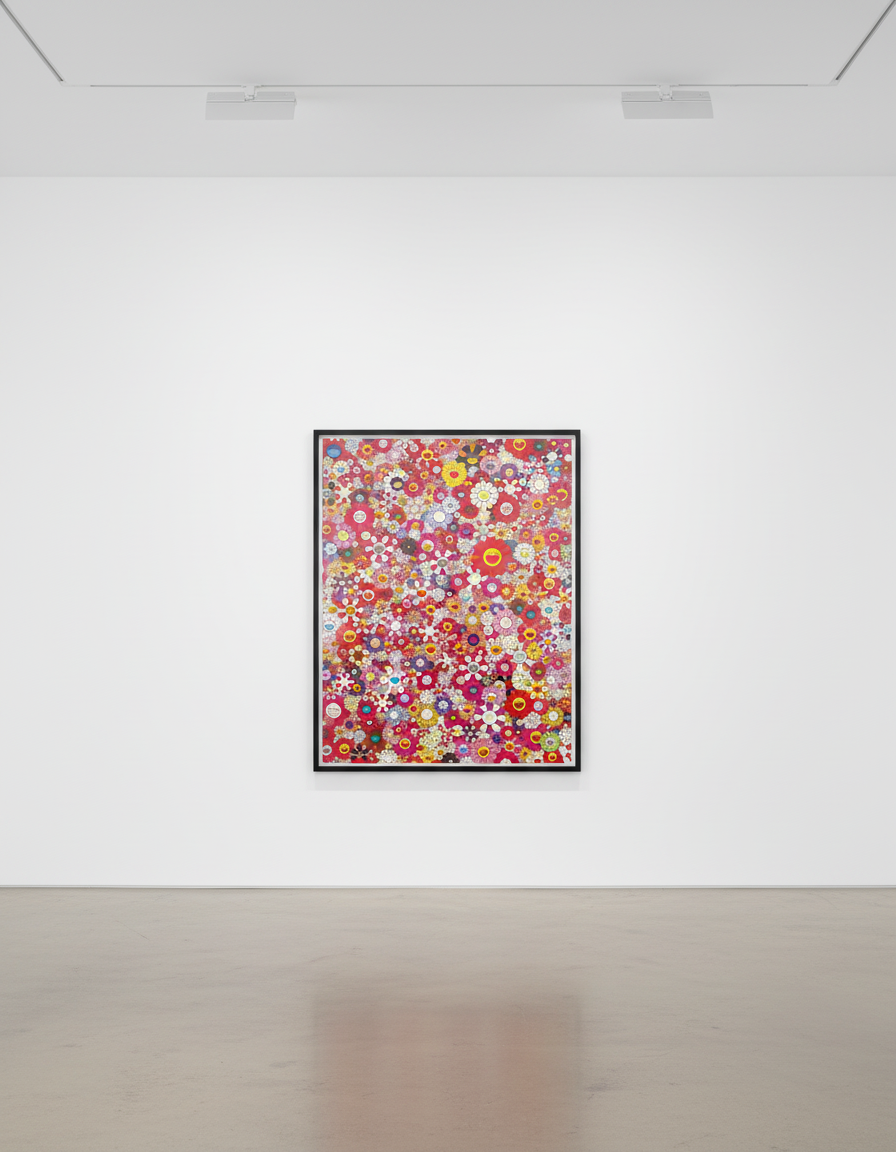
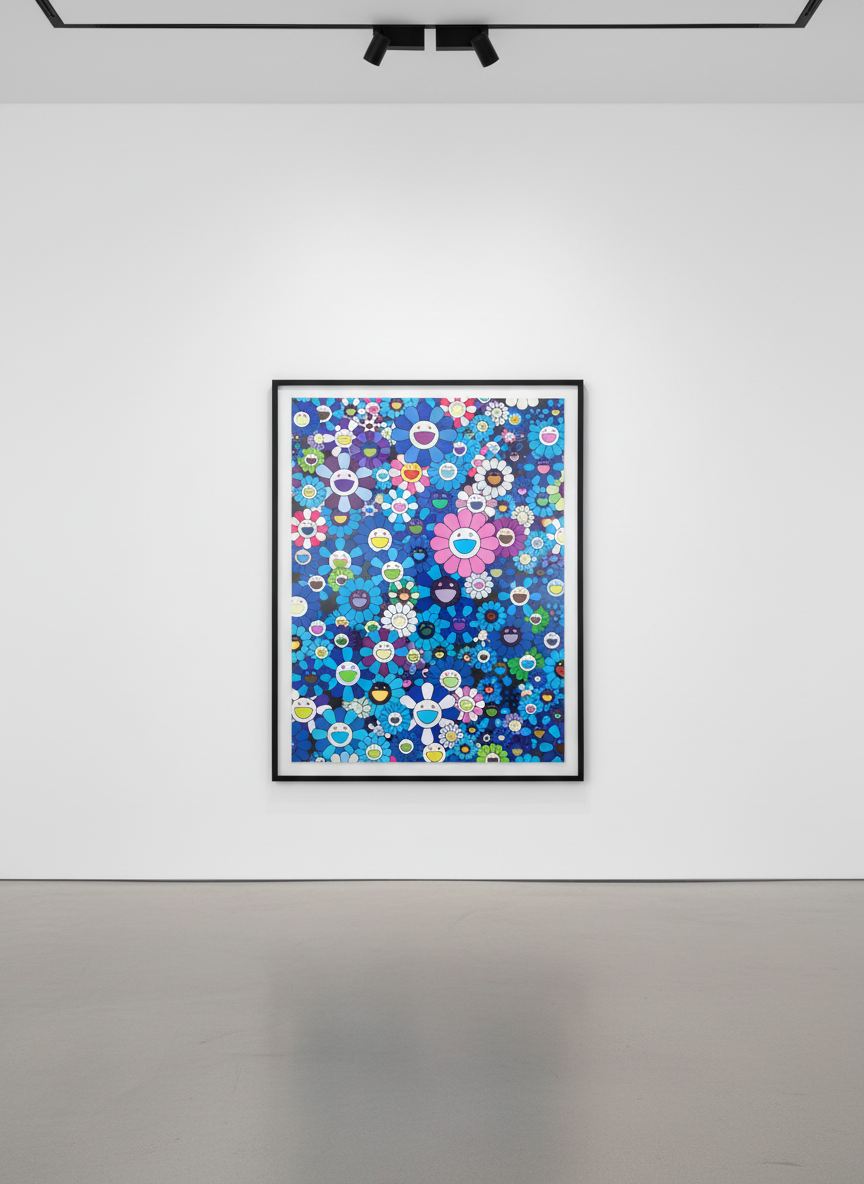
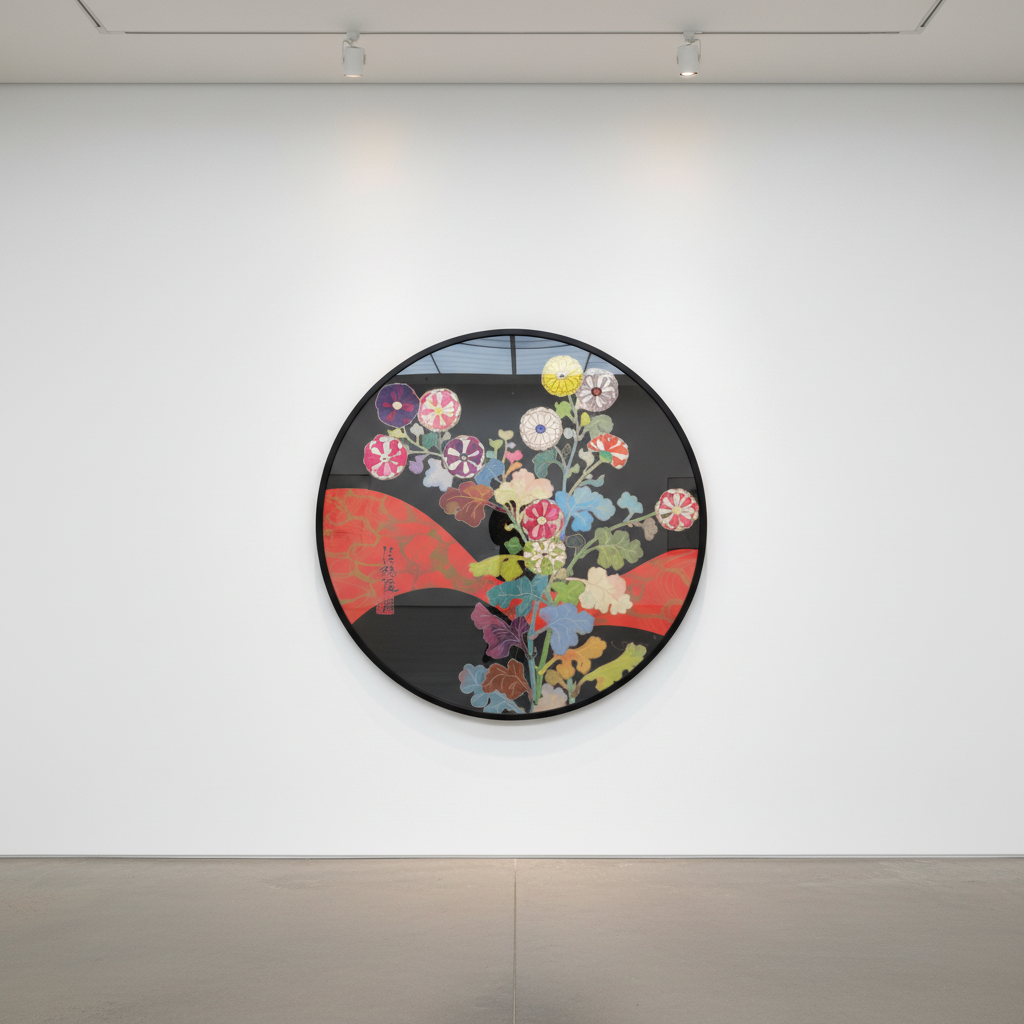
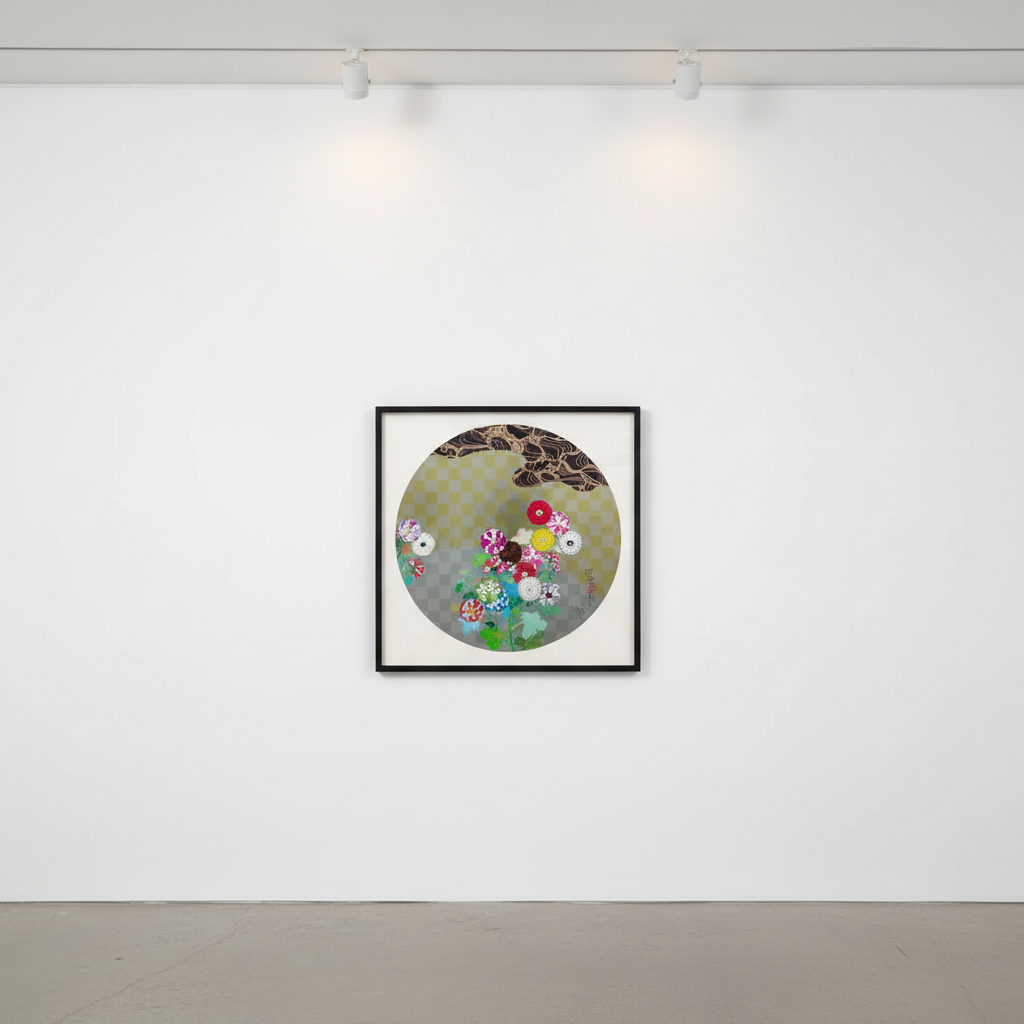
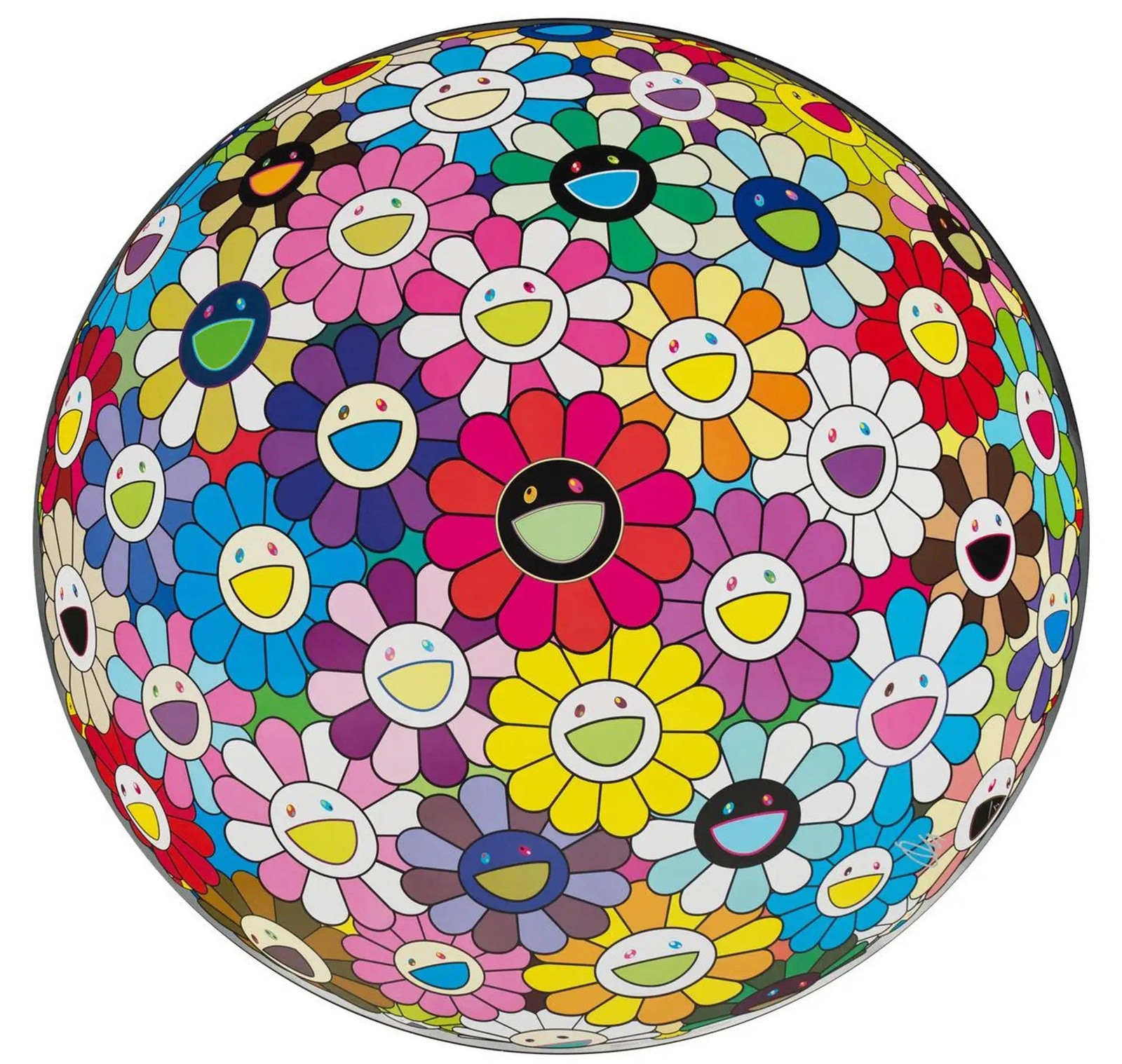
Takashi Murakami's Flower Ball series stands as a vivid and dynamic collection that has become one of the most recognizable and iconic manifestations of his artistic vision. Known for his experimental and boundary-pushing approaches, Murakami creates in this series an array of exuberant circular paintings filled with intense patterns of flowers, each bursting with bright, bold colors. This riotous vibrancy, a hallmark of Murakami’s style, transforms each piece into a mesmerizing visual experience.At the heart of the Flower Ball series is the depiction of flowers with centers that resemble smiley face emojis. These cheerful, expressive faces grant the flowers a semblance of emotion and personality, an aspect Murakami emphasizes as central to understanding his work. According to the artist, each flower portrays its own feelings and individuality, underscored by the unique color combinations that mark each one. This detail not only reflects Murakami's meticulous attention to color and detail but also his deep engagement with the concept of identity within his works.Murakami’s technical prowess is further showcased through the use of spatial recession in this series, which adds a mesmerizing three-dimensional effect to the flat or glossy surface typically seen in his prints. This illusion of depth is enhanced by a reflective ring of metal foil that outlines each print, intensifying the viewer’s perception of looking into a three-dimensional flower ball.Beyond the technical achievements, the Flower Ball series also reflects Murakami's deep engagement with various facets of Japanese pop culture. The emoji-like faces on the flowers nod to his fascination with otaku culture—a subculture tied to anime, manga, and computer enthusiasts—and kawaii culture, which celebrates all things cute. These elements, traditionally categorized as 'low' culture, are elevated through Murakami's use of sophisticated fine art techniques, effectively blurring the lines between high and low art.Through the Flower Ball series, Murakami demonstrates how disparate cultural elements can coexist and enrich one another, creating a complex commentary on the nature of art and culture. By incorporating and elevating popular culture motifs with traditional fine art practices, Murakami not only challenges cultural hierarchies but also redefines them, presenting a vibrant celebration of visual culture that resonates on multiple levels. This series is a testament to Murakami's ongoing exploration of the intersections between identity, culture, and artistic expression.
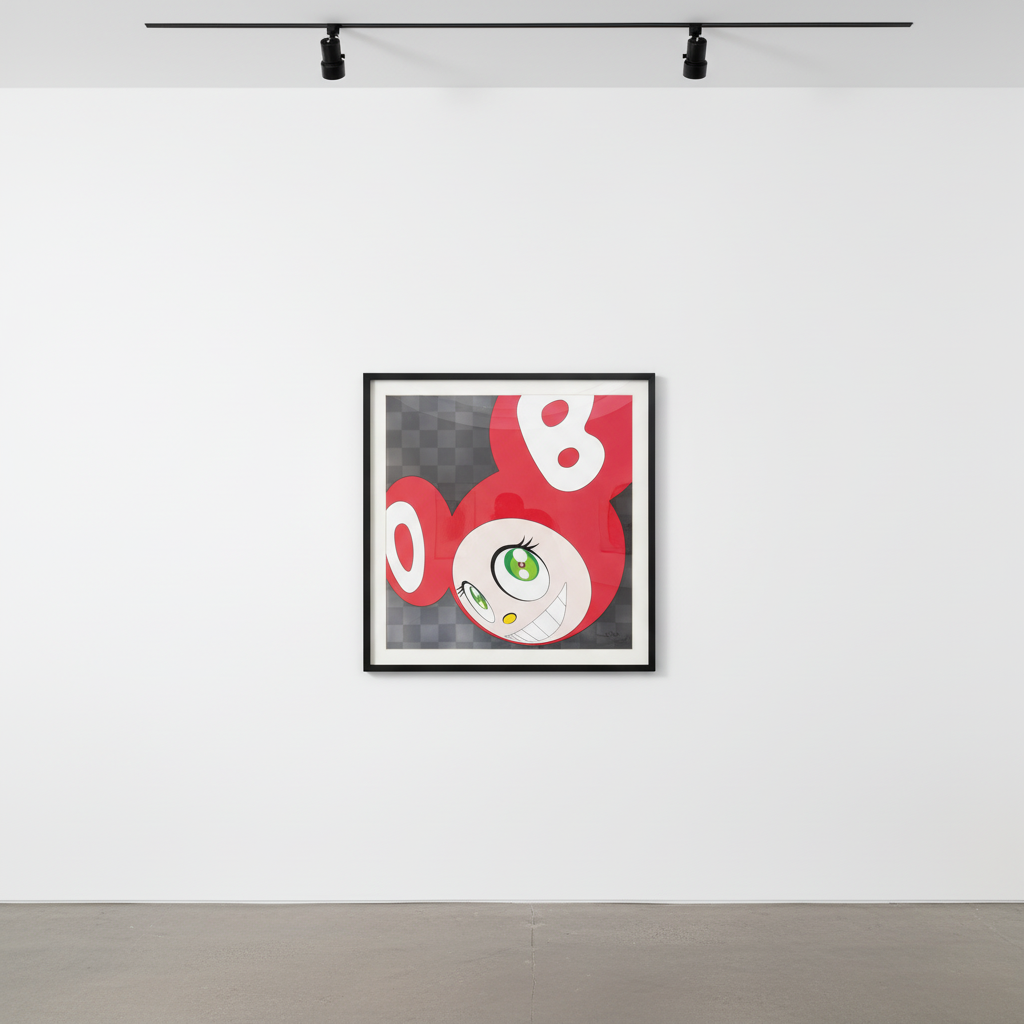
Takashi Murakami prints for sale at Guy Hepner Gallery in New York span the full range of his edition output: Superflat flower prints, skull series, Mr. DOB works, Kaikai Kiki editions, and collaborative works that have made Murakami one of the most actively traded artists in the contemporary print market. For collectors seeking Takashi Murakami art for sale — whether an iconic flower screenprint, a limited-edition sculpture multiple, or a major canvas — Guy Hepner at 177 Tenth Avenue, New York offers expert guidance, full provenance documentation, and access to authenticated works across all his major series.
Takashi Murakami (b. 1962, Tokyo) is the defining figure of contemporary Japanese art on the international stage — an artist, theorist, entrepreneur, and studio director whose Superflat theory and the enormously productive practice it generated have permanently altered the conversation about the relationship between high art and popular culture, between Western postwar painting and East Asian visual tradition, and between the studio and the factory. Murakami received his BA, MA, and PhD from the Tokyo University of the Arts in Nihonga — traditional Japanese painting — a rigorous formation that gives his apparently anarchic pop sensibility its underlying structural discipline.
The Superflat manifesto, which Murakami developed and articulated in the early 2000s, proposed that the flattened pictorial space of traditional Japanese painting and the surface-oriented aesthetics of anime and manga were not merely parallel phenomena but expressions of the same deep cultural logic — a logic that Western art history had misread as naivety but which Murakami identified as a sophisticated and distinctive mode of representation.
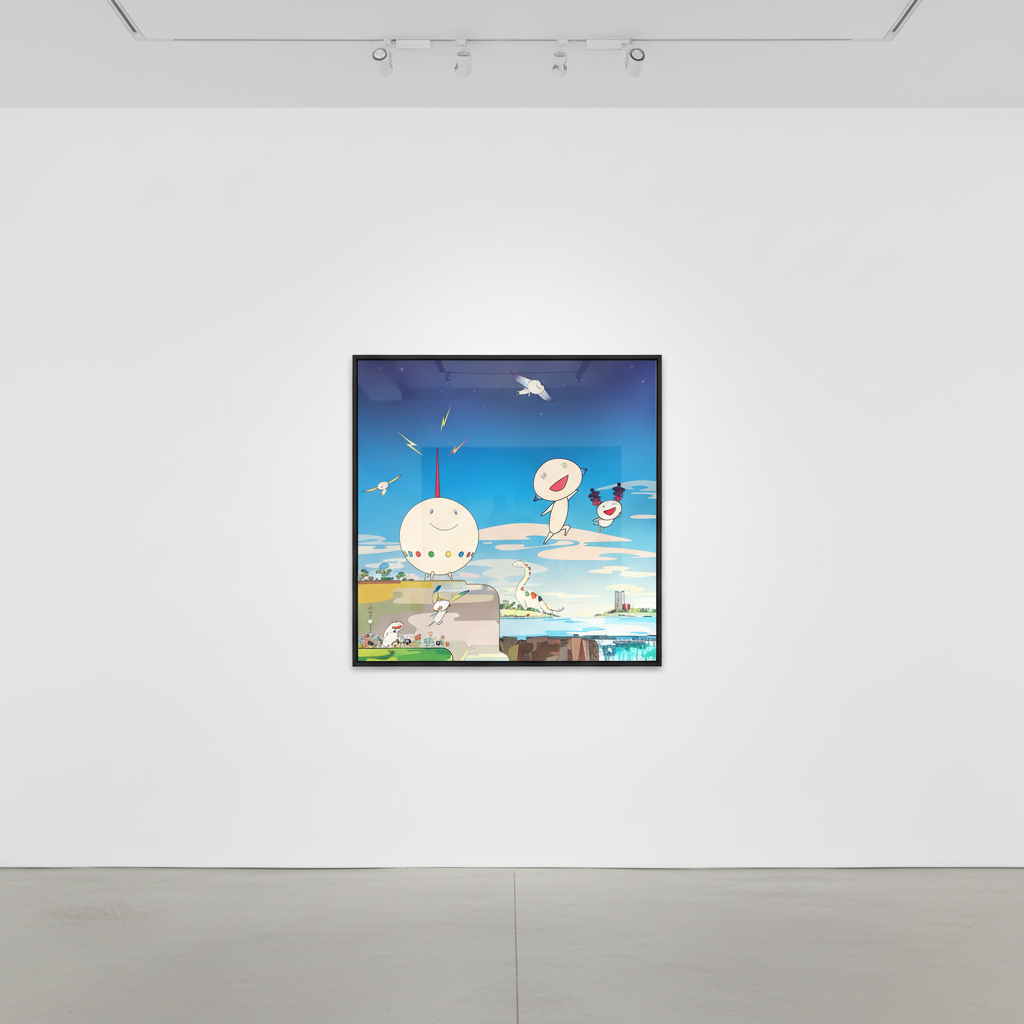
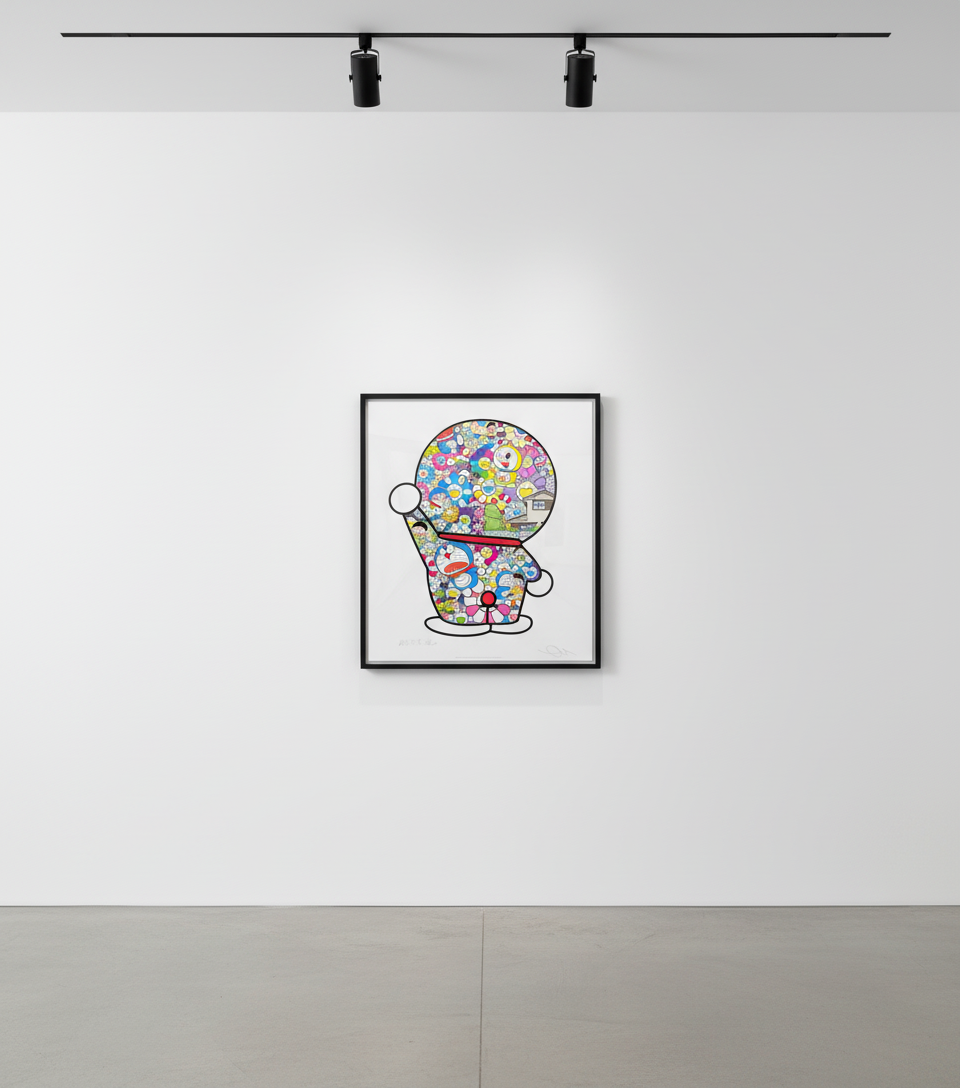
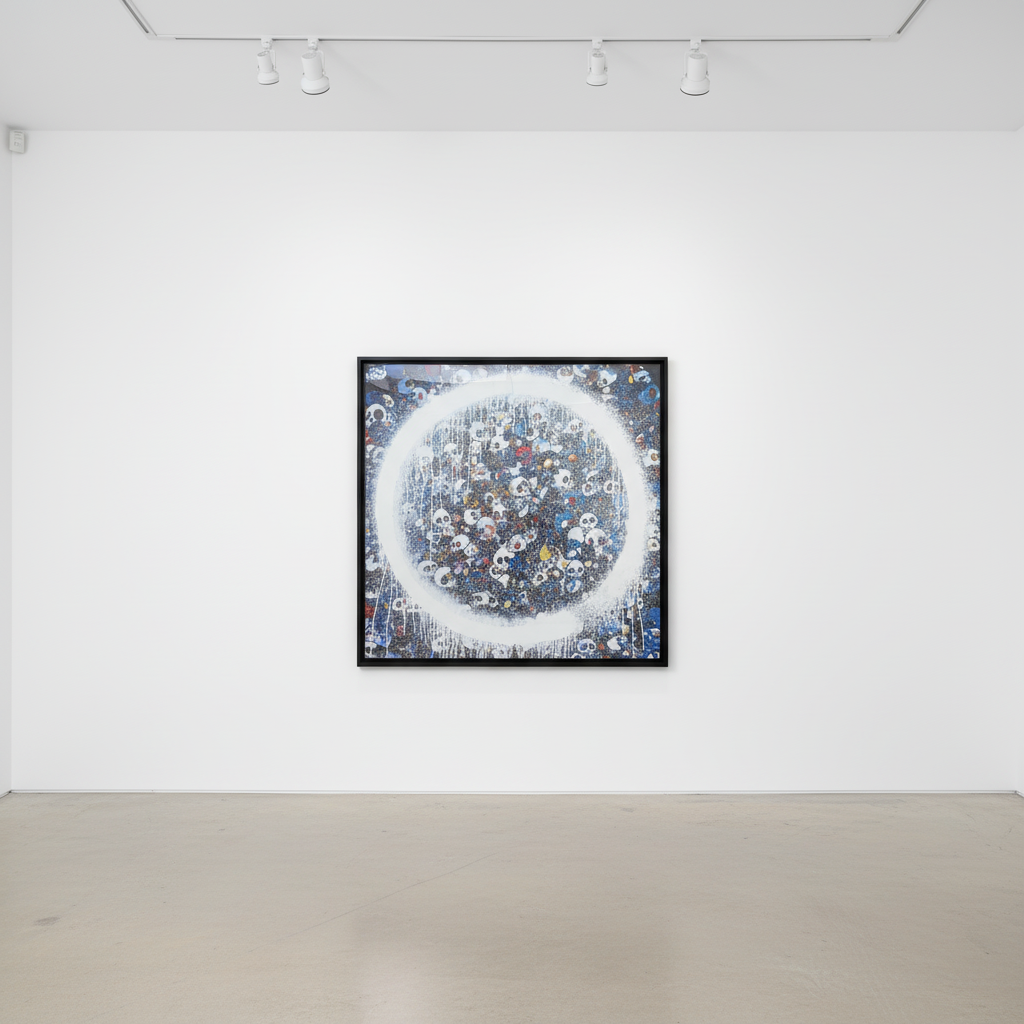
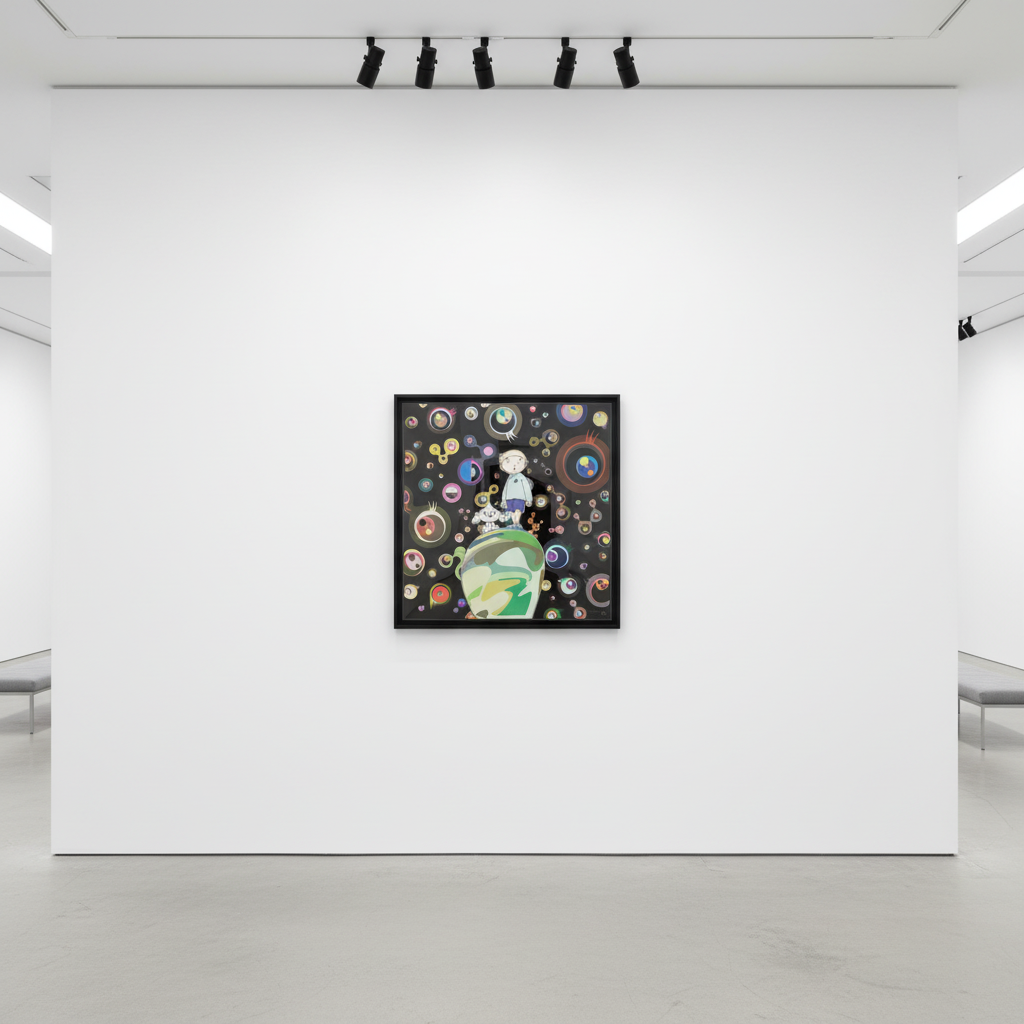
Through his practice, Murakami has built a visual universe populated by recurring characters and motifs:
Murakami's Kaikai Kiki studio and production company — employing dozens of assistants in an explicit homage to both the Japanese craft workshop and Warhol's Factory — produces paintings, sculptures, editions, merchandise, and cultural events with equal seriousness and commercial intent. This model, in which studio production, cultural criticism, and commercial output are deliberately merged, is central to understanding Murakami's practice and the edition market that surrounds it.
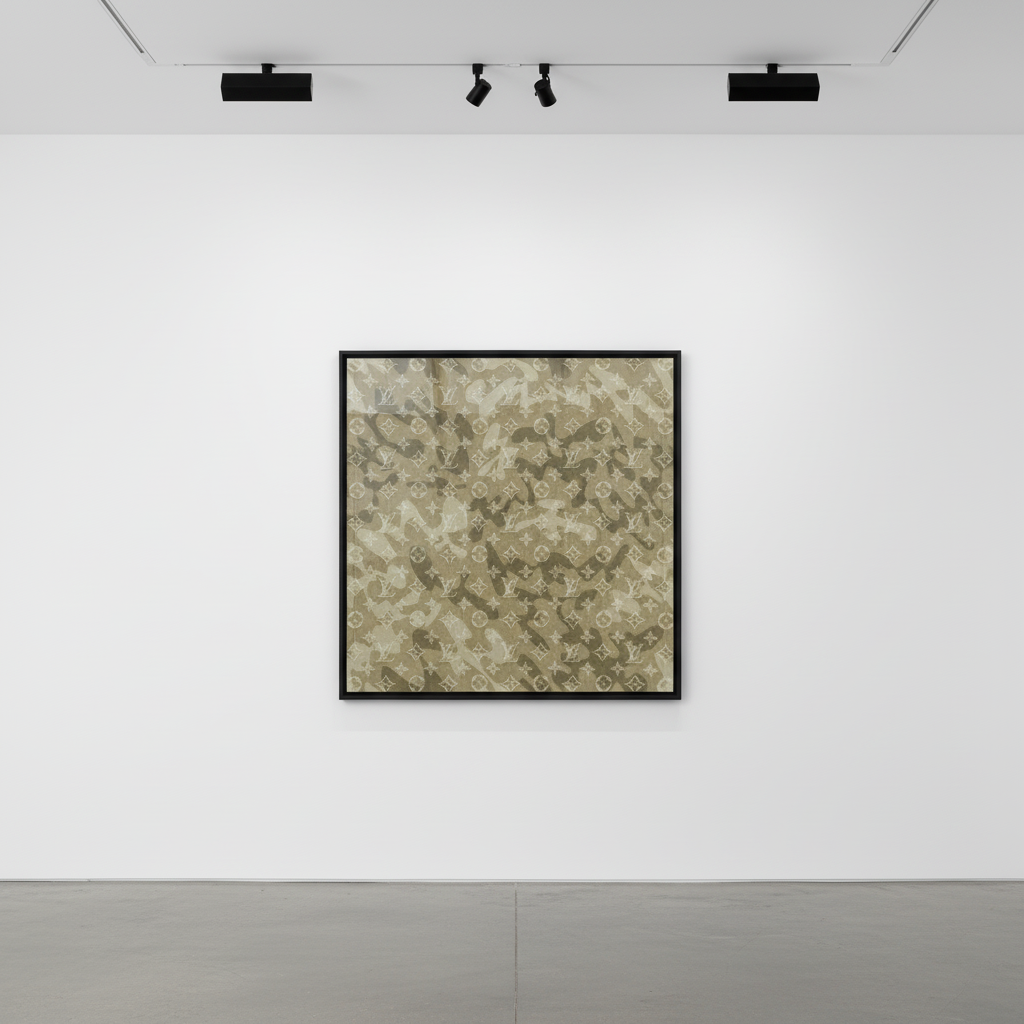
Murakami's major collaborations have extended his work into fashion, music, and popular culture on a global scale. His partnership with Louis Vuitton produced some of the most successful fashion-art collaborations of the 2000s. His album artwork for Kanye West's Graduation brought his visual language to audiences that had no prior engagement with contemporary art. His collaborations with Supreme and other streetwear brands have ensured that his work circulates across youth culture as readily as it does in museum collections.
These collaborations have expanded the collector base for his fine art editions significantly: many collectors who first encountered Murakami through fashion or music have subsequently acquired prints and multiples, creating sustained demand across a wider demographic than most contemporary artists command.
Murakami's auction record stands at $15,200,000 for My Lonesome Cowboy (1998) at Sotheby's New York in 2008, and major paintings continue to command seven-figure results. His edition prints and multiples — flower series, skulls, Mr. DOB, Kaikai Kiki — are among the most actively traded in the contemporary edition market globally. Print prices range from $3,000–$5,000 for smaller open editions through $50,000–$200,000+ for rare signed limited editions and artist proofs in high demand colourways.
Murakami's work is held in permanent collections at MoMA, MOCA Los Angeles, the Asian Art Museum San Francisco, Tate Modern, the Guggenheim Museum Bilbao, the Centre Pompidou, the Rubell Museum, and the Mori Art Museum Tokyo.
Edition size: Murakami produces both open-edition merchandise-style prints and tightly limited fine art editions. The latter — often numbered to 50 or fewer, with hand signature and certificate of authenticity from Kaikai Kiki — carry the strongest value and market liquidity.
Motif and colourway: Flower works in rare colourways, skull editions, and Mr. DOB prints consistently outperform peripheral motifs. Rainbow colourways and gold/metallic editions typically carry premium over standard colourways.
Authentication: All fine art editions should come with Kaikai Kiki certificates of authenticity and, for works sold through Perrotin or other authorised galleries, original gallery documentation.
Condition: Murakami's prints are typically produced on archival substrates, but condition remains important — works stored and framed correctly hold value most reliably.
Guy Hepner offers a curated selection of Takashi Murakami prints for sale and edition multiples across all his major series from our gallery at 177 Tenth Avenue, New York. We bring expert knowledge of the Murakami edition market and offer free, confidential valuations for collectors looking to sell or appraise their holdings. Whether you are seeking an iconic flower print, a skull series multiple, or a rare signed limited edition, Guy Hepner provides the market expertise, authentication assurance, and collector access to support every acquisition.