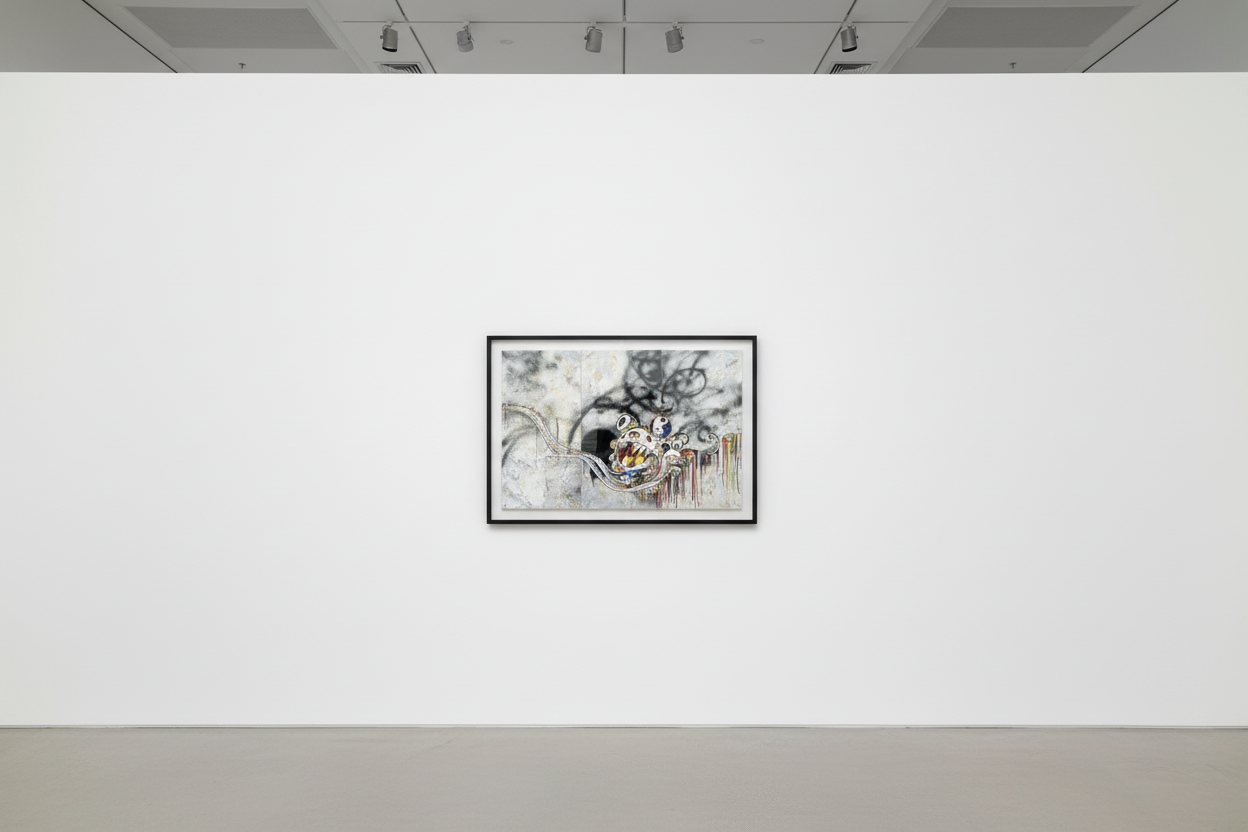
727
3 works

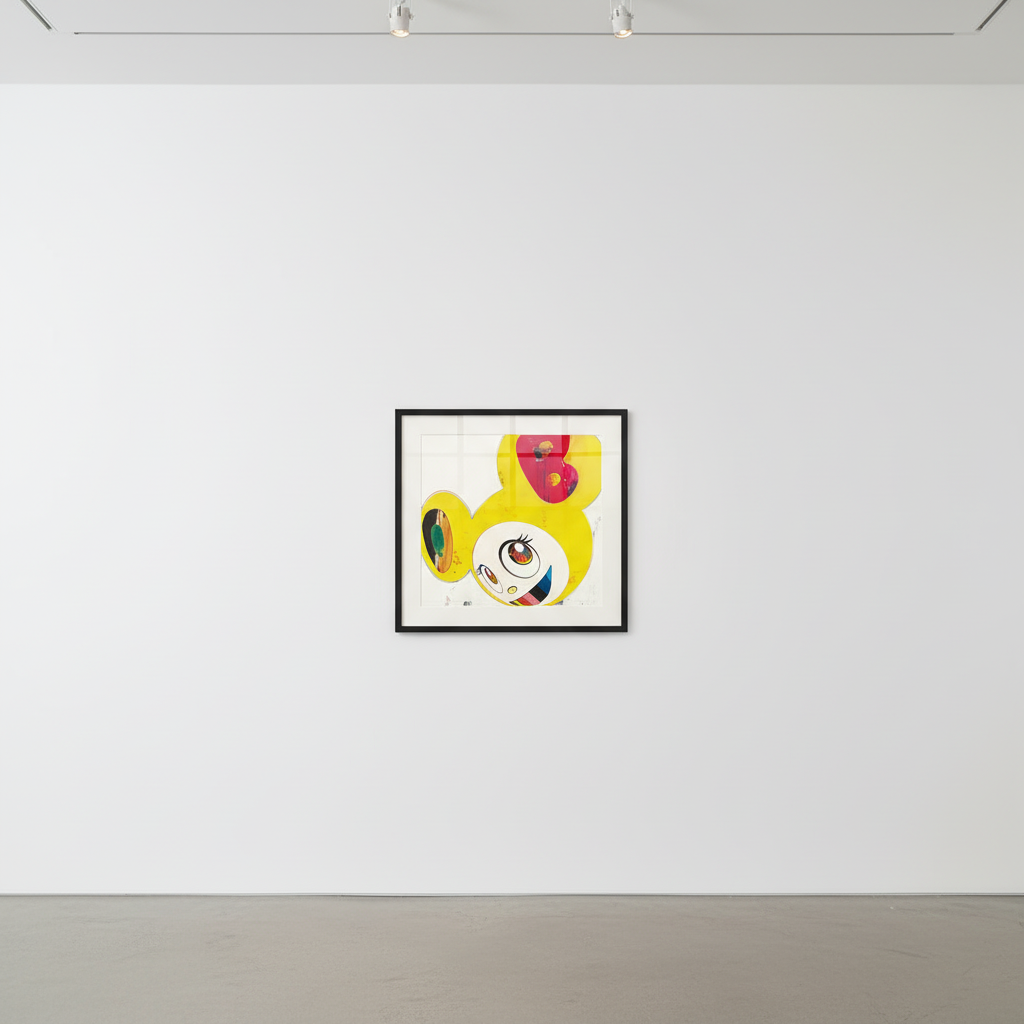
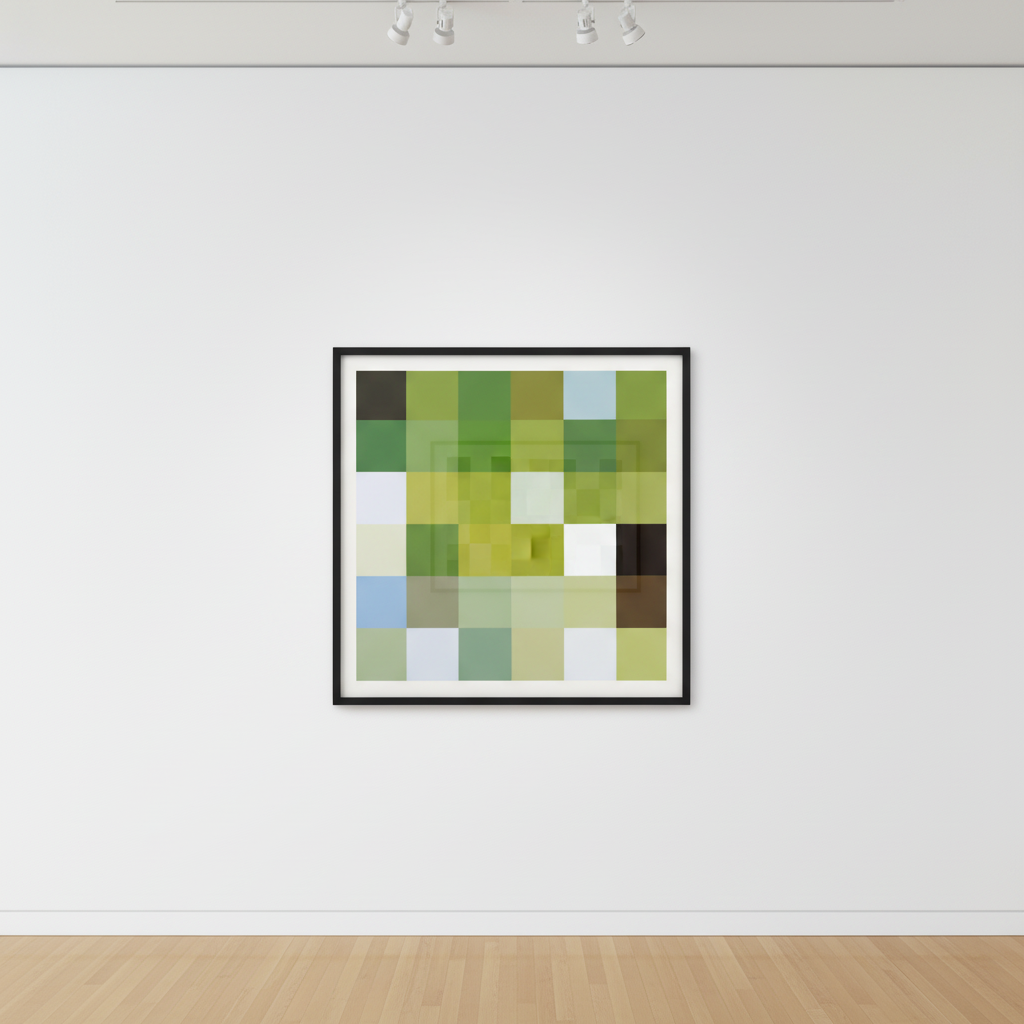
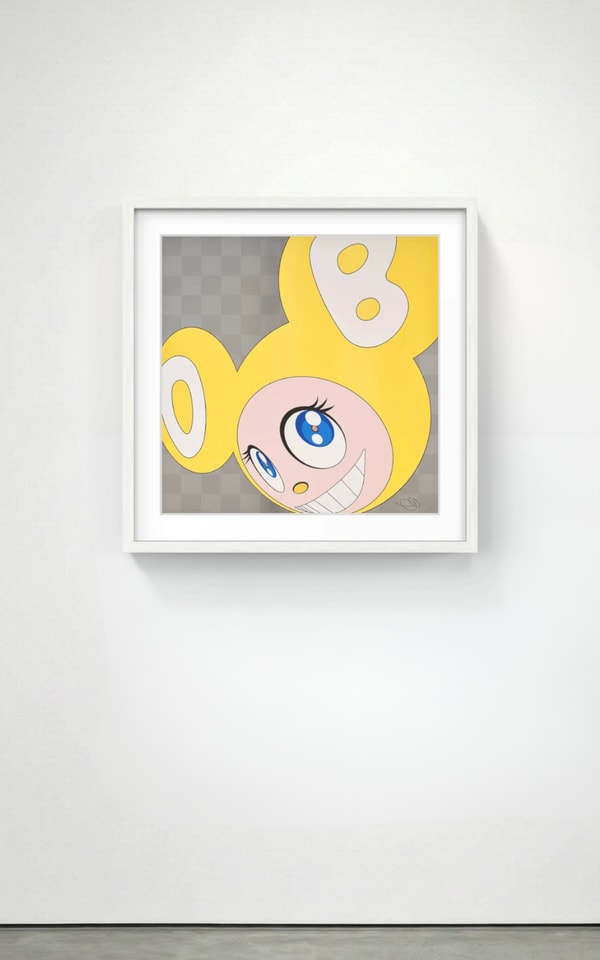
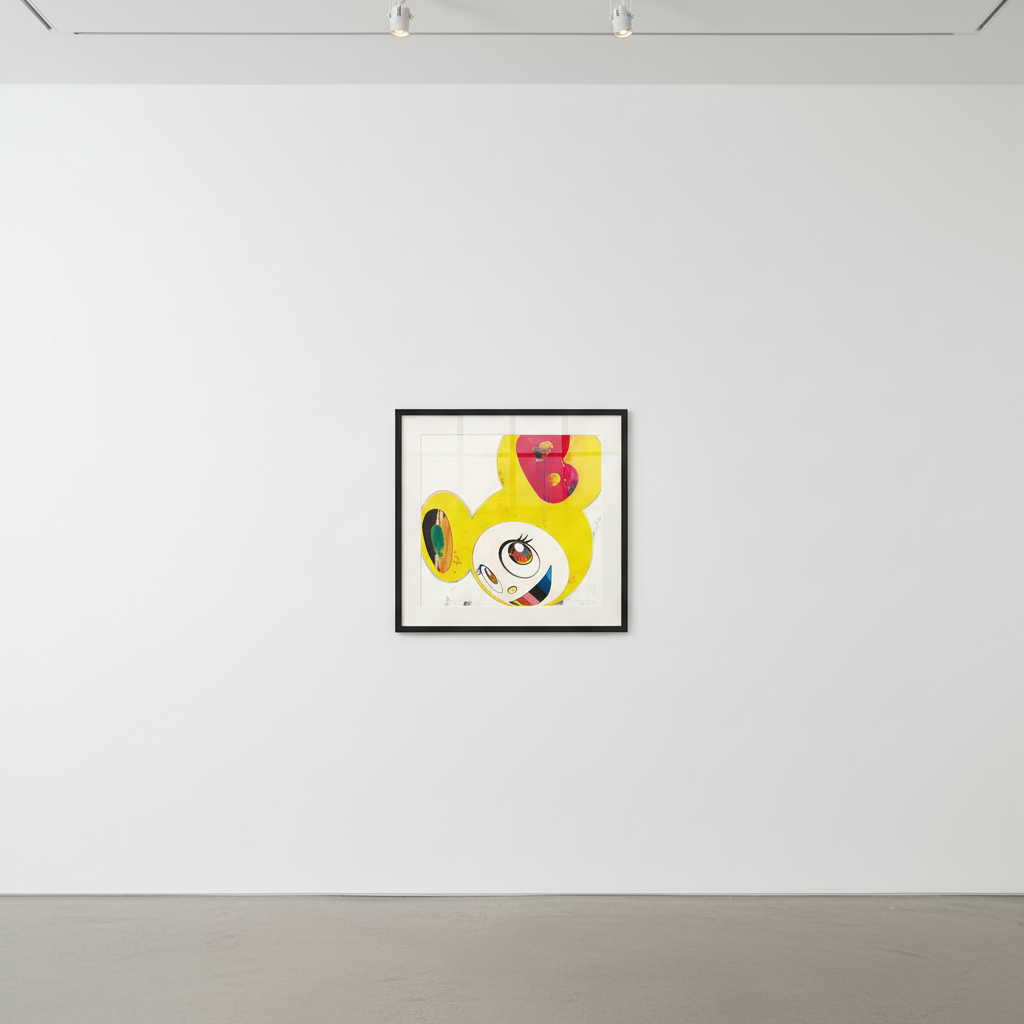
And Then (lemon yellow), 1999
Lithograph
18 7/8 x 18 7/8 in 48 x 48 cm
Edition of 300
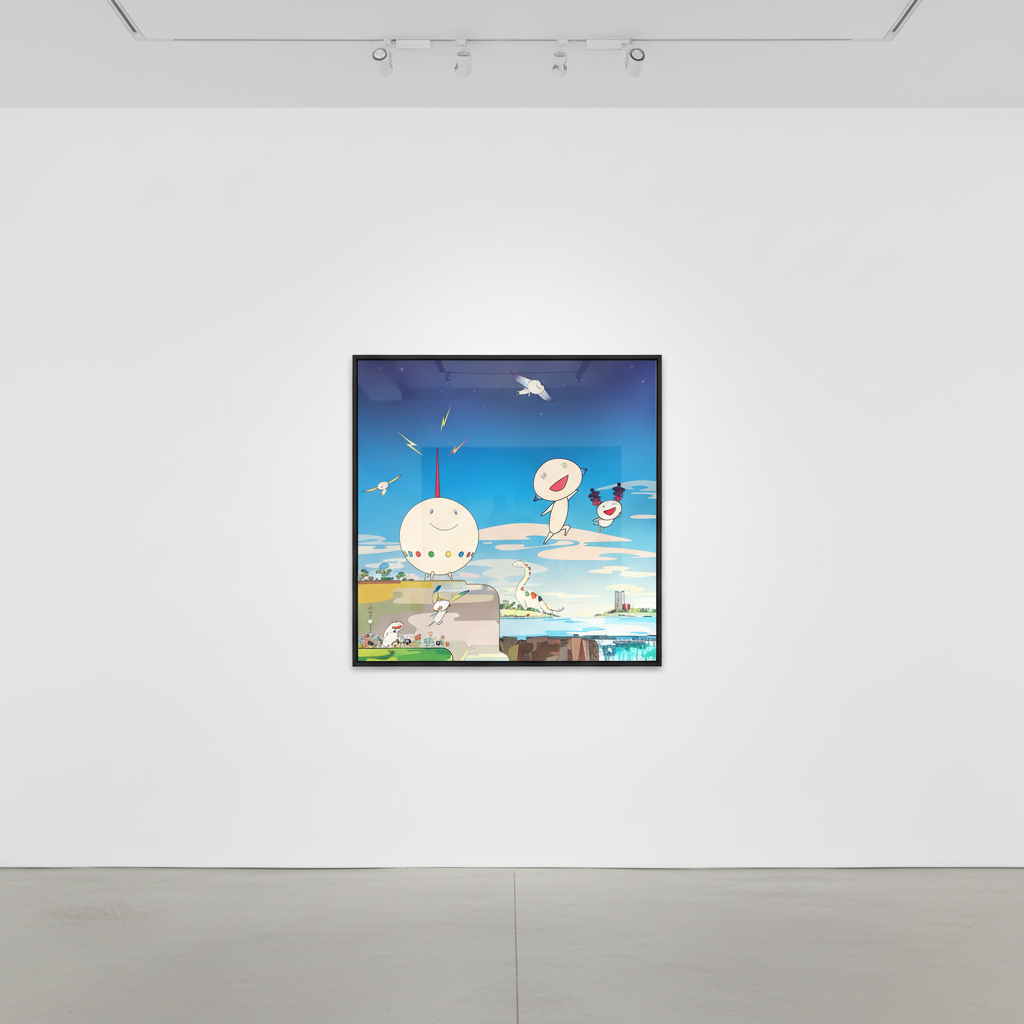
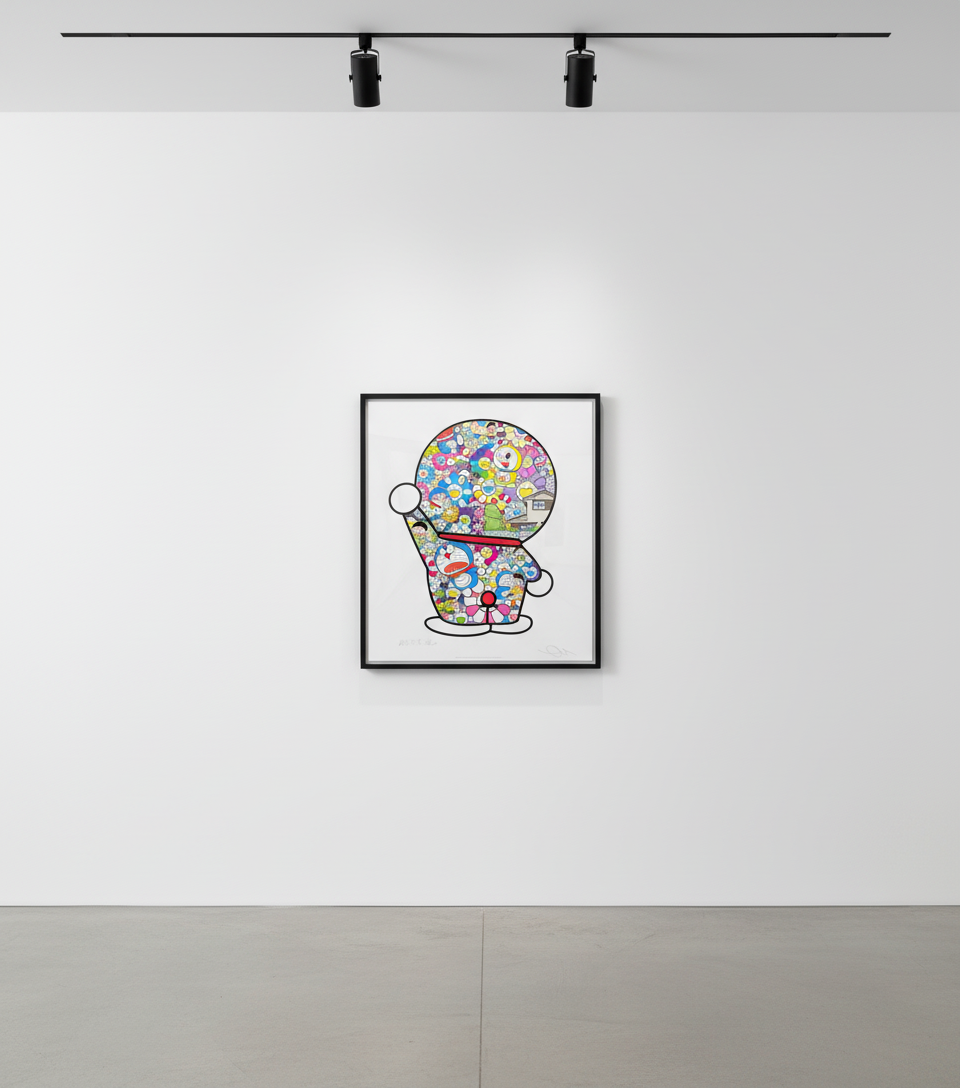
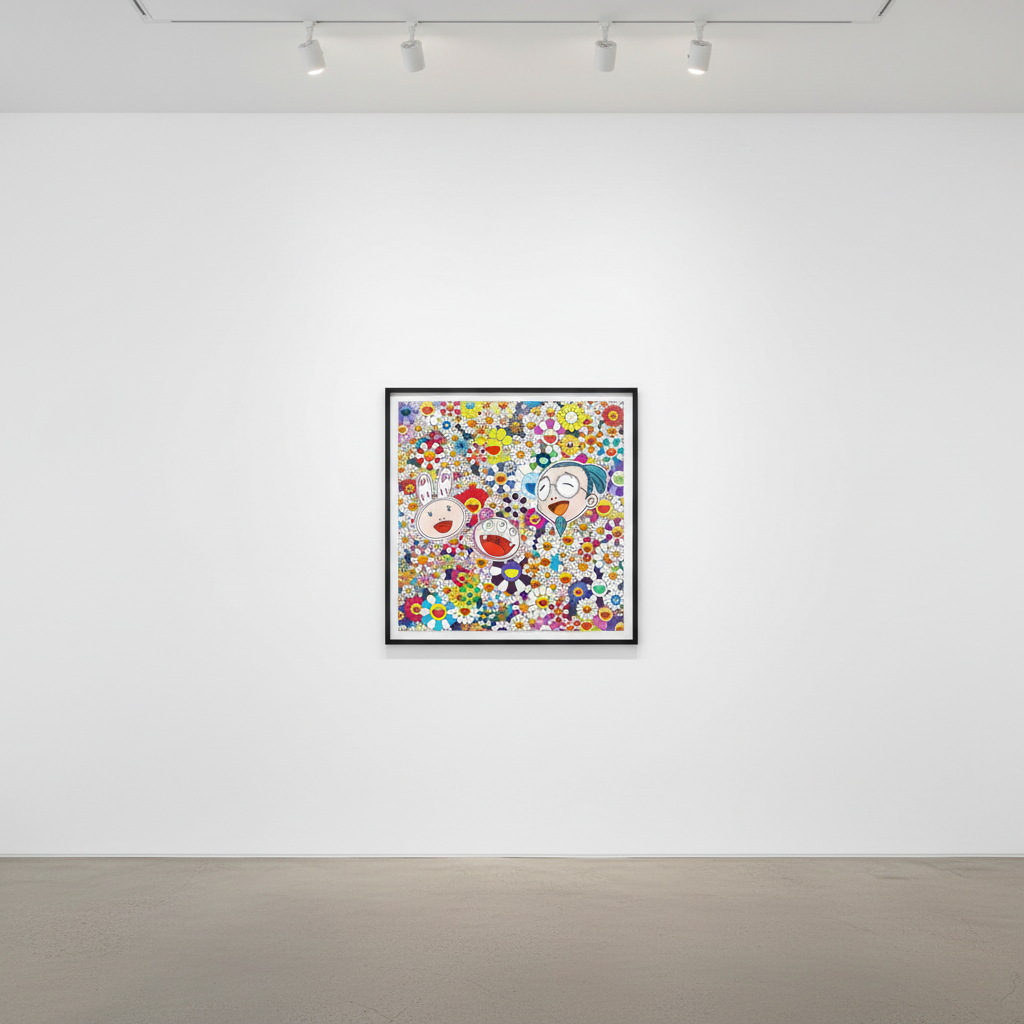
Takashi Murakami's And Then series is a vibrant and iconic exploration of contemporary art, fusing his signature Superflat aesthetic with a deep engagement with popular culture. At the heart of this series is Mr. DOB, a recurring character in Murakami's work that serves as both a self-portrait and a playful commentary on consumerism, identity, and artistic tradition. The And Then series depicts Mr. DOB in various energetic and kaleidoscopic compositions, often surrounded by bright colors, whimsical patterns, and intricate detailing that reflect Murakami's mastery of blending traditional Japanese art with modern techniques.The series' title, And Then, suggests an open-ended narrative, encouraging viewers to ponder the evolution of Mr. DOB as a symbol and the broader implications of his metamorphic transformations. Each piece presents a mix of cartoonish charm and unsettling undertones, challenging viewers to consider the blurred lines between art, commerce, and mass production. Through this series, Murakami captures the tension between individuality and the homogenization of culture, making And Then a cornerstone of his artistic legacy. With its dynamic visuals and thought-provoking themes, the series continues to resonate with audiences worldwide, solidifying Murakami's status as a pioneer of contemporary art.
Price on Application
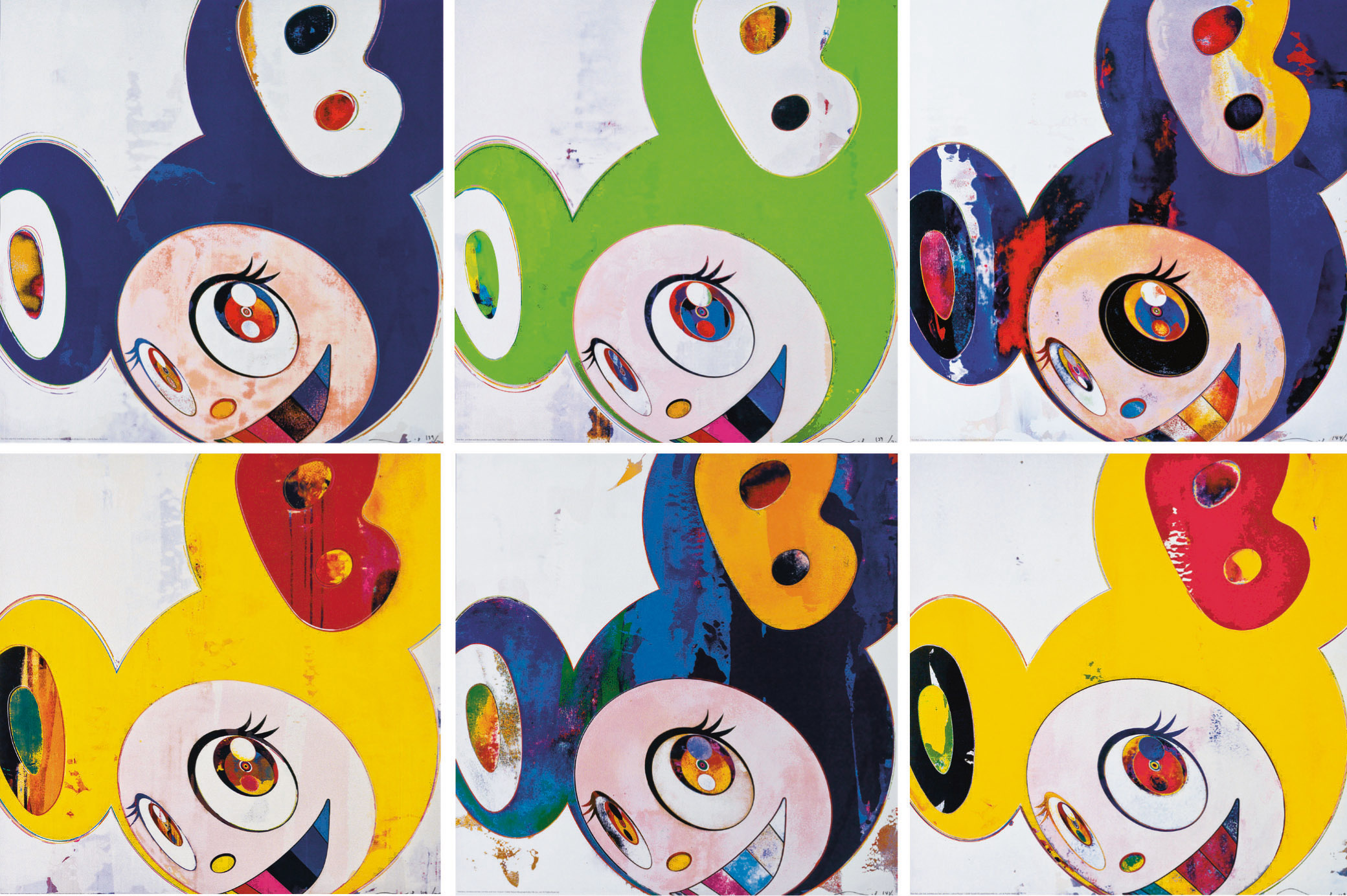
And then, and then and then and then and then · Takashi Murakami · Christie's · 2010-05 · $27,279
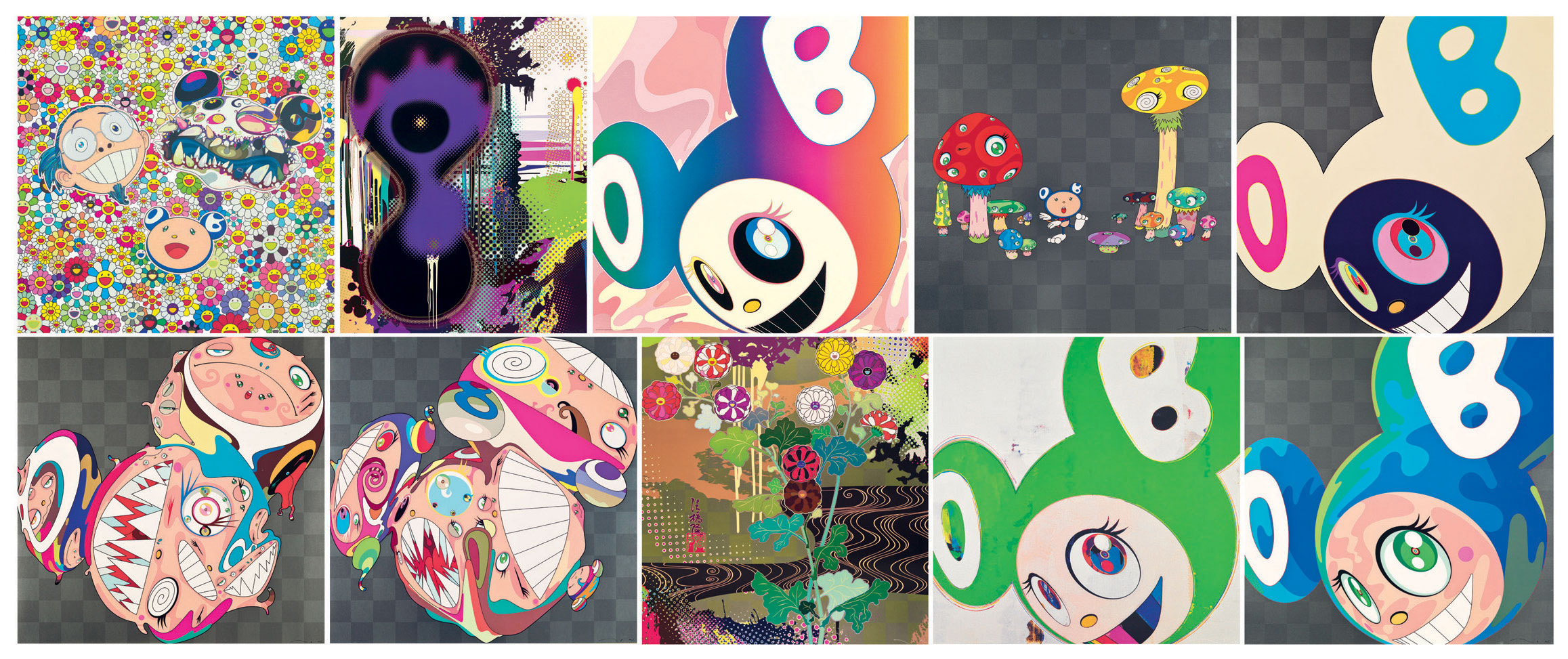
Me and Double-DOB; Infinity; AND THEN Rainbow; Guru Guru; AND THEN Platinum; Melting DOB D; Melting DOB E; Kansei Gold; And then, and then and then and then and then/Green Truth; & Melting DOB A · Takashi Murakami · Christie's · 2010-11 · $25,762
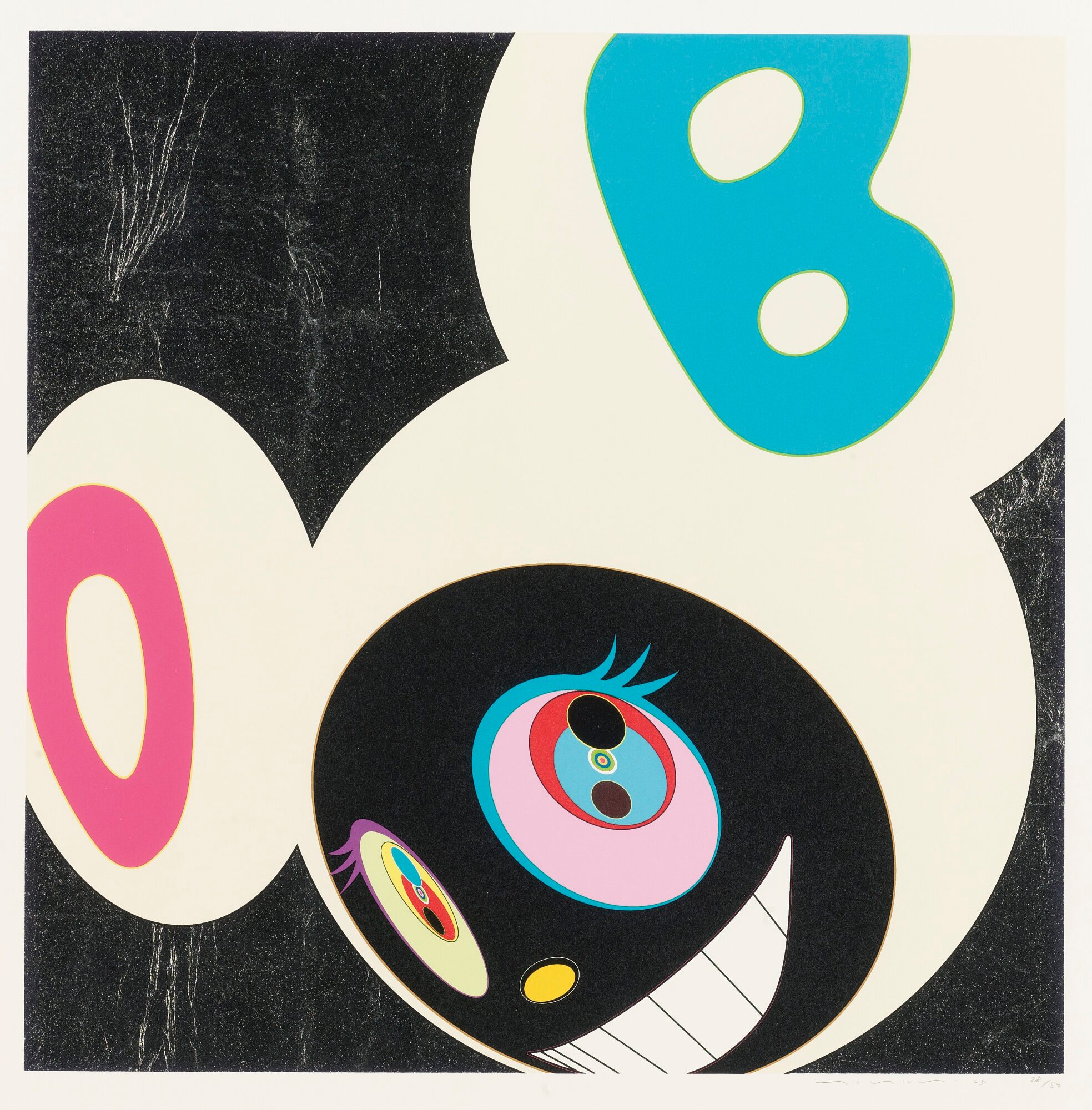
And Then Black; And Then Gold; And Then Rainbow; And Then White; and And Then White and Black · Takashi Murakami · Sotheby's · 2013-05 · $20,000
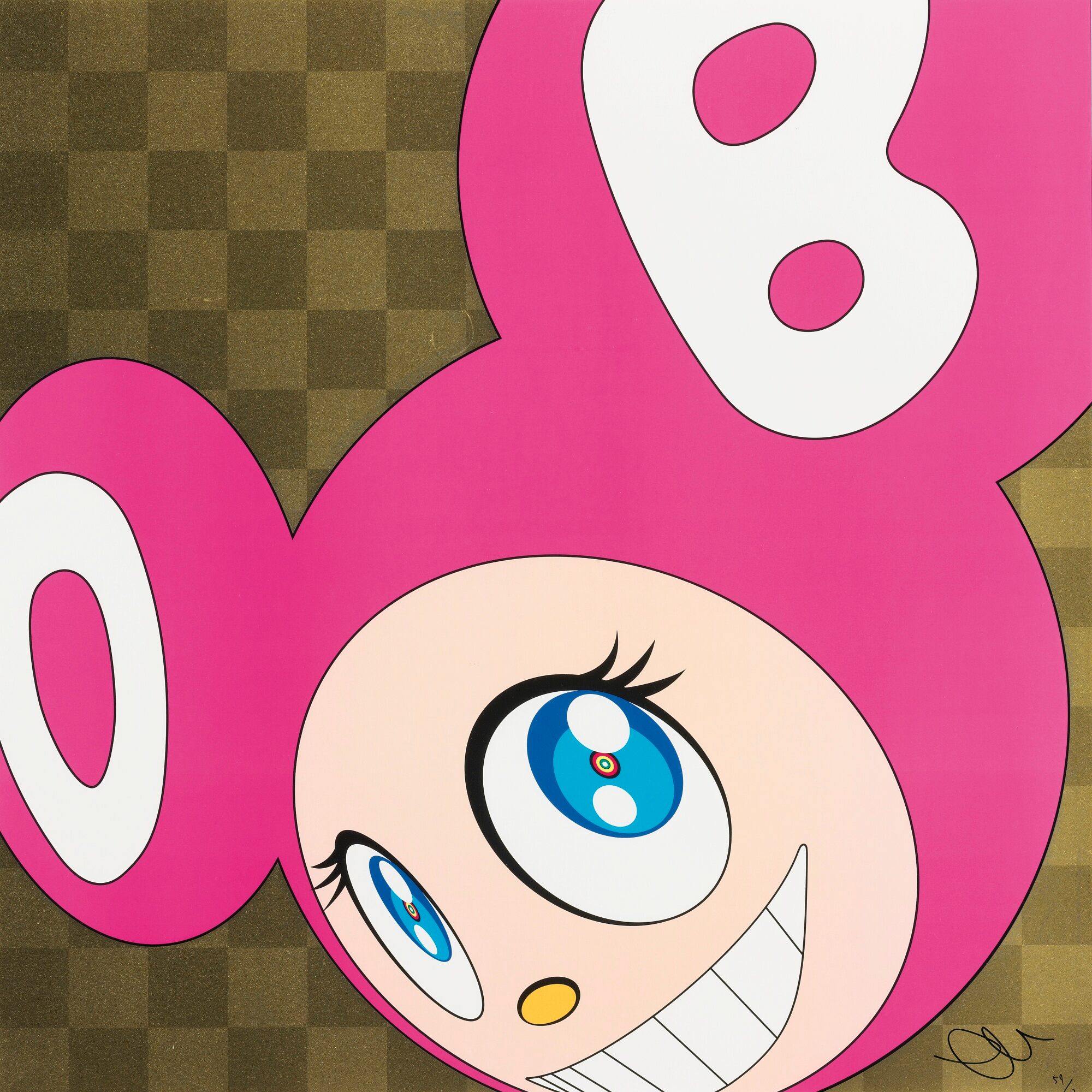
And then and then and then and then and then (Pink); And then and then and then and then and then (Blue); Flower Ball (3-D) Kindergarten; Flowerball Pink · Takashi Murakami · Sotheby's · 2013-11 · $15,000

PARA-KITI DOB (2001); Reversal D.N.A (2001); AND THEN Ichimatsu Pattern (2006); AND THEN Black (2006); And then, and then and then and then and then Yellow Jelly (2008); And then, and then and then and then and then Green Truth (2008); Melting DoB A · Takashi Murakami · Christie's · 2009-05 · $12,901
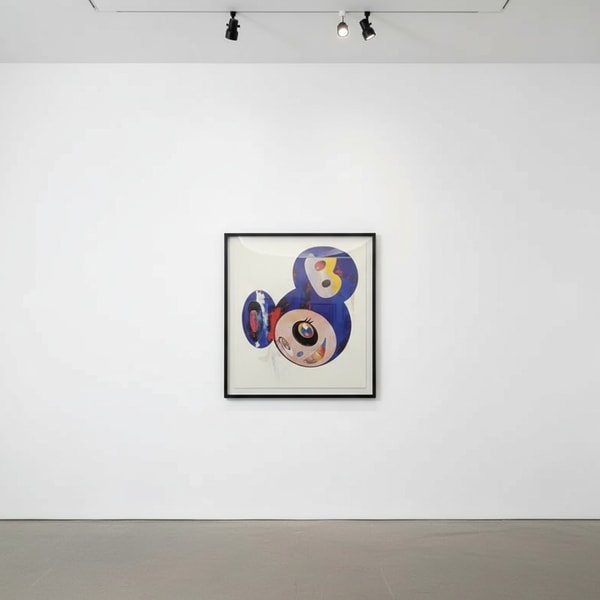
Takashi Murakami
†And then, and then and then and then / Hello
2008
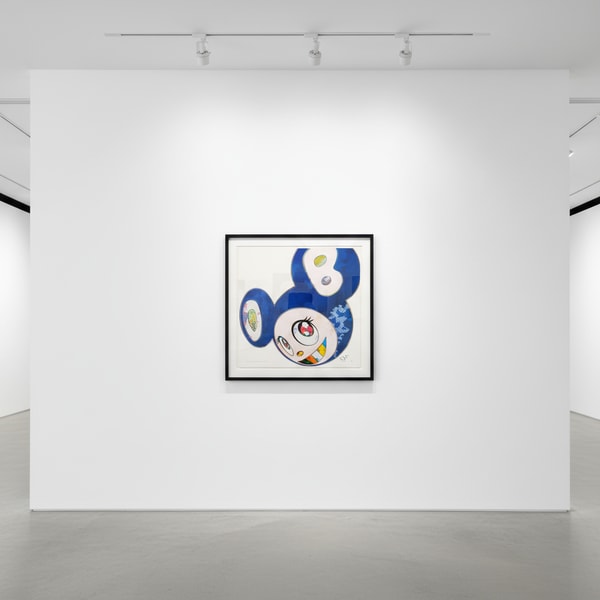
Takashi Murakami
And Then (A Deep Ocean of Ultramarine)
2013
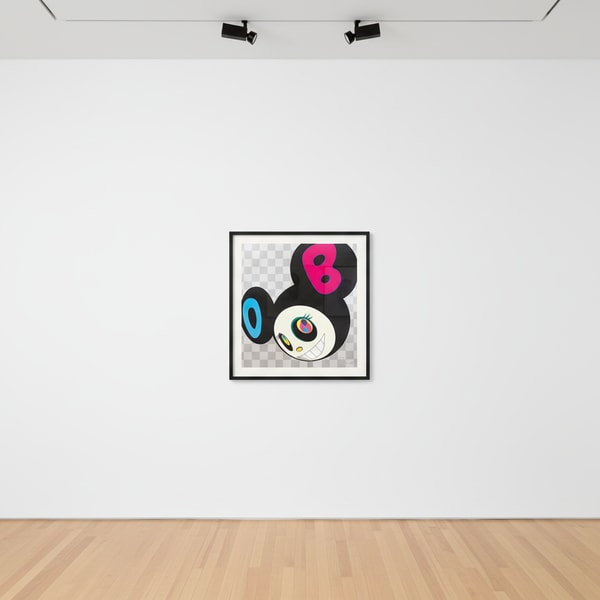
Takashi Murakami
And then (Black)
1996
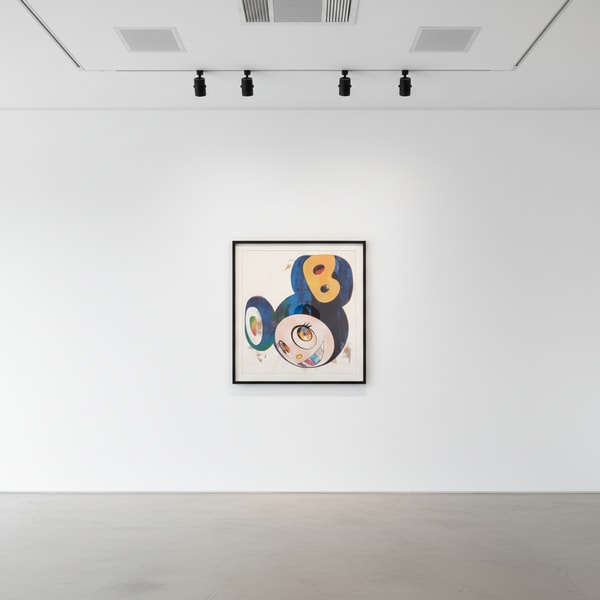
Takashi Murakami
And Then (blue)
2011

Takashi Murakami
And Then (gold)
2005
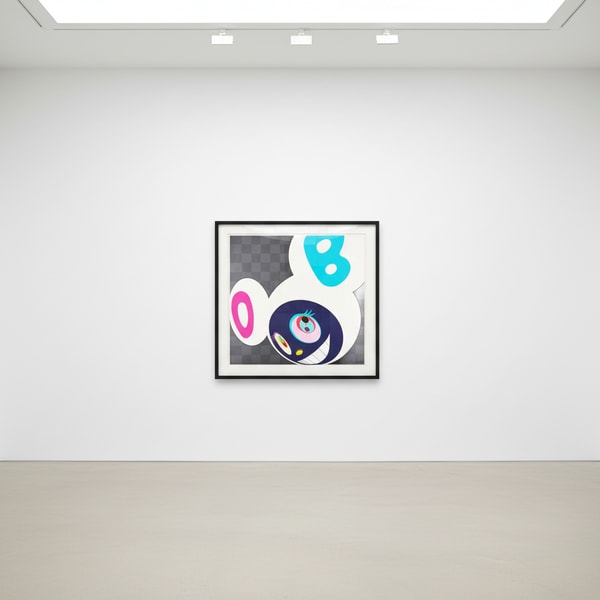
Takashi Murakami
And Then (platinum)
2008
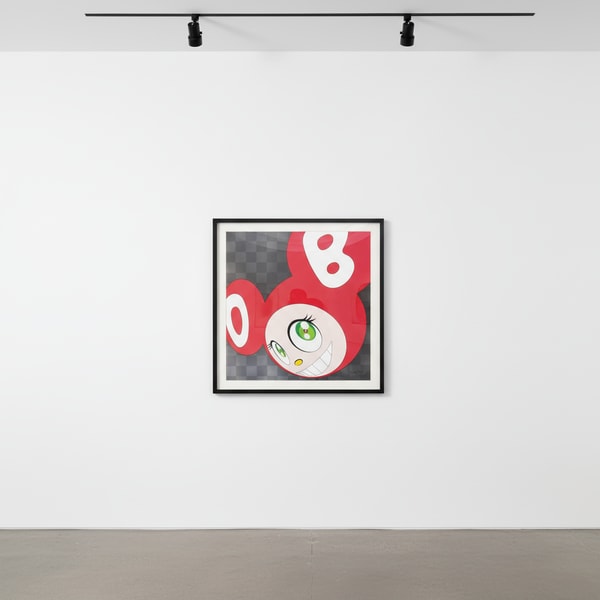
Takashi Murakami
And Then (Red)
2016
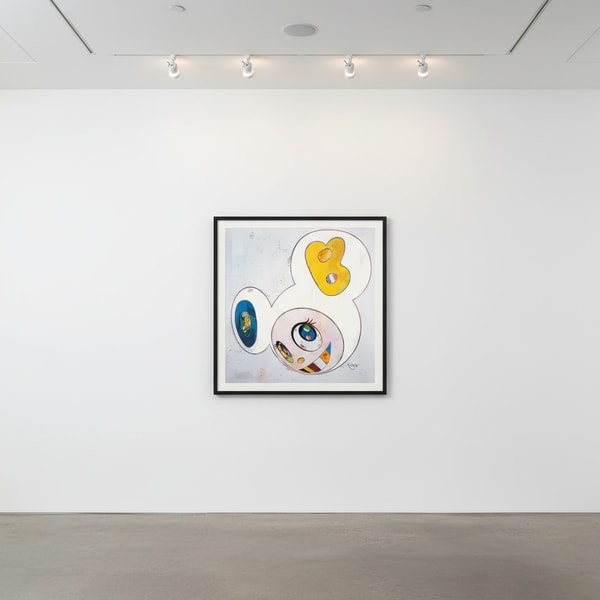
Takashi Murakami
And then (White: The Superflat Method Blue & Yellow ears)
2013
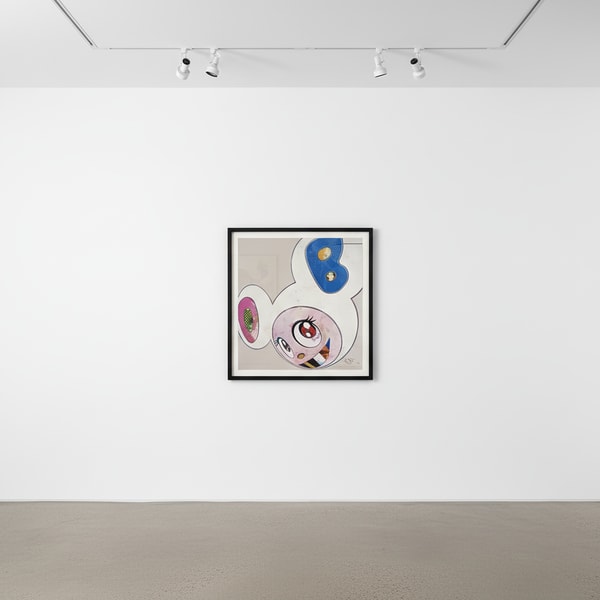
Takashi Murakami
And Then (White: The Superflat Method Pink and Blue Ears
2013
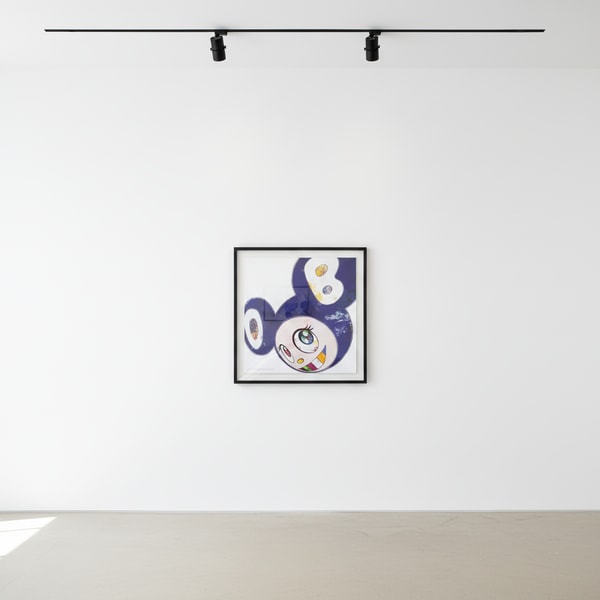
Takashi Murakami
And Then 3000 (Blue)
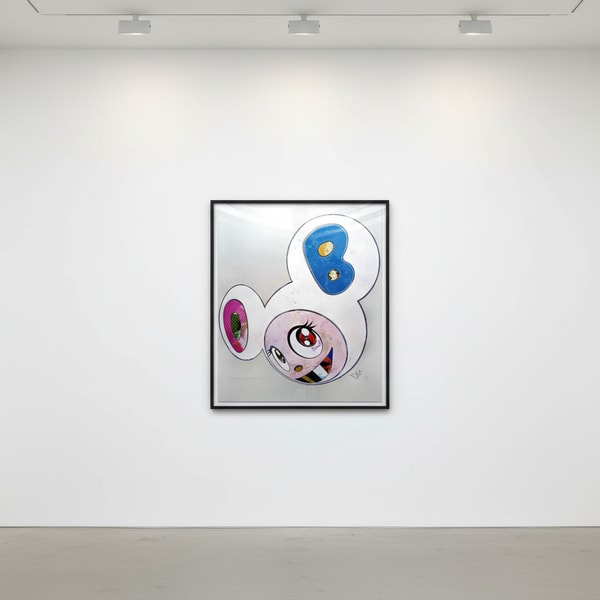
Takashi Murakami
And Then 3000 (White)
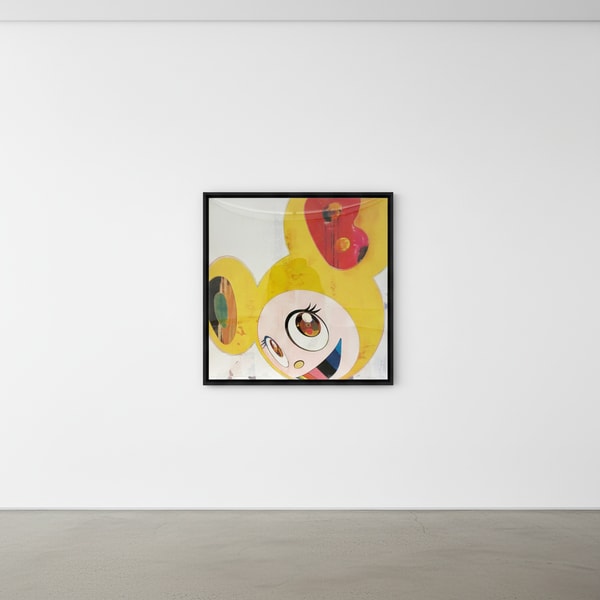
Takashi Murakami
And Then 3000 Yellow
2008
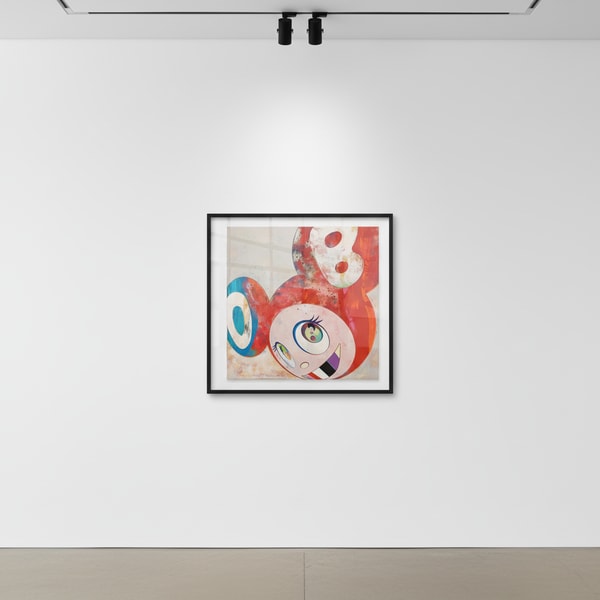
Takashi Murakami
And Then Abstracktes Bild (red)
2006
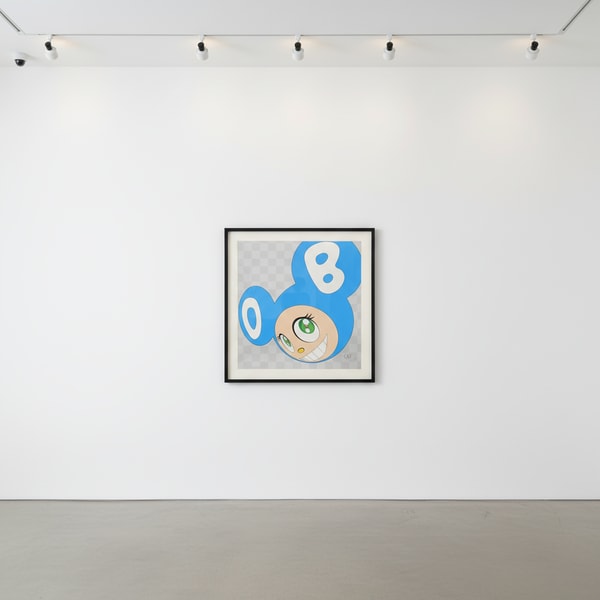
Takashi Murakami
And Then Aqua Blue
1999
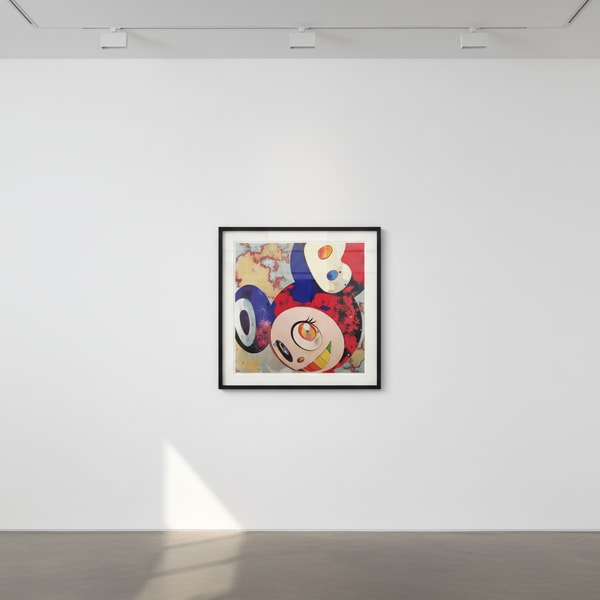
Takashi Murakami
And Then Gargle Glop
2006
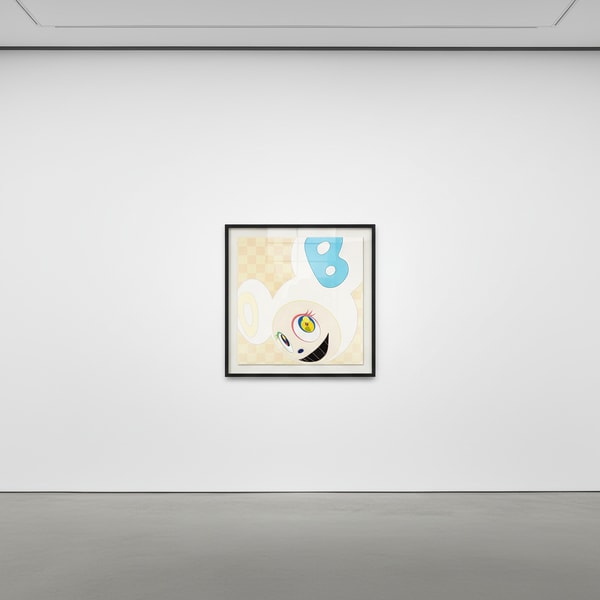
Takashi Murakami
And Then Ichimatsu (white)
2006
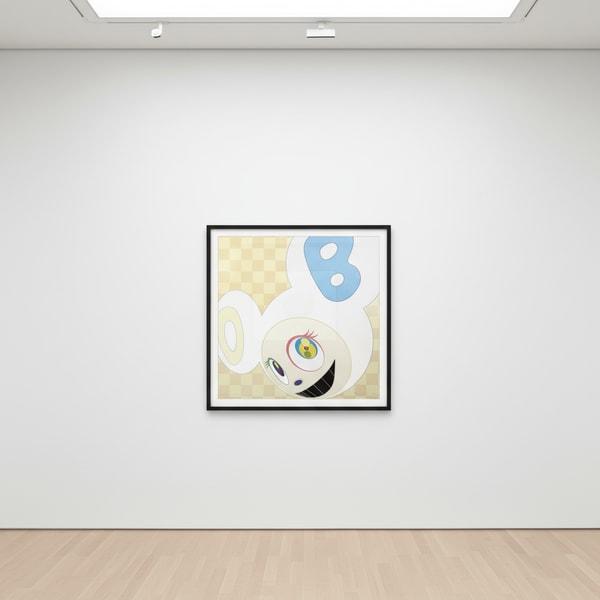
Takashi Murakami
And Then Ichimatsu Pattern
2006
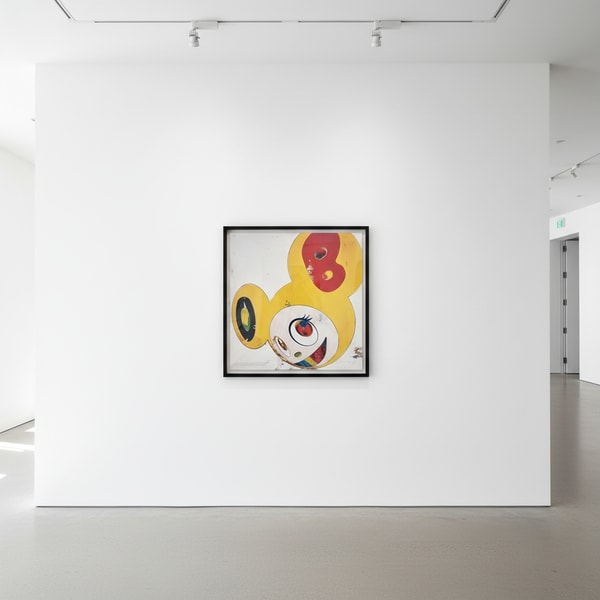
Takashi Murakami
And Then Lemon Pepper
2006
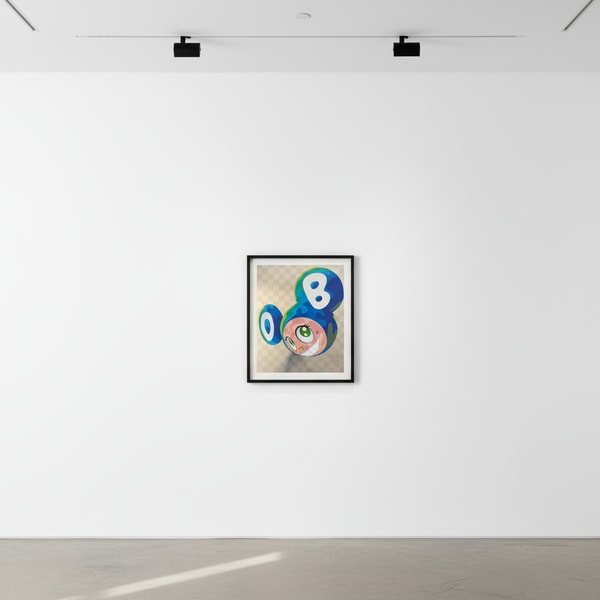
Takashi Murakami
And Then Melting DOB
2006
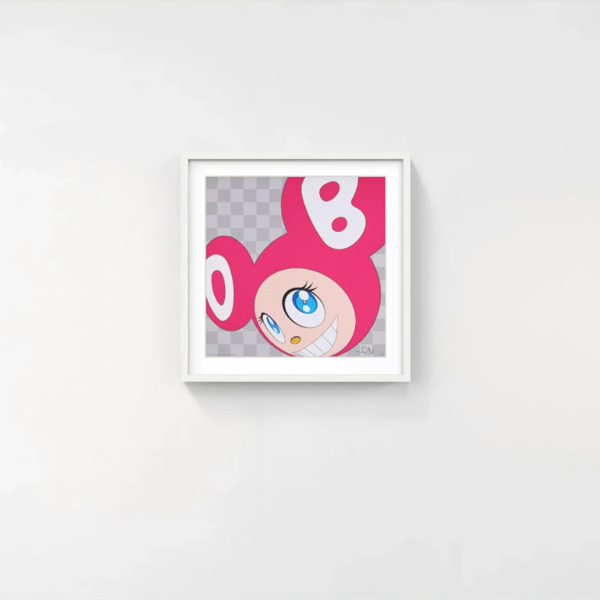
Takashi Murakami
And Then Pink
2008
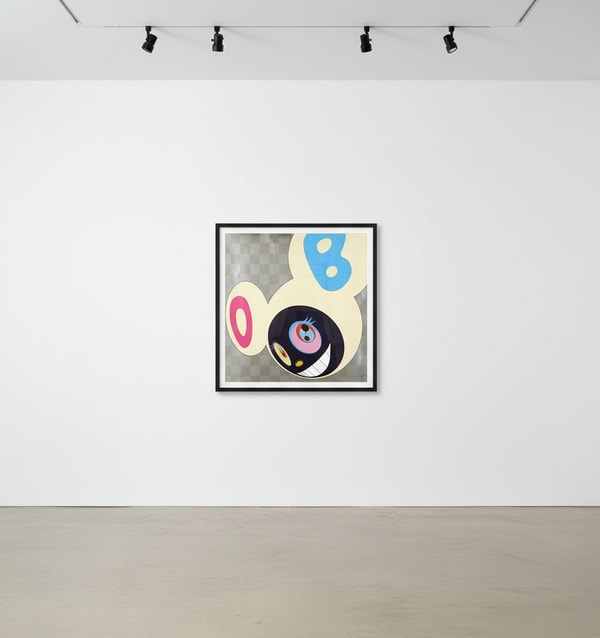
Takashi Murakami
And Then Platinum (cream)
2008
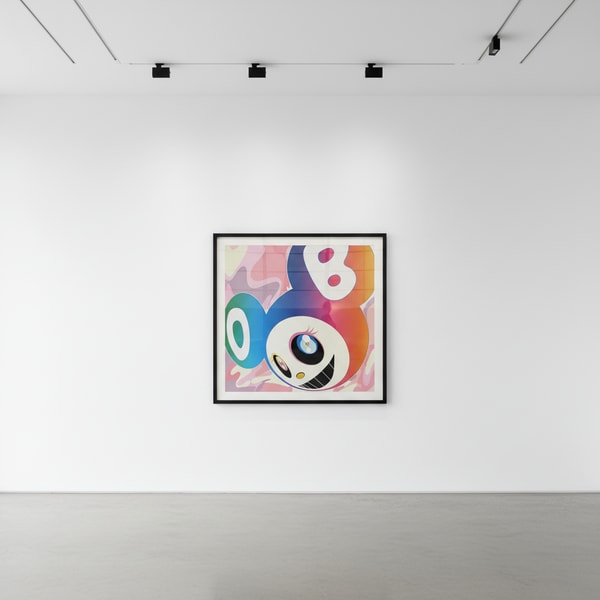
Takashi Murakami
And Then Rainbow
2006
Takashi Murakami
And Then Red
2006
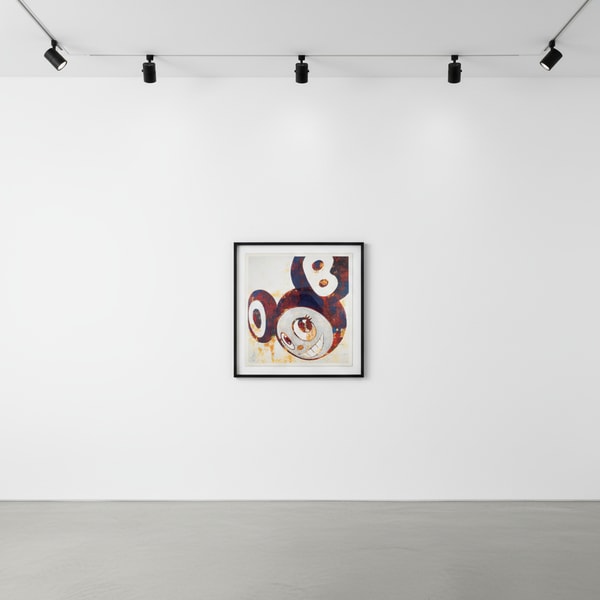
Takashi Murakami
And Then Red Blue Yellow
2006
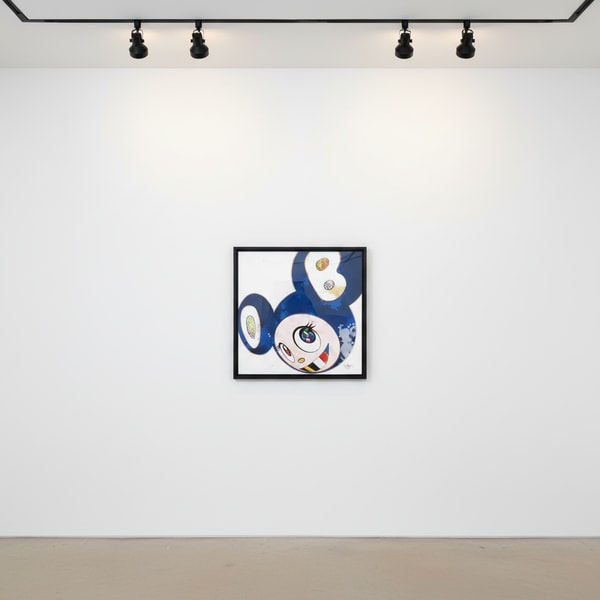
Takashi Murakami
And Then The Polke Method (blue)
2012
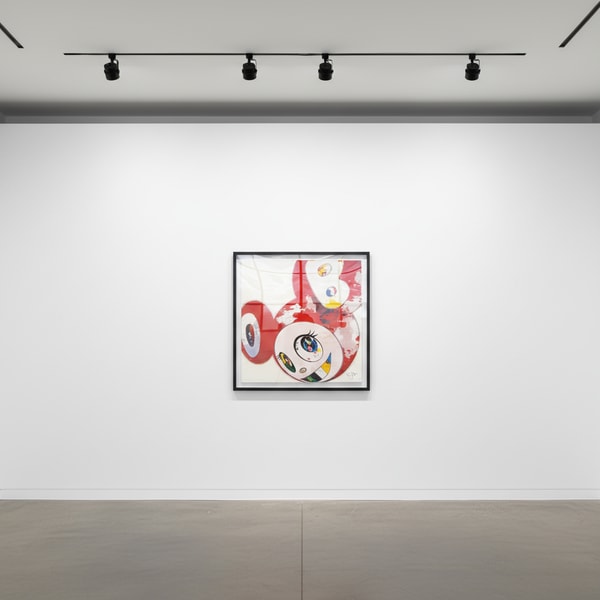
Takashi Murakami
And Then The Polke Method (red)
2013
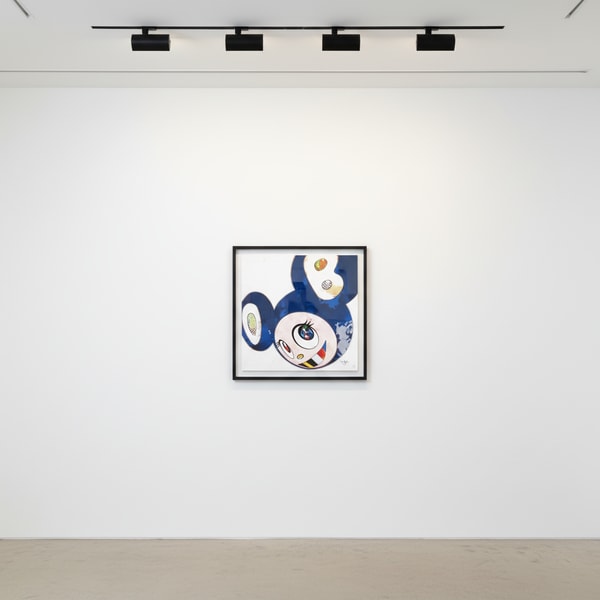
Takashi Murakami
And Then The Superflat Method (blue)
2013
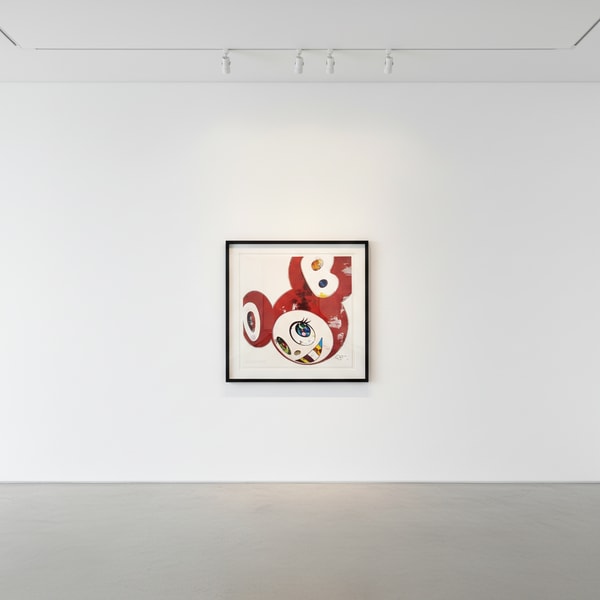
Takashi Murakami
And Then The Superflat Method (red)
2013
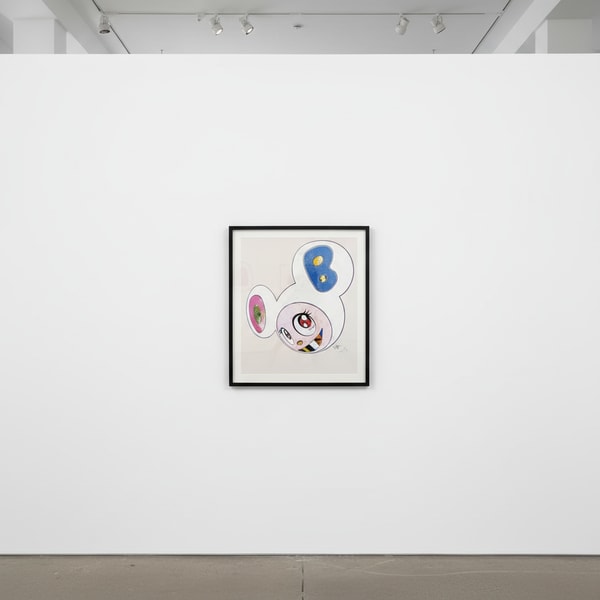
Takashi Murakami
And Then The Superflat Method (white)
2013
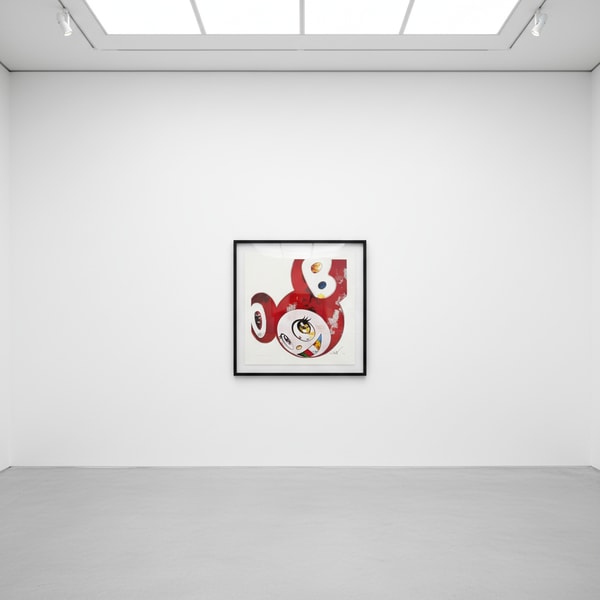
Takashi Murakami
And Then x 727 (Vermillion: Shu)
2013
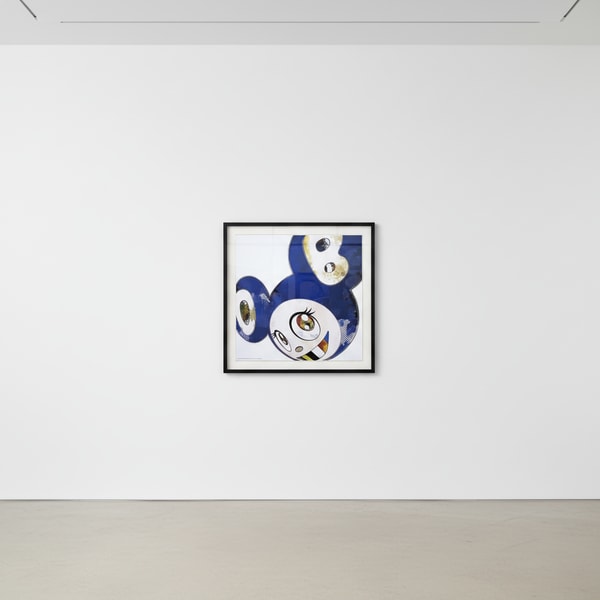
Takashi Murakami
And Then x6 (Blue)
Takashi Murakami
And Then Yellow
2008
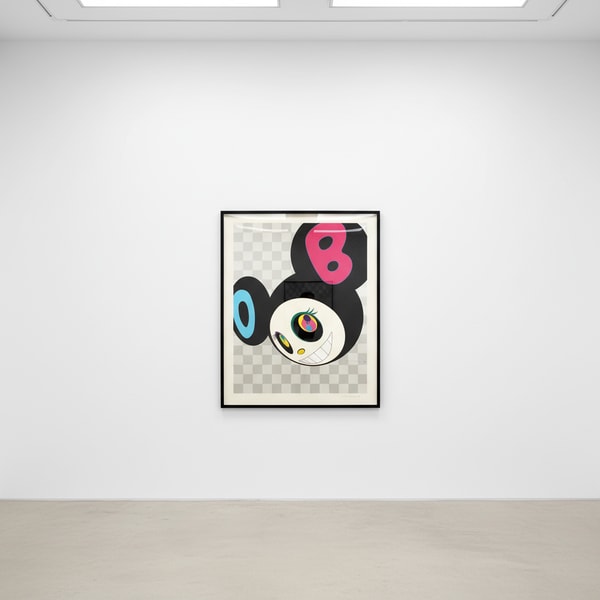
Takashi Murakami
And Then, And Then (Black)
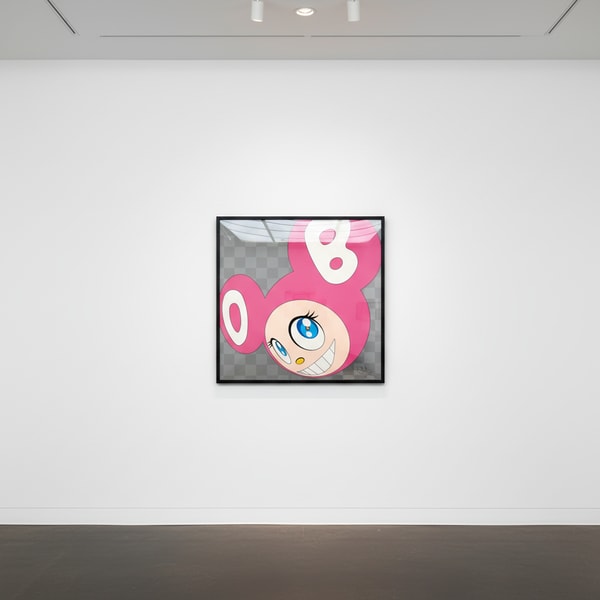
Takashi Murakami
And Then, And Then (Pink)
1999
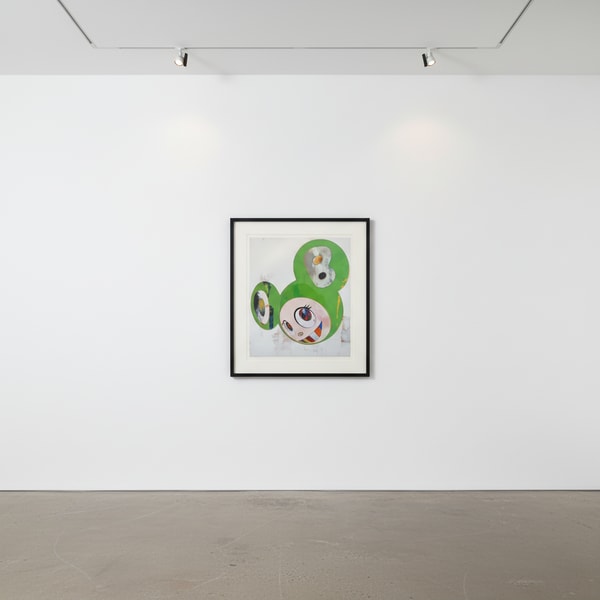
Takashi Murakami
And Then, DOB (Green)
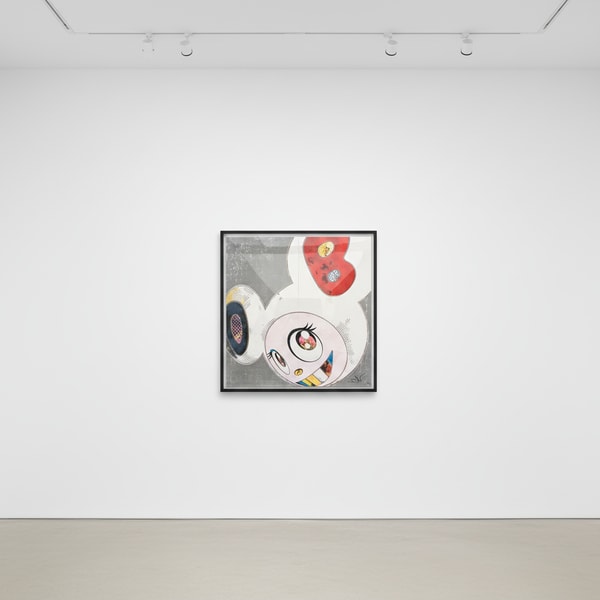
Takashi Murakami
DOB in Pure White Robe (Navy & Vermilion)
2013
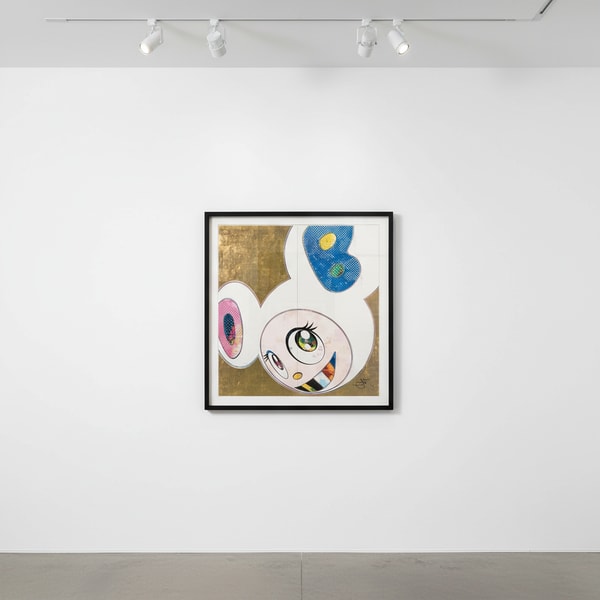
Takashi Murakami
DOB in Pure White Robe (Pink & Blue)
2013
And Then, And Then, And Then, And Then, And Then is one of Takashi Murakami's most psychedelically charged and conceptually layered series—a body of 33 artworks produced between 1996 and 2006 that traces the full arc of his development from emerging artist to global art world phenomenon. The series takes its title from Natsume Soseki's 1909 novel Sorekara (And Then), a work of Japanese modernism that grapples with the passage of time, regret, and the gap between desire and fulfilment. Murakami translates this literary inheritance into vivid print form through Mr. DOB, his totemic cartoon alter-ego, placing the character within psychedelic mushroom landscapes of hallucinatory intensity. The mushroom imagery carries its own layered meaning—simultaneously evoking Japan's post-Hiroshima atomic legacy, the counterculture associations of the 1960s West, and the fantastic visual vocabulary of Japanese video games and animation.
Across the 33 works in the series, colour shifts dramatically: early editions tend toward saturated, confrontational palettes of acid yellow and electric blue, while later works introduce subtler, more complex chromatic relationships that reflect Murakami's growing technical and artistic sophistication. The series spans lithographs and prints produced in limited editions, with signed works and earlier editions from the mid-1990s commanding the strongest collector premiums. Mr. DOB's visual evolution across the series is itself a document of Murakami's expanding ambitions—from a figure rooted in anime parody to something stranger, more threatening, and more formally accomplished. The series was historically subject to a severe title truncation issue on the gallery's platform, with the maximum character setting rendering titles effectively invisible; this has been fully resolved, restoring proper discoverability across all 33 works.
For collectors, And Then, And Then, And Then, And Then, And Then offers a rare opportunity to trace a major artist's development across a decade-long body of work. The series is simultaneously a pop cultural artefact, a meditation on Japanese literary and atomic history, and a formally inventive sequence of print works that demonstrate Murakami's mastery of colour, composition, and the serialised image. The secondary market for Murakami prints has deepened considerably over the past decade, with key works from this series achieving strong auction results as the artist's institutional reputation continues to consolidate. These are works that belong in serious collections of contemporary Japanese art.
Takashi Murakami prints for sale at Guy Hepner Gallery in New York span the full range of his edition output: Superflat flower prints, skull series, Mr. DOB works, Kaikai Kiki editions, and collaborative works that have made Murakami one of the most actively traded artists in the contemporary print market. For collectors seeking Takashi Murakami art for sale — whether an iconic flower screenprint, a limited-edition sculpture multiple, or a major canvas — Guy Hepner at 177 Tenth Avenue, New York offers expert guidance, full provenance documentation, and access to authenticated works across all his major series.
Takashi Murakami (b. 1962, Tokyo) is the defining figure of contemporary Japanese art on the international stage — an artist, theorist, entrepreneur, and studio director whose Superflat theory and the enormously productive practice it generated have permanently altered the conversation about the relationship between high art and popular culture, between Western postwar painting and East Asian visual tradition, and between the studio and the factory. Murakami received his BA, MA, and PhD from the Tokyo University of the Arts in Nihonga — traditional Japanese painting — a rigorous formation that gives his apparently anarchic pop sensibility its underlying structural discipline.
The Superflat manifesto, which Murakami developed and articulated in the early 2000s, proposed that the flattened pictorial space of traditional Japanese painting and the surface-oriented aesthetics of anime and manga were not merely parallel phenomena but expressions of the same deep cultural logic — a logic that Western art history had misread as naivety but which Murakami identified as a sophisticated and distinctive mode of representation.
Through his practice, Murakami has built a visual universe populated by recurring characters and motifs:
Murakami's Kaikai Kiki studio and production company — employing dozens of assistants in an explicit homage to both the Japanese craft workshop and Warhol's Factory — produces paintings, sculptures, editions, merchandise, and cultural events with equal seriousness and commercial intent. This model, in which studio production, cultural criticism, and commercial output are deliberately merged, is central to understanding Murakami's practice and the edition market that surrounds it.
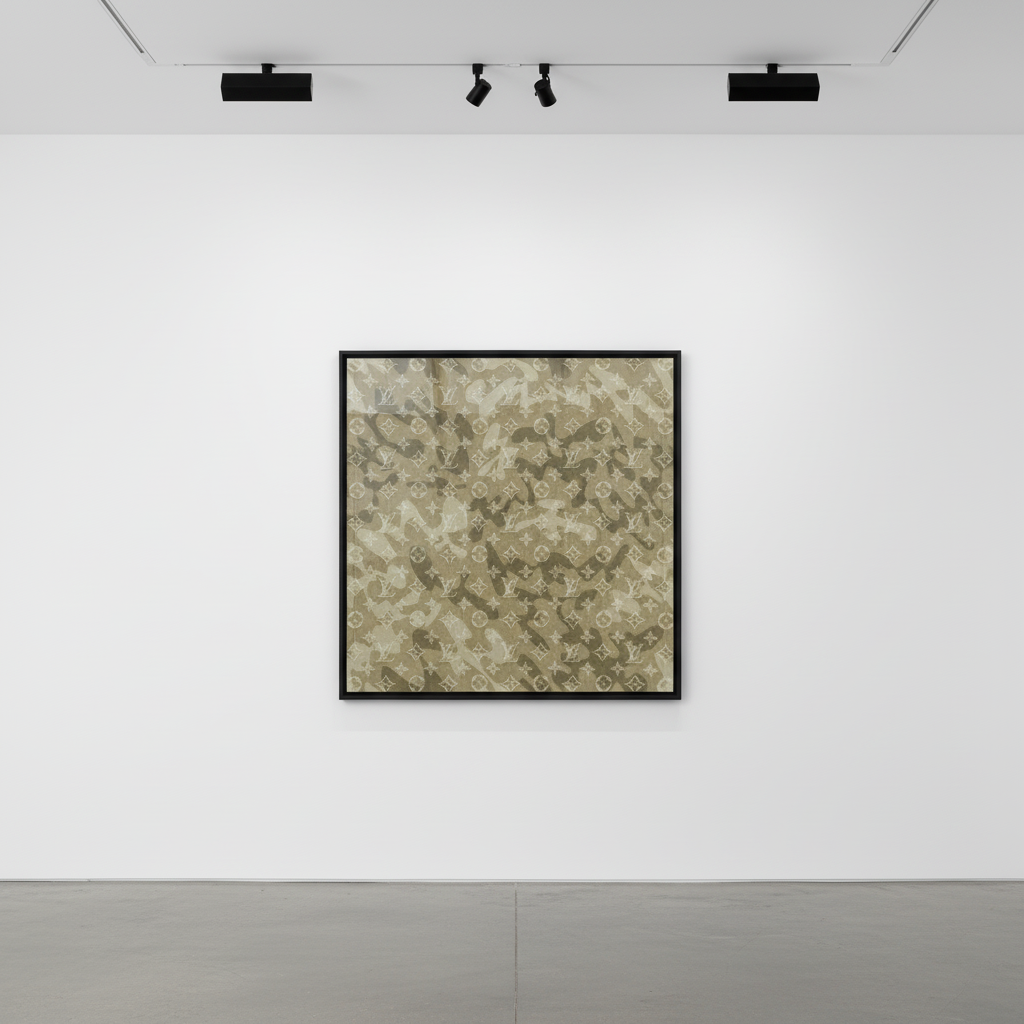
Murakami's major collaborations have extended his work into fashion, music, and popular culture on a global scale. His partnership with Louis Vuitton produced some of the most successful fashion-art collaborations of the 2000s. His album artwork for Kanye West's Graduation brought his visual language to audiences that had no prior engagement with contemporary art. His collaborations with Supreme and other streetwear brands have ensured that his work circulates across youth culture as readily as it does in museum collections.
These collaborations have expanded the collector base for his fine art editions significantly: many collectors who first encountered Murakami through fashion or music have subsequently acquired prints and multiples, creating sustained demand across a wider demographic than most contemporary artists command.
Murakami's auction record stands at $15,200,000 for My Lonesome Cowboy (1998) at Sotheby's New York in 2008, and major paintings continue to command seven-figure results. His edition prints and multiples — flower series, skulls, Mr. DOB, Kaikai Kiki — are among the most actively traded in the contemporary edition market globally. Print prices range from $3,000–$5,000 for smaller open editions through $50,000–$200,000+ for rare signed limited editions and artist proofs in high demand colourways.
Murakami's work is held in permanent collections at MoMA, MOCA Los Angeles, the Asian Art Museum San Francisco, Tate Modern, the Guggenheim Museum Bilbao, the Centre Pompidou, the Rubell Museum, and the Mori Art Museum Tokyo.
Edition size: Murakami produces both open-edition merchandise-style prints and tightly limited fine art editions. The latter — often numbered to 50 or fewer, with hand signature and certificate of authenticity from Kaikai Kiki — carry the strongest value and market liquidity.
Motif and colourway: Flower works in rare colourways, skull editions, and Mr. DOB prints consistently outperform peripheral motifs. Rainbow colourways and gold/metallic editions typically carry premium over standard colourways.
Authentication: All fine art editions should come with Kaikai Kiki certificates of authenticity and, for works sold through Perrotin or other authorised galleries, original gallery documentation.
Condition: Murakami's prints are typically produced on archival substrates, but condition remains important — works stored and framed correctly hold value most reliably.
Guy Hepner offers a curated selection of Takashi Murakami prints for sale and edition multiples across all his major series from our gallery at 177 Tenth Avenue, New York. We bring expert knowledge of the Murakami edition market and offer free, confidential valuations for collectors looking to sell or appraise their holdings. Whether you are seeking an iconic flower print, a skull series multiple, or a rare signed limited edition, Guy Hepner provides the market expertise, authentication assurance, and collector access to support every acquisition.