Fertility

August 6, 2026
In 1983, Keith Haring was twenty-five years old and already transforming the visual language of contemporary art. His Subway Drawings had made him a downtown celebrity, his Pop Shop was still three years away, and the AIDS crisis was beginning its devastating march through the creative communities of New York. That year, Haring created what would become one of his most powerful and sought-after print portfolios: the Keith Haring Fertility Suite, a five-part meditation on life, birth, sexuality, and survival that remains as urgent and visually electrifying today as it was four decades ago.
The Fertility Suite stands apart in Haring's printmaking output for several reasons. Its monumental scale—each screenprint measures approximately 42 by 42 inches—demanded attention in a way that few of his earlier works had achieved. Its thematic coherence, linking ancient fertility symbols to contemporary concerns about reproduction, identity, and disease, gave the series a gravitas that transcended his reputation as a pop provocateur. And its timing, arriving at the precise moment when Haring was transitioning from subway guerrilla to international art star, makes it a crucial document of one of the most important artistic transformations of the late twentieth century.
To understand the Fertility Suite, one must first understand where Keith Haring stood in his career when he created it. Born in Reading, Pennsylvania in 1958, Haring had moved to New York in 1978 to study at the School of Visual Arts. By the early 1980s, he had developed his signature style—bold black outlines, radiant babies, barking dogs, dancing figures—through thousands of chalk drawings executed on the blank advertising panels of New York subway stations. These drawings, created quickly and anonymously, brought him both fame and legal trouble, establishing him as a key figure in the downtown art scene alongside contemporaries like Jean-Michel Basquiat and Kenny Scharf.
By 1983, Haring was beginning to move beyond the subways and into the galleries. He had already participated in Documenta 7 in Kassel, Germany, and had held exhibitions at Tony Shafrazi Gallery in New York. His work was being collected seriously, and invitations were arriving from institutions around the world. The Fertility Suite represents one of his first major statements in the medium of screenprinting, a technique that would become central to his artistic practice and his philosophy of making art accessible to broader audiences.
The choice of screenprinting was deliberate. Unlike unique paintings or drawings, prints could be produced in editions, making them more affordable and allowing Haring to reach collectors who might not be able to acquire his original works. The medium also connected him to his Pop Art predecessors, particularly Andy Warhol, whose Factory had pioneered the use of commercial printing techniques in fine art contexts. For Haring, the democratic potential of prints aligned perfectly with his belief that art should be available to everyone, not just the wealthy elite.
The five screenprints that comprise the Fertility Suite are unified by their exploration of fertility, sexuality, and the life cycle, but each work approaches these themes from a slightly different angle. The imagery draws heavily on ancient symbols and archetypes, filtered through Haring's distinctive visual vocabulary. Understanding these references is essential for collectors who wish to appreciate the full depth of what Haring was attempting.
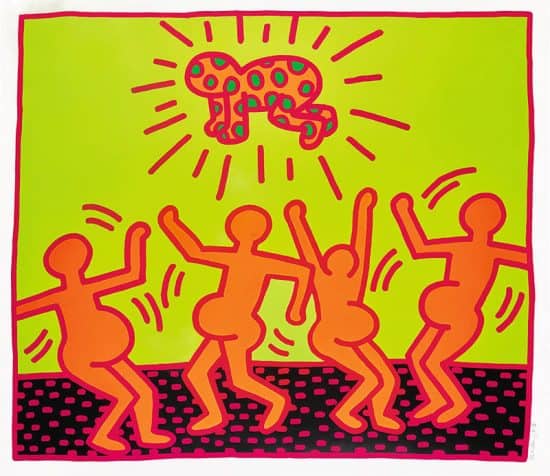
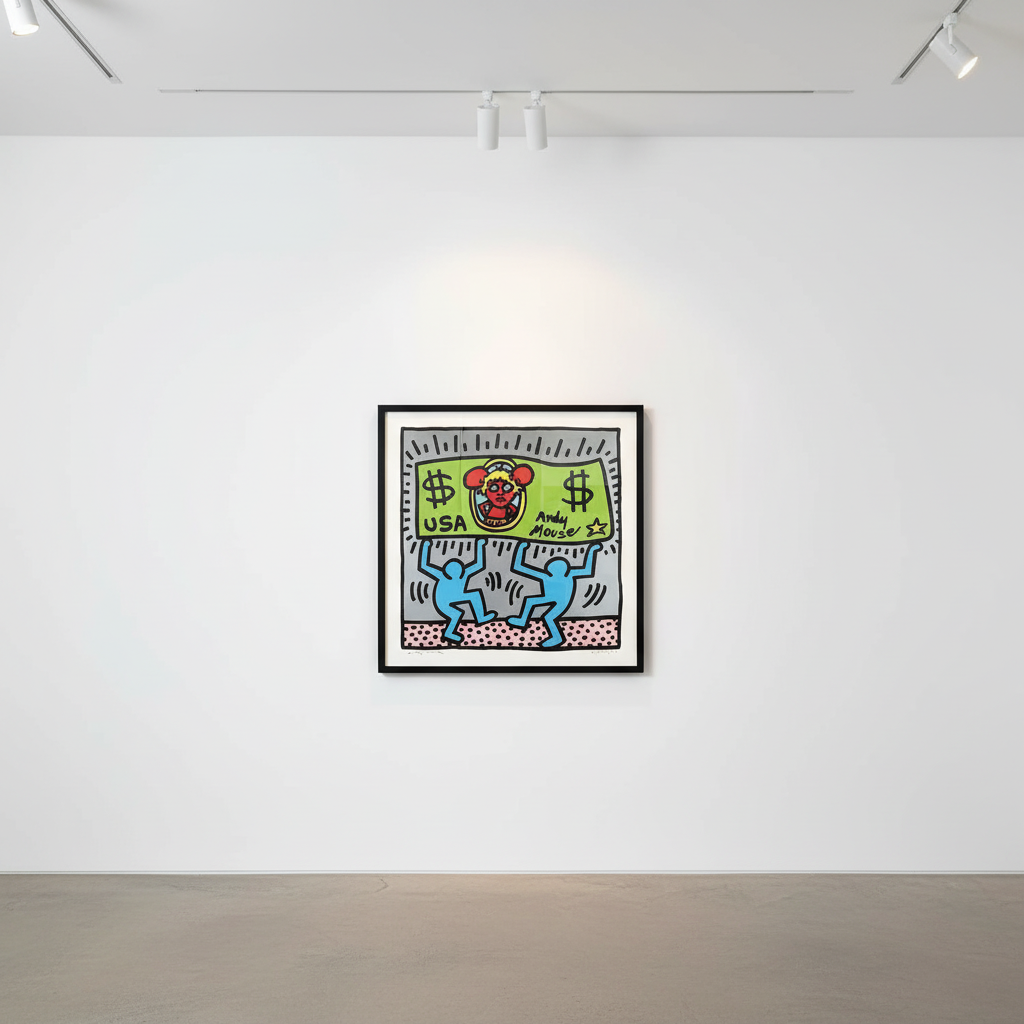
Keith Haring, Fertility 1 (Littman pp.31). Available at Guy Hepner, New York.
Central to several of the Fertility prints is the Ankh, the ancient Egyptian symbol for eternal life. Haring positions the Ankh within the bodies of his figures, suggesting that the womb itself is the source of immortality, the biological mechanism through which life perpetuates itself across generations. This appropriation of Egyptian iconography was not mere decoration; Haring was deeply interested in how ancient civilizations represented universal human experiences, and he saw his own work as part of that same tradition of visual communication.
Another recurring motif is the Tyet, also known as the Isis knot, which represents the goddess Isis and is associated with feminine power, fertility, and resurrection. By incorporating these symbols, Haring connected his contemporary concerns—particularly the impact of the AIDS crisis on reproductive health—to millennia of human experience with fertility, death, and rebirth. The Fertility Suite is not simply a celebration of procreation; it is a meditation on the fragility of life and the resilience of the human drive to create new life even in the face of catastrophic disease.
The figures in the Fertility Suite are characteristically Haring: genderless, energetic, and interconnected. Pregnant figures are supported by smaller infantile forms, suggesting the interdependence of generations. Dancing bodies pulse with lines of energy, the famous "radiant" lines that Haring used throughout his career to indicate movement, vitality, and spiritual power. The color palette is saturated and bold—hot pinks, electric blues, vibrant oranges—creating a sense of joy and urgency that distinguishes these prints from more somber meditations on similar themes.
It would be impossible to discuss the Fertility Suite without acknowledging the historical moment in which it was created. By 1983, the AIDS epidemic had claimed hundreds of lives in the United States, with gay men and intravenous drug users bearing the brunt of the disease's impact. Haring, who was gay and would himself die of AIDS-related complications in 1990 at the age of thirty-one, was acutely aware of the threat that the epidemic posed to his community.
The Fertility Suite addresses the AIDS crisis obliquely but powerfully. While the suite does not depict the disease directly, its emphasis on pregnancy, birth, and the transmission of life carries an unmistakable urgency in the context of a disease that was transmitted sexually and from mother to child. The portfolio was created in part to raise awareness about the impact of HIV/AIDS on pregnant women in Sub-Saharan Africa, a demographic that was often overlooked in Western media coverage of the epidemic, which tended to focus on gay men in urban centers.
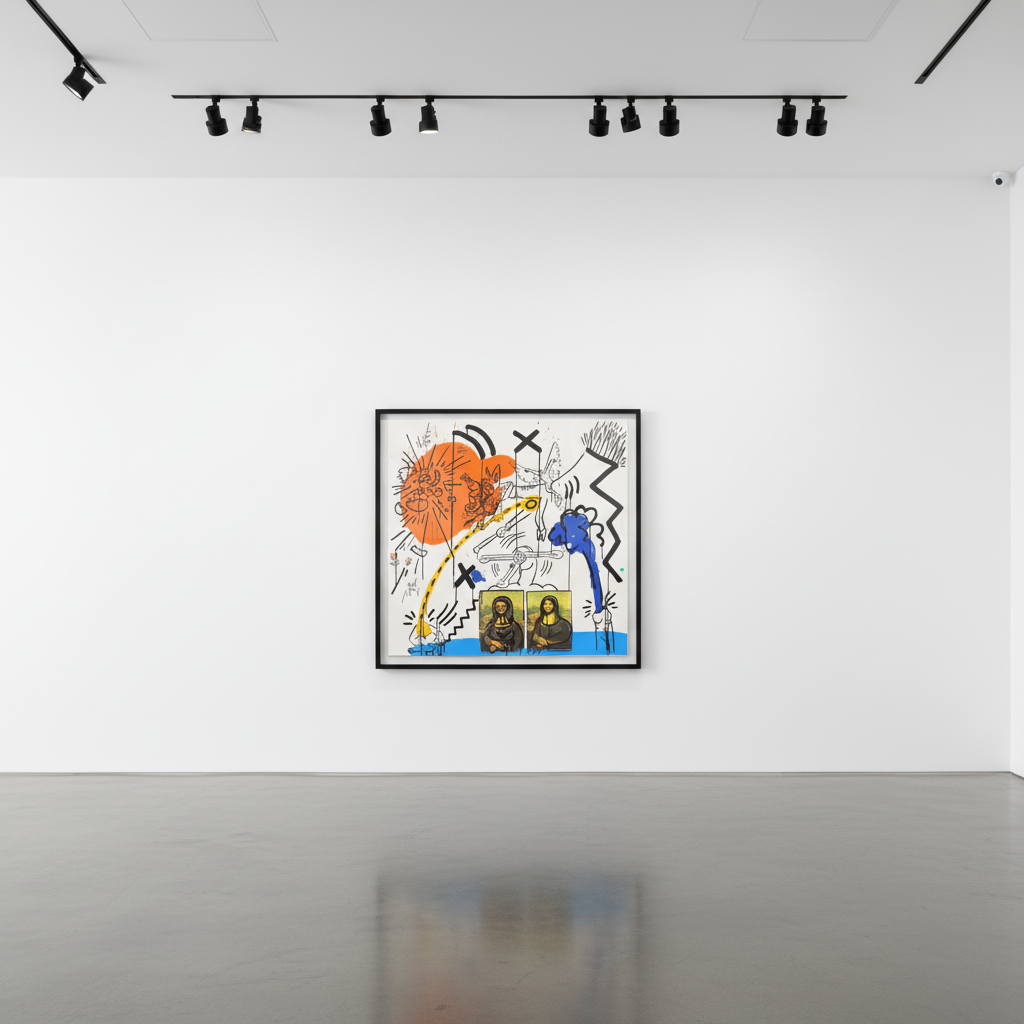
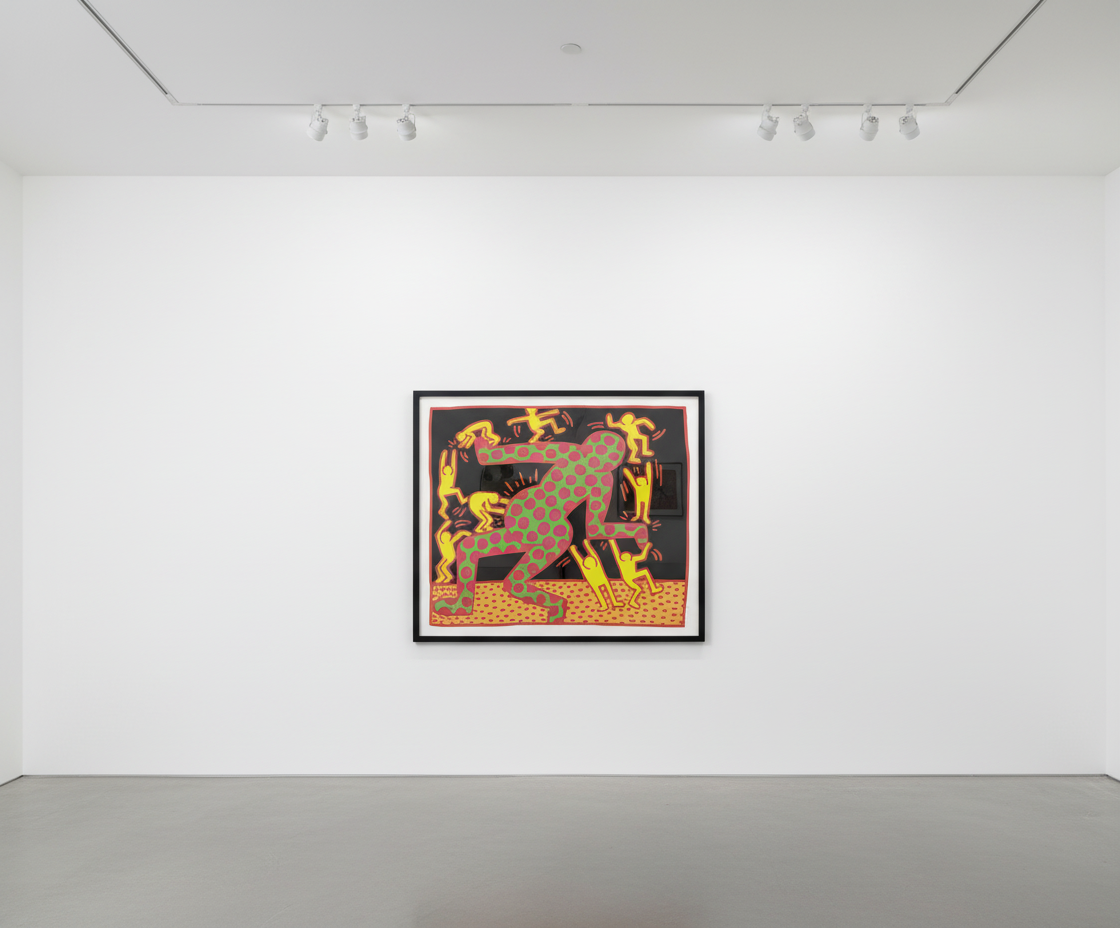
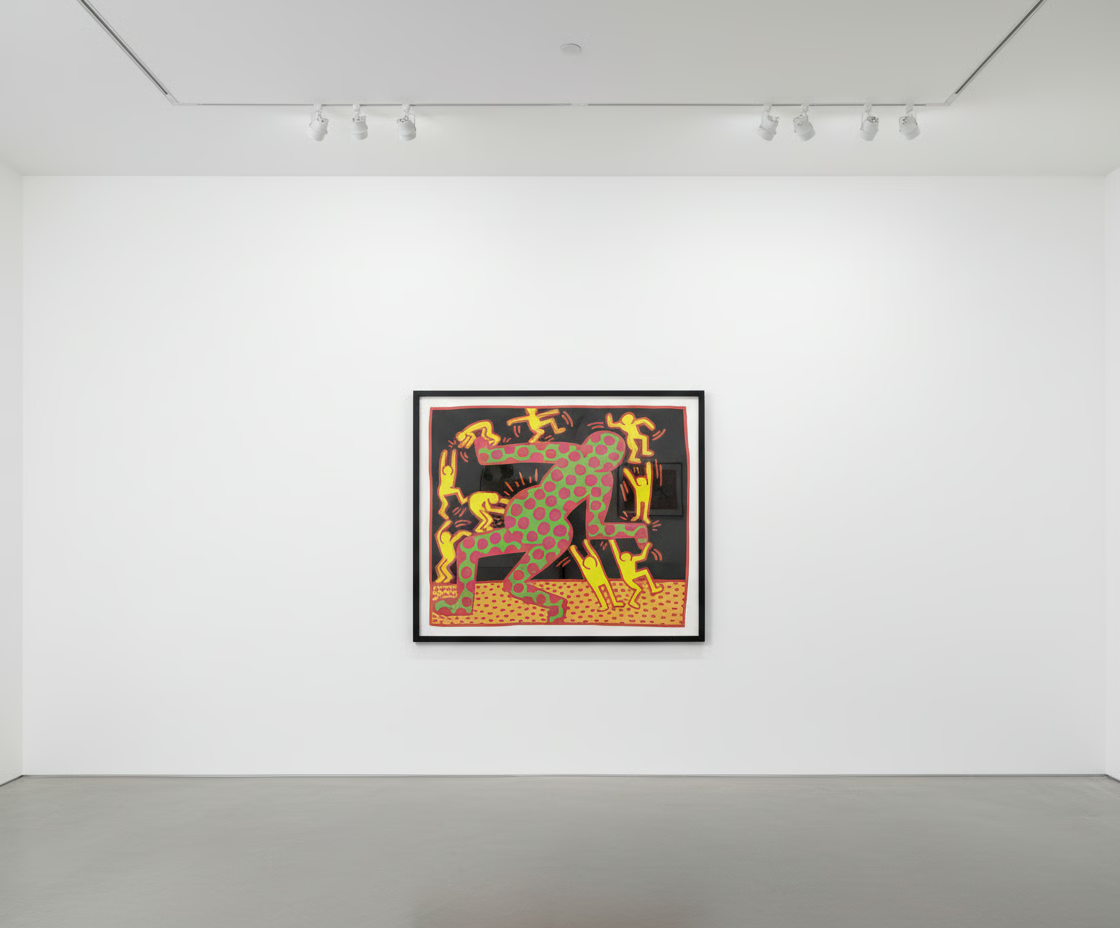
In Fertility 3, for example, a pregnant figure appears to collapse, supported by the smaller figures around her. This image can be read as a representation of the physical toll that HIV takes on pregnant women, but also as a statement about the resilience of communities that care for their most vulnerable members. The Fertility Suite is not a work of despair; it is a work of defiance, asserting the power of life and creativity even in the face of a disease that was killing thousands.
For collectors considering the acquisition of works from the Fertility Suite, understanding the technical specifications is essential. The suite consists of five screenprints, each printed in colors on wove paper, measuring approximately 42 by 42 inches (106.7 by 106.7 centimeters). The prints were published by the artist in 1983 and printed by Rupert Jasen Smith in New York, who was known for his collaborations with leading contemporary artists.
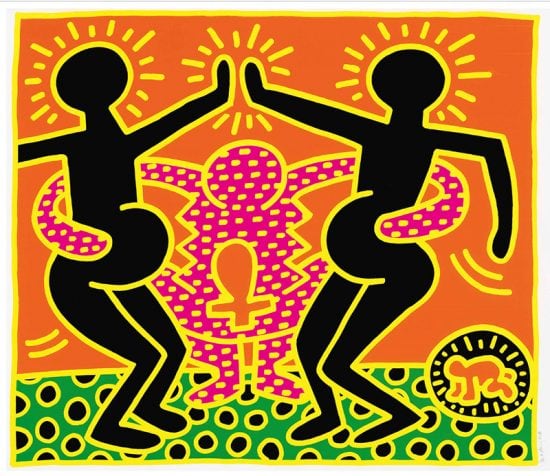
Keith Haring, Fertility 3 (Littman pp.33).
The edition size is notably limited for a work by an artist of Haring's stature. Each print was issued in an edition of approximately 30 impressions, plus artist's proofs. This relatively small edition size contributes significantly to the market value of the prints, as demand from collectors consistently exceeds supply. All impressions were signed and numbered by Haring in pencil, typically in the lower margin, and the quality of the signature can affect the value of individual prints.
When evaluating a Fertility Suite print for acquisition, collectors should consider several factors:
The Fertility Suite received positive attention upon its release, but its full significance has only become clear in Retrospect. Critics at the time recognized the suite as a departure from Haring's more playful subway drawings, noting its serious engagement with themes of mortality and reproduction. The monumental scale of the prints also signaled a new ambition in Haring's work, suggesting that he was positioning himself not just as a street artist but as a major figure in the contemporary art world.
Art historians have subsequently placed the Fertility Suite in dialogue with several important artistic traditions. The use of ancient symbols connects Haring to the primitivist impulses that have run through modern art since Picasso and Braque encountered African sculpture in the early twentieth century. The bold colors and graphic clarity link him to Pop Art and to the graphic design traditions that influenced both Pop and the punk aesthetic of the late 1970s. And the political engagement with the AIDS crisis positions Haring alongside activist artists like Gran Fury and David Wojnarowicz, who used their work to demand attention to the epidemic.
The Fertility Suite also represents an important moment in the history of printmaking. By 1983, screenprinting had been fully accepted as a fine art medium, thanks in large part to the work of Andy Warhol and the Pop Art movement. Haring's use of the technique extended this acceptance, demonstrating that screenprinting could address serious themes while maintaining visual accessibility and appeal. His commitment to producing prints in editions that could be affordably collected by a broad audience also influenced subsequent generations of artists who have sought to democratize access to their work.
The market for Keith Haring prints has strengthened considerably over the past two decades, and the Fertility Suite has been a particular beneficiary of this trend. As one of Haring's earliest and most coherent print portfolios, the suite commands significant prices at auction and through private sales. Individual prints from the suite typically sell in the range of $60,000 to $120,000, depending on condition, provenance, and the specific image, with Fertility 2 often achieving the highest prices within the suite.
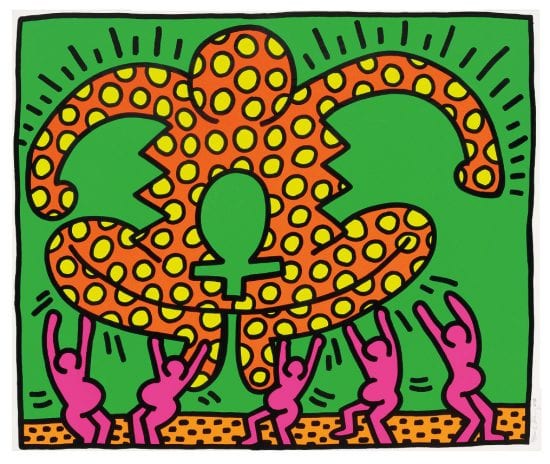
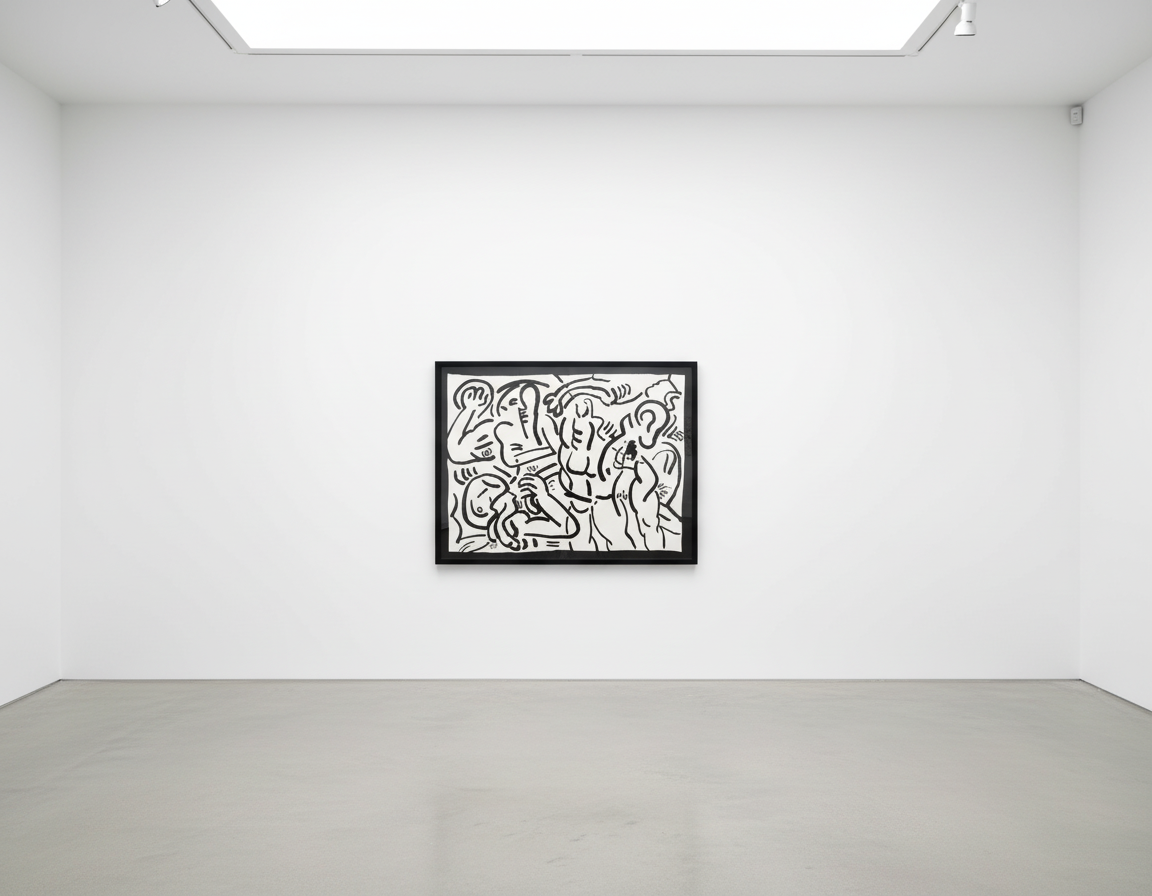
Keith Haring, Fertility 5 (Littman pp.33).
Complete sets of the Fertility Suite are rare on the market and command substantial premiums over the combined value of individual prints. When complete sets do appear at auction, they typically sell in the range of $280,000 to $450,000, reflecting the desirability of owning the suite as Haring intended it to be experienced. For collectors seeking to build a comprehensive Haring collection, acquiring a complete Fertility Suite represents a significant achievement and a strong foundation for further acquisitions.
The collector base for Haring's work has broadened considerably in recent years. While his prints were once primarily collected by fans of Pop Art and street art, they are now sought after by a wider range of collectors, including those focused on LGBTQ+ art history, activist art, and American art of the 1980s. This diversification of the collector base has helped to stabilize prices and to ensure ongoing demand for major works like the Fertility Suite.
Several factors suggest that demand for the Fertility Suite will remain strong in the coming years. Haring's reputation has continued to grow since his death, with major retrospective exhibitions at institutions including the Brooklyn Museum, Tate Liverpool, and the Albertina in Vienna. His work has also benefited from the broader cultural reassessment of the 1980s New York art scene, which has seen artists like Basquiat achieve record prices at auction. As attention to this period continues, works like the Fertility Suite that engage with the defining concerns of the era—the AIDS crisis, sexuality, urban culture—are likely to attract sustained interest.
Authentication is an important consideration for collectors of the Fertility Suite. The Keith Haring Foundation, established by the artist before his death, maintains the official archive of Haring's work and can provide authentication for prints when questions arise. All legitimate impressions of the Fertility Suite are signed and numbered by Haring, and the presence of this signature is essential for authentication.
When evaluating a potential acquisition, collectors should take the following steps:
For collectors who are drawn to the Fertility Suite, it is worth understanding how it relates to other major print portfolios in Haring's body of work. Haring was a prolific printmaker, and the Fertility Suite is just one of several important series that he produced during his short career.
The Pop Shop prints, produced in the late 1980s, represent a very different side of Haring's sensibility. These colorful, playful images were created to be sold through his Pop Shop stores in New York and Tokyo, and they were produced in larger editions at lower price points. While the Pop Shop prints are beloved for their accessibility and joy, they lack the thematic weight and limited availability that make the Fertility Suite particularly desirable to serious collectors.
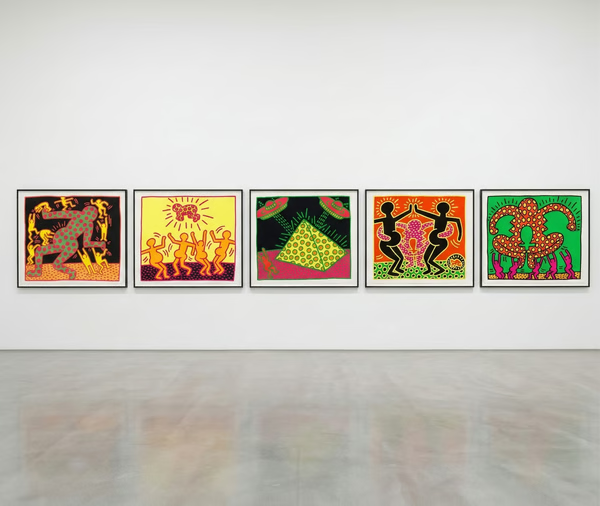
Keith Haring, Fertility 1-5 (Littman PP. 30-32)
The Growing Suite, produced in 1988, shares some thematic concerns with the Fertility Suite, particularly its focus on growth, development, and the life cycle. However, it was created later in Haring's career, when his style had evolved somewhat, and it does not carry the same historical significance as the earlier work. The Andy Mouse series of 1986, which depicts Mickey Mouse merged with Andy Warhol, is another popular portfolio, but its Pop Art playfulness is quite different from the mythological seriousness of the Fertility Suite.
For collectors seeking to acquire a work that represents Haring at a pivotal moment in his career, that engages with the most important social issues of his era, and that is produced in a limited edition ensuring ongoing scarcity, the Fertility Suite remains a compelling choice. Its combination of visual power, thematic depth, and historical significance make it one of the most important print portfolios of the 1980s.
The monumental scale of the Fertility prints presents both opportunities and challenges for display. At over 42 inches square, these are substantial works that demand significant wall space. When displayed properly, they command attention and transform the energy of a room, making them ideal for large living spaces, corporate collections, or institutional settings.
Conservation is an important consideration for any work on paper. The Fertility Suite prints should be displayed away from direct sunlight, which can cause fading over time. UV-protective glazing is recommended for framing, and the prints should be matted using acid-free materials to prevent deterioration. Humidity control is also important, as excessive moisture can lead to cockling, foxing, or other damage to the paper support.
For collectors who do not have appropriate display space, proper storage is essential. Prints should be stored flat in acid-free boxes or folders, in a climate-controlled environment with stable temperature and humidity. Regular inspection can help identify any condition issues before they become serious, and professional conservation services should be consulted if problems arise.
While art should never be acquired solely as a financial investment, it is reasonable for collectors to consider the market prospects of works they are considering. The Fertility Suite has demonstrated strong price appreciation over the past two decades, and several factors suggest that this trend may continue.
First, the edition size is limited, ensuring that supply cannot expand to meet growing demand. Second, Haring's institutional reputation continues to strengthen, with major museums regularly acquiring and exhibiting his work. Third, the themes of the Fertility Suite—sexuality, reproduction, disease, resilience—remain urgently relevant, ensuring ongoing cultural interest. Fourth, the collector base for Haring's work has diversified, reducing dependence on any single segment of the market.
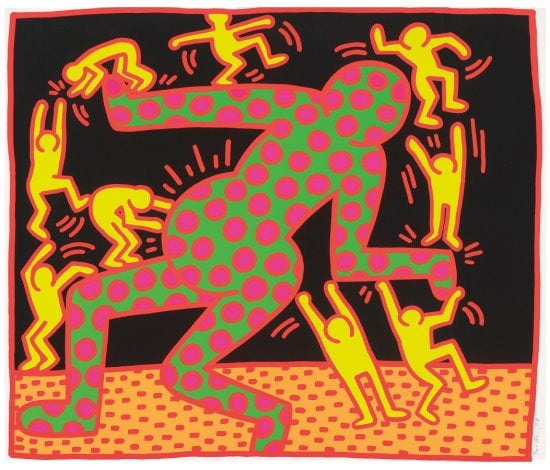
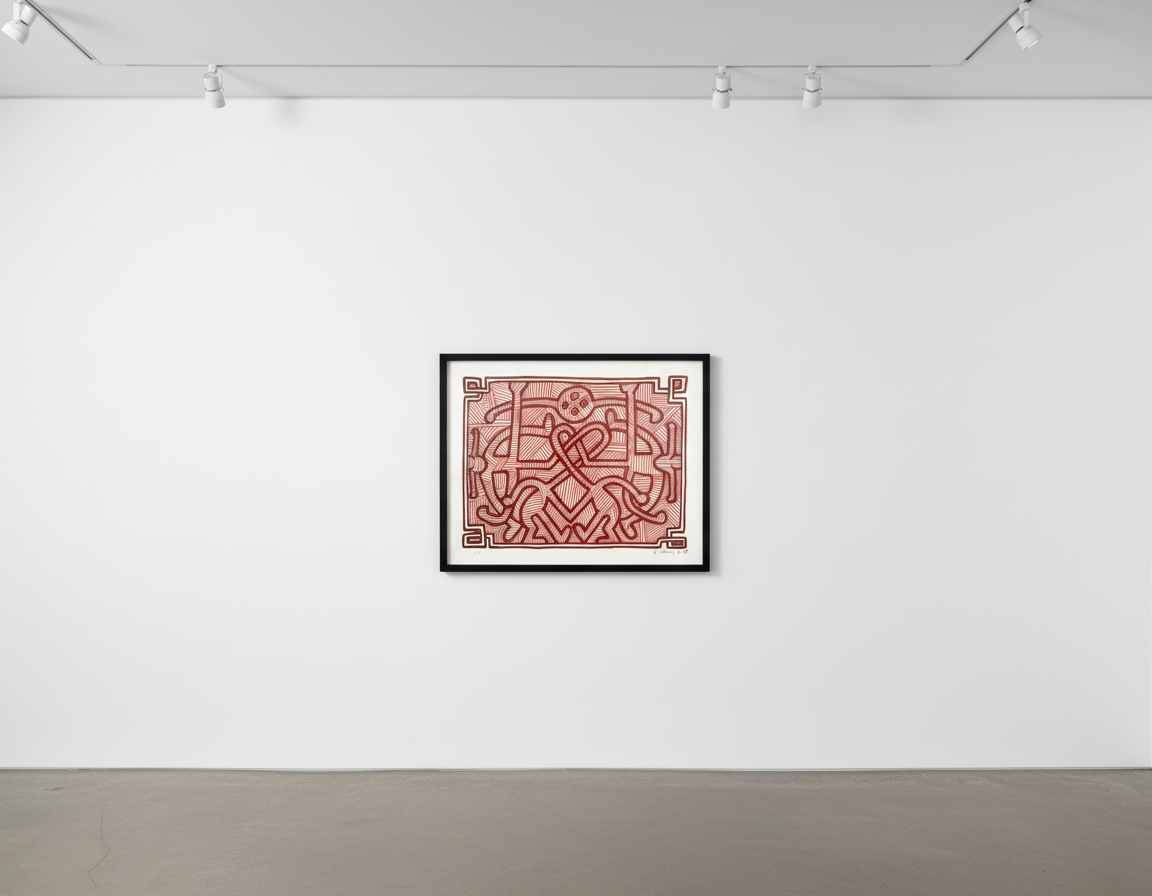
Keith Haring, Fertility 3 (Littman pp.32). Available at Guy Hepner, New York.
That said, the art market is inherently unpredictable, and past performance is not a guarantee of future results. Collectors should acquire works that they love and wish to live with, recognizing that market conditions may change over time. The Fertility Suite, with its visual power and historical significance, is a work that rewards extended contemplation and living, regardless of its financial trajectory.
Keith Haring died on February 16, 1990, at the age of thirty-one. In his brief career, he produced a body of work that transformed contemporary art, brought fine art to mass audiences, and used visual imagery to advocate for social justice. The Fertility Suite, created when Haring was just twenty-five and already aware of the epidemic that would eventually claim his life, stands as one of his most powerful and prescient achievements.
The suite's combination of ancient symbolism and contemporary urgency, its monumental scale and bold color, its celebration of life in the face of death—all of these qualities make it a work that continues to resonate with collectors and viewers four decades after its creation. For those who wish to acquire a work that represents the best of Haring's art and the most serious concerns of his era, the Fertility Suite remains an exceptional choice.
The Keith Haring Foundation continues to support AIDS research, children's programs, and the arts, in keeping with the artist's wishes. Collecting Haring's work is not only an aesthetic choice but also a way of honoring his legacy and the causes he championed throughout his life.
For collectors interested in acquiring works from the Keith Haring Fertility Suite, Guy Hepner Gallery offers access to authenticated prints with clear provenance and expert guidance. Located at 177 Tenth Avenue in New York, the gallery specializes in works by the most significant artists of the Pop Art and Street Art movements, with deep expertise in Haring's printmaking output.
Whether you are seeking an individual print from the Fertility Suite or are interested in acquiring a complete set, the gallery can assist with sourcing, authentication, and acquisition strategy. The team can also advise on framing, display, and conservation to ensure that your acquisition is properly cared for over time.
To inquire about available works from the Fertility Suite or to discuss your collecting goals, contact Guy Hepner Gallery directly. The opportunity to acquire one of Haring's most important early print portfolios does not arise often, and serious collectors are encouraged to register their interest.
Explore Keith Haring prints for sale at Guy Hepner: Fertility, Andy Mouse, Apocalypse, Bad Boys, Chocolate Buddha.
Related Series