Man's Best Friend

September 18, 2026

Few artists have bridged as many worlds as Kaws. Born Brian Donnelly in Jersey City in 1974, he started tagging bus shelters and phone booths in the 1990s, subverting advertising with his signature XX eyes. Three decades later, those same eyes stare out from Dior runways, Uniqlo t-shirts, and auction houses where his paintings command eight figures. KAWS art occupies a singular position in contemporary culture—equally at home in major museum retrospectives and on the shelves of sneakerheads worldwide, commanding respect from institutional curators and streetwear collectors alike.
At Guy Hepner, we work with collectors at every level of the KAWS market, from those seeking their first screenprint to those building comprehensive sculpture collections. This guide offers everything you need to understand the artist's trajectory, navigate the various categories of his work, and make informed acquisition decisions. Whether you're drawn to the emotional resonance of his Companion figures or the graphic punch of his print editions, understanding the market landscape is essential to building a meaningful collection.
Brian Donnelly's path from graffiti writer to global art phenomenon represents one of contemporary art's most remarkable ascents. After studying illustration at the School of Visual Arts in New York, Donnelly worked as a background painter for animated television shows including Doug and Daria, developing the graphic sensibility that would define his later work. By night, he was honing a different practice entirely—armed with a skeleton key that granted access to bus shelter advertising displays, he would remove commercial posters, take them to his studio, embellish them with his own imagery, and replace them before dawn.
These early interventions, which American critic Mark Dery dubbed 'subvertisements,' established the visual vocabulary that would make KAWS instantly recognisable. He overlaid advertisements with his cartoon-derived figures, featuring the crossed-out eyes that have become his signature motif. The XX eyes, which simultaneously suggest death, censorship, and the hypnotic effect of media consumption, transformed commercial imagery into something uncanny and subversive. This body of work, sometimes categorised under Ad Disruption, remains historically significant as the foundation of his entire practice.
The late 1990s saw KAWS pivot toward the toy and collectible market, a move that would prove prescient. His early vinyl figures, produced in collaboration with Japanese toy companies like Bounty Hunter and Medicom, sold out immediately and established a collector base that transcended traditional art world boundaries. These weren't art editions in the conventional sense—they were toys, priced accessibly and distributed through streetwear channels. Yet they introduced KAWS to an audience that would follow him as his ambitions expanded toward painting, sculpture, and major institutional exhibitions.
The question collectors frequently ask is straightforward: is KAWS a good investment? The answer requires nuance. Over the past decade, KAWS screenprints have appreciated between 200 and 400 percent, with certain rare editions and portfolios seeing even more dramatic gains. His 2005 painting THE KAWS ALBUM—a reinterpretation of The Simpsons in the style of the Beatles' Sgt. Pepper's album cover—sold for $14.8 million at Sotheby's Hong Kong in 2019, exceeding its high estimate by more than fifteen times and announcing KAWS as a major force in the global auction market.
Several factors drive the sustained demand for KAWS work. His crossover appeal reaches collectors who might never set foot in a traditional gallery—streetwear enthusiasts, sneakerheads, and toy collectors who discovered him through collaborations with Supreme, Nike, and Uniqlo. This broad collector base creates a deep market with consistent liquidity, particularly for editions and figures. Meanwhile, his museum exhibitions at institutions including the Brooklyn Museum, NGV Melbourne, and the Modern Art Museum of Fort Worth have cemented his institutional credentials, attracting traditional art collectors who might have initially dismissed his work as commercial.
The Asian collector base, particularly strong in Hong Kong, Tokyo, and Seoul, has been instrumental in driving auction prices. KAWS's visual language—rooted in American cartoon culture but filtered through Japanese toy aesthetics—resonates powerfully across these markets. His major auction results have frequently occurred at Hong Kong sales, reflecting this geographic concentration of demand. For collectors considering KAWS as part of a broader portfolio, this international demand provides reassurance about market depth and liquidity.
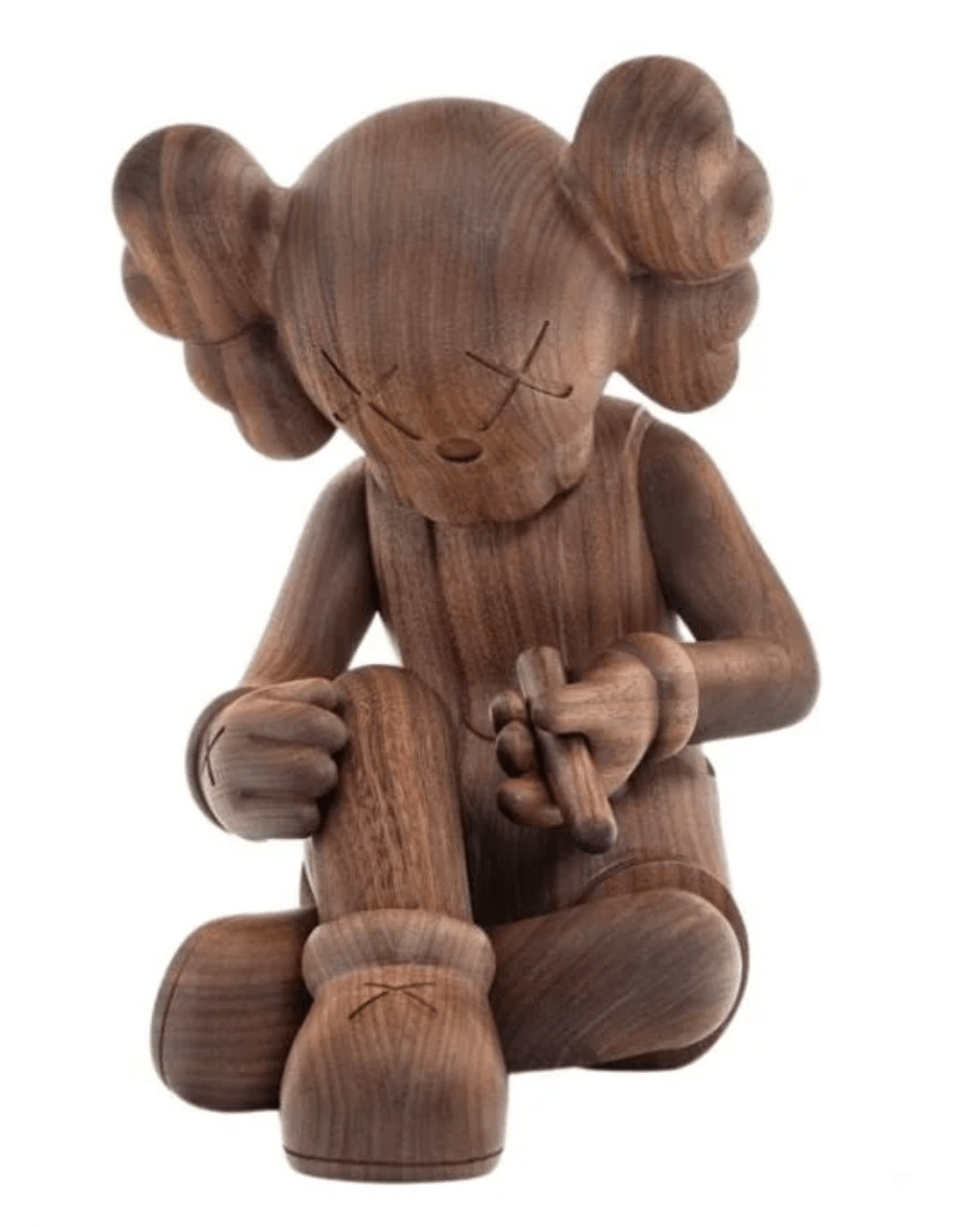
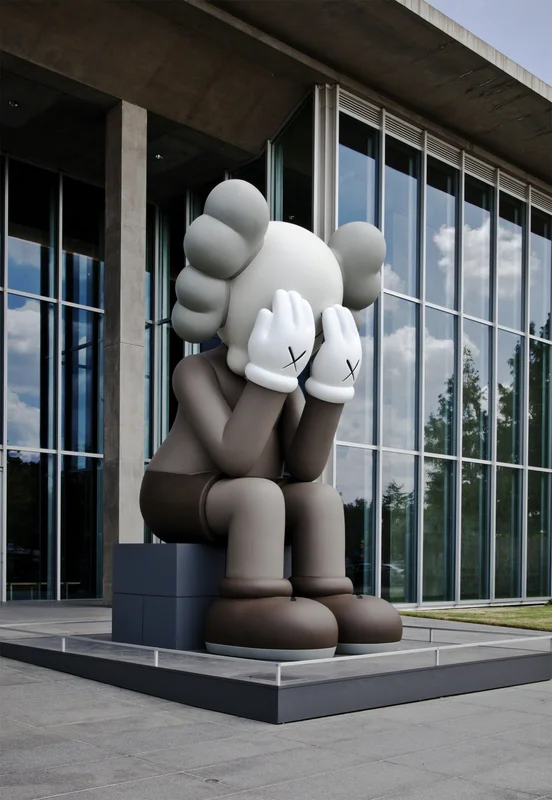
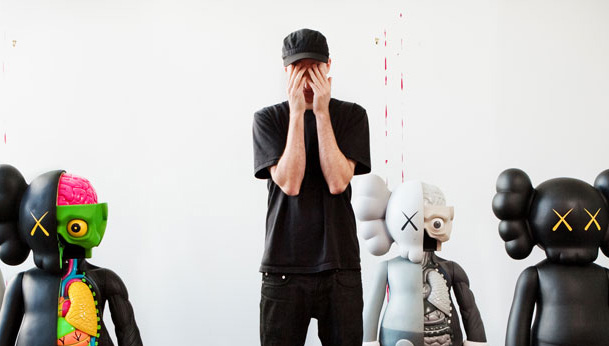
Collecting KAWS effectively requires familiarity with his cast of recurring characters, each with distinct market dynamics and collecting communities. The Companion, perhaps his most recognisable figure, first appeared in the late 1990s and has been produced in countless variations—seated, standing, reclining, passing through walls, and in various colourways. With its Mickey Mouse-derived ears and skull-like face marked by XX eyes, the Companion embodies the melancholy undercurrent in KAWS's work. Its postures often suggest vulnerability, exhaustion, or introspection, qualities that collectors find emotionally resonant despite the character's cartoon origins.
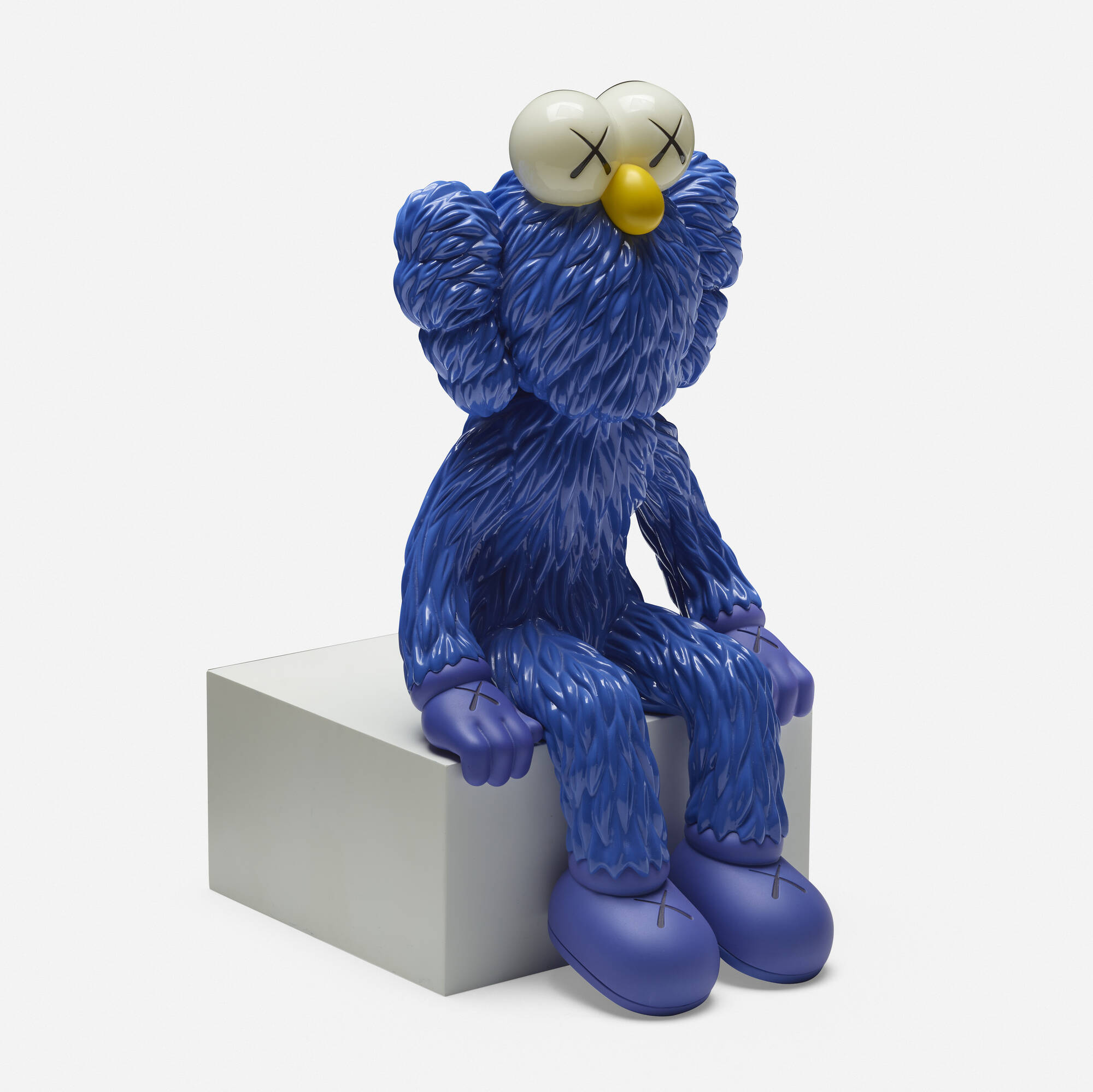
The BFF character, introduced more recently, presents a softer, more overtly affectionate figure. Often depicted in embracing poses, BFF works explore themes of friendship and connection, their pastel colourways and rounded forms suggesting comfort rather than the Companion's existential weight. The Chum, a skeletal abstraction with a skull-like head and simplified body, offers yet another variation on mortality and cartoon aesthetics. Major Chum sculptures have achieved significant auction results, including a $2.4 million sale at Phillips in 2022, demonstrating collector appetite for this particular character.
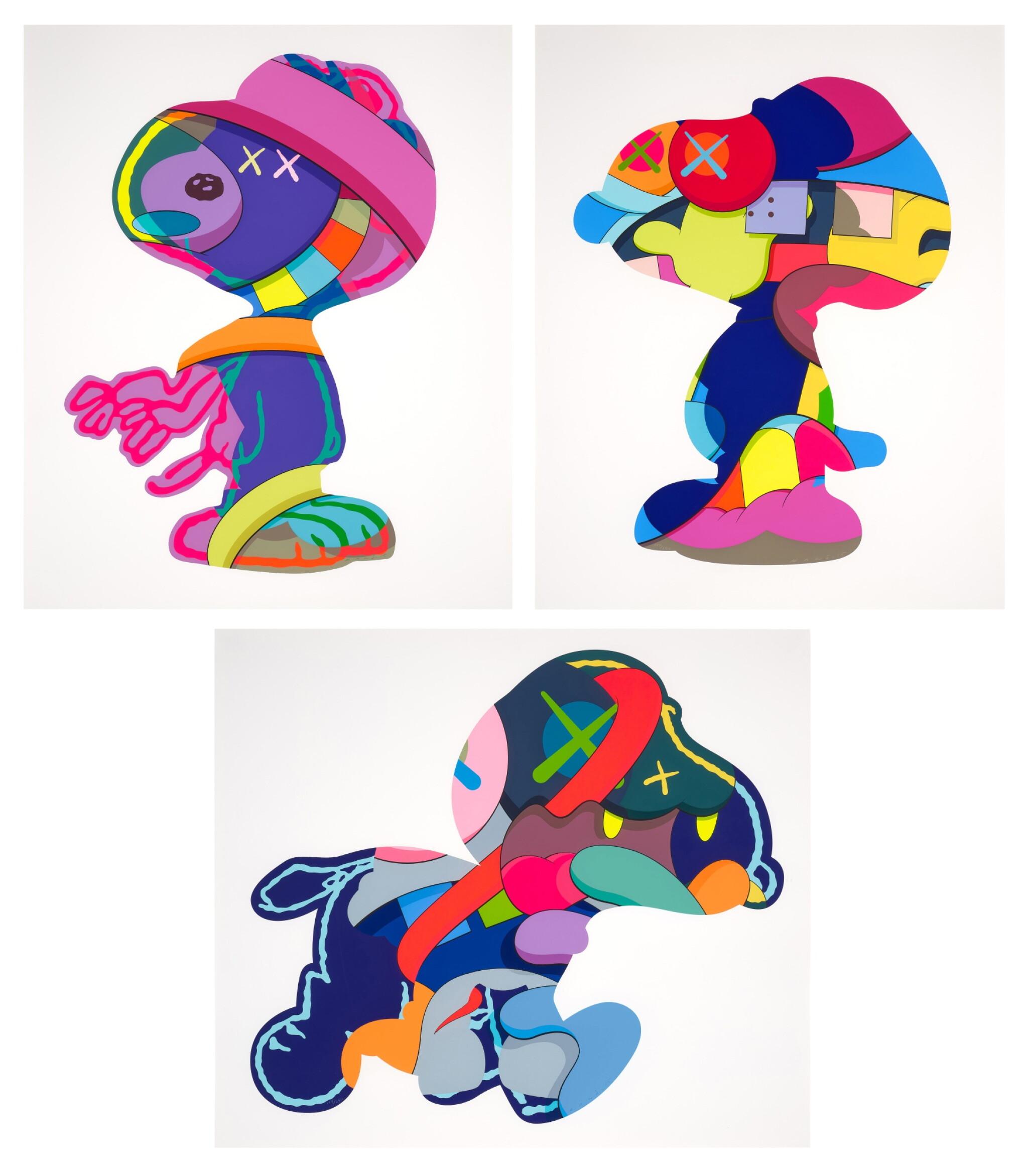
Beyond these primary figures, KAWS has developed an extended universe of characters and motifs. His Snoopy works, reinterpreting the beloved Peanuts character with his signature visual interventions, appeal to collectors with nostalgic connections to Charles Schulz's creation. The Kawsbob works featuring SpongeBob SquarePants and the Sesame Street collaborations similarly draw on recognisable pop culture imagery, transformed through KAWS's distinctive lens. Understanding which characters resonate with you personally is the first step toward building a focused collection.
The KAWS market spans an unusually broad range of price points, from accessible open edition figures to museum-quality unique paintings. Understanding these categories helps collectors identify appropriate entry points and plan acquisition strategies.
These mass-produced vinyl figures, often released through collaborations with Medicom's Be@rbrick line or KAWS's own editions, represent the most accessible entry point to collecting. While not limited in the traditional sense, they sell out quickly at retail and often appreciate on the secondary market. Collectors should understand that these pieces function differently from limited editions—they're accessible, widely owned, and valued more for their design and cultural significance than scarcity.
Limited edition vinyl figures, produced in defined quantities and often featuring unique colourways or variations, represent a step up in both price and collectibility. Edition sizes vary considerably, from a few hundred to several thousand, and the secondary market can see significant premiums for sought-after releases. Authentication becomes more important at this level, as counterfeit KAWS figures are widespread.
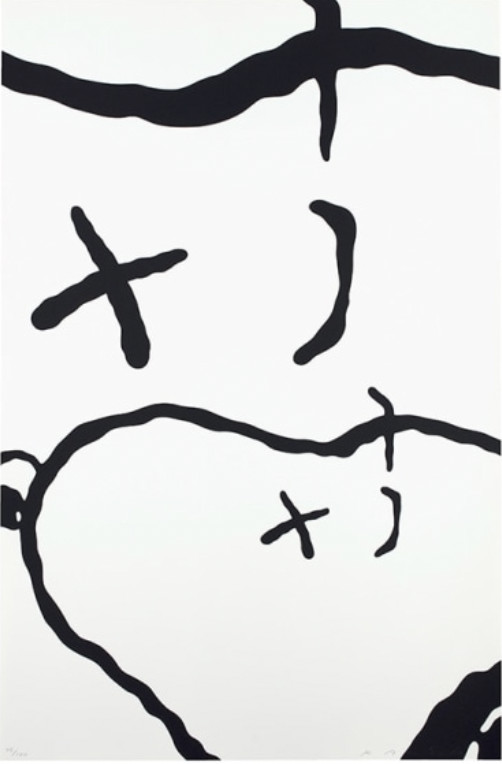
KAWS screenprints represent the core of many serious collections. Earlier editions, particularly those from the 2000s, have become increasingly scarce and valuable. Series including Ups and Downs, The News, and Urge demonstrate his mastery of the screenprint medium, with rich colours and precise registration that reward close examination. Edition sizes typically range from 100 to 500, with smaller editions and artist's proofs commanding premiums. Rare screenprints and complete portfolios can reach $150,000 or more at auction.
Major KAWS sculptures, often produced in small editions in materials including bronze and fiberglass, represent significant collector investments. These works, sometimes reaching several feet in height, command six-figure prices and require considered installation planning. The Companion (Passing Through) achieved $1.26 million at Christie's in 2020, demonstrating the market's appetite for important sculptural works.
At the apex of the market, KAWS paintings attract the most serious collectors and institutions. These one-of-a-kind works, often large-scale acrylic on canvas pieces, rarely appear on the market and command prices in the millions when they do. The $14.8 million result for THE KAWS ALBUM established a benchmark that positions KAWS alongside the most valuable contemporary artists working today.
The popularity of KAWS collectibles has unfortunately generated a substantial counterfeit market. Fake figures, in particular, are widespread, and collectors must exercise due diligence when purchasing from unfamiliar sources. Several factors can help identify authentic pieces:
For prints, authentication concerns are somewhat different. KAWS screenprints should bear appropriate signatures, edition numbers, and printing quality consistent with the edition's documented characteristics. Working with established galleries provides access to expertise and accountability that private sales cannot match.
Beyond authentication, assessing condition is essential when considering any KAWS acquisition. Different categories require different evaluation criteria:
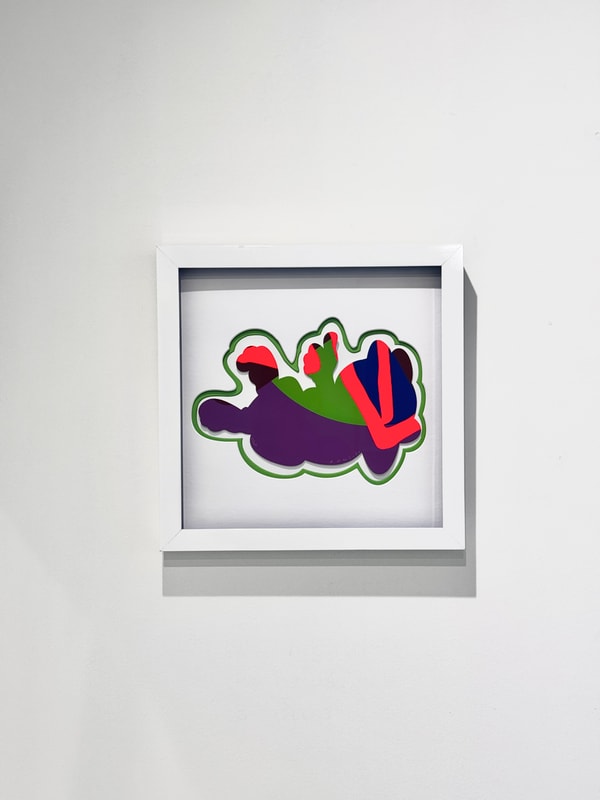
KAWS,Untitled (Garfield). Available at Guy Hepner, New York.
KAWS's brand collaborations have been integral to his practice and market, not peripheral to it. Understanding this collaboration history helps collectors contextualise different aspects of his work. His partnership with Dior, which saw KAWS-designed bee motifs appear on Kim Jones's menswear collections, represented a high fashion milestone. The ongoing Uniqlo collaboration has produced affordable t-shirts and accessories featuring his imagery, introducing millions to his visual language. Nike collaborations, Supreme partnerships, and the memorable Sesame Street collection have all expanded his reach while generating sought-after collectibles.
Collectors should understand that these collaborations aren't compromises—they're extensions of the same practice that began with subverting bus shelter advertisements. KAWS has always operated at the intersection of commerce and art, finding creative possibilities in mass production rather than retreating from it. This philosophy distinguishes him from artists who maintain rigid separation between commercial and fine art work, and it explains why his collector base is so diverse.
KAWS has embraced digital technologies with the same enthusiasm he brings to physical production. His Expanded Holiday project in 2020 used augmented reality to place massive virtual Companion sculptures in public spaces around the world, accessible through smartphones. The New Fiction exhibition in 2022 further explored these possibilities, demonstrating his willingness to experiment with new mediums. Working with Acute Art, he has created AR experiences that allow anyone with a smartphone to interact with his work, democratising access in ways that physical exhibitions cannot.
These digital initiatives haven't diminished interest in physical works—if anything, they've expanded his audience and driven demand across all categories. Collectors who discovered KAWS through an AR experience may progress to purchasing prints or figures, just as sneakerheads who first encountered him through Nike collaborations have become serious art collectors. The digital realm functions as an entry point rather than a replacement, consistent with his career-long strategy of meeting audiences where they are.
Collectors approach KAWS from different starting points and with different objectives. Some strategies that have proven effective:
Building depth within one character—collecting multiple Companion variations, for instance—creates a cohesive collection with clear focus. This approach allows deep knowledge of a specific area and makes quality assessment easier as familiarity grows.
Earlier editions and figures, particularly those from the 1990s and early 2000s, carry historical significance as foundational pieces in KAWS's development. While often more expensive due to scarcity, they offer potential for continued appreciation.
Starting with accessible editions or figures allows collectors to develop their eye and market knowledge before committing to major purchases. Progressing from a $300 figure to a $30,000 print over time represents a natural collecting trajectory.
Complete print portfolios or series—such as the Urge series or Outlines works—often command premiums over individual pieces and demonstrate collecting seriousness. They also offer built-in coherence for display.
Navigating the KAWS market presents challenges that experienced guidance can help address. At Guy Hepner, 177 Tenth Avenue, New York, we maintain an inventory of authenticated KAWS prints, editions, and sculptures, ensuring collectors can acquire with confidence. Our specialists understand the nuances of edition variations, condition assessment, and market positioning that determine value.
We work with collectors at every level, from those acquiring their first KAWS screenprint to those building comprehensive collections spanning multiple decades of his work. Our 0% commission structure for sellers creates a transparent marketplace, and our relationships with collectors worldwide provide access to works that rarely appear publicly. Whether you're seeking a specific edition to complete a series or exploring KAWS for the first time, we offer the expertise and inventory to support informed collecting decisions.
For collectors ready to explore available works or discuss acquisition strategies, we welcome the opportunity to share our knowledge of this singular artist whose influence continues to reshape the boundaries between art, commerce, and culture.
Explore Kaws prints for sale at Guy Hepner: Man's Best Friend, Original Works, Other Editions, Outlines, Snoopy.
Related Series