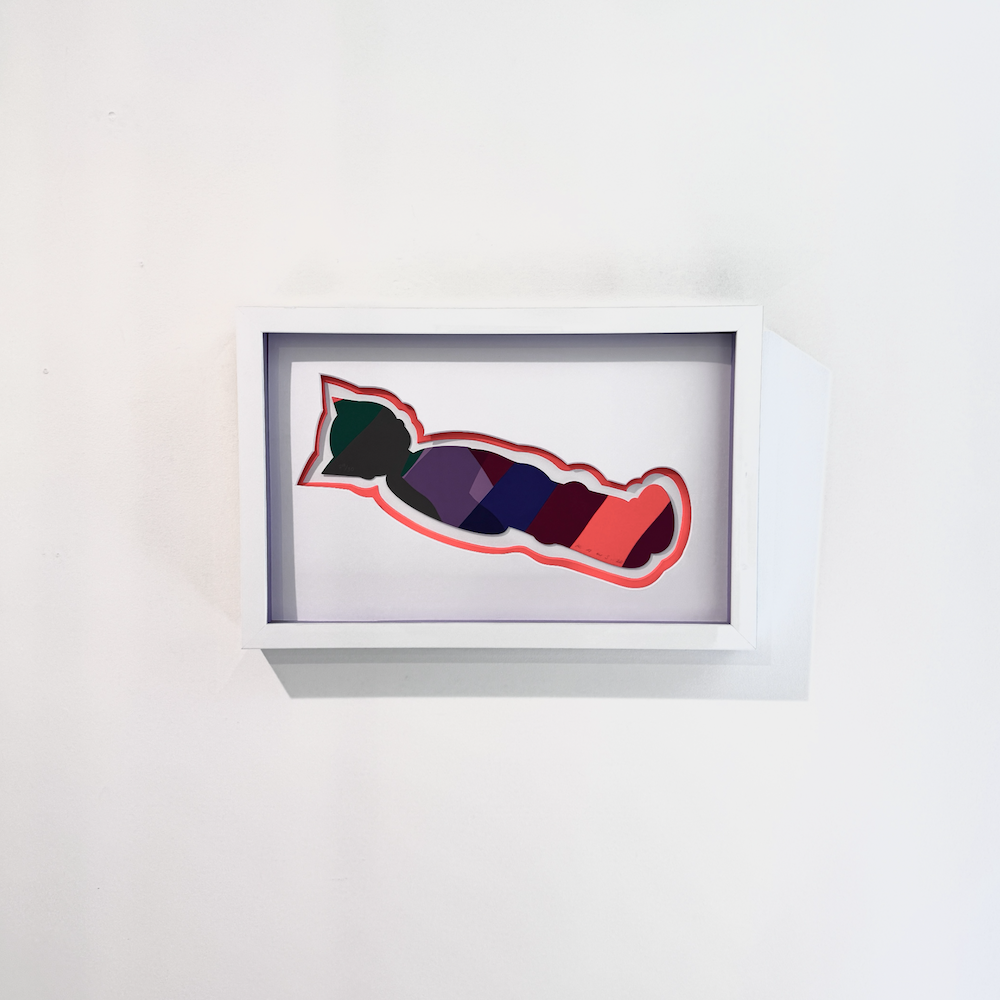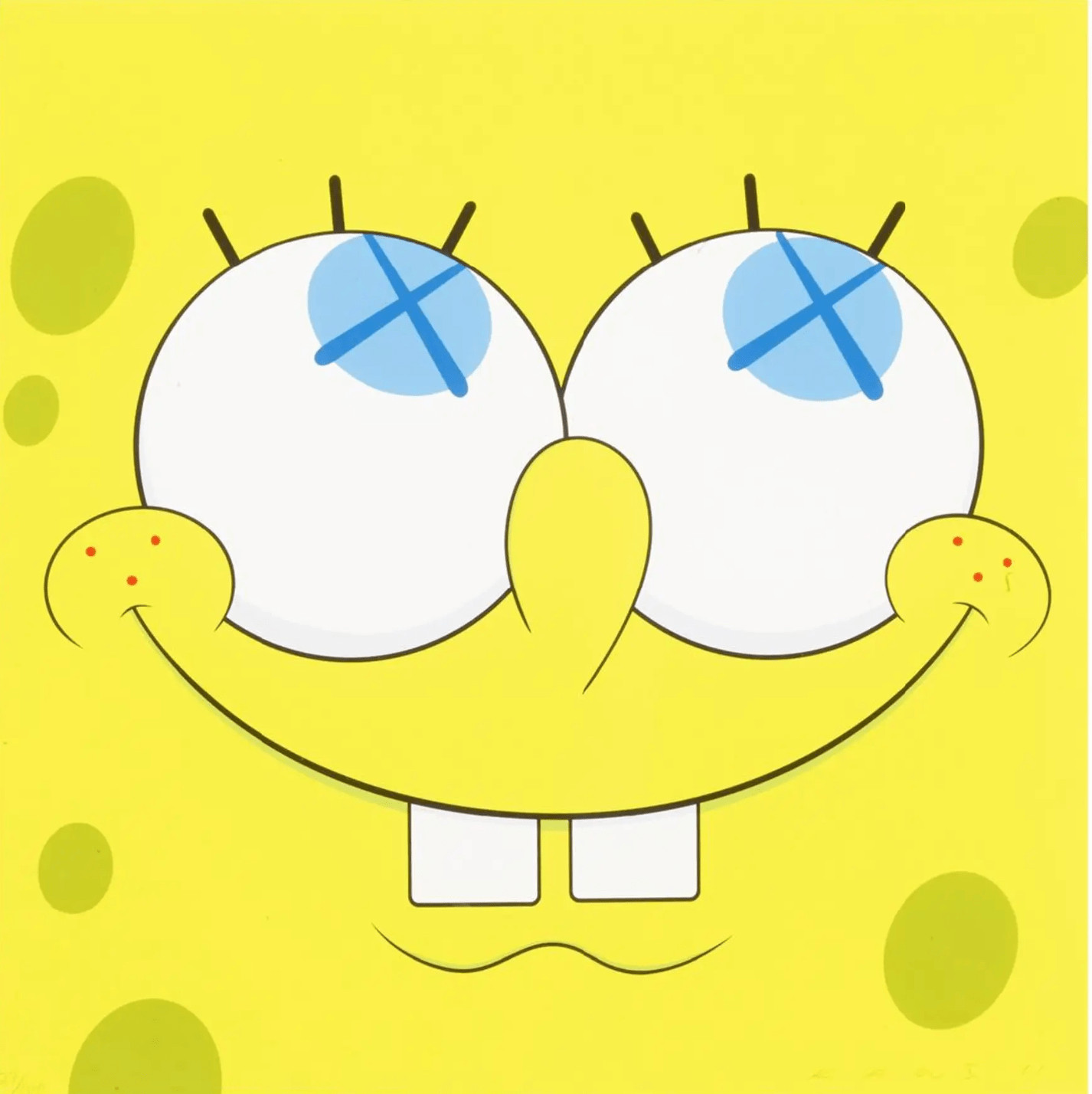
Kawsbob

June 5, 2026
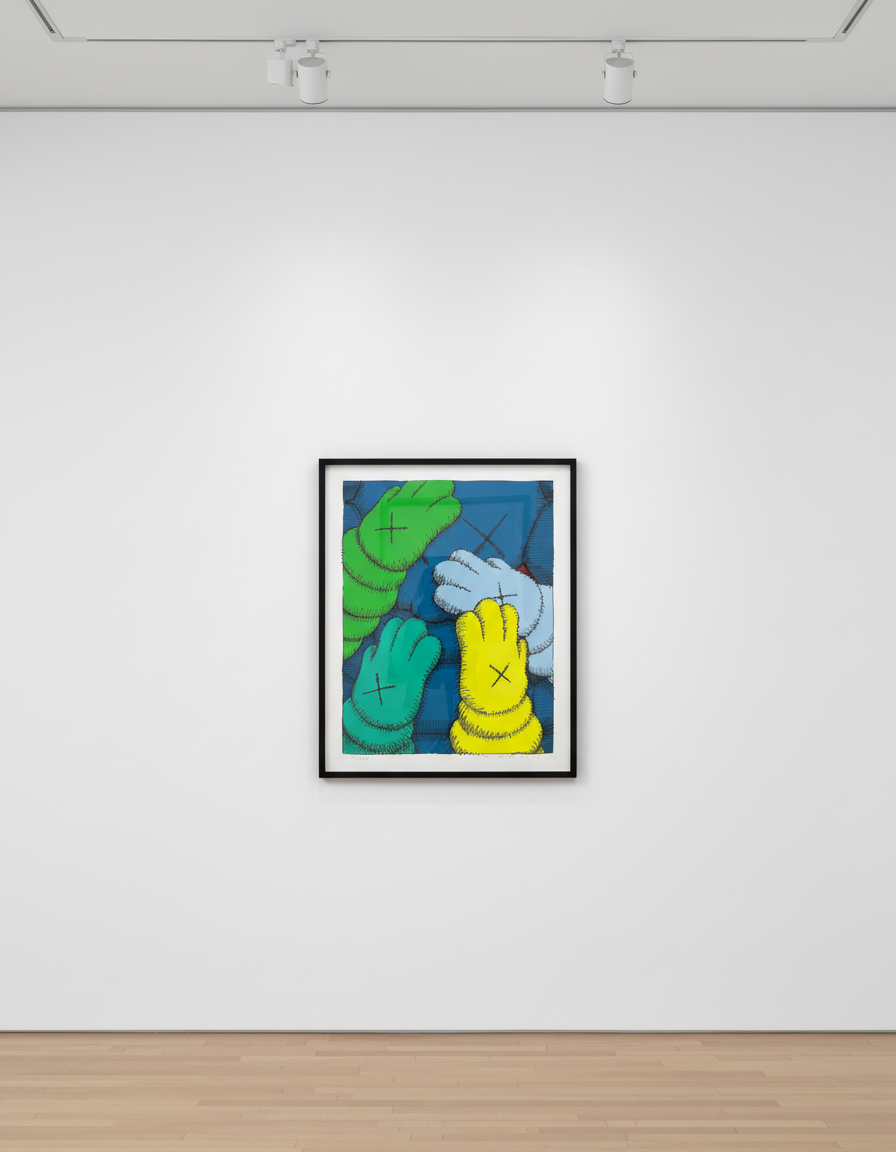
If you've spent any time in the contemporary art or streetwear worlds over the past two decades, you've encountered KAWS figures. Those unmistakable vinyl sculptures — crossbone hands, XX eyes, a face somewhere between Mickey Mouse and something far more melancholy — have become one of the defining visual languages of our era. But beneath the pop culture surface lies a serious collectible market with complex hierarchies, rare editions, and prices that have climbed from the hundreds into the millions. This guide covers everything you need to know about collecting KAWS figures: who makes them, which ones matter, what they're worth, and how to buy safely.
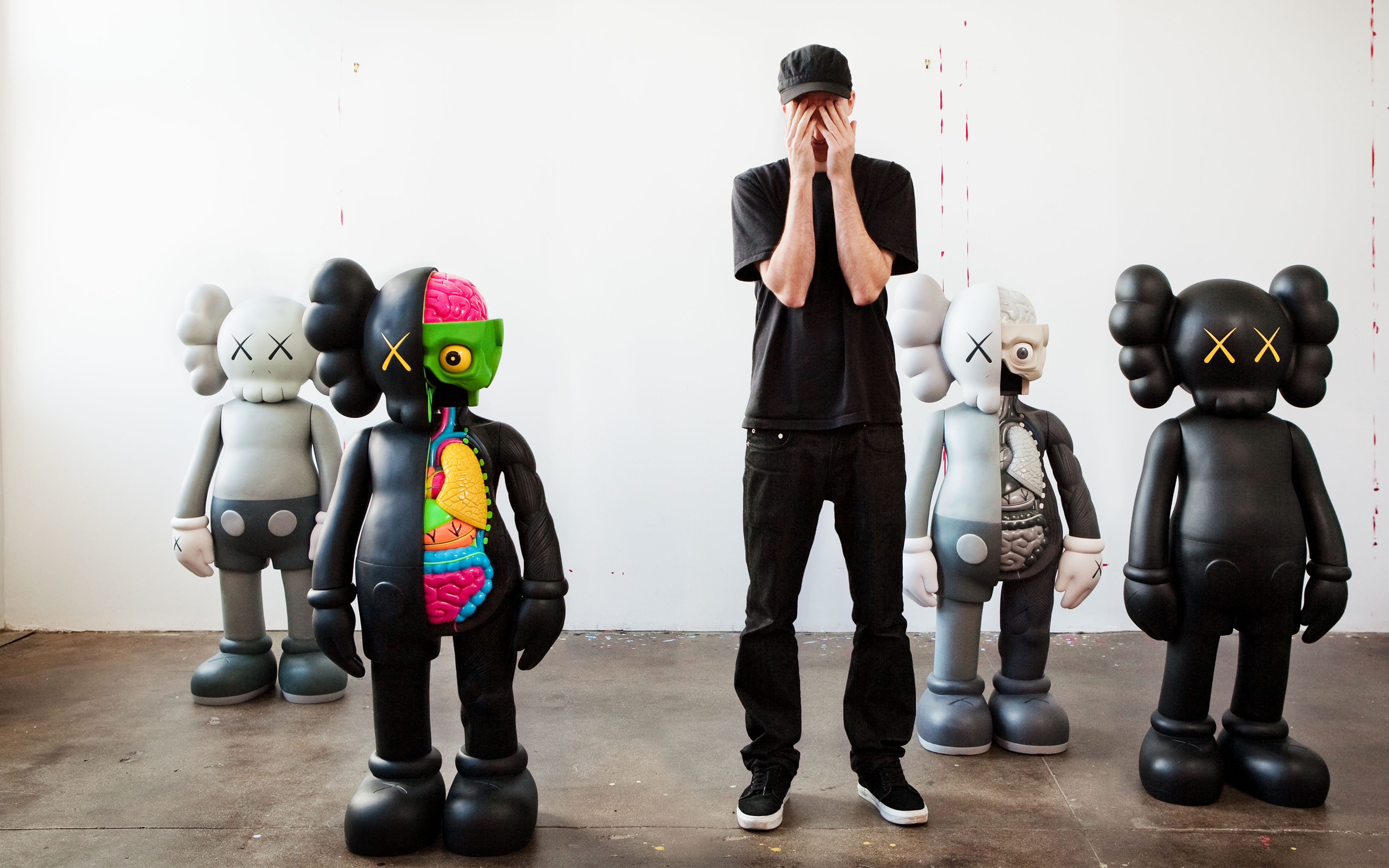Brian Donnelly — known universally as KAWS — was born in 1974 in Jersey City, New Jersey. He came up through New York City's graffiti scene in the late 1980s, developing his distinctive visual vocabulary on subway cars and city walls before finding a more subversive canvas: the advertising industry's own billboards and bus shelter posters.
While studying illustration at the School of Visual Arts and later working as a background painter for Disney, KAWS spent nights illegally modifying bus shelter advertisements across New York, Paris, London, and Tokyo — replacing corporate imagery with his own characters. This practice, sometimes called "subvertising," earned him a cult following and the attention of the art world simultaneously. The irony of a Disney employee co-opting corporate pop imagery was not lost on collectors or critics.
In 2001, KAWS founded ORIGINAL FAKE, his Tokyo-based retail label, cementing a relationship with Japanese street culture and the burgeoning designer toy market that would define his commercial output for the next decade. Today he is recognised as one of the most collected living artists in the world, with works in major museum collections, record-breaking auction results, and a secondary market that shows no sign of cooling.
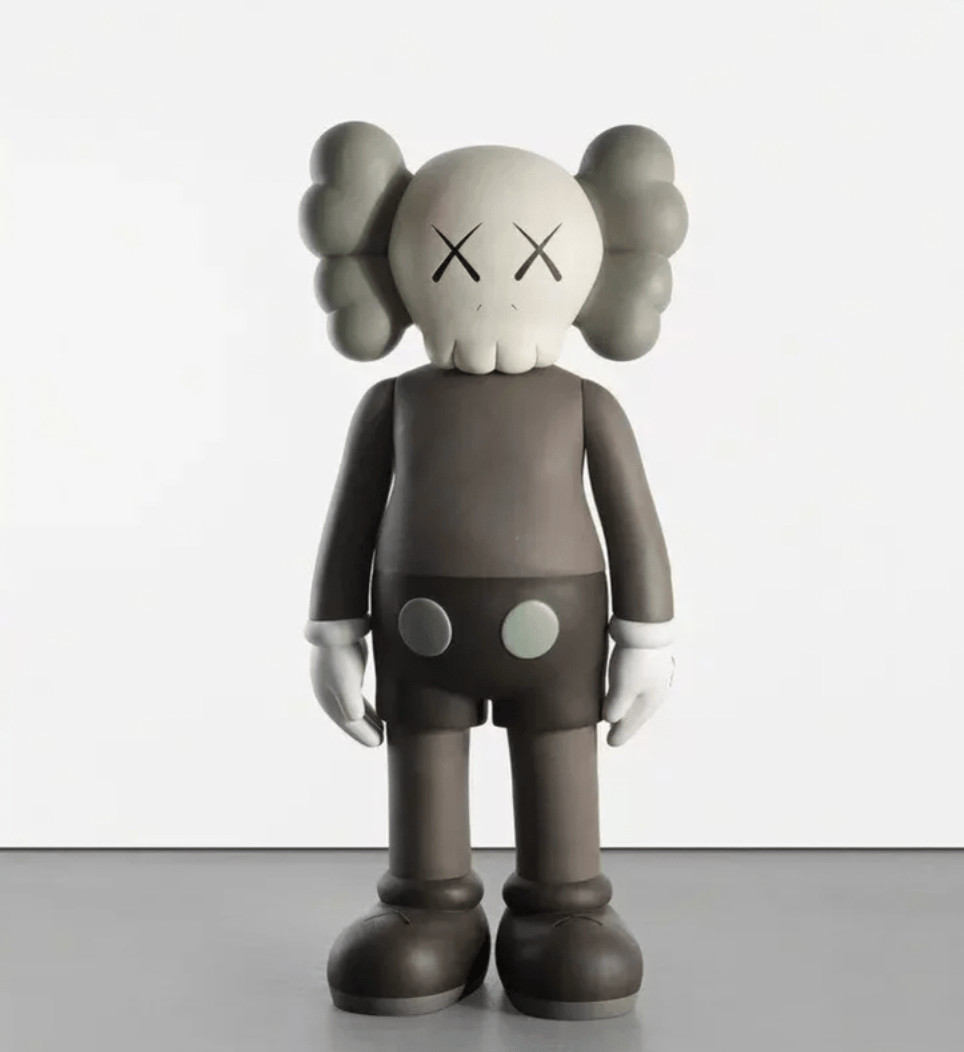
KAWS figures are limited-edition vinyl sculptures produced primarily in collaboration with Medicom Toy, the Japanese manufacturer responsible for some of the most sought-after collectibles in the designer toy space. They range from palm-sized editions of just a few inches tall to monumental four-foot versions that command gallery-level presence in any room.
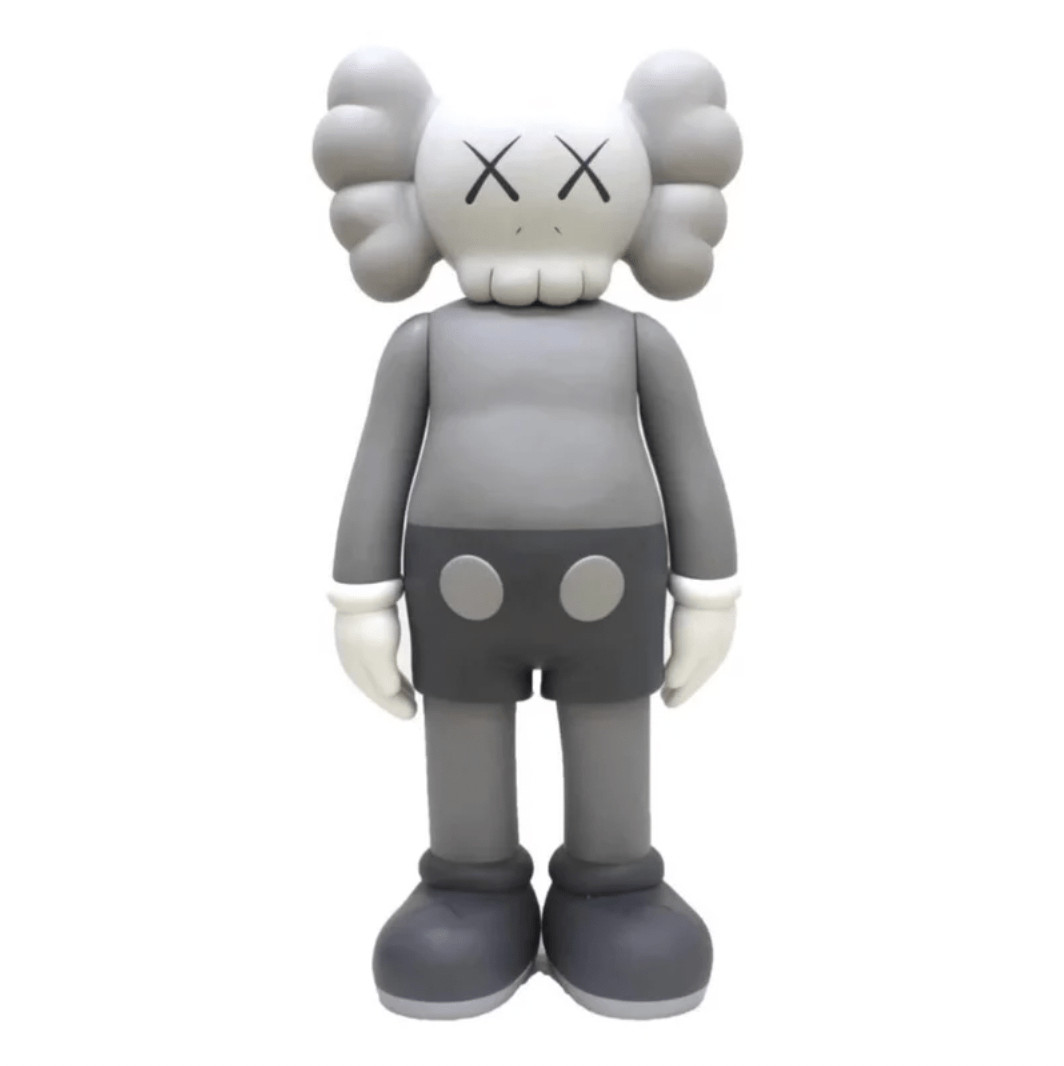The figures centre on recurring KAWS characters — most prominently the Companion — rendered in limited edition colourways with strict production caps. Many original releases sold for under $100 at retail. The same pieces now regularly trade for tens of thousands on the secondary market. That gap between retail and resale is one of the most dramatic in the contemporary collectibles world, and it reflects genuine scarcity rather than artificial inflation: once an edition sells out, it's gone.
The Companion is the figure KAWS is most associated with, and for good reason. First produced in 1999 as a riff on Mickey Mouse — that oversized round head, the four-fingered hands — the Companion transformed the Disney archetype into something more ambiguous and emotionally complex. The XX eyes (a motif KAWS has used since his graffiti days, drawn from cartoon death symbolism) give the figure a melancholy quality that sits at odds with its cartoon origins. The Companion looks, variously, like it's resting, defeated, contemplating, or simply done.
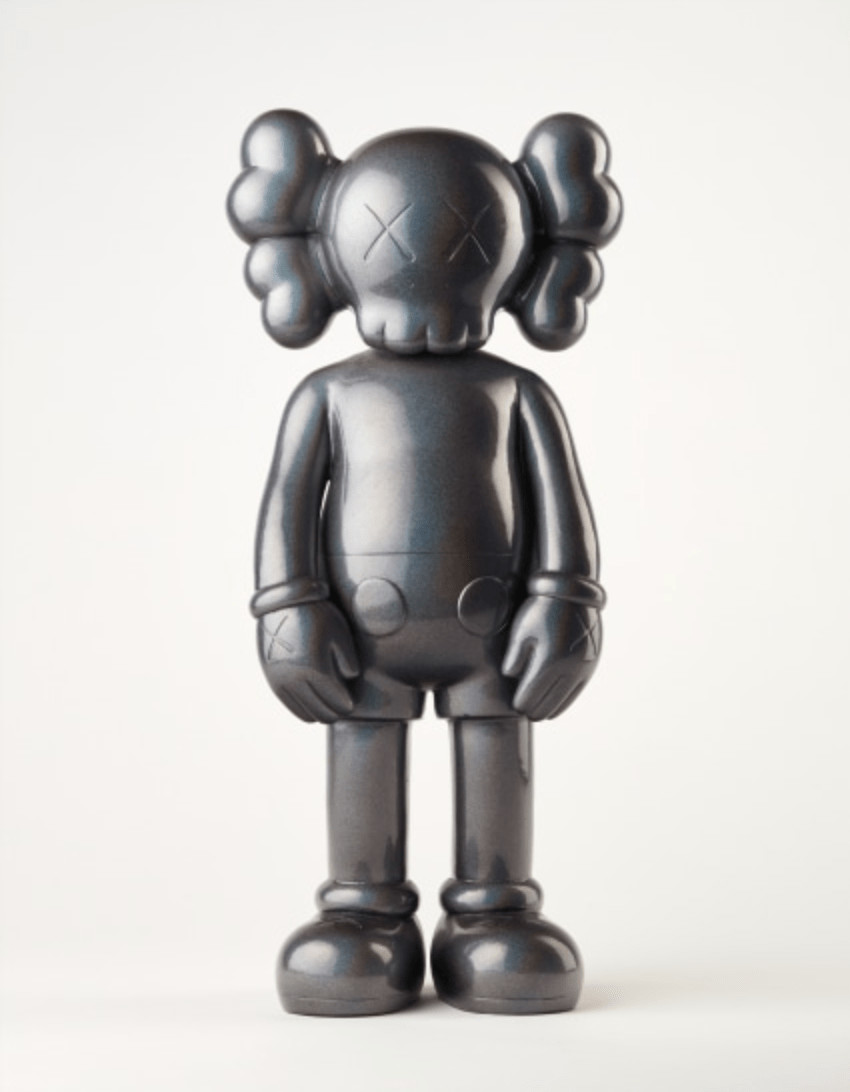
Multiple variants exist: the standing Companion, the resting Companion (head in hands), the Passing Through Companion (half-submerged in a surface), and the Dissected Companion (see below). The four-foot scale is widely regarded as the definitive collector's format — large enough to anchor a room, small enough to install without structural considerations. Anniversary editions like the Five Years Later series (2008) celebrate milestone moments in the figure's history and carry particular resonance for serious collectors.
If the standard Companion is emotionally opaque, the Dissected Companion is its raw exposure. First introduced in the early 2000s, the Dissected variant cuts the figure open — literally — to reveal a cross-section of its interior anatomy: organs, bones, connective tissue, all rendered in KAWS's signature graphic style. The effect is simultaneously clinical and deeply personal, a metaphor for emotional vulnerability and the gap between external presentation and internal reality that resonates far beyond the toy collector context.
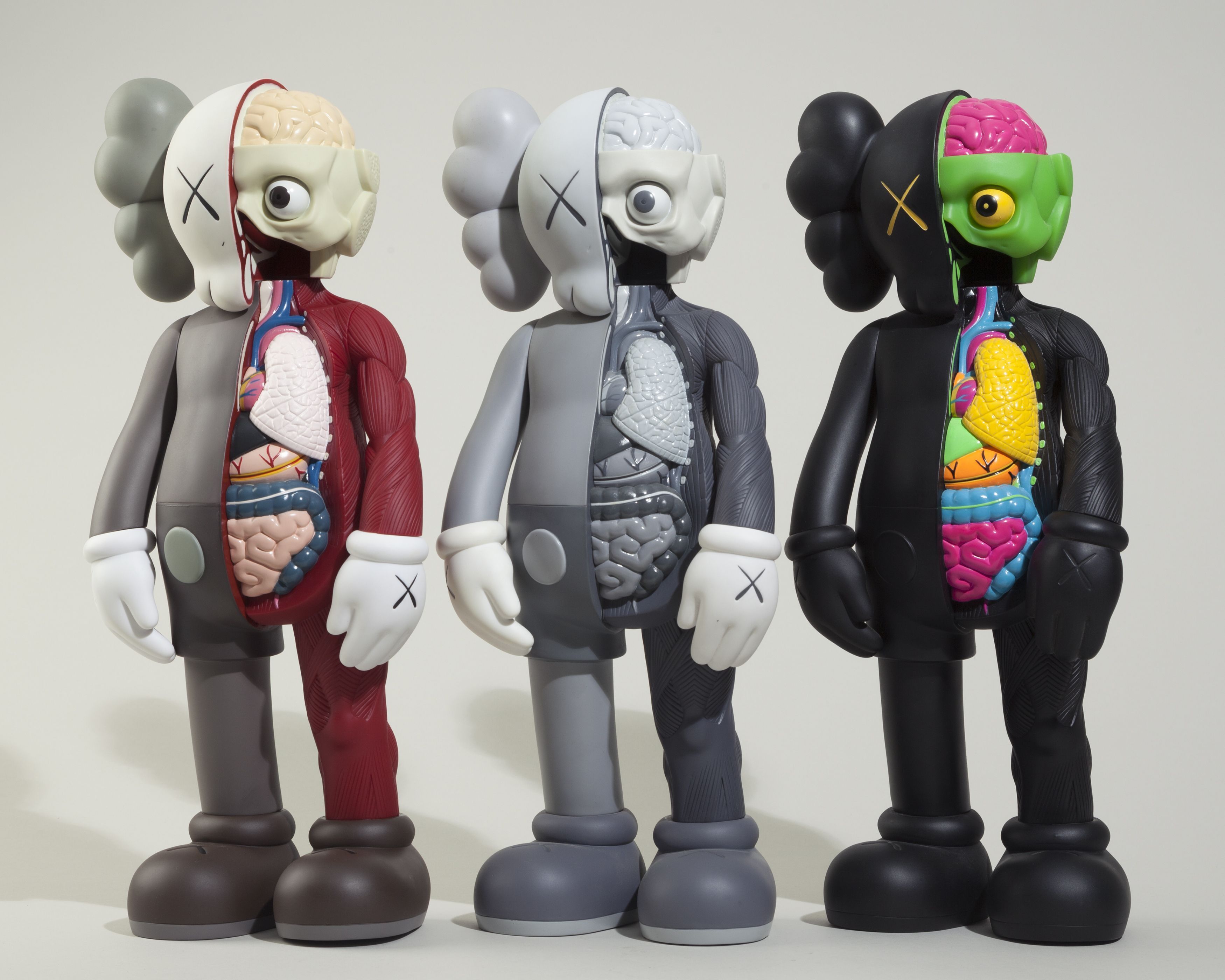The Dissected Companion consistently performs strongly at auction. The combination of visual drama, conceptual depth, and genuine scarcity — particularly in the four-foot format and early colourways — makes it one of the most desirable figures in the KAWS catalogue. Collectors who passed on early opportunities have paid a significant premium to correct that oversight.
Introduced in 2017, the BFF (Best Friends Forever) character represents a softer, rounder counterpart to the Companion. Where the Companion carries weight and melancholy, the BFF has a more rounded, approachable form — though it retains the XX eyes and crossbone hands that mark it unmistakably as KAWS. The BFF became a cultural moment in 2019 when KAWS collaborated with Dior for Men's Spring/Summer 2019, with the BFF character appearing across the collection in a collaboration that bridged high fashion, streetwear, and contemporary art in a way few partnerships have managed.
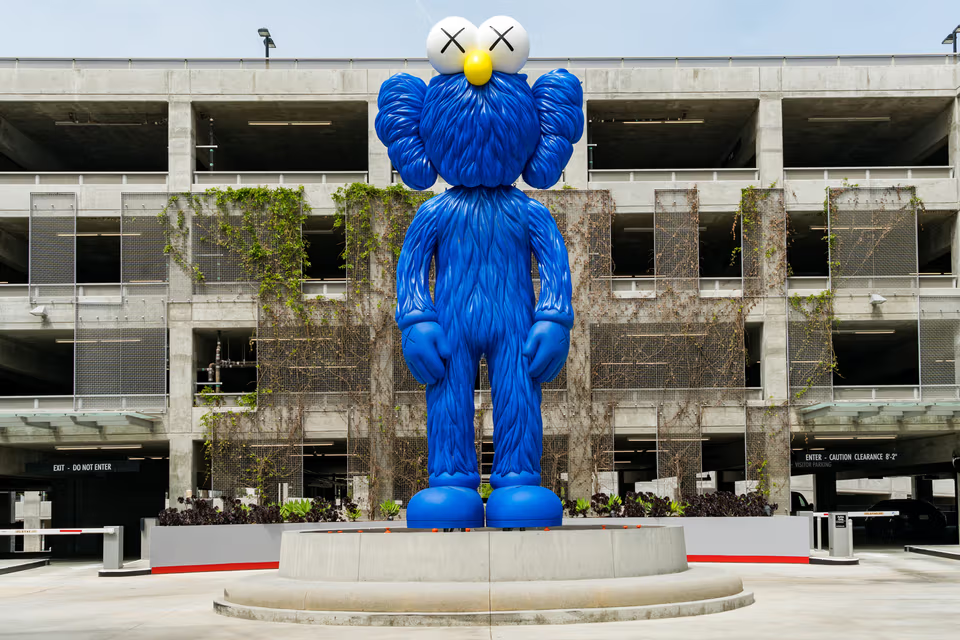The Dior x KAWS BFF figures are among the most coveted collaborations in the figure's history. Limited strictly and released through Dior retail channels rather than the usual KAWS/Medicom routes, they carry significant collector premiums and represent an important junction between the luxury fashion world and the contemporary art market.
Beyond the Companion and BFF, the KAWS figure catalogue contains a number of series that serious collectors track closely.
Alone Again (2018) — One of the most emotionally affecting figures KAWS has produced. The Companion is rendered in a foetal position, knees drawn to chest, head bowed. It's a figure of profound loneliness and self-containment, and it resonated particularly strongly with collectors who saw in it a reflection of modern isolation. Released in multiple colourways with strictly limited editions.
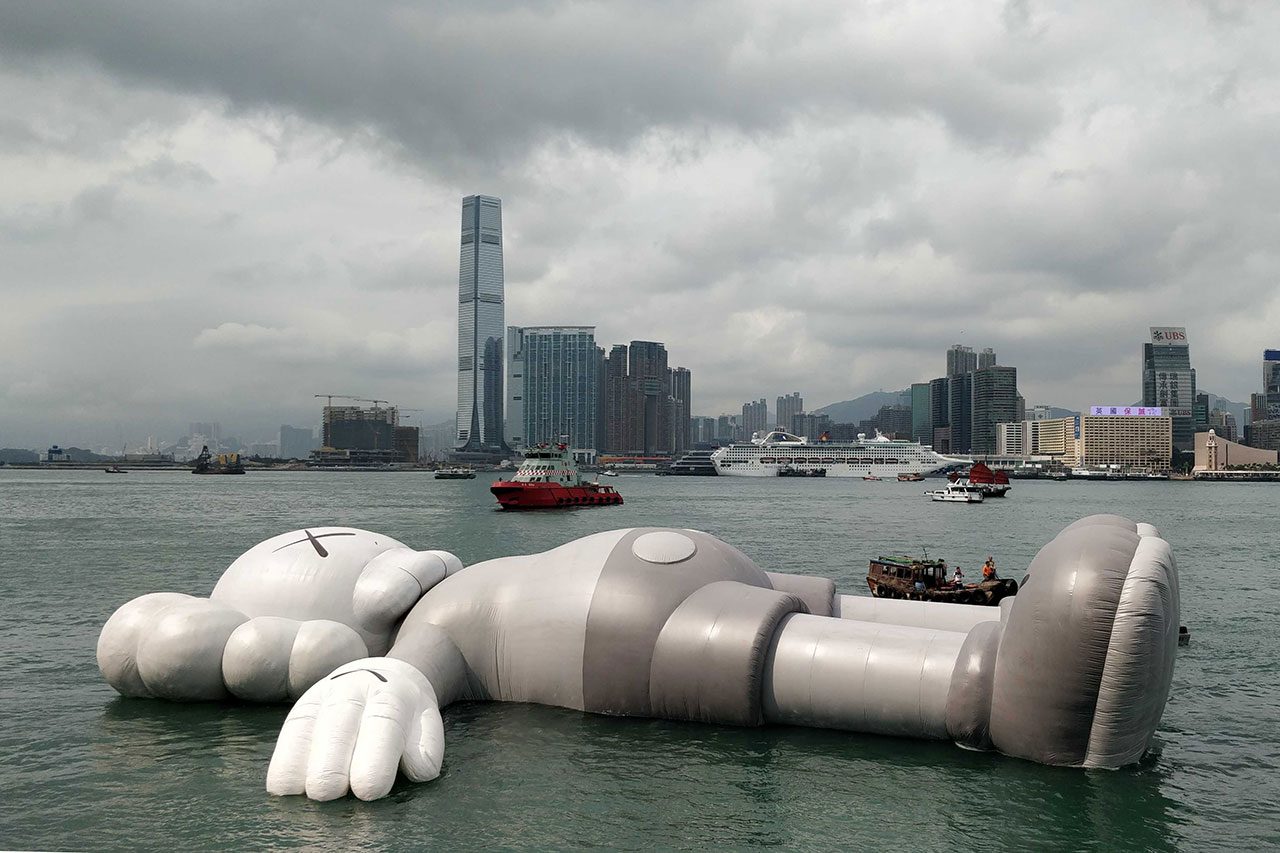
Holiday (2020) — The Holiday series began as a global installation project — giant inflatable Companions floating in Hong Kong Harbour, reclining across the mountains of Taipei, lying in Seoul's Lotte World Tower plaza. The vinyl figure editions that followed captured the same resting, eyes-closed posture, translating the monumental installations into collectible scale. Particularly popular in Asian markets.
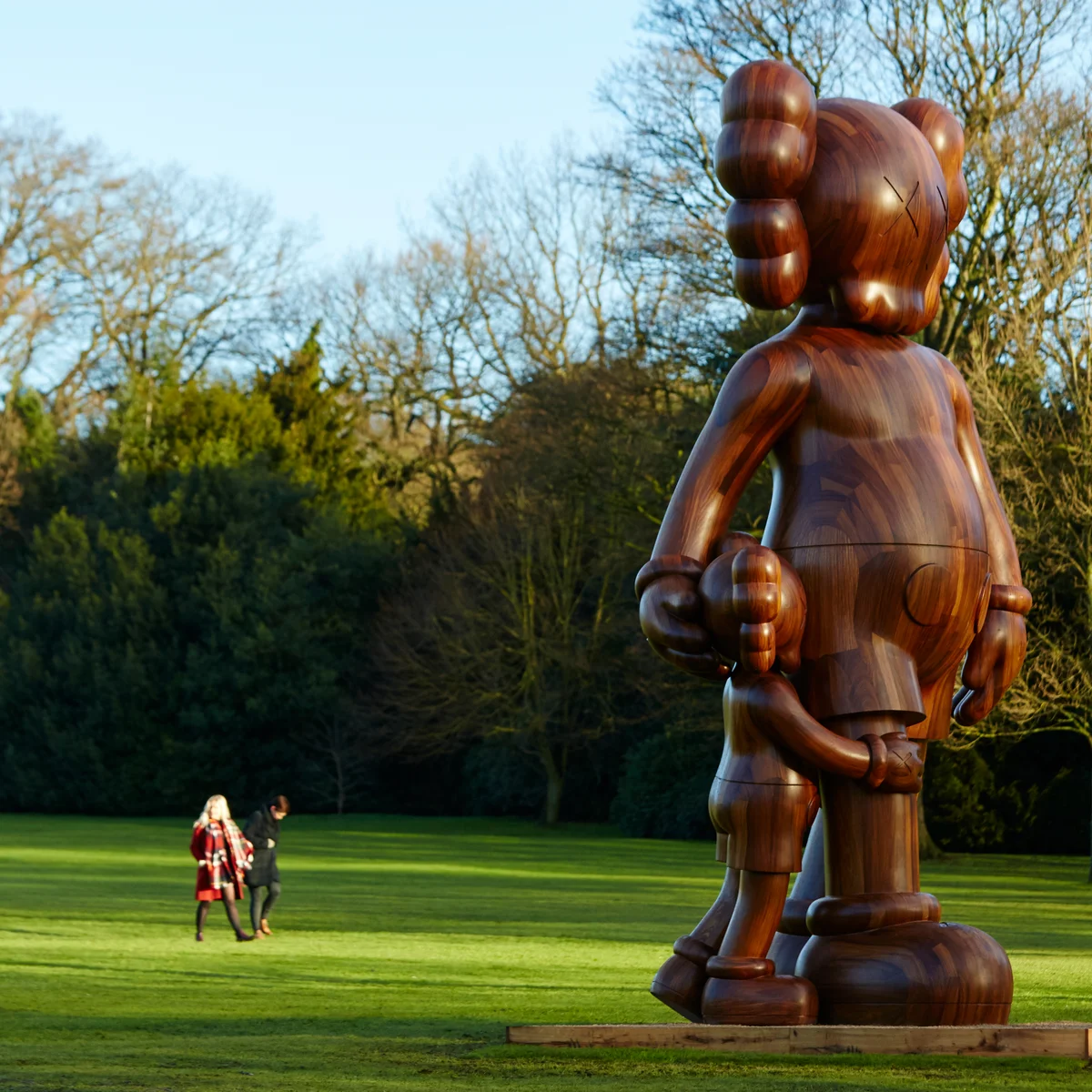
Good Intentions (2021) — Two Companions embrace in a posture that reads variously as comfort, desperation, or mutual support. Released during the pandemic period, the figure's themes of human connection and fragility gave it immediate cultural weight. The pairing composition is unusual in the KAWS catalogue, making it visually distinctive among collectors.
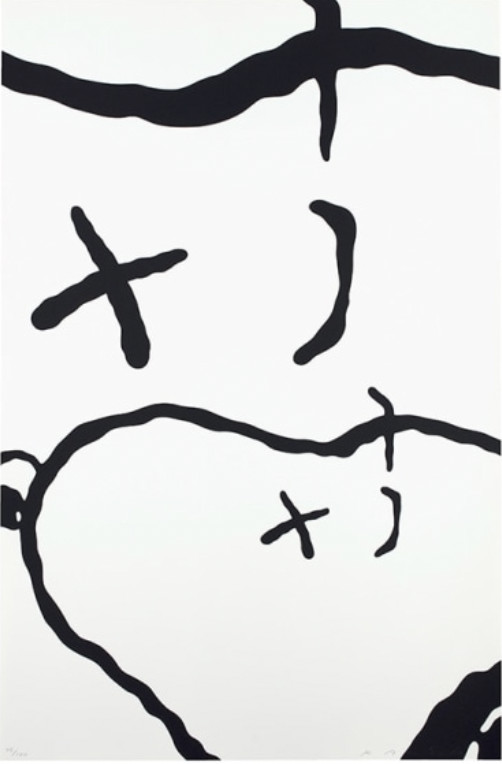
Man's Best Friend (2016) — A collaboration with the Peanuts estate, this figure reimagines Snoopy through the KAWS lens: the characteristic pose, the XX eyes overlay, the familiar beagle silhouette transformed into something simultaneously nostalgic and uncanny. IP collaborations are a significant thread in the KAWS catalogue, and the Snoopy work is one of the most commercially and critically successful.
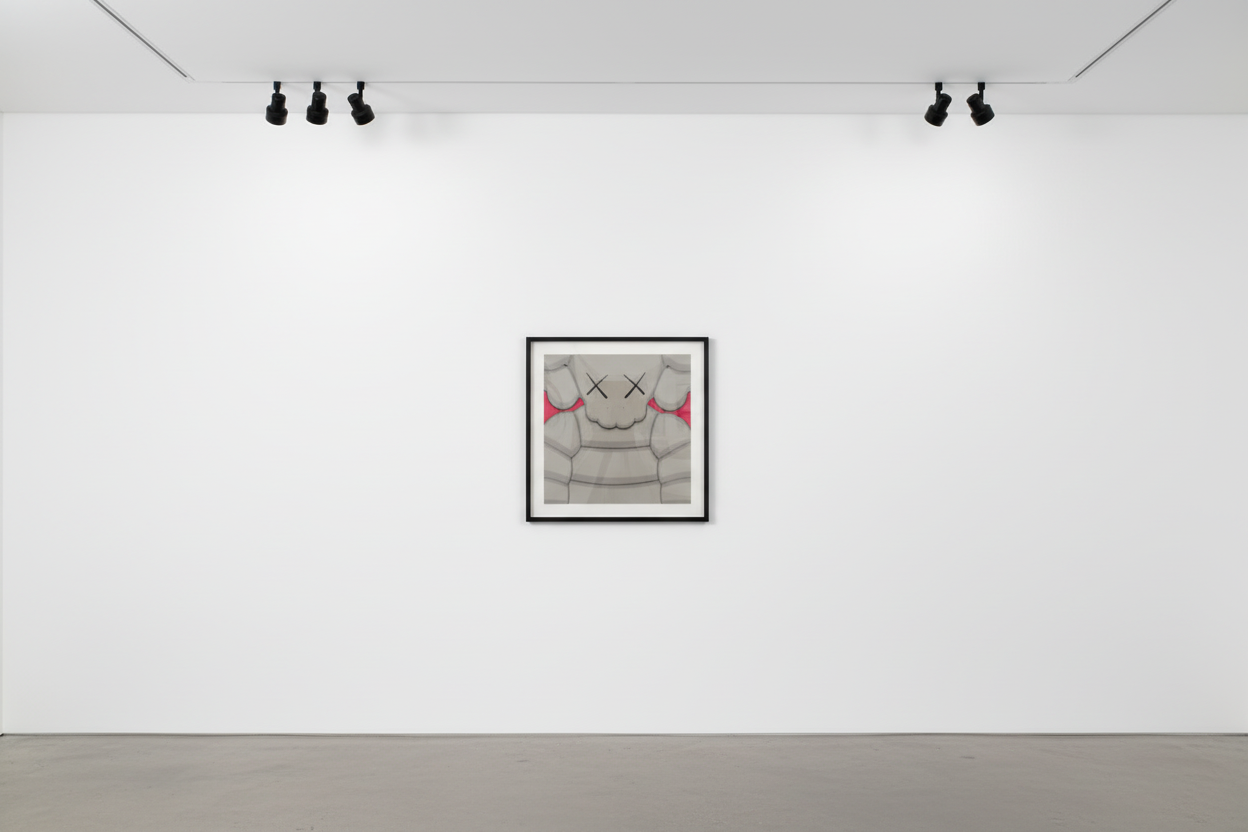
What Party (2020) — Released alongside the corresponding print series, the WHAT PARTY figures feature the Companion in vivid, high-saturation colourways that depart from the more muted tones common across the catalogue. The series title — taken from an overheard conversation — gives the work a deadpan absurdist quality that suits KAWS's sensibility well.
Collectors entering the KAWS market face an early decision: figures or prints? Both hold value; both appreciate meaningfully when editions are genuinely limited. But they serve different collector needs.
Figures offer tactile, three-dimensional presence. They dominate a shelf or plinth in a way a framed print cannot. The price ceiling is higher — significant figures have sold for hundreds of thousands — and the display drama is unmatched. They're also more challenging to insure and ship, and storage requires more care than flat works.
Prints provide a more accessible entry point. Limited-edition screenprints and woodblock prints from KAWS have a strong secondary market, are easier to frame, store, and insure, and represent a significant portion of the artist's auction volume. For collectors who want KAWS on the wall rather than the shelf, prints are the natural route.
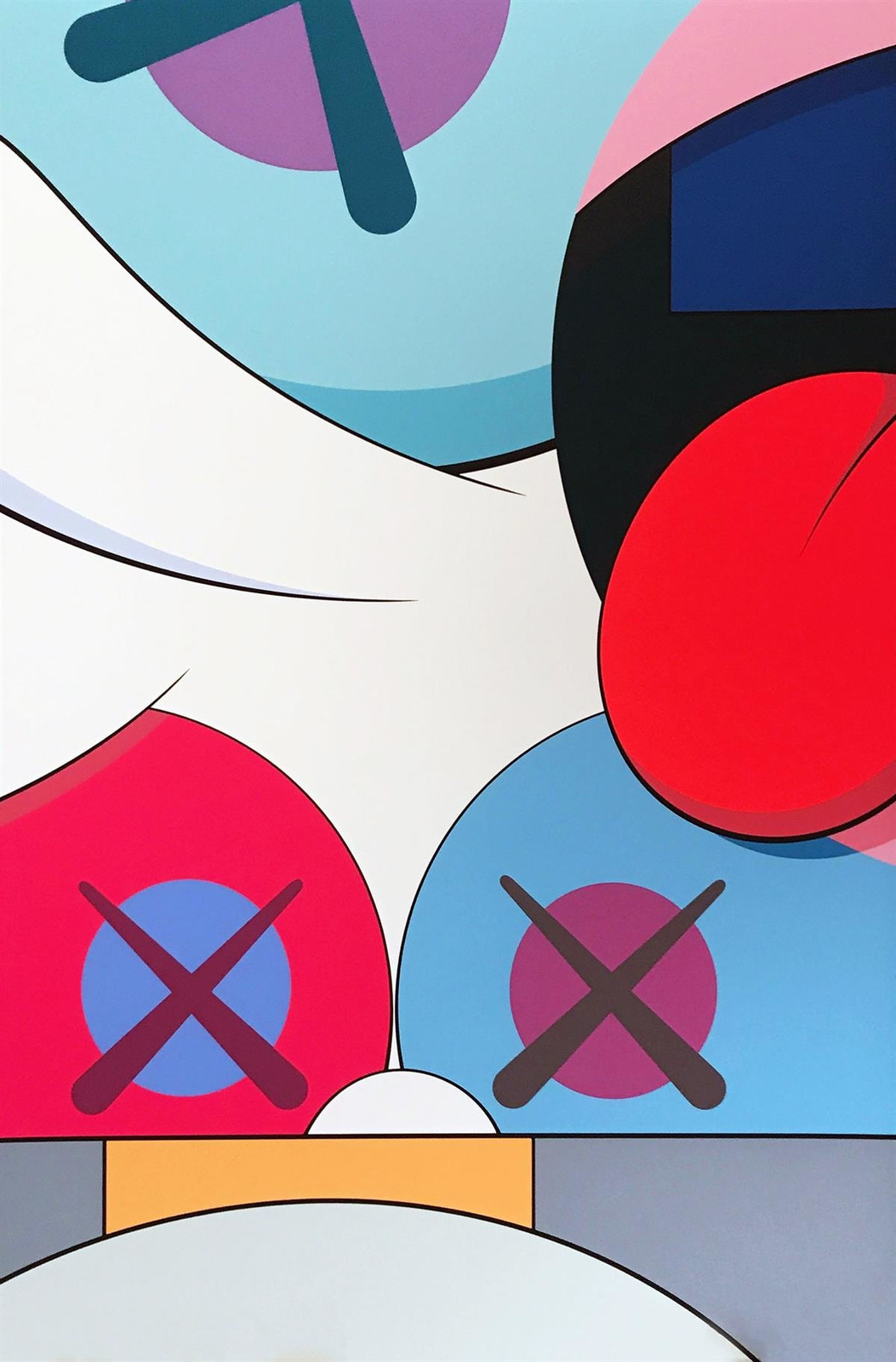
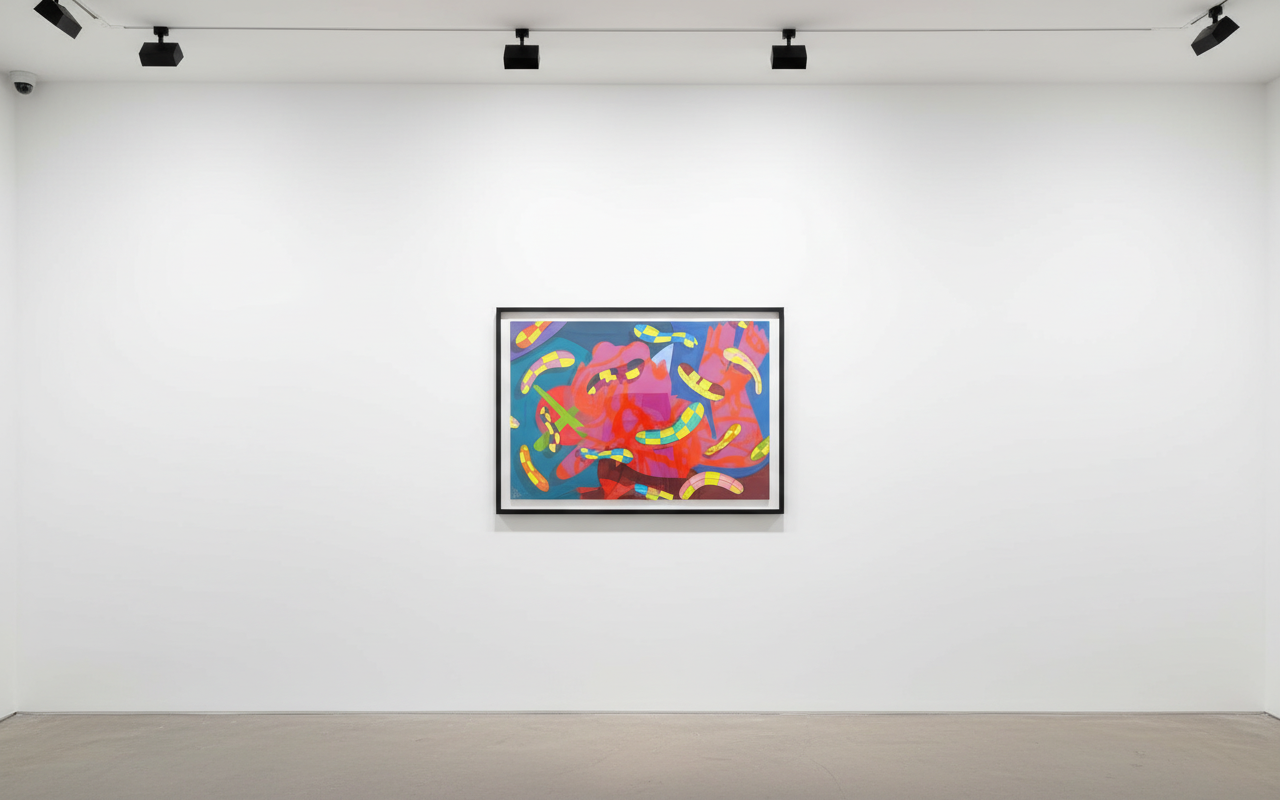
Works like Blame Game illustrate the crossover: a print series that references the same visual language and emotional register as the figures, offering collectors a two-dimensional counterpart to the sculptural work. Both the prints and the corresponding figures appreciate in tandem when the underlying edition is well-managed.
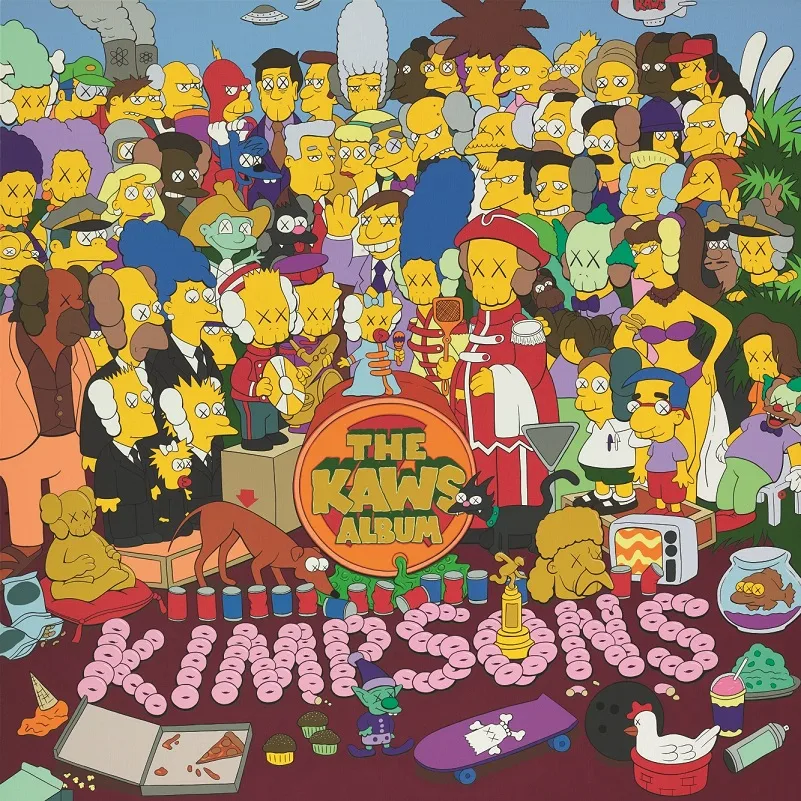The KAWS market made global headlines in April 2019 when THE KAWS ALBUM — a painting referencing The Beatles' Sgt. Pepper's sleeve, with Simpsons characters replaced by KAWS Companions — sold at Sotheby's Hong Kong for HK$115.9 million (approximately $14.7 million USD), against a pre-sale estimate of HK$800,000–1.2 million. The result was a 140x hammer price multiple and announced definitively that KAWS had transcended the collectible toy market to occupy serious contemporary art territory.
Companion figures in significant editions and colourways regularly achieve $50,000–$500,000 at auction, with the upper range reserved for early editions, monumental scales, and particularly scarce colourways. The Dissected Companion and early 2000s figures — produced before KAWS's mainstream breakthrough — carry particular premiums for their scarcity and historical significance within the catalogue.
Collector demand is especially strong in Hong Kong, mainland China, Japan, and South Korea, where KAWS's cultural footprint is enormous. This geographic concentration of demand creates market dynamics that differ meaningfully from the North American or European art market, and collectors should understand the Asian secondary market when pricing significant pieces.
The KAWS figure market is, unfortunately, one of the most heavily counterfeited in the collectibles world. The combination of high prices, global demand, and distinctive but reproducible forms makes KAWS figures a target for sophisticated counterfeiters. Buying safely requires diligence.
Edition size matters. Figures with edition sizes under 500 have historically held and grown value most consistently. Very open editions — particularly those sold through mass retail channels — appreciate less predictably.
Condition and packaging. Mint-in-box figures command significant premiums. Original packaging, COA (certificate of authenticity), and unaltered factory seals are essential for top-tier valuations. Even minor shelf wear affects price meaningfully at auction.
Provenance. Documented ownership history — particularly for early and rare pieces — adds meaningful value and provides authentication support. Gallery purchase receipts, original retail receipts, and documented auction history all strengthen a figure's provenance.
Authentication. For significant acquisitions, authentication via KAWS Studio or established specialists is essential. Reputable galleries and major auction houses (Christie's, Sotheby's, Phillips) provide implicit authentication through their due diligence processes. Private sales require independent verification.
Counterfeits. Common tells include: slightly off colourways, inferior vinyl quality, imprecise seam lines, incorrect box printing, and missing or poorly reproduced COA documentation. When in doubt, compare directly against verified examples and consult a specialist before purchasing.
Guy Hepner Gallery has worked with KAWS's market for over a decade, maintaining inventory across the figure and print catalogue with a focus on verified provenance and condition-graded examples. Our team can assist collectors at every stage — from first acquisition to significant secondary market transactions — with authentication support, condition assessments, and market guidance informed by live auction data and gallery relationships.
Whether you're pursuing a specific colourway of the Companion, sourcing a Dissected or BFF edition, or building a broader KAWS collection across figures and prints, Guy Hepner is the place to start.
View available KAWS works at Guy Hepner
Explore Kaws prints for sale at Guy Hepner: Kawsbob, Blame Game, Companions, Man's Best Friend, Original Works.
Related Series