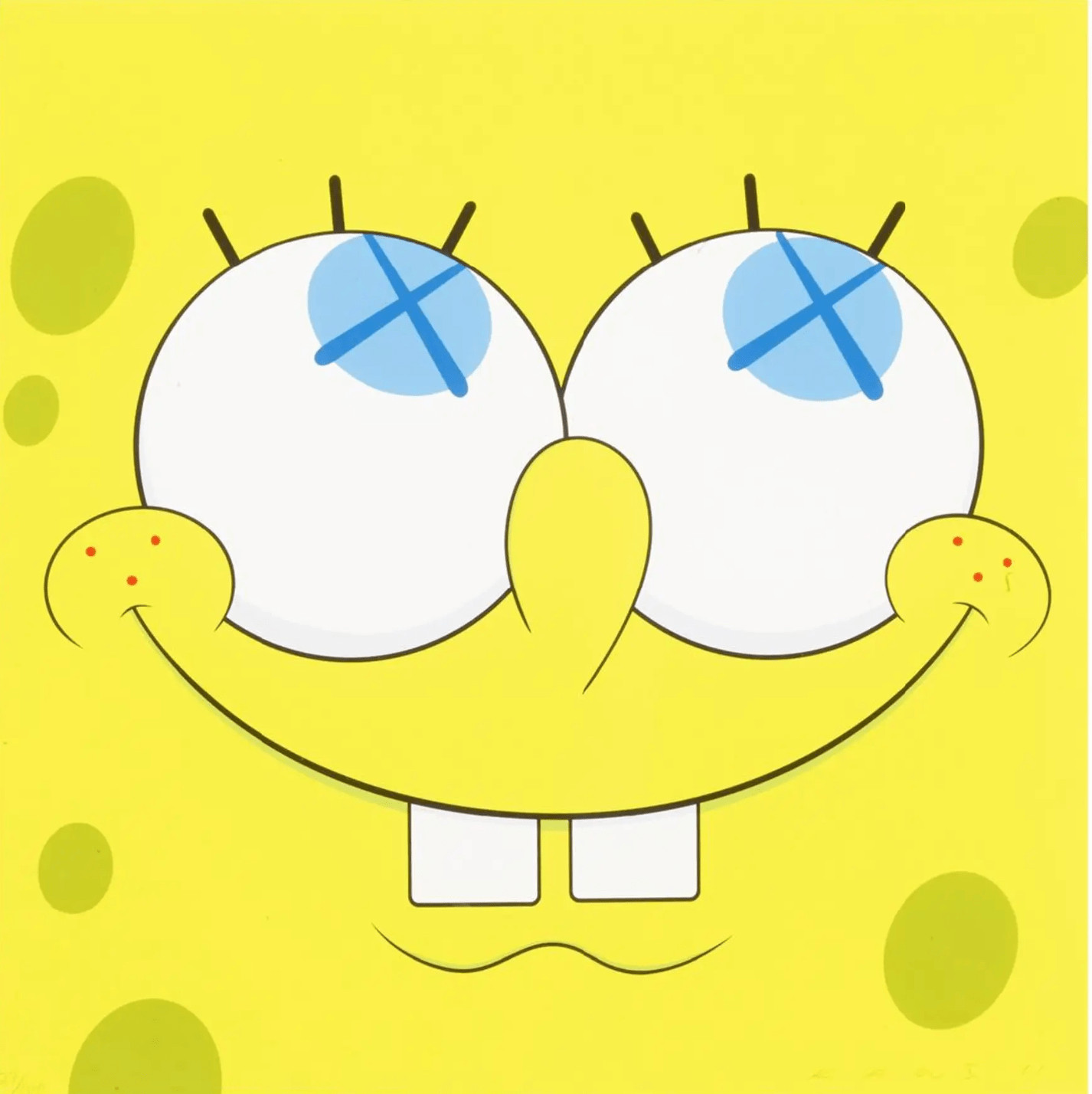
Kawsbob

June 26, 2026
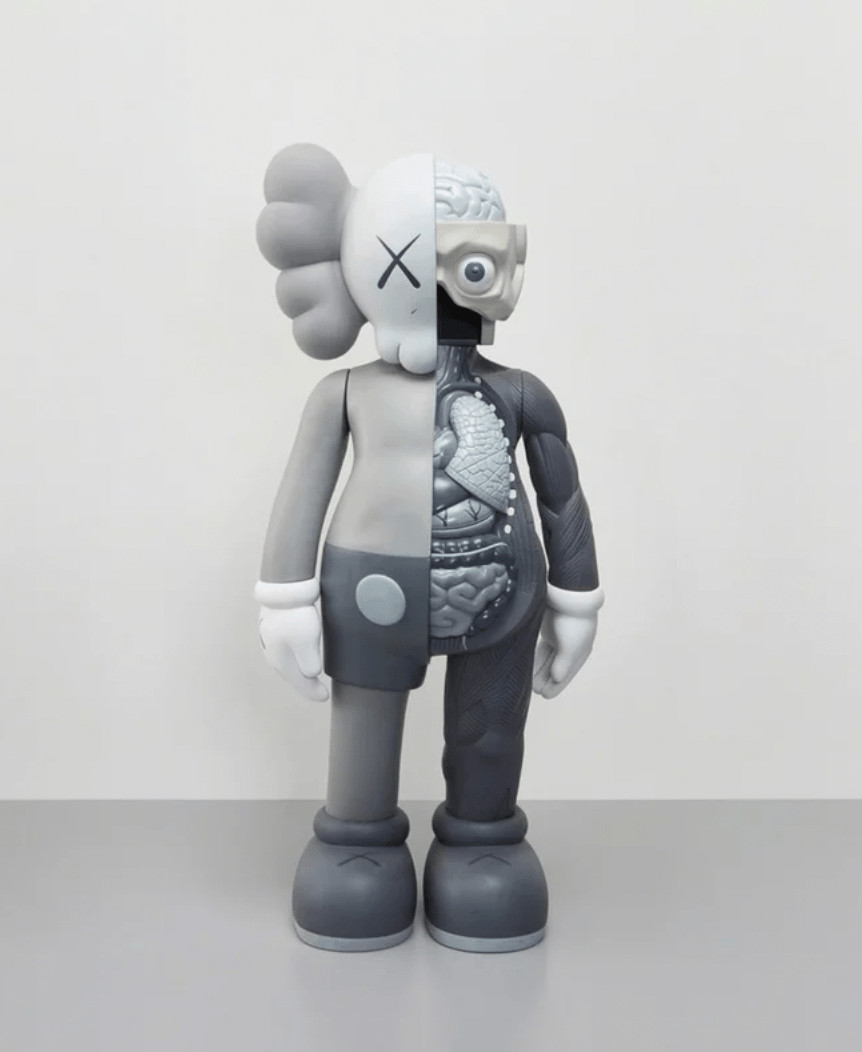
Kaws figures are the most actively collected contemporary art objects in the world. No other living artist has built a collecting pyramid that spans a $200 open-edition vinyl figure sold at a Uniqlo pop-up and a $14.7 million painting sold at Sotheby's Hong Kong — with genuine collector demand at every level in between. This is not an accident. Brian Donnelly, the artist who works as KAWS, has spent thirty years deliberately constructing an ecosystem in which accessibility and aspiration coexist without contradiction. This guide explains how that ecosystem works, what drives value within it, and how to buy KAWS figures and art with confidence.
Whether you are buying your first Companion figure or considering a significant fine art acquisition, understanding the distinctions between open and limited editions, the significance of colourways, how to verify authenticity, and where different works sit in KAWS's market hierarchy will allow you to make better decisions and avoid the most common collecting mistakes.
KAWS is the professional name of Brian Donnelly, born 1974 in Jersey City, New Jersey. He studied illustration at the School of Visual Arts in New York and began his career as a graffiti writer in the city's streets and subway system in the early 1990s. His early work involved doctoring advertising posters across New York — replacing the faces of corporate characters with his distinctive crossed-out eyes — before expanding to bus shelters and billboards in Tokyo, London, and Paris. These interventions brought him to the attention of Japanese toy companies and streetwear brands in the late 1990s, and the first Companion vinyl figure appeared in 1999.
The career trajectory that followed is unprecedented in contemporary art history: a sustained expansion from street art through product design and toy production into the gallery system and ultimately into the international auction market, with each phase building on rather than replacing what came before. KAWS maintains active relationships with commercial partners including Uniqlo, Medicom Toy, and various fashion brands, while simultaneously exhibiting with major galleries and achieving auction results that place him among the most commercially significant artists working today.
The Companion is KAWS's signature character and the work through which most collectors first encounter his universe. Introduced in 1999 as a vinyl figure produced in an edition of 500, the Companion is an anthropomorphised figure derived from Mickey Mouse — sharing the famous circular ears and rounded silhouette — but transformed through KAWS's characteristic visual treatment: crossed-out X eyes, skeletal hands with exposed finger joints, and an expression that reads as simultaneously deadpan, melancholy, and subversive. It is a figure of pop culture colonised and reanimated, familiar enough to be immediately legible, unsettling enough to hold attention.
The Companion has been produced in dozens of colourways over twenty-five years, and the full range represents one of the most comprehensive bodies of variation in the history of collectible vinyl figures. The original 1999 colourway was grey. Subsequent releases have included Black, Brown (also described as Warm Grey, produced in very limited numbers and now among the most sought-after of all Companion colourways), White, Blue, Pink, Yellow, and seasonal Holiday variants first introduced in 2017. Each colourway carries a distinct secondary market profile, with older and rarer colourways consistently commanding premiums over more recent and more common releases.
The Companion exists in multiple poses, each carrying a distinct emotional register. Standing is the baseline pose — upright, neutral, the character in its most iconic and recognisable form. Passing Through (introduced 2013) shows the figure collapsed face-down, arms splayed, as if the accumulated weight of existence has finally overwhelmed it. It is the most widely reproduced and commercially reproduced of all Companion poses. Resting Place (2012) depicts the Companion lying on its side in a foetal position, implying vulnerability and retreat. Dissected Companion bisects the figure to reveal its internal skeletal and mechanical structure — making explicit what the standard figure only implies. Each pose has been produced in multiple colourways and size formats.
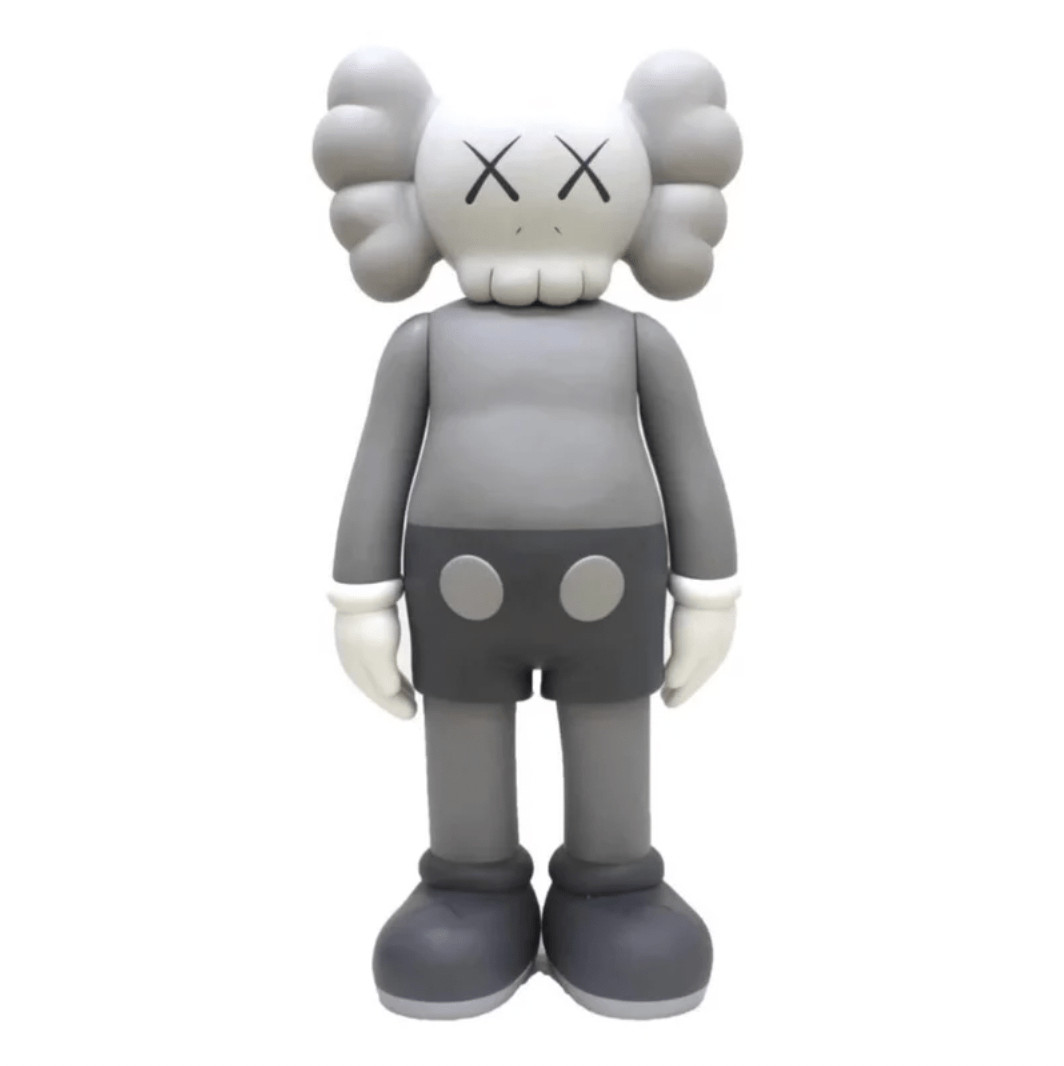
Size is a significant variable in the Companion market. The standard Companion figure is 11 inches tall. Larger formats — 20 inch, 28 inch — command premiums that increase non-linearly with scale, reflecting their significantly smaller production numbers and greater display impact. At the apex of the Companion format range sit monumental sculptures: the 6-metre Companion that floated in Victoria Harbour, Hong Kong, in 2019 attracted global media coverage and subsequent editions at smaller scales. These large-format works occupy a different market tier entirely from the standard production figures.
BFF (Best Friend Forever) was introduced in 2017 and has rapidly become KAWS's second most important character in terms of collector demand. Rounder and more compact than the Companion, with a distinctly bear-like form, BFF carries a warmer and more accessible emotional register. Where the Companion reads as melancholy and existentially burdened, BFF suggests companionship and warmth — a deliberate tonal contrast that has broadened KAWS's collector base further. BFF has been produced in hard vinyl, soft plush, and limited-edition sculpture formats, with the plush version proving particularly popular in Asian markets and with a younger collector demographic.
CHUM is derived from a Michelin Man-like form — a segmented, rounded body with KAWS's characteristic X eyes. Less frequently produced than Companion or BFF, CHUM figures are consequently rarer on the secondary market and command premiums reflecting that scarcity. The character appears in vinyl, plush, and occasional large-format sculpture.
ACCOMPLICE, a rabbit-like character introduced in 2002, and various licensed character variants — including KAWS interpretations of Snoopy, SpongeBob, and Sesame Street characters — complete the main character roster. Each collaboration figure carries the quality and authentication standards of standard KAWS production but adds the cultural weight of the licensed character.
Understanding the distinction between Open Edition and Limited Edition is the single most important conceptual tool for anyone entering the KAWS collecting market.
Open Edition (OE) figures are produced in unlimited quantities for as long as KAWS chooses to continue production. They retail through authorised channels including KAWSONE.com, Medicom Toy retailers, and Uniqlo, typically at $100–$400 depending on size and format. These figures are genuine, authorised KAWS products. Their secondary market premiums are modest — typically 0–50% above retail for common colourways — because supply, while finite once a given colourway is discontinued, has been substantial.
Limited Edition (LE) figures are produced in declared, numbered edition sizes and typically sold through drops on KAWSONE.com, through Medicom Toy directly, or through gallery partners. Edition sizes range from as few as 100 to as many as 2,000 depending on the specific release. Limited editions sell out rapidly on primary release — often within minutes — and typically achieve significant secondary market premiums immediately after. The secondary market premium for a highly desirable limited edition in a rare colourway, bought at retail and resold in mint sealed condition, can reach 10-20 times original retail price.
Within the limited edition market, colourway is the single largest determinant of secondary market value for figures of equivalent size, pose, and edition date. The hierarchy is not fixed — market preferences evolve — but the following reflects the current collector consensus.
Highest value colourways: Brown (Warm Grey) Companion editions, produced in very limited numbers across several release years, consistently achieve the highest per-figure prices. Flayed editions, which expose the Companion's internal red musculature through the skin, command significant premiums due to their striking visual impact and limited production runs. Early Holiday colourways from 2017 and 2018, when the Holiday figure format was still new and edition sizes were smaller, also perform strongly.
Strong secondary market: Black Companion, the original and most historically significant colourway, is consistently strong across all sizes. Pink performs well particularly in Asian collector markets. Blue maintains broad appeal across collector demographics. Most pre-2010 limited editions in any colourway carry premiums that reflect the smaller edition sizes and earlier production dates of that period.
Standard secondary market: Grey, White, and Yellow open-edition figures trade at modest premiums over retail. Recent limited editions in common colourways (Black, Grey, White) typically trade at 1.5–3x retail on the secondary market.
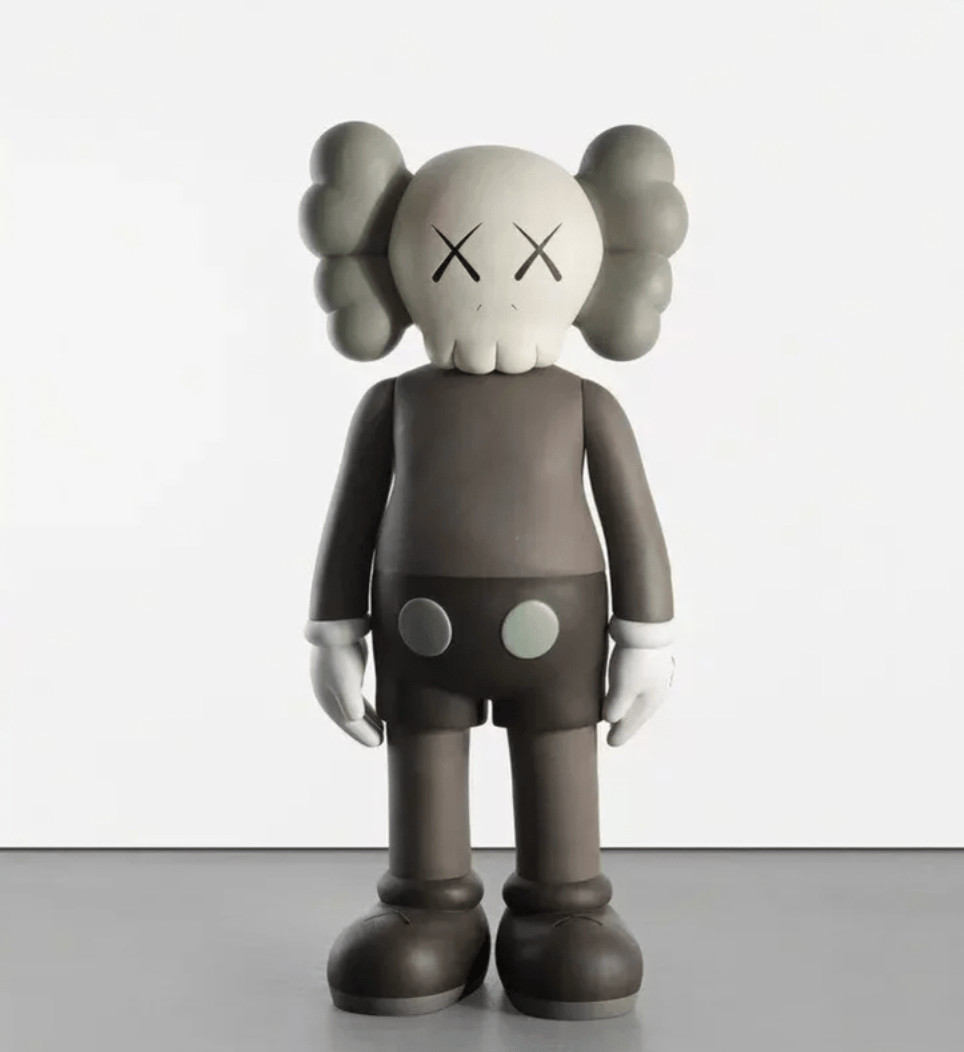
Beyond the vinyl figures that established his name, KAWS has produced monumental sculptures in bronze, fibreglass, polyester resin, and other materials that now command significant prices in the international fine art market. These large-scale works represent KAWS at his most ambitious as a sculptor: physically imposing, technically complex, and conceived for display in both museum contexts and major private collections.
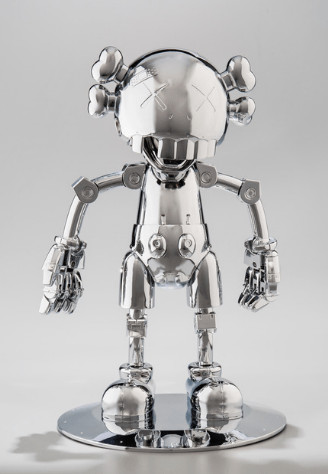
The HOLIDAY series, first produced in 2018, has become the most internationally visible of KAWS's large-format sculpture projects. HOLIDAY versions of the Companion figure — in the characteristic Passing Through pose — have been installed in Victoria Harbour Hong Kong, Seoul's Lotte World Tower, and various other major public locations. These large installations drive global media coverage and directly support the market for smaller-scale HOLIDAY edition figures and sculptures. HOLIDAY figures in vinyl, plush, and limited resin formats have consistently performed well on the secondary market.
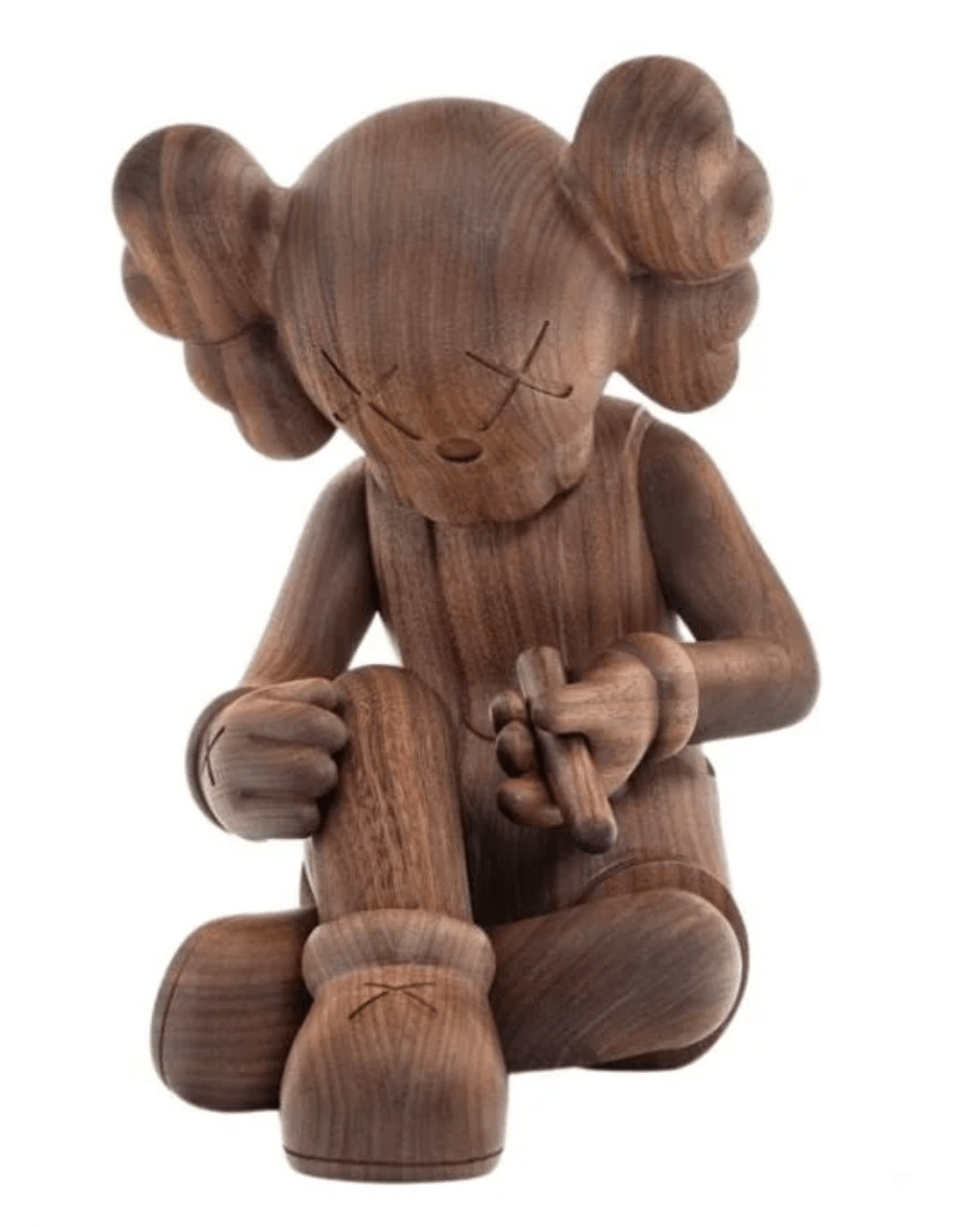
Bronze KAWS sculptures, produced in limited editions ranging from unique works to editions of eight or twelve, represent the highest-value segment of his three-dimensional output. Bronze editions of Companion, BFF, and CHUM figures have appeared at Christie's, Sotheby's, and Phillips with results ranging from $50,000 for smaller formats to well over $500,000 for significant large-scale works. As with all KAWS fine art, provenance and documentation of the casting edition are essential before purchase.
The KAWS secondary market has a significant counterfeit problem. The combination of high demand, relatively straightforward visual design, and prices that make counterfeiting economically attractive has produced a substantial volume of fake figures across all major characters and colourways.
Box inspection: Authentic KAWS figures come in precisely printed packaging with specific typography, correct Medicom Toy and KAWS copyright markings, and box construction of a distinct quality. Fakes typically have slightly off typography — proportions wrong, fonts not quite correct — and inferior printing and box board. Compare against confirmed authentic packaging wherever possible.
Figure quality: Authentic figures have specific surface finishes (typically a matte or semi-matte vinyl) and precisely applied paint. Colour areas should be flat and even, with no bleeding at edges. The X eyes are a particular tell: on authentic figures, the X is cleanly and symmetrically rendered. Fakes often show visible seam lines, uneven paint application, and slight asymmetries in the face that are absent from genuine production.
Documentation: For any figure above $500, demand original purchase documentation — a receipt from KAWSONE.com, a Medicom Toy official retailer, or a gallery partner. For secondary market purchases, ask the seller for photos of the original packaging, any order confirmation, and their purchase chain. A reputable secondary market dealer or auction house will provide this as a matter of course.
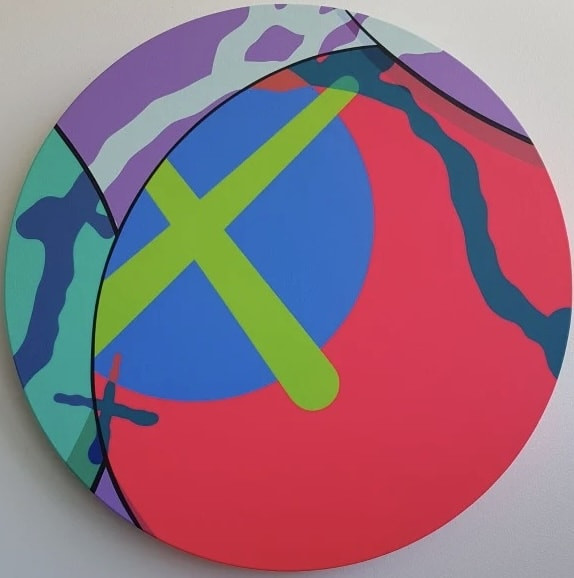
Beyond figures and sculptures, KAWS is a significant painter whose large-format canvases represent the apex of his fine art market. Working in acrylic on canvas, his paintings deploy the same character universe as his three-dimensional work — Companion, BFF, and various hybrid figures — at a scale and with a painterly directness that creates a fundamentally different visual experience from the production figures. His canvases are not simply scaled-up reproductions of the vinyl characters. They are independent works in which paint handling, scale, colour relationships, and compositional decision-making all carry independent artistic weight.
The landmark auction result for a KAWS painting came in April 2019, when The KAWS Album (2005) — a painting reworking the Simpsons in KAWS's visual language — sold at Sotheby's Hong Kong for HK$115.9 million, approximately $14.7 million USD, against a pre-sale estimate of $1.1–1.5 million. This result fundamentally repositioned KAWS within the international contemporary art market. It was not an outlier — subsequent results at Christie's, Phillips, and Sotheby's New York have confirmed sustained demand for his paintings at the highest levels.
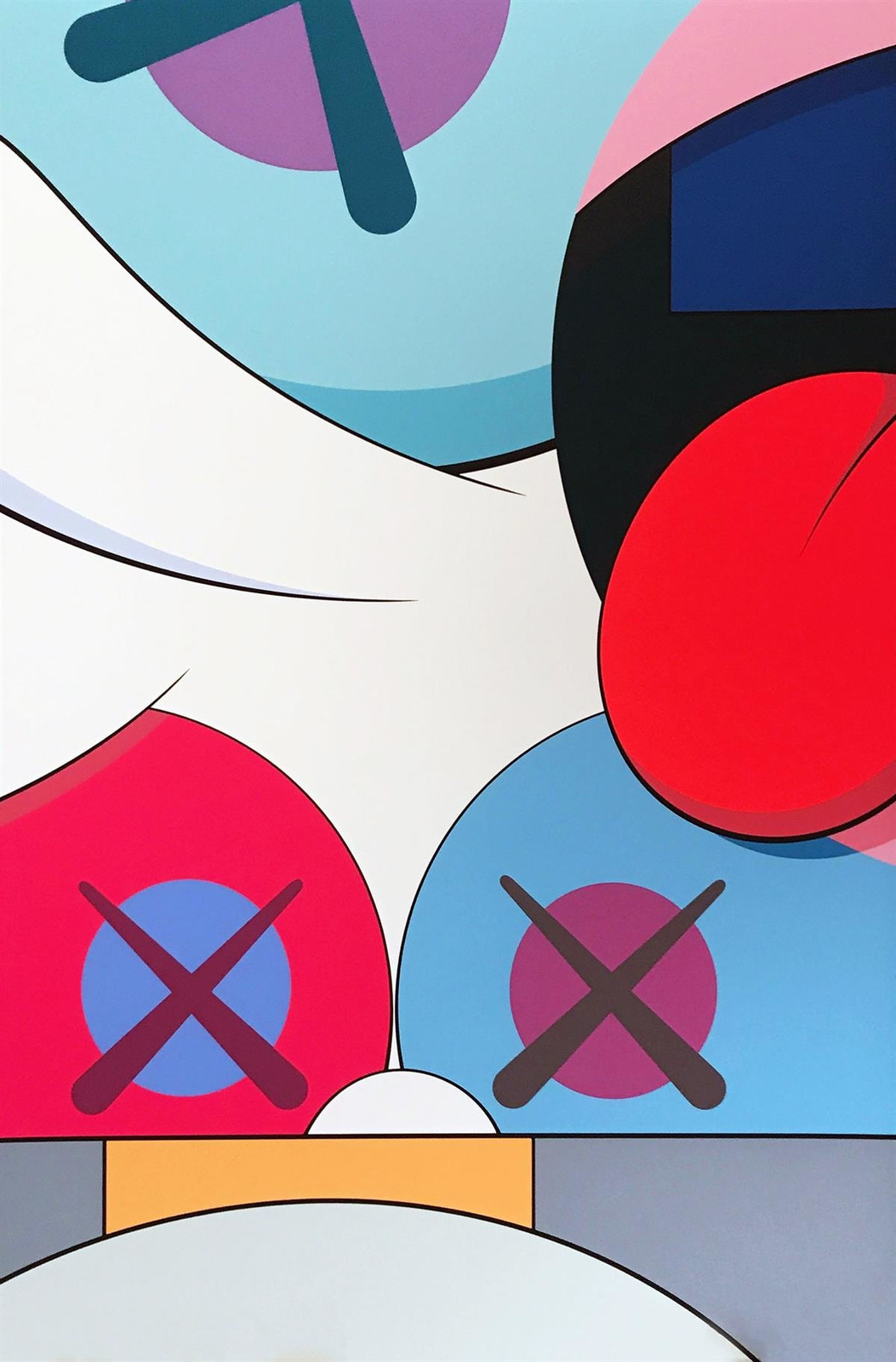
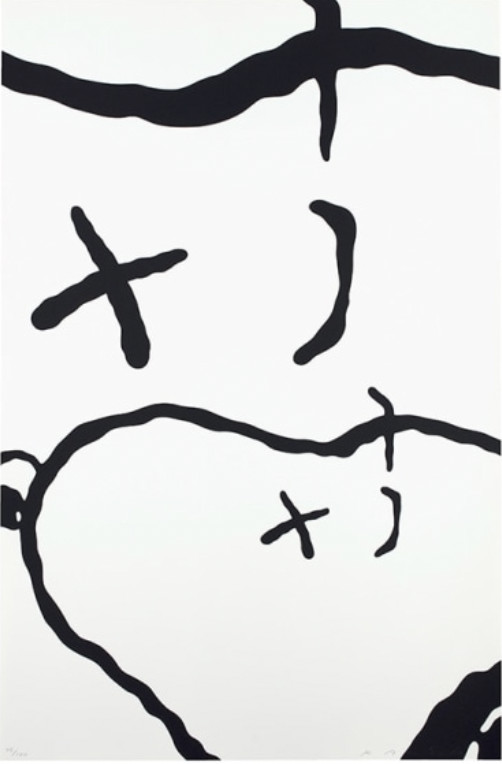
KAWS also produces signed and numbered screenprint editions, typically in editions of 50–250, often in collaboration with galleries. These editions offer a flat-work entry point into the KAWS market at lower price points than unique canvases. Secondary market values for print editions vary considerably based on the prestige of the publisher, the edition size, and the desirability of the specific composition.
KAWS has collaborated with an unusually wide range of brands and cultural properties across his career, producing figures and products that sit at the intersection of commercial product and art collectible. Collaboration partners have included Medicom Toy (the primary vehicle for most figure production), Uniqlo (open-edition plush and apparel), Nike and Jordan Brand, Dior, Sesame Street, Peanuts (Snoopy), and SpongeBob SquarePants.
Collaboration figures should be understood as distinct from standard KAWS character releases. Their secondary market values are driven partly by the KAWS factor and partly by the cultural weight of the collaborating property. The Peanuts collaboration, which applied KAWS's visual language to Snoopy and Charlie Brown, has been particularly well-received — early Snoopy figures in sealed condition command premiums that reflect the combined appeal of both properties. The SpongeBob collaboration similarly elevated values beyond what edition sizes alone would suggest.
For collectors considering collaboration figures, the same authentication principles apply as for standard figures: box inspection, figure quality assessment, and documentation of purchase origin. Collaboration releases have been targeted by counterfeiters with the same intensity as standard KAWS figures, and the range of authentic versus fake is wide.
New collectors should begin with open-edition figures purchased through official channels: KAWSONE.com, authorised Medicom Toy retailers, or Uniqlo for plush editions. This approach eliminates authenticity risk entirely, provides a direct relationship with the KAWS product at its most accessible price point, and builds familiarity with what authentic KAWS quality feels and looks like. The figures acquired at this entry point have modest investment upside but significant personal and cultural value.
Collectors ready to engage with the limited-edition market should focus on understanding the release calendar — KAWS announces drops through social media and KAWSONE.com — and be prepared to move quickly on primary releases. Secondary market purchases above $1,000 should always include purchase documentation from the original buyer. For any significant secondary market transaction, a conversation with a specialist dealer is worthwhile before committing.
Collectors operating in the fine art market — paintings, large bronzes, museum-quality sculptures — should work with a gallery or specialist with a documented track record in the KAWS market. The provenance, condition assessment, and market positioning required for significant acquisitions benefit substantially from specialist expertise.
Open Edition figures ($100–$500): Genuine, authorised KAWS products at or near retail. The right entry point for new collectors who want to engage with the KAWS universe at low financial risk.
Limited Edition figures — common colourways ($500–$3,000): Grey, Black, White LE figures in mint sealed condition. Modest secondary market premiums, stable demand.
Limited Edition figures — strong colourways ($3,000–$25,000): Pink, Blue, early Holiday editions in rare colourways; Dissected Companion LEs; large-format (28-inch) figures in any sought-after colourway. This is the core of the active secondary market.
Premium and rare figures ($25,000–$100,000+): Brown/Warm Grey Companion editions, earliest-year limited releases in excellent sealed condition, unique or near-unique production variants, large bronze sculptures.
Fine art market ($100,000+): Paintings on canvas, monumental sculptures, significant works with major exhibition and auction history. Requires specialist due diligence and gallery or auction house support.
Guy Hepner Gallery, 177 Tenth Avenue, New York, offers authenticated KAWS works across the full spectrum of his output. Our team can assist with edition verification, condition assessment, and acquisition strategy at every price point.
What is the most valuable KAWS figure? Among production figures, Brown/Warm Grey Companion editions in mint sealed condition are consistently among the highest-valued. Large-format Dissected Companion figures in rare colourways also command significant premiums. In the fine art market, KAWS paintings represent the highest values, led by The KAWS Album's $14.7 million result.
How do I know if a KAWS figure is authentic? Inspect the box typography and printing quality carefully. Assess the vinyl quality and paint application on the figure. For any secondary market purchase above $500, request original purchase documentation. When uncertain, consult a specialist dealer or established auction house before committing.
Are KAWS figures a good investment? Limited edition figures in rare colourways and mint sealed condition have shown strong secondary market appreciation. Open-edition figures hold modest premiums over retail. Fine art market works carry higher risk alongside higher potential returns. As with all art, condition, authenticity documentation, and buying intelligently within the market are the determining factors.
What is the difference between KAWS Companion and BFF? The Companion is KAWS's original character, introduced in 1999, derived from Mickey Mouse's silhouette with X eyes and skeletal hands. BFF was introduced in 2017, has a rounder, more bear-like form, and reads as warmer and more accessible. Both are produced across multiple colourways and sizes. The Companion has a longer market history and more established auction record; BFF has grown rapidly in collector popularity since introduction.
Where can I buy authentic KAWS figures? Primary releases through KAWSONE.com and Medicom Toy authorised retailers are the most reliable sources. For secondary market purchases, established specialist dealers and major auction houses provide the most reliable authentication and condition verification. Guy Hepner Gallery, New York, offers KAWS works with full documentation.
Explore Kaws prints for sale at Guy Hepner: Kawsbob, Blame Game, Companions, Man's Best Friend, Original Works.
Related Series