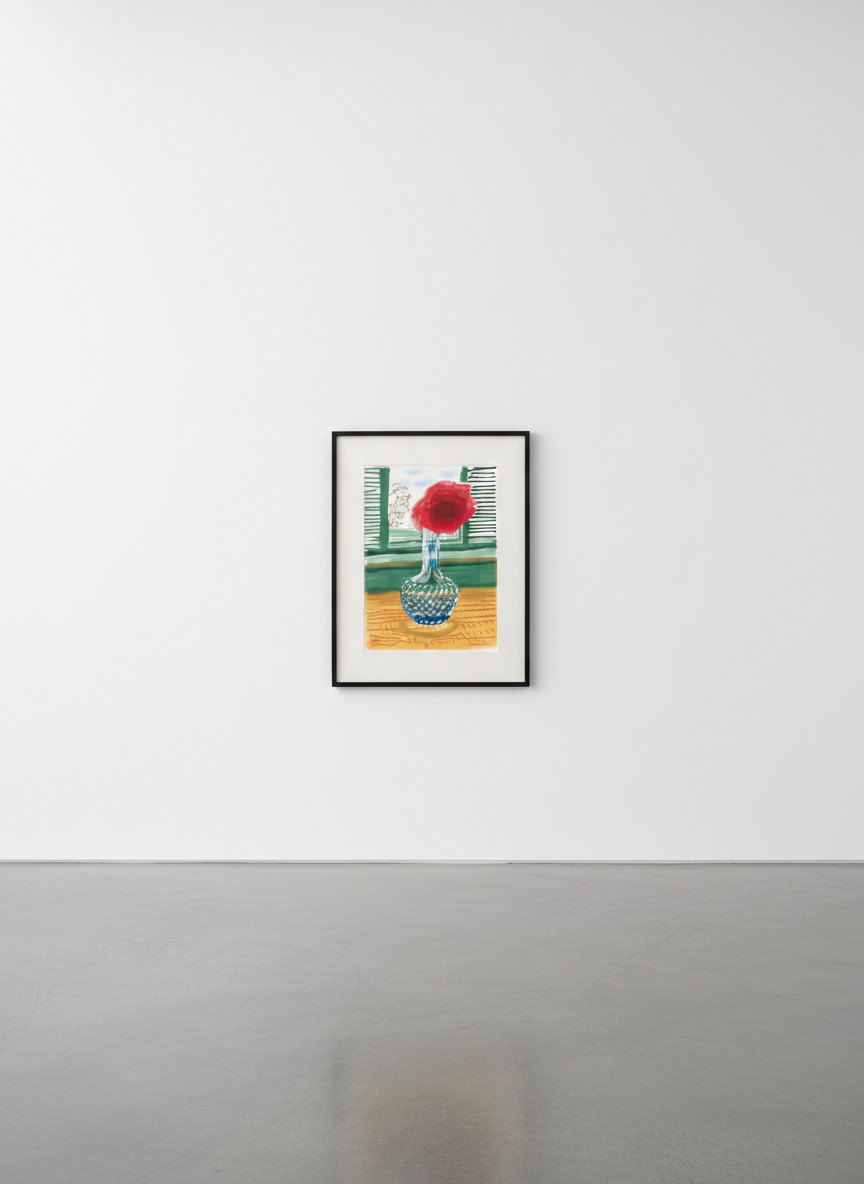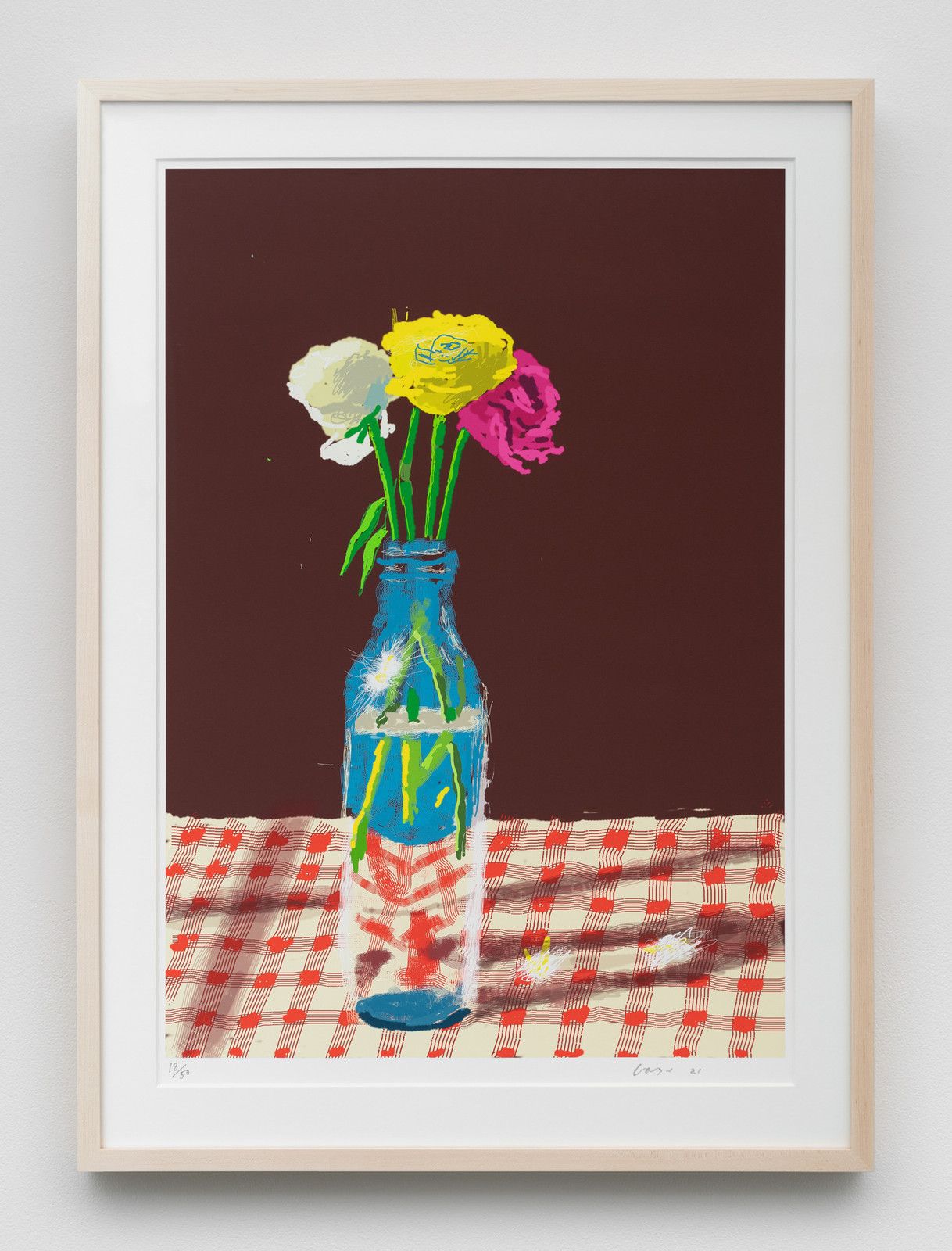
20 Flowers

June 20, 2026
David Hockney is one of the most collected living artists in the world, and his prints sit at the beating heart of that market. Where a major Hockney painting now commands seven or eight figures at auction, his prints — produced across seven decades and in extraordinary variety — remain among the most accessible entry points into blue-chip contemporary art. Yet "accessible" is relative: a signed, early-impression example from the celebrated Blue Guitar series can exceed $100,000, and certain rare etchings from the 1960s have surpassed that benchmark comfortably.
This guide covers everything a serious buyer needs to know: the major series, the technical processes, what drives value, and how to authenticate before committing.
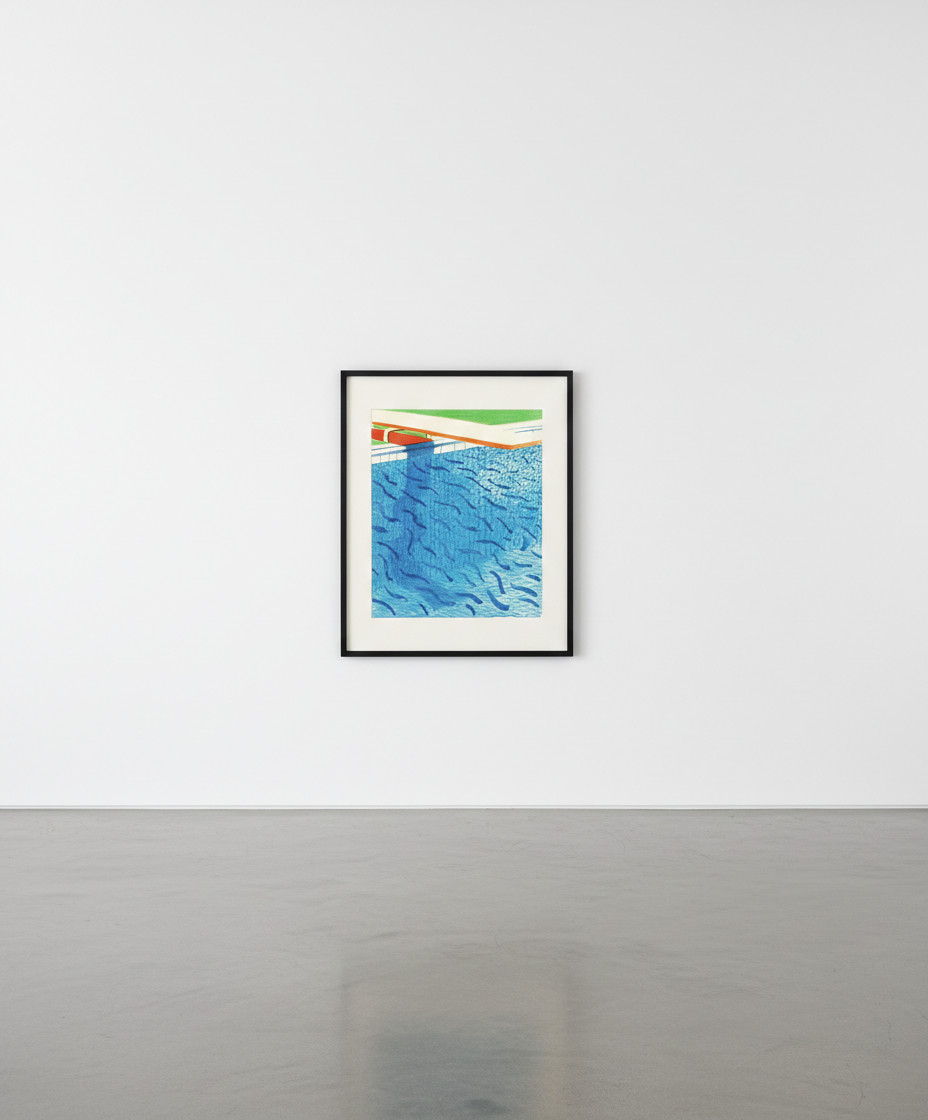
 Pools.jpg" alt="Pool Made with Paper and Blue Ink, David Hockney" style="max-width:100%;height:auto;">
Pool Made with Paper and Blue Ink for Book of Paper Pools — one of Hockney's most iconic print-based works.
Hockney has never treated printmaking as a secondary activity. From his earliest etchings at the Royal College of Art in the early 1960s to his Ipad Drawings printed on archival paper in the 2010s, he has approached each medium with rigorous curiosity. That engagement shows in the market. His prints are not reproductive — they are original works conceived for the print medium, informed by the specific possibilities of each technique.
The secondary market for Hockney prints is deep and liquid. They appear regularly at Christie's, Sotheby's, Phillips and Bonhams internationally, as well as through specialist dealers and galleries. That liquidity is a significant advantage for collectors: unlike many contemporary artists, acquiring a Hockney print gives you a relatively clear exit path if your circumstances change.
For those beginning their journey into David Hockney's work, prints offer a way to live with his ideas at scale — to experience his sustained preoccupations with light, water, perception, and the act of looking, without the prohibitive cost of a major canvas.
The Paper Pools series occupies a singular position in Hockney's output. In the summer of 1978, working at Tyler Graphics in Minnesota, Hockney became absorbed in the possibilities of hand-made, pigment-infused paper pulp as a medium. The results — large, luminous works depicting his beloved swimming pools — are among the most technically innovative prints of the twentieth century.
The Paper Pools series consists of 29 works, several of which exist as diptychs or larger multi-panel pieces. Edition sizes were small — typically 20 signed examples plus proofs — and demand has consistently outstripped supply at auction. Expect to pay $40,000–$150,000+ for a signed example in fine condition.
Perhaps Hockney's most celebrated print series, The Blue Guitar takes its title and loose thematic inspiration from Wallace Stevens' poem The Man with the Blue Guitar. The 20 etchings and aquatints — produced at Gemini G.E.L. in Los Angeles — explore similar territory to Stevens: the relationship between art and reality, seeing and representing. They are technically brilliant, combining precise etching with areas of softground and aquatint to create remarkable tonal depth.
Signed, full-suite impressions are extremely rare and valuable. Individual prints from the series are more attainable, typically trading between $8,000 and $35,000 depending on the specific image and impression quality.
The Moving Focus series — six lithographs produced at Tyler Graphics — represents Hockney's thinking about perspective and the construction of pictorial space. Influenced by his study of Chinese scroll paintings and his growing dissatisfaction with single-point perspective, the works show multiple viewpoints simultaneously.
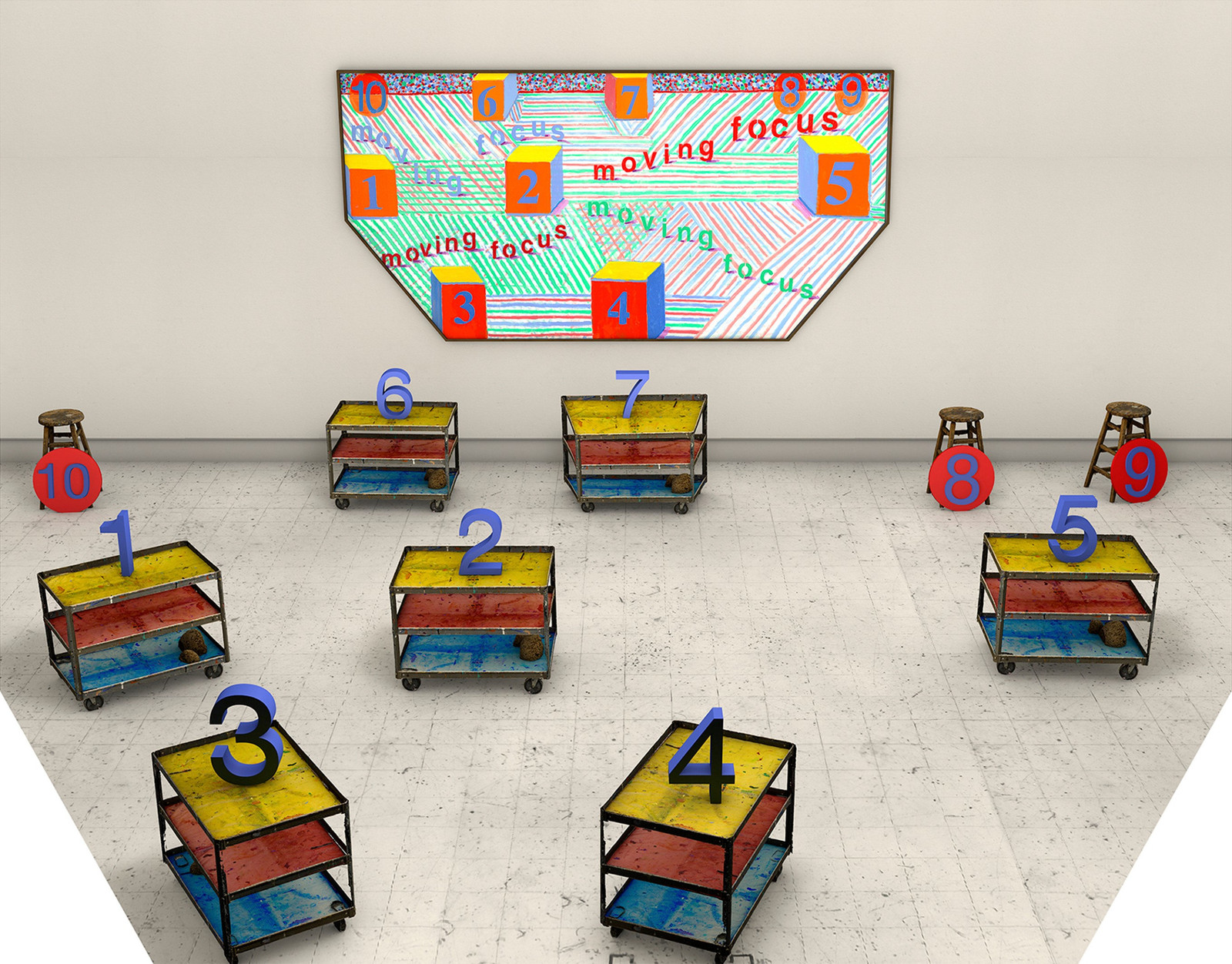
Focus Moving — from Hockney's landmark Moving Focus series, exploring cubist perspectives in lithography.
The Moving Focus prints are large-scale, ambitious works. They appear less frequently at auction than the Blue Guitar etchings but command serious prices when they do — typically $20,000–$80,000 for signed examples.
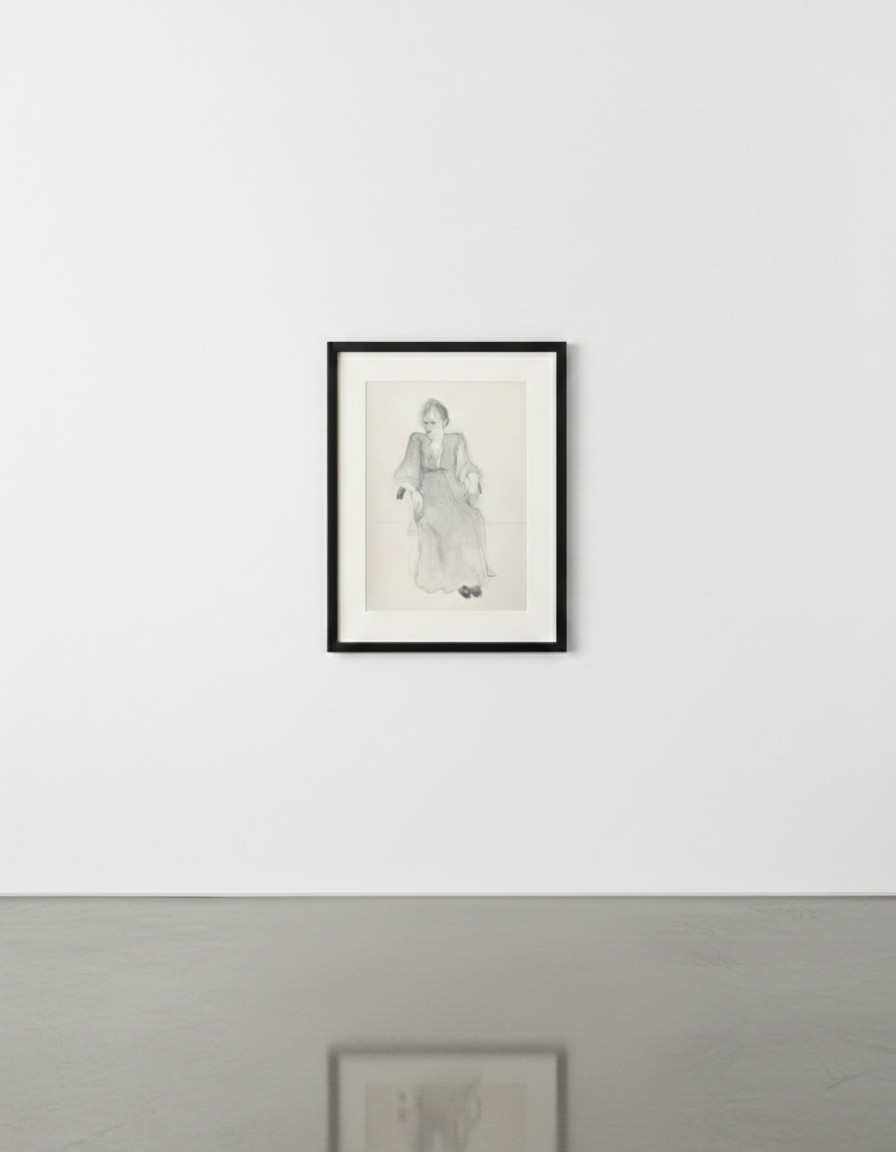
Hockney's friendship with fashion designer Celia Birtwell yielded one of his most sustained portraiture campaigns in print. The etchings and lithographs depicting Celia span nearly two decades and show his evolving approach to depicting the human face. Earlier works tend to be more delicate and closely observed; later examples grow bolder and more assertive.
These prints are highly sought after and relatively rare on the secondary market. When they appear, expect competition.
The Weather Series — six colour lithographs produced in Paris — depicts elemental phenomena: sun, rain, snow, lightning, mist, wind. The series demonstrates Hockney's mastery of the lithographic process; the meteorological effects are rendered with both precision and poetry.
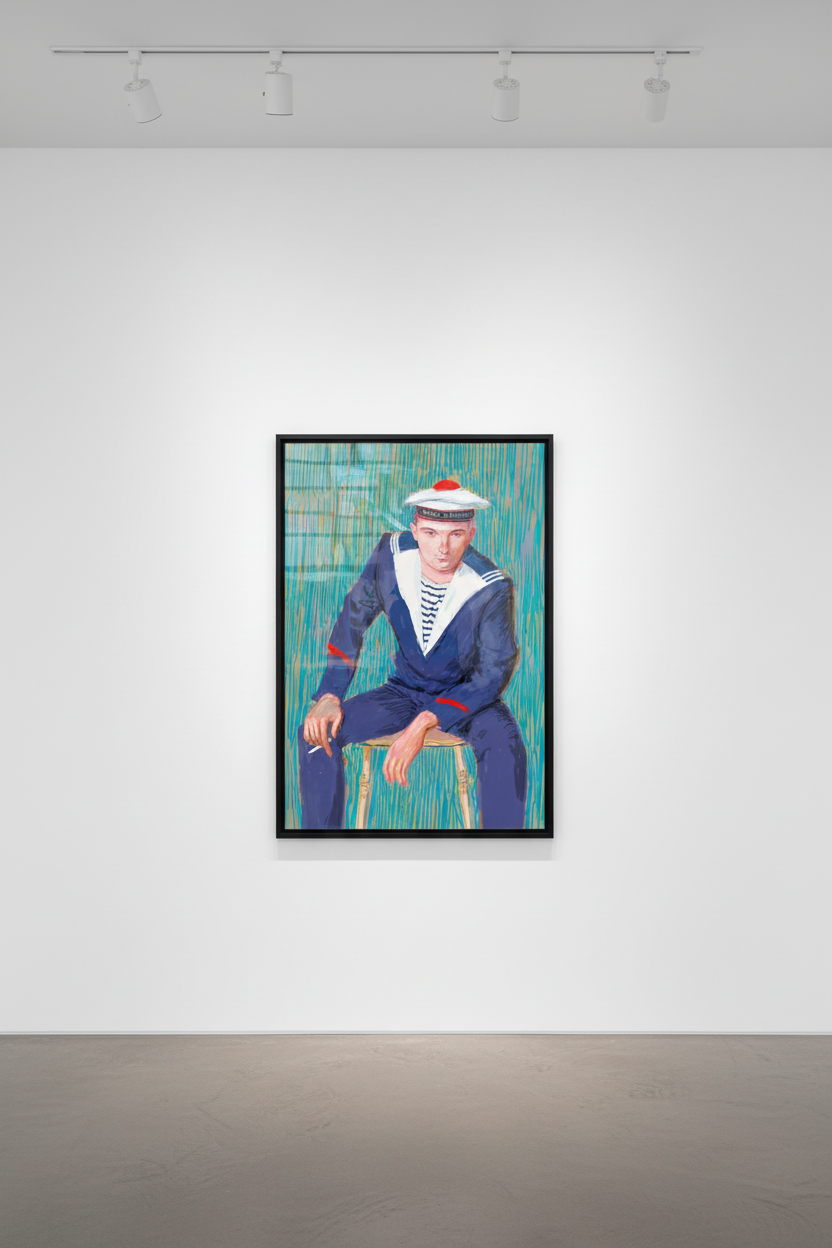
Working near his childhood home in Yorkshire, Hockney produced a remarkable body of work depicting the landscape through the seasons. His Arrival of Spring in Woldgate, East Yorkshire series — first realised on iPad and subsequently printed — runs to 52 individual works plus a large multi-panel piece.
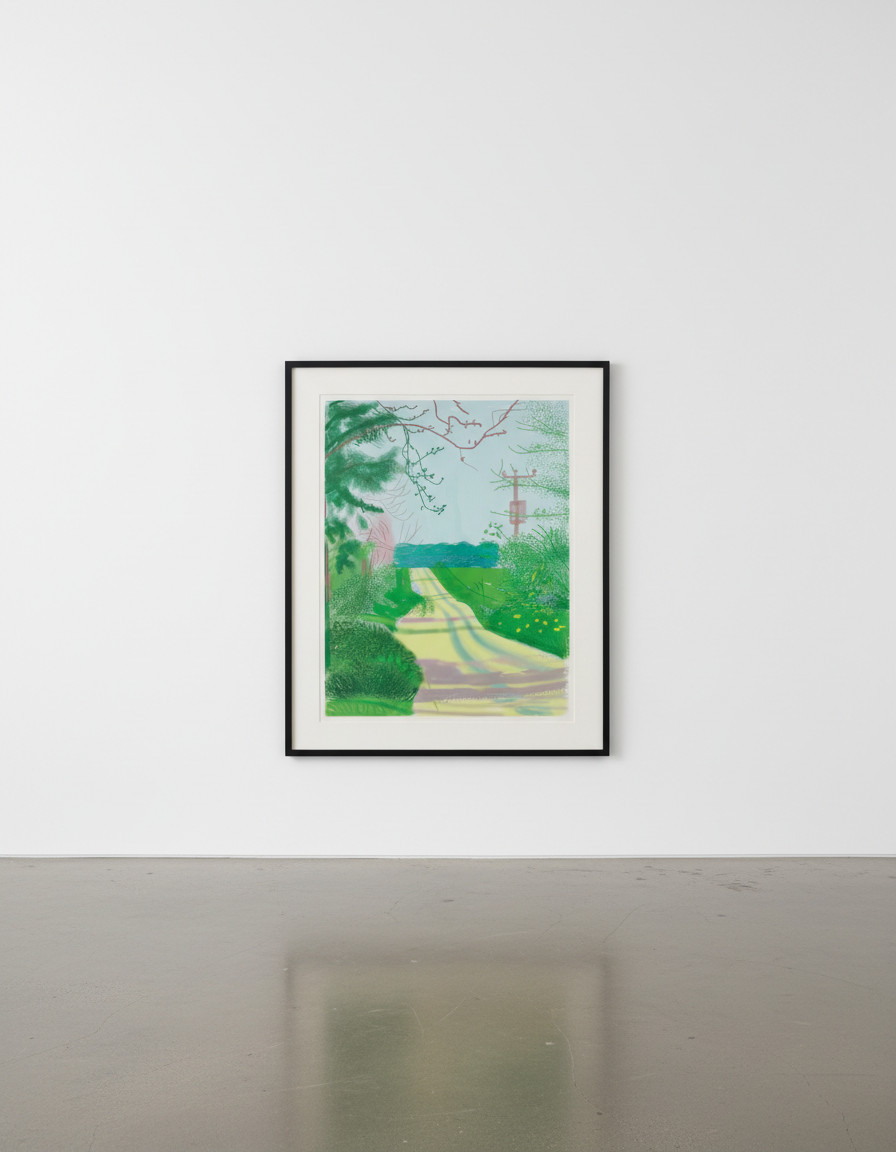
23rd April, from The Arrival of Spring in Woldgate, East Yorkshire in 2011 — one of Hockney's celebrated iPad-based landscape works.
These iPad-originated prints are produced in editions of 25, signed and numbered, on archival paper. They represent Hockney's engagement with digital tools as a legitimate printmaking medium — a position he has argued for consistently. Market prices have risen sharply: $15,000–$40,000 for individual works is now typical.
Hockney's student and early professional etchings — including A Rake's Progress (1961–63), Illustrations for Fourteen Poems from C. P. Cavafy (1966), and various single works — are the foundation of his print career. The Rake's Progress suite (16 etchings) is a virtuoso piece of narrative printmaking, transposing Hogarth's moral tale to New York.
These early works are genuinely rare. Full suites appear at major auction houses perhaps once every few years. Expect $50,000–$200,000+ for a complete, fine-condition set.
Understanding print techniques is essential for collectors because technique directly affects rarity, condition sensitivity, and market positioning.
Etching and Aquatint: Hockney's earliest and most extensively used technique. The artist draws or scratches through a wax ground on a copper plate; the plate is then acid-bitten to create intaglio lines. Aquatint adds tonal areas by creating a fine, porous ground that etches into a granular texture. Blue Guitar, Rake's Progress, and the Cavafy prints are primarily etching/aquatint.
Lithography: A planographic process in which the artist draws on a flat stone or plate using greasy materials; the printing surface accepts ink where drawn and repels it elsewhere. Lithography allows for painterly effects and broad tonal ranges. The Weather Series and Moving Focus prints are lithographs.
Screenprint: A stencil-based process allowing large, flat areas of bold colour. Hockney used screenprint for some of his most graphically striking works.
Digital / Inkjet (Archival Pigment Print): The iPad and computer-originated works are printed using professional archival inkjet processes on high-quality paper. Hockney and his collaborators have been meticulous about paper and ink quality; these prints have proven archivally stable.
Signature and Numbering: Signed and numbered impressions command a substantial premium over unsigned or unsigned/unnumbered examples. An artist's signature on the front of the sheet, in pencil, with a clear edition number (e.g., "12/20") is the gold standard. Some works exist in both signed and unsigned editions — know which you are buying.
Impression Quality: Within a single edition, impression quality varies. Earlier impressions tend to show sharper definition; later impressions may show plate wear. For etchings especially, ask to see the work in raking light to assess plate quality.
Paper and Condition: Hockney's printers have typically used high-quality archival papers. Discolouration, foxing, tears, or handling marks significantly reduce value. Ask for a condition report from an independent conservator for any significant purchase.
Provenance: A clean ownership history — ideally traceable to the original publisher or a known Hockney collection — adds value and eases authentication.
Series vs Single Works: Major series suites (complete Blue Guitar, complete Rake's Progress) command premiums over individual sheets, though individual sheets can also be valuable depending on the image.
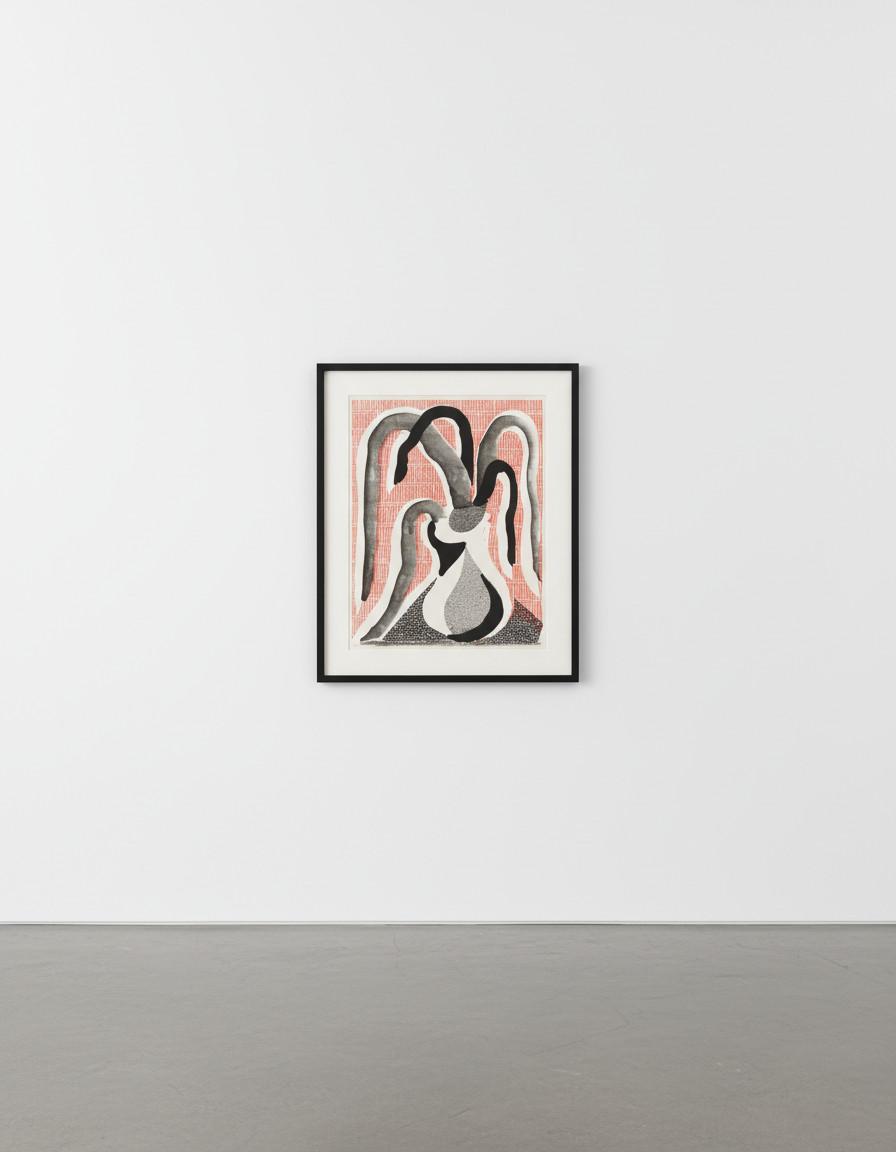
Drooping Plant, June 1986 — a characteristic example of Hockney's interior still-life prints.
The Hockney print market is, by and large, well-documented — but fakes and misattributions exist, particularly for works from the 1970s and 1980s. Here is what to demand before purchase:
Published Catalogue Raisonné: The definitive reference for Hockney's prints is Richard Lloyd's catalogue raisonné, published by the David Hockney Studio. Any print you purchase should be traceable to a specific catalogue entry. Ask the seller to identify the catalogue number.
Publisher's Certificate: Many Hockney prints were published with certificates of authenticity by the publisher (Tyler Graphics, Gemini G.E.L., Petersburg Press, etc.). These certificates should accompany the work.
Examination of the Print Itself: For etchings, examine the platemark under magnification. For screenprints, examine the dot structure. Digital prints should show even, smooth inkjet patterns without offset printing dots. A trained conservator or print specialist can detect inconsistencies invisible to the untrained eye.
Provenance Documentation: Receipts, auction records, exhibition labels, and correspondence all contribute to establishing authenticity. An unbroken chain from publisher to current owner is ideal.
Expert Opinion: For purchases above $10,000, commission an opinion from a Hockney specialist. The investment is modest relative to the purchase price.
| Category | Recent Auction Range | Notes |
|---|---|---|
| Blue Guitar — individual plate (minor) | $2,500– | Price varies sharply by image |
| Unsigned early etchings (single) | $2,000–$8,000 | Condition-dependent |
| Signed single etching (minor series) | $5,000–$20,000 | Edition size matters |
| Blue Guitar (single, signed) | $8,000–$35,000 | Image-dependent |
| Moving Focus — individual print | $4,000–$20,000 | Christie's/Sotheby's 2025–26 |
| Moving Focus (single, signed) | $20,000–$80,000 | Rare at auction |
| Signed etchings — minor series | $5,000–$70,000 | Edition and condition dependent |
| Paper Pools (single, signed) | $40,000–$150,000+ | Extremely sought after |
| Paper Pools — individual signed | $50,000–$90,000 | Christie's/Sotheby's 2024–25 |
| Rake's Progress (complete suite) | $50,000–$200,000+ | Condition critical |
| Woldgate / iPad prints (signed) | $15,000–$40,000 | Rising market |
| Celia portraits (signed) | $10,000–$50,000 | Image-dependent |
| Woldgate / Arrival of Spring | $295,000–$410,000 | Sotheby's 2026 |
Indicative ranges based on auction and gallery data 2022–2026.
Auction: The auction market for Hockney prints is active and transparent. Major international houses handle his work regularly; results are publicly available, which gives buyers confidence in pricing. The disadvantage is the buyer's premium (typically 25–30% on top of the hammer price) and the lack of recourse if problems emerge post-sale. Always inspect in person or arrange a trusted third-party inspection before bidding.
Gallery: Specialist print galleries offer expertise, condition transparency, and often warranties of authenticity. You pay a premium for this service, but for significant purchases it can be worth it. Ask what authentication documentation accompanies the work.
Private Sale: Buying privately — through personal networks or platforms — can offer value but carries higher risk. Engage an independent expert before completing any private transaction above $5,000.
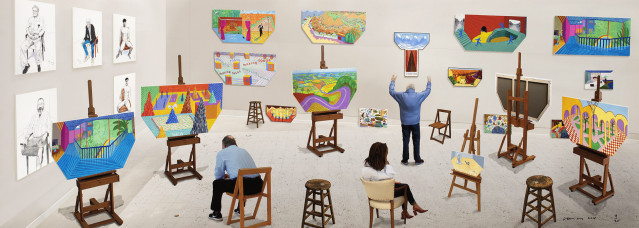
Inside It Opens Up As Well — demonstrating Hockney's sustained exploration of interior space in printmaking.
The depth and variety of Hockney's print output means there is a genuine entry point at almost every budget level. The key is to buy the best example you can afford within a category: a fine, signed impression of a minor work will outperform a damaged example of a more celebrated series.
Explore the full range of David Hockney works available at Guy Hepner — one of the most significant specialist galleries for blue-chip contemporary prints, with direct access to works across all major series.
The market for Hockney prints has appreciated steadily over decades and shows no signs of reversing. That trajectory reflects something real: these are works of sustained artistic intelligence, produced in media Hockney genuinely mastered, by an artist whose historical significance is beyond debate. Collecting them is both a financial decision and a cultural one — and in this case, the two point in the same direction.
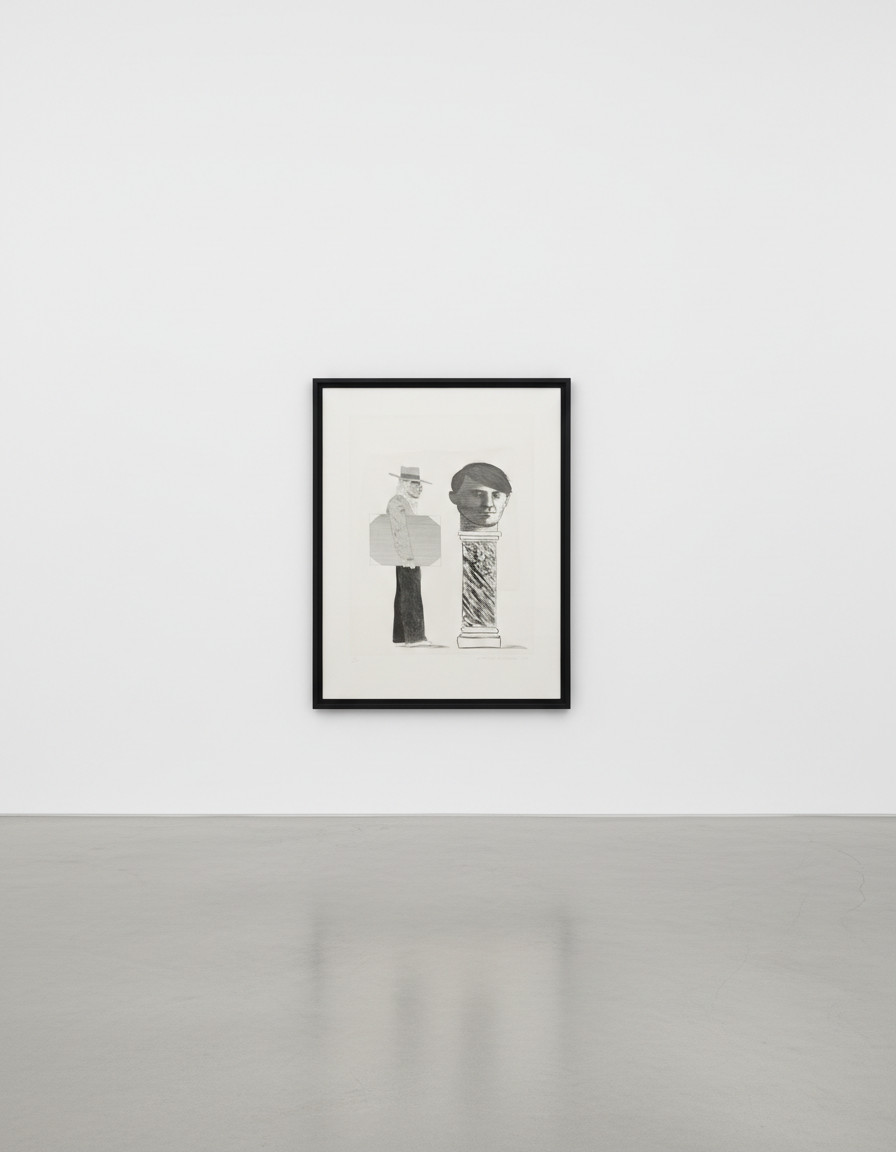
Explore David Hockney prints for sale at Guy Hepner: 20 Flowers, A Bigger Book & My Window, Celia, Computer Drawings, Homage to Picasso.
Related Series