Blossoms

July 20, 2026
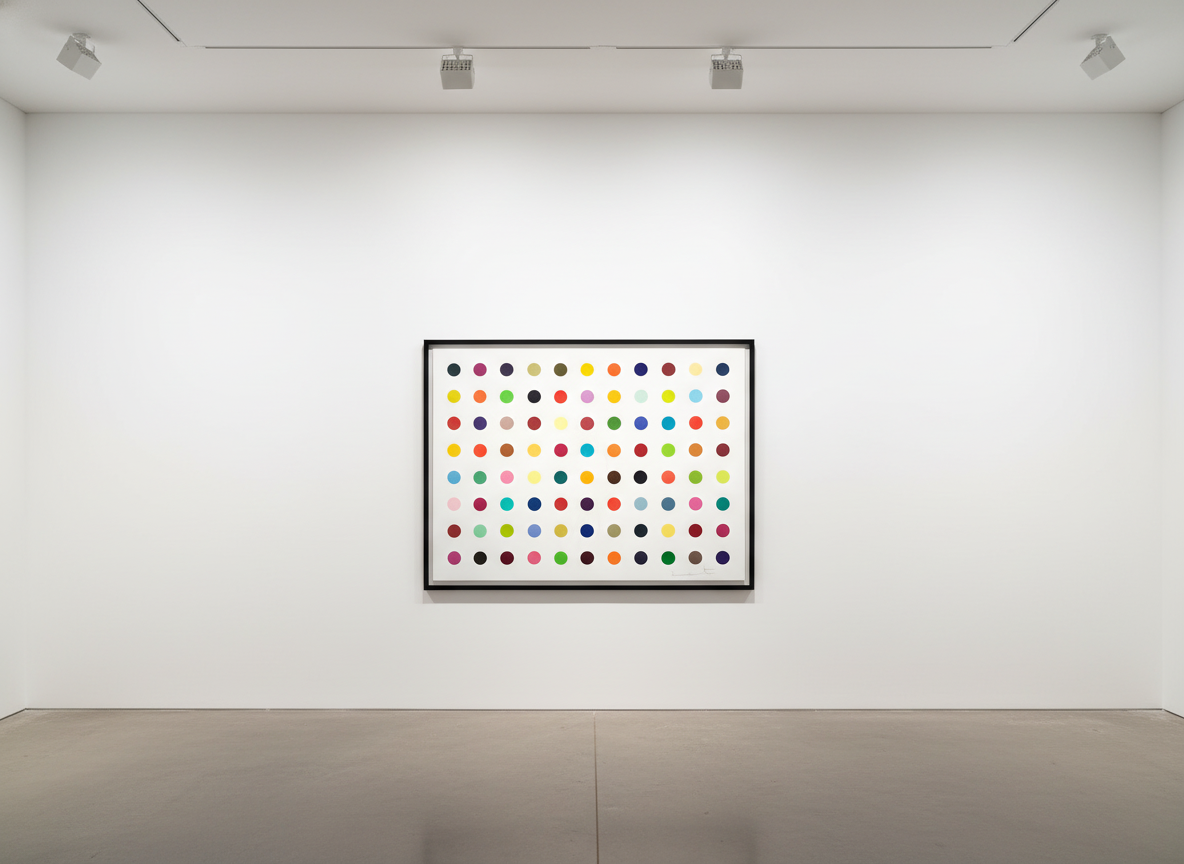
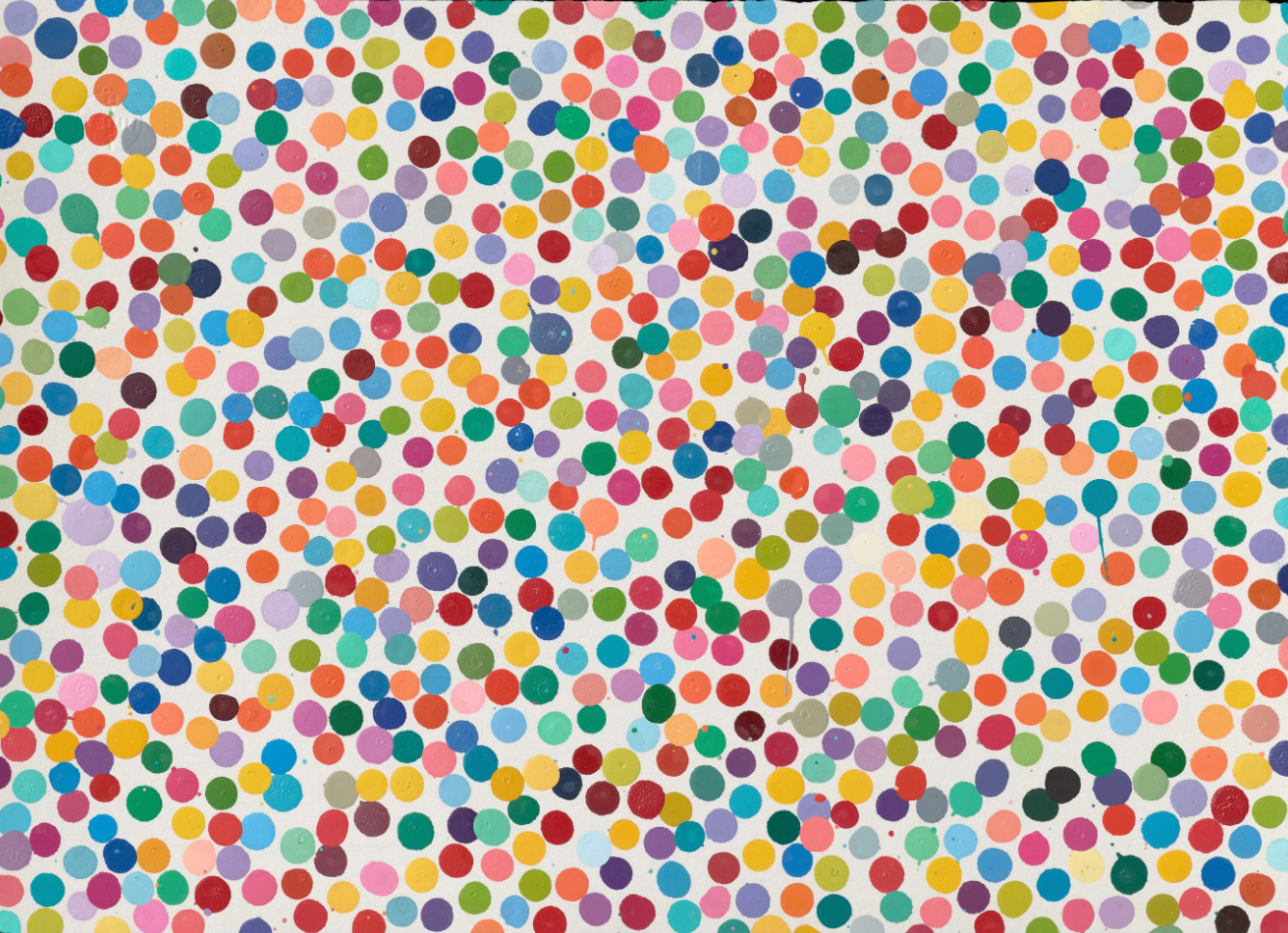
Few images in contemporary art carry the instant recognition of the Damien Hirst Spot Paintings. These deceptively simple grids of colored circles have become one of the defining visual signatures of late twentieth and early twenty-first century art, commanding walls in major museums, corporate collections, and private homes worldwide. For collectors seeking to acquire Damien Hirst spots, understanding the nuances of this extensive body of work—its conceptual origins, market dynamics, authentication requirements, and edition structures—is essential to making informed acquisition decisions.
The Spot series represents far more than decorative abstraction. Behind each mathematically precise arrangement lies a complex investigation into pharmaceutical culture, mortality, and the systems through which society assigns value to objects and ideas. As the most accessible entry point into the work of the YBA movement's leading figure, Hirst Spot Prints offer collectors an opportunity to own a piece of contemporary art history while engaging with work that continues to appreciate in both cultural and market value.
Damien Hirst conceived his first Spot Painting in 1986, two years before the landmark Freeze exhibition that would launch both his career and the Young British Artists movement into international prominence. The series emerged from Hirst's fascination with the clinical aesthetics of pharmaceutical packaging and the broader cultural implications of medicine's promise to extend and preserve life. Each spot painting takes its title from a pharmaceutical compound—Opium, Valium, Mannitol, Cinchonidine—transforming the language of chemistry into an artistic nomenclature that reinforces the conceptual underpinnings of the work.
The pharmaceutical titles are not arbitrary designations but deliberate references that connect the visual pleasure of the paintings to Hirst's ongoing investigation of mortality and our collective faith in medicine. The spots themselves, with their clinical precision and vibrant colors, mirror the appearance of pills and tablets while simultaneously evoking the ordered grids of scientific testing and laboratory culture. This tension between aesthetic beauty and conceptual weight defines the series and accounts for much of its enduring appeal among serious collectors.
Hirst's market position solidified dramatically in 2008 when his Beautiful Inside My Head Forever sale at Sotheby's London generated approximately £111 million, an unprecedented event where a living artist bypassed gallery representation entirely to sell work directly at auction. This bold move demonstrated not only the extraordinary demand for Hirst's work but also his willingness to challenge established art world structures. According to Art Basel and UBS market reports, Hirst consistently ranks among the most sought-after contemporary artists globally, with the Spot series representing the most traded segment of his output.
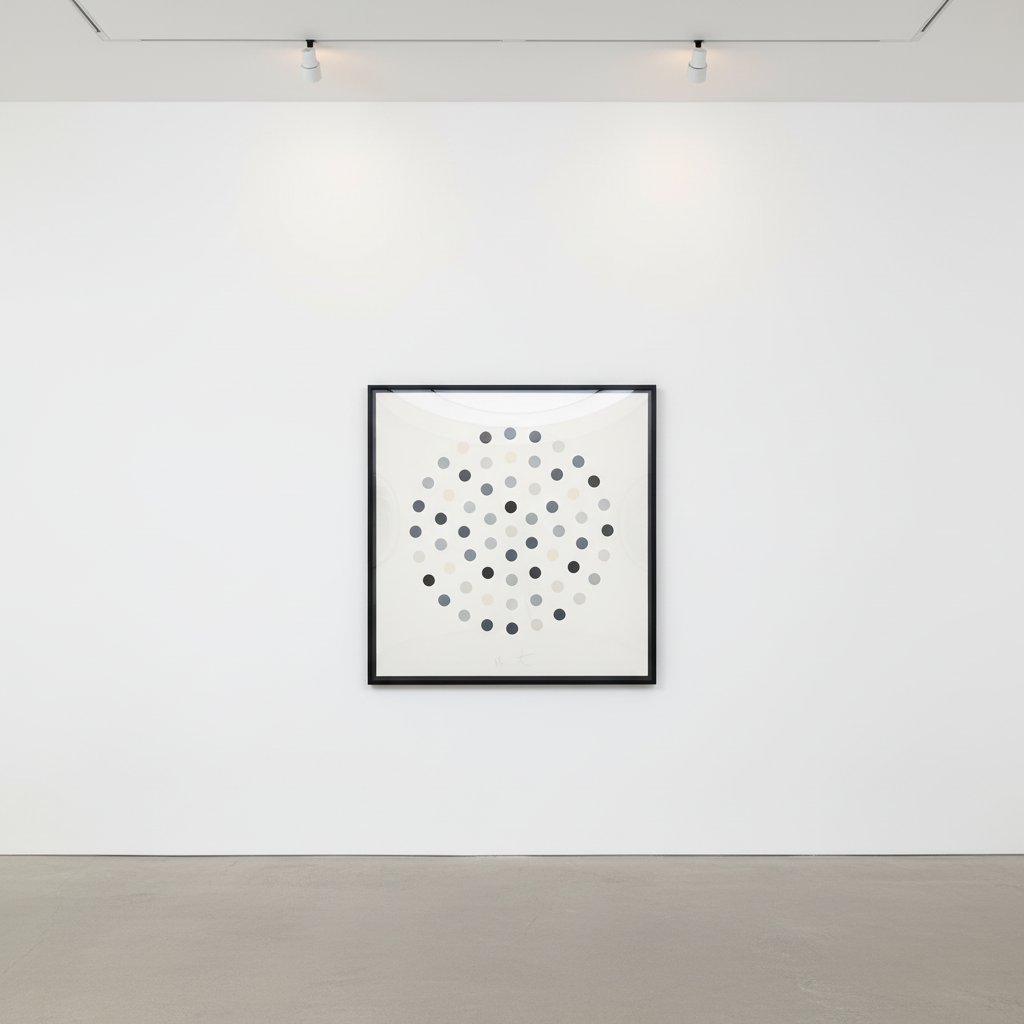
Damien Hirst, Cinchonidine, Screenprint. Available at Guy Hepner, New York.
The 2012 Complete Spot Paintings exhibition, mounted simultaneously across eleven Gagosian Gallery locations worldwide, marked a watershed moment for the series. This unprecedented global presentation—spanning New York, London, Paris, Hong Kong, and beyond—cemented the Spot Paintings' status as one of contemporary art's most significant bodies of work while introducing the series to new audiences and collectors across multiple continents. The exhibition catalogue documented over 1,400 unique spot paintings, though Hirst's studio has produced significantly more works in the series since.
The formal parameters of the Spot Paintings appear straightforward: colored circles arranged in grid formations on white backgrounds. Yet within this seemingly simple framework, Hirst developed a sophisticated system governed by specific rules that distinguish authentic works from mere imitation. No color may repeat within a single painting—each spot must be unique within its composition. The spots are painted in household gloss paint rather than traditional artist pigments, lending them a manufactured quality that reinforces the pharmaceutical associations. The spacing between spots follows precise mathematical relationships, creating a visual rhythm that reads as both mechanical and hypnotic.
Perhaps most controversially, Hirst has openly acknowledged that assistants execute the vast majority of Spot Paintings under his direction. This delegation of physical production connects to a long tradition in art history—from Renaissance workshop practice to Warhol's Factory—while raising questions about authorship that Hirst has embraced rather than deflected. The conceptual framework, color selection, and quality control remain under Hirst's direct supervision, positioning him as the author of an idea rather than the craftsman of an object. For collectors, this aspect of production underscores the importance of proper authentication and provenance documentation.
The Controlled Substances series represents a distinct subset within the broader Spot oeuvre, featuring works that take their titles specifically from controlled pharmaceutical compounds. These pieces often command premium prices due to their provocative titles and direct engagement with Hirst's themes of pharmaceutical culture and societal drug dependence. Works titled after substances like Valium or Opium carry additional conceptual resonance that appeals to collectors drawn to the more challenging aspects of Hirst's practice.
The Spot Paintings exist across multiple formats and media, each with distinct characteristics that affect both aesthetic impact and market value. Original unique paintings on canvas represent the pinnacle of the series, commanding prices that can reach into the millions at auction. These works, while largely executed by assistants, carry Hirst's direct involvement in conception and approval, with each composition representing a unique arrangement of colors.
The print editions, which constitute the most accessible category for collectors, span several distinct production methods:
When evaluating Damien Hirst editions, collectors should assess several quality factors that distinguish exceptional impressions from merely acceptable ones. Registration—the precise alignment of each color layer during the printing process—should be exact, with no visible overlap or gaps between colors. Paper condition matters significantly; any foxing, discoloration, or handling damage affects both aesthetic presentation and resale value. The intensity and consistency of color across all spots indicates proper ink application and storage, while the margins should be clean and free from printer's marks unless these are integral to the edition.
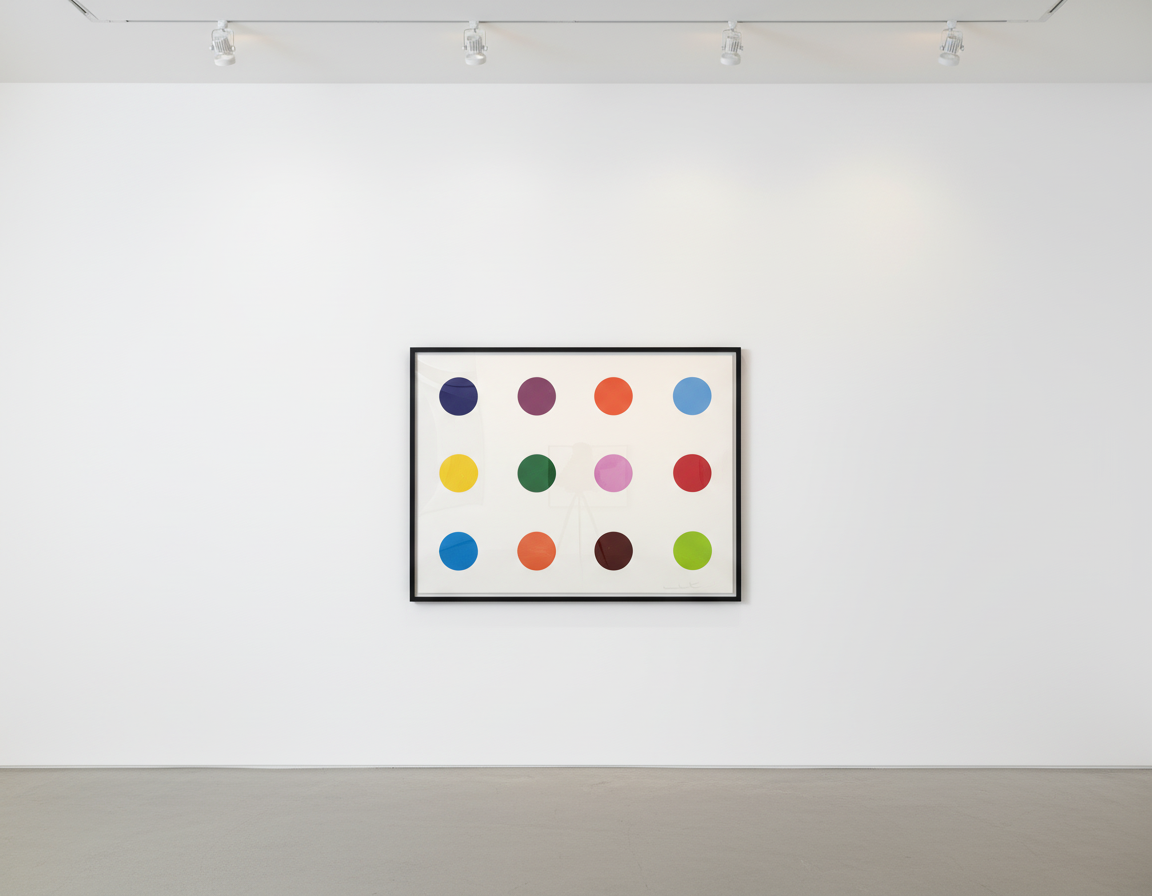
Damien Hirst, Tyloxapol, Screenprint. Available at Guy Hepner, New York.
Size significantly impacts both visual presence and market value. The largest format prints can measure several feet in each dimension, creating the immersive color experience of the original paintings. Smaller formats offer more accessible price points while still delivering the essential characteristics of the series. Consider your display context when selecting size—the Spot Paintings benefit from adequate wall space that allows viewers to experience both the overall grid pattern and the individual color relationships within.
Authentication represents perhaps the most critical consideration when acquiring Damien Hirst spots, given both the high values involved and the existence of unauthorized reproductions in the marketplace. Hirst's studio maintains comprehensive records of all authorized editions, and legitimate prints will carry proper documentation tracing their origin through authorized channels.
Key authentication elements include:
Collectors should approach any work lacking proper documentation with extreme caution. The secondary market includes unauthorized reproductions that may superficially resemble authentic editions but lack the material quality and documentation of legitimate prints. Working with established dealers who specialize in Hirst's work provides crucial protection against authentication issues, as reputable galleries stake their reputation on the legitimacy of every work they handle.
Science Ltd, Hirst's studio and administrative company, can provide authentication services for works of uncertain status, though this process involves fees and processing time. For significant acquisitions, this authentication step offers invaluable peace of mind and protects your investment.
The print market for Damien Hirst spots encompasses a wide range of editions produced over more than three decades. Understanding the landscape of available editions helps collectors identify opportunities aligned with their collecting goals and budget constraints.
Early editions from the 1990s and early 2000s have become increasingly difficult to source as collectors who acquired these works tend to hold them. These editions often featured smaller print runs and command premium prices due to their historical significance and scarcity. The provenance of early editions frequently includes notable collections, adding to their desirability.
Mid-period editions, particularly those produced around the 2012 Complete Spot Paintings exhibition, offer a balance of availability and historical significance. Many of these editions were produced in larger quantities to meet demand generated by the global exhibition, making them somewhat more accessible while still carrying strong market credentials.
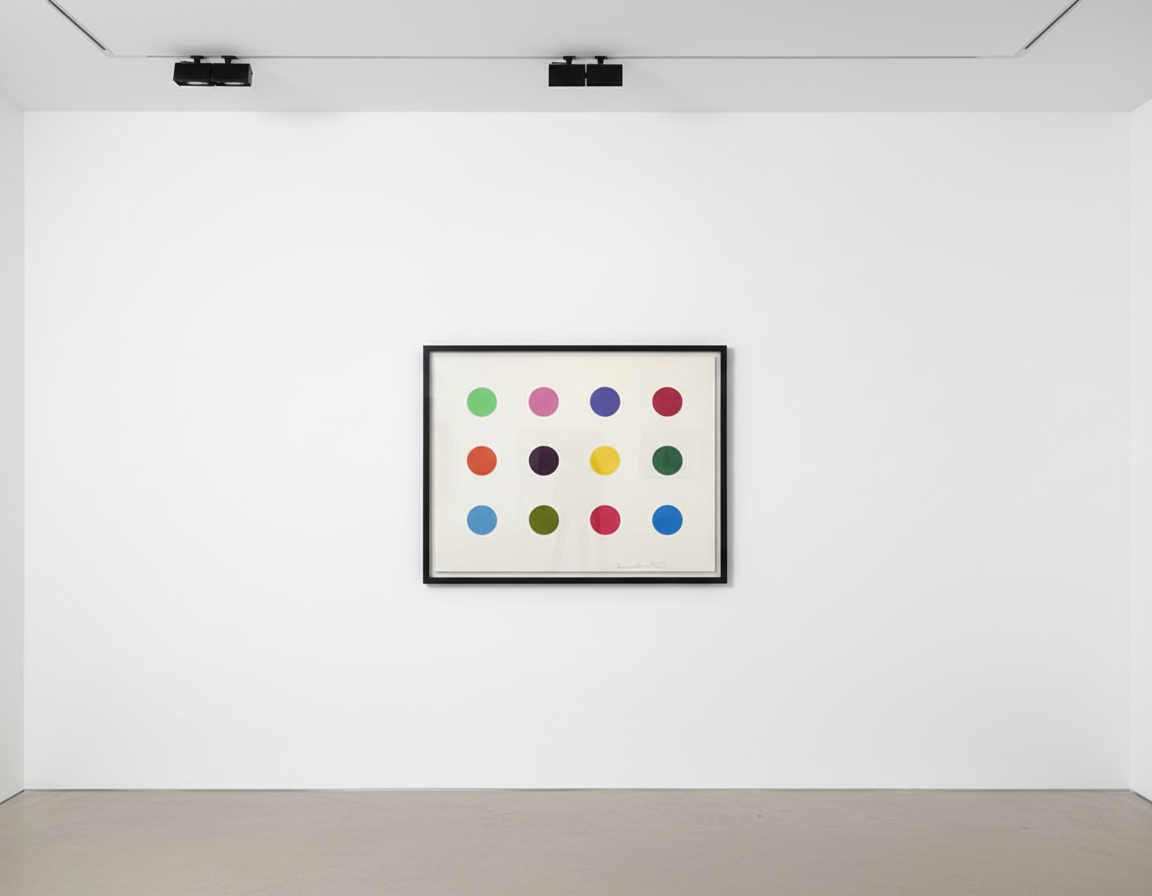
Damien Hirst, Perillartine, Screenprint. Available at Guy Hepner, New York.
Recent editions demonstrate Hirst's continued engagement with the series while offering fresh acquisition opportunities. These works benefit from contemporary production standards and often feature color combinations not seen in earlier iterations. However, their recent production date means they lack the established track record of earlier editions.
Edition sizes vary considerably across the series:
The market for Damien Hirst prints spans a considerable range, offering entry points for emerging collectors while also including museum-quality works that command substantial investment. Understanding current pricing tiers helps collectors calibrate their expectations and identify opportunities aligned with their collecting ambitions.
Entry-level acquisitions typically range from $5,000 to $15,000, encompassing smaller format screenprints from larger editions. These works deliver the essential Spot Painting experience—the precise color relationships, the grid structure, the pharmaceutical titles—at accessible price points. For collectors building their first significant contemporary art holdings, this tier offers exceptional value.
Mid-tier works, ranging from $20,000 to $50,000, include larger format prints, works from smaller editions, and particularly desirable color combinations. This category often represents the sweet spot for serious collectors seeking impactful works with strong appreciation potential. Recent sales in this range include important screenprints that have demonstrated consistent market performance over time.
High-end prints, commanding $75,000 to $150,000 and beyond, encompass rare early editions, exceptional large-format works, woodcut spots, and prints with distinguished provenance. These acquisitions suit collectors seeking museum-quality examples of the series. Recent comparable sales include works like Minnie Glitter at approximately $75,000, demonstrating sustained demand for exceptional impressions.
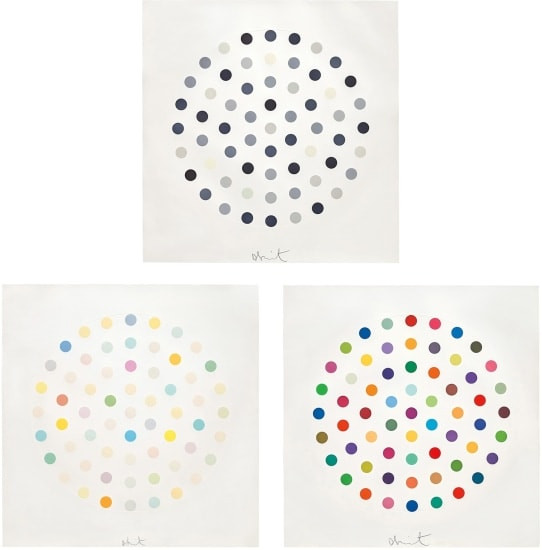
Damien Hirst, Selection of Spot Paintings showing range of color palettes. Available at Guy Hepner, New York.
The market has shown notable resilience through various economic cycles, with Hirst's blue-chip status providing stability that many contemporary artists lack. Auction results demonstrate consistent demand, though as with any art market, specific works may appreciate or depreciate based on factors including condition, provenance, and broader market trends. Collectors should view acquisitions through both aesthetic and investment lenses, recognizing that the most successful art investments typically combine genuine passion with informed market awareness.
Approaching Spot Paintings as a collecting category rather than isolated acquisitions opens strategic possibilities that enhance both the aesthetic and investment dimensions of your holdings. Collectors employ various approaches depending on their goals, space constraints, and budget parameters.
Some collectors focus on acquiring a single exceptional example that represents the series at its best—a large-format work with a compelling color composition from a sought-after edition. This approach maximizes impact within limited display space while concentrating resources on a museum-quality work. The resulting acquisition serves as an anchor piece around which other collection elements can be organized.
Others build groups of complementary works, selecting prints that offer varied color palettes or different grid configurations. A triptych arrangement featuring contrasting color schemes—perhaps one dominated by cool blues and greens, another by warm reds and oranges, and a third by neutral grays—creates visual dialogue between works while demonstrating the series' range. This approach suits collectors with more extensive wall space and appeals to those who enjoy the curatorial dimension of collection building.
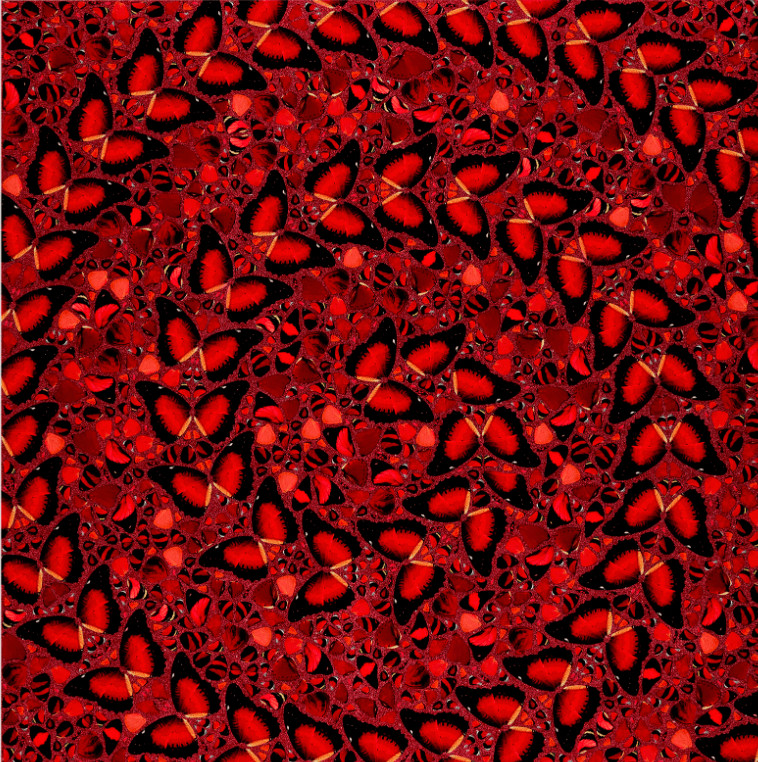
Consideration of Hirst's broader practice can inform Spot acquisitions. The pharmaceutical themes connecting the Spot series to other major bodies of work—the medicine cabinets, the butterfly paintings, the formaldehyde sculptures—offer opportunities for thematic collection building. A Spot print alongside a work from the Memento series or a pharmaceutical-themed multiple creates conceptual resonance that enriches the overall collection narrative.
Framing and presentation significantly affect how Spot prints read in domestic or institutional settings. The works traditionally appear in simple white or black frames that maintain the clinical aesthetic integral to their conception. Elaborate ornate framing would contradict the pharmaceutical associations, while frameless mounting can work for certain contexts. Conservation-quality materials protect your investment while ensuring proper presentation.
Navigating the market for British contemporary art requires expertise that distinguishes genuine opportunities from overpriced or problematic offerings. As a Chelsea art gallery with deep specialization in Damien Hirst editions and other YBA artist prints, Guy Hepner brings to each transaction the accumulated knowledge essential for confident collecting.
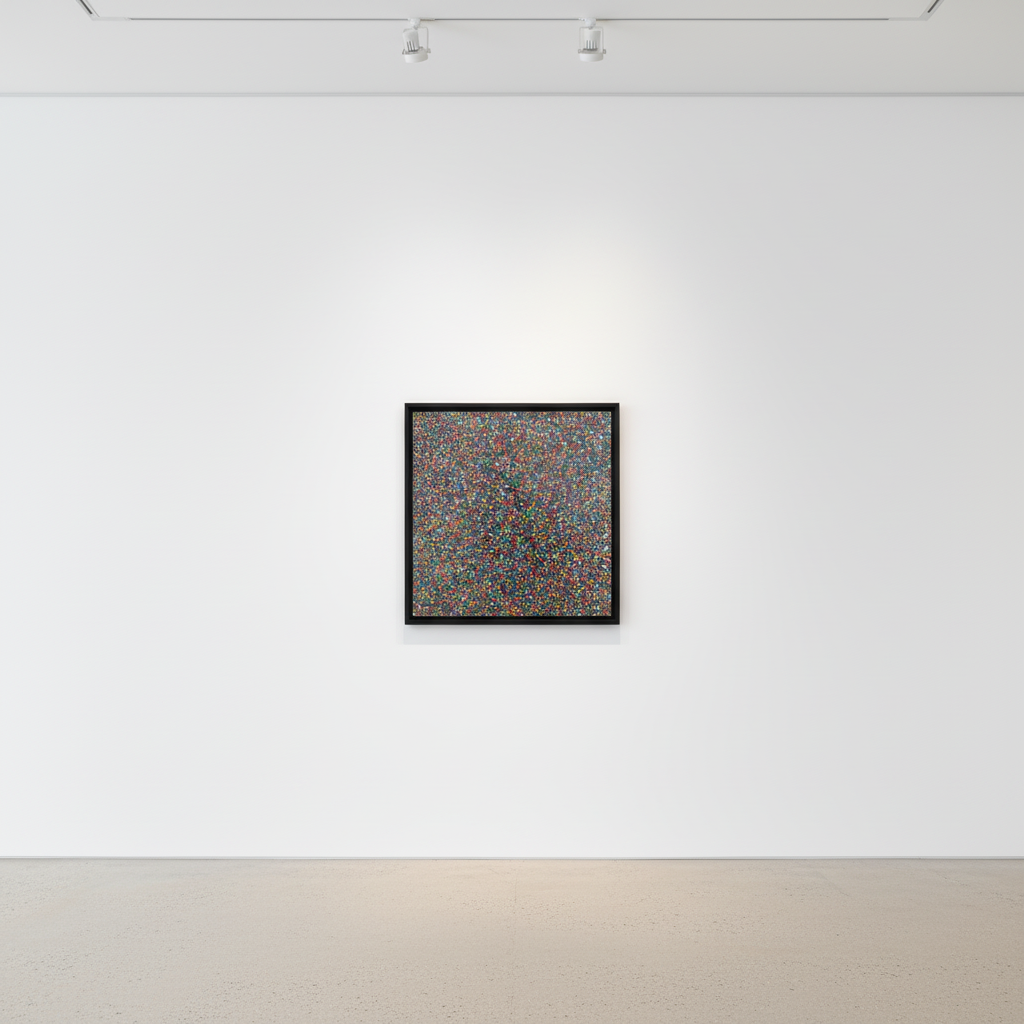
Damien Hirst, H5-8 Savoy, Limited Edition Print. Available at Guy Hepner, New York.
Every work offered through the gallery undergoes rigorous authentication review, with provenance documentation verified before presentation to collectors. This process protects acquisitions and provides the confidence necessary for significant investment in blue-chip prints NYC collectors expect. The gallery's relationships with Hirst's studio and established collectors provide access to works that may not appear on the broader market, offering acquisition opportunities unavailable through auction houses or less specialized dealers.
The advisory relationship extends beyond individual transactions. Understanding how a potential acquisition fits within your existing collection, your display environment, and your long-term collecting goals informs recommendations tailored to your specific situation. Whether you're acquiring your first significant contemporary work or adding to an established collection of Hirst editions, the gallery's expertise supports informed decision-making.
For collectors interested in exploring available Damien Hirst Spot Paintings and prints, Guy Hepner welcomes inquiries at our gallery at 529 West 20th Street, New York. The current inventory includes works spanning multiple price points, formats, and color compositions, offering opportunities for collectors at various stages of their collecting journey. Contact the gallery to discuss specific works, arrange viewing appointments, or explore how Hirst's Spot series might complement your collection.
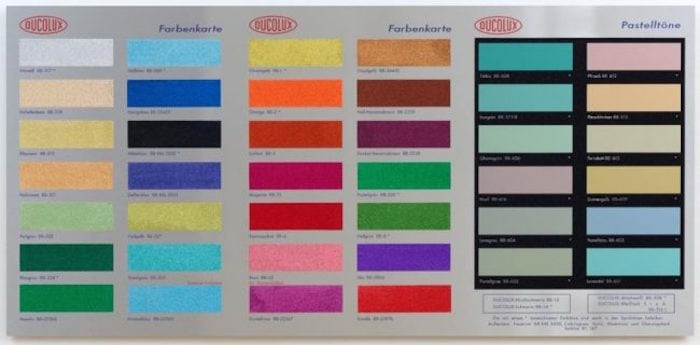
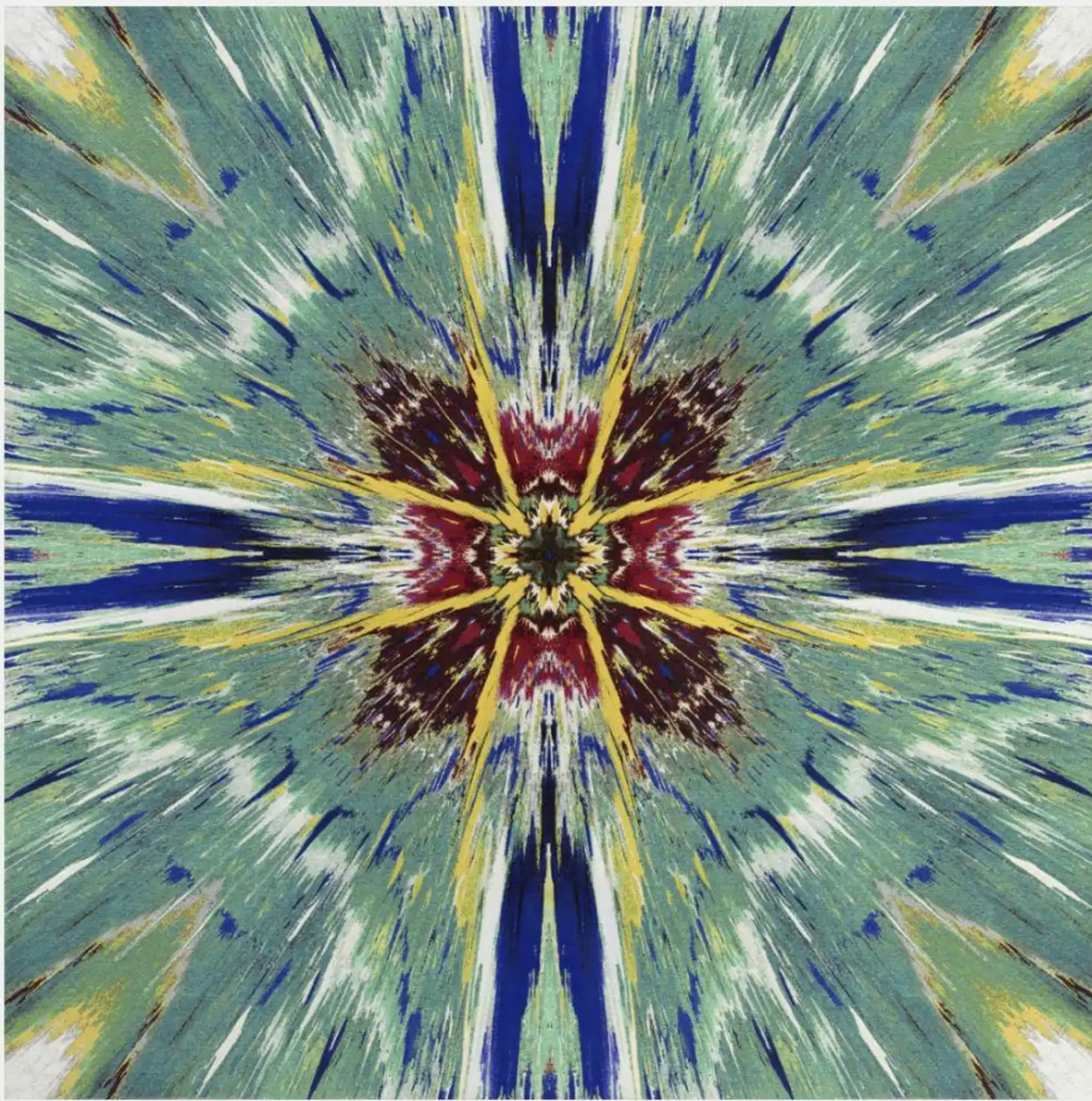
Explore Damien Hirst prints for sale at Guy Hepner: Blossoms, Colour Chart, H1 - Enter the Infinite, H10 - the Empresses, H11 - the Currency.
Related Series