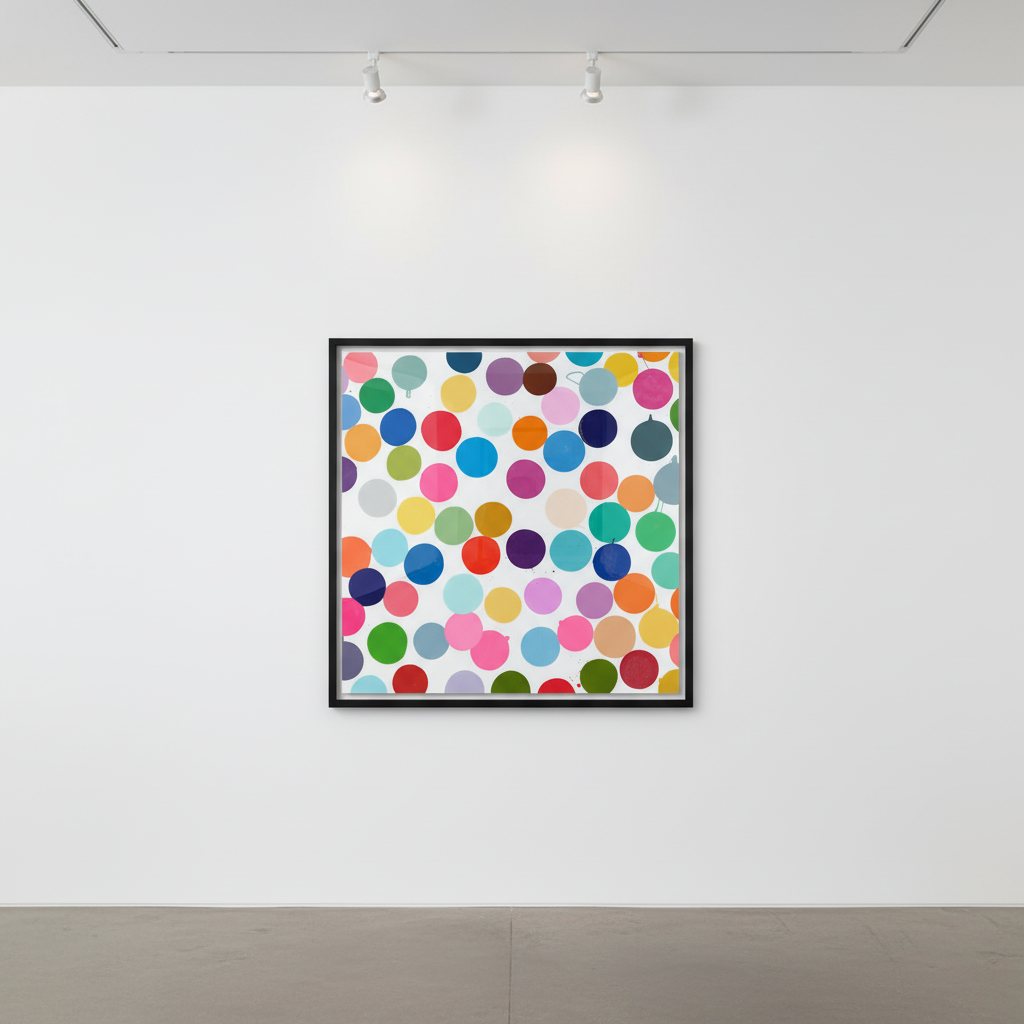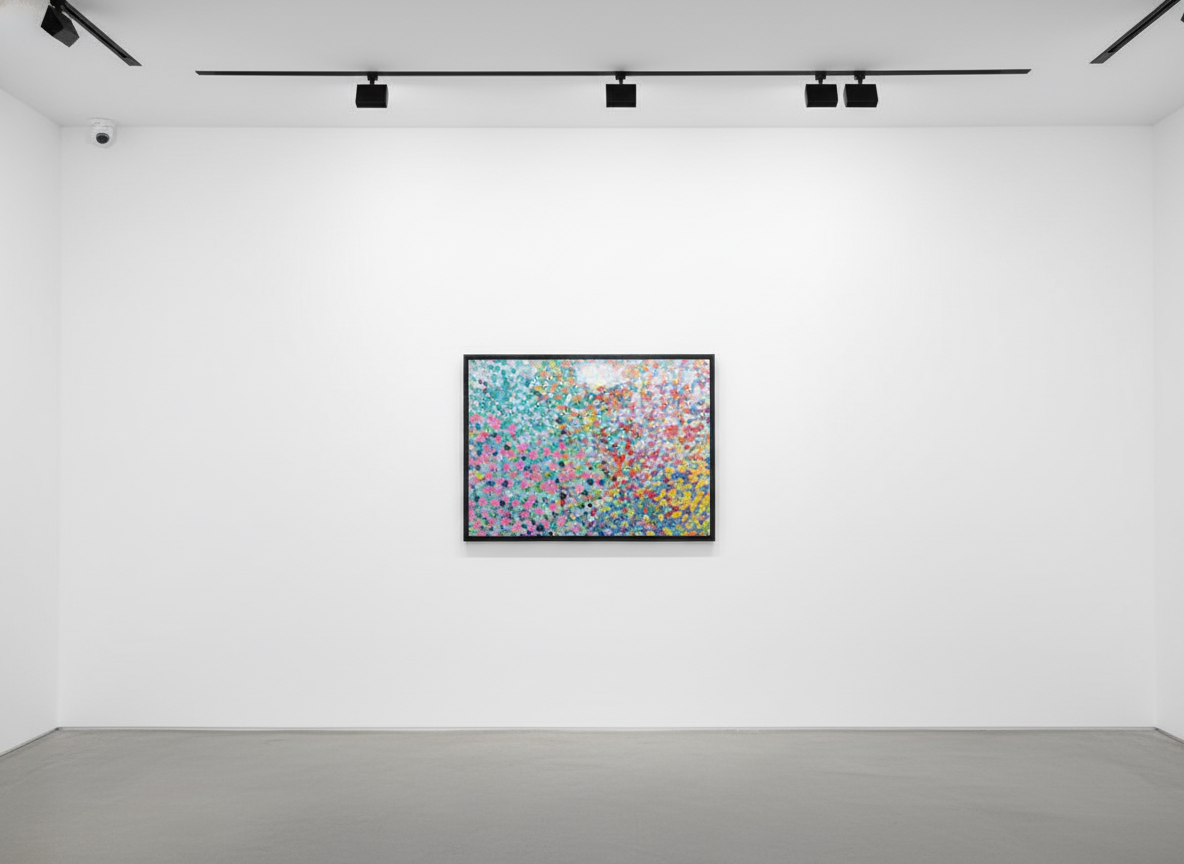
H4 - Veil Spots

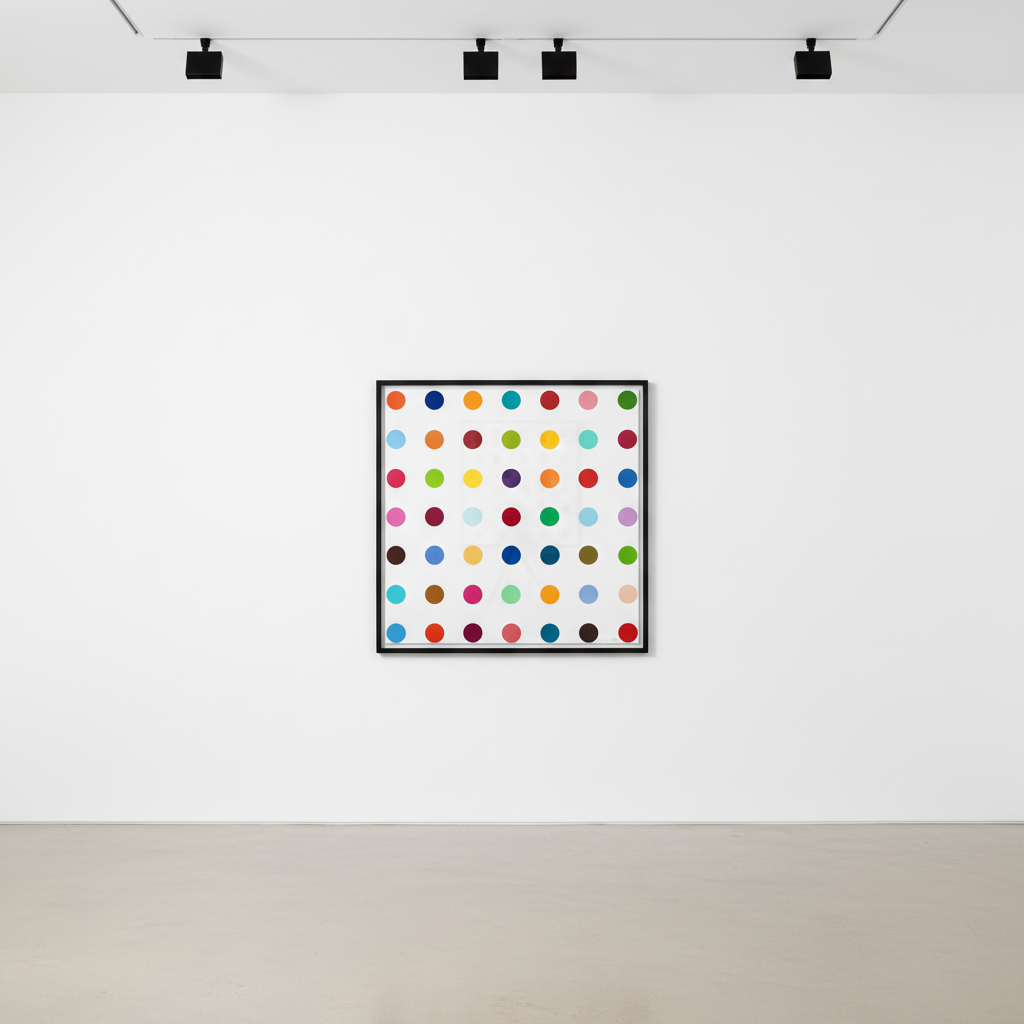
In the vibrant tableau of contemporary art, few motifs have sparked as much fascination and debate as Damien Hirst's spot paintings. These works - characterized by their seemingly simple arrangement of colored spots evenly spaced against stark white backgrounds - encapsulate a pivotal moment in late 20th and early-21st-century art. For collectors and institutions alike, the spot paintings represent both a significant conceptual statement and a cornerstone of the contemporary art market. As we examine the complexities of Hirst's oeuvre, these deceptively straightforward compositions present an intriguing study of minimalism, conceptual rigor, and the artist's philosophical inquiry into the nature of art itself.
Damien Hirst emerged from the Young British Artists movement in the late 1980s, quickly establishing himself as one of the most provocative and commercially successful artists of his generation. The spot paintings, which he began creating in 1986, form part of his broader exploration of themes surrounding life, death, science, and beauty. Titled after pharmaceutical compounds - from everyday medications to obscure chemical formulations - each work references the artist's ongoing fascination with the pharmaceutical industry and humanity's complex relationship with medicine, healing, and mortality.
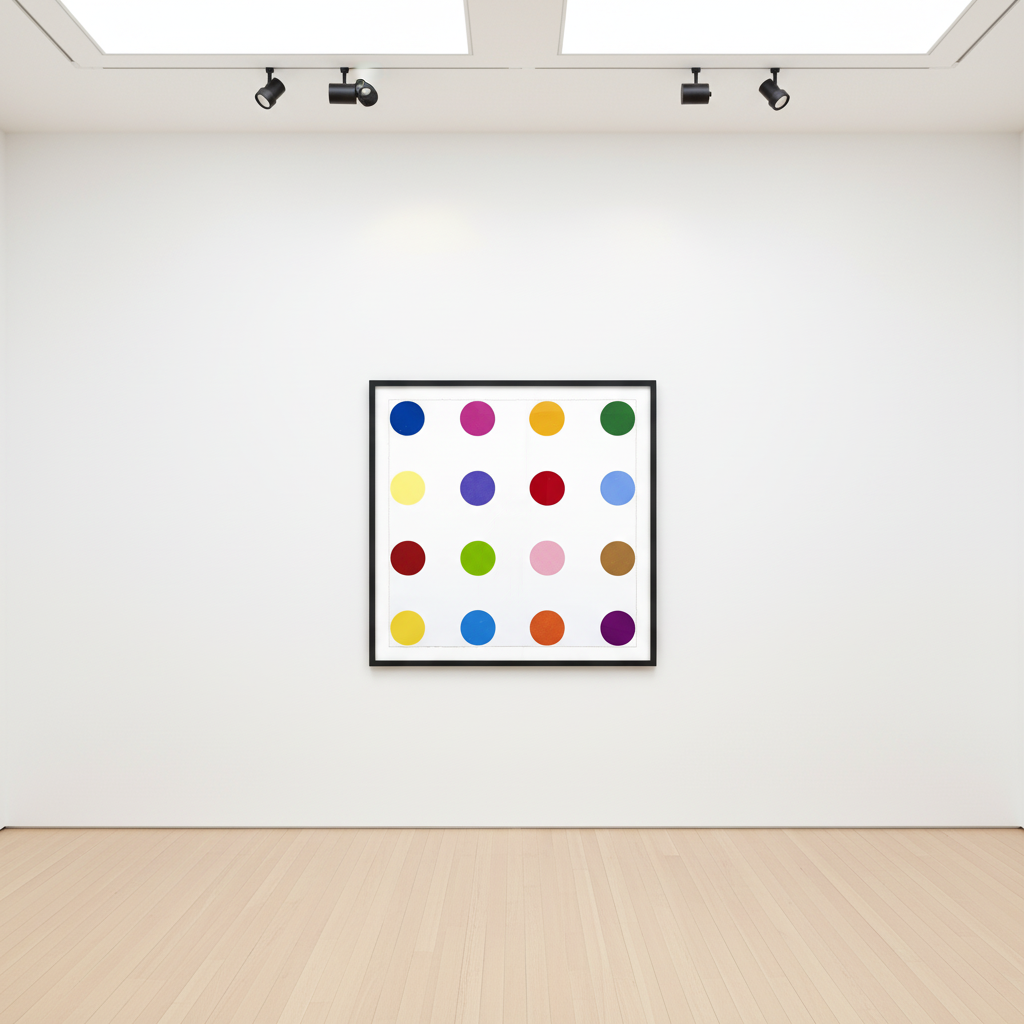
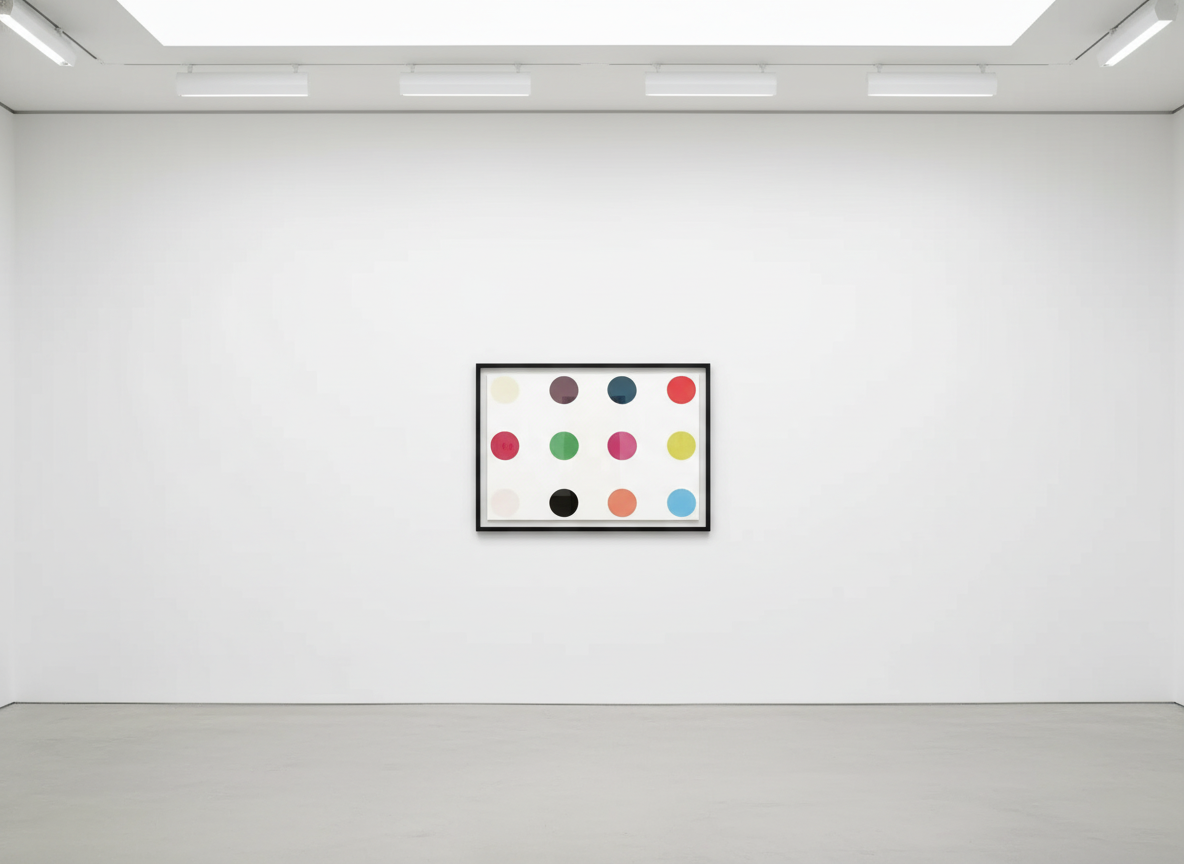
The paintings vary significantly in size and color palette, ranging from intimate works to monumental canvases, yet all adhere to the same foundational principle: no color is repeated within a single piece. This systematic approach creates what Hirst has described as a visual representation of "the happiness of color" - an attempt to achieve perfect balance and chromatic harmony. The uniformity and repetition inherent in these works raise profound questions about the role of the artist's hand in creation and the tension between conceptual and aesthetic value in contemporary art.
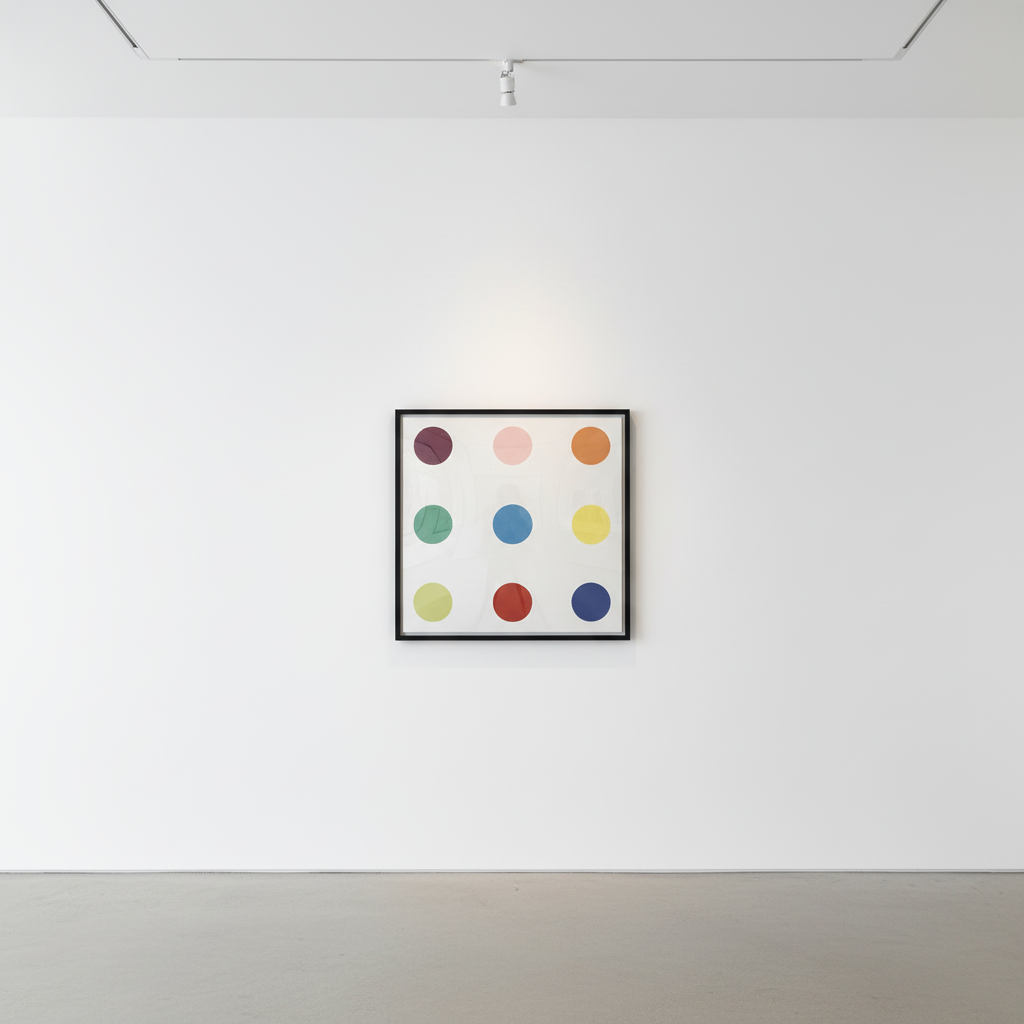
Methylamine 13c — Damien Hirst. Available at Guy Hepner, New York.
Hirst's engagement with these philosophical questions is central to understanding the spot paintings' enduring significance within contemporary art discourse. By establishing rigid parameters while allowing for infinite variation, he created a framework that challenges traditional notions of artistic originality and authorship. Many of the spot paintings were executed by studio assistants following Hirst's precise specifications - a practice that deliberately echoes the production methods of Renaissance workshops while simultaneously commenting on contemporary manufacturing and mass production.
The critical reception of Damien Hirst's spot paintings has been notably polarized since their inception. Detractors have dismissed them as repetitive exercises in branding, while supporters recognize their sophisticated engagement with art historical precedents ranging from Pointillism to Minimalism and Color Field painting. The works draw clear lineages to Bridget Riley's optical experiments, Ellsworth Kelly's chromatic investigations, and the systematic approaches of conceptual artists like Sol LeWitt.
What distinguishes Hirst's contribution is his fusion of these formal concerns with loaded pharmaceutical references. Each title transforms an abstract color arrangement into a meditation on human vulnerability and the promises of modern medicine. Works named after compounds like Opium or Methylamine carry cultural and scientific associations that add conceptual depth to their visual impact. This layering of meaning - aesthetic pleasure combined with philosophical provocation - exemplifies the approach that has made Hirst one of the defining artists of our era.
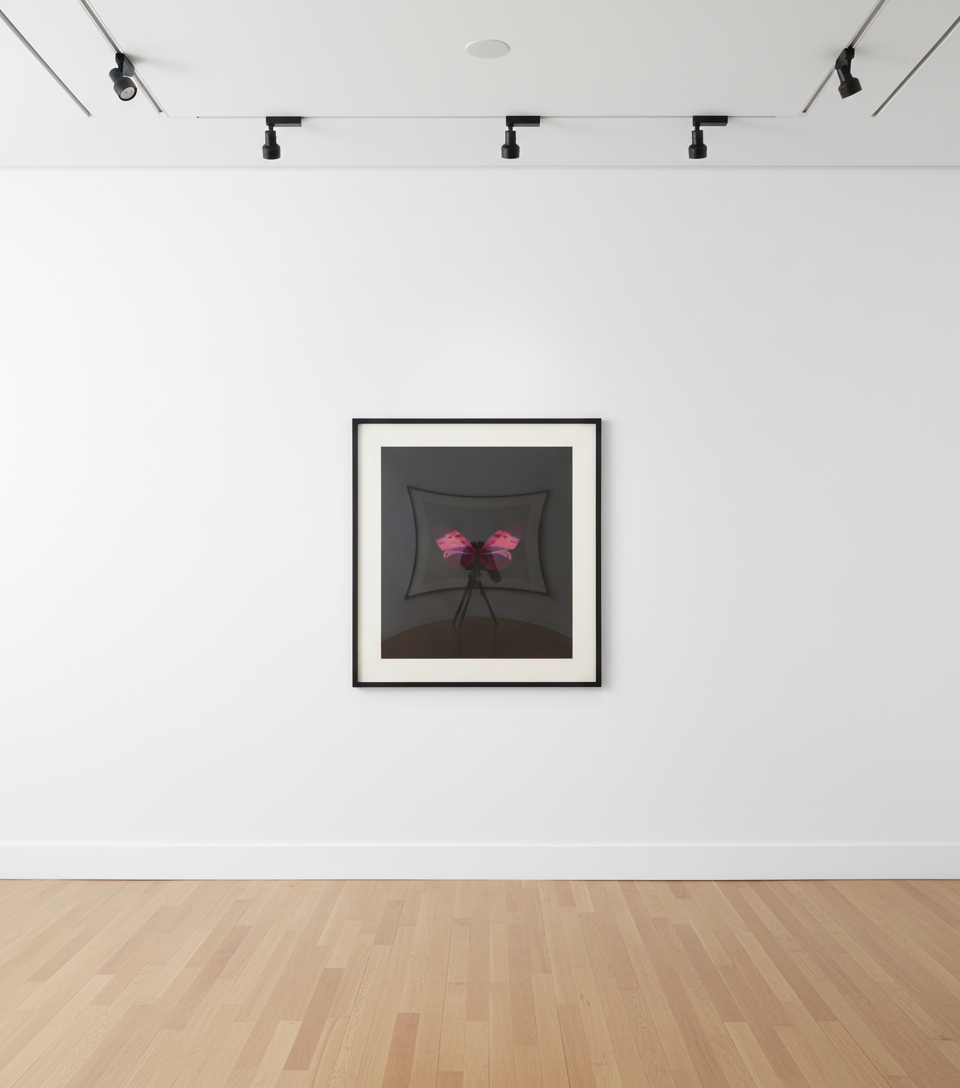
All you need is love, love, love (Diamond Dust) — Damien Hirst. Available at Guy Hepner, New York.
The 2012 exhibition "The Complete Spot Paintings 1986-2011" marked a watershed moment, presenting works simultaneously across eleven Gagosian locations worldwide. This unprecedented undertaking demonstrated both the series' remarkable scope - comprising over 1,400 individual paintings - and the global infrastructure required to support an artist of Hirst's commercial magnitude. The exhibition reinforced the spot paintings' status as cultural touchstones that transcend regional art world boundaries.
From an investment perspective, Damien Hirst's spot paintings have demonstrated remarkable market resilience and consistent collector demand. According to data compiled by major auction houses including Christie's and Sotheby's, Hirst remains one of the top-selling living artists globally, with spot paintings representing a significant portion of his secondary market activity. The Art Basel and UBS Global Art Market Report has repeatedly highlighted Hirst's influence on contemporary art market trends, noting his position among artists who have successfully cultivated both critical recognition and commercial success.
The spot paintings' market appeal stems from several factors that sophisticated collectors recognize. Their iconic visual language ensures immediate recognition - a crucial consideration for works destined for prominent collections. The pharmaceutical titles add intellectual substance that rewards sustained engagement, while the range of sizes and price points allows entry at various collecting levels. Smaller works on paper offer accessible acquisition opportunities, while monumental canvases command prices reflecting their museum-quality scale and presence.
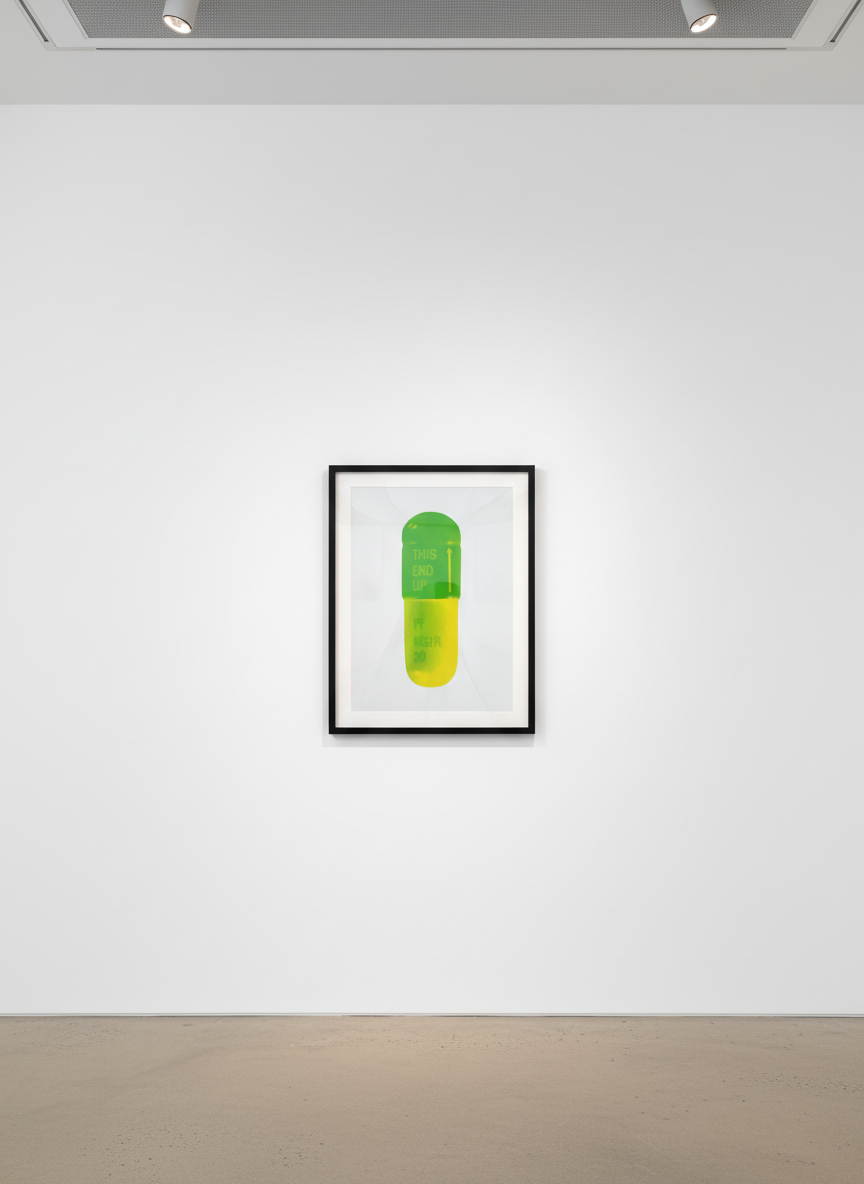
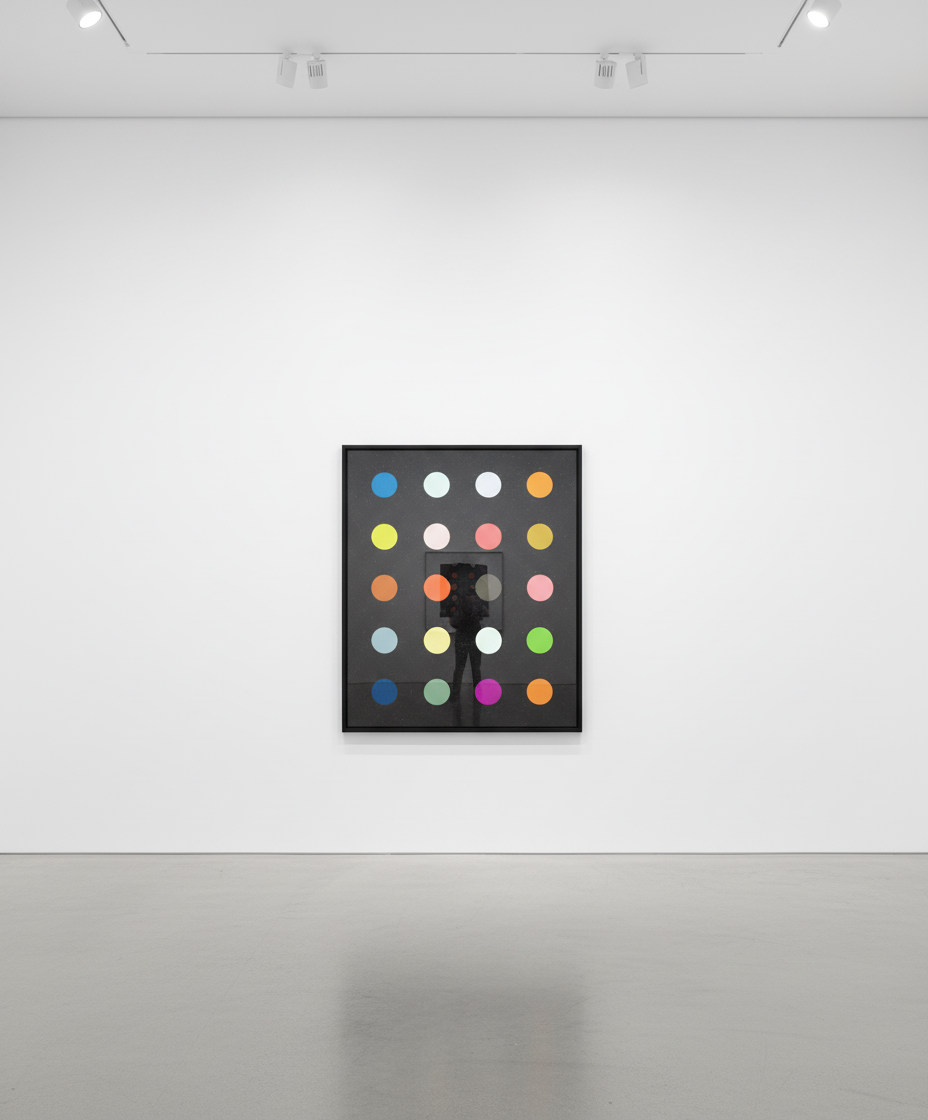
Mannitol — Damien Hirst. Available at Guy Hepner, New York.
Provenance and condition remain paramount considerations in the spot paintings market. Works from the earlier period of production - particularly those from the late 1980s and 1990s - often achieve premium prices due to their historical significance and relative scarcity. The diamond dust variations, which incorporate reflective material into their surfaces, represent a particularly sought-after subset that combines the series' conceptual rigor with heightened visual opulence. These works demonstrate Hirst's continued evolution within the established framework, adding new dimensions while maintaining the series' essential character.
Guy Hepner is pleased to offer distinguished collectors access to exceptional examples from Damien Hirst's celebrated spot painting series. Our current inventory includes works spanning various scales and periods, each authenticated and presented with comprehensive provenance documentation. We invite collectors to explore these significant works and to contact our advisory team for detailed information regarding acquisition, pricing, and private viewing appointments. Whether expanding an established contemporary collection or acquiring a first major work by this defining artist, Guy Hepner provides the expertise and discretion that discerning collectors expect.
--- **Browse Damien Hirst prints and editions** at Guy Hepner: [Damien Hirst art for sale](/damien-hirst) | [Sell your Damien Hirst](/sell/damien-hirst)Explore Damien Hirst prints for sale at Guy Hepner: H4 - Veil Spots, H5 - Colour Space Spots, Spot Paintings, Spot Prints, Blossoms.
Related Series