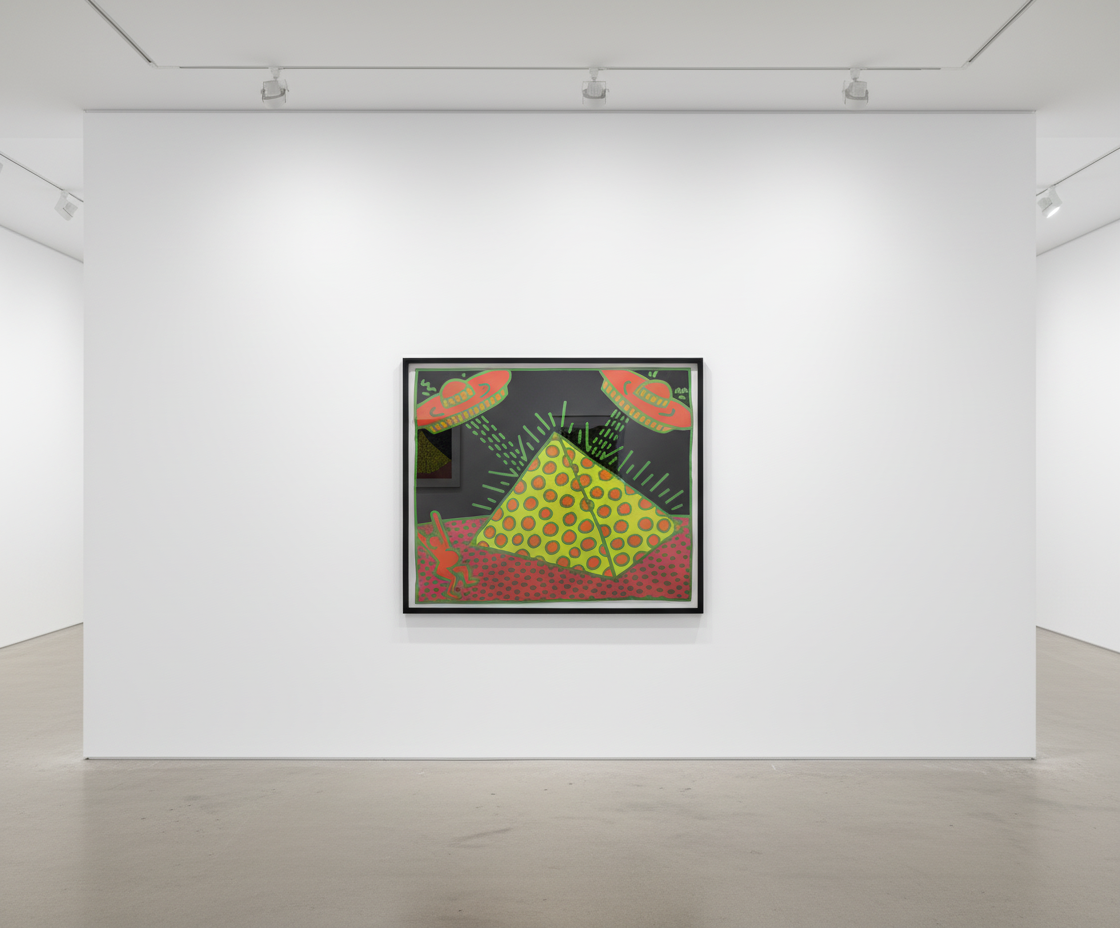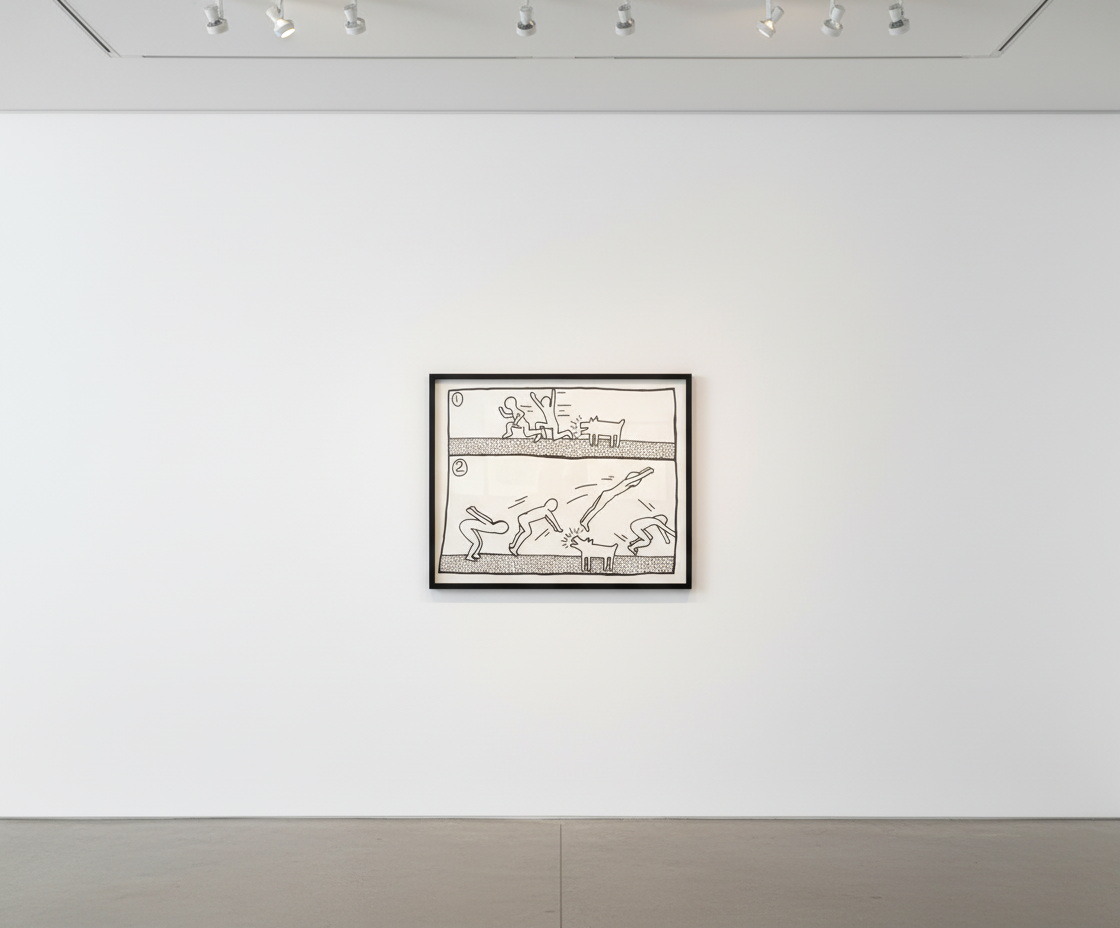
The Blueprint Drawings

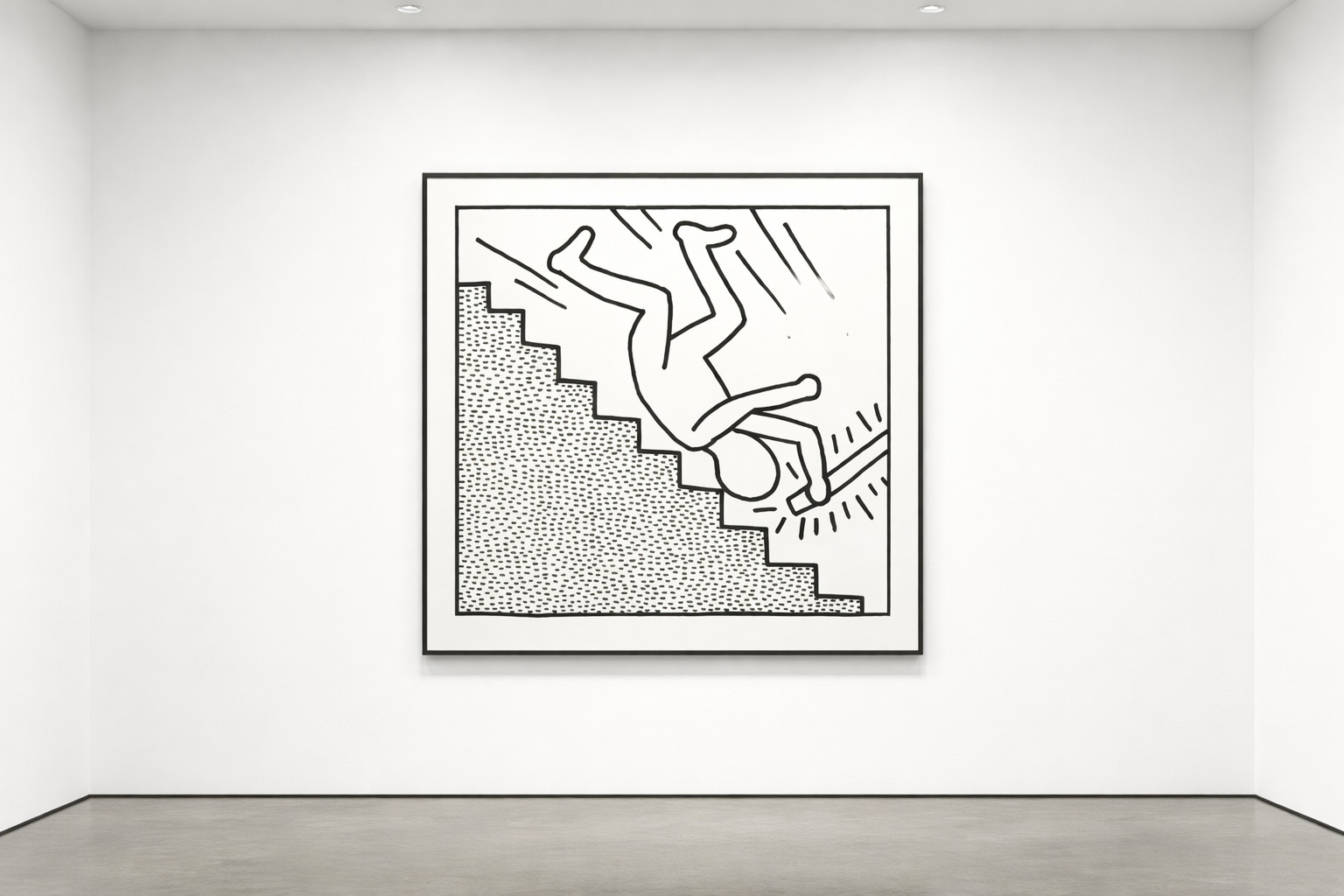
Keith Haring's subway drawings represent one of the most significant chapters in contemporary American art history. Between 1980 and 1985, the New York City subway system became an unconventional gallery space where Haring would transform blank advertising panels into spontaneous works of art. These ephemeral creations - executed in white chalk on matte black paper - established Haring as a vital voice in the downtown New York art scene and laid the foundation for his meteoric rise to international prominence.
The young artist, having moved to New York in 1978 to attend the School of Visual Arts, recognized an extraordinary opportunity in the unused advertising spaces that lined subway station walls. These vacant black rectangles, typically awaiting commercial content, became Haring's canvas for artistic and social commentary. Armed with sticks of white chalk, he would move swiftly through the transit system, creating images that commuters encountered during their daily journeys. The democratic nature of this practice - bringing art directly to the public rather than confining it to traditional gallery spaces - became central to Haring's artistic philosophy and enduring legacy.
What distinguished these subway drawings from mere graffiti was their conceptual sophistication and visual accessibility. Haring developed a vocabulary of symbols and figures that communicated across language barriers and social divisions. The work resonated with investment bankers and construction workers alike, democratizing contemporary art in ways that few artists before or since have achieved.
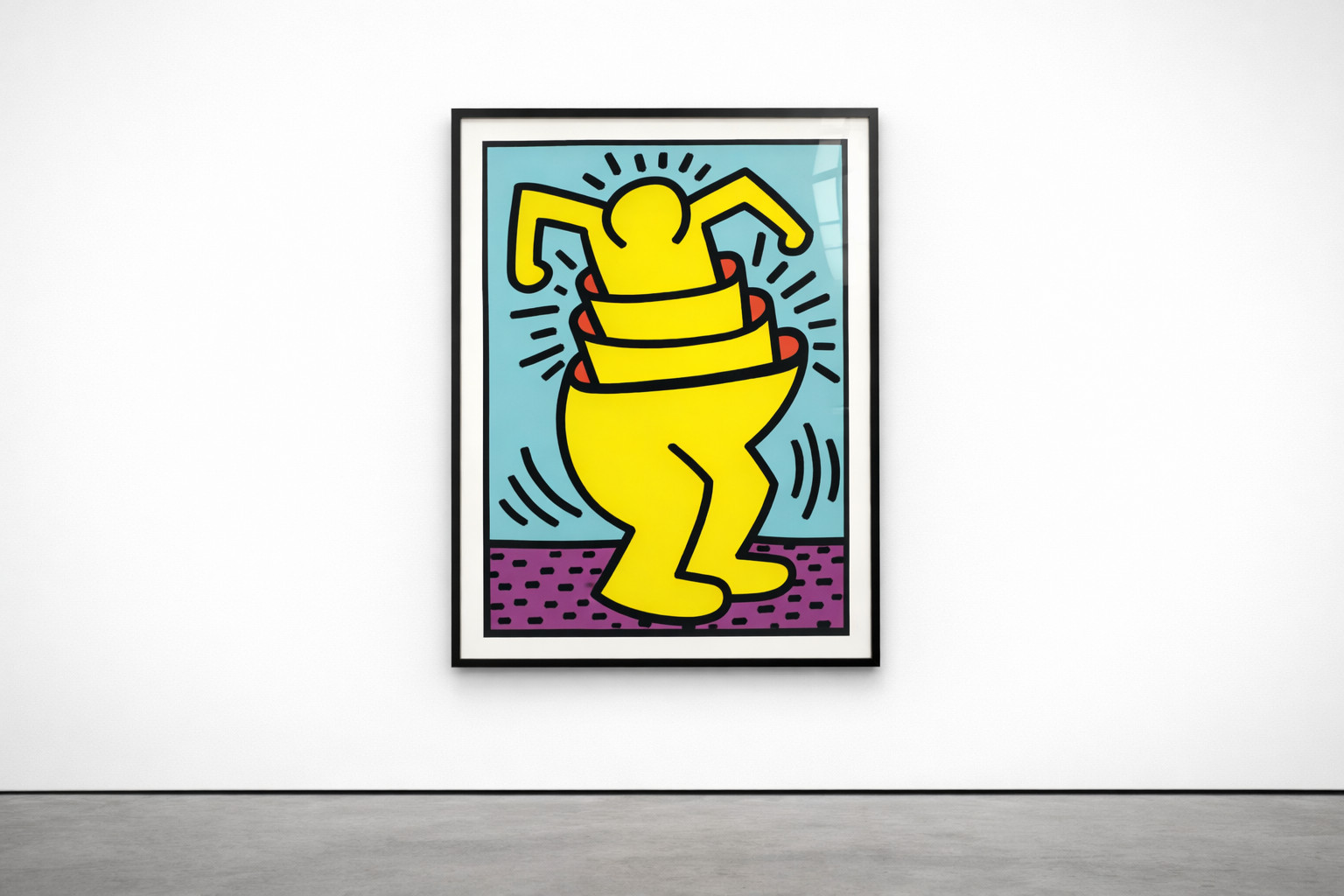
Pop Shop I (A) (Littmann PP. 82) — Keith Haring. Available at Guy Hepner, New York.
The subway drawings introduced the world to Keith Haring's most celebrated iconography. The Radiant Baby - a crawling infant surrounded by lines suggesting energy or divine illumination - emerged as perhaps his most recognized symbol, representing purity, hope, and the potential of human existence. Equally significant was the Barking Dog, an angular canine figure that embodied themes of authority, aggression, and social control. These characters, born in the underground passages of New York, would eventually appear on museum walls, public murals, and collectible prints worldwide.
Haring's subway work was never merely decorative. Each drawing carried undertones of the political and social issues defining the 1980s - the AIDS crisis, nuclear proliferation, apartheid, and the excesses of capitalism. The urgency with which he worked - sometimes completing multiple drawings in a single day - reflected the pressing nature of these concerns. Transit police frequently interrupted his sessions, and many works were painted over or torn down within hours of their creation. This impermanence only heightened their impact, transforming each encounter with a Haring subway drawing into a precious, unrepeatable moment.
The Art Basel and UBS Global Art Market Report has consistently noted how street art origins have become increasingly significant in determining an artist's market position. Haring's subway period exemplifies this phenomenon, with collectors and institutions recognizing these early works as the authentic genesis of his artistic vision.
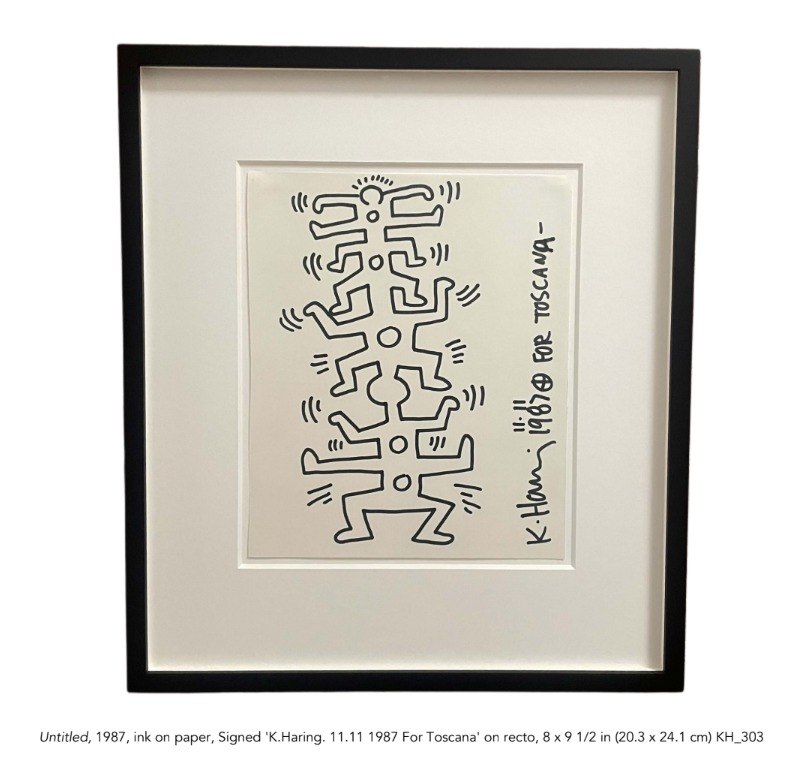
Pop Shop I (C) (Littmann PP. 83) — Keith Haring. Available at Guy Hepner, New York.
The auction market for Keith Haring's work has demonstrated remarkable strength and consistency over the past two decades. Christie's and Sotheby's have both achieved significant results for Haring pieces, with his subway-era imagery commanding particular attention from serious collectors. Works featuring the iconic symbols first developed in New York's transit system - the Radiant Baby, Barking Dog, and dancing figures - consistently perform above estimates at major evening sales.
What makes Keith Haring subway drawings particularly compelling to collectors is their historical significance as the birthplace of his visual language. While original chalk drawings rarely appear at auction due to their ephemeral nature, the prints and paintings that directly reference this period carry tremendous appeal. The Pop Shop editions, which Haring created to make his art accessible to broader audiences, feature the same bold lines and dynamic figures that first captured public attention underground.
Contemporary collectors increasingly value artists whose work carries authentic cultural significance beyond mere aesthetic appeal. Haring's subway drawings embodied genuine social engagement during a transformative period in American history. His willingness to risk arrest for his art, combined with his commitment to public accessibility, established a model of artistic integrity that resonates powerfully with today's collectors.
The convergence of street art credibility, art historical importance, and visual immediacy positions Keith Haring as an essential figure for collections focused on late twentieth-century American art. His influence extends to subsequent generations of artists who have embraced public space as a legitimate venue for serious artistic expression.
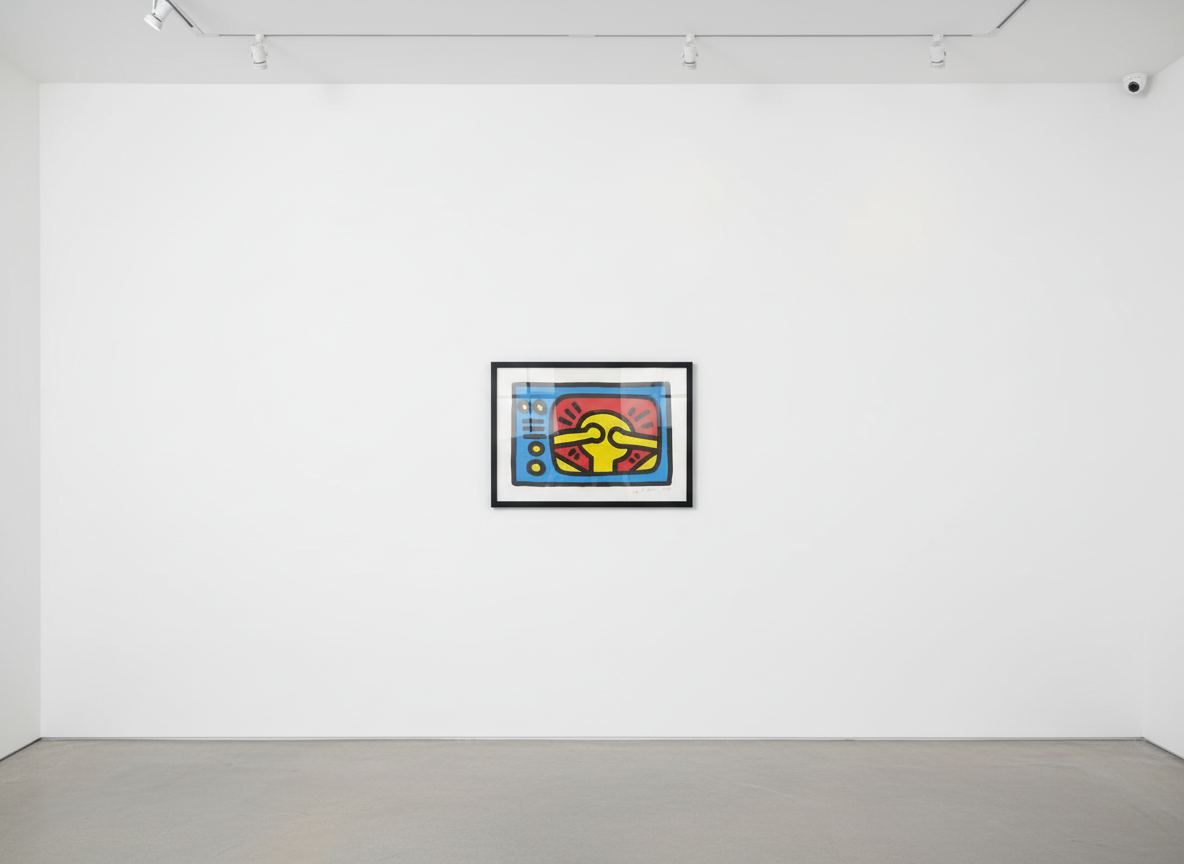
Pop Shop I (Littmann PP. 82 - 83) — Keith Haring. Available at Guy Hepner, New York.
Keith Haring's subway period, though spanning only five years, fundamentally altered perceptions of where art could exist and whom it could reach. The energy and accessibility of these underground works translated seamlessly into his later public murals, collaborative projects, and commercial ventures. The Pop Shop, which Haring opened in 1986, extended the democratic principles of his subway practice by offering affordable art objects to everyday consumers.
The Keith Haring Foundation, established shortly before his death in 1990, continues to support AIDS-related organizations and children's programs - causes that animated much of his subway-era work. This institutional legacy, combined with major retrospectives at museums worldwide, ensures that new generations encounter Haring's distinctive visual vocabulary.
For collectors, Keith Haring represents a rare combination of critical recognition, market stability, and cultural relevance. His subway drawings - and the prints that preserve their imagery - offer entry into one of the most significant artistic practices of the late twentieth century.
Guy Hepner is pleased to offer exceptional works by Keith Haring, including prints and editions featuring the iconic imagery first developed during his legendary subway period. Our gallery provides collectors with access to authenticated pieces accompanied by comprehensive provenance documentation. For acquisition inquiries regarding Keith Haring subway drawings and related works, we invite you to contact our advisory team to discuss available inventory and collecting opportunities.
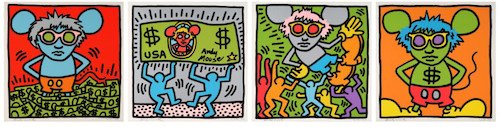
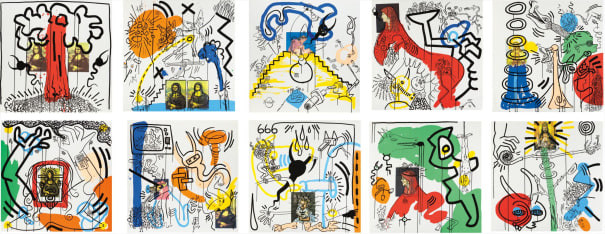
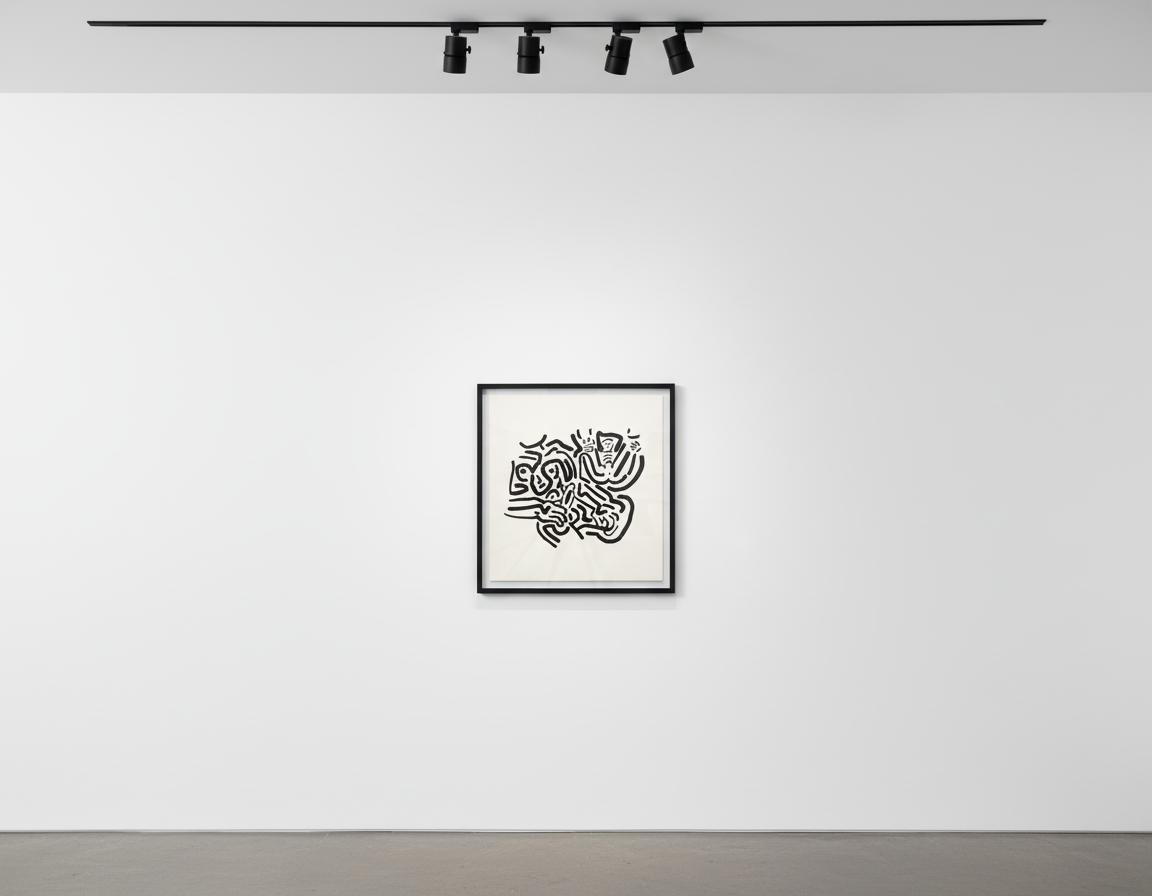
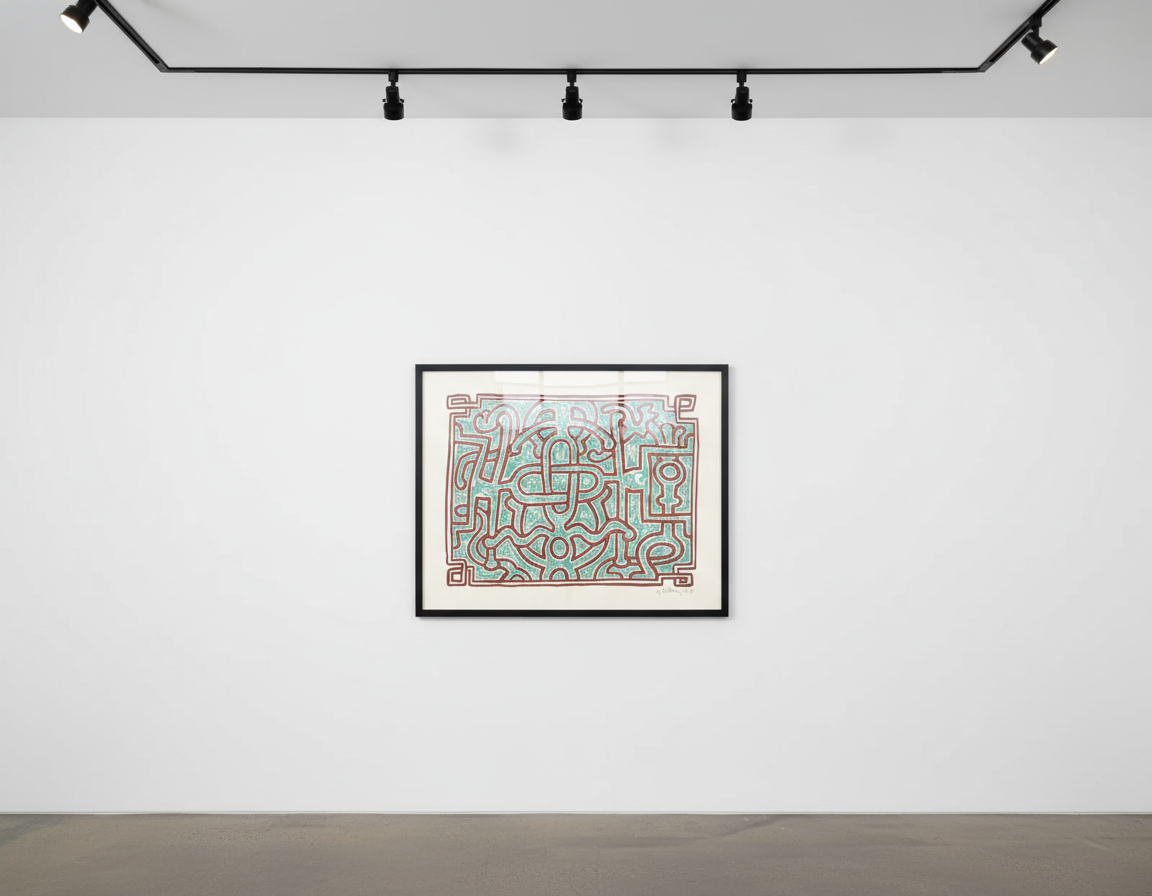
Explore Keith Haring prints for sale at Guy Hepner: The Blueprint Drawings, Andy Mouse, Apocalypse, Bad Boys, Chocolate Buddha.
Related Series