Turf War

Andy Warhol and Banksy represent two of the most transformative forces in contemporary art history, separated by decades yet bound by an unwavering commitment to interrogating the mechanisms of modern culture. Warhol, the Pop Art pioneer who emerged from Pittsburgh's working-class roots to become the architect of The Factory and a singular voice of the 1960s, fundamentally altered how we understand the relationship between art and commerce. Banksy, the elusive British street artist whose identity remains one of contemporary art's most guarded secrets, has carried this interrogation into the twenty-first century with a sharper political edge and guerrilla sensibility that has captivated audiences worldwide.
The parallels between these two artists extend far beyond surface aesthetics. Both mastered the art of appropriation, borrowing freely from mass media, advertising, and popular culture to construct works that simultaneously celebrate and critique the imagery that saturates modern life. Where Warhol elevated the Campbell's Soup can and the celebrity portrait to the status of high art, Banksy has weaponised similar iconography to deliver pointed commentary on capitalism, authority, and social injustice. Their shared understanding that art's power lies not merely in its creation but in its reproduction and dissemination has made both figures central to discussions about authenticity, value, and the democratisation of visual culture.
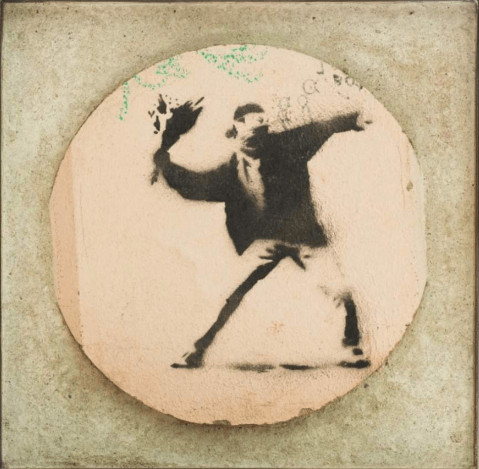
Flower Thrower Wall — Banksy. Available at Guy Hepner, New York.
Andy Warhol's iconic Marilyn Monroe portraits, initiated in 1962 following the actress's tragic death, remain among the most recognisable images in art history. The Marilyn Diptych and subsequent screen prints transformed Monroe from Hollywood star to cultural symbol, her features flattened into bold blocks of colour that both celebrated and critiqued the machinery of celebrity. Warhol's repetition of her image - rendered in varying saturations and deliberate misregistrations - spoke to the mass production of fame itself, revealing how the celebrity becomes a commodity, reproduced and consumed until the human being beneath disappears entirely. When Christie's sold Warhol's Shot Sage Blue Marilyn in 2022 for approximately 195 million dollars, it confirmed the artist's enduring position at the pinnacle of the contemporary art market.
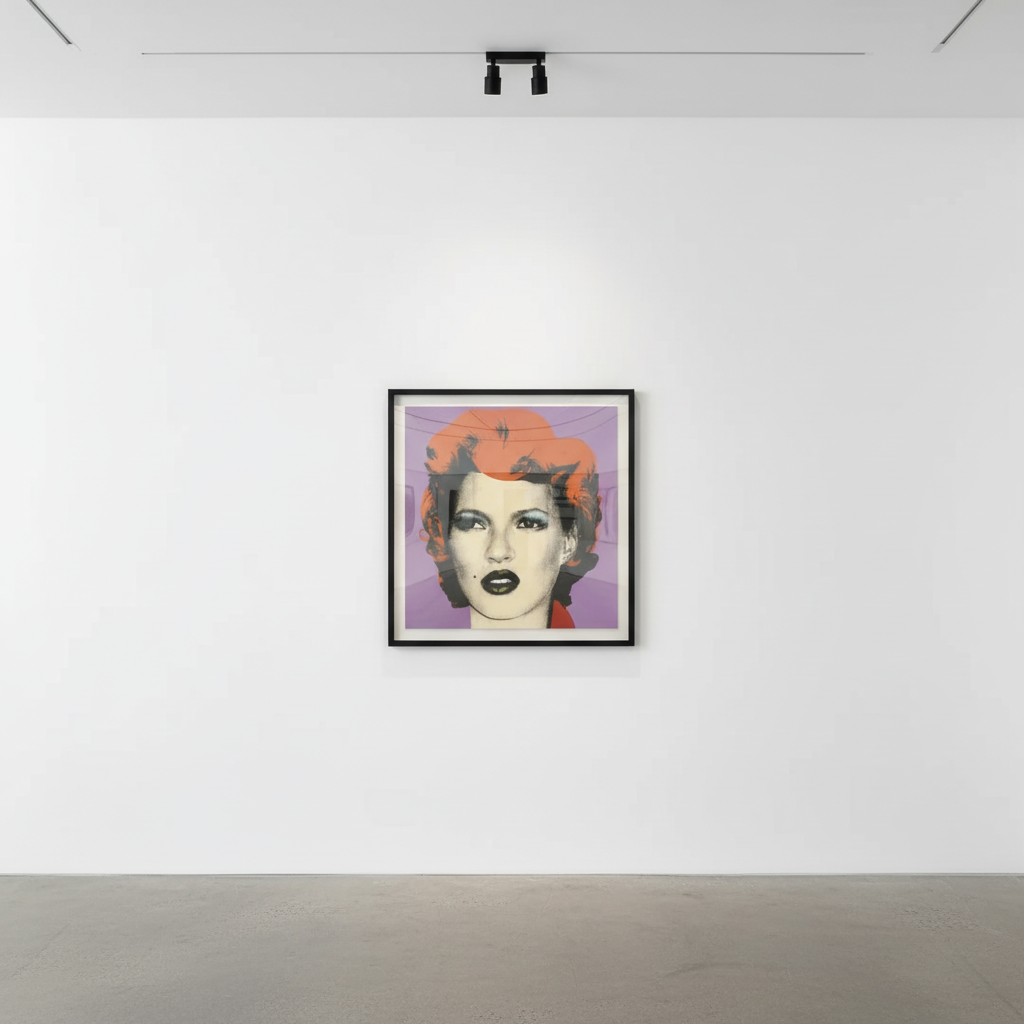
Banksy's Kate Moss series, created in 2005, represents a direct and deliberate engagement with Warhol's legacy. By substituting the British supermodel for Monroe, Banksy updated the conversation about fame and its manufacture for the twenty-first century. The work retains Warhol's signature aesthetic - the same grid format, the same screen-printed quality, the same saturated palette - while fundamentally shifting its meaning. Where Warhol's Marilyn emerged from the mechanical reproduction processes of the 1960s, Banksy's Kate Moss arrives in an era of digital manipulation and reality television, when the construction of celebrity has become both more pervasive and more transparent. The gesture is simultaneously homage and critique, acknowledging Warhol's prescience while suggesting that the commodification of identity has only intensified in the intervening decades.
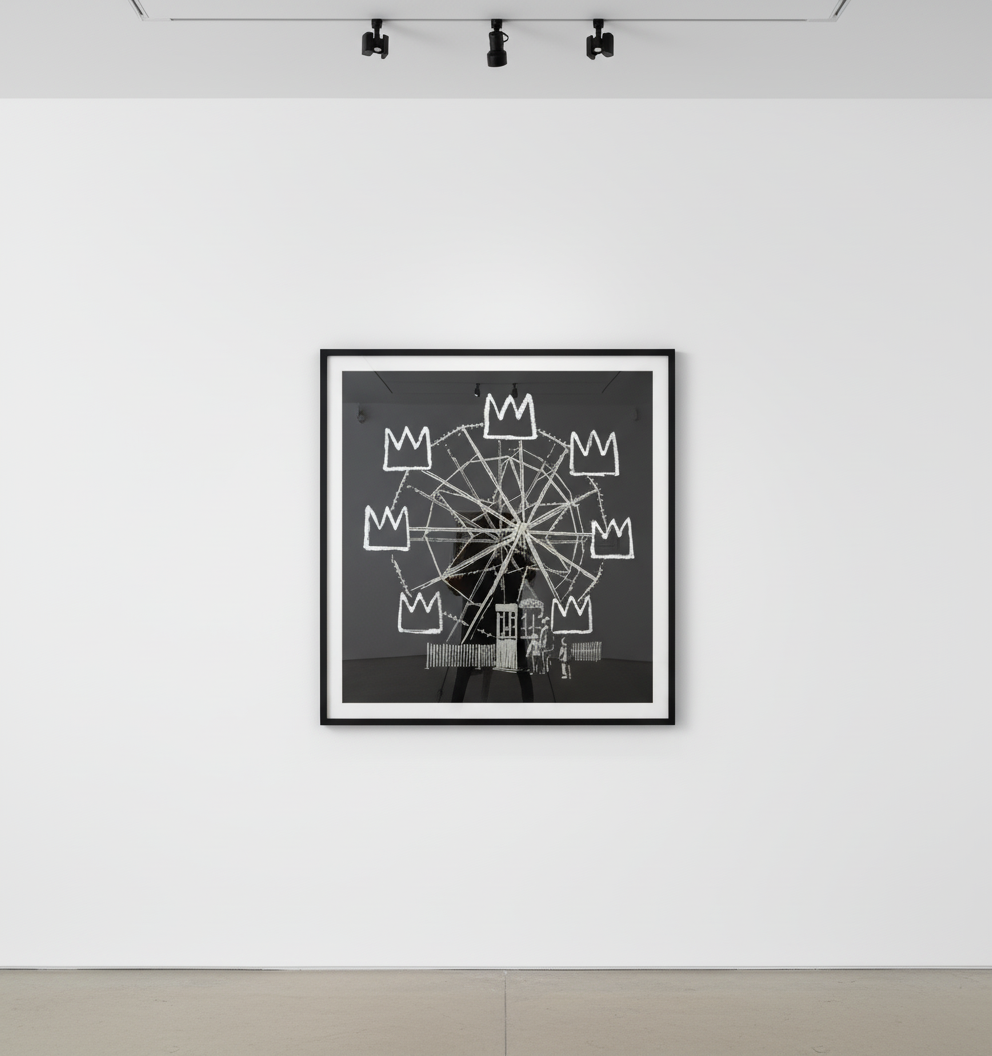
Banksquiat Black — Banksy. Available at Guy Hepner, New York.
Warhol's Campbell's Soup Cans, first exhibited in 1962, scandalised the art establishment by presenting thirty-two canvases depicting what was then America's most ubiquitous pantry staple. The work forced viewers to confront questions that continue to resonate: What distinguishes art from advertising? Can the mundane become transcendent through recontextualisation? Warhol's soup cans transformed the grocery shelf into gallery wall, collapsing distinctions between high and low culture that had governed artistic discourse for centuries. The series established a template for examining consumer culture that subsequent generations of artists would inherit and adapt.
Banksy's Tesco Value Soup series translates this examination into the vocabulary of contemporary British life. By replacing Campbell's with Tesco's budget brand - complete with the supermarket chain's distinctive striped packaging - Banksy grounds Warhol's critique in specific economic realities. The substitution transforms Pop Art's relatively neutral examination of consumer abundance into a more pointed commentary on austerity, class, and the everyday negotiations of late capitalism. Where Warhol presented consumption as spectacle, Banksy reveals it as necessity, the soup can shifting from symbol of plenty to marker of economic constraint. This recontextualisation demonstrates Banksy's characteristic ability to honour artistic precedent while sharpening its political implications.
The market reception of both artists reflects their cultural significance. According to the Art Basel and UBS Art Market Report, both Warhol and Banksy consistently rank among the top-selling artists at auction globally. Sotheby's has positioned major Banksy works as anchor lots in contemporary sales, while Christie's continues to achieve record prices for the artist's authenticated prints and paintings. This market validation confirms what critics and collectors have long recognised - that Banksy has earned his place in the lineage of artists who have fundamentally shaped how we see and interpret visual culture.
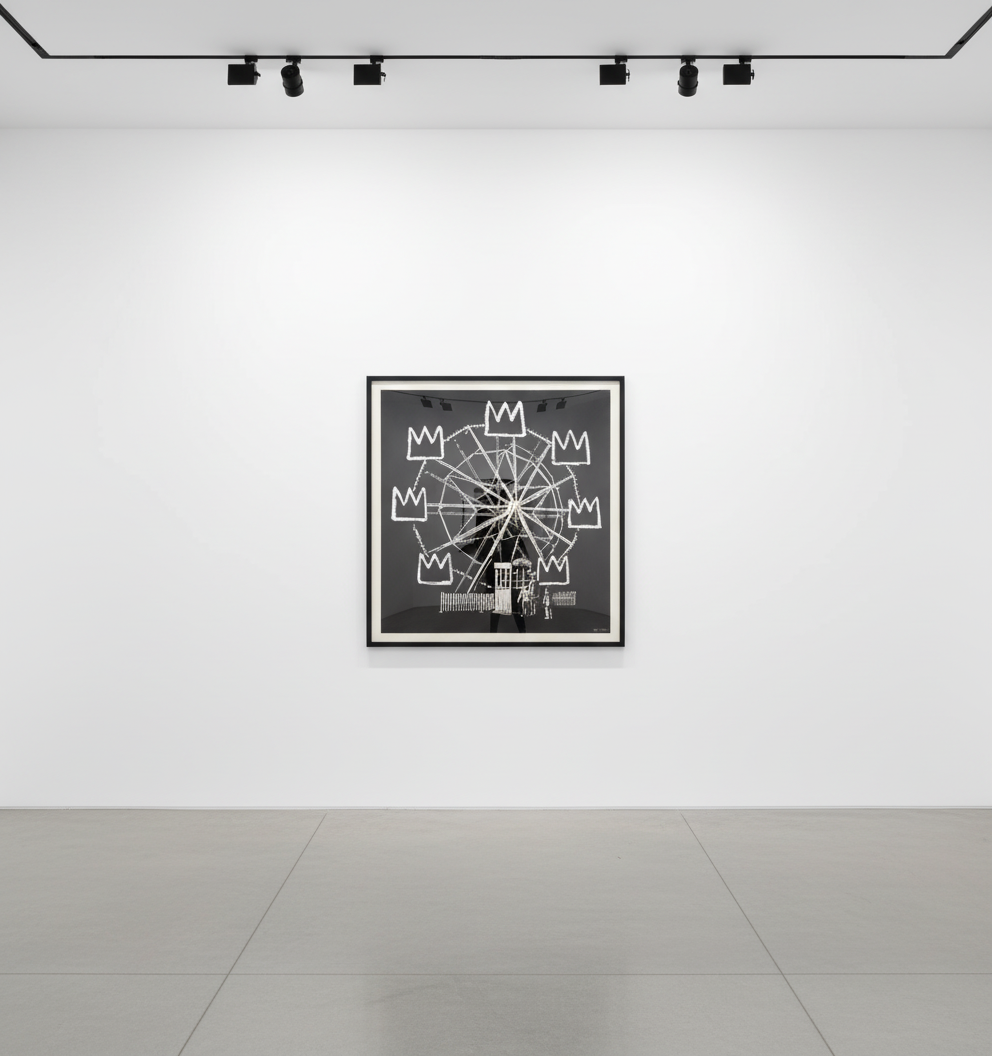
Banksquiat Grey — Banksy. Available at Guy Hepner, New York.
The dialogue between Banksy and Warhol offers collectors a unique opportunity to engage with two artists who have defined the visual language of their respective eras. Acquiring works from Banksy's oeuvre - whether the confrontational imagery of the Flower Thrower, the subversive humour of the Kissing Coppers, or the art-historical engagement of the Banksquiat series - represents participation in an ongoing conversation about art's capacity to challenge, provoke, and transform. These works resonate with collectors who understand that the most significant art emerges from critical engagement with tradition, reimagining inherited forms to address contemporary concerns.
The scarcity of authenticated Banksy works, combined with the artist's continued cultural relevance, has created sustained demand among discerning collectors worldwide. Works that combine technical sophistication with conceptual depth - particularly those that engage directly with art-historical precedent - command particular attention. As institutional recognition grows and museum acquisitions increase, the opportunity to acquire significant examples becomes increasingly rare.
Guy Hepner maintains one of the most distinguished selections of available Banksy works, including authenticated prints and editions that exemplify the artist's engagement with figures like Warhol and Basquiat. Our gallery specialists offer confidential consultation for collectors seeking to acquire works of lasting significance. To enquire about current availability, pricing, and acquisition opportunities, contact Guy Hepner directly to discuss how these important works might complement your collection.
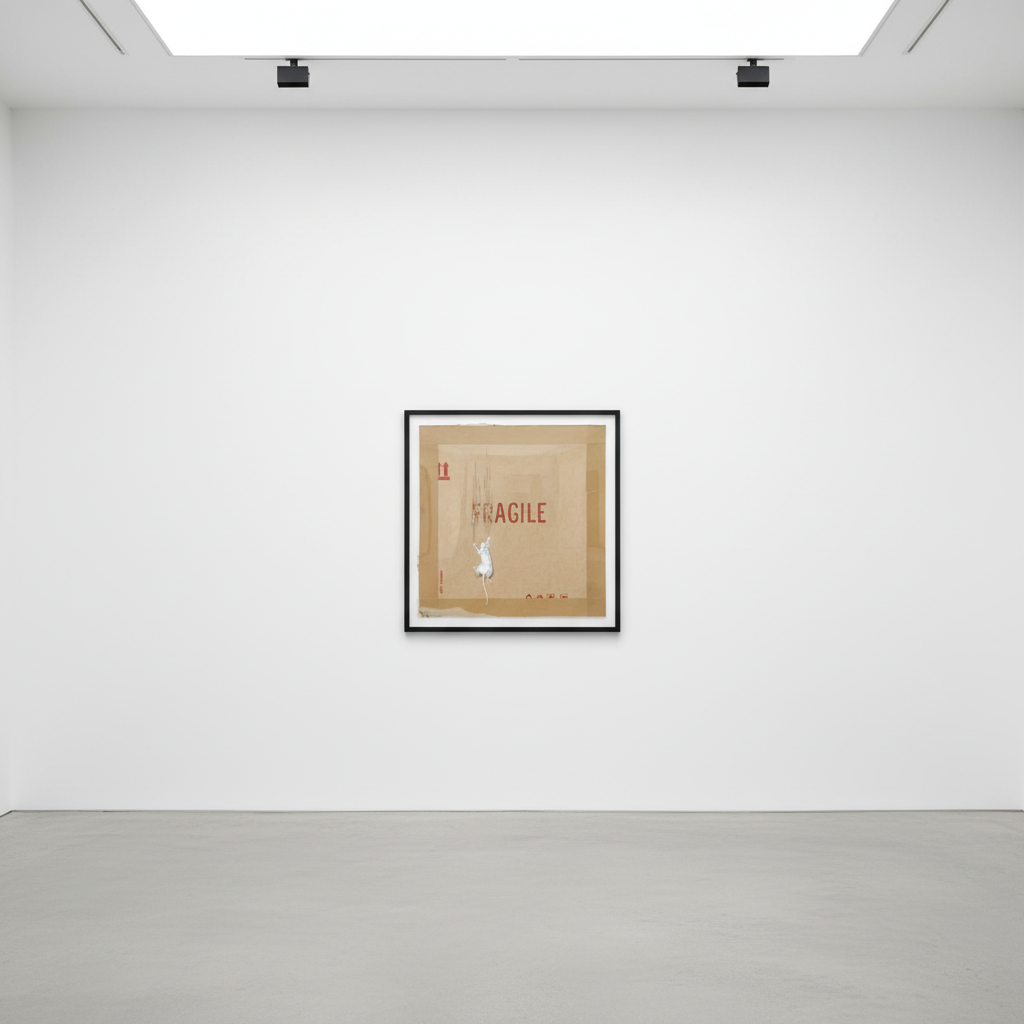
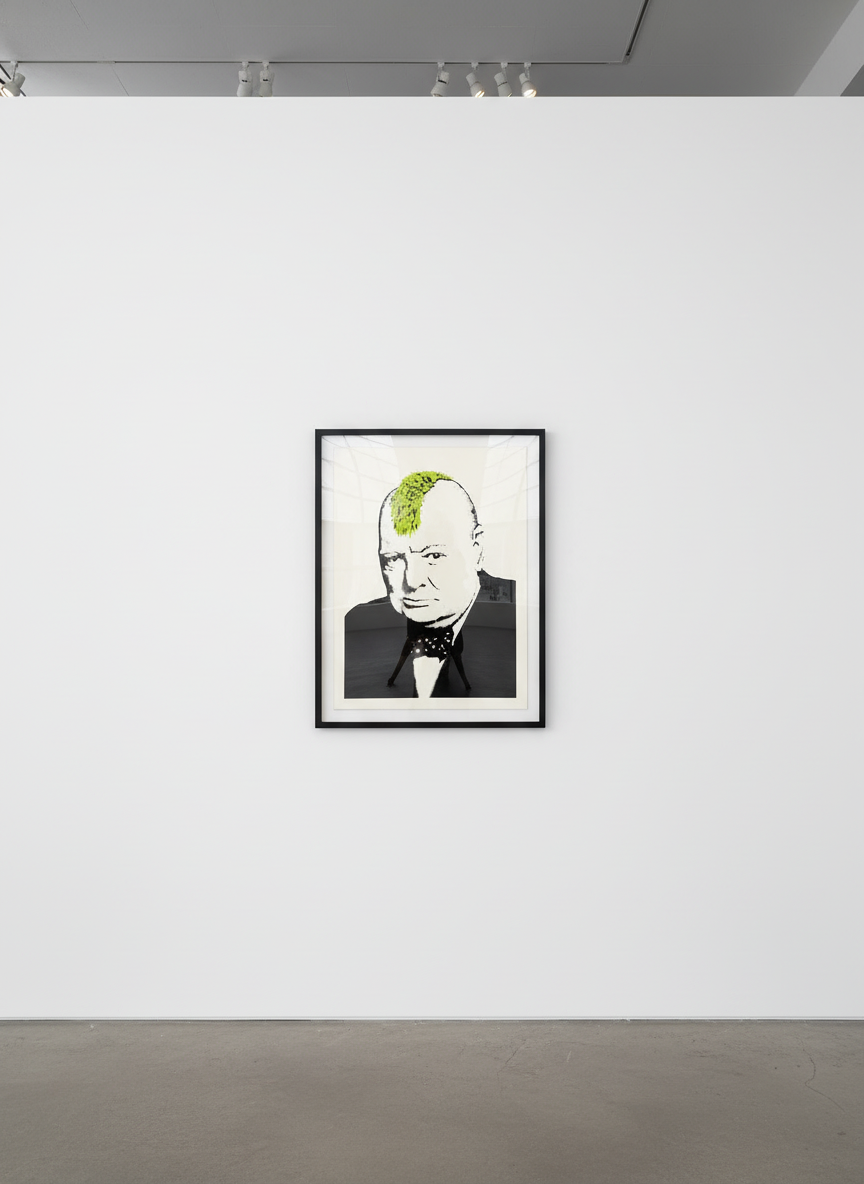
Explore Banksy prints for sale at Guy Hepner: Turf War, (Fr)agile, Applause, Banksquiat, Barcode.
Related Series