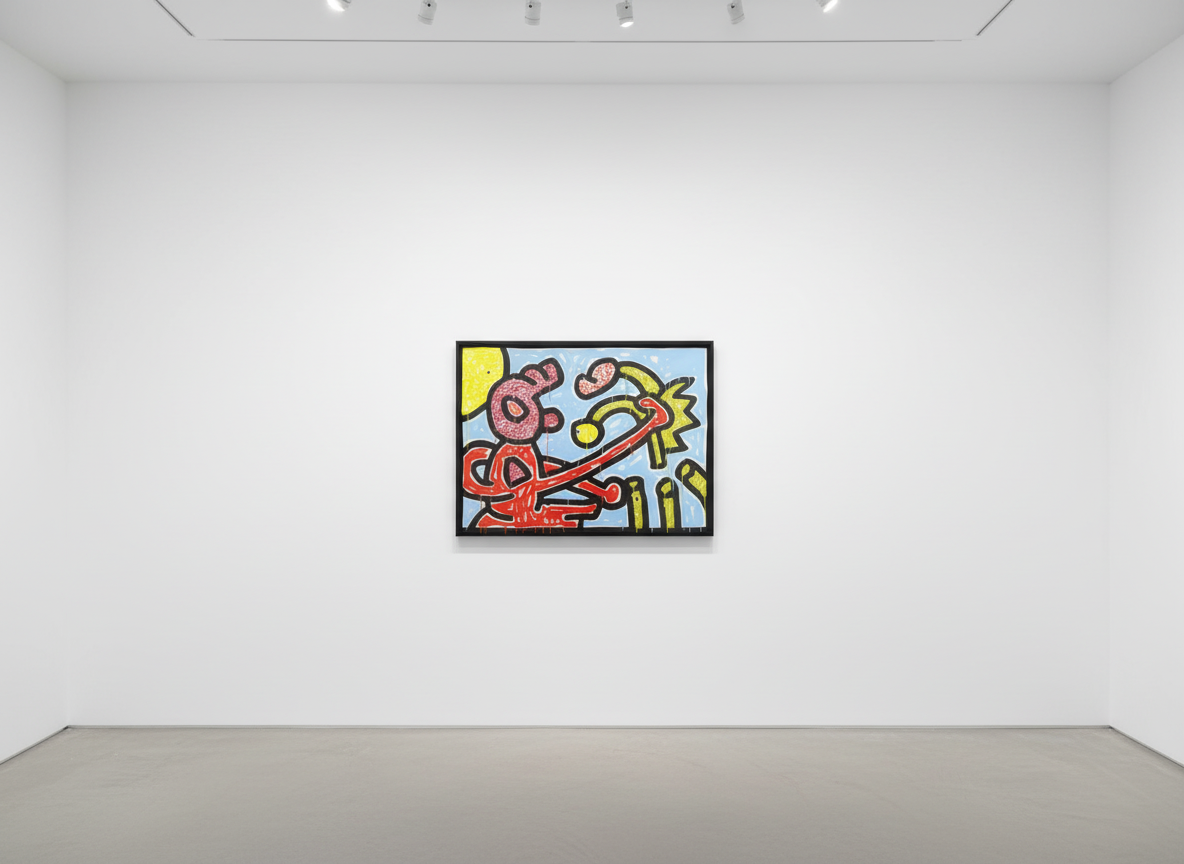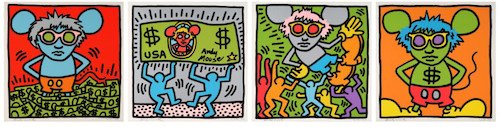
Andy Mouse

In the ever-evolving landscape of contemporary art, few figures cast as long a shadow as Keith Haring. More than three decades after his untimely death in 1990, Haring's vibrant visual language, commitment to social activism, and radical accessibility continue to resonate powerfully within the art world and beyond. In 2025, his influence is not only preserved through retrospectives and foundations but actively felt in how artists work, what they create, and how the public engages with creative expression. Keith Haring's legacy lives on across gallery walls, digital screens, street murals, fashion collaborations, and emerging art marketplaces - all bearing the unmistakable mark of an artist who believed profoundly that art was for everyone.
As contemporary creators wrestle with social issues, identity politics, and the democratization of artistic expression, Haring remains a vital blueprint for how art can be both aesthetically iconic and deeply socially engaged. His work transcends generational boundaries, speaking to collectors who witnessed his Subway Drawings in real time and younger audiences discovering his imagery through contemporary culture. This enduring relevance positions Keith Haring as one of the most significant American artists of the twentieth century, whose influence only continues to expand with time.
Keith Haring's graphic style - characterized by thick black lines, repetitive symbols, and simplified human forms - continues to echo throughout contemporary visual culture with remarkable persistence. His ability to strip imagery down to its essential core while maintaining powerful emotional and political messages has proven genuinely timeless. The radiant baby, the barking dog, the dancing figures - these icons have become part of our collective visual vocabulary, instantly recognizable across cultural and linguistic barriers.
What distinguishes Haring's visual language is its democratic legibility. Unlike many of his contemporaries in the Neo-Expressionist movement, Haring developed a symbolic system that required no art historical knowledge to appreciate. This accessibility was intentional and revolutionary. His years creating chalk drawings in New York City subway stations were not merely about reaching wider audiences but about fundamentally challenging where art could exist and who could engage with it.
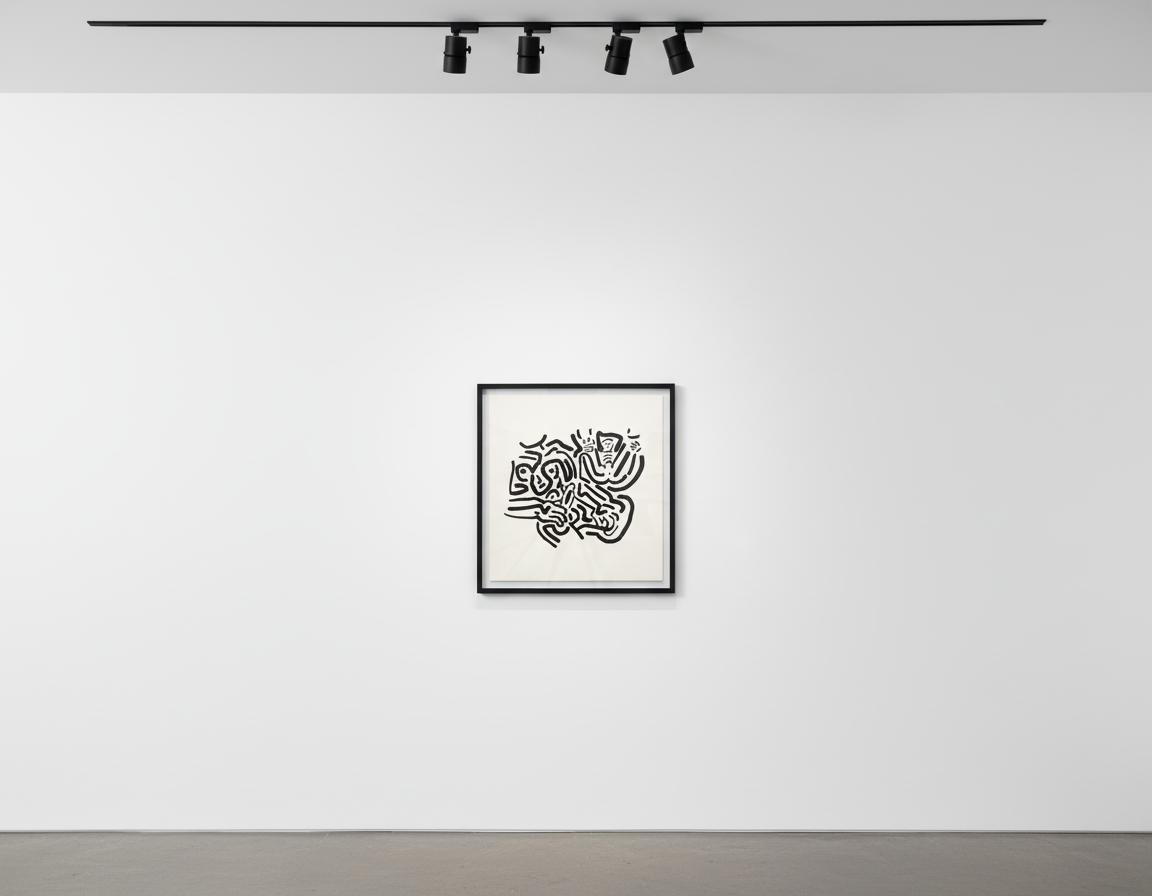
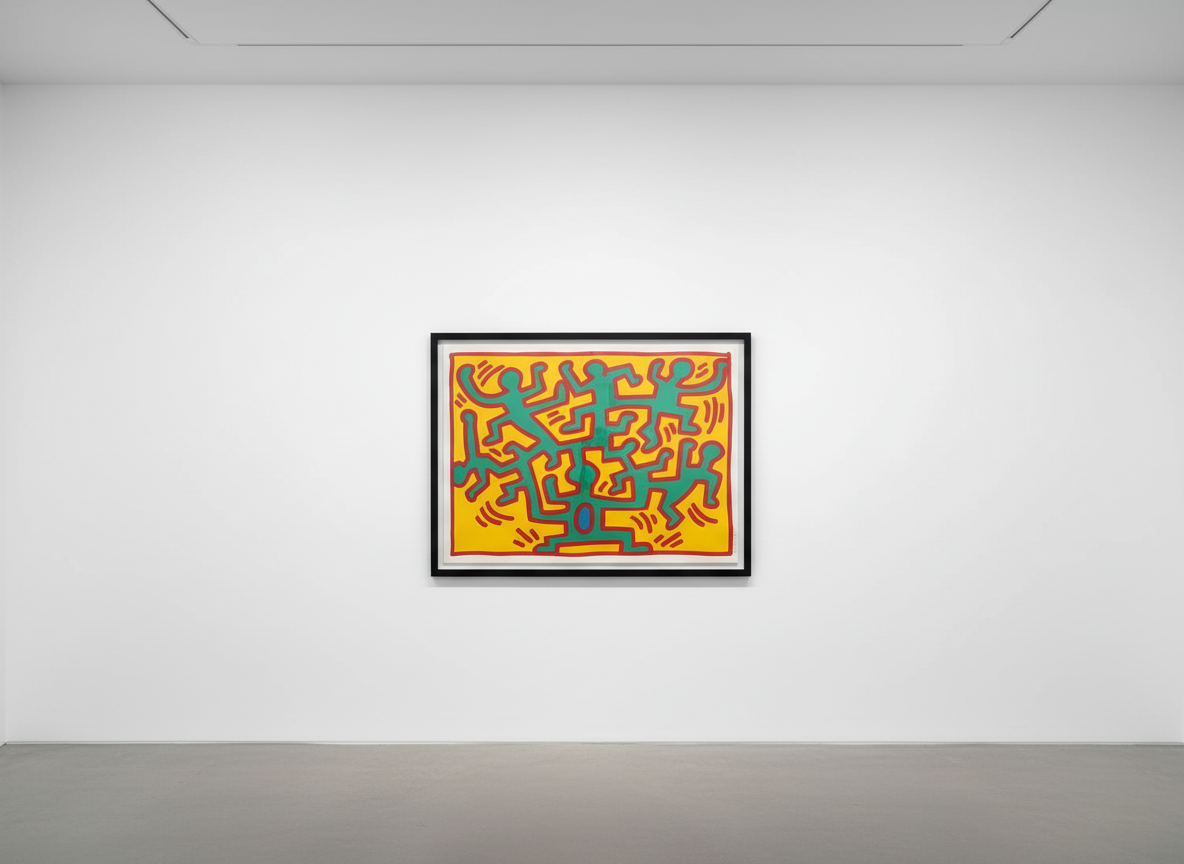
Growing 2 (Littmann PP. 90) — Keith Haring. Available at Guy Hepner, New York.
The Growing series exemplifies Haring's mastery of visual communication through elemental forms. These works demonstrate his characteristic approach of transforming simple shapes into complex narratives about human development, connection, and transformation. The series showcases how Haring could convey profound themes of growth and change through his distinctive iconography, creating images that function simultaneously as joyful celebrations and thoughtful meditations on the human condition.
Keith Haring understood that art possessed transformative power extending far beyond aesthetic pleasure. Throughout his career, he wielded his creativity as a tool for social change, addressing AIDS awareness, apartheid, drug addiction, and nuclear proliferation with unflinching directness. This integration of activism and artistry has become increasingly relevant as contemporary audiences and collectors seek work that engages meaningfully with pressing social issues.
Haring's approach to socially engaged art avoided didacticism through his masterful use of symbol and energy. His activist works maintain the same kinetic vitality as his celebratory pieces, ensuring that messages about serious subjects reached audiences who might otherwise disengage from overtly political content. This balance between accessibility and substance offers crucial lessons for artists navigating today's complex social landscape.
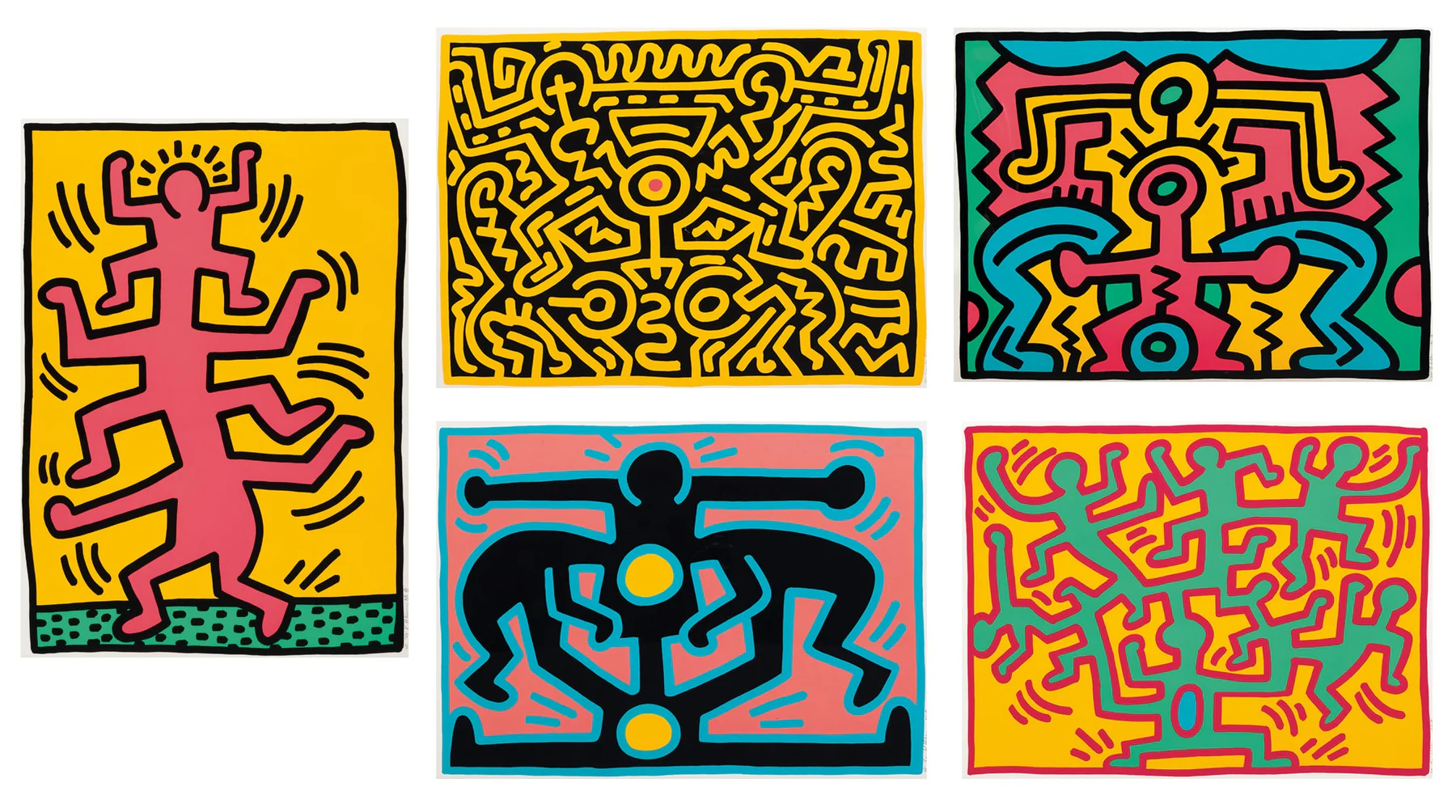
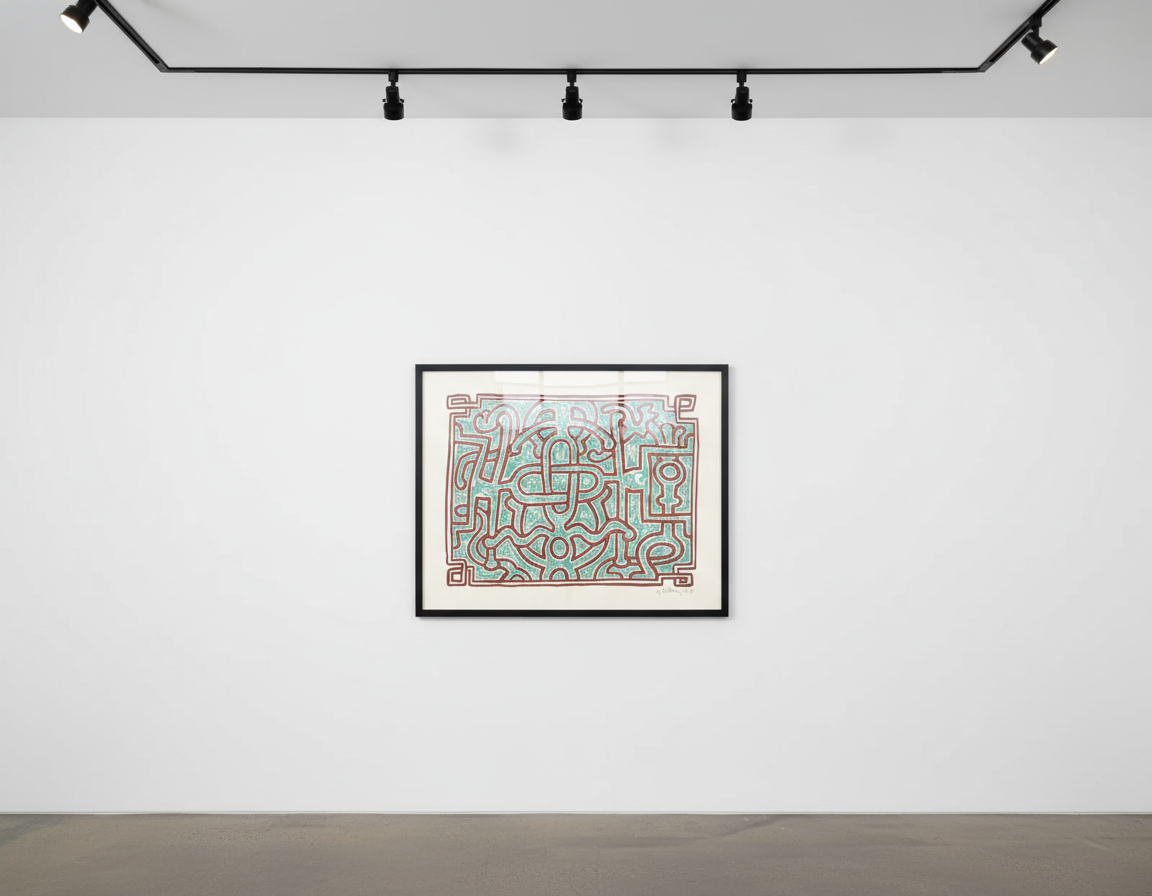
Growing 1-5 (Littmann PP. 88 -91) — Keith Haring. Available at Guy Hepner, New York.
The Art Basel and UBS Global Art Market Report consistently highlights growing collector interest in artists whose work demonstrates authentic social engagement. Keith Haring represents the gold standard in this regard - an artist whose activism was inseparable from his practice rather than a marketing afterthought. His Pop Shop concept, which made original Haring merchandise available at accessible price points, demonstrated that democratizing art and maintaining artistic integrity were not mutually exclusive goals.
The market for Keith Haring's work has demonstrated remarkable resilience and consistent growth over the past decade. Major auction houses including Christie's and Sotheby's regularly feature Haring's paintings, drawings, and prints in their contemporary sales, with results frequently exceeding pre-sale estimates. This sustained demand reflects both the art historical significance of Haring's contribution and the enduring visual appeal of his distinctive imagery.
Collectors are drawn to Keith Haring for multiple compelling reasons. His work offers immediate visual impact suitable for both private collections and public display. The authenticity of his social engagement resonates with collectors who value art with meaning beyond decoration. Additionally, his relatively brief career - spanning just over a decade of mature production - creates natural scarcity that supports long-term value appreciation.
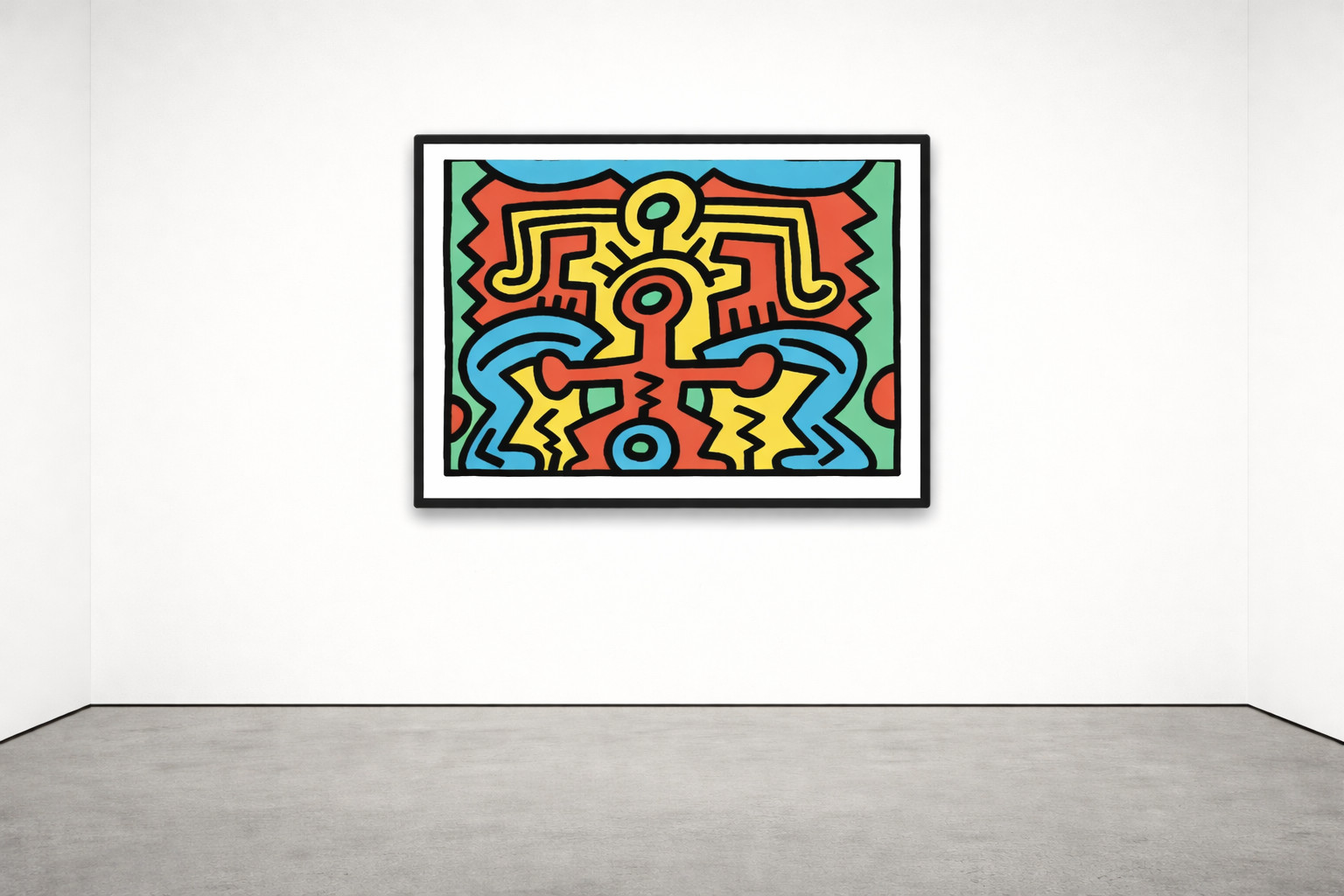
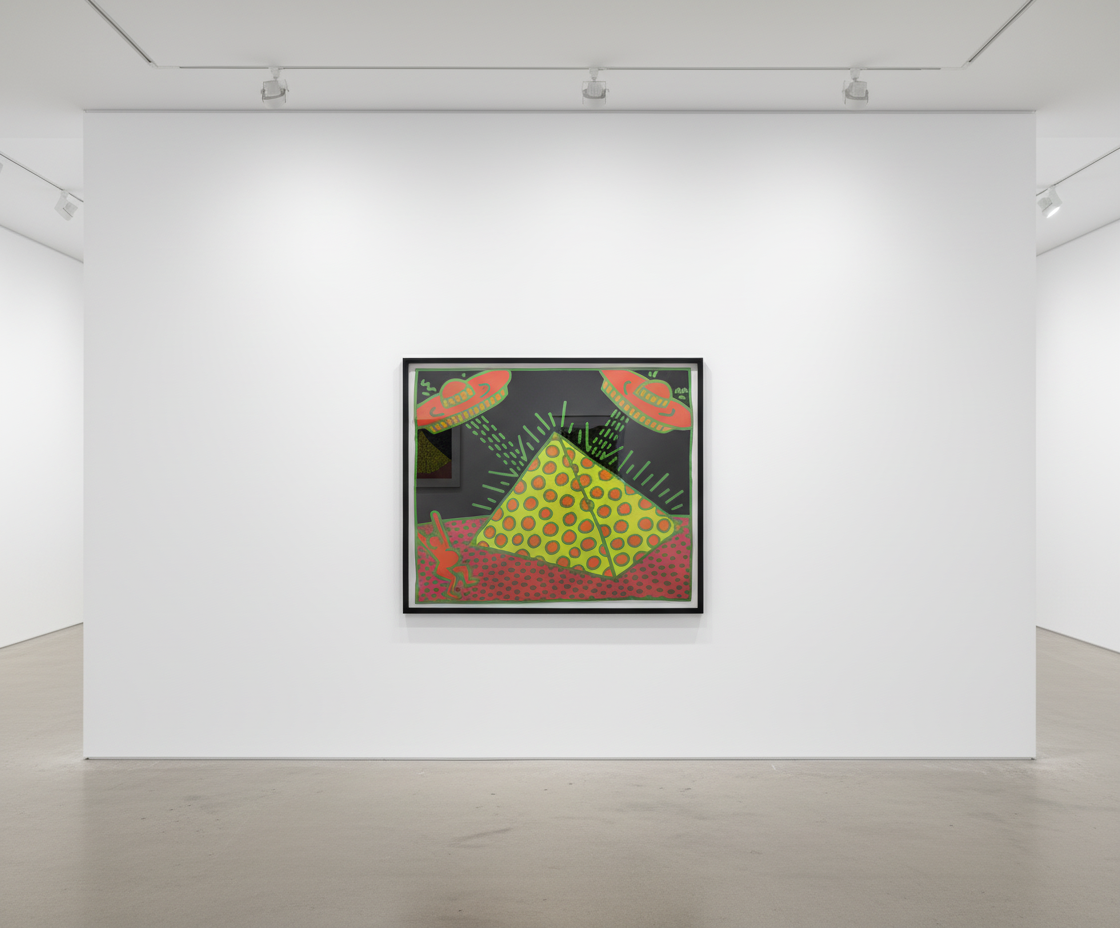
Growing 5 (Littmann PP. 91) — Keith Haring. Available at Guy Hepner, New York.
Print editions occupy a particularly important position within the Haring market. During his lifetime, Haring embraced printmaking as another avenue for making his work accessible, producing carefully editioned screenprints and lithographs that allowed broader ownership of original works. These editions, including the celebrated Growing series, offer collectors entry points into Haring's oeuvre while maintaining the quality and intentionality of his painted works. The Littmann portfolio prints represent some of the most sought-after examples of Haring's graphic production, combining technical excellence with his signature visual energy.
Guy Hepner is proud to offer exceptional works by Keith Haring, including prints from the iconic Growing series. Our gallery specializes in connecting discerning collectors with significant works by the most important contemporary artists, providing expert guidance on provenance, condition, and market positioning. Whether you are building a focused Haring collection or seeking a single statement piece, our team offers the knowledge and access to help you acquire works of lasting cultural and financial value. We invite collectors to contact Guy Hepner to discuss available Keith Haring works and discover how his extraordinary legacy can become part of your collection.
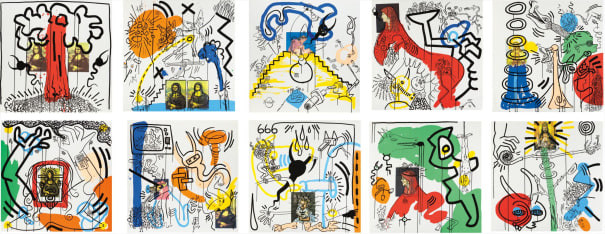
Explore Keith Haring prints for sale at Guy Hepner: Andy Mouse, Apocalypse, Bad Boys, Chocolate Buddha, Fertility.
Related Series