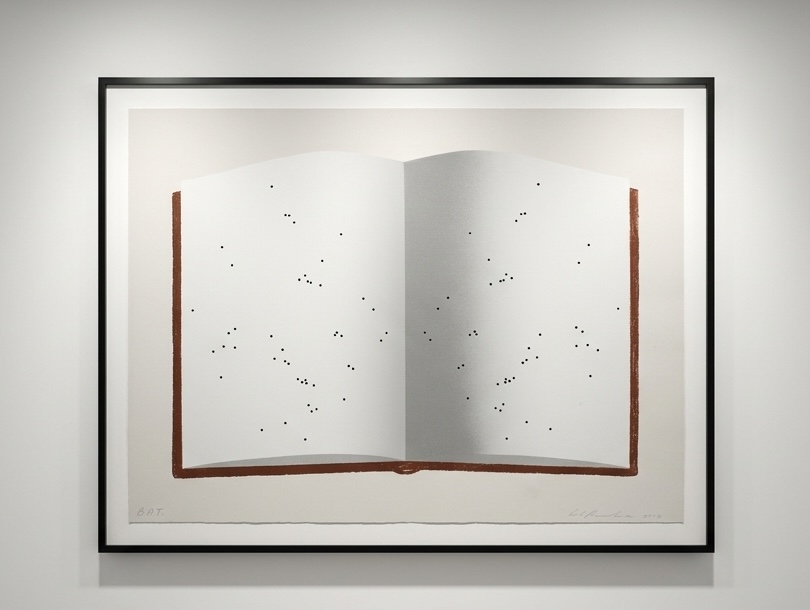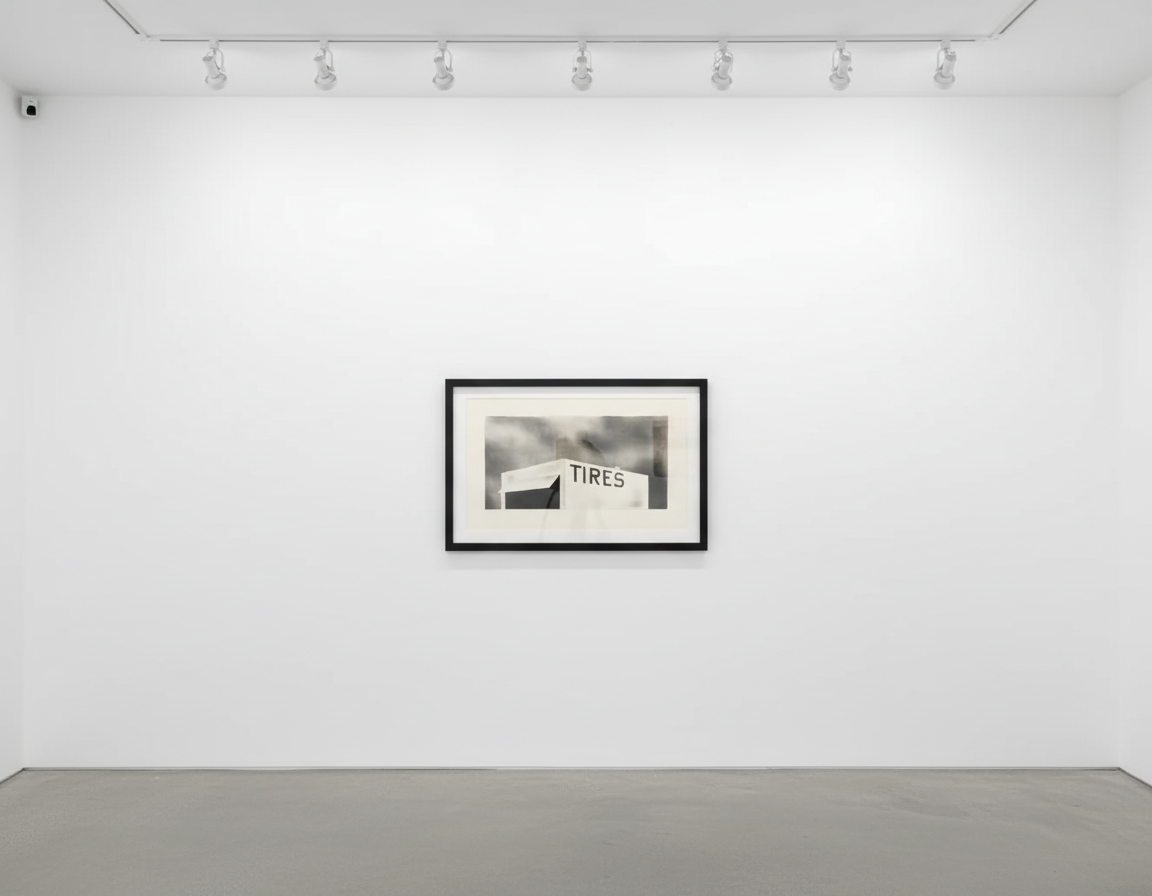
Archi-Props

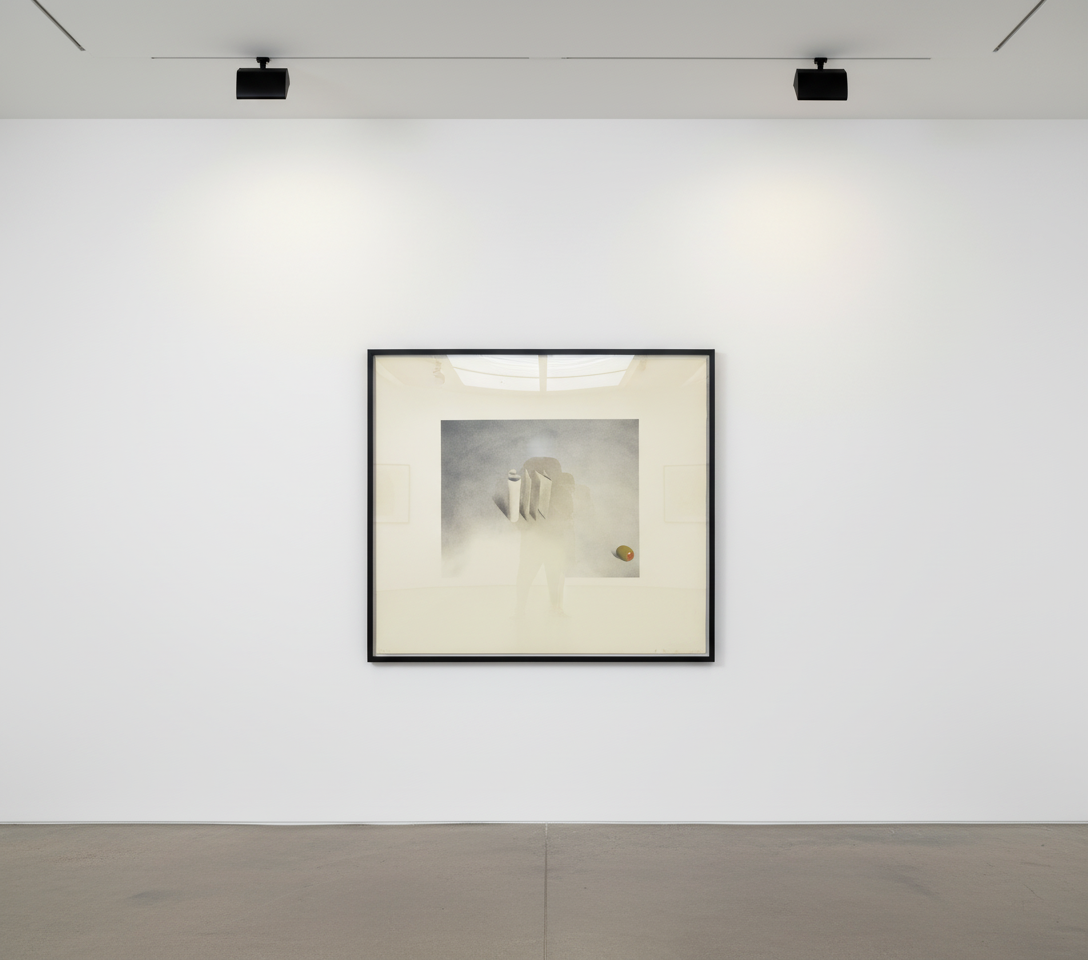
Ed Ruscha stands as one of the most consequential American artists of the past six decades, a figure whose influence extends far beyond the Pop Art movement with which he is often associated. His distinctive approach to language, typography, and the American vernacular landscape has secured his position as a blue-chip artist whose works command significant attention at major auction houses worldwide. Recent sale seasons have demonstrated the enduring strength of Ruscha's market presence while also revealing the nuanced dynamics that collectors and institutions must navigate when acquiring works by this seminal artist.
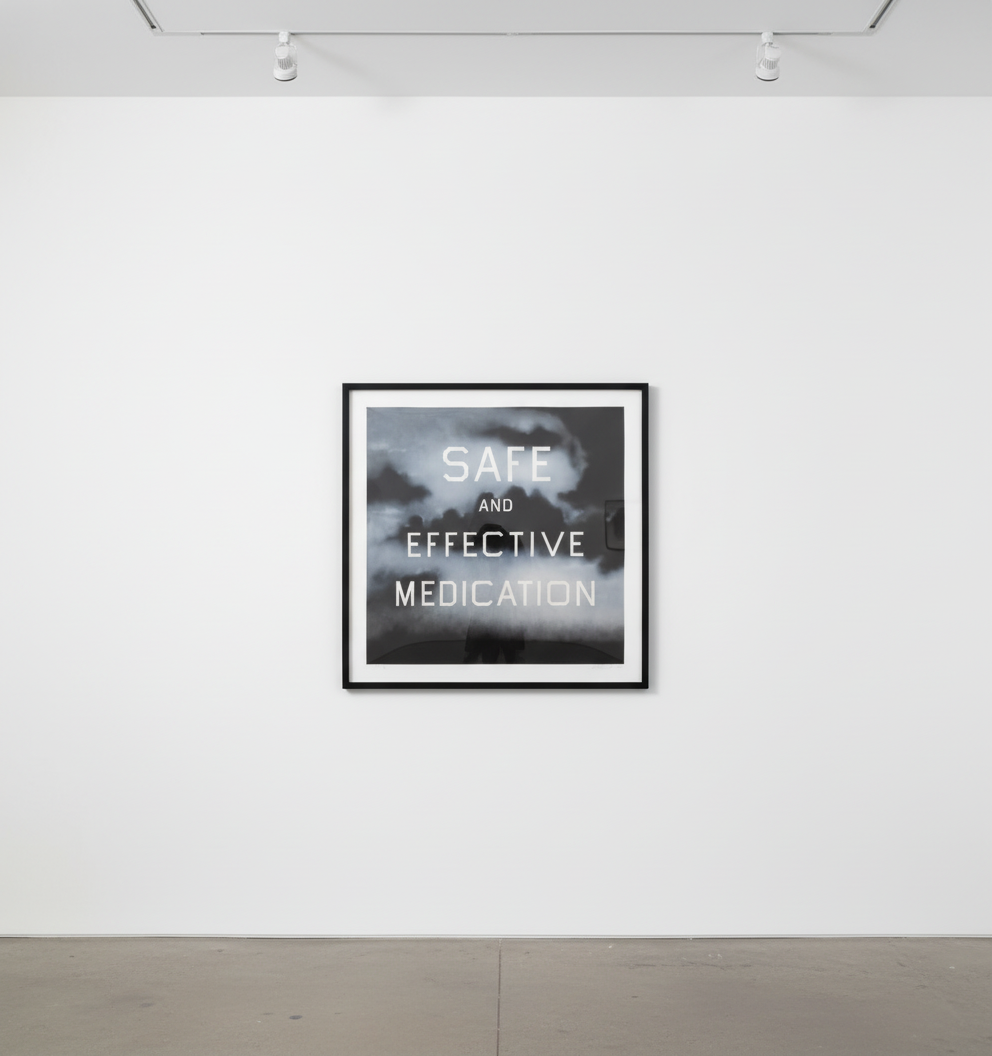
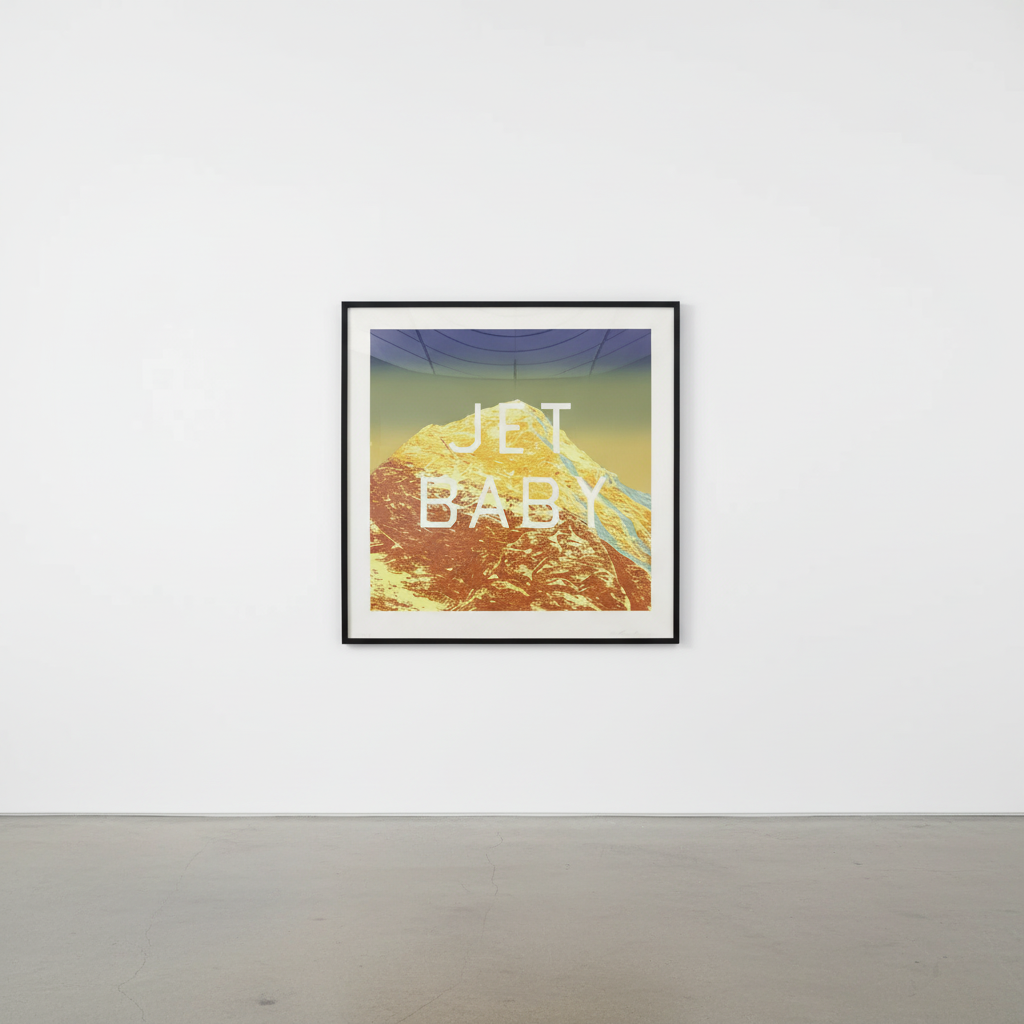
Safe and Effective Medication — Ed Ruscha. Available at Guy Hepner, New York.
Born in Omaha, Nebraska, in 1937 and based in Los Angeles since 1956, Ed Ruscha has spent more than sixty years developing a visual vocabulary that is instantly recognizable yet endlessly inventive. His text-based paintings, photographic books, and works on paper have influenced generations of conceptual and contemporary artists, establishing him as a pivotal figure in the transition from Abstract Expressionism to the conceptual practices that would define late twentieth-century art.
Ruscha's artistic output defies simple categorization. While his early association with the Ferus Gallery placed him alongside other California Pop artists, his work transcends the movement's celebration of consumer culture. Instead, Ruscha engages with the semiotics of American life - the gas stations, parking lots, and commercial signage that constitute the visual fabric of everyday existence. His word paintings transform ordinary phrases into meditations on meaning, perception, and the slippery relationship between image and text.
The artist's institutional recognition reflects his canonical status. Major retrospectives at the Whitney Museum of American Art, the Museum of Modern Art, and Tate Modern have cemented his legacy, while his representation of the United States at the 2005 Venice Biennale underscored his international significance. For collectors, acquiring works by Ed Ruscha means participating in a market supported by robust institutional validation and scholarly attention.
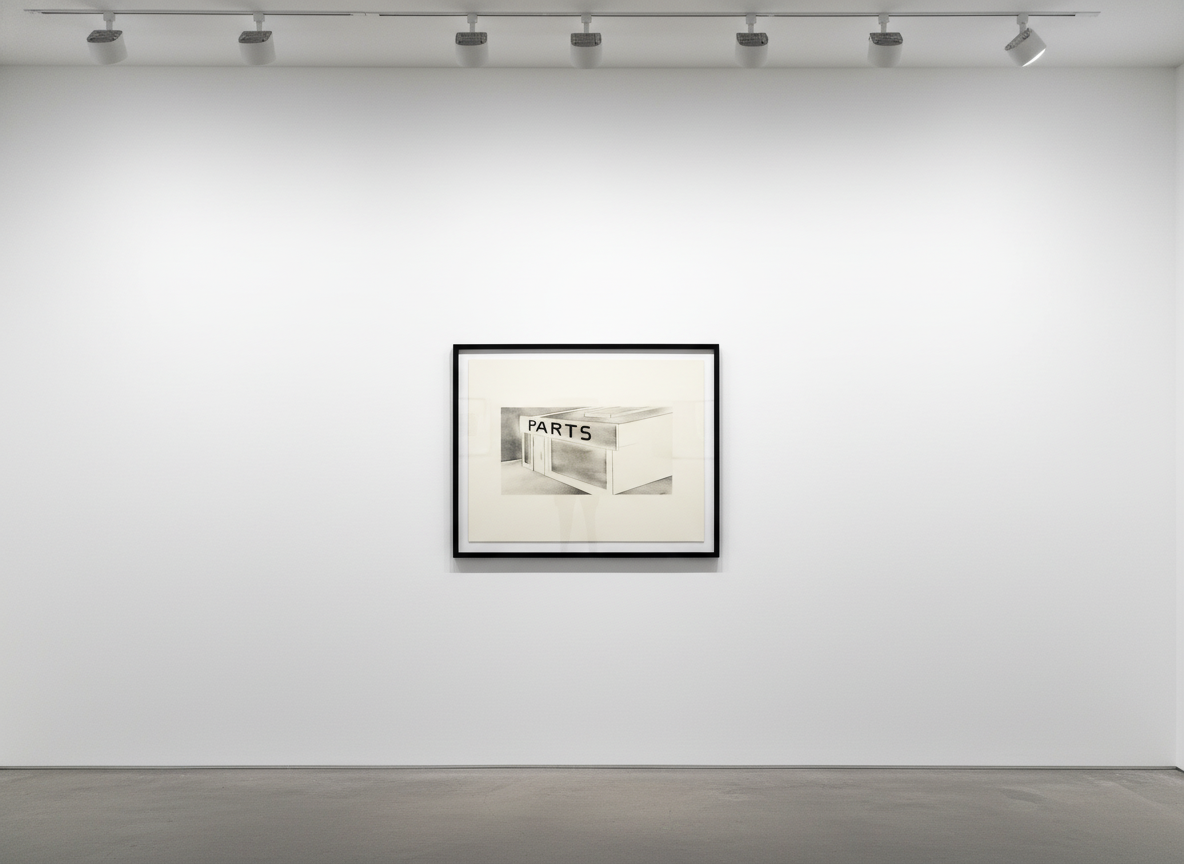
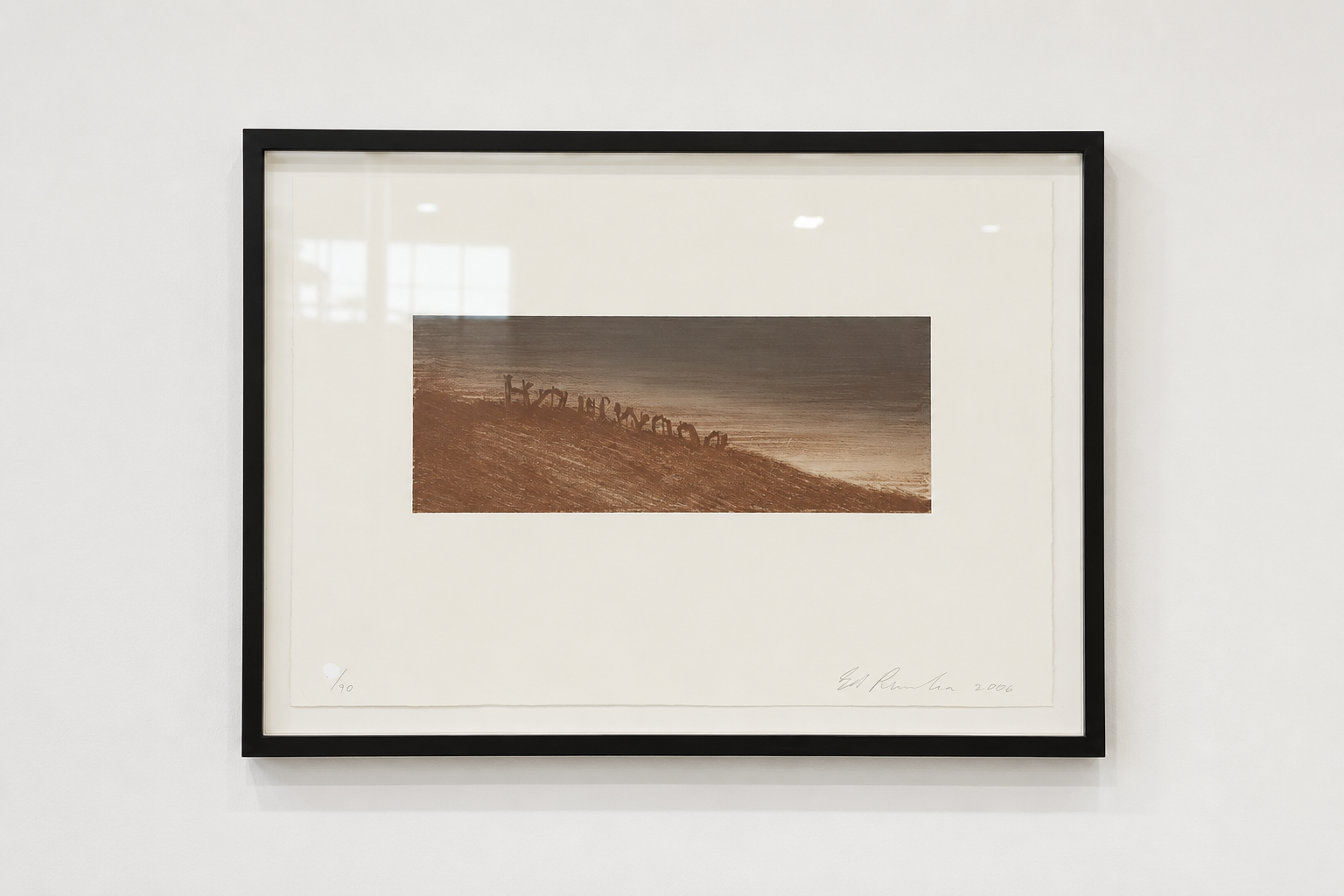
Parts — Ed Ruscha. Available at Guy Hepner, New York.
The contemporary art auction landscape continues to present both opportunities and challenges for collectors seeking works by established masters like Ed Ruscha. Recent evening sales have delivered mixed results across major auction houses, with impressive performances by certain lots balanced against notable challenges from withdrawn and unsold works. This pattern reflects broader market recalibration rather than any diminishment of collector interest in blue-chip artists.
According to the Art Basel and UBS Global Art Market Report, the secondary market for post-war and contemporary art remains resilient despite economic uncertainties. High-value works by artists with strong institutional backing and consistent auction histories continue to attract competitive bidding, while speculative purchases face greater scrutiny. Ed Ruscha exemplifies the former category - an artist whose market is built on decades of critical acclaim, museum acquisitions, and collector loyalty rather than short-term speculation.
Recent seasons at Christie's and Sotheby's have seen Ruscha's works perform consistently within or above estimate ranges, particularly for pieces from celebrated series or significant periods. His text paintings from the 1980s and 1990s remain highly sought after, as do earlier works that demonstrate his formative engagement with language and image. Collectors have shown particular enthusiasm for works featuring Ruscha's characteristic juxtaposition of deadpan phraseology against atmospheric backgrounds - compositions that balance conceptual rigor with sensory appeal.
The strategic withdrawal of certain works from auction - a practice observed across recent sale seasons - reflects the careful market management employed by consignors and auction houses alike. Rather than risking unsold lots that could negatively impact an artist's market perception, stakeholders increasingly opt to postpone sales until market conditions align more favorably with reserve expectations. This approach demonstrates the sophisticated understanding of market dynamics that characterizes the contemporary art world.
The auction market's current composition reveals a dynamic interplay between emerging talents and established masters. Recent evening sales have witnessed striking debuts by younger artists whose works have exceeded pre-sale estimates, signaling collector appetite for fresh perspectives alongside proven investments. This balance maintains market vitality while reinforcing the enduring value of canonical figures like Ed Ruscha.
The success of emerging artists at auction does not diminish the appeal of blue-chip works - rather, it demonstrates the market's capacity to sustain multiple collecting trajectories simultaneously. Sophisticated collectors often build portfolios that include both established masters and promising contemporary voices, recognizing that each category serves distinct functions within a comprehensive collection. Works by artists like Ruscha provide stability, art-historical gravitas, and proven liquidity, while emerging acquisitions offer the excitement of discovery and potential long-term appreciation.
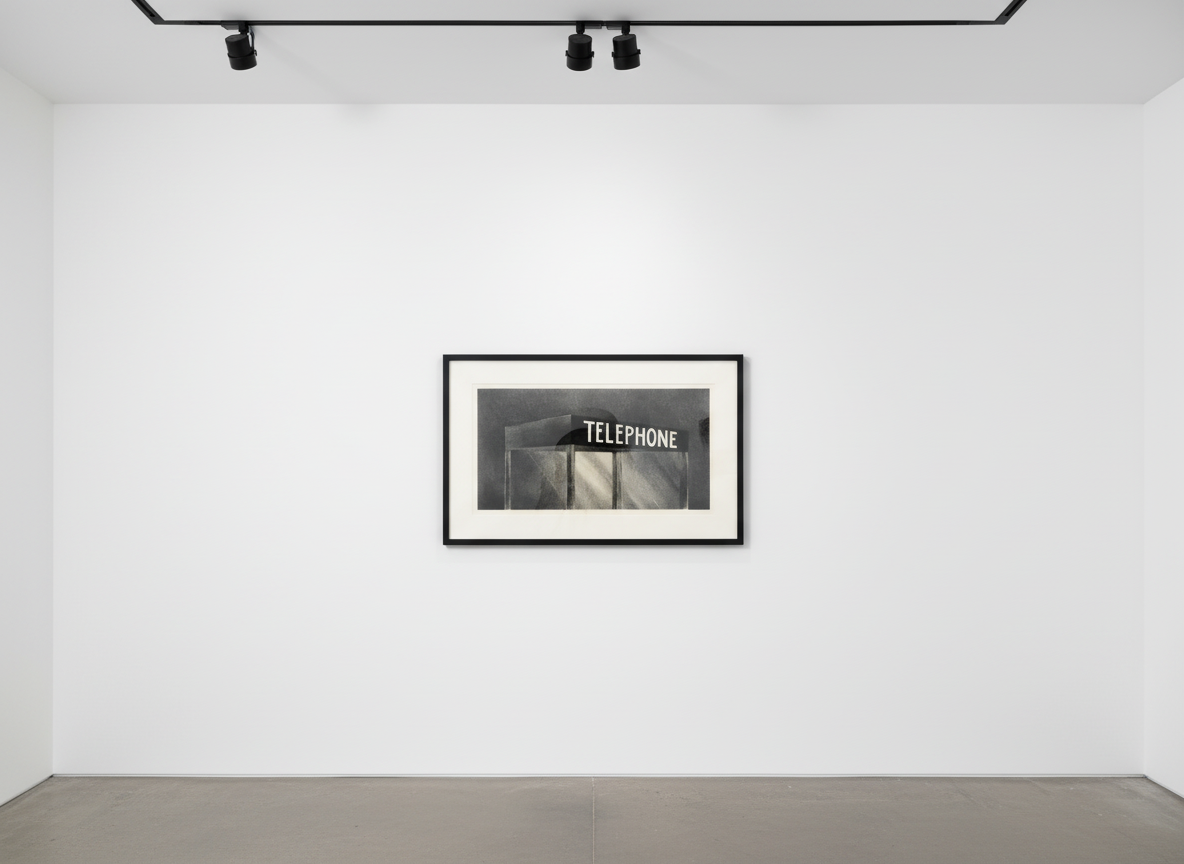
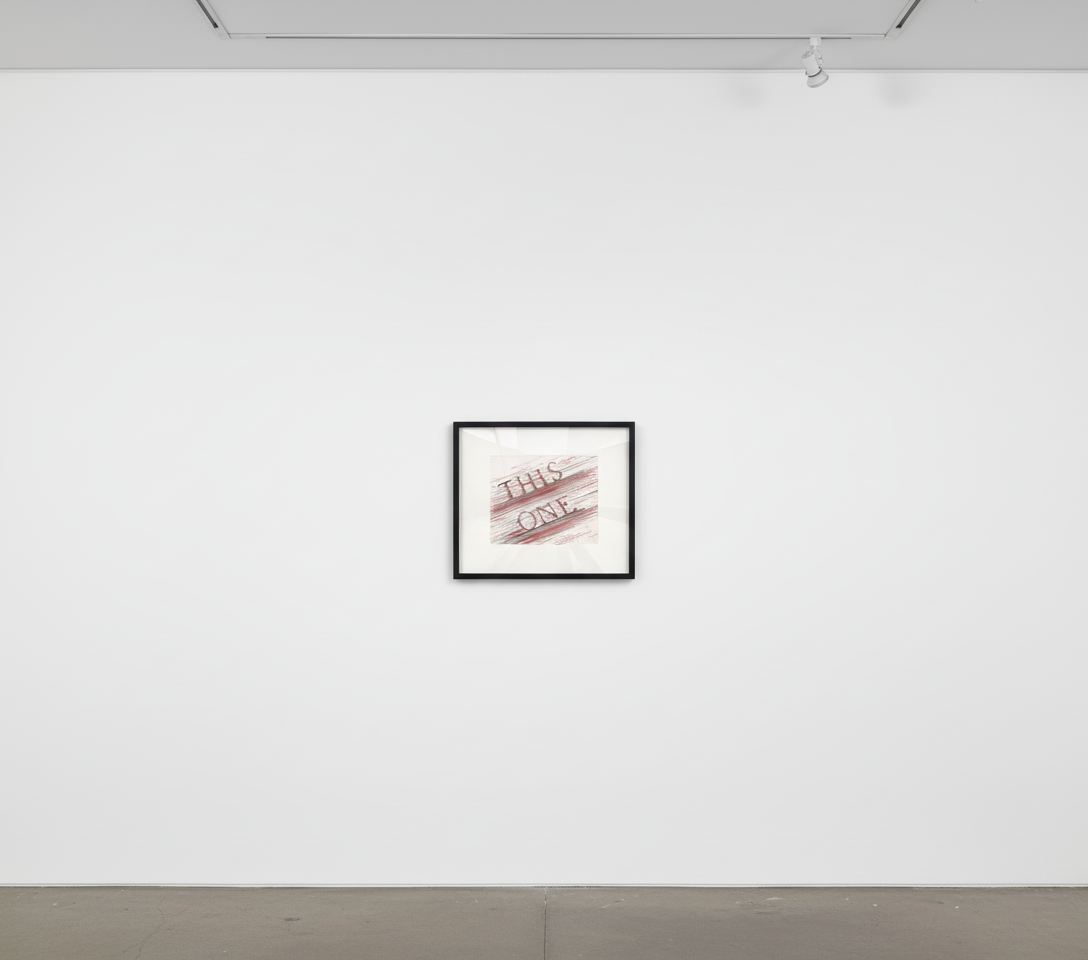
Telephone — Ed Ruscha. Available at Guy Hepner, New York.
For collectors considering entry into the Ed Ruscha market, the current environment presents compelling opportunities. Works on paper, prints, and smaller-scale paintings offer accessible points of engagement with the artist's practice, while major canvases represent significant investments supported by robust market infrastructure. The depth of Ruscha's oeuvre - encompassing paintings, drawings, prints, photographs, and artist books - ensures that collectors at various levels can find works appropriate to their ambitions and resources.
The sustained collector interest in Ed Ruscha stems from multiple factors that transcend market trends. His works possess an immediate visual impact that resonates across cultural contexts while rewarding sustained contemplation. The apparent simplicity of his text paintings belies their conceptual sophistication, creating objects that function equally well in domestic settings and institutional collections.
Furthermore, Ruscha's influence on subsequent generations of artists - from Barbara Kruger to Glenn Ligon to contemporary practitioners engaging with language and image - ensures his continued relevance within ongoing art-historical conversations. Collecting Ruscha means acquiring not merely an object but a position within a rich discourse about American culture, visual communication, and the possibilities of painting in a post-conceptual era.
Guy Hepner maintains an exceptional selection of works by Ed Ruscha, offering collectors the opportunity to acquire pieces by this pivotal American artist through a gallery recognized for its expertise and discretion. Our curatorial team provides comprehensive guidance for both established collectors and those building their first significant holdings, ensuring that each acquisition aligns with broader collection goals and investment considerations. We invite collectors to explore our current Ed Ruscha inventory and to contact our advisors for private consultations regarding available works and acquisition strategies.
Explore Ed Ruscha prints for sale at Guy Hepner: Archi-Props, Book Covers, Bow-Tie Landscapes, Etchings, Hollywood.
Related Series