Bijou Gets Undressed
6 works

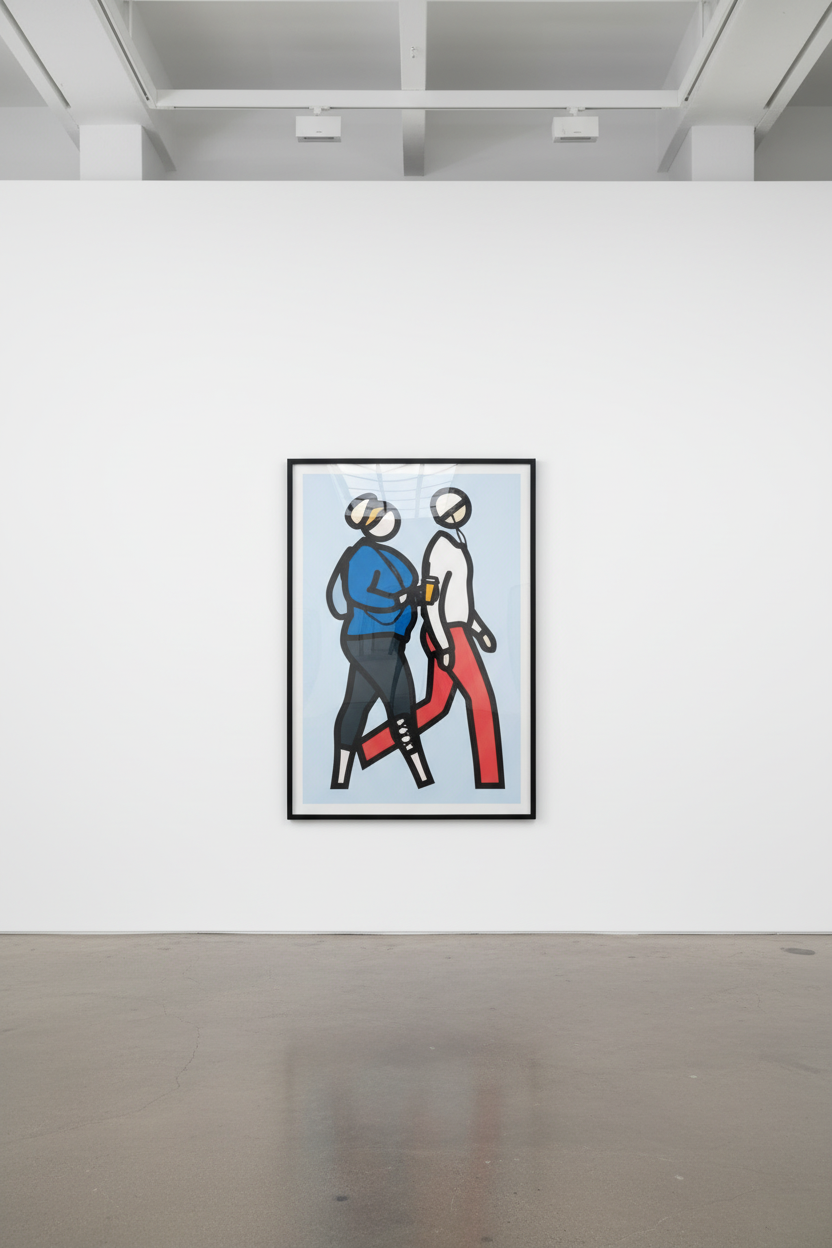
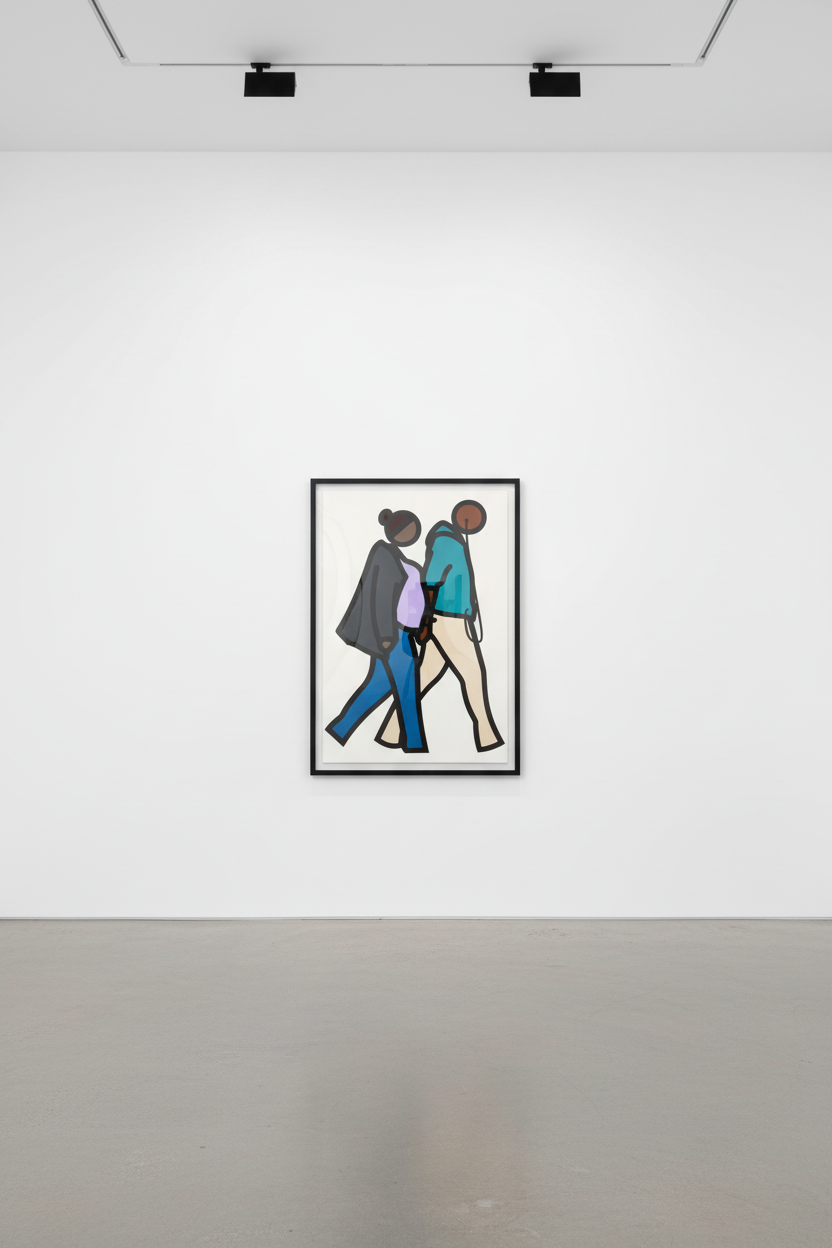
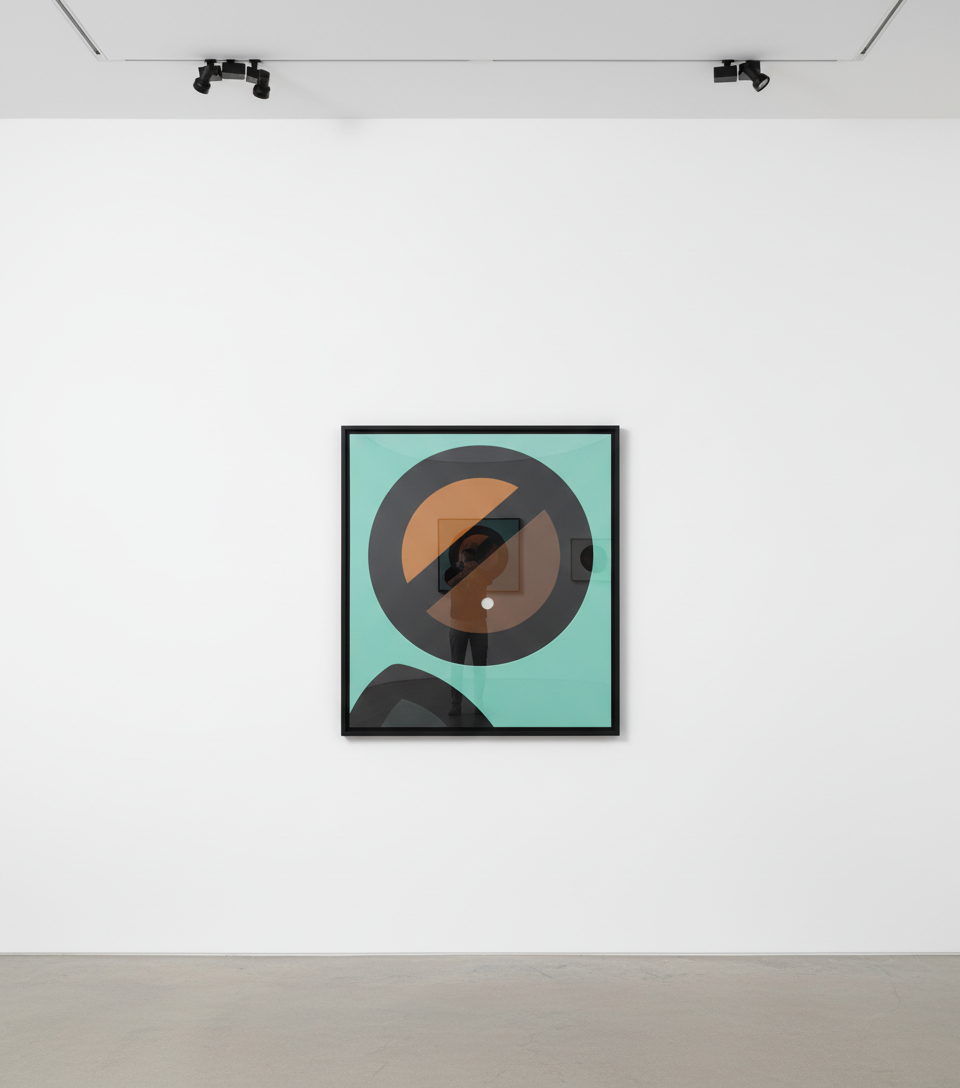
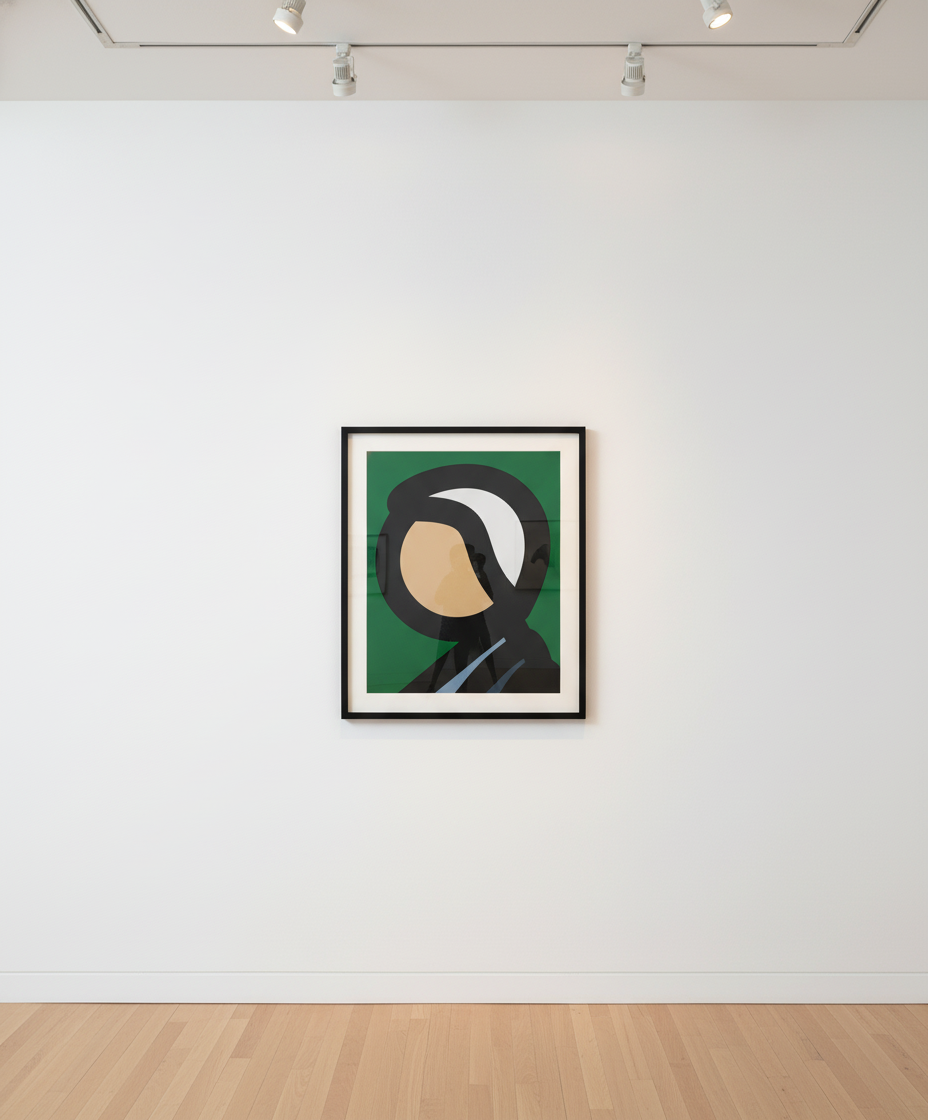
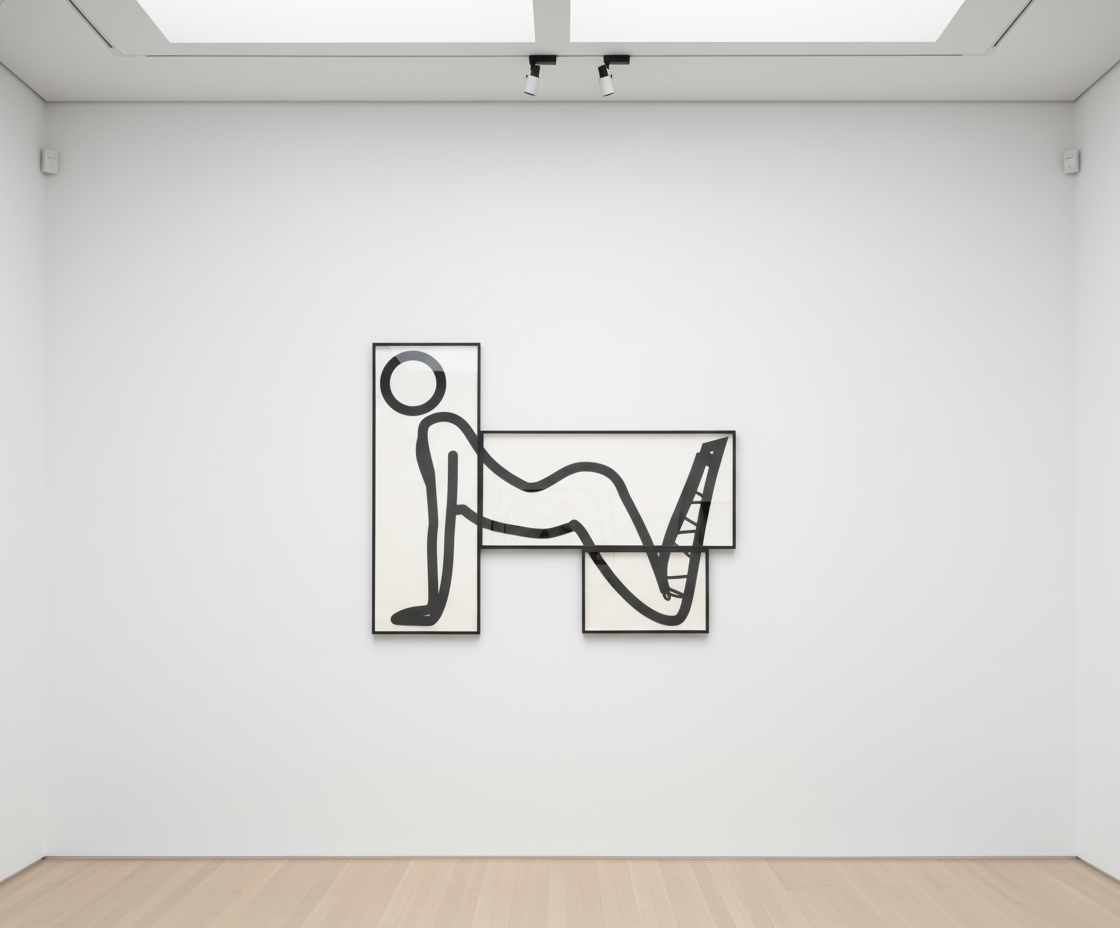
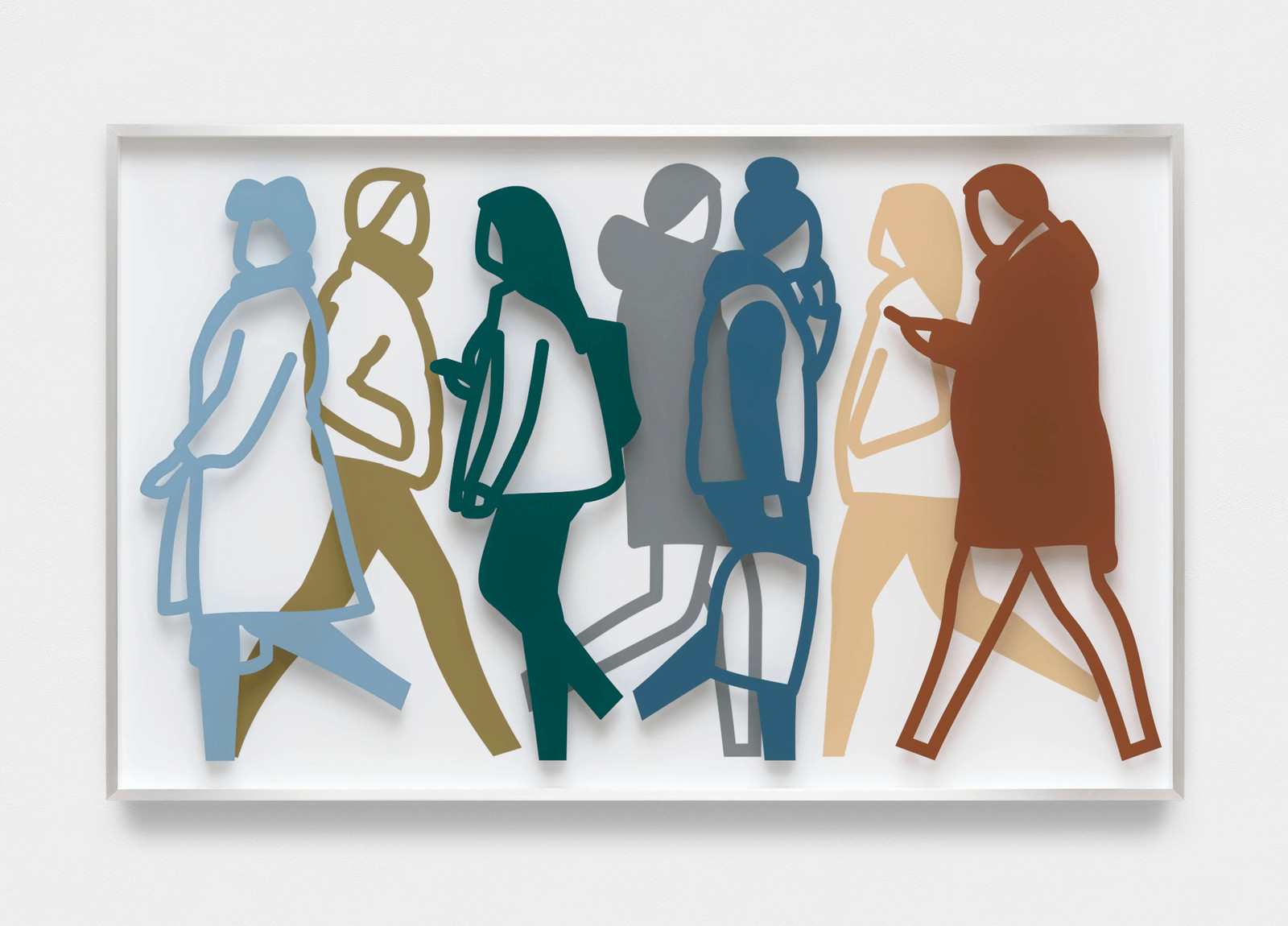
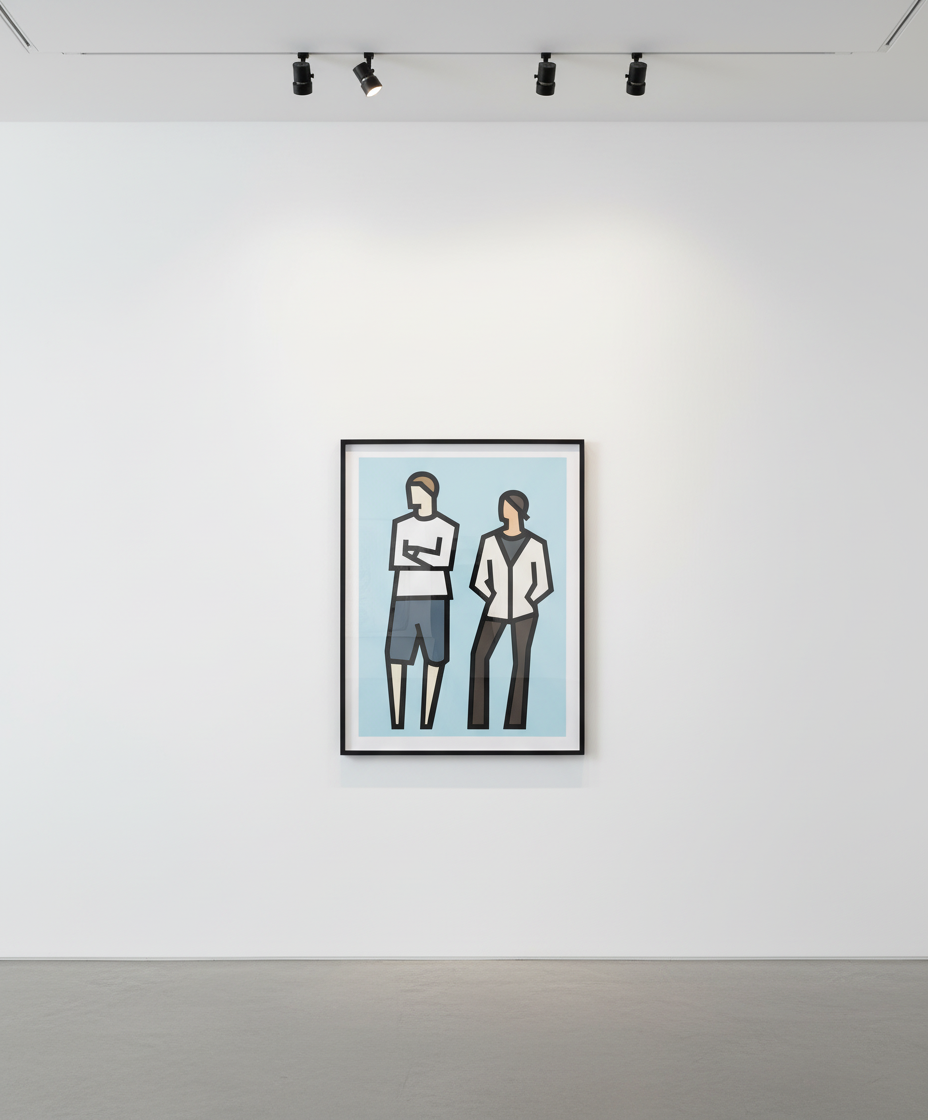
New York Couple 8, 2019
Screen print with inkjet and collage on Canson Conservation board , presented in a sprayed white frame specified by the artist
49 x 35 in 124.5 x 88.9 cm
Julian Opie's work "New York Couple" is a striking example of the British artist's distinctive style, which merges the visual language of contemporary graphic design with themes from classical portraiture and sculpture. Known for his simplified depictions of human figures, landscapes, and urban scenes, Opie distills complex forms into minimalistic representations, using flat areas of color and black outlines to create highly stylized images that are instantly recognizable."New York Couple" encapsulates Opie's exploration of urban life and the individual within the public space. This work is part of a broader series of portraits and figures that Opie has developed over the years, where he focuses on capturing the essence of his subjects through reduced forms and details. The piece typically features one or two figures, portrayed in Opie's signature reductionist approach, emphasizing the flow and movement of city life while also offering a snapshot of contemporary society.Opie's technique involves the use of computer software to refine photographs into the basic elements of line and color, stripping away extraneous detail to focus on the universal qualities of form and posture. This process results in figures that are both specific and anonymous, offering a generic template of urban dwellers that viewers can easily relate to or even project themselves onto. "New York Couple" showcases this technique beautifully, presenting the subjects in a manner that is both intimate and impersonal, capturing the paradoxical nature of city living.The artwork's aesthetic is reminiscent of modern signage and iconography, blurring the boundaries between fine art and commercial design. This blurring is intentional, as Opie seeks to engage with the visual culture of the 21st century, where the lines between art, advertising, and everyday life are increasingly intertwined. His work invites viewers to consider the ways in which art can reflect and shape our understanding of the world, using the language of contemporary graphic design to comment on the human condition."New York Couple" is not just a representation of two individuals but a commentary on the nature of visibility, anonymity, and the role of art in an urban context. Through this work, Opie asks us to consider how we see and are seen in the bustling environment of the city, where personal identities are both displayed and dissolved in the public sphere. The piece is a reflection on modern life, offering a lens through which to view the complexities of social interaction and urban dynamics in the digital age.Julian Opie's "New York Couple" exemplifies the artist's ongoing fascination with the rhythms and patterns of urban existence, as well as his mastery of a visual style that is both reductionist and profoundly expressive. Through his innovative use of technology and his engagement with the themes of visibility and identity, Opie continues to contribute to the dialogue between traditional portraiture and contemporary digital culture, making his work relevant and resonant in today's art world.
Julian Opie (b. 1958, London) is one of the most recognisable and widely exhibited British artists of his generation, a painter, sculptor, and printmaker whose stripped-back figurative language has achieved both the commercial viability of design and the conceptual seriousness of fine art — a combination that few artists of any era have managed with equal confidence. Opie studied at Goldsmiths College under Michael Craig-Martin, graduating in 1982, and was representing by a major London gallery almost immediately. He has been a significant presence in the international art world for over four decades.
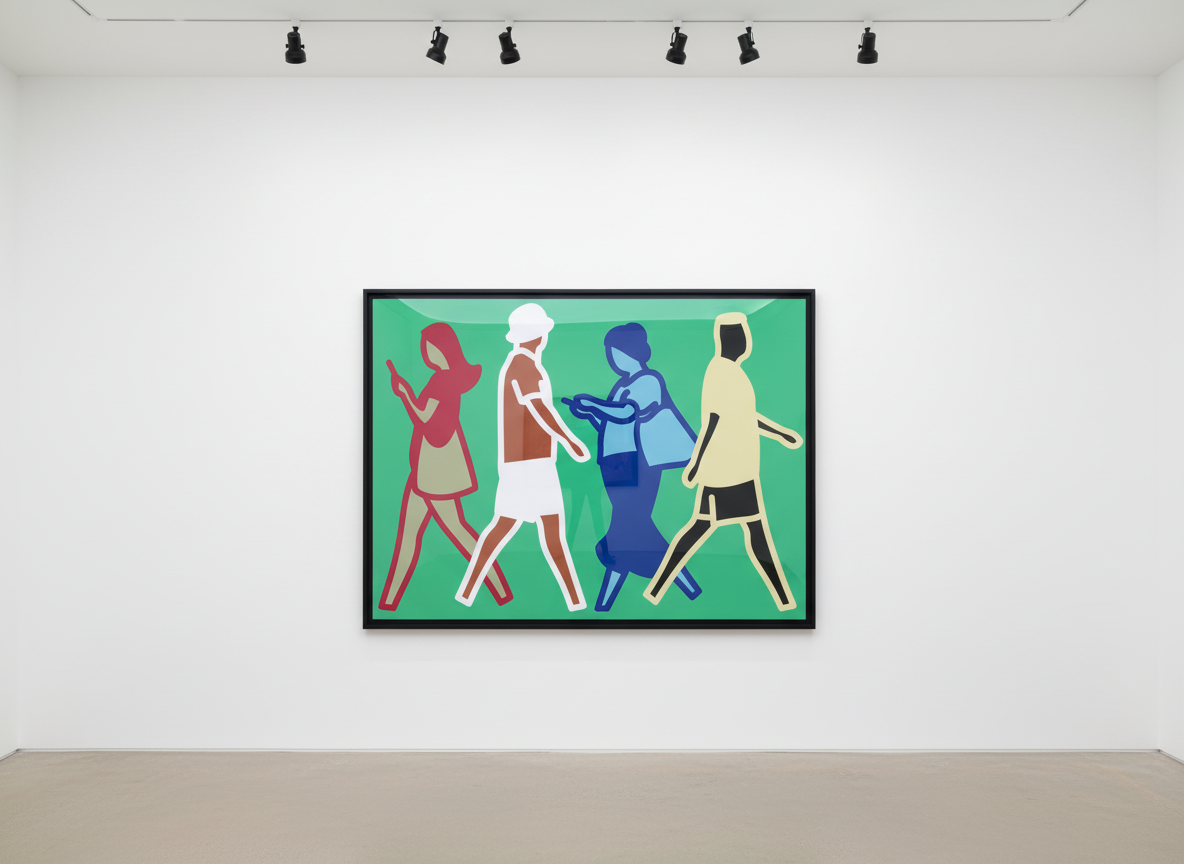
Opie's visual language is built from a small number of radical formal decisions: bold black outlines, flat unmodulated colour fields, the elimination of shadow, texture, and incidental detail, and a scale and graphic authority that draws openly on Egyptian hieroglyphics, Japanese woodblock printing, public signage, and the simplified conventions of digital interfaces. The result is a style of immediate recognisability — when you encounter a Julian Opie figure, you know it instantly — that nonetheless contains real formal thought about how images communicate, how representation functions, and what remains when almost everything is removed. His Walking Figures series, in which anonymous pedestrians in continuous motion are rendered in his signature distilled vocabulary and presented as both print editions and LED wall sculptures, has become one of the most compelling ongoing investigations in contemporary art into the relationship between the ancient idea of the frieze, the vernacular language of the public sign, and the aesthetic possibilities of the LED screen.
In 2000, Opie created the cover artwork for Blur's Best Of compilation — four simplified band portraits in his trademark style — bringing his visual language to an audience of millions and cementing his profile as an artist operating meaningfully across the boundary between fine art and popular culture. His portrait series, his landscape works, and his permanent public installations — including major commissions at Queen Elizabeth Olympic Park in London — extend the reach of his practice into civic and architectural contexts. At the major auction houses, significant Opie works have traded in the £200,000–£500,000 range at Christie's and Sotheby's, while his print editions range from thousands to tens of thousands of pounds, providing entry points across a wide spectrum of collector budgets. His work is held in the Tate Collection, among other public institutions.
His media range is notably broad: silkscreen prints, vinyl paintings, LED panels, lenticular works, and public sculptures are all produced with equal technical rigour and formal clarity.
Guy Hepner maintains strong inventory and expertise in Julian Opie's print editions and LED works. Our gallery at 177 Tenth Avenue, New York offers collectors expert guidance on acquisition and valuation. We provide free, confidential valuations for those looking to sell Opie works and active connections to buyers engaged with this market.