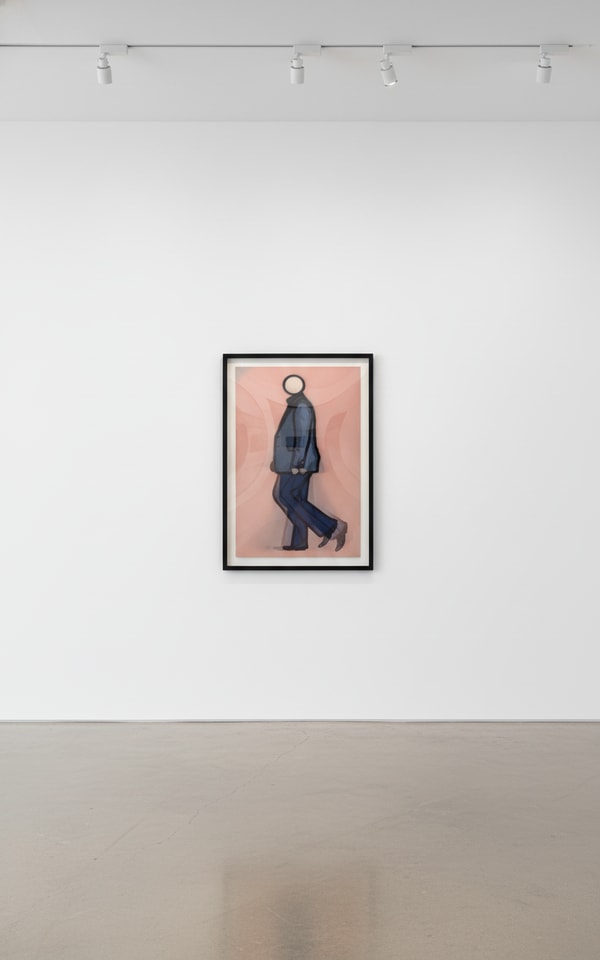

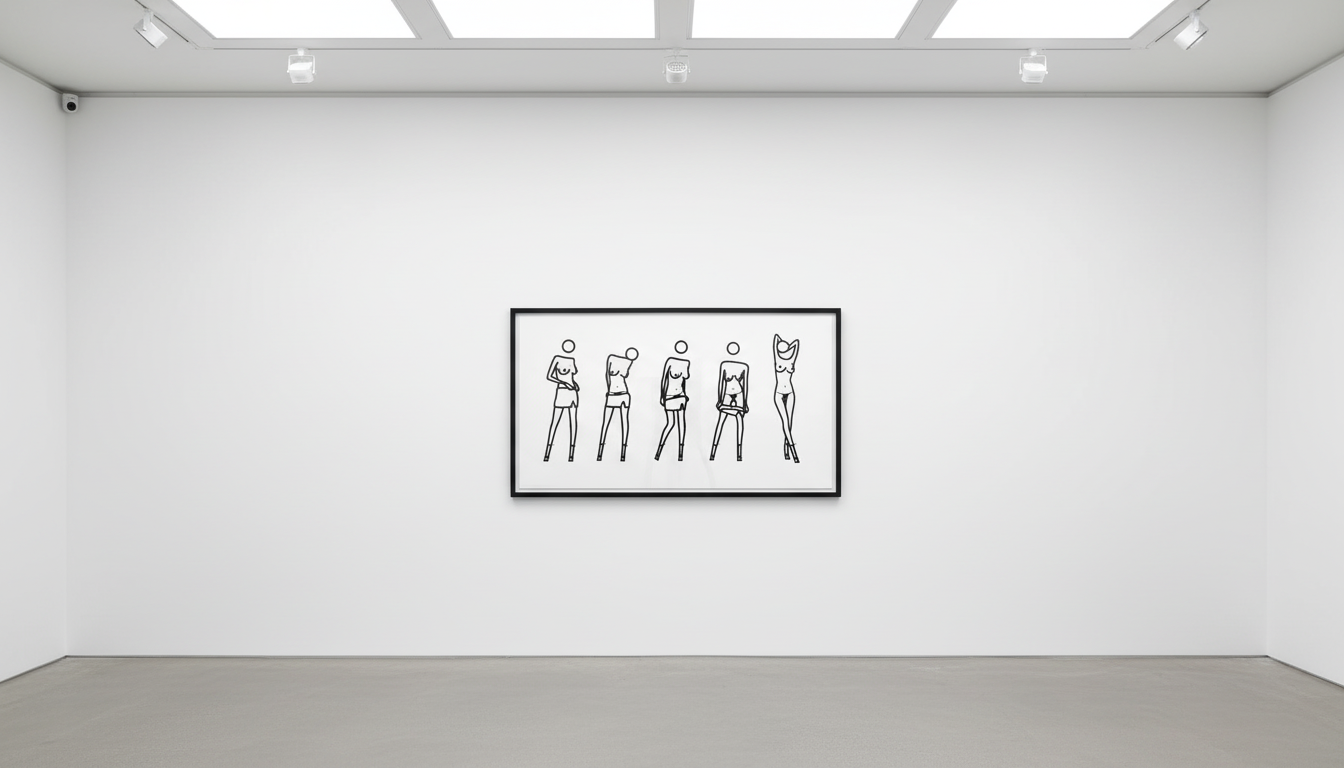
Bijou Gets Undressed
6 works

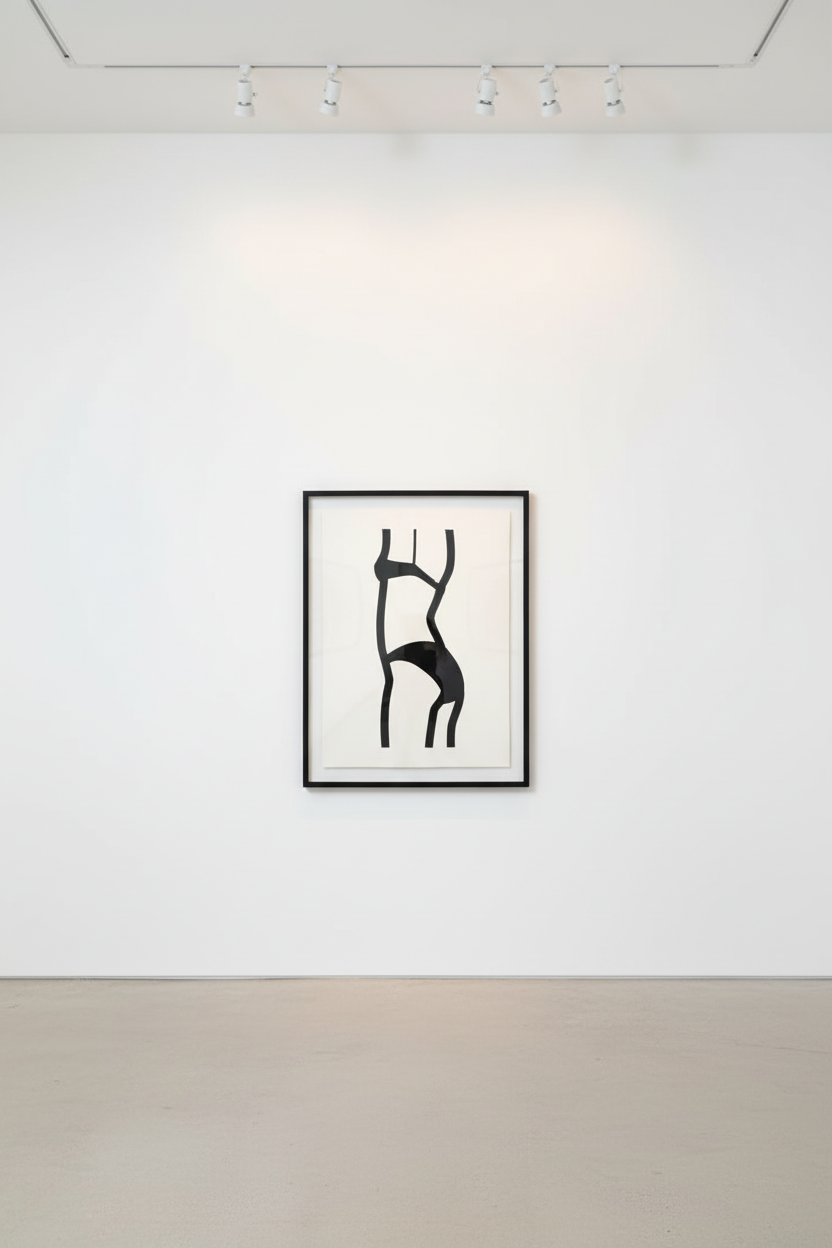
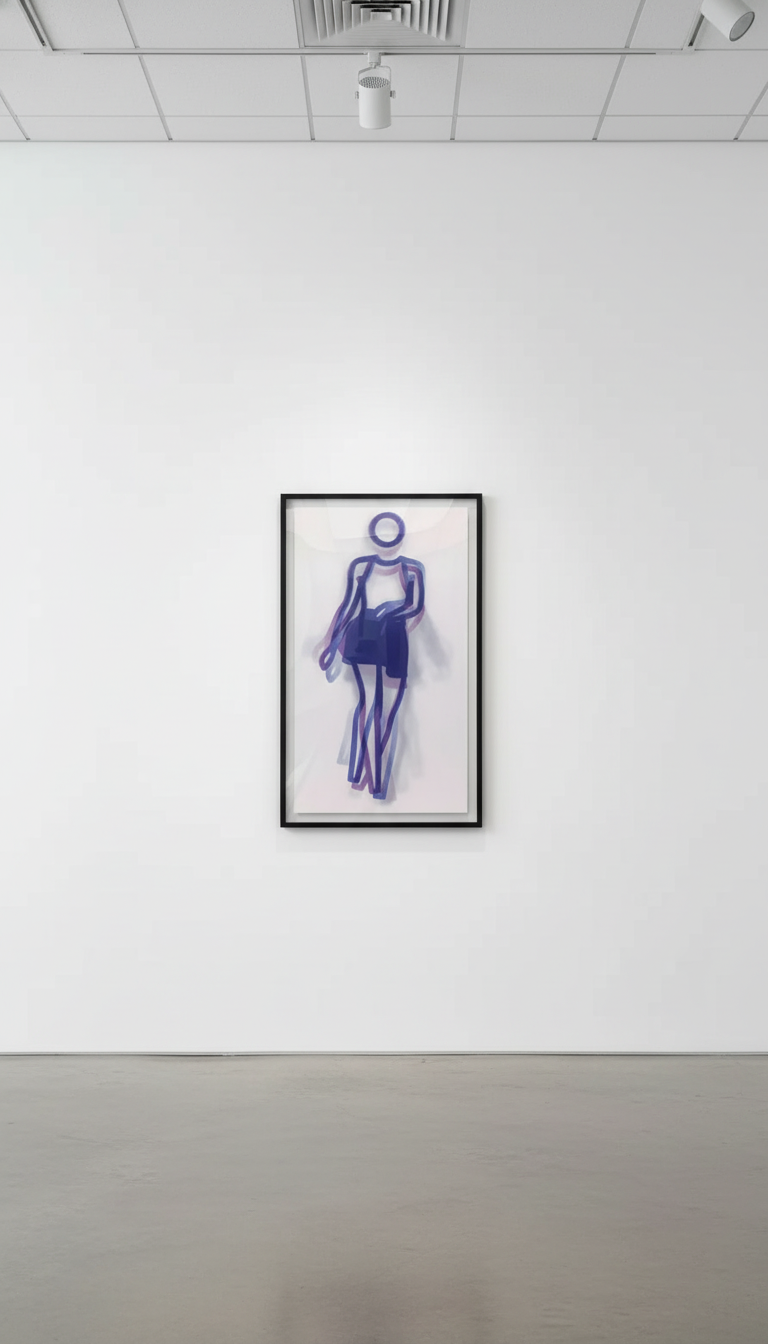
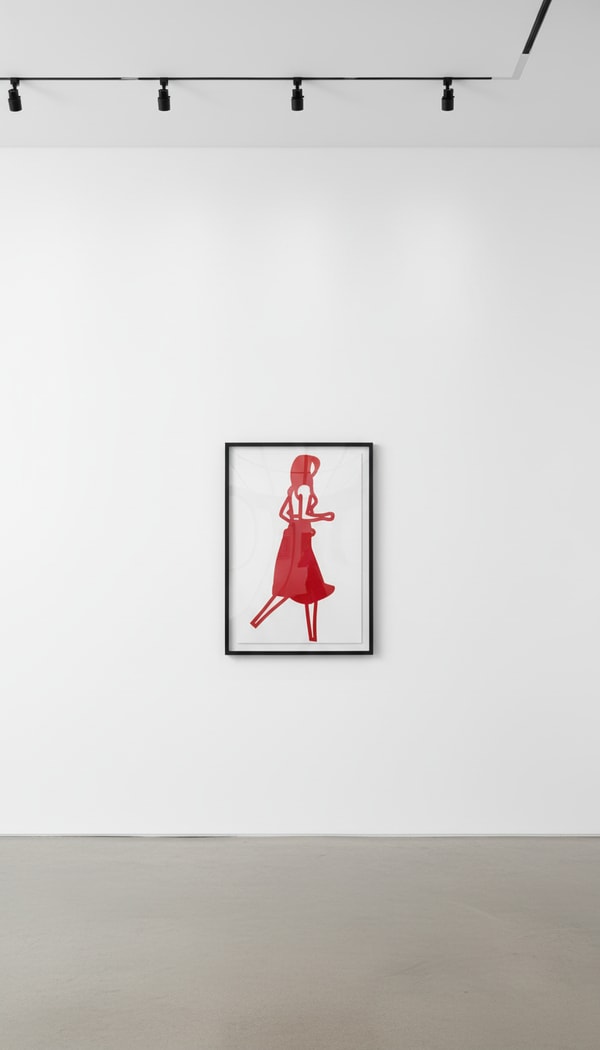
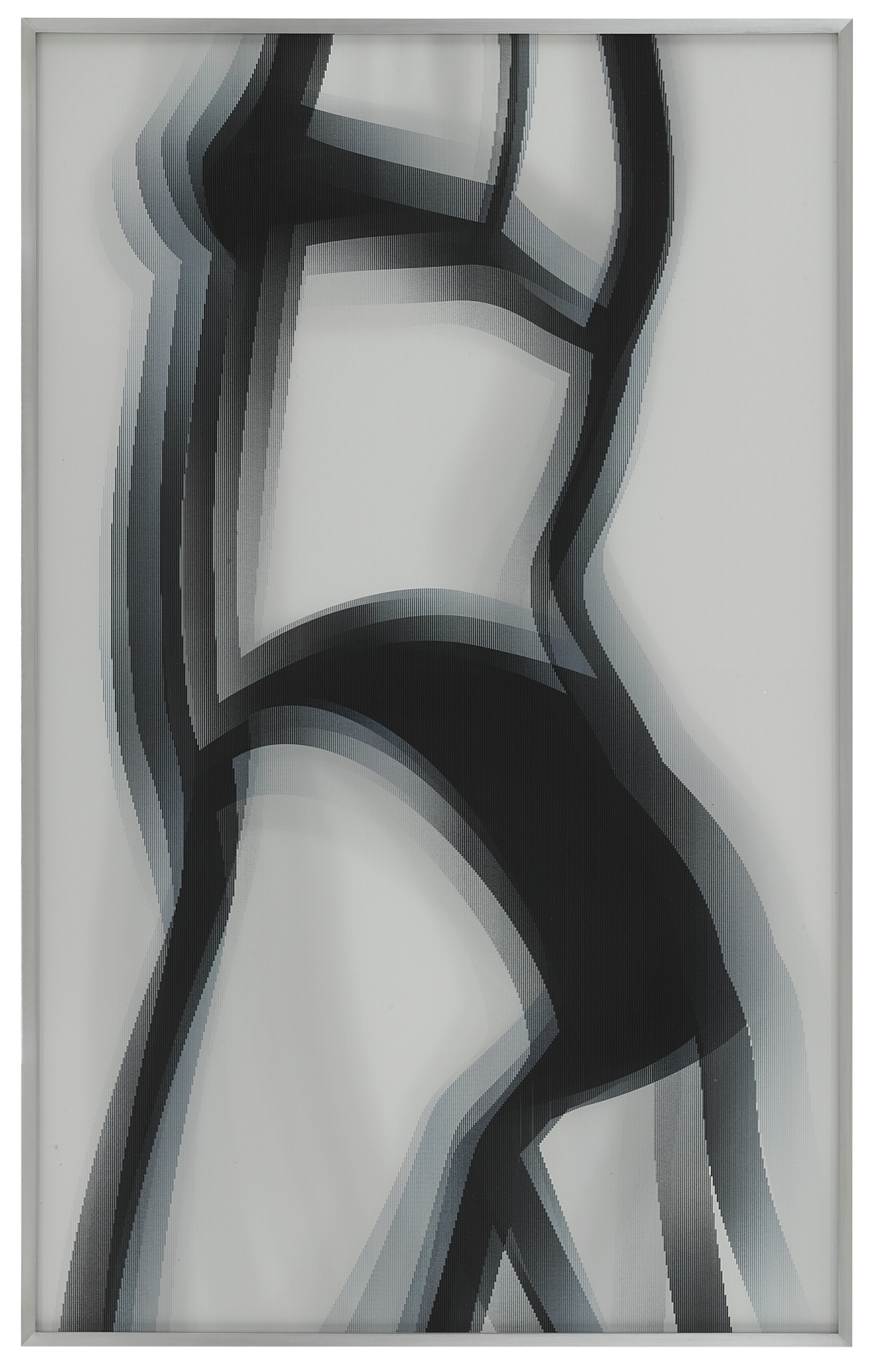
Suzanne (back) 8, 2006
Screenprint
32 5/8 x 22 x 1 1/8 in 83 x 56 x 3 cm
Edition of 25
Julian Opie's "Suzanne Series" is a captivating collection of works that epitomizes his distinctive approach to portraiture, blending elements of classical art traditions with his signature modern, minimalistic style. This series, focusing on a subject named Suzanne, showcases Opie's exploration of the human form, identity, and the nuances of visual representation through simplified geometric shapes and flat areas of color. The "Suzanne Series" typically features the subject in a variety of poses and settings, rendered with Opie's characteristic reductionist technique. In these works, Suzanne is distilled to the most essential lines and shapes, stripping away the intricate details of the human figure to leave a form that is both specific to the subject and universally recognizable. This simplification process is key to Opie's artistic approach, where the essence of the subject is conveyed through minimal detail, emphasizing the power of abstraction in capturing the human essence. Opie employs his usual palette of bold, vibrant colors and stark outlines to create a striking contrast between the subject and the background, highlighting the form of the figure and imbuing the series with a dynamic visual energy. The backgrounds are often monochromatic or feature simple patterns, further focusing the viewer's attention on the figure of Suzanne. This use of color and form reflects Opie's interest in how visual elements can be used to elicit an emotional response from the viewer, as well as his ongoing investigation into the ways in which individuals are perceived and represented. One of the notable aspects of the "Suzanne Series" is its engagement with the tradition of portraiture. By choosing to focus on a single subject across multiple works, Opie nods to the historical practice of portrait painting, where artists would often explore the complexity of an individual's identity through a series of paintings. However, Opie's use of digital techniques and his minimalist aesthetic mark a departure from traditional methods, offering a contemporary take on the genre that challenges conventional notions of portraiture. The series also reflects Opie's interest in the relationship between art and technology. Utilizing computer software to design and execute his works, Opie bridges the gap between traditional art-making techniques and digital processes. This integration of technology allows him to experiment with form and color in innovative ways, pushing the boundaries of how portraits are created and experienced. Furthermore, the "Suzanne Series" invites viewers to consider the role of the artist in shaping our understanding of identity. Through his stylized depiction of Suzanne, Opie raises questions about the nature of representation and the extent to which an artist can capture the essence of a subject. This exploration of identity and representation is a recurring theme in Opie's work, reflecting his broader concerns with the ways in which individuals navigate and are perceived in the modern world. In summary, Julian Opie's "Suzanne Series" is a testament to his ability to merge traditional artistic themes with contemporary methods and styles. Through this series, Opie not only showcases his distinctive approach to portraiture but also contributes to the ongoing dialogue about the nature of identity, representation, and the role of art in contemporary society. The "Suzanne Series" stands as a significant part of Opie's oeuvre, highlighting his innovative use of technology and his profound insights into the human condition.
Price on Application
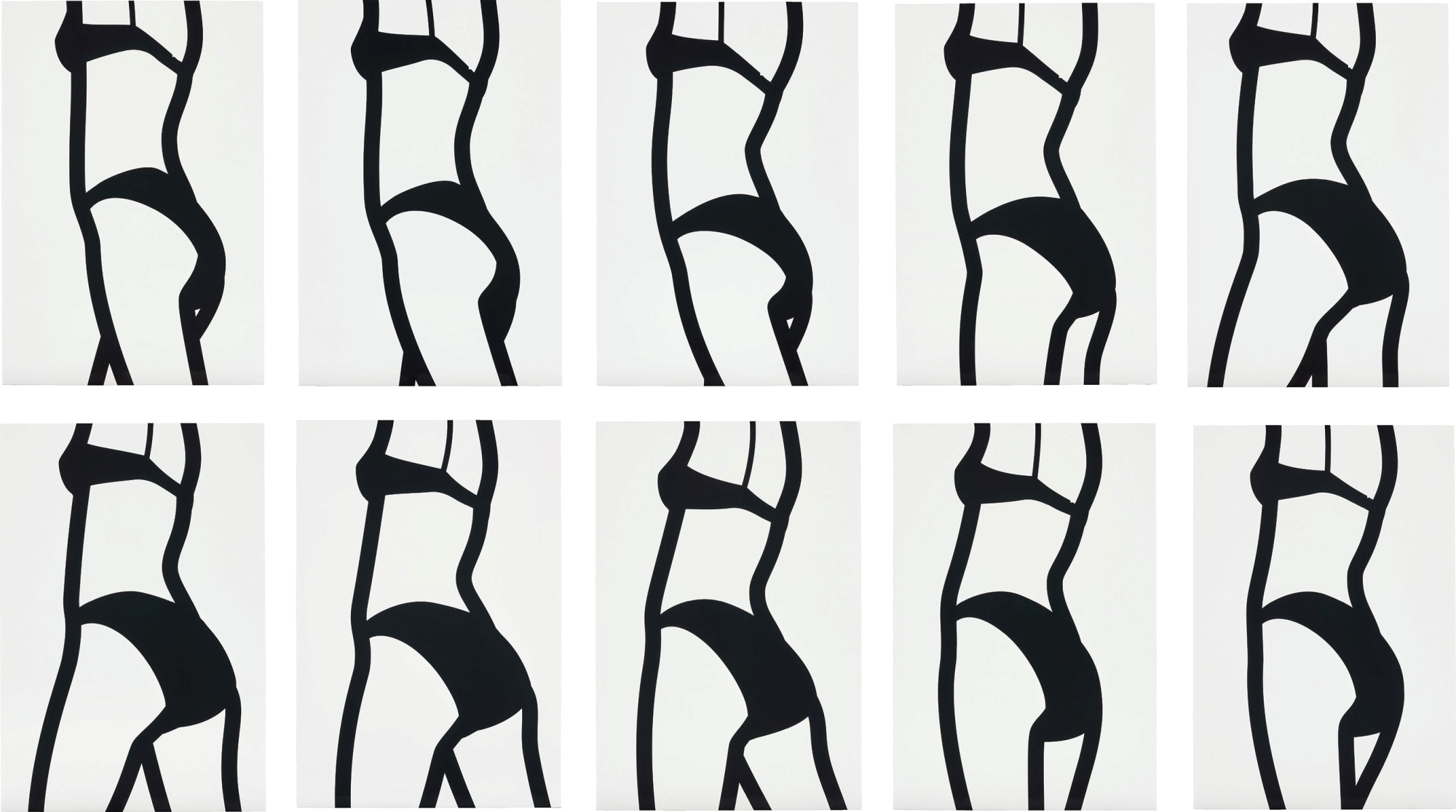
Watching Suzanne (back) No.1-10 · Julian Opie · Phillips · 2019-09 · $53,940
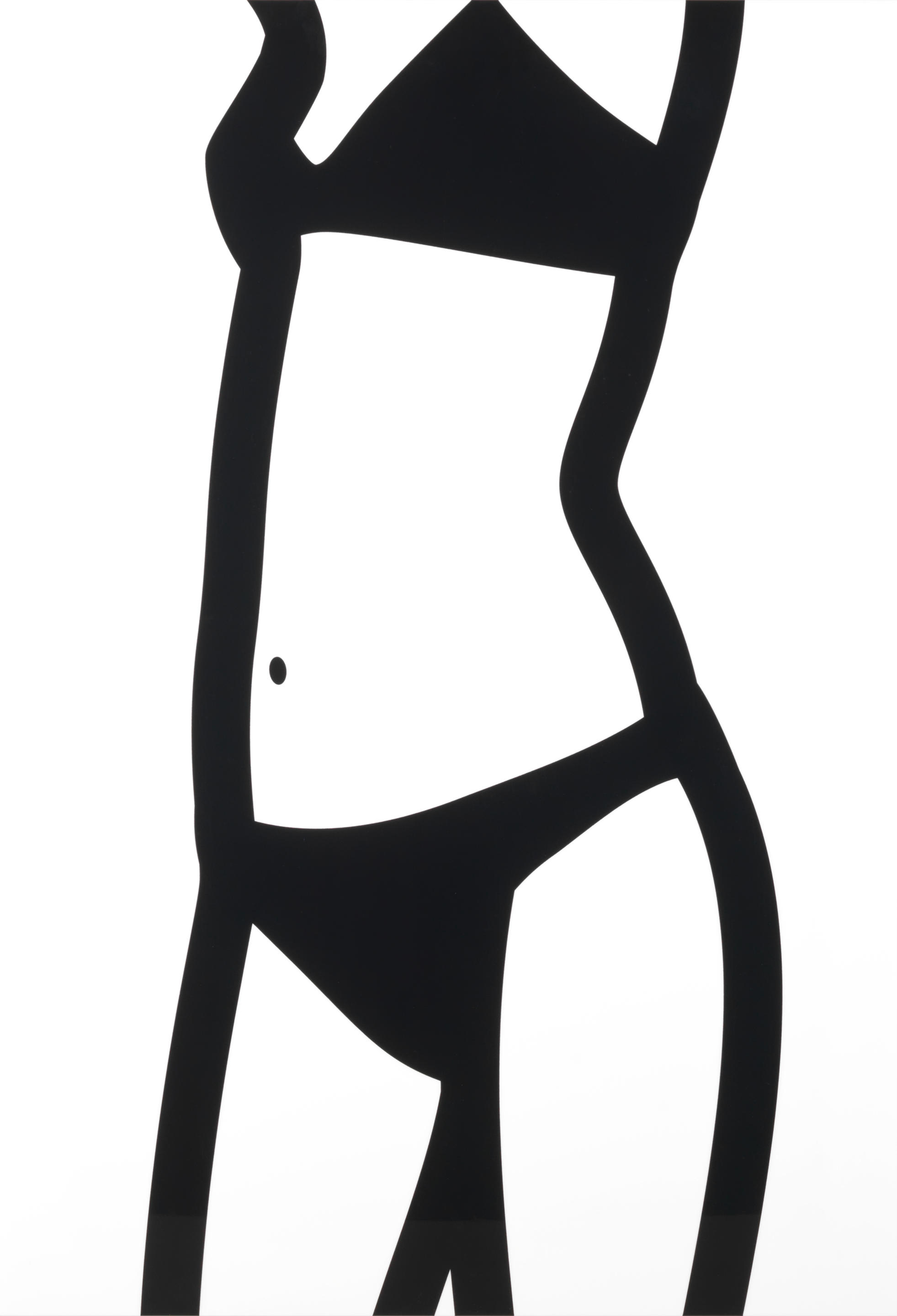
Suzanne Walking · Julian Opie · Sotheby's · 2015-01 · $24,184
Watching Suzanne (front) No.2 (Cristea 66) · Julian Opie · Bonhams · 2022-12 · $6,531
Watching Suzanne (front) No.2 · Julian Opie · Bonhams · 2023-03 · $5,027
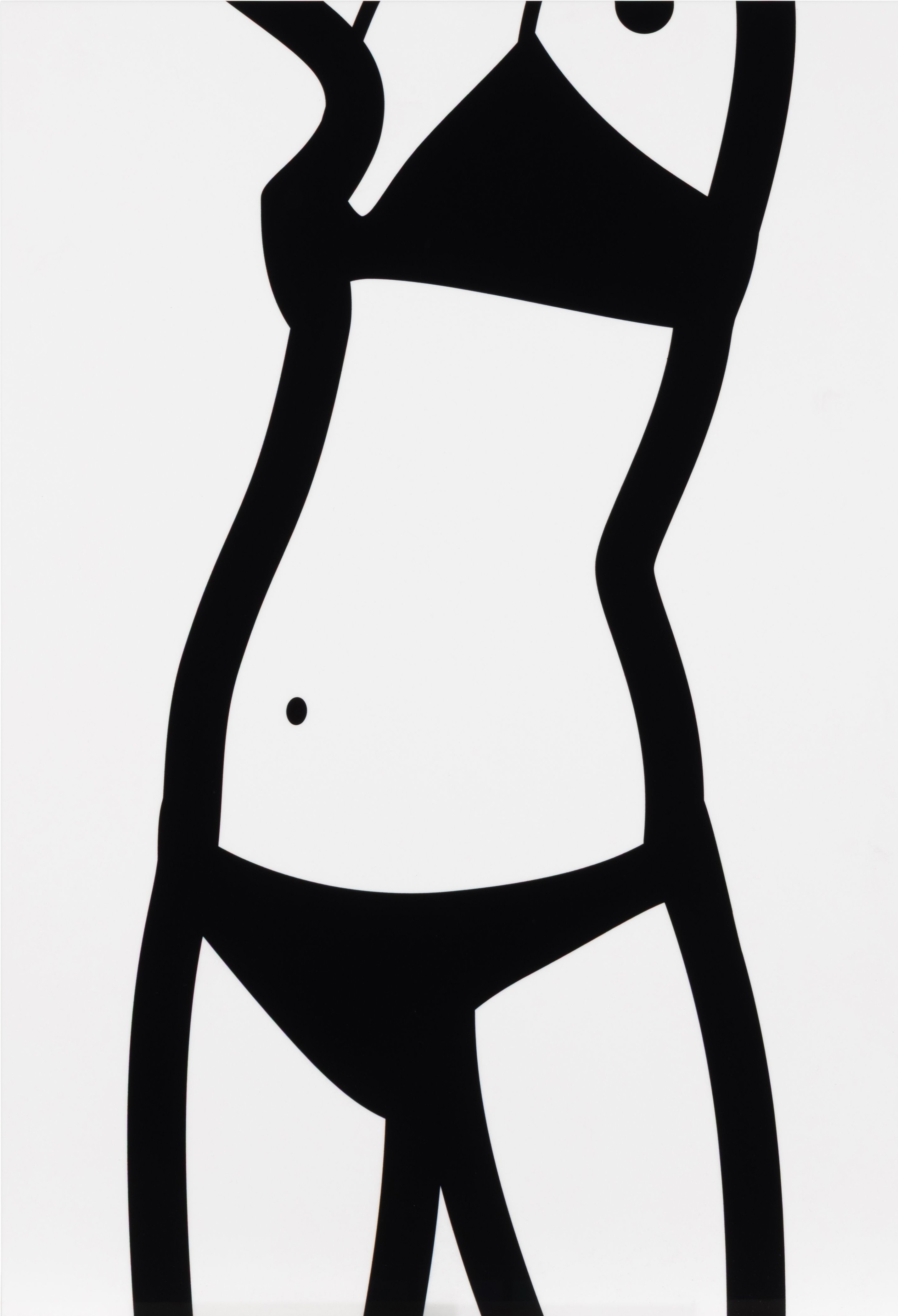
Watching Suzanne (front), No. 5, 2006 · Julian Opie · Freeman's · 2026-08 · $3,840
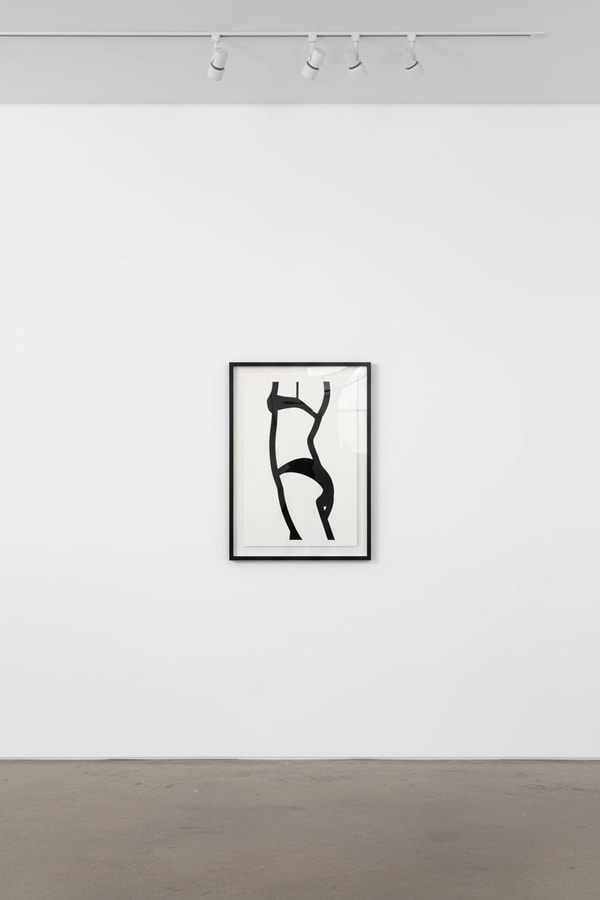
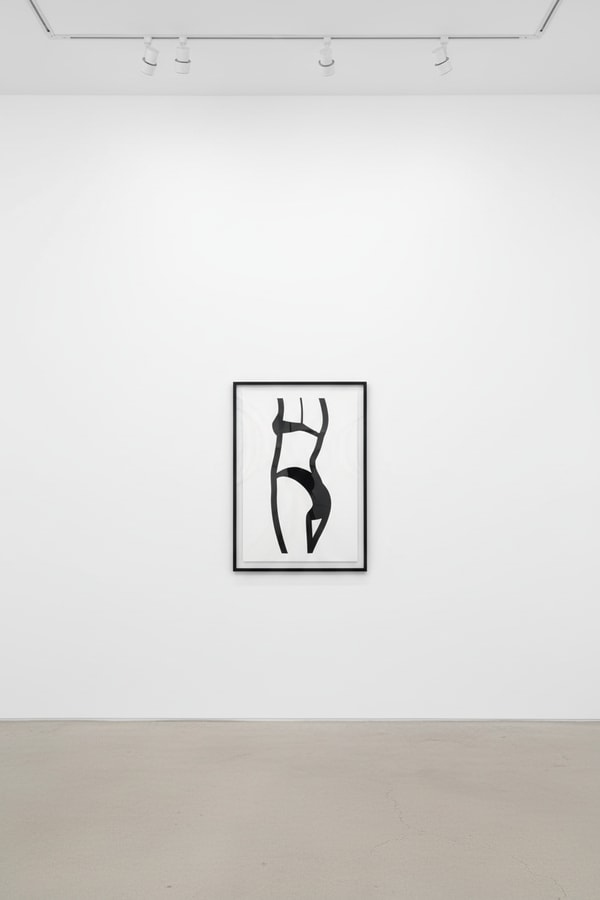
Julian Opie
Suzanne (back) 3
2006
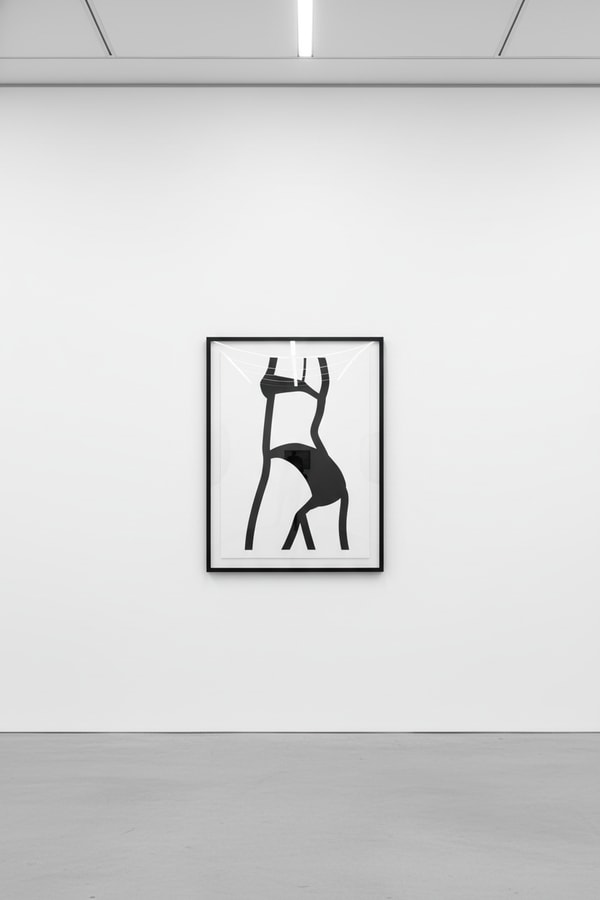
Julian Opie
Suzanne (back) 5
2006
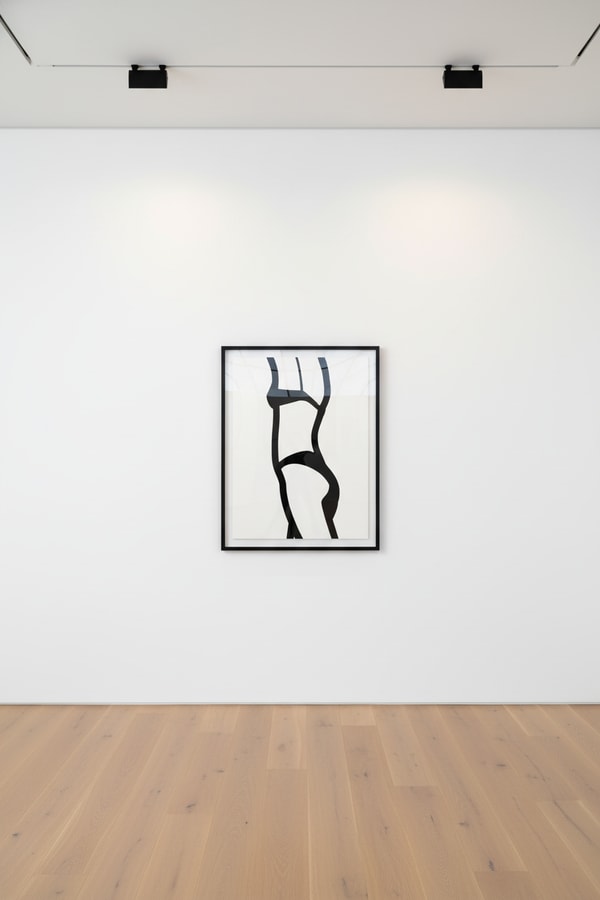
Julian Opie
Suzanne (back) 6
2006
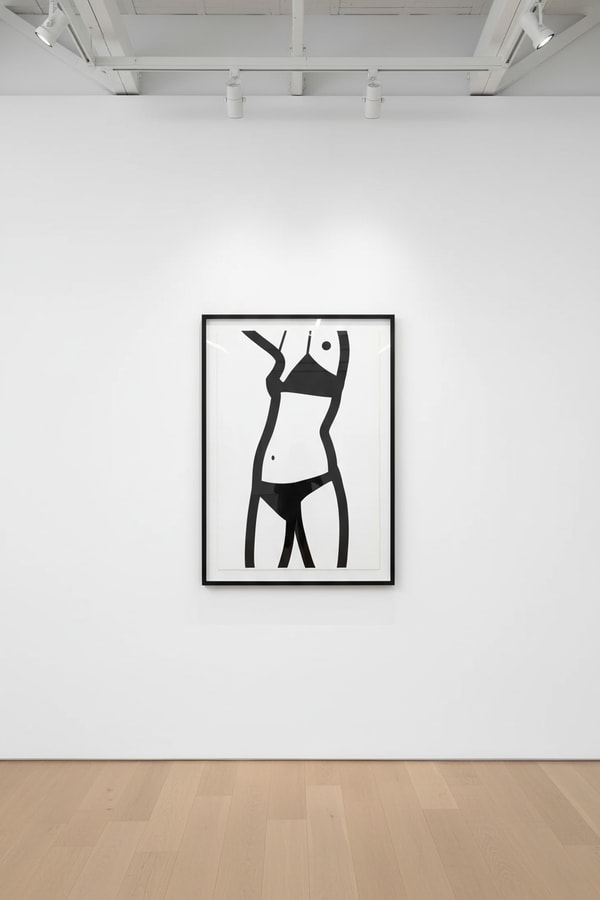
Julian Opie
Suzanne (back) 7
2006
Julian Opie
Suzanne (front) 4
2006
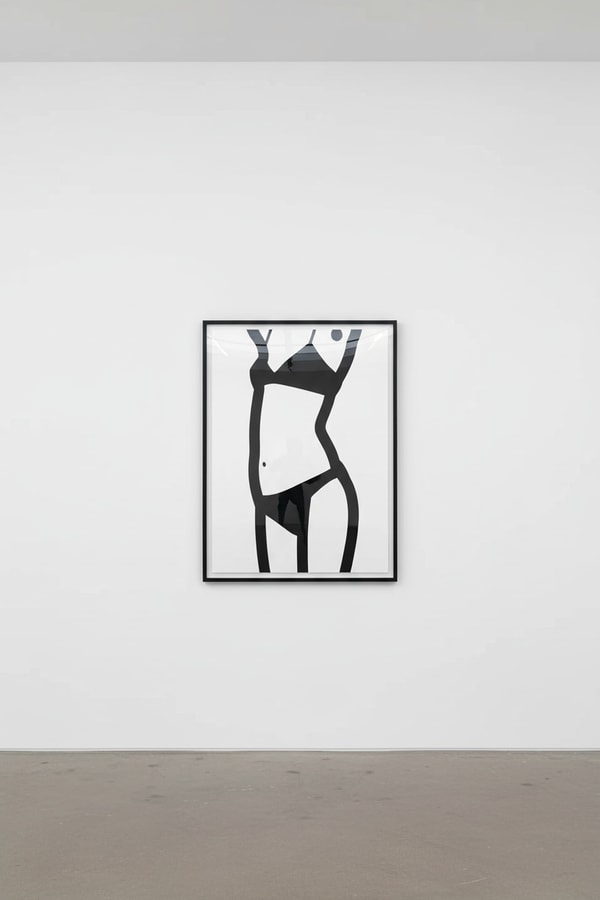
Julian Opie
Suzanne (front) 1
2006
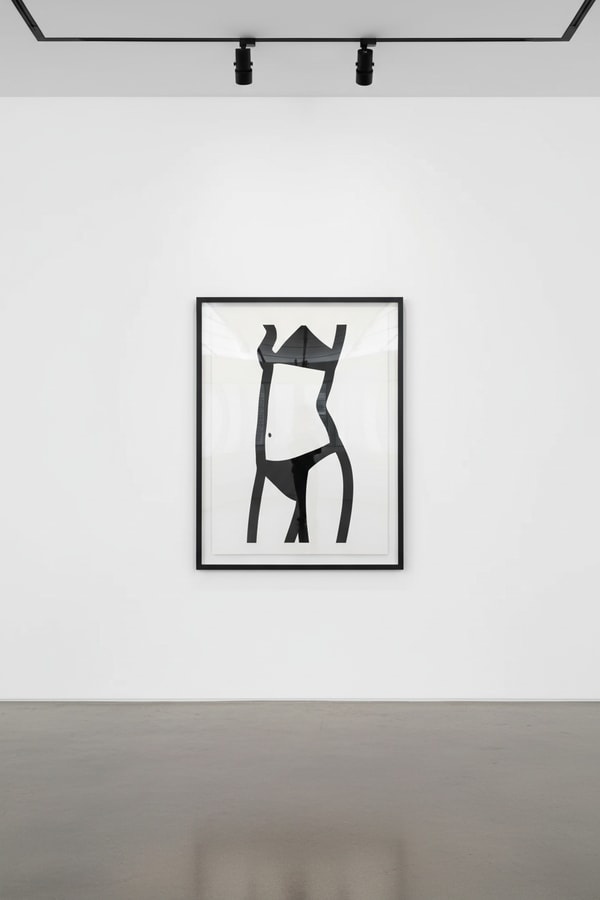
Julian Opie
Suzanne (front) 2
2006
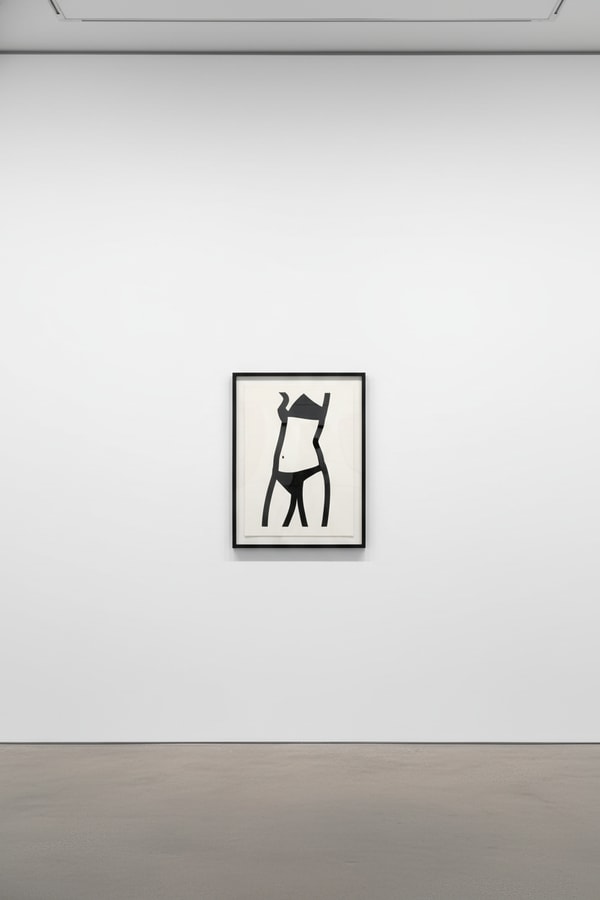
Julian Opie
Suzanne (front) 3
2006
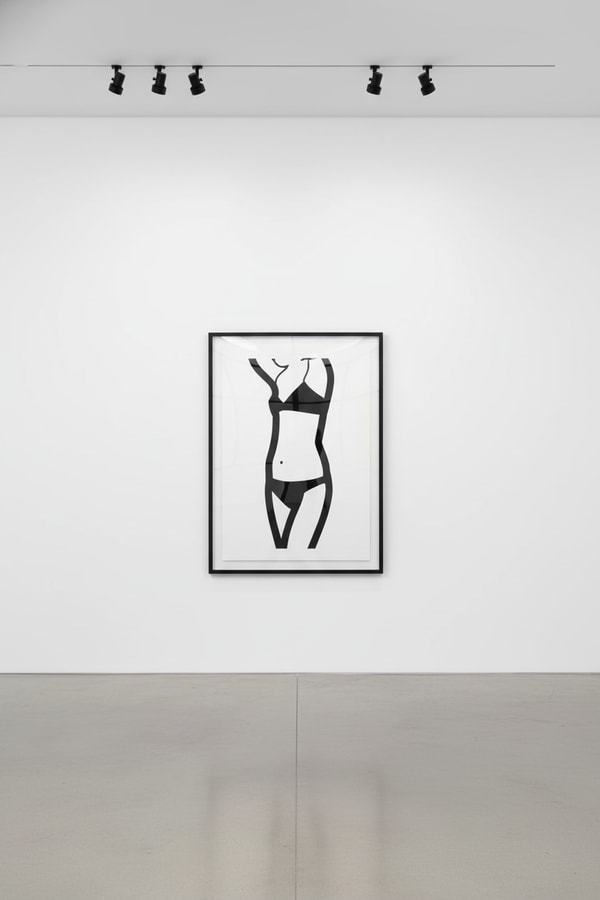
Julian Opie
Suzanne (front) 7
2006
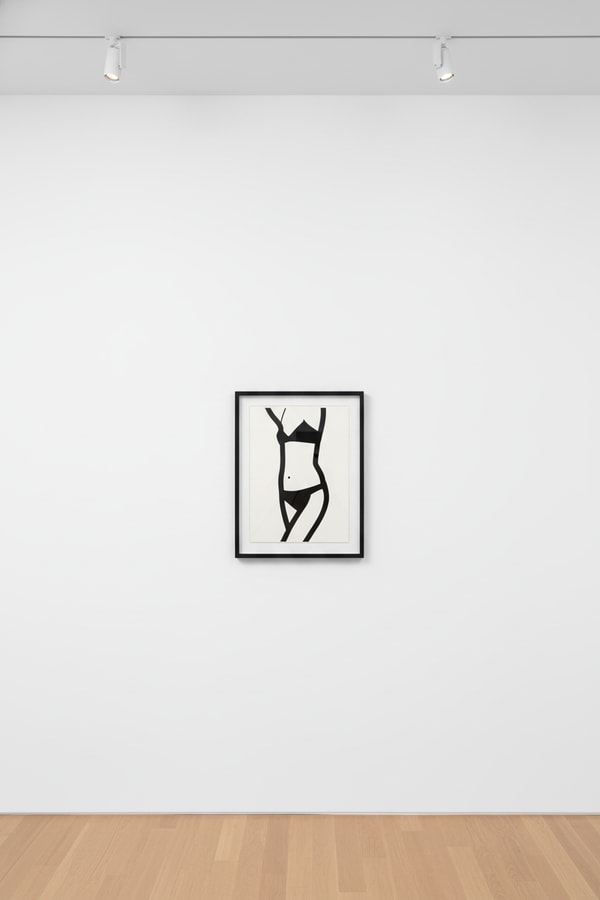
Julian Opie
Suzanne (front) 8
2006
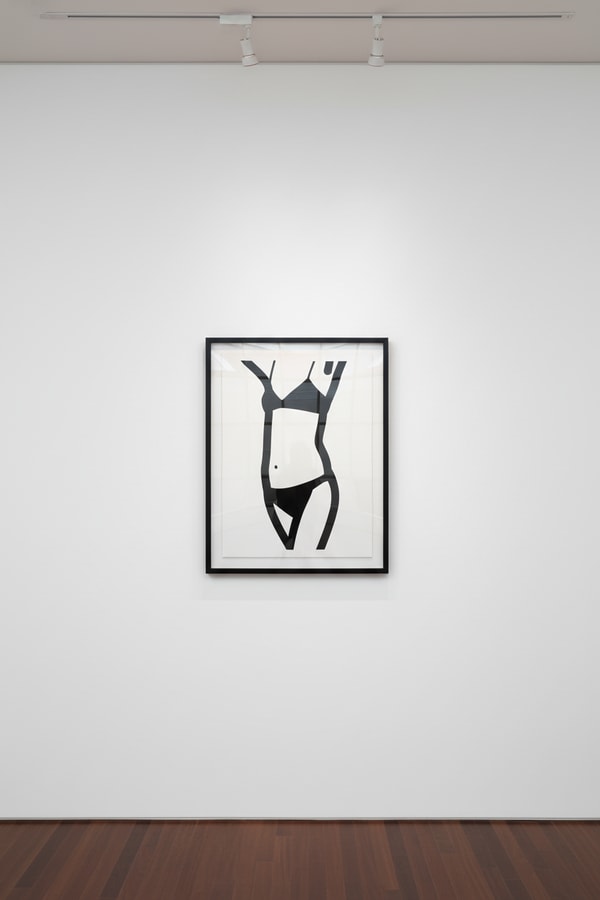
Julian Opie
Suzanne (front) 9
2006
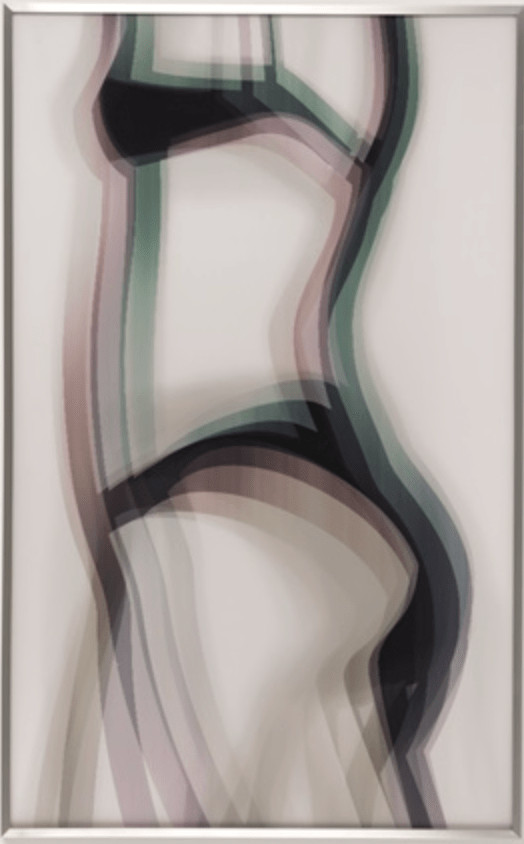
Julian Opie
Suzanne Walking
2005 - 2007
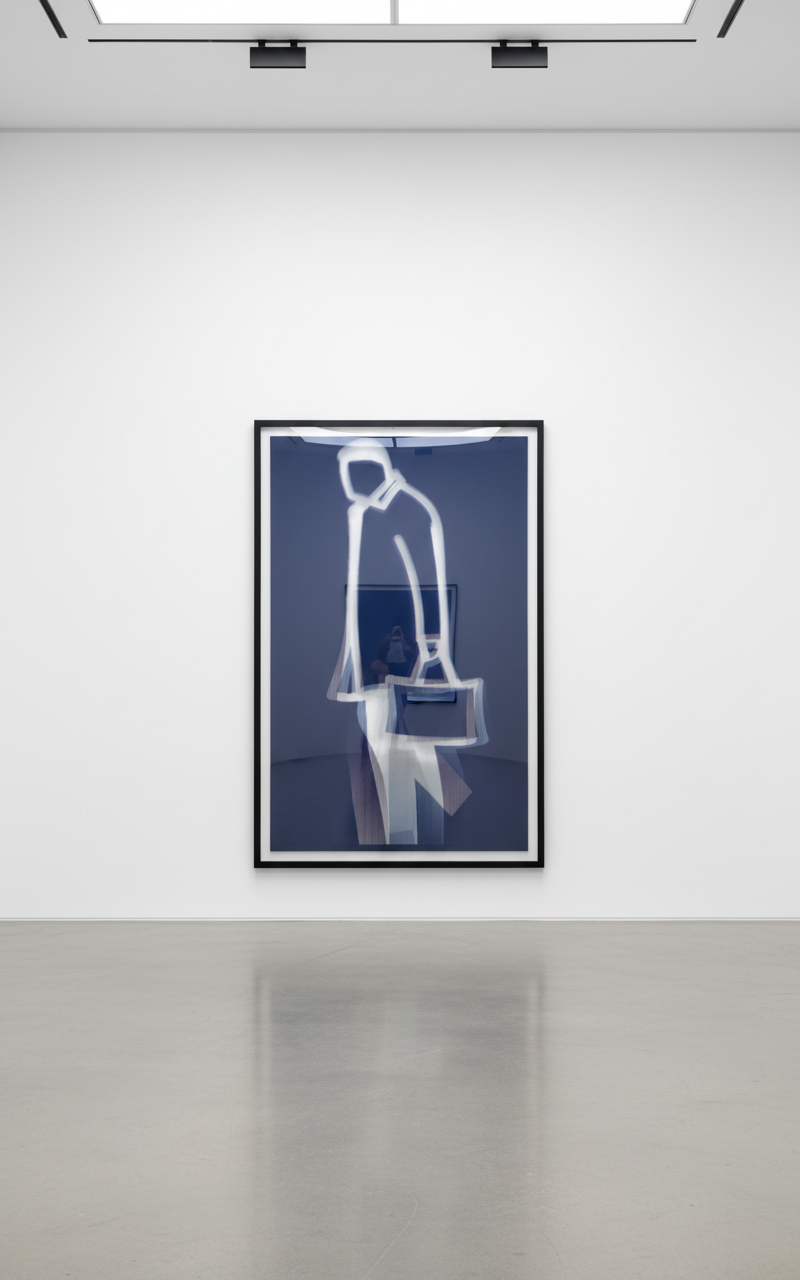
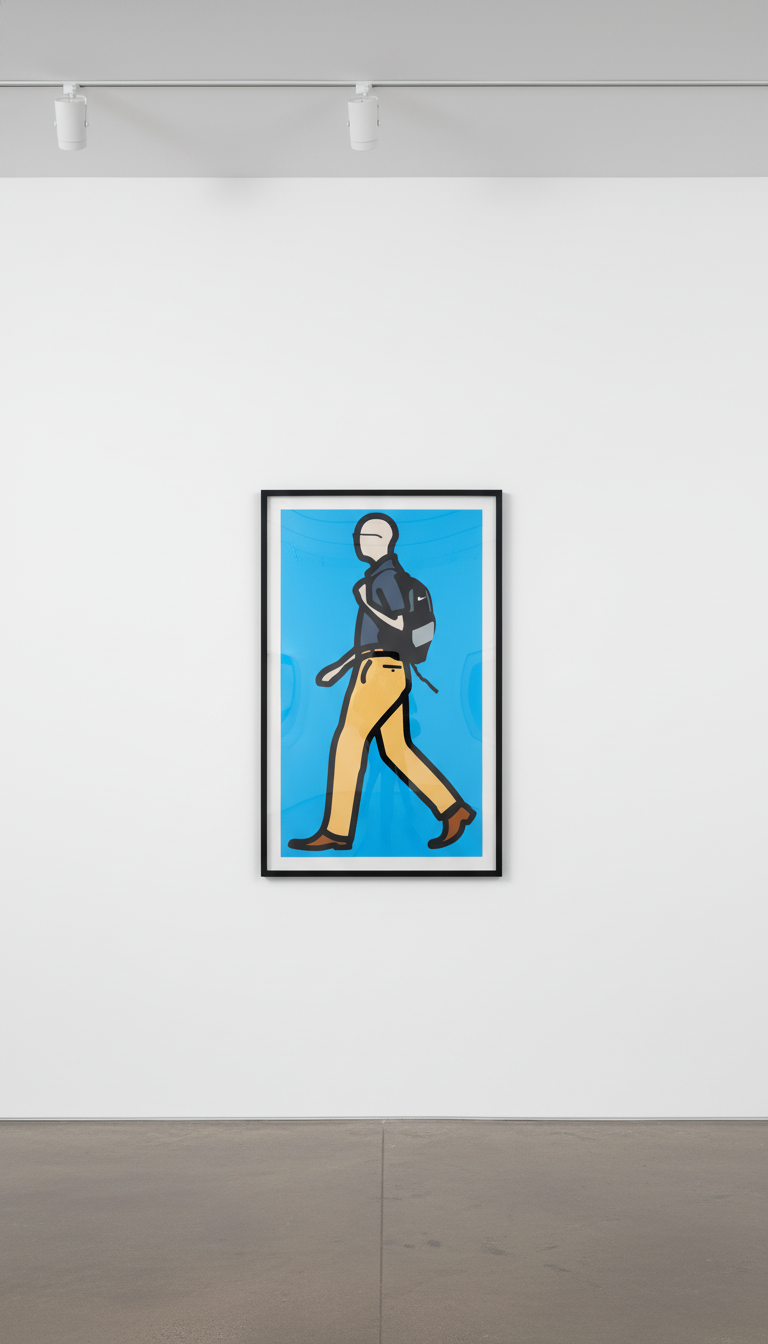
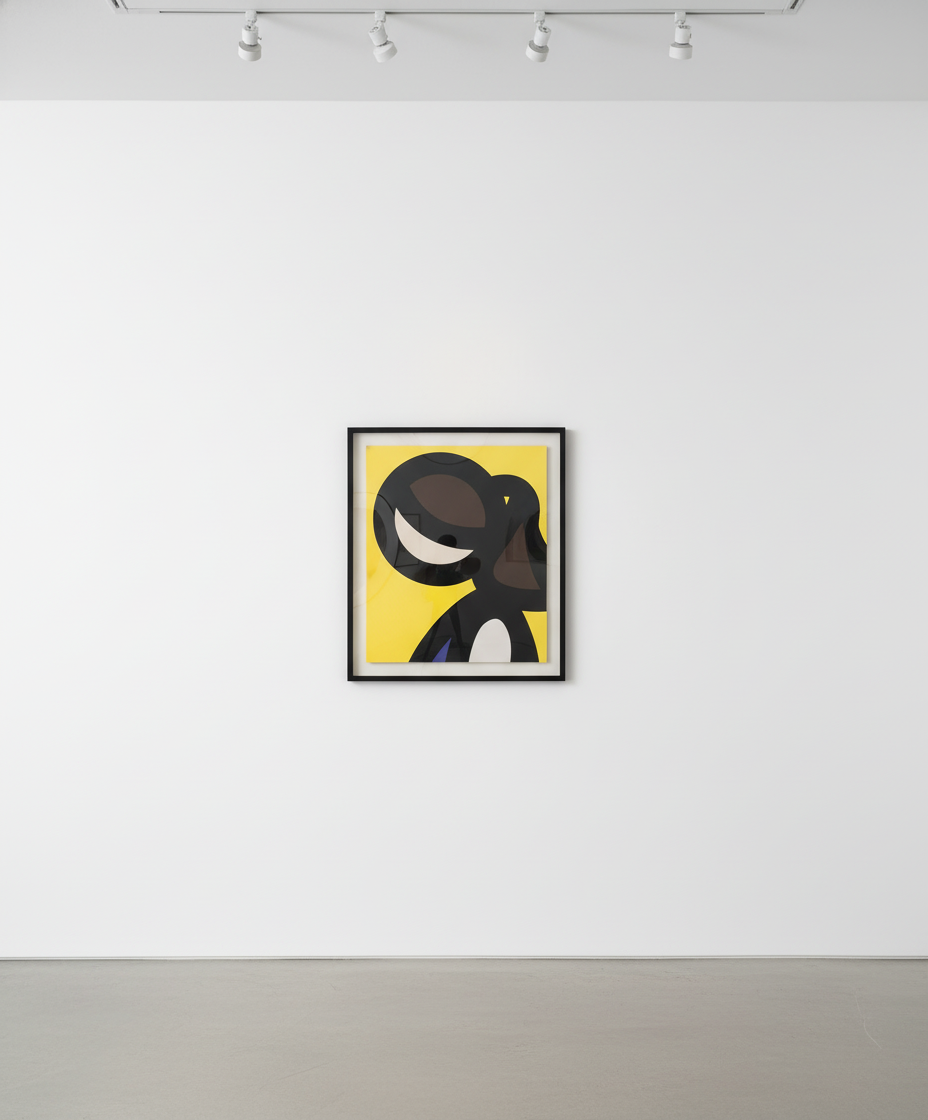
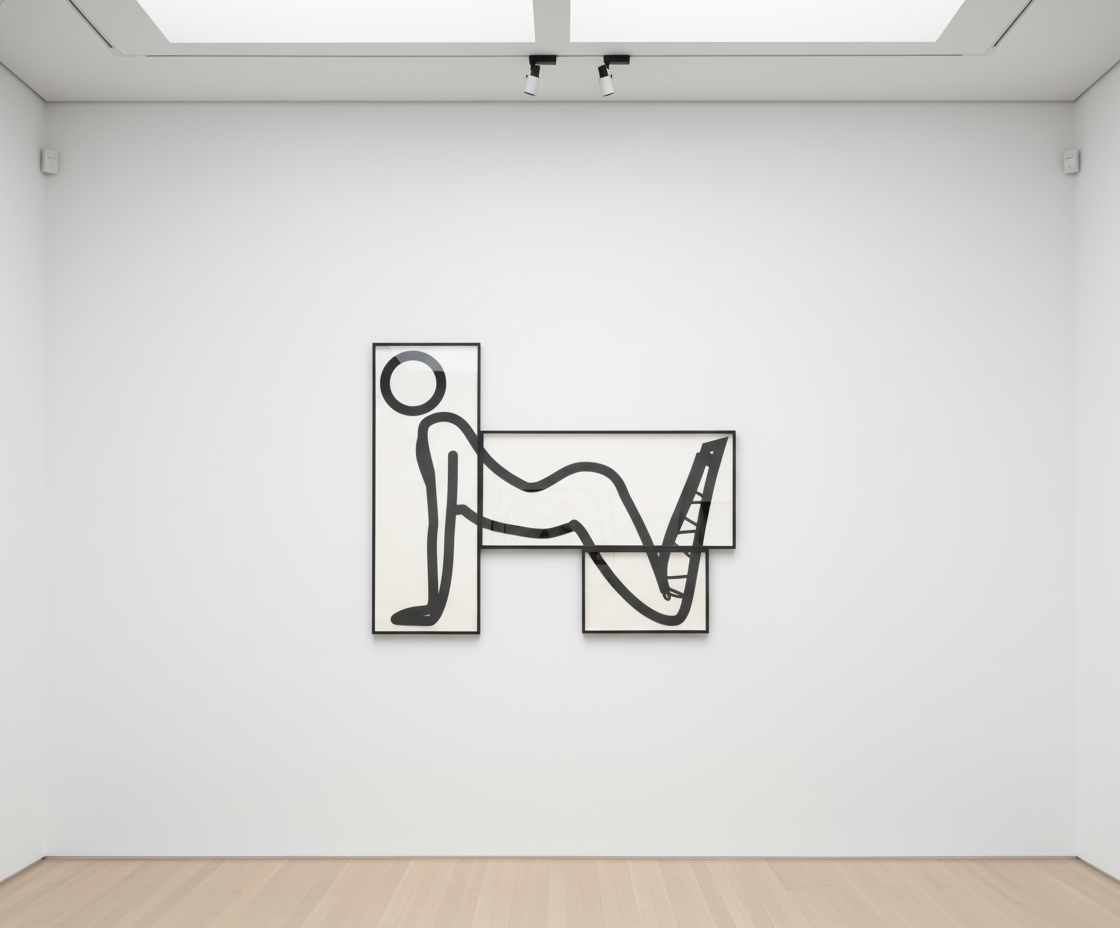
Julian Opie's "Watching Suzanne" series represents one of the artist's most intimate and sustained explorations of the human figure, capturing a single subject across multiple perspectives with the refined visual language that has made him one of the most recognizable artists of his generation. Through works including Suzanne (front) 8, Suzanne Walking, Suzanne (front) 3, Suzanne (front) 2, Suzanne (back) 8, Suzanne (front) 9, Suzanne (back) 7, and Suzanne (back) 6, Opie constructs a comprehensive portrait that transcends the limitations of traditional portraiture, inviting viewers to consider the fundamental nature of how we perceive and represent the human form.
Born in London in 1958 and now represented by Lisson Gallery, Julian Opie has spent decades developing his distinctive aesthetic vocabulary—one characterized by bold minimalist lines, flat expanses of color, and an economy of detail that paradoxically achieves profound expressiveness through reduction. His subjects, whether walking figures, landscapes, or portraits, are distilled to their essential visual components, yet they resonate with an immediacy and presence that more detailed representations often fail to achieve. The "Watching Suzanne" series exemplifies this approach at its most focused and deliberate, demonstrating how Opie's methodology transforms observation into something approaching visual philosophy.
What distinguishes this series within Opie's broader practice is its systematic circumnavigation of a single figure. While Opie frequently depicts walking figures and has created numerous portrait series, the "Watching Suzanne" works function as a unified meditation on presence and perspective. The inclusion of both frontal and rear views—carefully numbered to suggest a sequential study—creates a sense of the viewer moving around Suzanne, or perhaps of Suzanne herself rotating slowly before our gaze. This organizational logic elevates the series beyond mere portraiture into something more akin to sculptural thinking rendered in two dimensions. We are not simply looking at Suzanne; we are, as the series title suggests, watching her, engaged in an active and durational act of perception.
The frontal works present Suzanne with Opie's characteristic directness. Her features are reduced to their most essential elements—the precise curve of an outline, the placement of eyes rendered as simple shapes, the suggestion of hair and clothing through blocks of carefully selected color. Yet within this apparent simplicity lies remarkable sophistication. Opie's decisions about what to include and what to omit are the product of extensive observation and refinement, each line carrying the weight of countless editorial choices. The result is an image that functions almost as a hieroglyph of personhood, instantly legible yet endlessly contemplatable.
The rear views offer something rarer in Opie's oeuvre and in portraiture more broadly. In works like Suzanne (back) 8, Suzanne (back) 7, and Suzanne (back) 6, we encounter the subject from a perspective typically reserved for moments of departure or unobserved contemplation. These views possess a particular poignancy, suggesting intimacy without confrontation, presence without the social negotiation that eye contact demands. The back of a figure is simultaneously anonymous and deeply personal—we recognize loved ones from behind by the particular fall of their hair, the set of their shoulders, the rhythm of their movement. Opie captures this paradox with characteristic precision.
Suzanne Walking introduces kinetic energy into the series, depicting the subject in motion and connecting this body of work to Opie's celebrated walking figures that have appeared in public installations and museum collections worldwide. The walking figure has become something of a signature motif for Opie, appearing in contexts ranging from gallery walls to LED displays in urban environments. Within the "Watching Suzanne" series, this work provides a dynamic counterpoint to the more static portrait studies, reminding us that the human figure is always potentially in motion, always capable of transformation from one moment to the next.
Throughout the series, Opie's use of flat color and clean contours creates images that exist in productive tension between the personal and the universal. Suzanne is clearly a specific individual—the consistency of her representation across works confirms her particular identity—yet the reduction of detail invites viewers to project their own associations and recognitions onto her form. This is the essential magic of Opie's approach: his figures are simultaneously nobody and everybody, specific yet archetypal, contemporary yet timeless in their graphic clarity.
The "Watching Suzanne" series also demonstrates Opie's ongoing dialogue with art history and visual culture. His work has often been discussed in relation to sources as diverse as ancient Egyptian painting, Japanese woodblock prints, road signage, and digital interfaces. In this series, one might detect echoes of Warhol's serial portraiture, Matisse's paper cutouts, or the flat planes of medieval manuscript illumination, yet the synthesis is unmistakably Opie's own. He has created a visual language so distinctive that it has itself become a reference point for contemporary image-making.
For collectors seeking to acquire works from Julian Opie's "Watching Suzanne" series, Guy Hepner in New York offers expert guidance and access to available pieces from this compelling body of work.
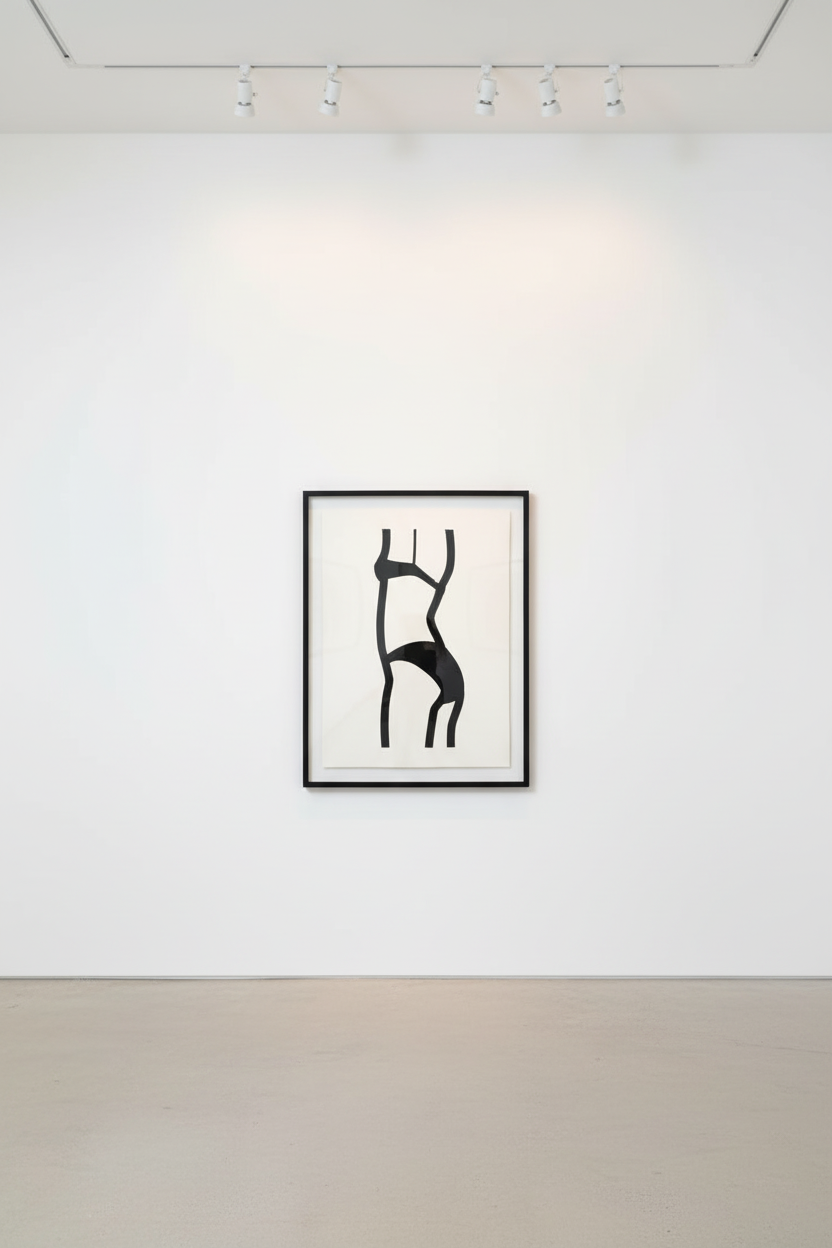
Julian Opie (b. 1958, London) is one of the most recognisable and widely exhibited British artists of his generation, a painter, sculptor, and printmaker whose stripped-back figurative language has achieved both the commercial viability of design and the conceptual seriousness of fine art — a combination that few artists of any era have managed with equal confidence. Opie studied at Goldsmiths College under Michael Craig-Martin, graduating in 1982, and was representing by a major London gallery almost immediately. He has been a significant presence in the international art world for over four decades.
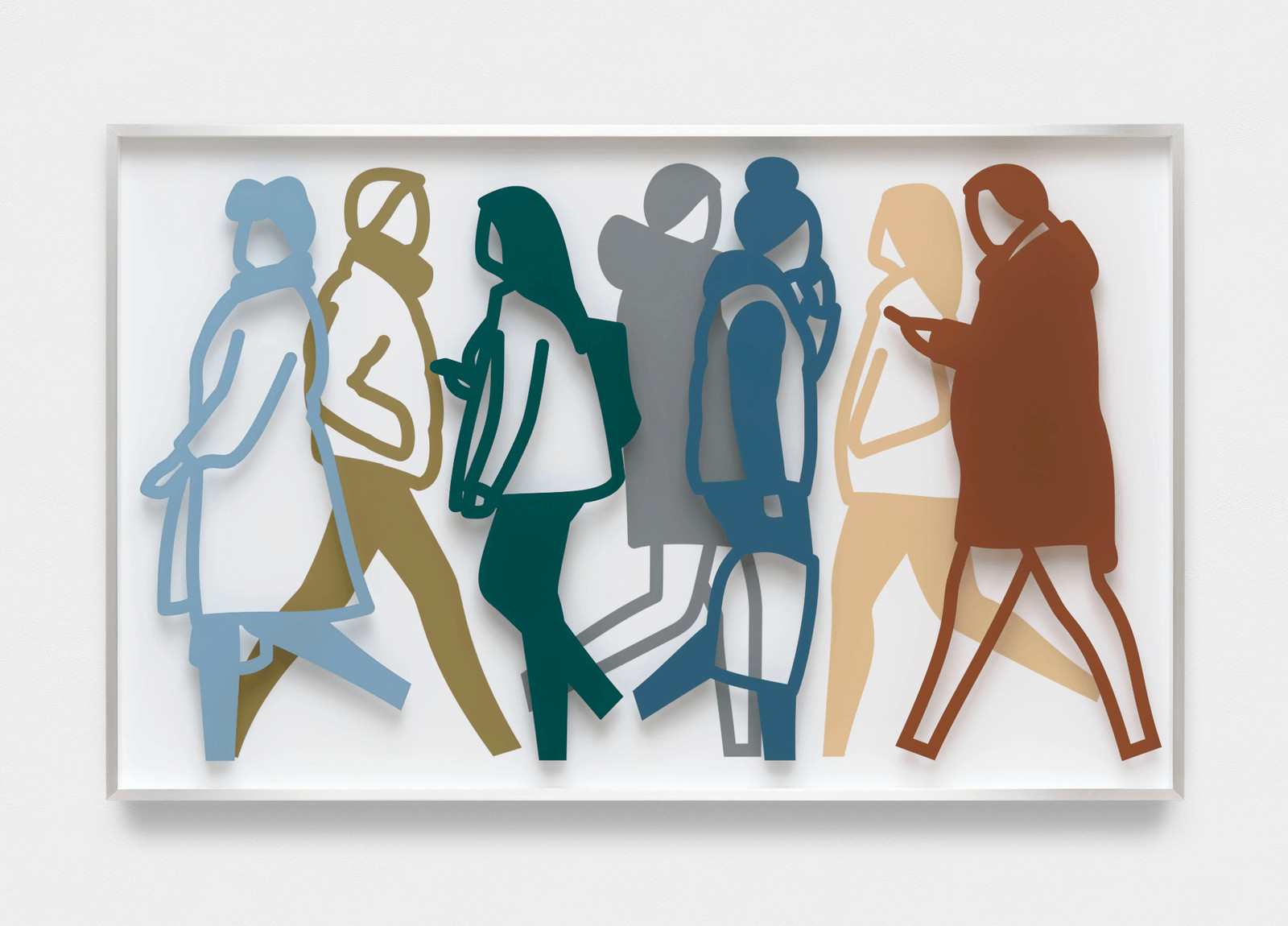
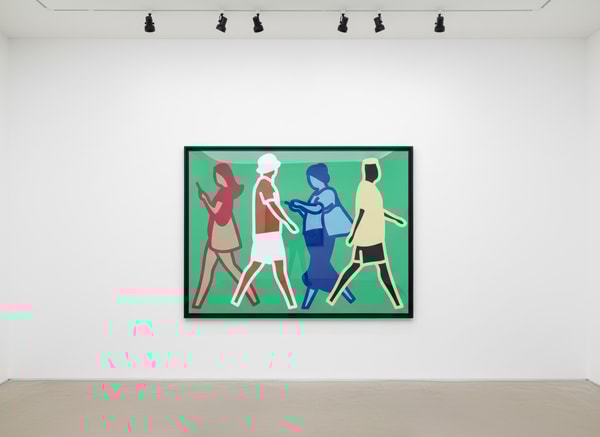
Opie's visual language is built from a small number of radical formal decisions: bold black outlines, flat unmodulated colour fields, the elimination of shadow, texture, and incidental detail, and a scale and graphic authority that draws openly on Egyptian hieroglyphics, Japanese woodblock printing, public signage, and the simplified conventions of digital interfaces. The result is a style of immediate recognisability — when you encounter a Julian Opie figure, you know it instantly — that nonetheless contains real formal thought about how images communicate, how representation functions, and what remains when almost everything is removed. His Walking Figures series, in which anonymous pedestrians in continuous motion are rendered in his signature distilled vocabulary and presented as both print editions and LED wall sculptures, has become one of the most compelling ongoing investigations in contemporary art into the relationship between the ancient idea of the frieze, the vernacular language of the public sign, and the aesthetic possibilities of the LED screen.
In 2000, Opie created the cover artwork for Blur's Best Of compilation — four simplified band portraits in his trademark style — bringing his visual language to an audience of millions and cementing his profile as an artist operating meaningfully across the boundary between fine art and popular culture. His portrait series, his landscape works, and his permanent public installations — including major commissions at Queen Elizabeth Olympic Park in London — extend the reach of his practice into civic and architectural contexts. At the major auction houses, significant Opie works have traded in the £200,000–£500,000 range at Christie's and Sotheby's, while his print editions range from thousands to tens of thousands of pounds, providing entry points across a wide spectrum of collector budgets. His work is held in the Tate Collection, among other public institutions.
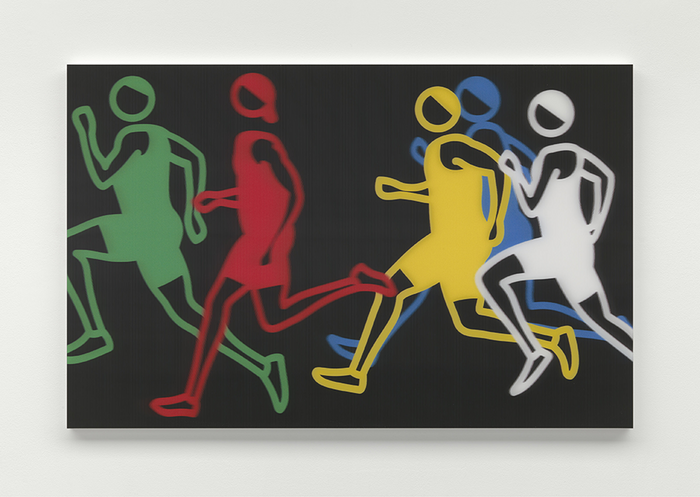
His media range is notably broad: silkscreen prints, vinyl paintings, LED panels, lenticular works, and public sculptures are all produced with equal technical rigour and formal clarity.
Guy Hepner maintains strong inventory and expertise in Julian Opie's print editions and LED works. Our gallery at 177 Tenth Avenue, New York offers collectors expert guidance on acquisition and valuation. We provide free, confidential valuations for those looking to sell Opie works and active connections to buyers engaged with this market.