Editions
22 works

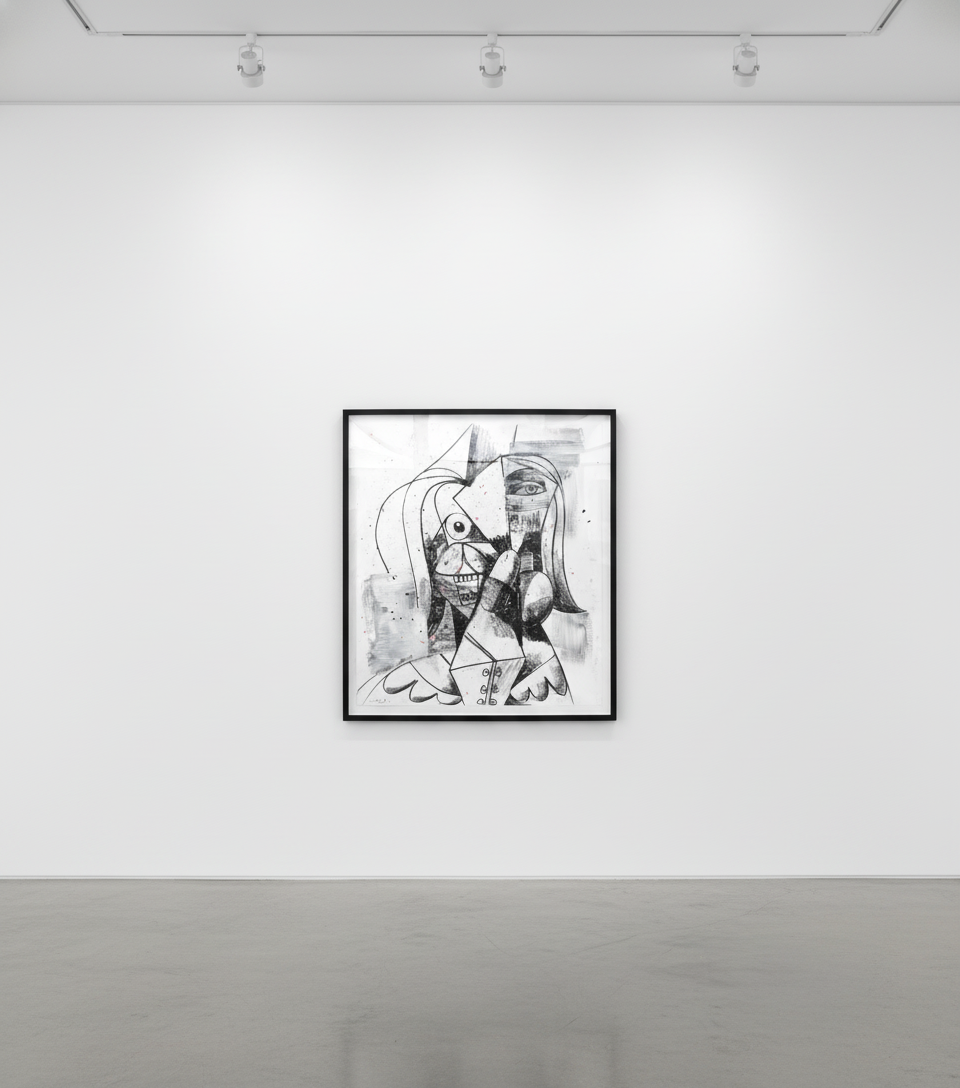
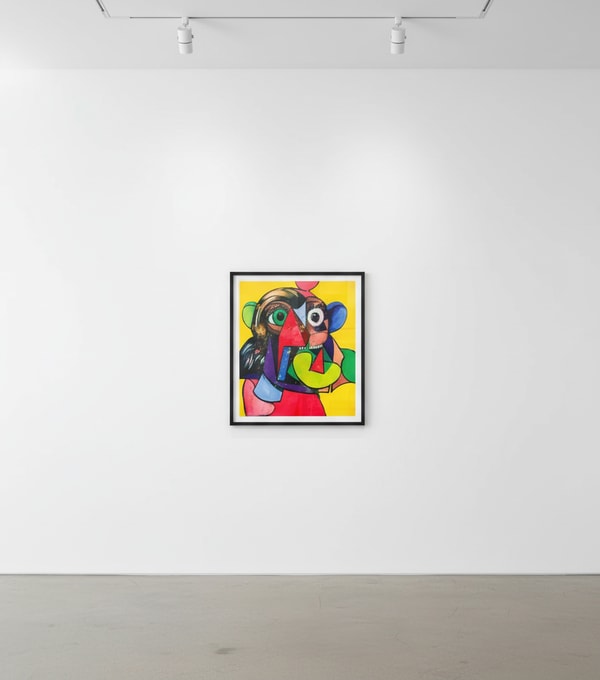
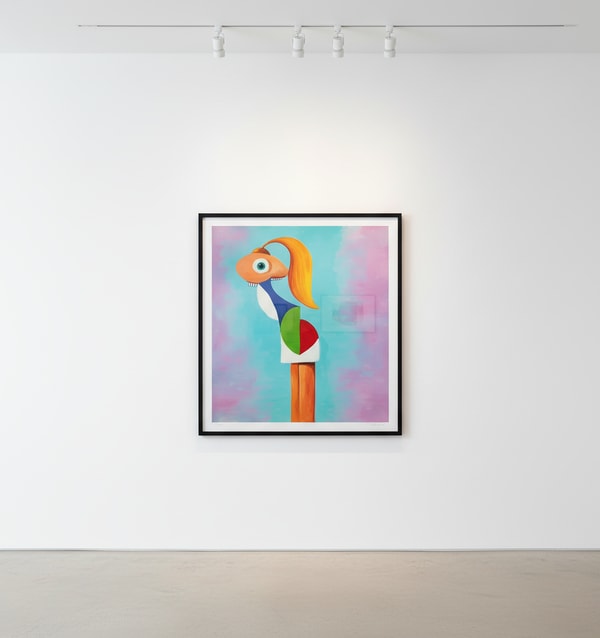
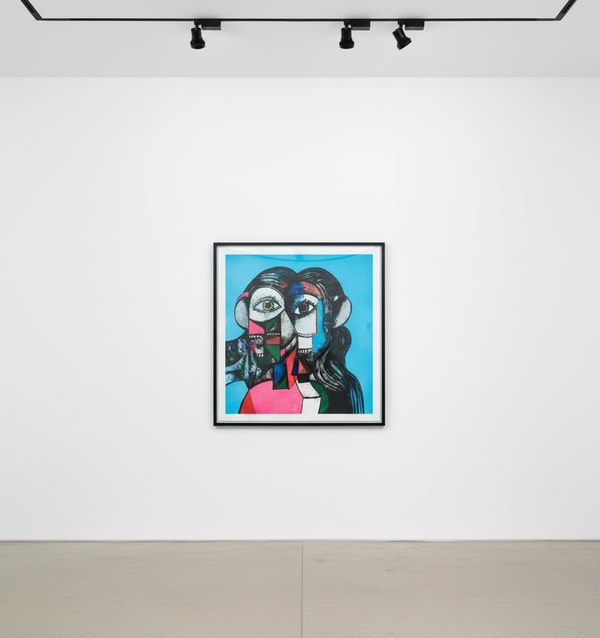
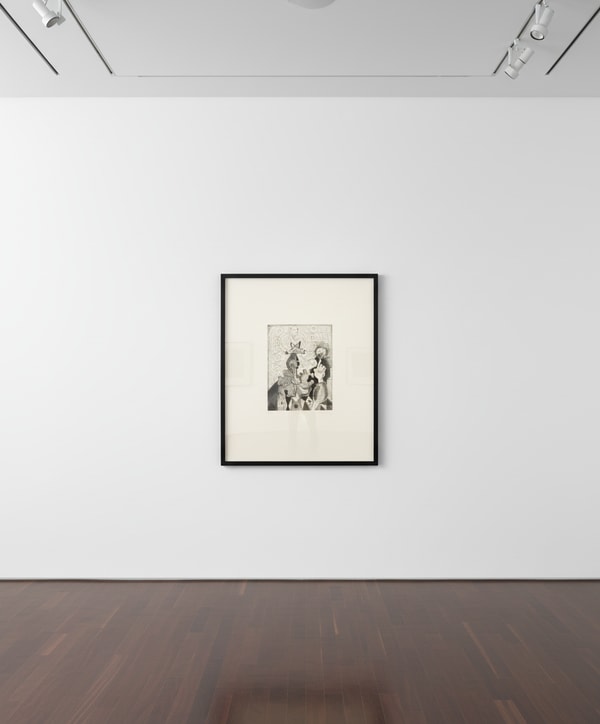
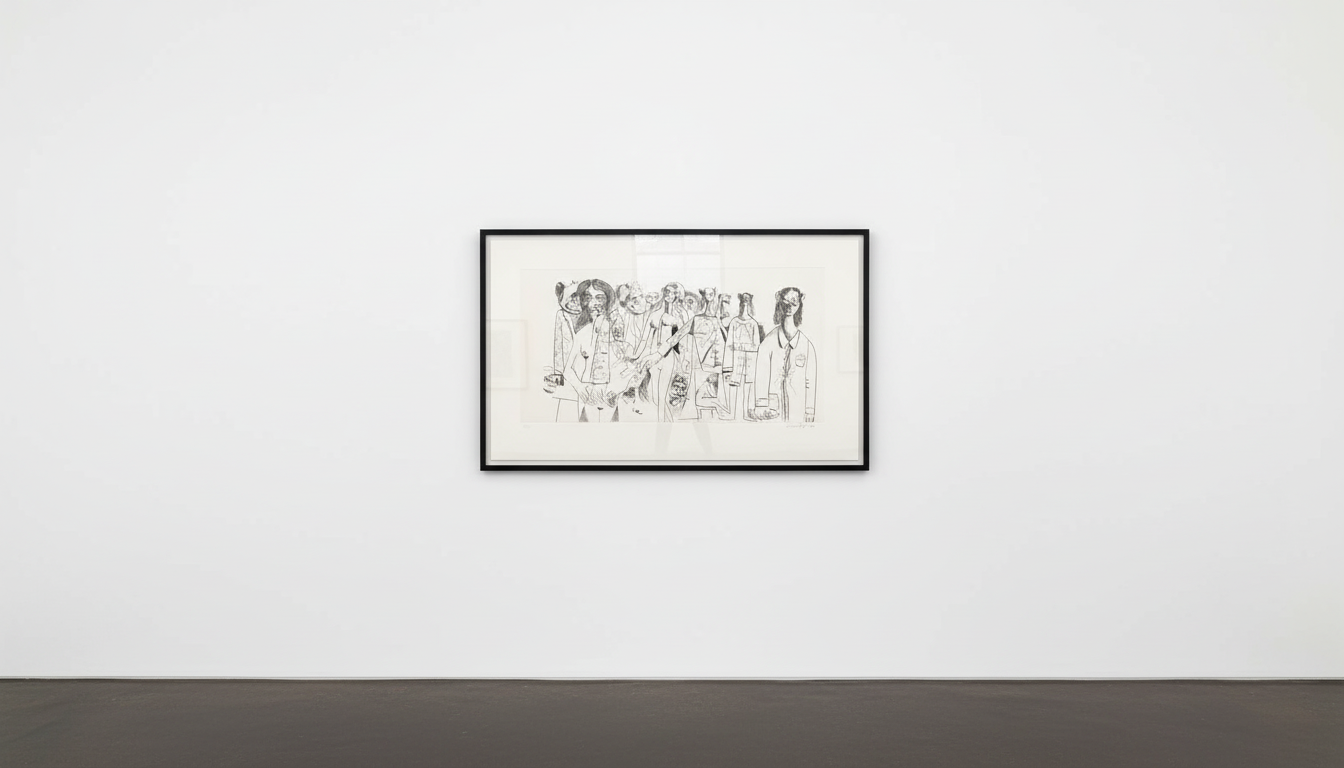
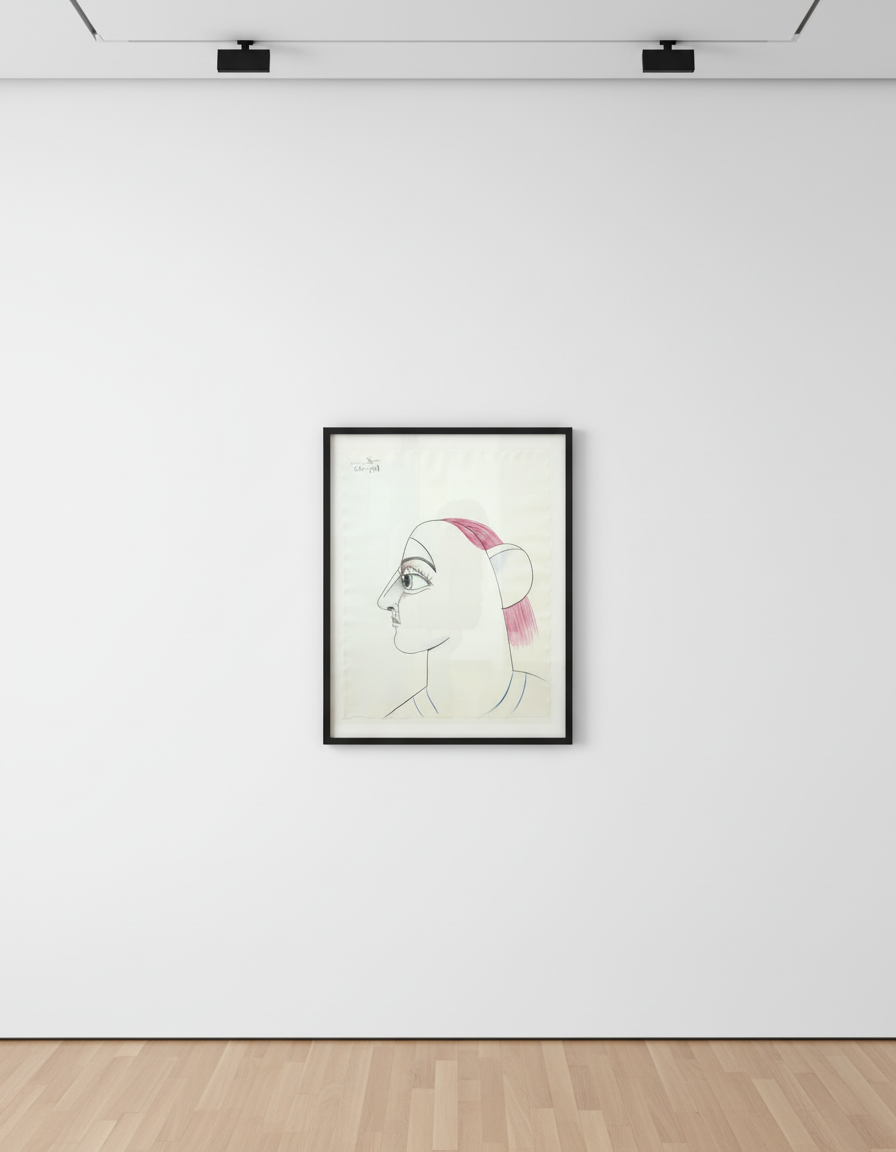
George Condo prints for sale at Guy Hepner Gallery include a curated selection of his most significant editions across etching, lithography, screenprinting, and aquatint. Condo's print output — spanning four decades and some of the most psychologically charged images in contemporary graphic art — translates the visceral intensity of his painted practice into editioned formats accessible to collectors at every level. Whether you are looking to buy George Con
2 series total
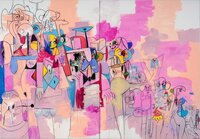
Force Field
Christie's · 2010
$6,787,255
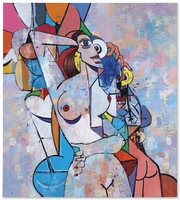
Prescription for the Clinically Normal
Christie's · 2012
$6,166,761
Nude and Forms
Christie's · 2014
$6,162,500
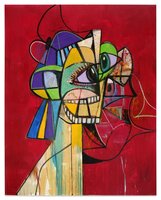
Figure on a Red Field
Sotheby's · 2016
$5,854,000
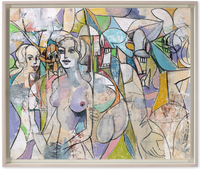
Linear Connection
Christie's · 2010
$4,950,000
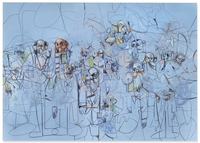
Washington Square Park
Christie's · 2010
$4,812,500
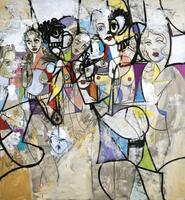
Escaping from the dark
Christie's · 2017
$4,654,665
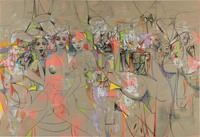
Transparent Female Forms
Phillips · 2009
$4,667,435
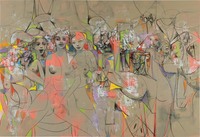
Transparent Female Forms
Phillips · 2009
$4,265,000
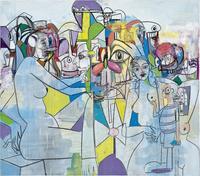
PURPLE AND YELLOW ABSTRACTION
Sotheby's · 2012
$4,039,790
Source: Public auction records. Prices include buyer's premium.
25+
Years in the Market
NY & LDN
Gallery Locations
Global
Collector Network
Guy Hepner Gallery specialises in buying and selling George Condo paintings, prints and drawings. We offer complimentary, confidential valuations for collectors looking to sell or consign George Condo artwork, drawing on 25 years of experience in the post-war and contemporary market.
George Condo's psychologically charged figurative paintings occupy a unique position in contemporary art. His top auction record reached HK$53,150,000 at Christie's, and his market has grown substantially over the past decade.
Whether you own a painting, a drawing or a print, Guy Hepner can provide an accurate current market valuation based on recent auction results, private sales data, condition and provenance.
Condo's large-scale figurative paintings command the highest prices, particularly his multi-figure compositions and works from the 2000s onwards. His drawings, prints and smaller works offer more accessible entry points with sustained secondary market demand.
Our gallery has maintained relationships with leading George Condo collectors for over two decades. We have sold works across every major series and use our deep market knowledge to achieve the best possible results for consignors through private sale and our global collector network.
Sell / Appraisal
George Condo's market performance reflects a sustained and robust demand for his distinctive oeuvre, positioning him as a blue-chip artist in the contemporary art landscape. His works consistently achieve significant results at auction, driven by a global collector base appreciative of his unique blend of figuration and abstraction. Prices for major canvases and unique works on paper can range into the multi-millions, while his highly sought-after prints and editions offer accessible entry points into his market, often appreciating steadily over time. This consistent upward trajectory underscores his enduring appeal and solidifies his investment value.
Notable auction results exemplify the strength of Condo's market. In 2021, "Nude Forms" (2010) achieved $6.8 million at Sotheby's New York, a testament to the strong collector interest in his mature figural works. More recently, in 2023, his monumental painting "Big John" (2006) commanded an impressive $9.1 million at Sotheby's Hong Kong, establishing a new auction record for the artist and highlighting the increasing global appetite for his large-scale, psychologically charged canvases. Demand is particularly fervent for works that showcase his 'Psychological Cubism' and 'Artificial Realism', where the interplay of grotesque beauty and profound human emotion is most evident, captivating discerning collectors worldwide.
Born in Concord, New Hampshire, in 1957, George Condo's artistic journey began with studies in art history and music theory at the University of Massachusetts Lowell, experiences that would profoundly inform his multidisciplinary approach. His formative years in the burgeoning New York art scene of the early 1980s saw him immerse himself in the vibrant downtown culture, working at Andy Warhol's legendary Factory and establishing friendships with influential figures such as Jean-Michel Basquiat and Keith Haring. A pivotal move to Europe in the mid-1980s, residing first in Cologne and later Paris, further broadened his artistic horizons, exposing him to the rich legacy of European avant-garde movements and Old Master techniques that he would later deconstruct and reinterpret.
Condo quickly forged a signature style, which he famously termed "Psychological Cubism" and "Artificial Realism." This involves the invention of a new figurative language that distorts and fragments the human form, often presenting grotesque yet profoundly empathetic characters. His technique is marked by a masterful command of painting, drawing, and printmaking, characterised by vibrant, often clashing palettes, dynamic brushwork, and layered compositions that fuse disparate art historical references. He meticulously constructs his figures, drawing inspiration from sources as diverse as Picasso's Cubism, Goya's macabre portraits, Surrealism's dreamlike imagery, and the playful chaos of cartoons.
Major themes underpinning Condo's practice revolve around the human condition, the absurdity of existence, and the complex interplay of internal psychological states. His works delve into the depths of the psyche, exploring madness, humour, and pathos through distorted countenances and fragmented bodies. This philosophical underpinning, combined with his unique aesthetic, allows him to critically examine societal norms and the very nature of representation. Condo's artistic philosophy champions a freedom from stylistic constraints, advocating for a continuous re-evaluation of established forms to create something truly contemporary and original, yet deeply rooted in art history.
Condo's oeuvre is rich with recurring motifs and distinct series that collectively form a cohesive exploration of his artistic vision. His early "Cartoon Abstraction" works of the 1980s represent a foundational period, blending classical painting techniques with the lexicon of popular cartoon imagery, thereby laying the groundwork for his later, more complex investigations into figuration. These works challenged the boundaries between high and low culture, a characteristic that remains central to his appeal.
Perhaps his most iconic and continuously evolving body of work is his extensive series of portraiture. These are not conventional likenesses but rather "psychological portraits," where faces are fragmented, reassembled, and distorted to reveal inner turmoil, multiplicity of self, and universal human emotions. Works such as his "Broken Heads" or "Maniac Heads" exemplify this approach, presenting disfigured yet compelling countenances that oscillate between the comedic and the tragic, making them particularly coveted by collectors for their raw expressive power and direct engagement with the human psyche.
Beyond painting and drawing, Condo has also explored sculpture, translating his two-dimensional figures into three-dimensional forms that possess the same unsettling charm and formal dexterity. His prints and editions, executed in various techniques including etching, lithography, and screenprinting, are highly collectible for their accessibility and for offering alternative interpretations of his signature themes. These editions allow a broader range of collectors to engage with his iconic figures and compositions, providing a vital entry point into acquiring works by an artist of such significant art historical standing.
George Condo's profound impact on contemporary art is evidenced by the inclusion of his works in numerous prestigious museum collections worldwide. His pieces are held in the permanent collections of the Museum of Modern Art (MoMA) in New York, the Solomon R. Guggenheim Museum also in New York, and the Whitney Museum of American Art, further cementing his place within the American art canon.
Internationally, his art can be found at the Tate Modern in London, the Centre Pompidou in Paris, and the Staedel Museum in Frankfurt. Other notable institutions include The Broad in Los Angeles, the Museum of Contemporary Art (MOCA) in Los Angeles, and the San Francisco Museum of Modern Art (SFMOMA). These holdings underscore the global recognition and critical acclaim for Condo's contribution to contemporary painting and demonstrate his enduring relevance in artistic discourse.
Guy Hepner Gallery proudly offers a curated selection of works by George Condo, providing discerning collectors with unparalleled access to his significant artistic output. Our expertise in contemporary art, particularly in prints, editions, and works on paper, positions us as a premier destination for acquiring pieces by this seminal artist. Whether you are seeking a rare early edition, a vibrant unique work on paper, or a monumental canvas, our extensive inventory and global network enable us to cater to specific acquisition requirements.
For collectors looking to divest works by George Condo, Guy Hepner provides a confidential and streamlined selling process. Our deep understanding of the artist's market, coupled with our established client relationships, ensures that works are placed with suitable collectors at optimal value. We offer tailored guidance throughout the entire transaction, leveraging our market insights to facilitate both buying and selling with the utmost discretion and professionalism.
Frequently Asked Questions
George Condo prints and original works for sale are available at Guy Hepner Gallery, 177 Tenth Avenue, New York. Our gallery specialises in authenticated George Condo editions with full provenance documentation sourced from the secondary market.
George Condo artwork prices vary significantly by medium, edition size, date, and condition. Signed and numbered prints from key series are the most accessible entry point. Contact Guy Hepner Gallery for a free valuation and current market pricing on specific works.
Authenticating George Condo art requires catalogue raisonné references, provenance documentation, and where applicable, foundation authentication records. Guy Hepner Gallery provides full provenance for every work we offer for sale.