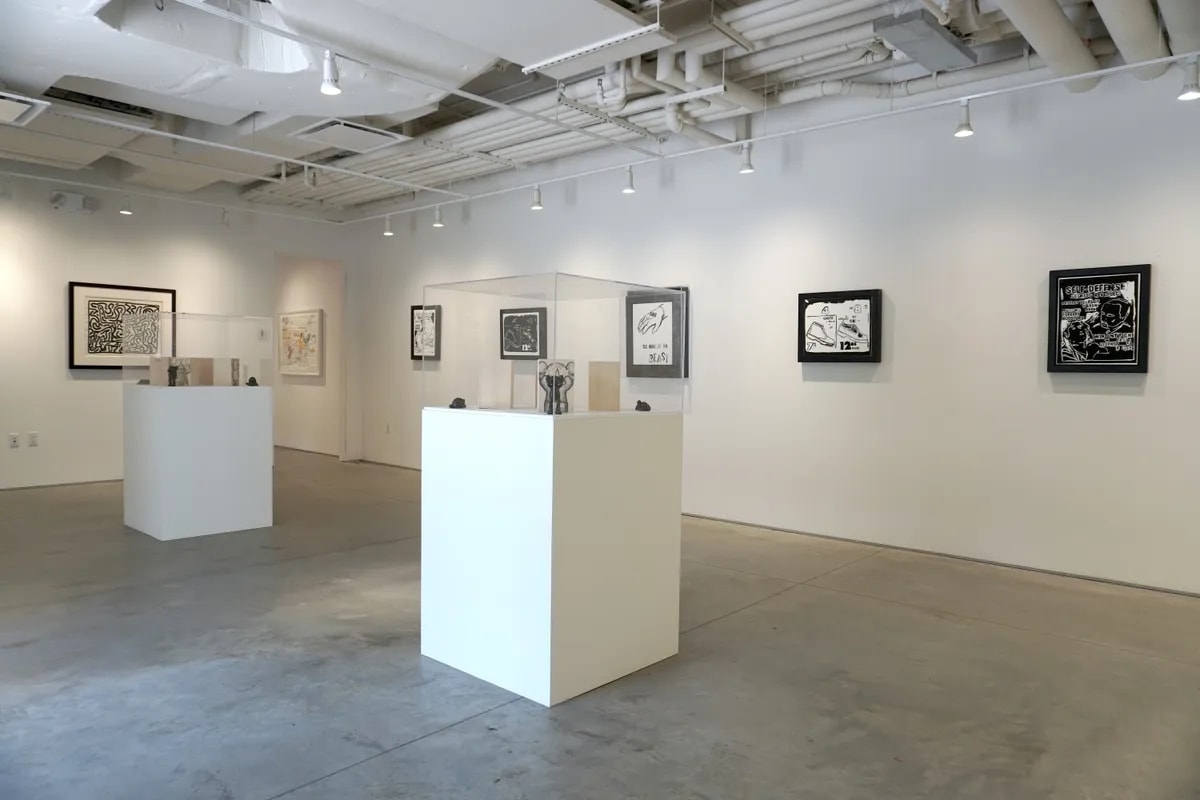
Andy Warhol: Pop! In Black and White
June 30 – July 31, 2025 · Guy Hepner, New York
Andy Warhol stands as one of the most influential artists of the twentieth century, a figure whose work fundamentally transformed our understanding of art, commerce, and celebrity culture. Born Andrew Warhola in Pittsburgh in 1928 to Slovakian immigrant parents, Warhol began his career as a commercial illustrator in New York during the 1950s before emerging as the leading figure of the Pop Art movement in the following decade. His radical approach to artmaking—embracing mass production, celebrity iconography, and the aesthetics of consumer culture—challenged the boundaries between high art and popular culture in ways that continue to resonate today. Warhol's influence extends far beyond the art world; his prescient observations about fame, media, and image-making anticipated the visual culture of our digital age with remarkable accuracy.
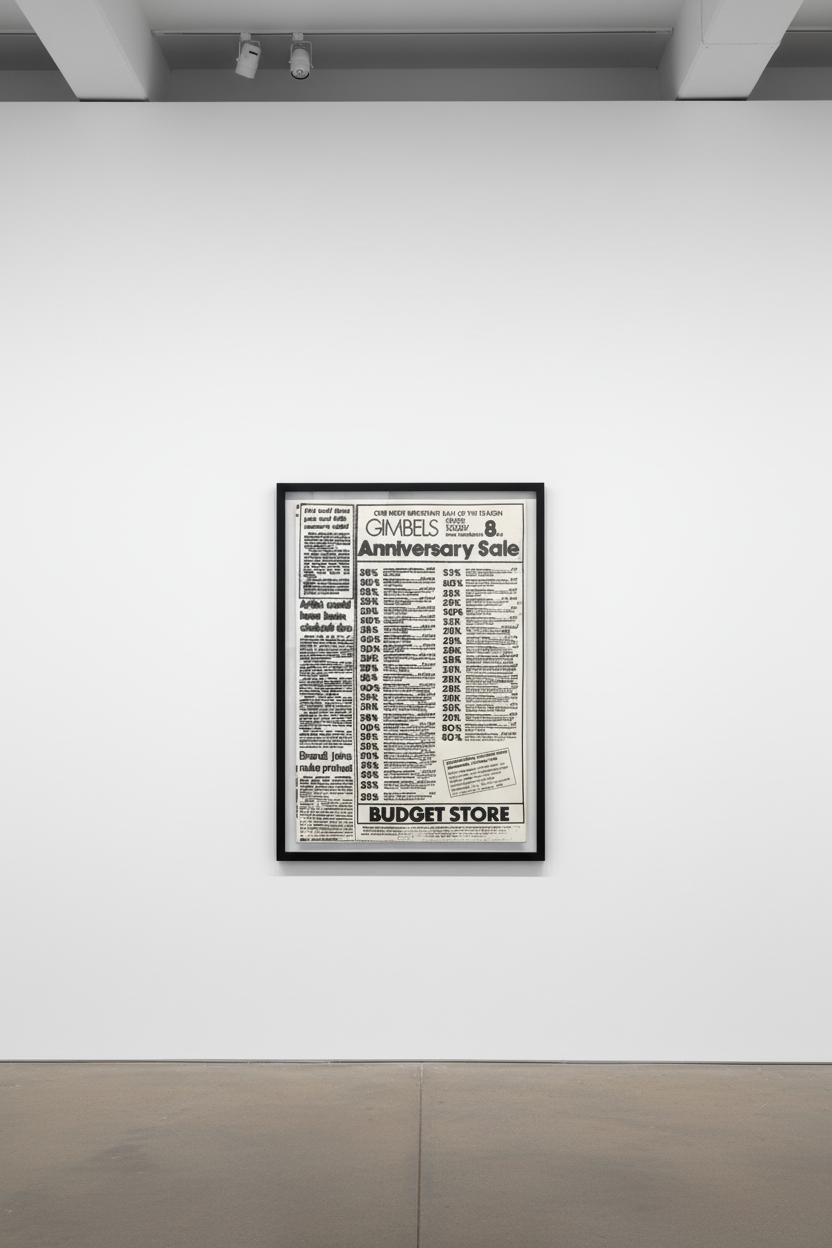
When we think of Pop Art, vibrant colour is usually front and centre. Yet in this striking collection of black-and-white paintings and prints, Andy Warhol's vision comes through with exceptional clarity. Stripped of colour, these works reveal the core of his artistic concerns examined with precision and restraint. Through repetition, serialisation, and keen observation, Warhol creates pieces that are both bold and contemplative, showcasing a mature artist fully in command of his practice and voice. These monochrome works are not a departure from Pop, but a distillation of its essence—elegant, incisive, and deeply reflective. Guy Hepner is proud to present this carefully curated exhibition at our New York, offering collectors and visitors an intimate encounter with some of Warhol's most sophisticated and conceptually rich creations.
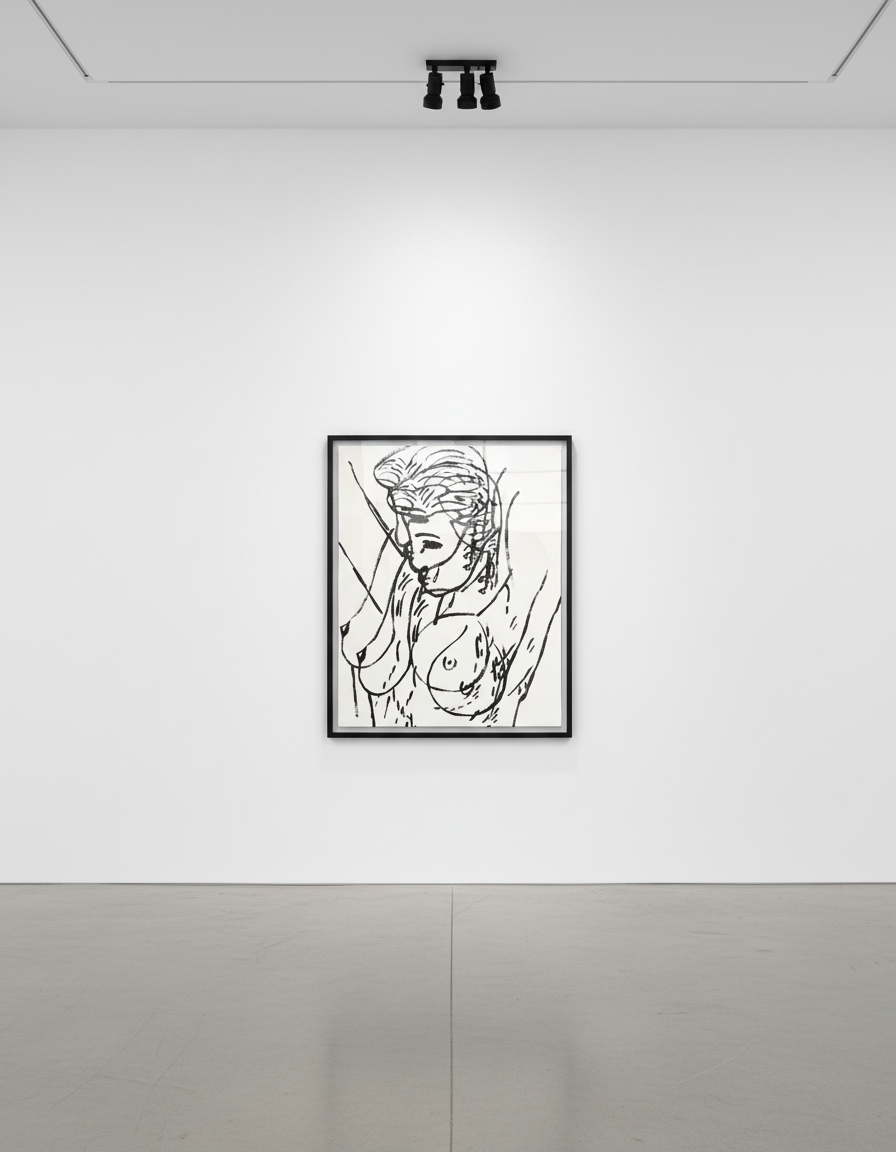
Andy Warhol's Positive/Negative artworks represent a powerful meditation on image, identity, and reproduction—core themes that run throughout his career. By rendering an image in both its positive and negative form, often side by side or in serial repetition, he invites viewers to consider how visual meaning shifts depending on context, tone, and perception. This exhibition brings together exemplary works from this compelling series, allowing visitors to experience the full impact of Warhol's exploration of duality and visual perception. The interplay between light and shadow, presence and absence, creates a viewing experience that rewards sustained attention and contemplation.
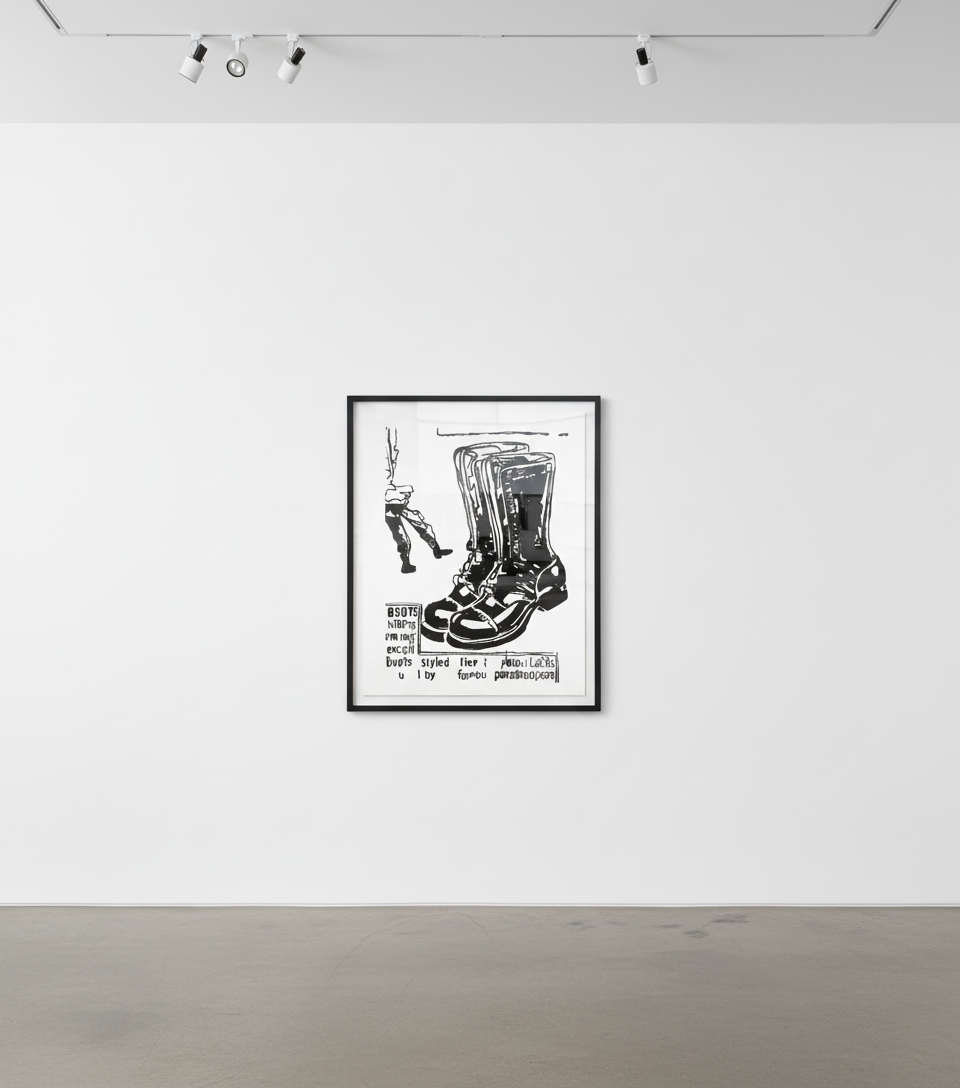
Using his signature silkscreen technique, Warhol flattens and abstracts the subject matter, emphasising shape, contour, and light. The result is a striking formal simplicity that belies the conceptual complexity beneath. The positive image offers presence, familiarity, and legibility, while the negative version inverts expectations, introducing ambiguity and a sense of visual absence. Together, they create a dialogue between what is seen and what is hidden, what is remembered and what is erased. This technique, refined over decades of practice, demonstrates Warhol's mastery of the silkscreen medium and his ability to extract maximum visual and intellectual impact from deceptively simple formal choices.
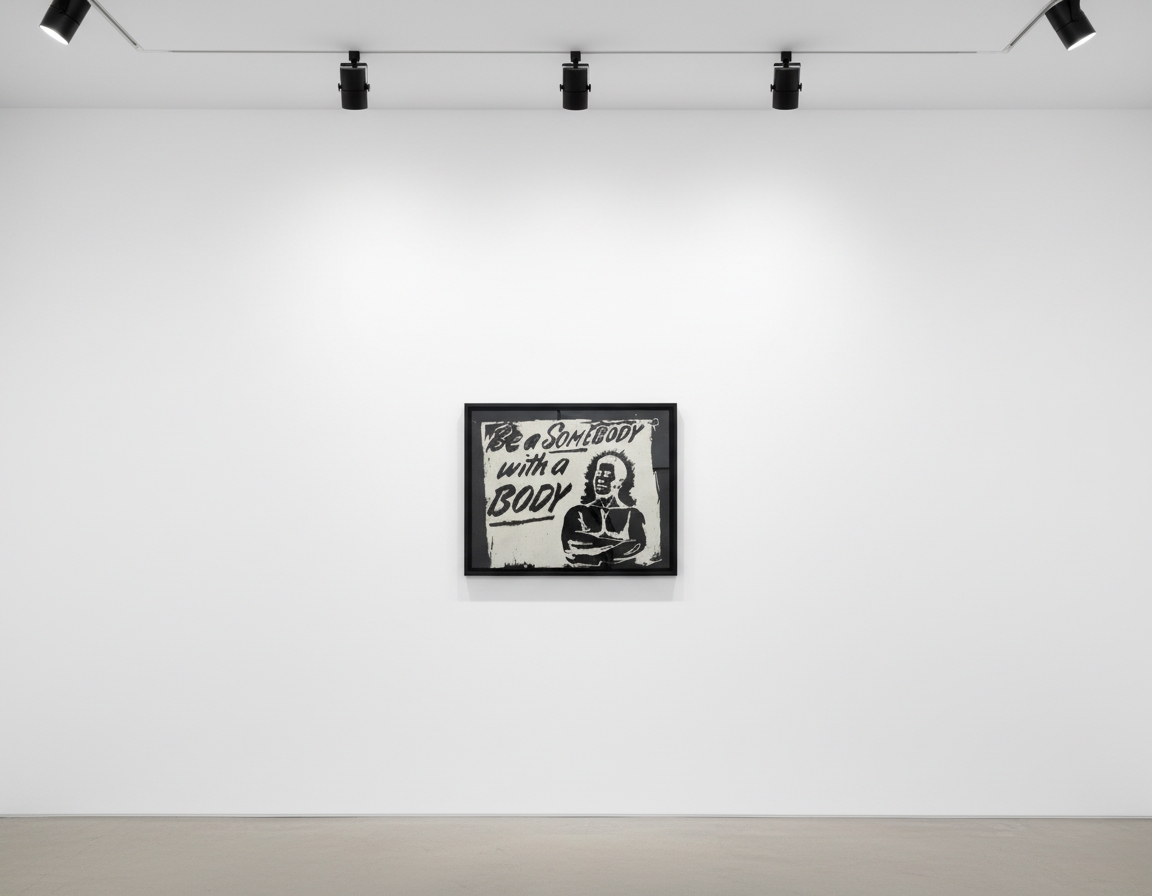
This body of work also reflects Warhol's ongoing interest in duplication and mechanical reproduction, themes that connect directly to the theoretical frameworks established by Walter Benjamin and Marshall McLuhan. The positive/negative pairings echo the photographic process and mass-printing techniques, drawing attention to the ways media and consumer culture reproduce and distort reality. In removing the nuance of tone and detail, Warhol forces the viewer to confront how much we rely on context to interpret an image and how easily perception can be manipulated. These concerns feel particularly urgent in our contemporary moment, when digital manipulation and artificial intelligence have made the relationship between image and truth more fraught than ever.
Warhol's Positive and Negative works are not merely exercises in graphic design; they are deeply rooted in his commentary on culture, commodification, and the power of the image in modern life. The stark contrasts serve as metaphors for duality—life and death, fame and anonymity, authenticity and reproduction—making these pieces some of his most visually striking and conceptually resonant. The monochrome palette, far from limiting the work's impact, amplifies its psychological intensity and allows viewers to engage with Warhol's ideas without the distraction of his more familiar chromatic experiments.
Visitors to Guy Hepner's New York