Auction Results
11 works
Richard Pettibone occupies a distinctive and intellectually rich position within the contemporary art market, largely driven by his pioneering role in the appropriation art movement.
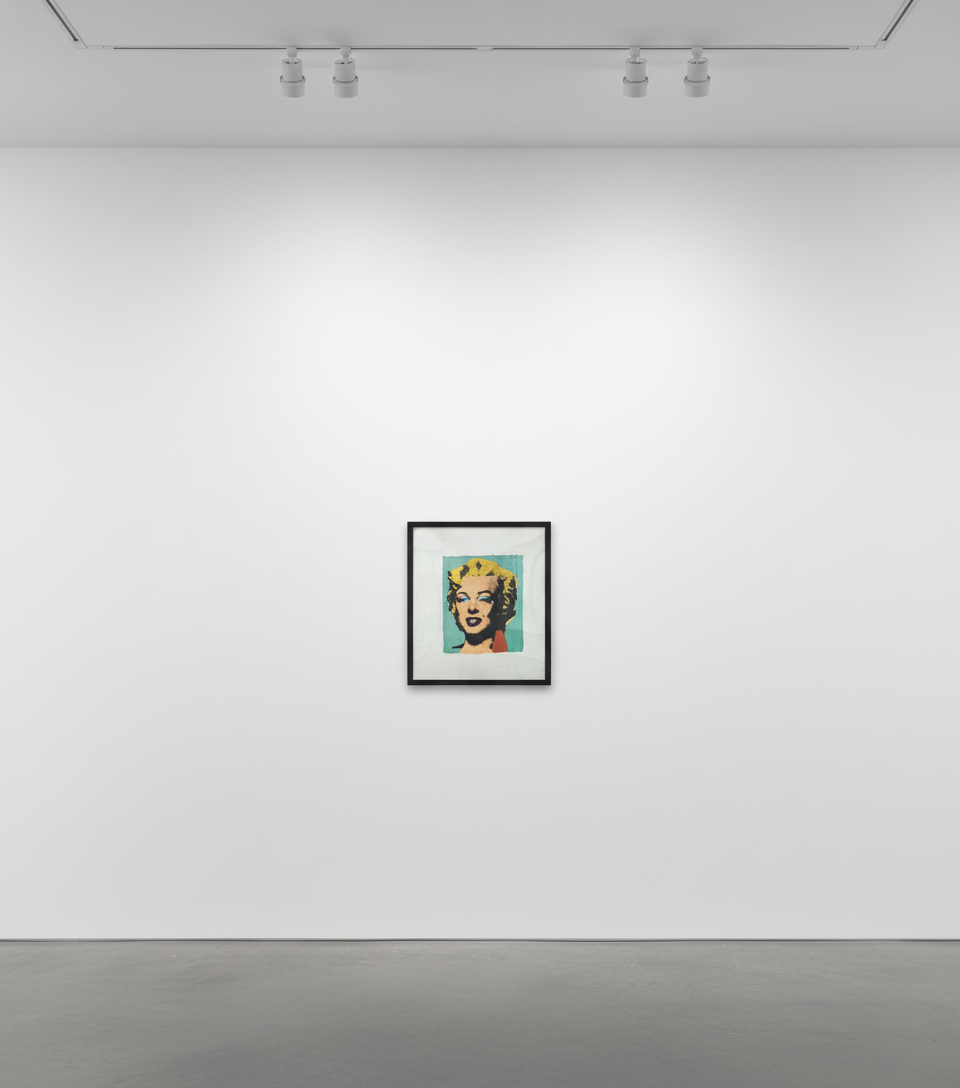
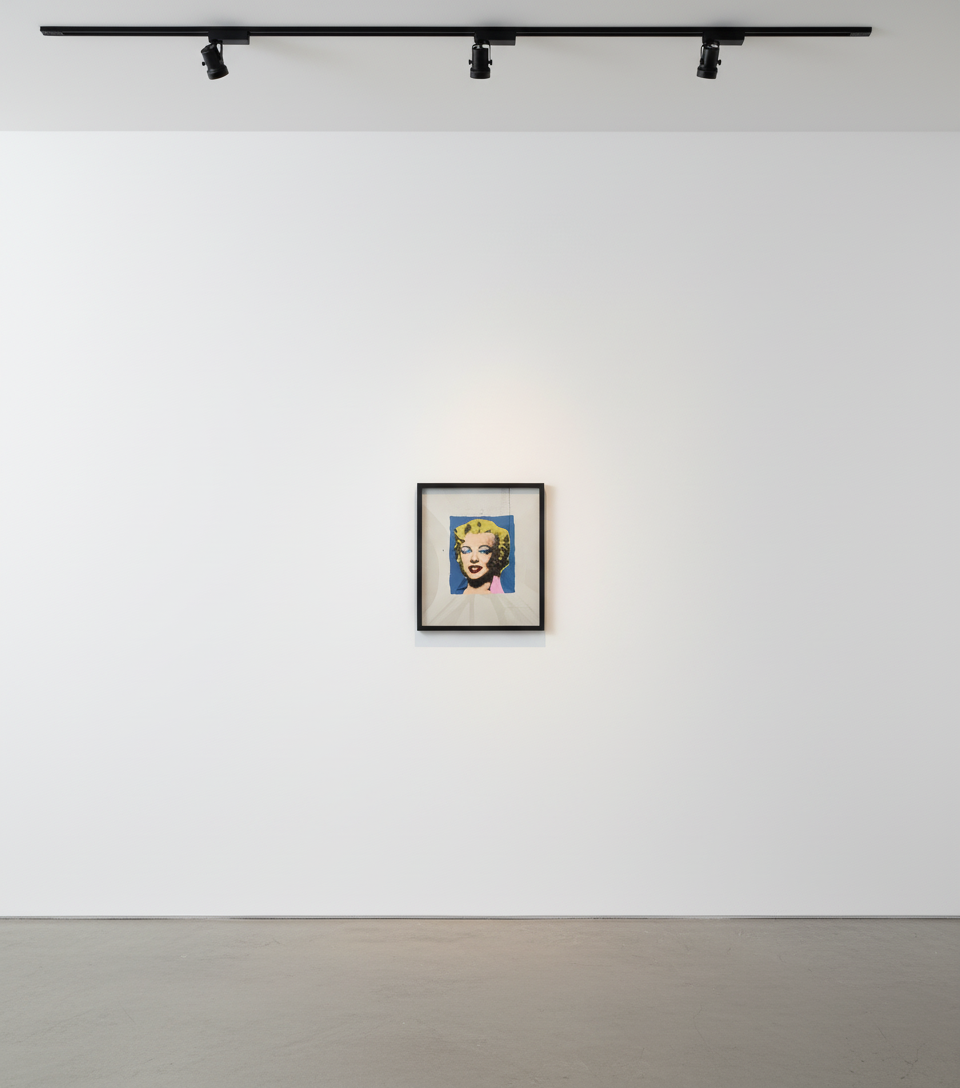
Richard Pettibone occupies a distinctive and intellectually rich position within the contemporary art market, largely driven by his pioneering role in the appropriation art movement. His works consistently command strong prices at leading international auction houses such as Christie's, Sotheby's, and Phillips, reflecting a sustained collector interest in his historically significant and conceptually rigorous practice. Whilst individual results vary based on the original artwork appropriated, the scale, and the period of creation, Pettibone's most iconic appropriations, particularly those referencing seminal Pop Art and Minimalist masterpieces, frequently achieve impressive figures. For instance, his meticulously rendered miniatures after Andy Warhol's iconic "Marilyn" portraits have sold for upwards of $50,000, demonstrating the enduring appeal of these clever subversions of art history.
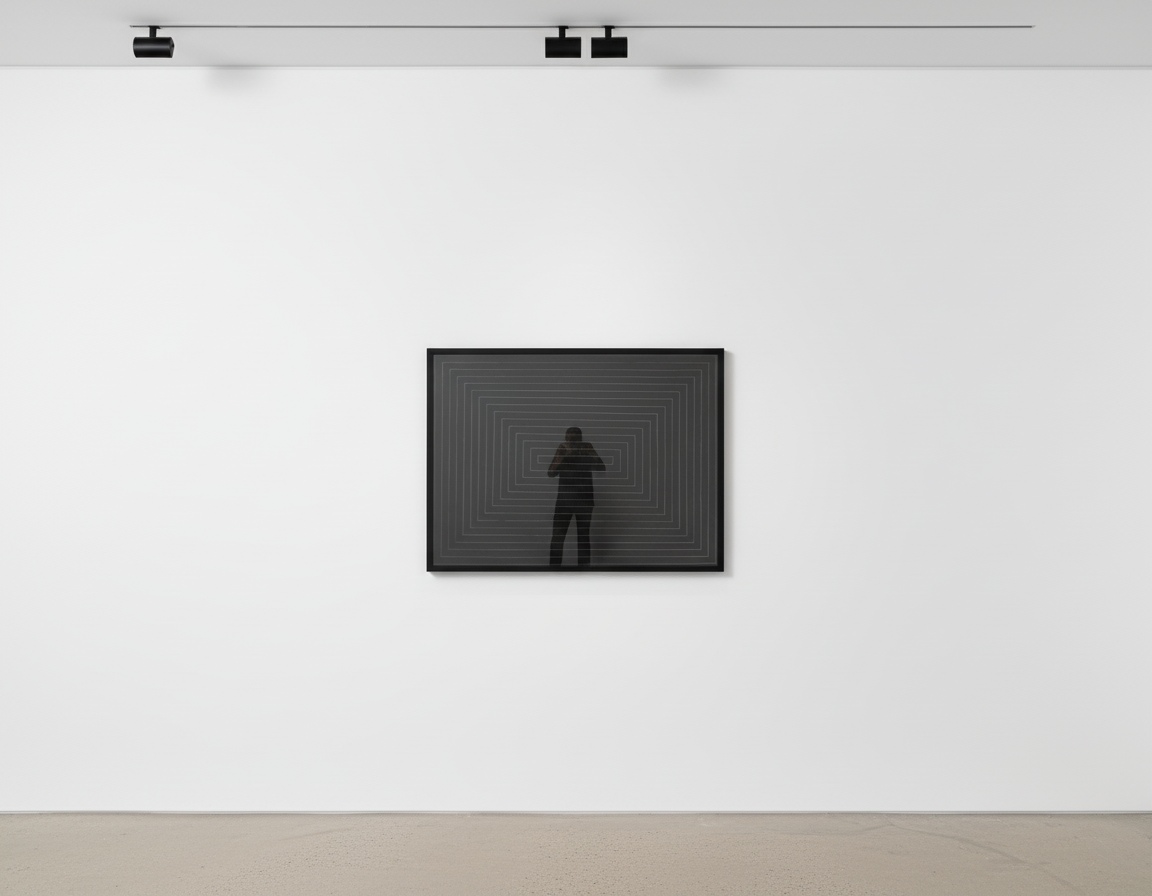
Investment in Pettibone's oeuvre is underpinned by his unique contribution to dialogues around authorship, originality, and the commodification of art. His pieces, whilst often small in scale, carry immense conceptual weight, acting as critical commentaries on the art world's mechanisms of value creation. Collectors are drawn to the intellectual depth and historical resonance of works such as his "After Jasper Johns, Target with Four Faces, 1955-58" (1970), which realised $62,500 at Phillips in 2017, or his meticulous interpretations of Frank Stella's "Hyena Stomp" which reached $100,800 at Sotheby's in 2008. These results underscore the appreciation for Pettibone's unique brand of critical mimicry.
The consistent presence of Pettibone's works on the secondary market, combined with their profound art historical significance, solidifies their investment value. Demand is driven by discerning collectors who recognise the artist as a crucial figure in the development of postmodernism, whose practice continues to provoke thought on the very nature of art. His limited output, particularly of specific iconic appropriations, further contributes to their desirability and robust market performance, positioning Pettibone as a blue-chip artist whose legacy continues to appreciate amongst astute collectors globally.
Born in 1941 in Alhambra, California, Richard Pettibone emerged onto the New York art scene in the mid-1960s, a pivotal period marked by the ascendancy of Pop Art and Minimalism. Though he briefly attended Pratt Institute, Pettibone is largely self-taught, forging a singularly independent artistic path that would challenge established notions of originality and authorship. His early career trajectory was marked by an audacious conceptual leap: to meticulously reproduce the works of his contemporaries, not as forgeries, but as a profound form of artistic inquiry. This radical approach positioned him as a progenitor of appropriation art, predating many artists who would later gain prominence for similar strategies.
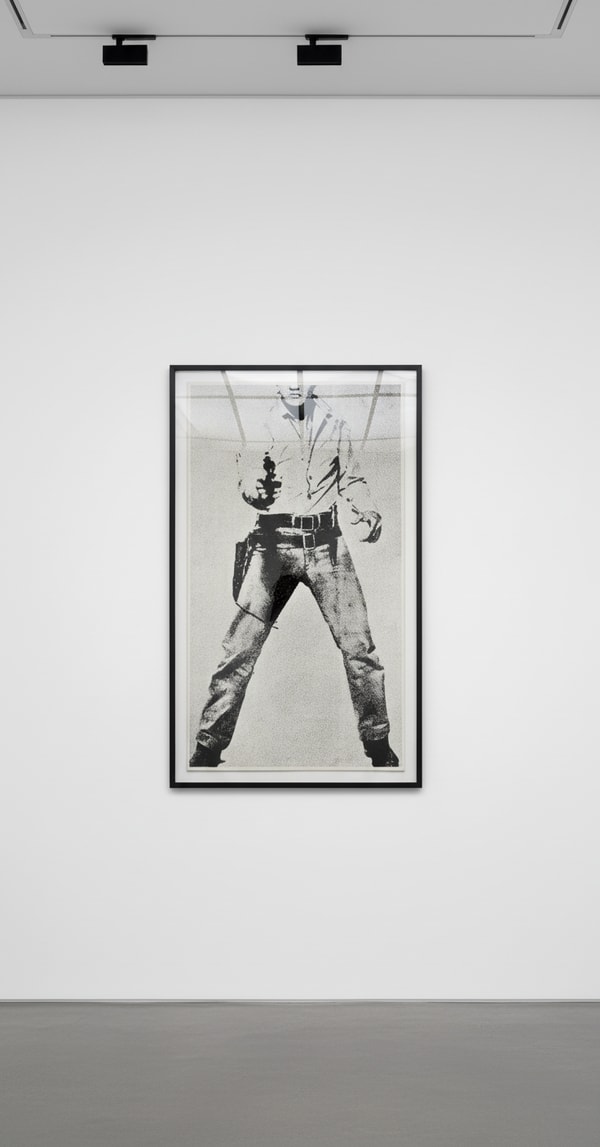
Pettibone's signature style is defined by his painstaking, often miniature, reproductions of iconic artworks by leading artists of his time, including Andy Warhol, Roy Lichtenstein, Frank Stella, Jasper Johns, and Marcel Duchamp, amongst others. His technique is characterised by an exacting fidelity to the original, capturing not only the composition but often the precise colours, brushstrokes, or even the dot patterns characteristic of a Lichtenstein. These small-scale homages are executed with remarkable precision, often in oil on canvas or silkscreen, demonstrating a profound understanding of the original work whilst simultaneously transforming it into something entirely new – a conceptual artefact questioning the very essence of creativity.
Major themes in Pettibone's practice revolve around the critical examination of originality, artistic genius, the role of mass media in shaping perception, and the commodification of art objects. By recreating canonical works, he implicitly asks whether the value of art resides in its unique physical presence, the artist's hand, or its conceptual framework and cultural significance. His work is deeply influenced by Marcel Duchamp’s readymades and the spirit of Dada, extending the lineage of art that interrogates its own systems and conventions. Pettibone’s artistic philosophy posits that art can be made from art, and that the act of re-presenting can be as profound and original as the initial creation, shifting focus from the object itself to the ideas it evokes.
Pettibone's oeuvre also extends to "simulated" art books and magazines, which are hand-painted, scaled-down versions of publications featuring art world luminaries. These works further blur the lines between art, documentation, and commodity, demonstrating his consistent engagement with how art is consumed and disseminated. His practice is not merely about copying, but about engaging in a complex dialogue with art history, making him a critical and enduring voice in contemporary art.
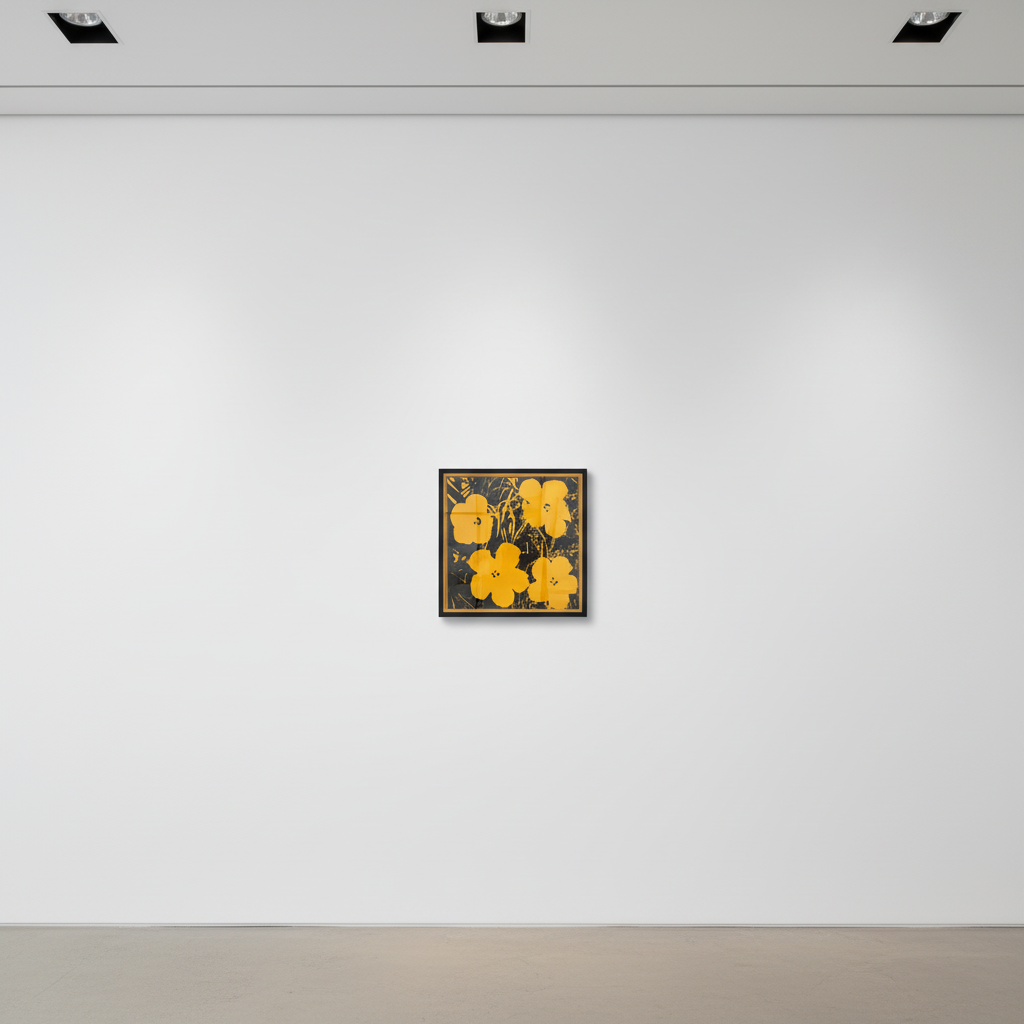
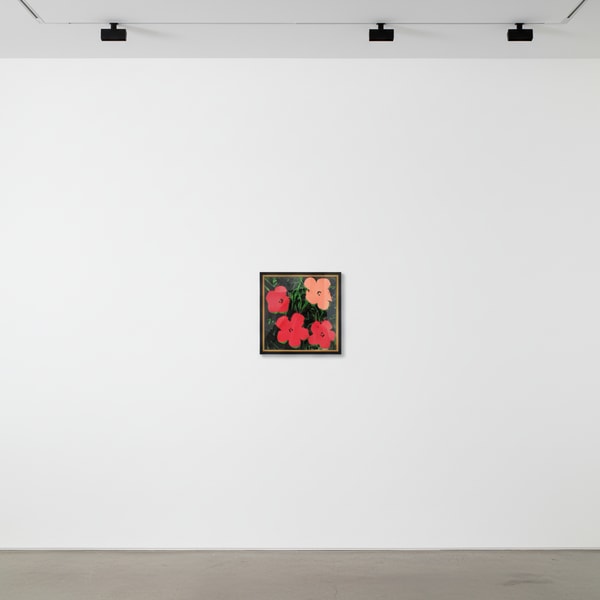
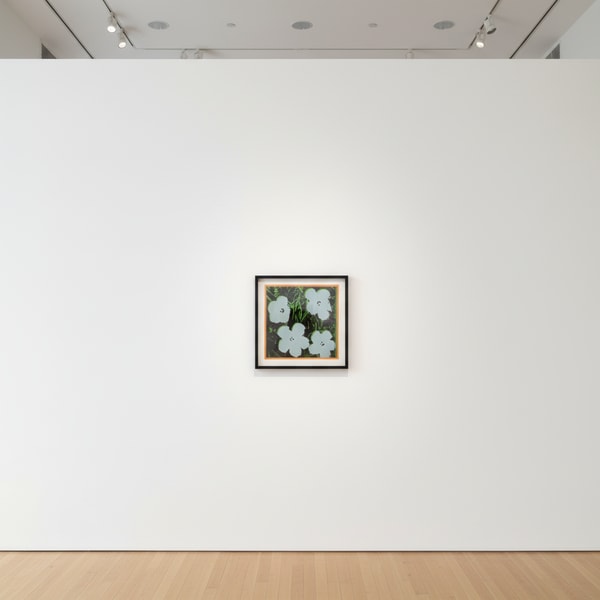
Richard Pettibone’s oeuvre is predominantly characterised by his groundbreaking series of appropriated works, which form the bedrock of his artistic legacy and represent his most collectible output. The primary body of work involves his miniature reproductions of iconic paintings and sculptures by his contemporaries. This began in the mid-1960s with meticulous reinterpretations of pivotal pieces by artists such as Andy Warhol, often focusing on subjects like the "Campbell's Soup Cans," "Marilyns," and "Flowers." These works, typically executed in oil on canvas or silkscreen, are not simply copies but are conceptual propositions that challenge the viewer to reconsider the original and its place in the art historical canon.
Another significant series within his appropriated works includes his renditions of Minimalist and Pop Art masterpieces by artists such like Frank Stella and Roy Lichtenstein. Pettibone painstakingly recreated Stella's "Black Paintings" and "Stripe Paintings," and Lichtenstein's comic-book inspired imagery, often reducing them to a fraction of their original size whilst maintaining their visual integrity and conceptual power. These miniatures are highly sought after for their intellectual depth and the precision of their execution, making them potent commentaries on scale, perception, and value. The collectibility of these series stems from their foundational role in the appropriation movement and their direct engagement with some of the most recognisable images in 20th-century art.
Pettibone also explored the theme of art as information and commodity through his series of "simulated" art books and magazines. These are hand-painted, scaled-down versions of influential publications such as Artforum or exhibition catalogues, which include images of significant artworks and artists. These unique pieces further expand on his critique of the art world's mechanisms, blurring the boundaries between original art, mass media, and documentation. Collectors are particularly drawn to these works for their wit, their historical context, and the profound intellectual statements they make about the circulation and perception of art in the modern era, cementing Pettibone’s status as a formidable conceptual artist.
Richard Pettibone’s profound influence on contemporary art, particularly his pioneering role in appropriation, is recognised by numerous prestigious institutions globally, which proudly hold his works in their permanent collections. His pieces are integral to the narratives of 20th and 21st-century art, making him a compelling presence in leading museums.
Amongst the significant public collections featuring Richard Pettibone’s work are the Museum of Modern Art (MoMA) in New York, the Whitney Museum of American Art, also in New York, and the Tate Modern in London, UK. Further testament to his critical acclaim can be found in institutions such as the Art Institute of Chicago, the Walker Art Center in Minneapolis, and the Museum of Contemporary Art, Los Angeles (MOCA), all of which house examples of his groundbreaking artistic investigations into originality and authorship.
Guy Hepner Gallery proudly offers unparalleled expertise in the works of Richard Pettibone, providing a trusted platform for both acquiring and divesting pieces by this pivotal artist. As a leading New York gallery specialising in prints, editions, and works on paper, we possess an intimate understanding of Pettibone’s market and the unique characteristics that define his oeuvre, from his meticulously executed appropriations to his conceptual commentaries on art history.
Whether you are a seasoned collector looking to expand your portfolio with a significant Pettibone work, or considering the sale of a piece from your private collection, Guy Hepner offers discrete, professional, and knowledgeable guidance. Our extensive network and deep immersion in the secondary market afford us access to a comprehensive inventory of Richard Pettibone’s works, allowing us to connect discerning collectors with exceptional opportunities. We invite you to contact us for a confidential consultation, where our specialists can provide tailored advice and facilitate seamless transactions for collecting the art of Richard Pettibone.