Acupuncture
3 works
Takashi Murakami’s position within the global art market is nothing short of iconic, reflecting his extraordinary blend of contemporary relevance, art historical depth, and unparalleled brand recognition. His works command significant prices across primary and secondary markets, establishing him as one of the most consistently sought-after artists of his generation.
Acupuncture
3 works
And Then and Then and Then and Then and Then
33 works
Characters
7 works
Doraemon
2 works
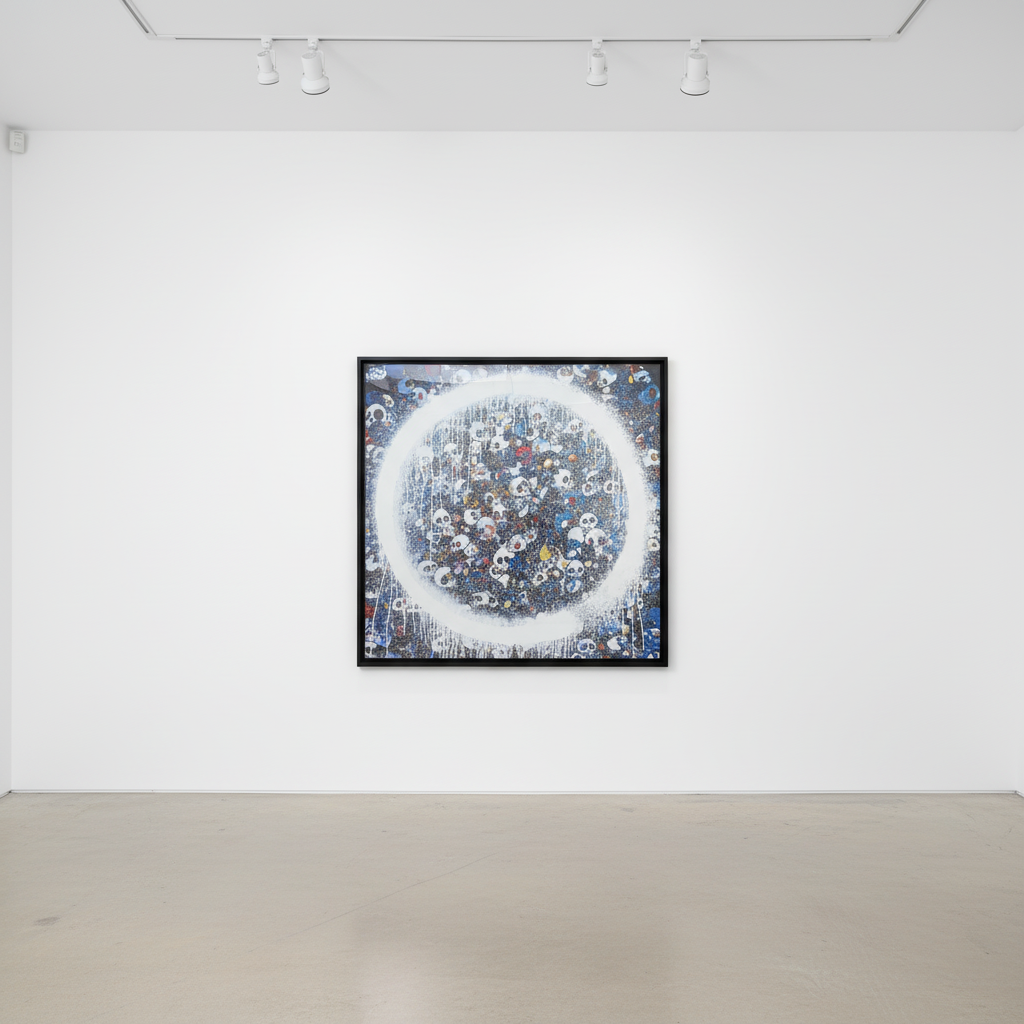
Enso
8 works
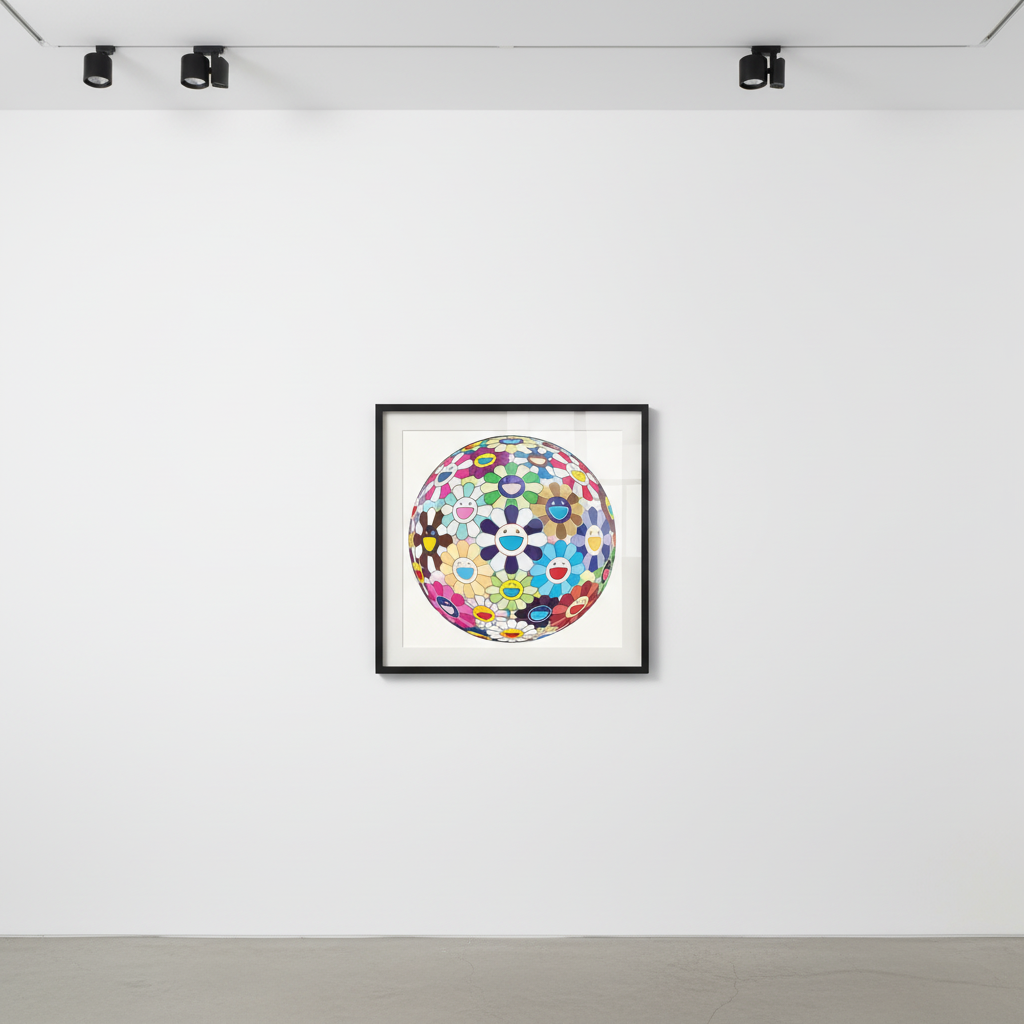
Flower Ball
31 works
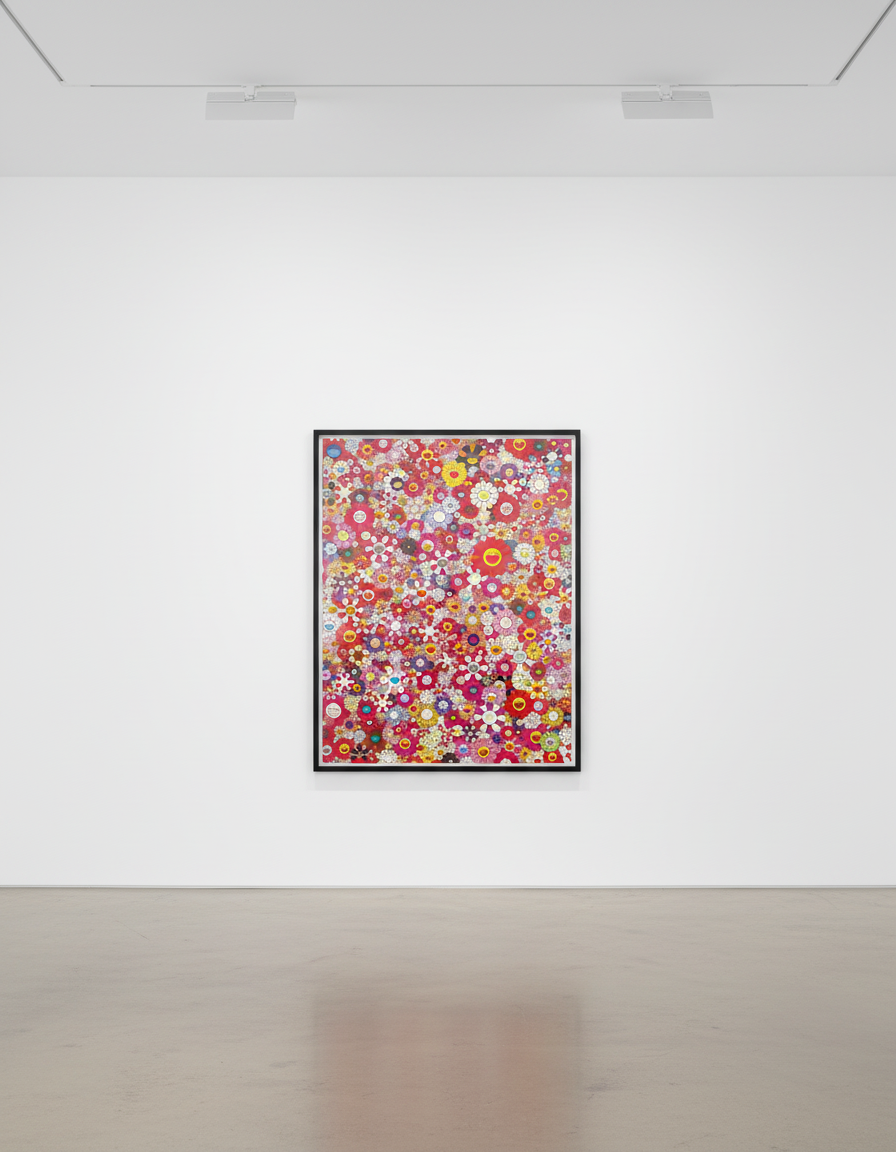
Flowers
5 works
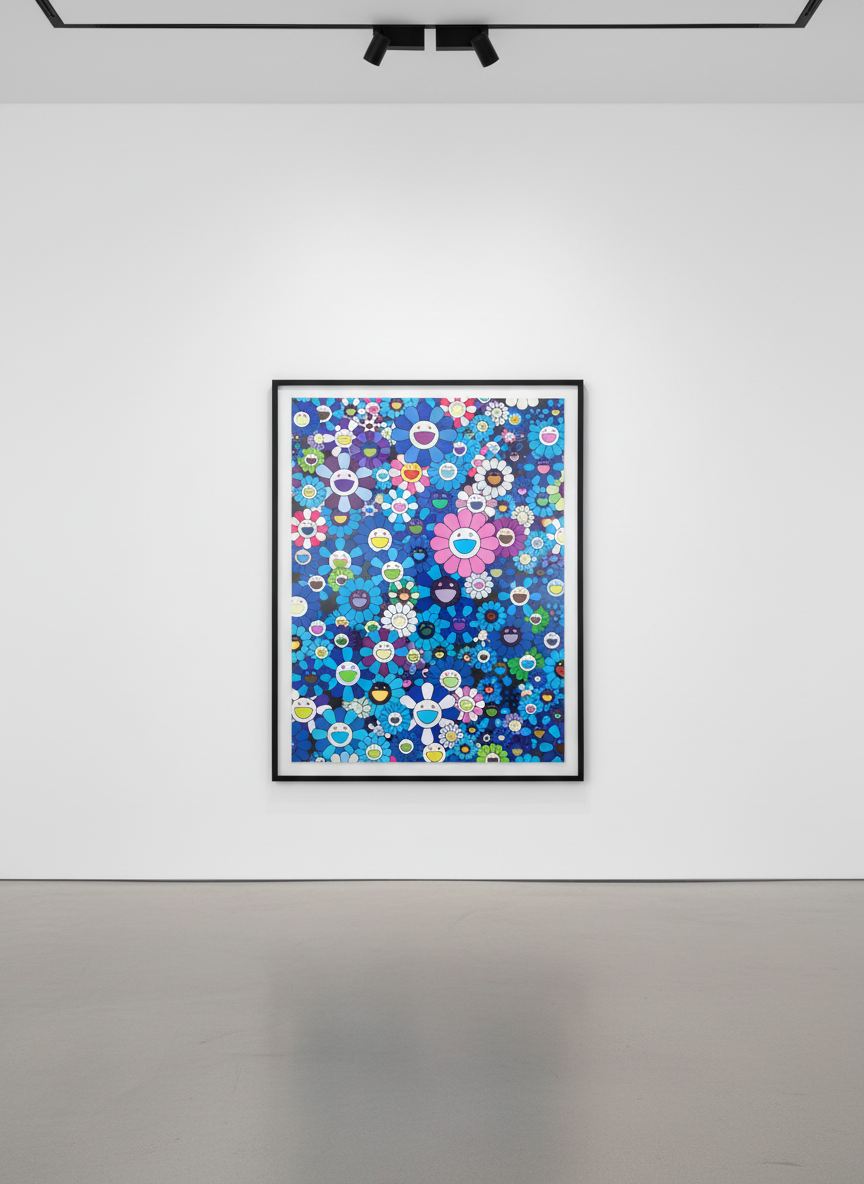
Homage
22 works
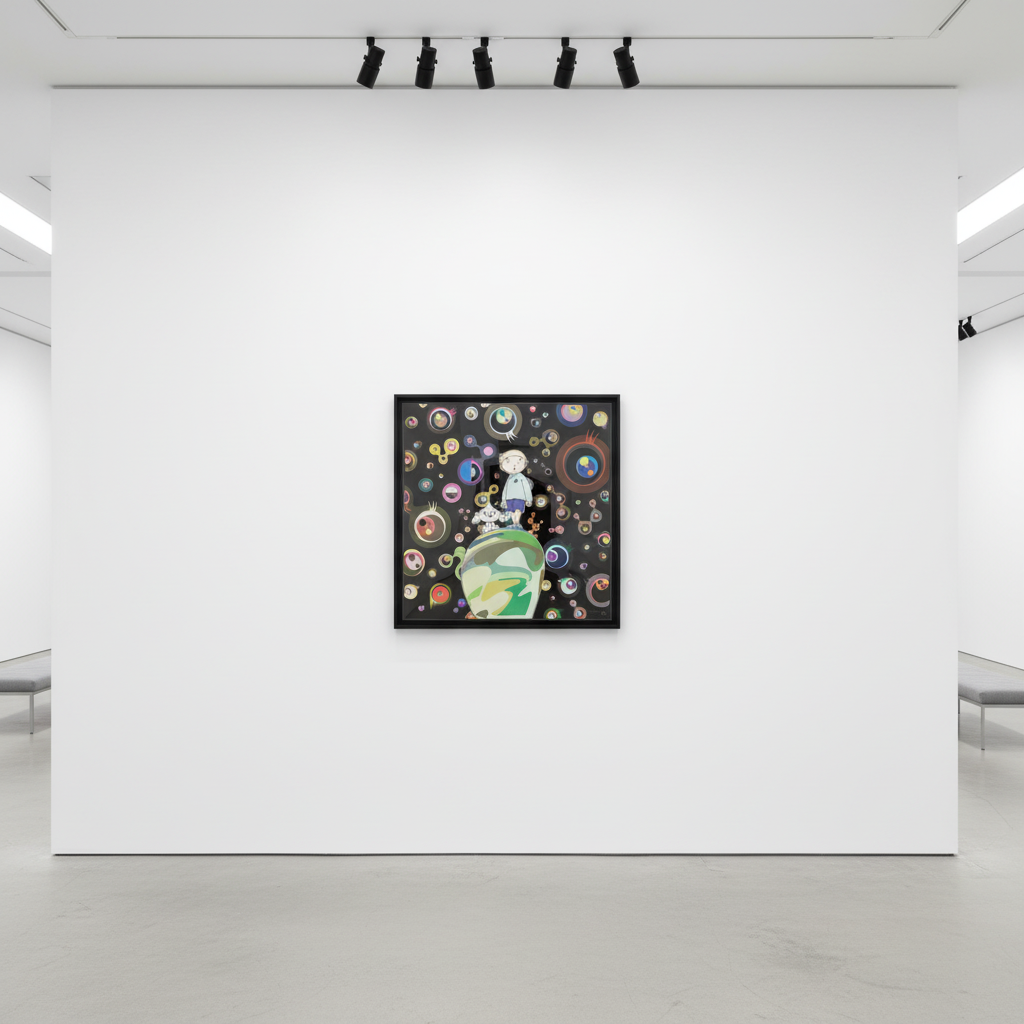
Jellyfish Eyes
8 works
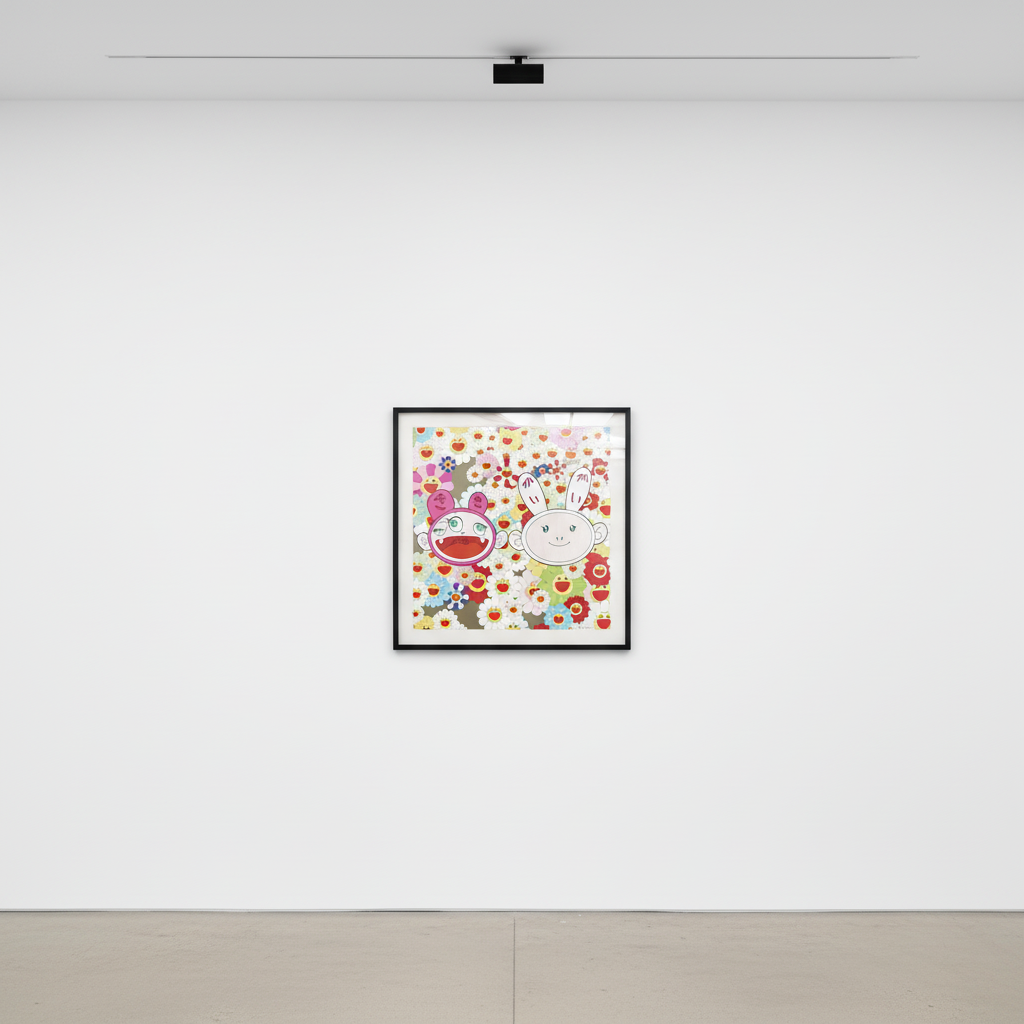
Kaikai and Kiki
8 works
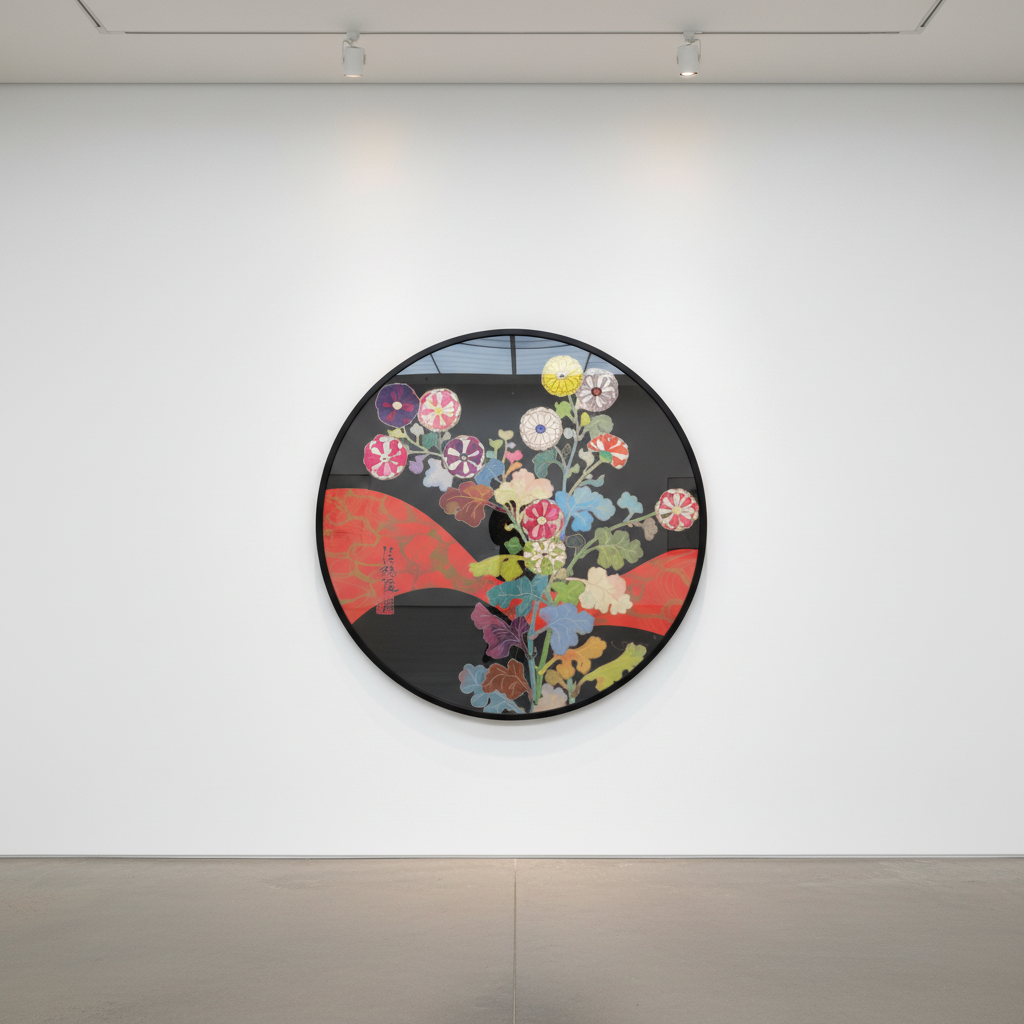
Kansei
10 works
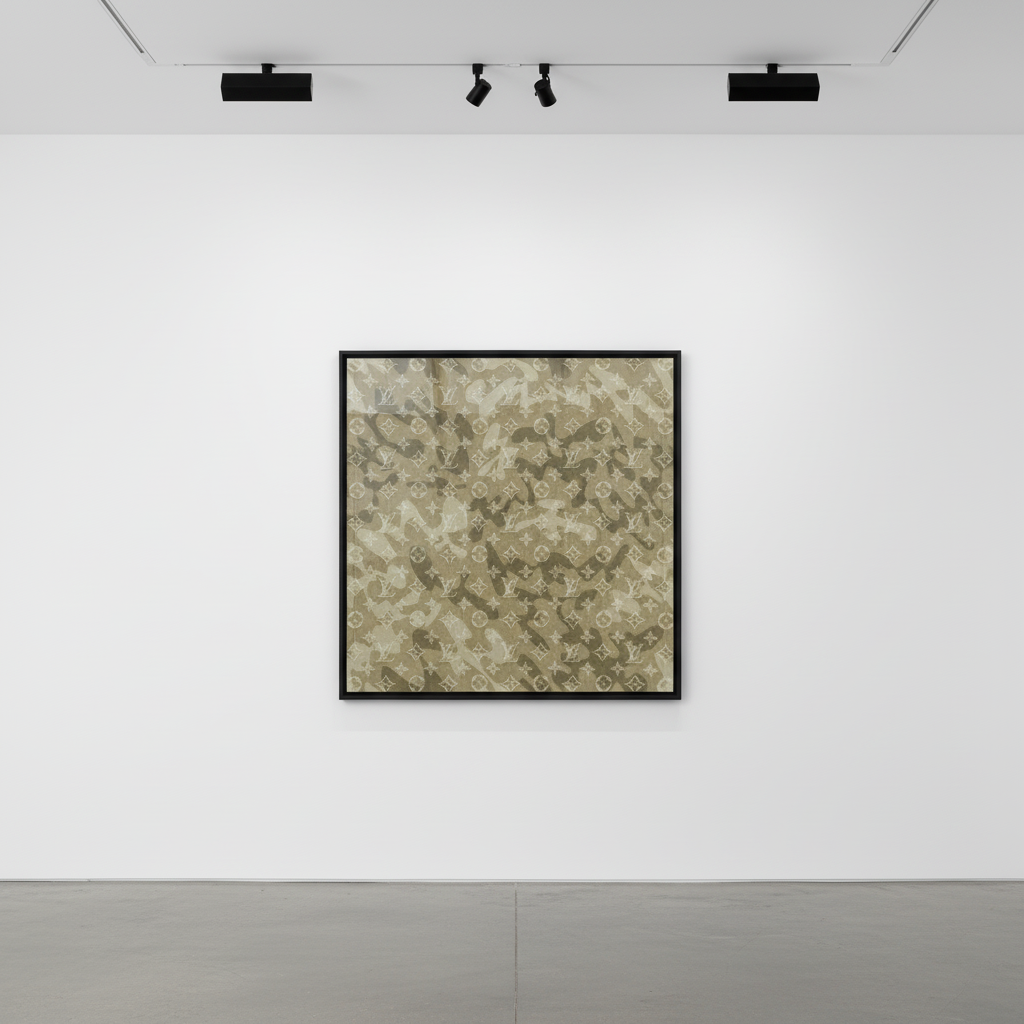
Louis Vuitton
19 works
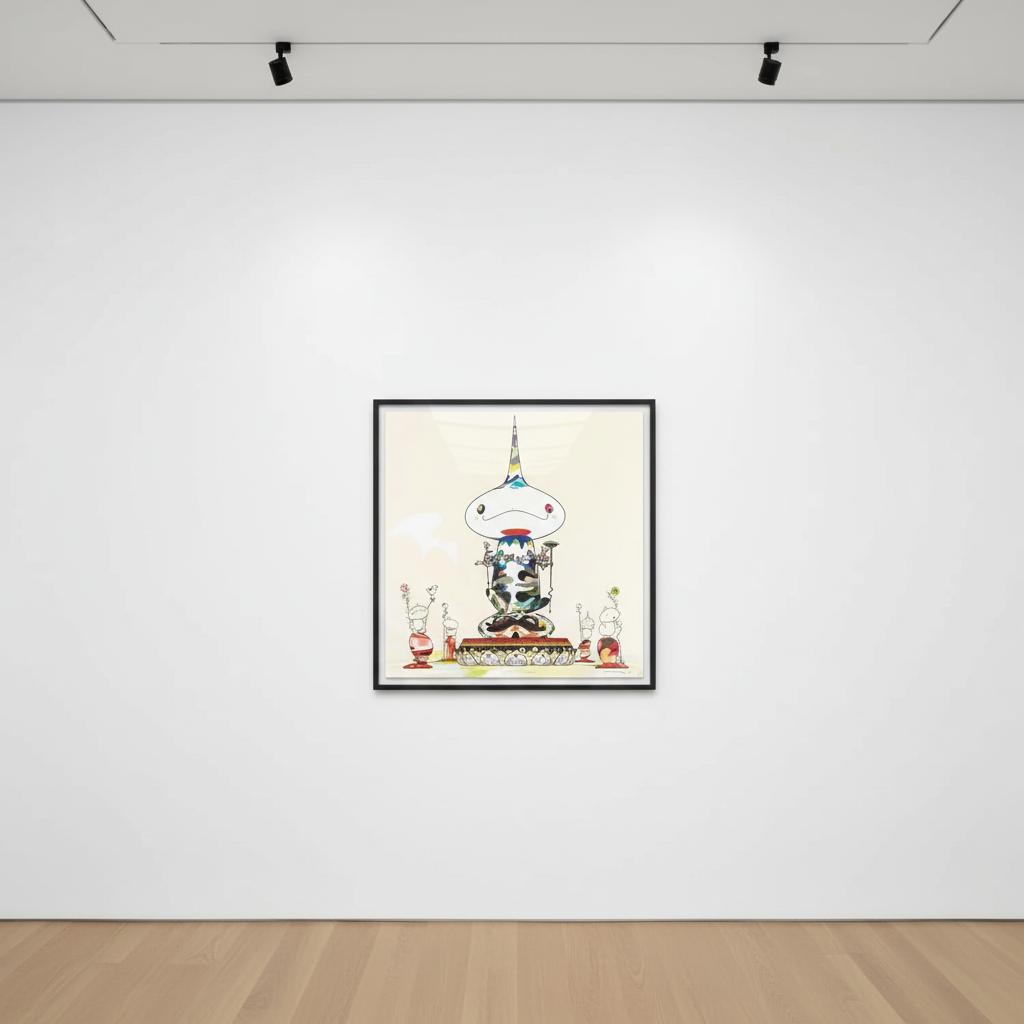
Mr Pointy
3 works
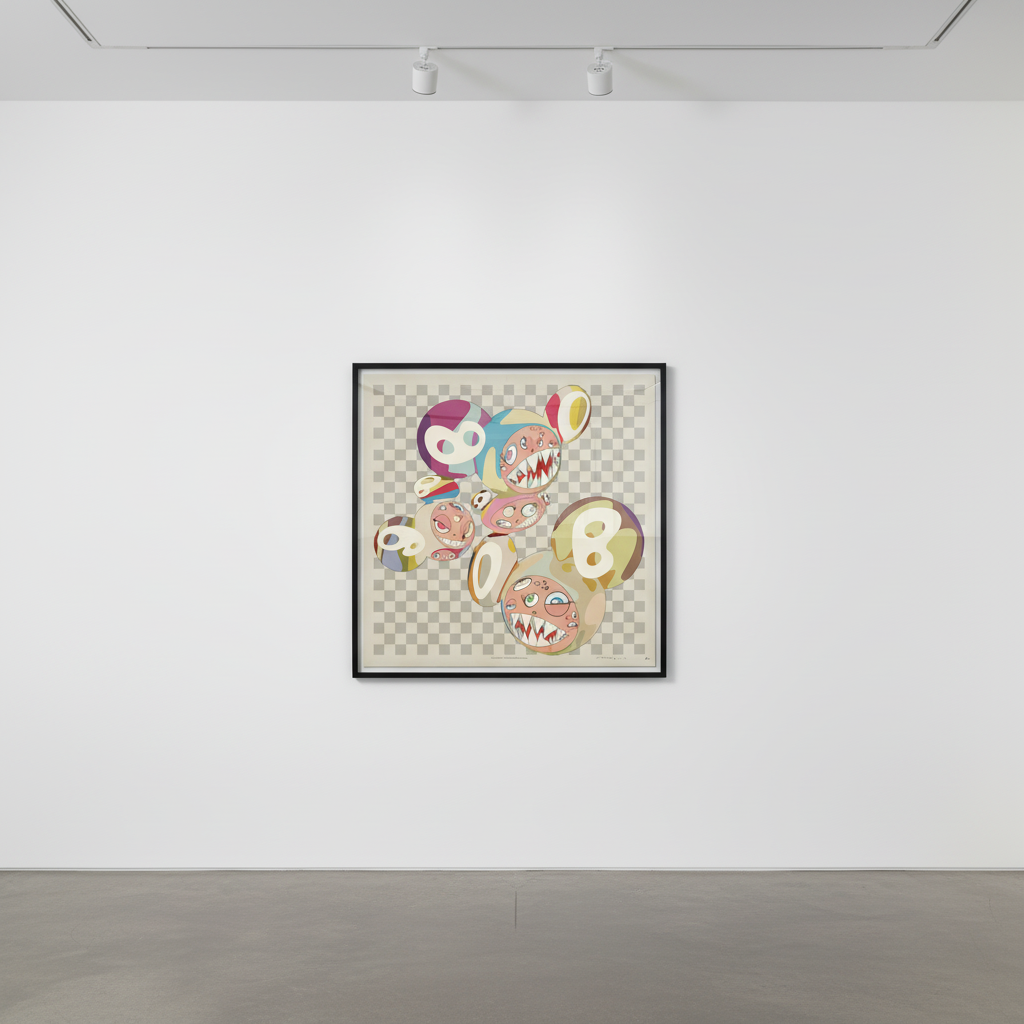
Mr. Dob
17 works
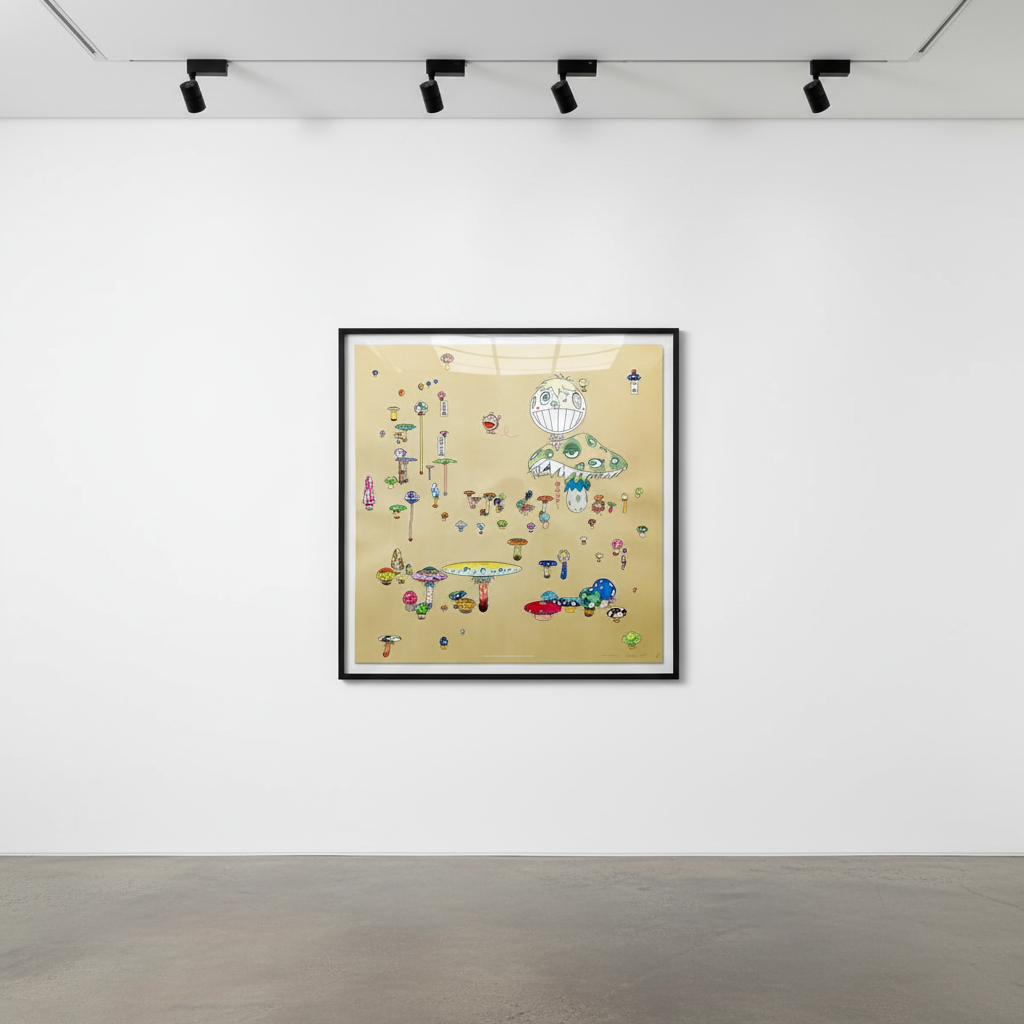
Mushrooms
4 works
Sculptures
1 work
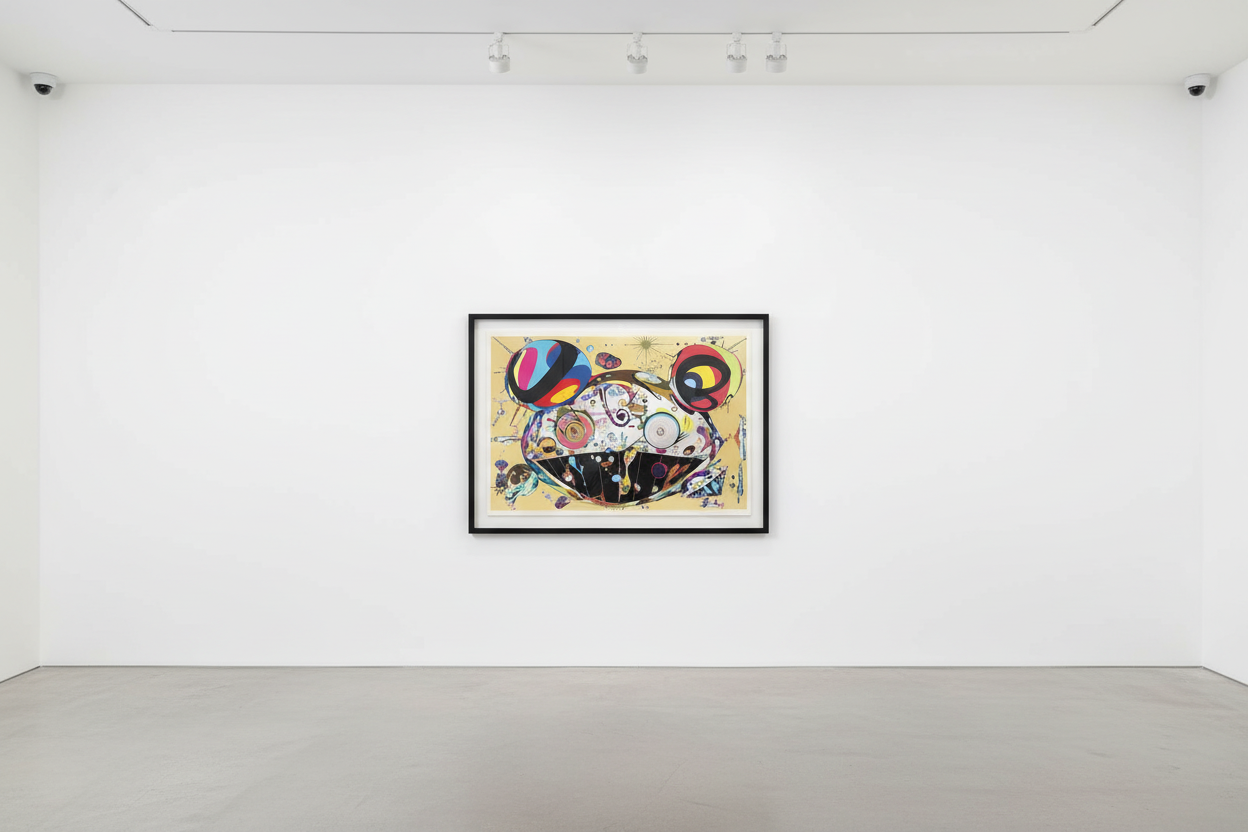
Tan Tan Bo
2 works
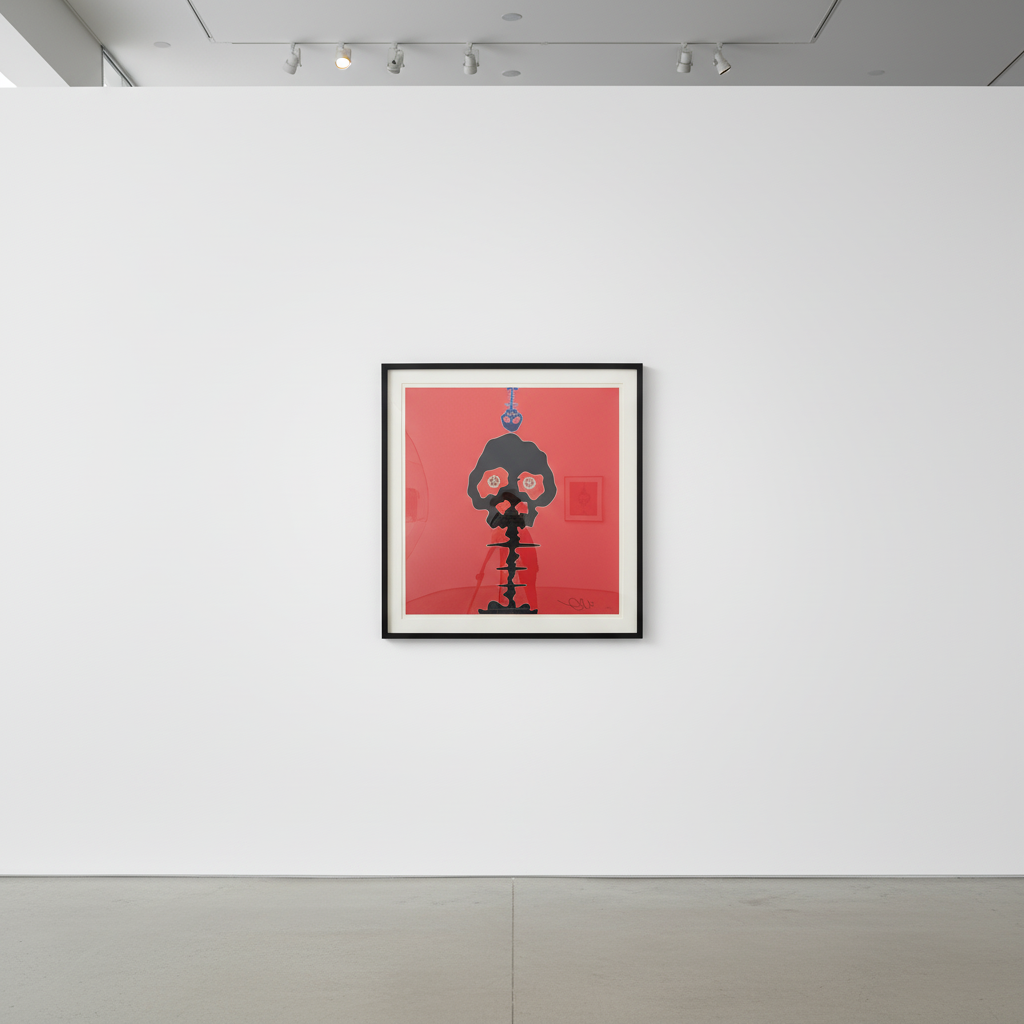
Time Bokan
3 works
Takashi Murakami’s position within the global art market is nothing short of iconic, reflecting his extraordinary blend of contemporary relevance, art historical depth, and unparalleled brand recognition. His works command significant prices across primary and secondary markets, establishing him as one of the most consistently sought-after artists of his generation. Auction houses such as Christie's, Sotheby's, and Phillips regularly feature his diverse oeuvre, from monumental sculptures and paintings to highly coveted prints and editions, each contributing to a robust and dynamic market. Record-breaking sales, such as the 2008 Sotheby's New York auction of "My Lonesome Cowboy" (1998), which fetched an astounding $15.2 million, underscore the peak demand for his seminal sculptural works.
The demand for Murakami's paintings also remains exceptionally strong, with significant canvases regularly achieving seven-figure sums. Collectors are drawn to his vibrant, meticulously executed works for their unique synthesis of traditional Japanese artistry and modern pop culture critique. Beyond these headline-grabbing records, Murakami’s prints and editions form a vital segment of his market, offering collectors a more accessible entry point into his artistic universe. Limited edition prints featuring his signature motifs, such as the smiling Flowers, Mr. DOB, and Skulls, consistently perform well, demonstrating sustained collector interest and robust liquidity.
Investment in Takashi Murakami’s art is often viewed as a strategic choice, propelled by his enduring cultural impact, prolific output, and the global reach of his Kaikai Kiki brand. Price trends for his key series show remarkable resilience and appreciation, particularly for rare or early editions and those that embody his distinctive 'Superflat' philosophy. The consistent appearance of his works at major international auctions and his significant presence in prestigious museum collections further solidify his long-term investment value, making his art a cornerstone for discerning collectors worldwide.
Born in Tokyo in 1962, Takashi Murakami emerged from a post-war Japanese landscape grappling with its identity amidst Western cultural influx and technological advancement. His foundational artistic training at the Tokyo University of the Arts was steeped in Nihonga, a traditional Japanese painting style, where he earned both a bachelor’s degree (1986), a master’s degree (1988), and later, a Ph.D. (1993). This rigorous academic background provided him with a profound understanding of historical Japanese aesthetics, draughtsmanship, and cultural narratives, which he would later subvert and recontextualise within his practice.
Murakami's early career saw him challenge the conventional structures of the Japanese art world, seeking to bridge the perceived chasm between 'high art' and popular culture. His groundbreaking 'Superflat' theory, articulated in the early 2000s, posits a flattening of cultural hierarchies, drawing parallels between the two-dimensional aesthetics of traditional Japanese painting (such as ukiyo-e and Nihonga) and the flatness of contemporary anime and manga. This philosophy became the bedrock of his distinctive style, characterised by vibrant colours, meticulous detail, and a playful yet poignant fusion of cute (kawaii) and grotesque imagery.
His artistic practice is a deliberate exploration of consumerism, otaku subculture, post-war Japanese anxieties, and the blurring lines between art and commerce. Utilising a vast array of media—from painting and sculpture to animation and merchandise—Murakami employs highly skilled studio assistants, echoing the workshop traditions of Renaissance masters or Andy Warhol’s Factory. This allows for an incredible output while maintaining an exacting standard of craftsmanship across all forms. His work often features recurring characters like Mr. DOB (a self-portrait alter ego), smiling flowers, and various mythological creatures, which serve as vehicles for complex narratives about identity, desire, and spirituality in the modern world.
Murakami's influence extends far beyond the gallery walls; he is celebrated for his ambitious collaborations with global brands, most famously Louis Vuitton, which blurred the boundaries between art, fashion, and commerce. These partnerships, alongside his ventures in film and music, are integral to his artistic philosophy, aiming to make art accessible and pervasive. By intentionally engaging with popular culture, Murakami challenges the elitism of the art world while simultaneously elevating the status of previously dismissed cultural forms, thus reshaping the dialogue around contemporary art.
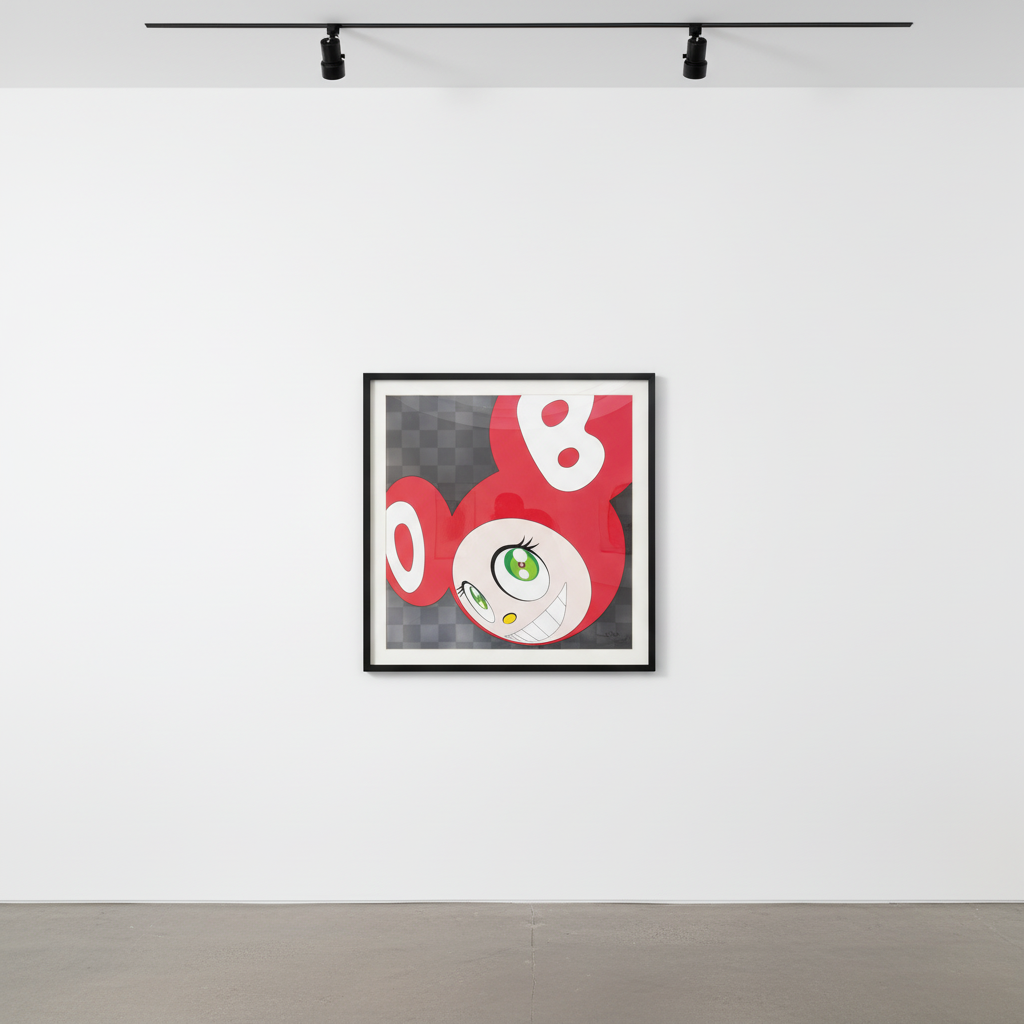
Takashi Murakami's artistic output is defined by several distinctive series, each characterised by recurring motifs and a singular aesthetic that reflects his 'Superflat' philosophy and satirical gaze. One of his most enduring and recognisable creations is Mr. DOB, an evolving, playful, yet sometimes monstrous character who serves as Murakami’s alter ego and a commentary on consumerism and identity. Prints and editions featuring Mr. DOB are highly sought after for their iconic status and Murakami's exploration of fragmented selfhood.
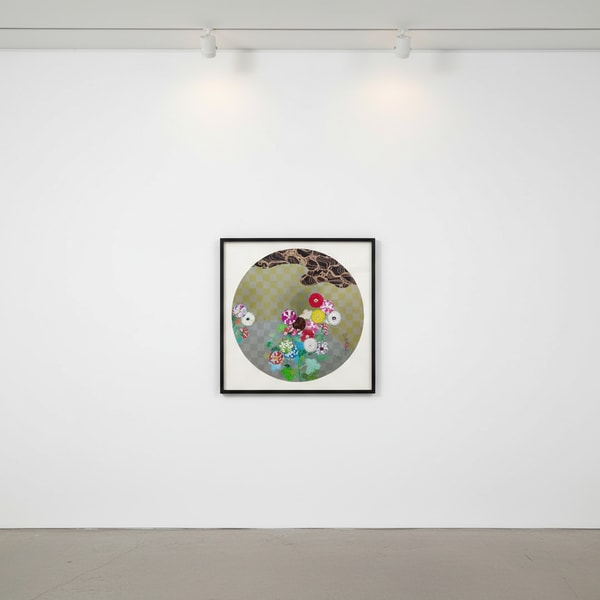
Another hugely popular and instantly identifiable series features his ubiquitous Smiling Flowers. These colourful, often multi-eyed floral compositions have become a global phenomenon, adorning everything from fine art prints to high-fashion accessories. The deceptive simplicity and saccharine cheerfulness of the flowers often belie deeper themes of existential dread and the ephemeral nature of happiness, making them immensely collectible for their aesthetic appeal and underlying conceptual depth. Similarly, Murakami’s Skulls series delves into themes of mortality and the impermanence of beauty, rendered with his characteristic vibrant palette and meticulous detail, offering a striking contrast to the cheerful flowers.
Beyond these iconic motifs, Murakami’s practice includes complex, multi-panel paintings and prints featuring Tan Tan Bo, Kaikai & Kiki (his studio mascots), and elaborate mythological creatures, often depicting scenes of chaos and transcendence rooted in Japanese folklore and Buddhist iconography. These works showcase his extraordinary technical skill and intricate storytelling. What makes all these series exceptionally collectible is their fusion of traditional Japanese artistic techniques with contemporary pop sensibilities, their limited edition status, and the sheer cultural weight of the Murakami brand, ensuring they remain central to any serious collection of contemporary art.
Takashi Murakami's significant contributions to contemporary art are widely recognised through his inclusion in the permanent collections of numerous prestigious museums around the globe. His works are held by the Museum of Modern Art (MoMA) in New York, the Museum of Contemporary Art, Los Angeles (MOCA), and the Asian Art Museum of San Francisco. In Europe, his art can be found at the Tate Modern in London, the Guggenheim Museum Bilbao, and the Centre Pompidou in Paris, among others. These institutions underscore the international significance and lasting impact of his unique artistic vision.
Further notable institutions holding Murakami's pieces include the Museum of Contemporary Art Chicago, the Rubell Museum in Miami, and the Mori Art Museum in Tokyo, reflecting his profound influence across diverse cultural landscapes. The presence of his art in such esteemed collections testifies to his critical acclaim, his innovative fusion of art historical traditions with contemporary popular culture, and his pivotal role in shaping dialogues around global contemporary art.
Guy Hepner Gallery proudly specialises in offering a curated selection of works by Takashi Murakami, a cornerstone artist in the contemporary art market. With a profound understanding of his extensive oeuvre, from the seminal early prints to his most recent vibrant editions, we are uniquely positioned to assist both new and established collectors in acquiring exceptional pieces. Our expertise extends across the breadth of Murakami’s graphic works, including his highly sought-after Smiling Flowers, Mr. DOB, and Skulls series, amongst many others.
Collectors looking to buy Takashi Murakami works will find Guy Hepner Gallery offers unparalleled access to a diverse inventory, meticulously authenticated and presented. We provide comprehensive market insights and guidance, ensuring a seamless and informed acquisition process. For those wishing to sell, Guy Hepner offers a discreet and efficient consignment service, leveraging our extensive network of discerning collectors and deep understanding of secondary market dynamics to achieve optimal results. Our commitment is to facilitate a professional and expert experience for all transactions involving Takashi Murakami’s important contributions to contemporary art.