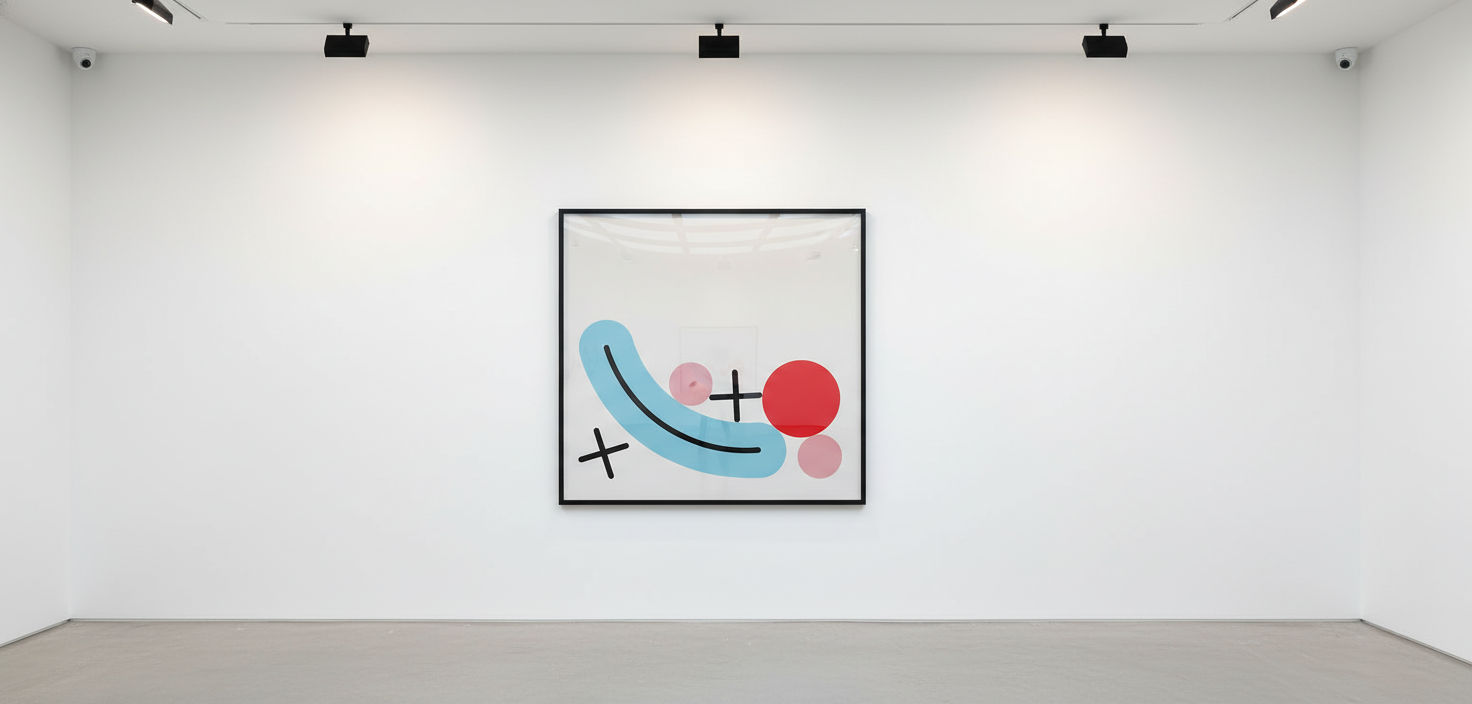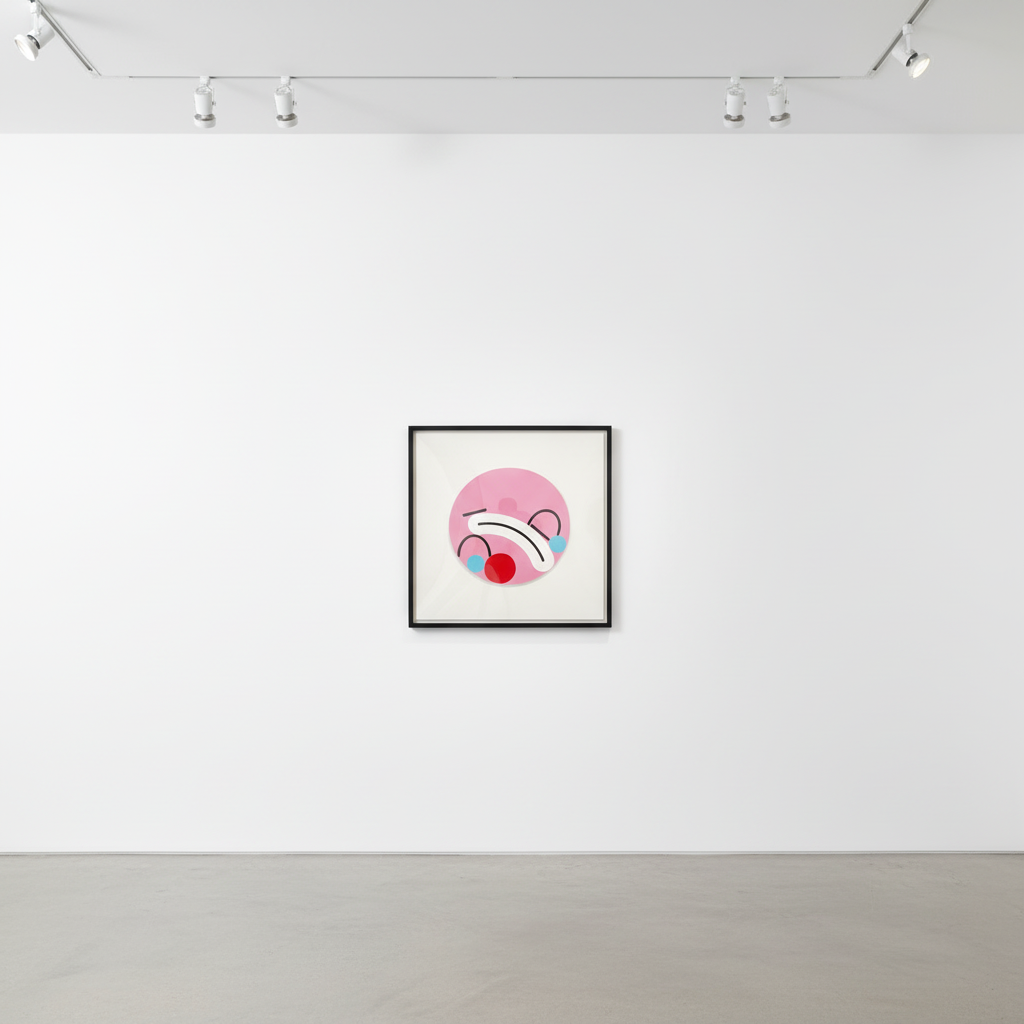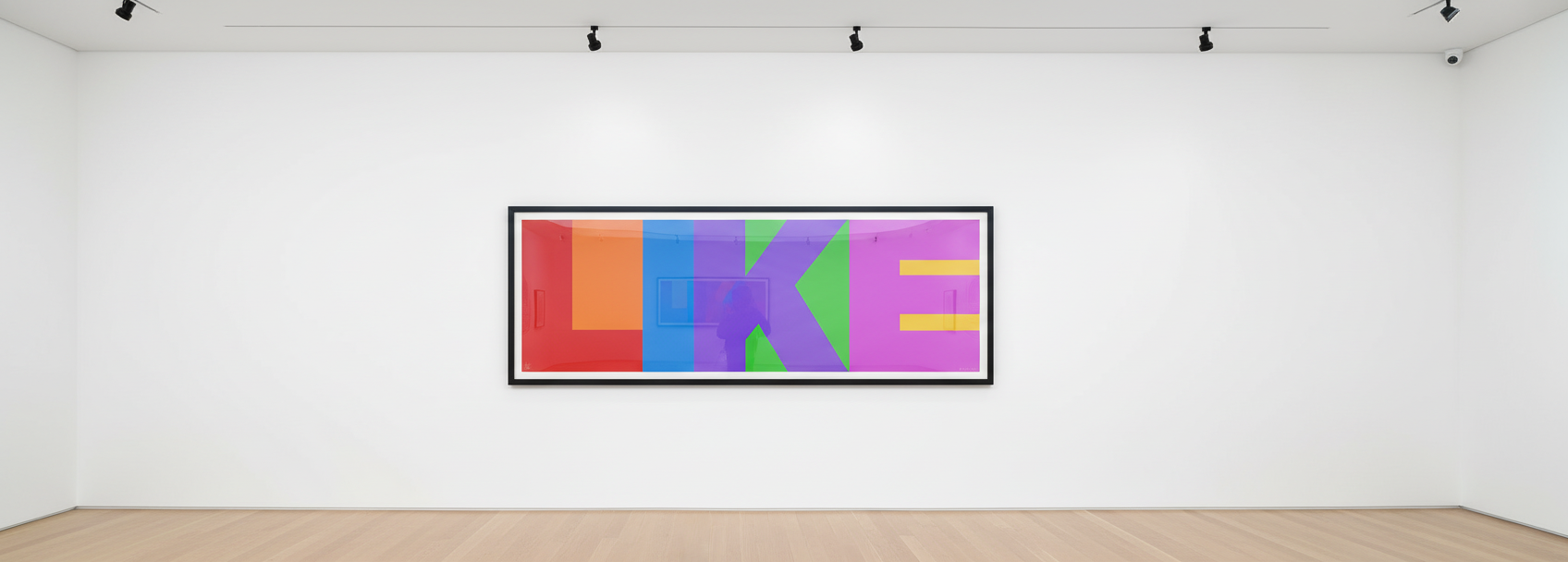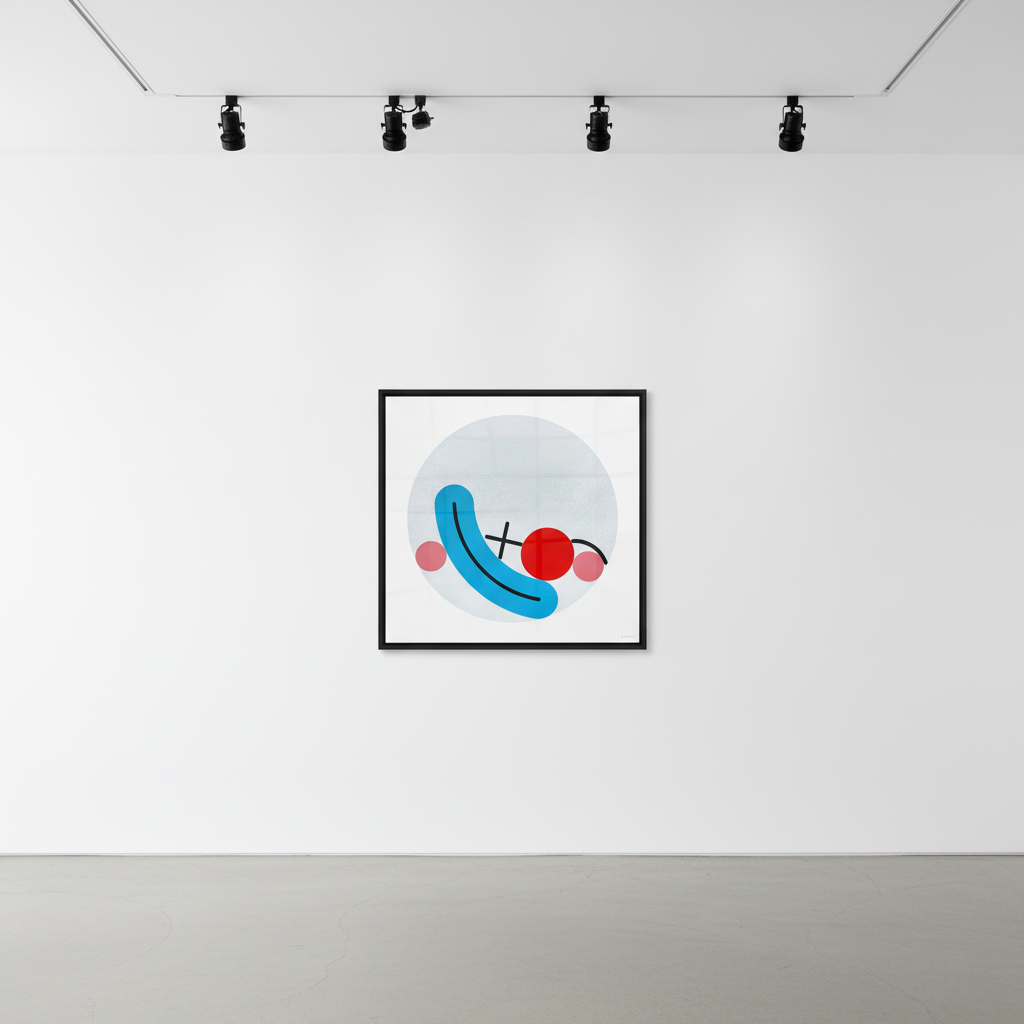
Diamond Dust Series
5 works

The secondary market for works by James Joyce has demonstrated a robust and consistent upward trajectory, attracting discerning collectors globally who value his profound contribution to contemporary printmaking and works on paper.

The secondary market for works by James Joyce has demonstrated a robust and consistent upward trajectory, attracting discerning collectors globally who value his profound contribution to contemporary printmaking and works on paper. His editions and unique works on paper are increasingly sought after, reflecting both the scarcity of his output and the enduring intellectual appeal of his artistic practice. Auction results over the past decade have shown a steady appreciation, particularly for his seminal series and larger format editions, cementing his position as a significant figure in the contemporary art landscape.
Key auction houses such as Christie's, Sotheby's, and Phillips regularly feature Joyce's work, with strong performances observed across his oeuvre. Earlier graphic works and limited editions from the late 1990s and early 2000s typically achieve results in the range of £15,000 to £30,000 at Phillips London and Bonhams. More complex, multi-layered prints, and unique works on paper from his critically acclaimed "Urban Echoes" or "Subterranean Narratives" series, often command prices upwards of £40,000 to £70,000 at Sotheby's New York and Christie's London, driven by their rarity, scale, and impeccable provenance.
Collector demand is largely fuelled by Joyce’s unique fusion of abstract expressionism with meticulous graphic sensibility, and his profound exploration of conceptual themes within accessible visual forms. The consistent appearance of his works in major public collections further underpins their investment value, reassuring collectors of their long-term cultural significance and market stability. This sustained interest across various market tiers underscores Joyce’s enduring appeal and the judiciousness of acquiring his works.
Born in Dublin in 1968, James Joyce’s artistic journey began with a rigorous academic foundation, first at the National College of Art and Design, Dublin, before honing his craft at the Royal College of Art, London, where he graduated with distinction in Printmaking. This dual education provided him with a unique perspective, blending a deep appreciation for Irish literary tradition with a formidable mastery of graphic techniques and a critical engagement with contemporary art theory. Upon completing his studies, Joyce established a studio in London, quickly gaining recognition for his innovative approach to printmaking, pushing the boundaries of traditional methods.
Joyce’s signature style is characterised by a compelling interplay between abstraction and a subtle, almost mnemonic figuration. He often employs a sophisticated layering technique, combining elements of silkscreen, etching, and lithography to create works that possess remarkable depth and textural complexity. His colour palettes range from stark, monochromatic compositions that evoke urban landscapes or psychological states, to vibrant, multi-hued explorations of memory and sensation. The precision of his line work, coupled with his intuitive grasp of spatial dynamics, imbues his prints with a quiet dynamism and an arresting visual harmony.
The major themes woven throughout Joyce’s practice revolve around the fragmented nature of modern existence, the architecture of memory, and the unspoken narratives embedded within urban environments. His work often serves as a visual meditation on the passage of time, the interplay of light and shadow, and the elusive quality of human perception. Influenced by early 20th-century modernism, particularly the works of Futurists and Constructivists, as well as the conceptual rigour of Post-War British art, Joyce developed an artistic philosophy that prioritises intellectual engagement and emotional resonance, believing that art should provoke thought as much as it delights the eye. His exploration of 'visual language' offers a profound counterpoint to the literary legacy of his namesake.
James Joyce's oeuvre is meticulously organised into distinct, yet interconnected, series, each exploring a specific facet of his overarching artistic concerns. His early body of work, the "Urban Echoes" series, established his reputation, featuring large-format screenprints and mixed-media works on paper that captured the cacophony and quiet solitude of city life. These pieces are characterised by their stark architectural forms, fragmented perspectives, and a palette dominated by greys, blacks, and muted industrial tones, highly collectible for their foundational significance and raw energy.
Following this, the "Subterranean Narratives" series marked a shift towards more introspective and abstract compositions. Here, Joyce delved into the unseen layers of human experience, employing richer, more atmospheric colours and organic forms that suggested psychological landscapes and buried memories. These works, often featuring intricate layering and subtle textural effects, are prized by collectors for their contemplative depth and technical virtuosity, offering a profound journey into the subconscious.
His most recent and critically acclaimed body of work, the "Lexicon Series," represents a sophisticated convergence of his intellectual and visual pursuits. While seemingly abstract, these works are conceptually rooted in the structures of language and communication, using graphic symbols and fragmented text-like elements to explore meaning and interpretation. These highly conceptual prints, executed with remarkable precision and a refined minimalist aesthetic, are especially sought after by institutions and private collectors who appreciate their intellectual rigor and masterful execution, marking them as a testament to Joyce's evolving artistic philosophy.
Works by James Joyce are held in a distinguished array of international public and private collections, underscoring his significant impact on contemporary art. His prints and unique works on paper are part of the permanent collection at The Museum of Modern Art (MoMA) in New York, a testament to his pivotal role in expanding the language of printmaking. The Tate Modern in London also holds significant examples of his output, reflecting his status within the British contemporary art scene and beyond.
Further institutional recognition includes acquisitions by the Victoria and Albert Museum, London, for its renowned collection of prints and drawings, and the Centre Pompidou in Paris, which highlights his innovative contributions to European contemporary art. In North America, the Whitney Museum of American Art in New York and the San Francisco Museum of Modern Art (SFMOMA) have also acquired pieces, showcasing the global reach and appreciation for Joyce’s unique artistic vision and his contribution to the medium of works on paper. These holdings solidify his position as an artist of enduring importance.
Guy Hepner Gallery offers unparalleled access to works by James Joyce, specialising in his sought-after prints, limited editions, and unique works on paper. Our extensive inventory includes pivotal pieces from his "Urban Echoes," "Subterranean Narratives," and "Lexicon Series," catering to both nascent collectors and seasoned connoisseurs alike. With decades of expertise in the secondary market, our specialists possess an intimate understanding of Joyce's oeuvre, provenance, and market nuances, ensuring that clients receive informed guidance tailored to their collecting objectives.
For collectors seeking to acquire works by James Joyce, Guy Hepner provides a seamless and confidential acquisition process, leveraging our deep connections within the global art market. Our gallery is uniquely positioned to source rare and significant examples, often before they become publicly available. Conversely, for those looking to discreetly divest works by the artist, Guy Hepner offers comprehensive selling services, utilising our vast network of private collectors and institutions to achieve optimal results. We pride ourselves on offering expert valuation, discreet consultation, and a trusted platform for engaging with the legacy of James Joyce.