Andy Warhol Campbell's Soup I For Sale
Series Performance & Market Position
Campbell's Soup I (1968) is one of the most recognized print portfolios in the history of American art—and one of the most actively traded. Complete sets of all ten screenprints have achieved $200,000–$400,000 at major auction, while individual prints trade in the $15,000–$60,000 range depending on subject, condition, and edition details. The Tomato and Black Bean variants consistently lead individual print sales; less common soup varieties attract specialist collectors willing to pay premiums for completeness. Market liquidity is exceptional by blue-chip print standards.
Technical & Historical Context
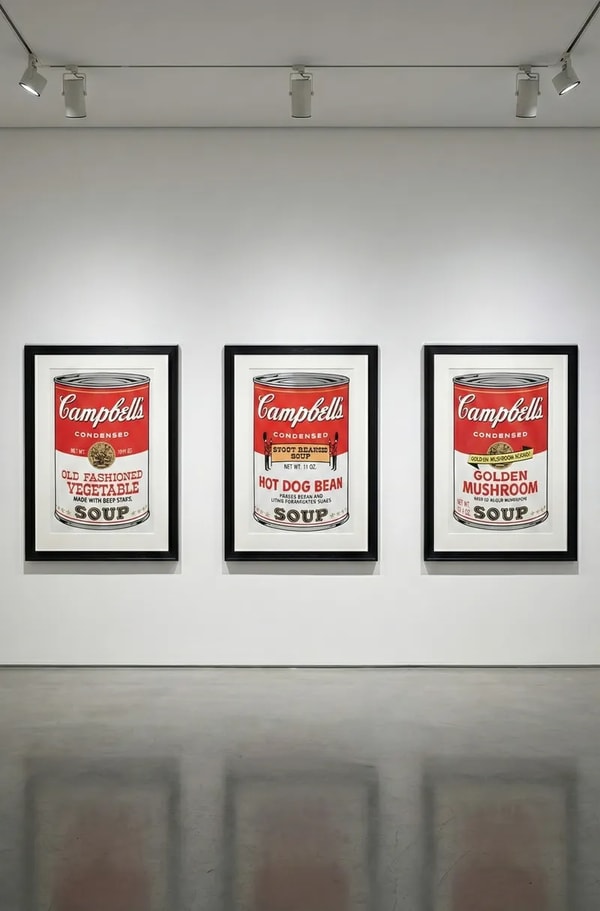
Published in 1968 by Factory Additions, Campbell's Soup I comprises ten screenprints on white paper, each measuring 35 × 23 inches, in an edition of 250 plus artist's proofs. The portfolio followed Campbell's Soup Cans (1962) by six years—by which point the image had already entered global visual culture—but the 1968 prints represent Warhol's most technically refined treatment of the subject. The Factory Additions imprimatur, the large format, and the edition discipline (250 is small by Pop Art standards) combine to produce a portfolio with genuine institutional credibility alongside strong retail demand.
Individual Works & Collector Preferences
Within the ten-print portfolio, collector hierarchy is clear:
- Tomato — the archetypal image; highest individual print demand
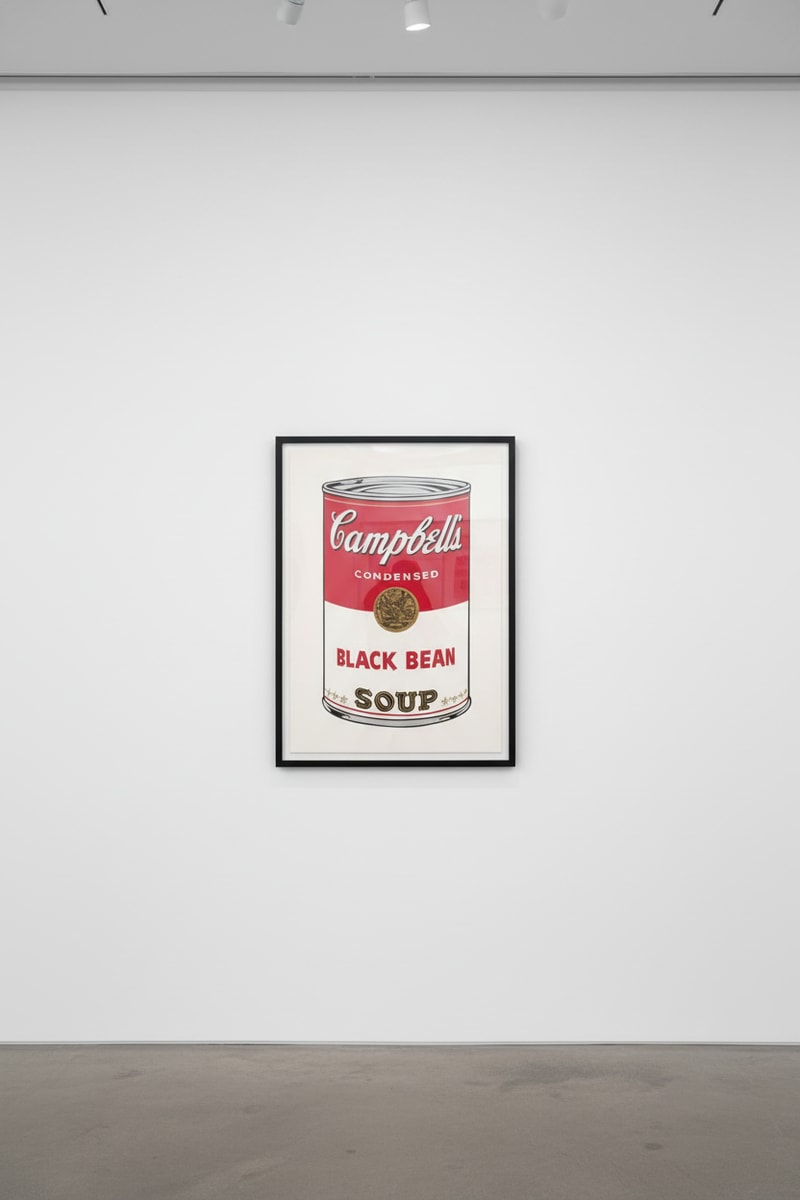
- Black Bean — strong secondary market presence
- Cream of Mushroom — crossover appeal to food/design collectors
- Less common varieties (Pepper Pot, Scotch Broth, etc.) — lower individual liquidity but essential for complete-set assembly
Collectors acquiring for investment typically target either a complete set (maximum institutional appeal, estate planning value) or the top three individual subjects (maximum liquidity, easier placement). Single mid-tier prints are appropriate for collectors focused on the Warhol narrative at accessible price points.
Authentication & Condition Considerations
Campbell's Soup I is among the most frequently forged works in the Warhol market. Authentication requirements:
- Factory Additions blind stamp — present on all legitimate impressions; absence is disqualifying
- Edition number and signature — hand-signed and numbered in pencil; signature consistency should be verified against authenticated comparables
- Ink registration — authentic impressions show precise registration; forgeries frequently exhibit slight misalignment
- Paper condition — original Lenox Museum Board; unauthorized editions used inferior stock
- Provenance — gallery receipts, auction records, or estate documentation from the original 1968 release through present ownership are strongly preferred
Third-party authentication from recognized Warhol specialists is standard for transactions above $25,000.
Investment Analysis & 2026 Acquisition Strategy
Campbell's Soup I is one of the few Warhol print series that functions simultaneously as cultural artifact, decorative object, and liquid financial asset. Secondary market depth is genuine—major auction houses schedule dedicated Warhol print sales, and dealer networks maintain active inventory. For 2026, the acquisition case is built on three factors: (1) continued global demand for canonical American Pop Art with no geographic ceiling; (2) the 1968 portfolio's relative accessibility compared to unique works and early paintings; (3) the edition of 250 providing sufficient supply for active trading while remaining genuinely finite. Complete sets acquired below $250,000 in current market conditions represent strong positioning against anticipated appreciation through the decade.
Guy Hepner Gallery has completed 477 Warhol transactions totaling over $51 million. To acquire works from Campbell's Soup I, contact us at 177 10th Avenue, New York, NY 10001 or visit guyhepner.com.
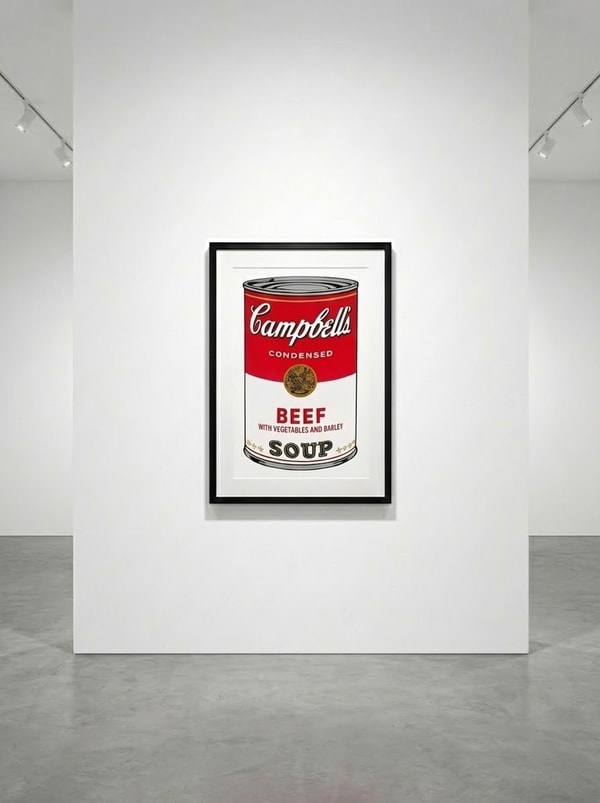
Andy Warhol
Beef Soup F.S. II 49
1968
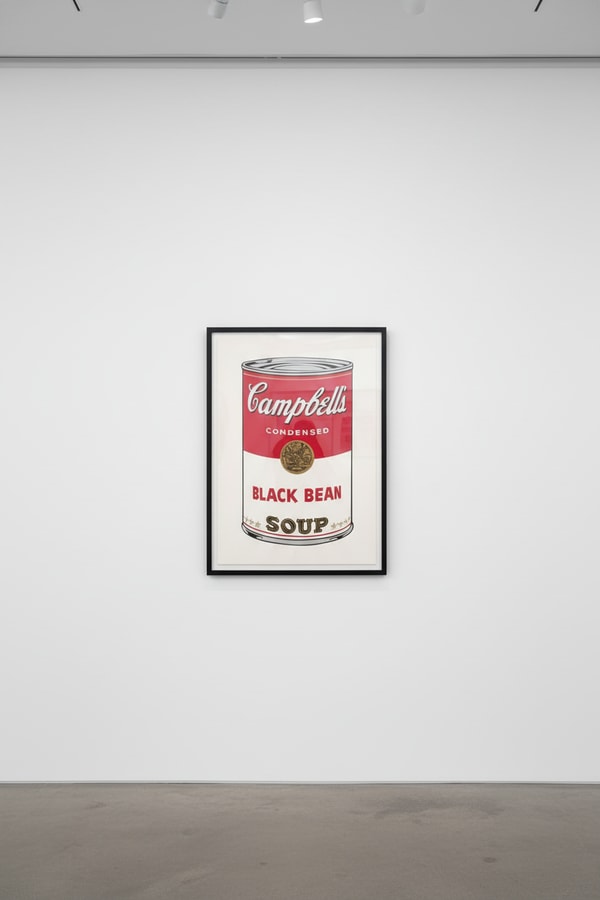
Andy Warhol
Black Bean Soup F.S. II 44
1968
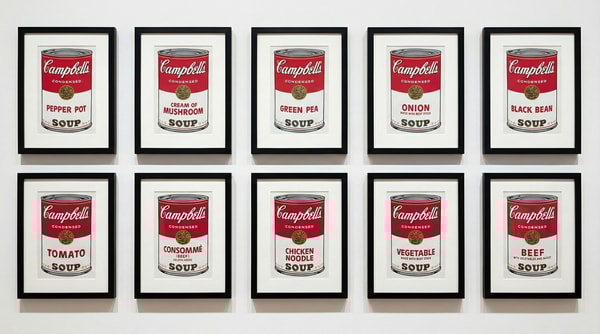
Andy Warhol
Campbell's Soup I F.S. II 44 - 53 (Complete Portfolio)
1968
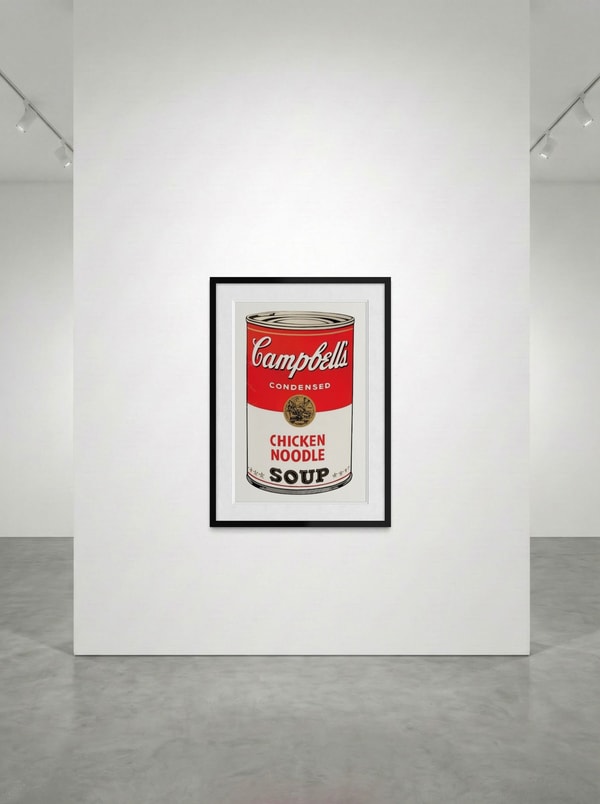
Andy Warhol
Chicken Noodle Soup F.S. II 45
1968
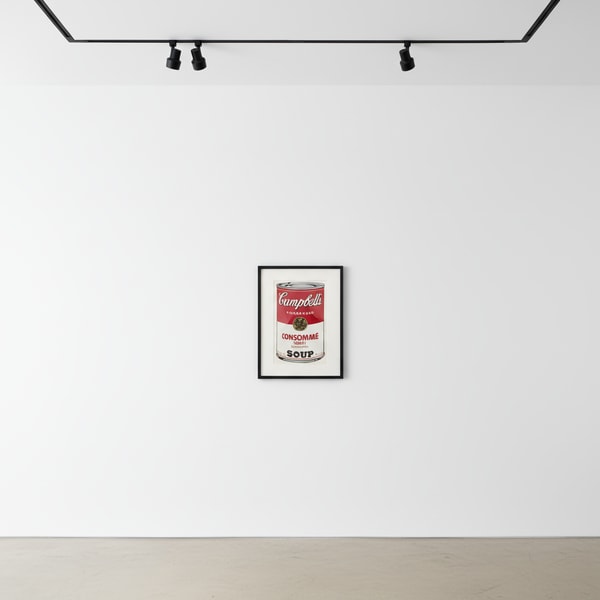
Andy Warhol
Consommé Beef Soup F.S. II 52, from Campbell's Soup I
1968
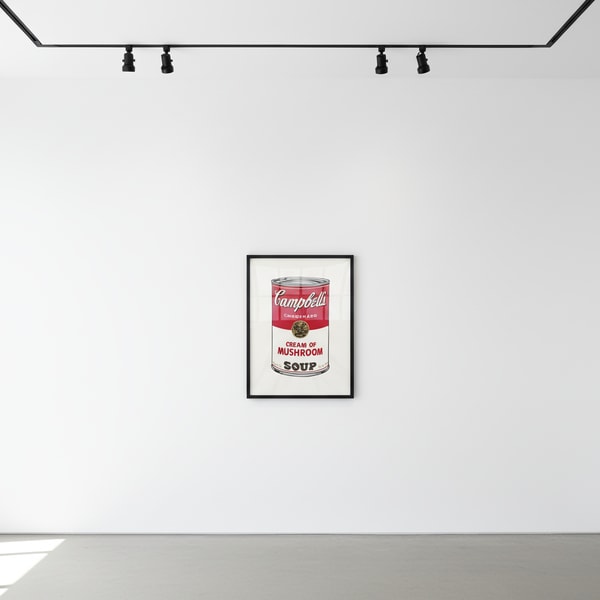
Andy Warhol
Cream of Mushroom Soup F.S. II 53
1968
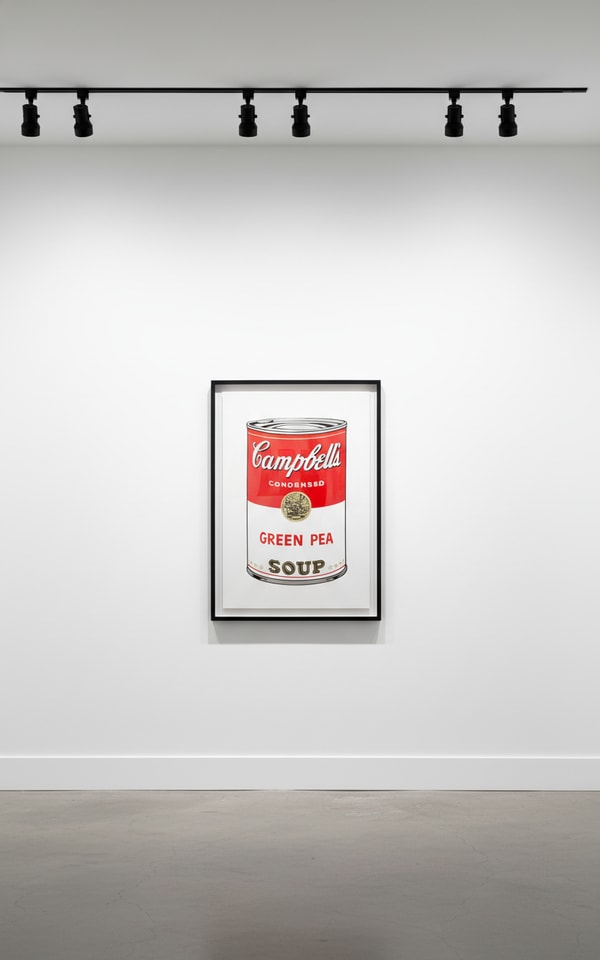
Andy Warhol
Green Pea Soup F.S. II 50
1968
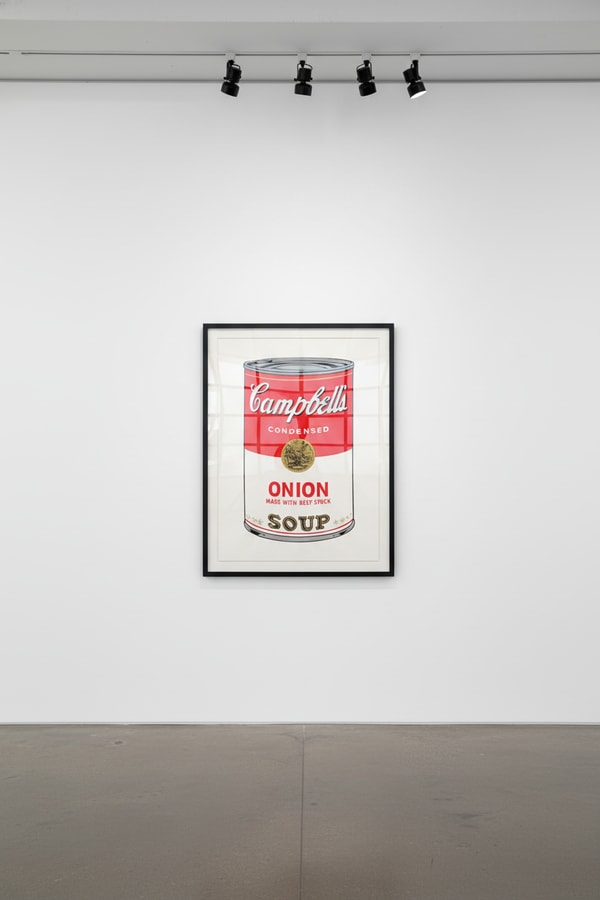
Andy Warhol
Onion Soup F.S. II 47
1968
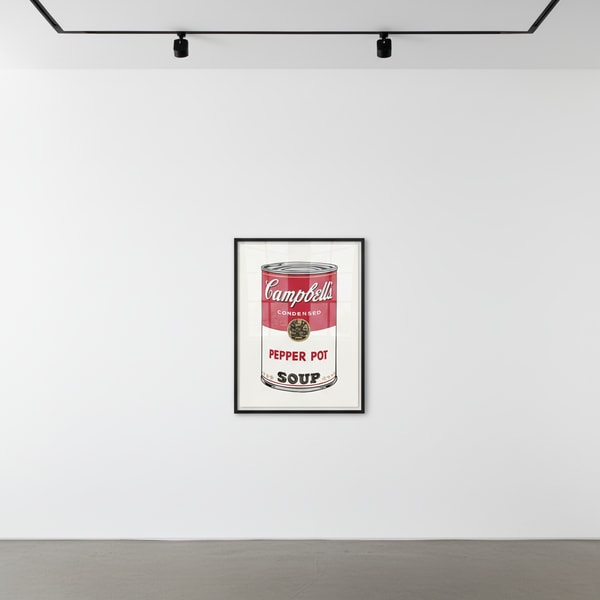
Andy Warhol
Pepper Pot Soup F.S. II 51
1968
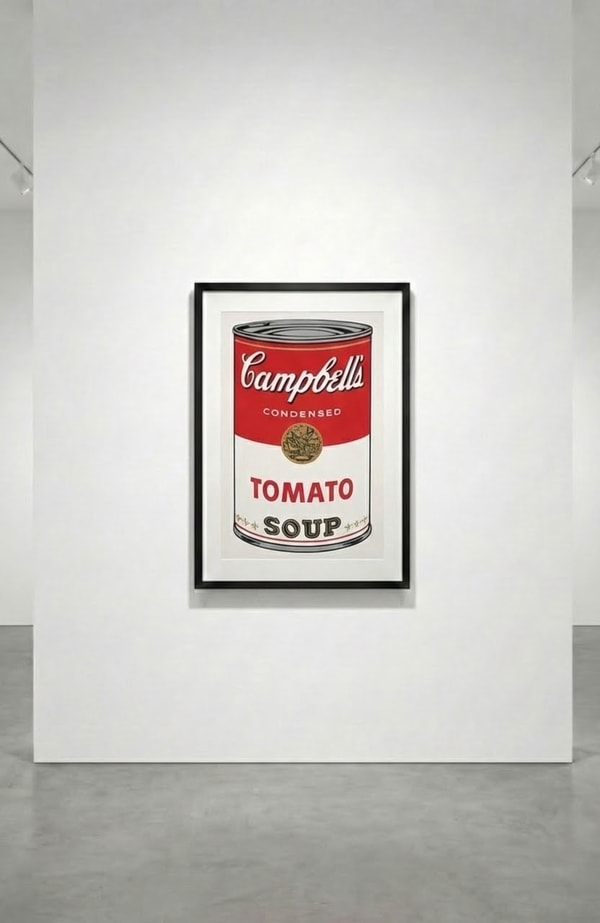
Andy Warhol
Tomato Soup F.S. II 46 From Soup Cans Portfolio I
1968
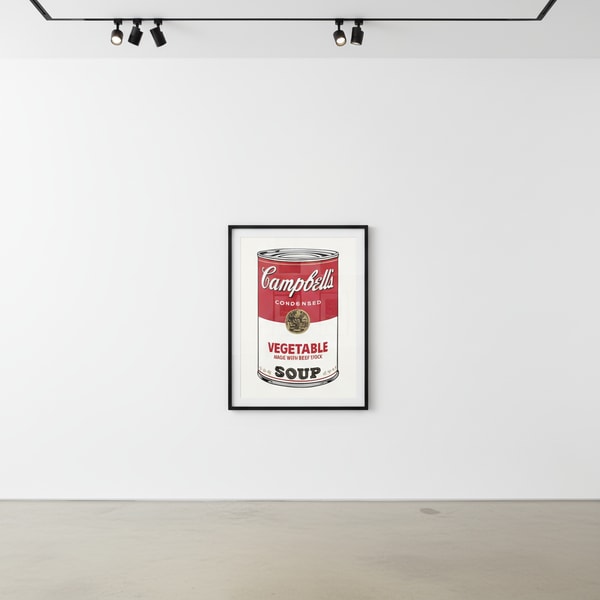
Andy Warhol
Vegetable Soup F.S. II 48
1968
From the Journal