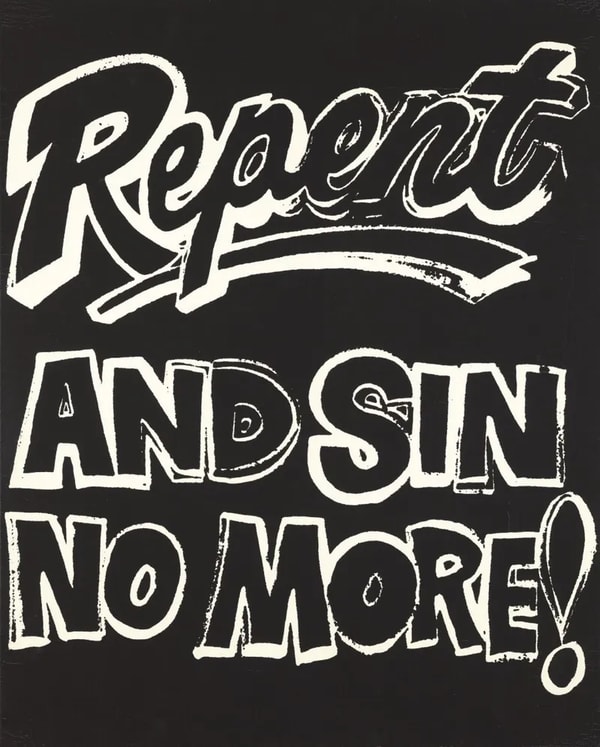
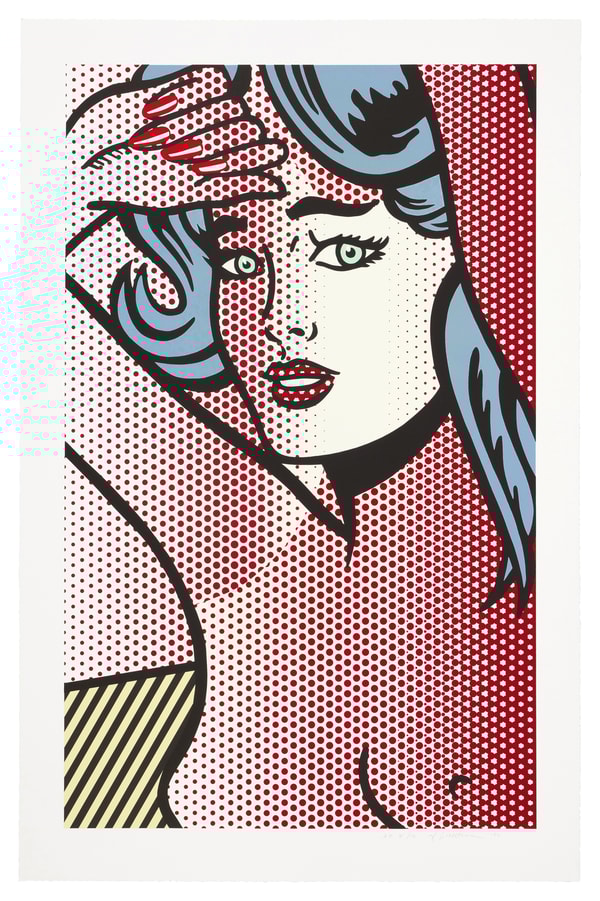
Andy Warhol Late Paintings For Sale
Andy Warhol: Late Paintings
Series Performance & Market Position
The Late Paintings represent one of the most undervalued segments within Andy Warhol's extensive catalogue, offering collectors entry to museum-quality canvases at price points dramatically below his iconic Pop imagery. While Warhol's Shot Sage Blue Marilyn (1964) commanded $195,040,000 at Christie's in May 2022—establishing the benchmark for any twentieth-century artwork at auction—his final decade of production remains accessible to serious collectors building historically significant holdings.
Guy Hepner has completed 478 Warhol transactions totalling over $51 million across 292 collectors, establishing unparalleled expertise in positioning these works within diversified art portfolios.
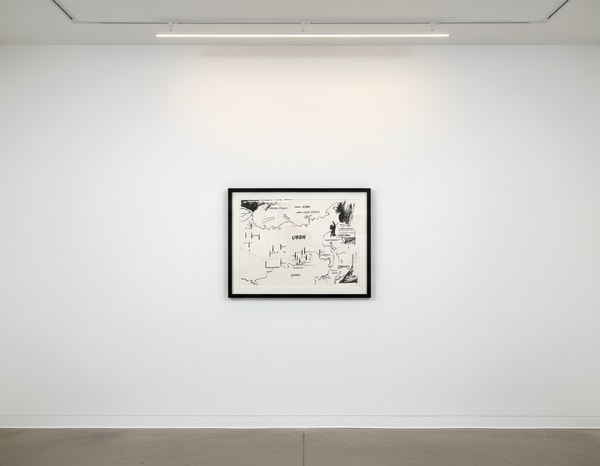
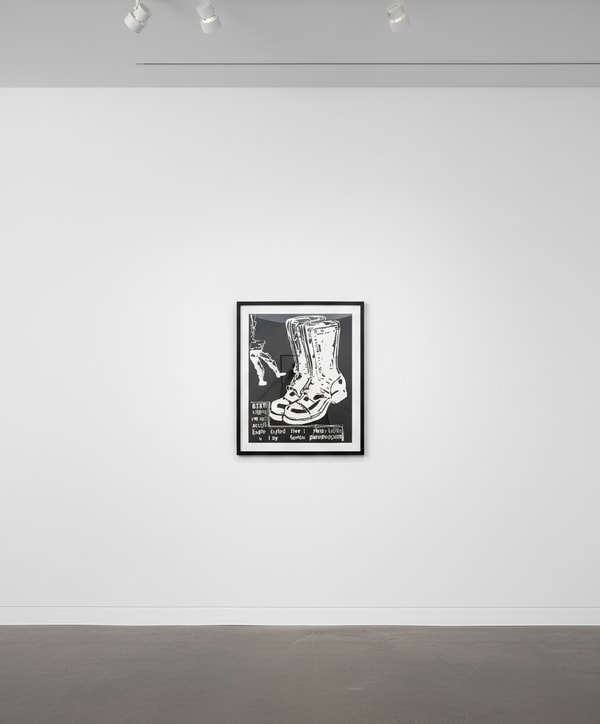
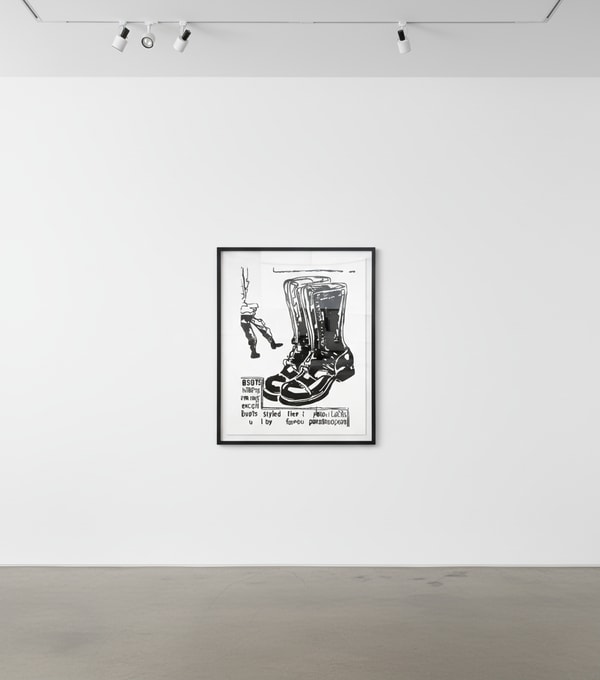
Auction records demonstrate consistent demand for Late Paintings imagery. Map Of Eastern U.S.S.R. Missile Bases Negative (1985-86) achieved $146,500 at auction in November 2010, with a subsequent example realising $137,000 in March 2014. Paratrooper Boots Positive (1985-86) sold twice at $110,000 in November 2015, confirming stable collector interest. Key Service Positive (1985-86) has appeared at €65,000 in June 2019 and $65,000 in September 2017.
Against Warhol's broader market strength—Mao screenprints reaching $4,648,000 at Christie's in May 2025 and Flowers commanding $4,076,000 at Sotheby's that same month—the Late Paintings present asymmetric opportunity for collectors seeking canonical Warhol authorship without seven-figure commitment.
Technical & Historical Context
Created between 1981 and 1986, the Late Paintings emerged during Warhol's renewed engagement with painting following his dominance of commercial illustration and portraiture throughout the 1970s. This period witnessed Warhol's return to appropriated imagery with fresh conceptual rigour, transforming advertisements, military diagrams, and consumer ephemera into meditations on American visual culture.
The series employs Warhol's signature combination of acrylic, synthetic polymer paint, and silkscreen ink on canvas—techniques he had refined over two decades. Works range from intimate 8 x 8 inch formats to more substantial 20 x 16 inch compositions, each bearing the gestural evidence of Warhol's hand alongside his mechanical reproduction methods.
These paintings arrived during a transitional moment in Warhol's practice. Having established the Factory's industrial aesthetic, he pursued increasingly personal subject matter while maintaining the detached presentation that defined Pop sensibility. The source imagery—paratrooper boots, missile base maps, anatomical diagrams—reflected Cold War anxieties and consumer banality with equal dispassion, anticipating the appropriation strategies that would dominate subsequent generations of contemporary artists.
Individual Works & Collector Insights
Gun (1981-82) stands as the series anchor, its synthetic polymer paint and silkscreen inks on canvas measuring 16 1/8 x 20 inches. Given Warhol's 1968 shooting by Valerie Solanas, this subject carries biographical weight that collectors consistently recognise. The work commands premium interest and represents the most sought-after imagery within this grouping.
Map Of Eastern U.S.S.R. Missile Bases Negative (1985-86) attracts collectors drawn to Warhol's Cold War commentary. The 16 x 20 inch canvas transforms declassified military intelligence into Pop iconography, and its auction history—$146,500 and $137,000 at successive sales—demonstrates sustained institutional and private interest.
Paratrooper Boots Positive (1985-86) appeals to collectors building thematic holdings around American military imagery. The 20 x 16 inch acrylic on canvas has proven liquid at auction, with duplicate sales confirming collector appetite.
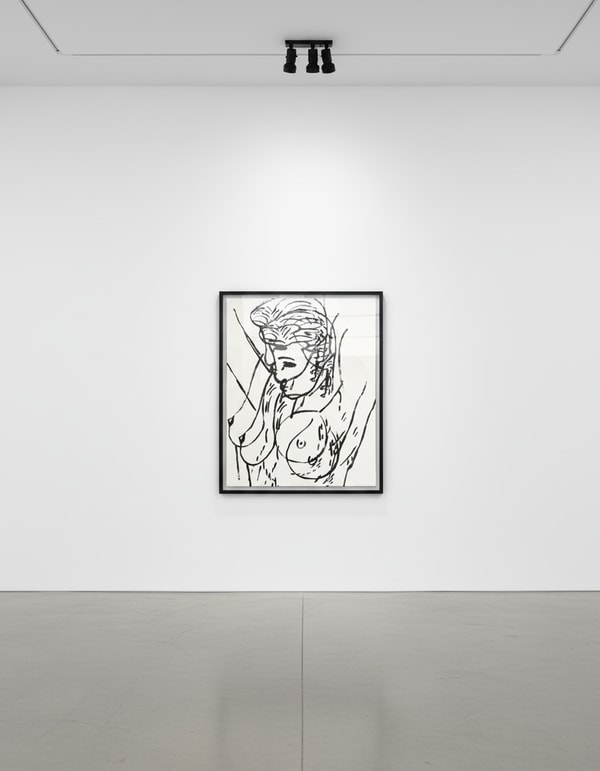
Physiological Diagram Double Exposure (1985-86) and Be Somebody With A Body Negative (1985-86) engage Warhol's fascination with the human form as commercial product. The latter's compact 8 x 8 inch format offers accessible entry for emerging collectors.
Gimbels (1983) references department store Americana, while Hamburger (1986) and Key Service Positive (1985-86) continue Warhol's lifelong examination of everyday consumer objects elevated through repetition and recontextualisation.
Authentication & Condition Considerations
Every Late Painting offered through Guy Hepner carries full authentication from The Andy Warhol Foundation for the Visual Arts or accompanies verification from the artist's catalogue raisonné. Given Warhol's prolific output and the complexity of his studio practice, provenance documentation remains essential for collector protection and future resale positioning.
Condition assessment for Late Paintings requires attention to specific material vulnerabilities. Synthetic polymer paints from this period may exhibit surface cracking or adhesion issues if improperly stored. Silkscreen ink layers demand examination under raking light to identify lifting or abrasion. Canvas tension and stretcher bar integrity require professional evaluation, particularly for works that have travelled between collections.
Guy Hepner provides comprehensive condition reporting prepared by conservation specialists familiar with Warhol's late materials. Climate-controlled storage recommendations accompany each acquisition, ensuring long-term preservation. For works requiring intervention, we coordinate with conservators approved by major auction houses and museum collections, maintaining value integrity throughout the ownership period.
Investment Analysis & 2026 Acquisition Strategy
The Late Paintings occupy a strategic position within Warhol's market architecture. While blue-chip 1960s imagery commands eight-figure prices—Self-Portrait achieving $18,144,000 at Sotheby's in November 2023—works from Warhol's final productive years trade at fractions of these benchmarks despite identical authentication standards and comparable technical accomplishment.
Institutional collecting patterns suggest growing recognition of Warhol's 1980s output. Museum retrospectives increasingly emphasise his full career trajectory rather than concentrating exclusively on early Pop masterworks. As scholarship expands, collector attention follows.
For 2026, Guy Hepner recommends prioritising works with established auction histories, which provide transparent valuation benchmarks and demonstrate liquidity. Gun (1981-82) merits particular consideration given its biographical resonance and rarity within the series. Imagery engaging Cold War themes—missile maps, military equipment—aligns with renewed collector interest in politically charged historical material.
Collectors should anticipate holding periods of seven to twelve years to realise optimal appreciation, consistent with broader Warhol market cycles documented across Christie's, Sotheby's, and Phillips sales data.
Acquire Late Paintings by Andy Warhol
Guy Hepner in New York maintains immediate availability across the Late Paintings series. To discuss specific works, request detailed condition reports, or arrange private viewing, contact our Warhol specialists directly. We welcome enquiries from collectors at all stages of acquisition.
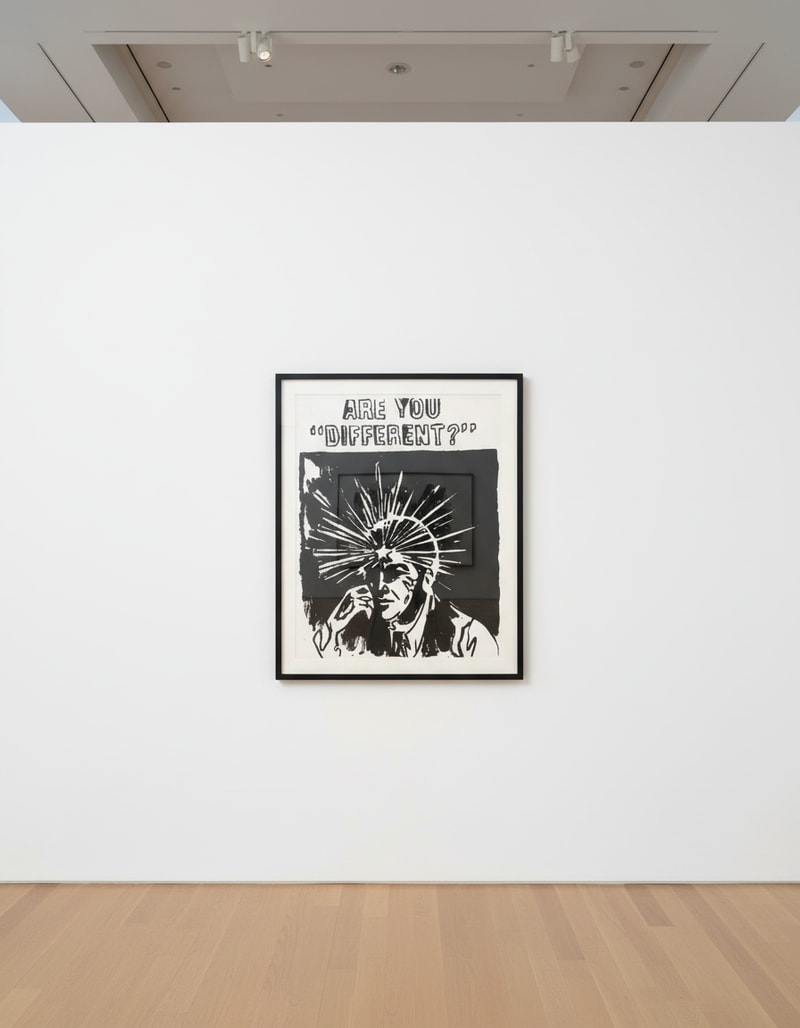
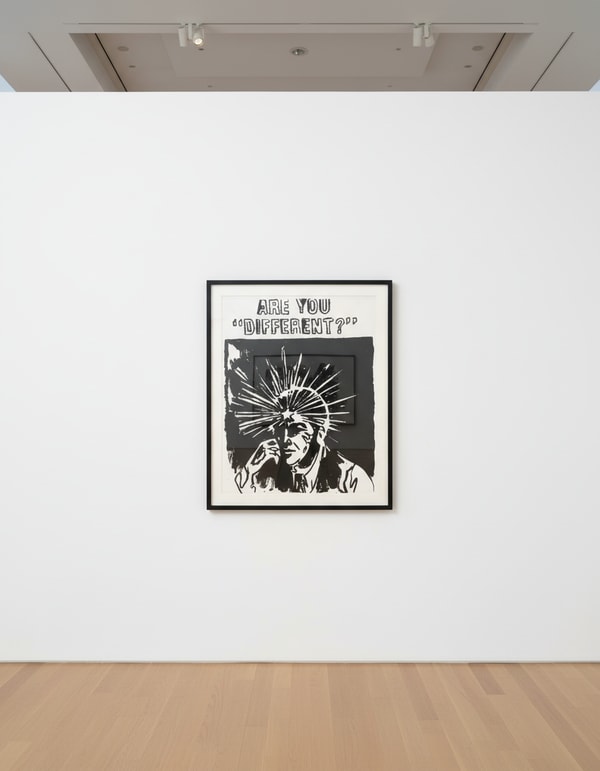
Andy Warhol
Are You Different
1985-6
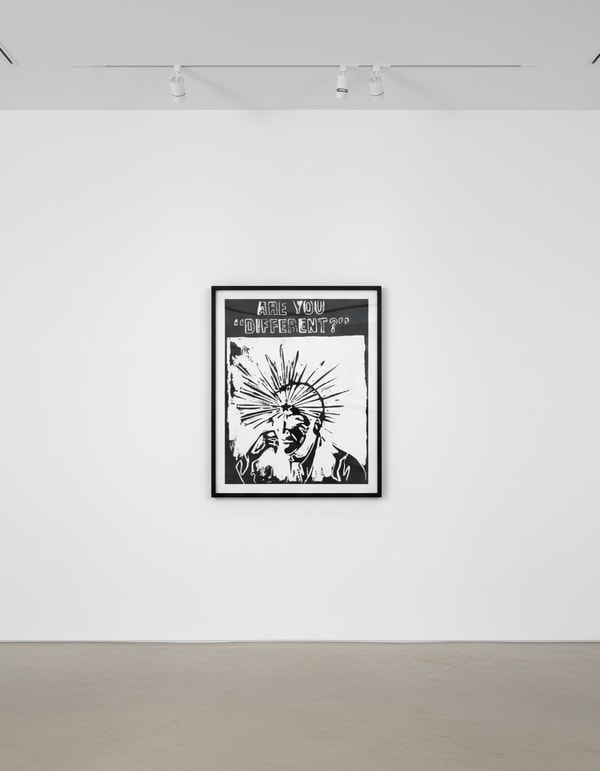
Andy Warhol
Are You Different Negative
1985-6
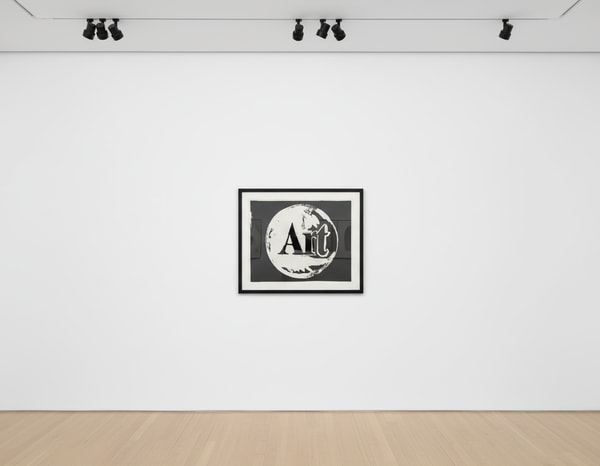
Andy Warhol
Art Negative
1985-6
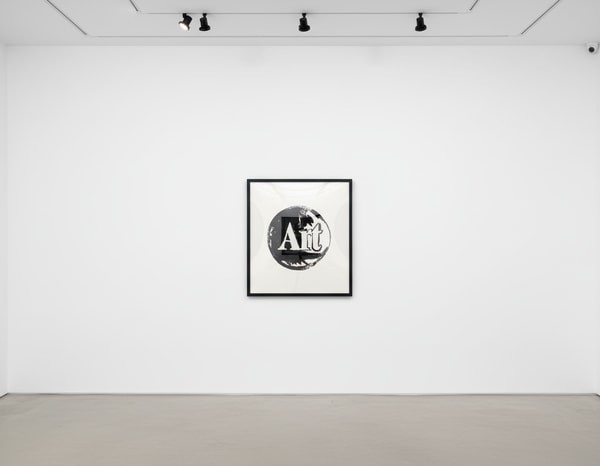
Andy Warhol
Art Positive
1985-6
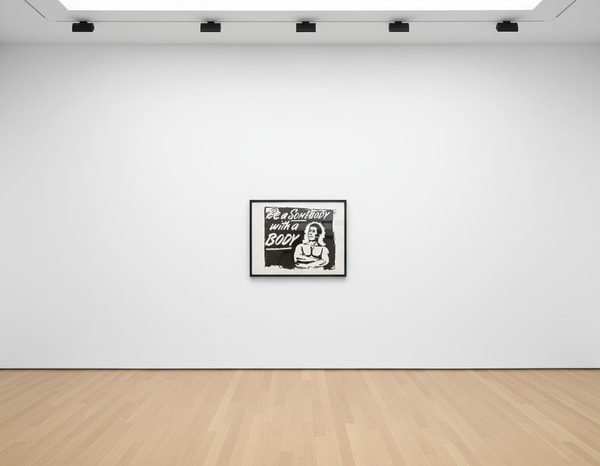
Andy Warhol
Be A Somebody With A Body
1985 - 86
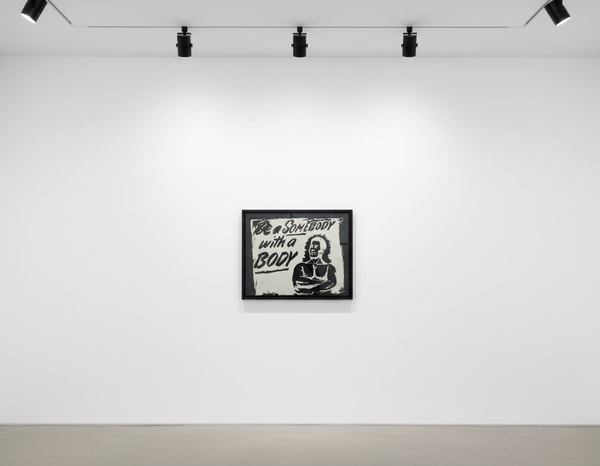
Andy Warhol
Be Somebody With A Body Negative
1985 - 86
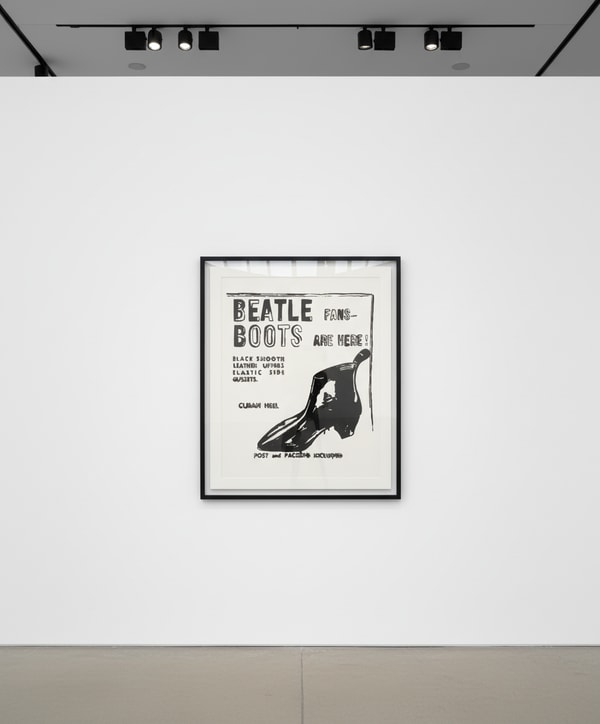
Andy Warhol
Beatle Boots Positive
1986
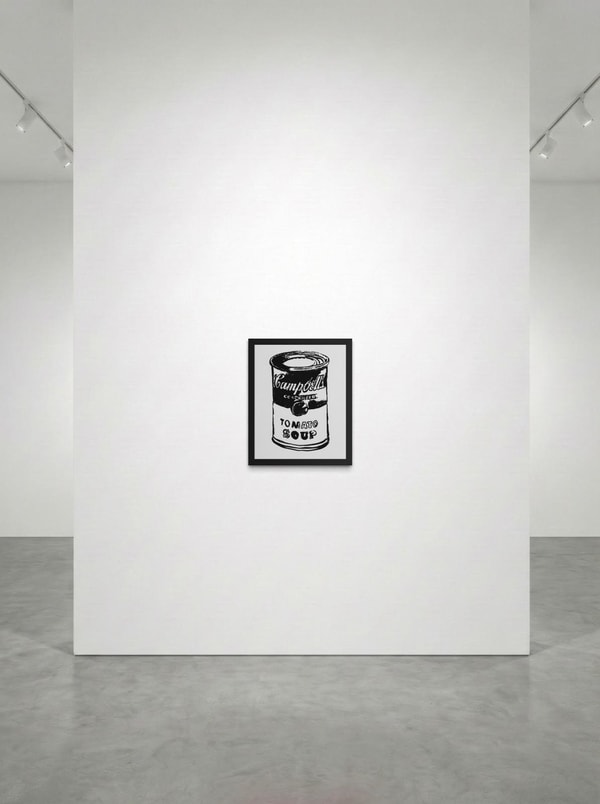
Andy Warhol
Campbell's Soup Can Tomato Soup
1985

Andy Warhol
Gimbels
1983
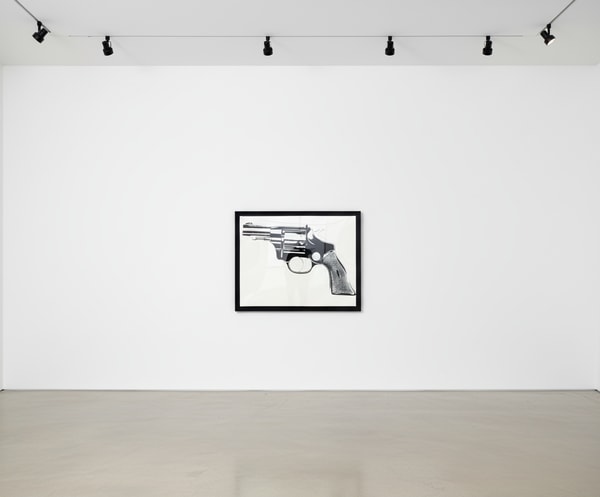
Andy Warhol
Gun
1981-82
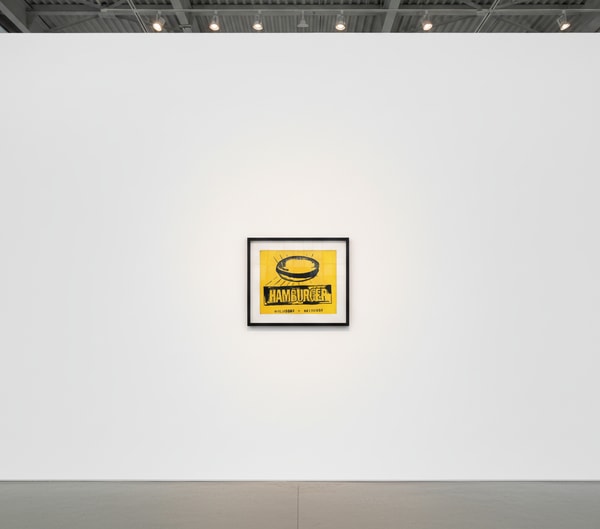
Andy Warhol
Hamburger
1986
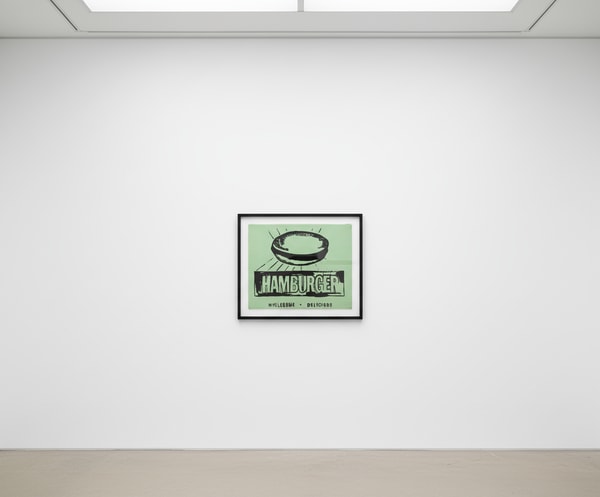
Andy Warhol
Hamburger Green
1986
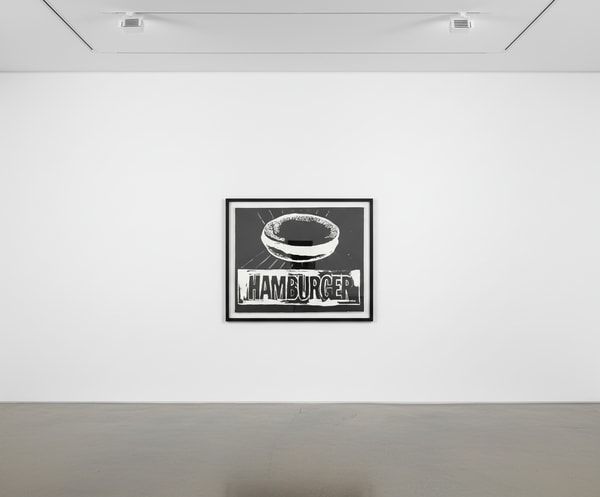
Andy Warhol
Hamburger Negative
1986
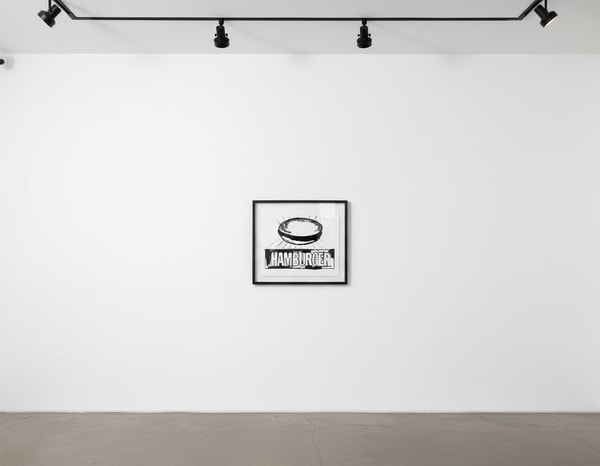
Andy Warhol
Hamburger Positive
1986
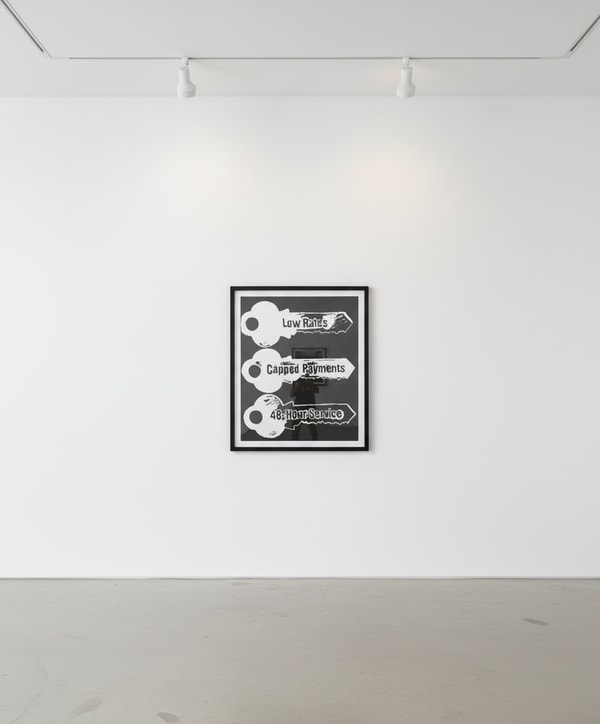
Andy Warhol
Key Service Negative
1985-86
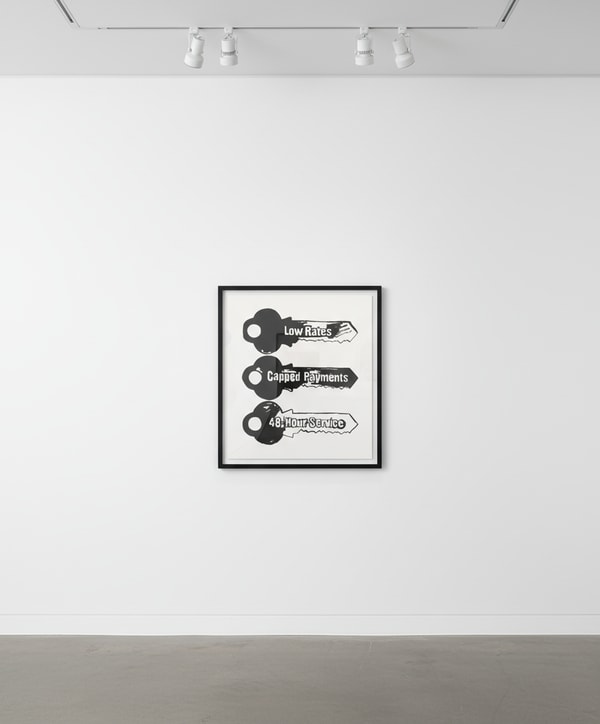
Andy Warhol
Key Service Positive
1985-86
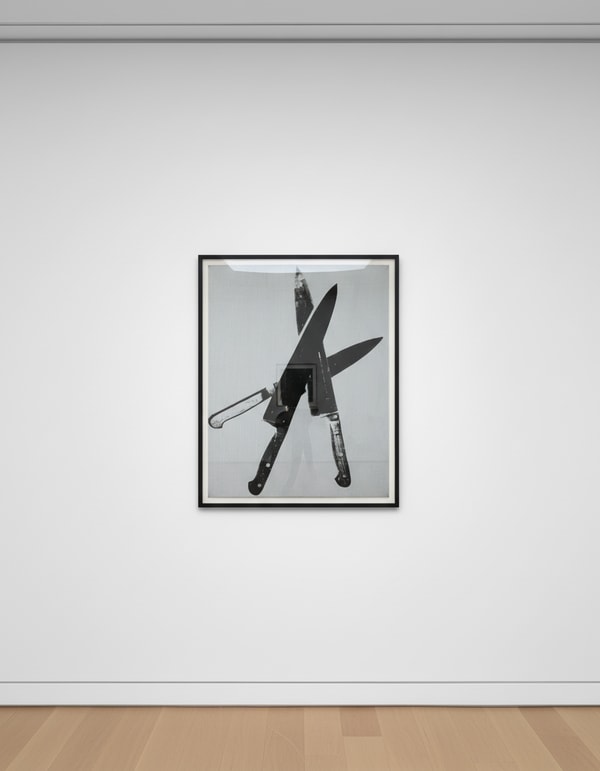
Andy Warhol
Knives
1981-82
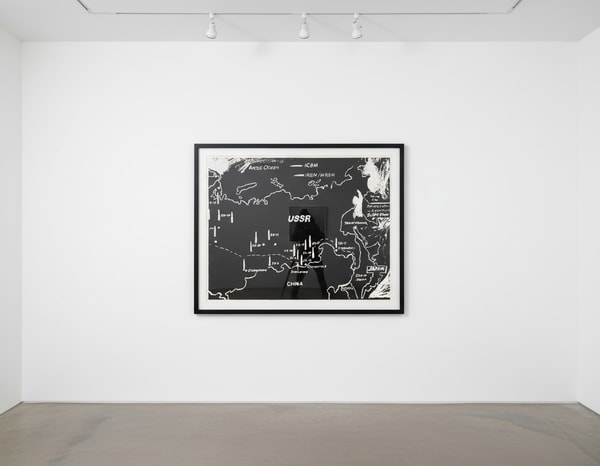
Andy Warhol
Map Of Eastern U.S.S.R. Missile Bases Negative
1985-86
Andy Warhol
Map Of Eastern U.S.S.R. Missile Bases Positive
1985-86
Andy Warhol
Paratrooper Boots Negative
1985-86
Andy Warhol
Paratrooper Boots Positive
1985-86
Andy Warhol
Physiological Diagram Double Exposure
1985-86
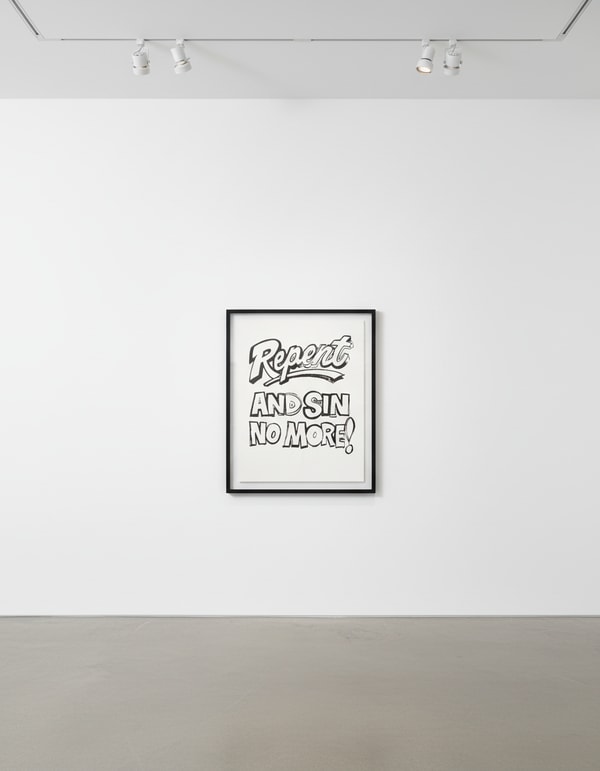
Andy Warhol
Repent and Sin No More
1986-6
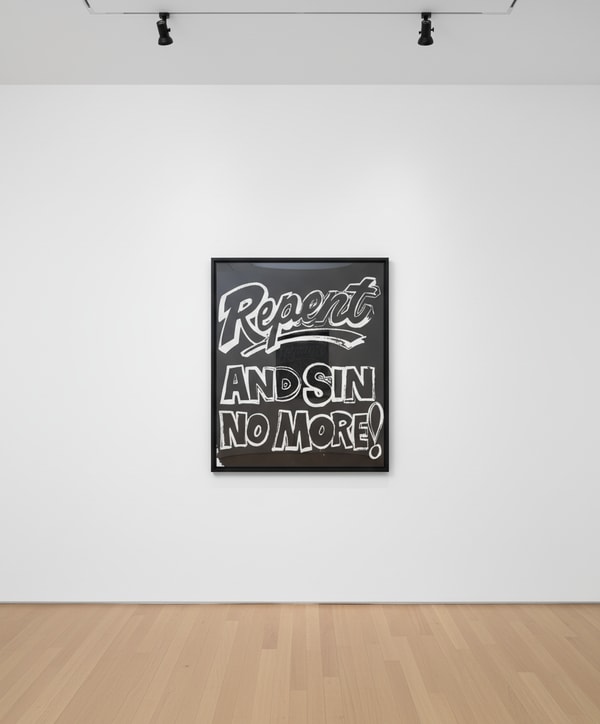
Andy Warhol
Repent and Sin No More Negative
1986-6
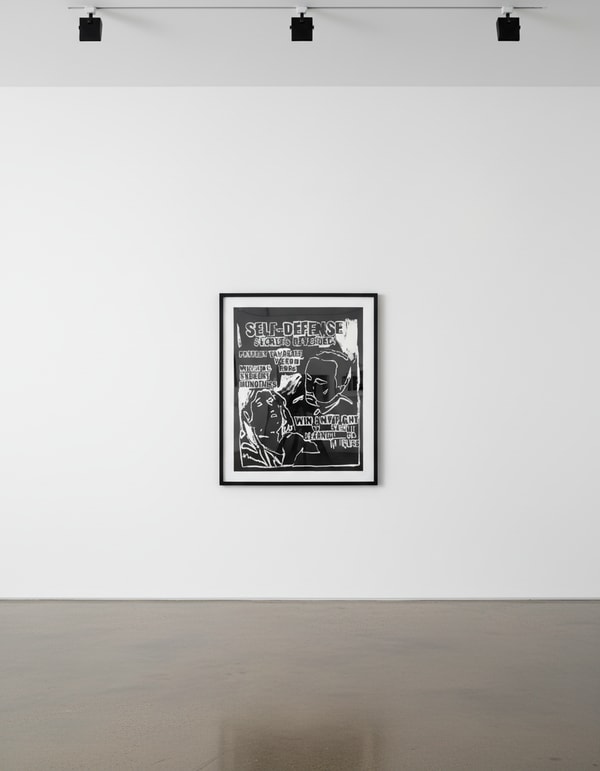
Andy Warhol
Self Defense Negative
1985-86
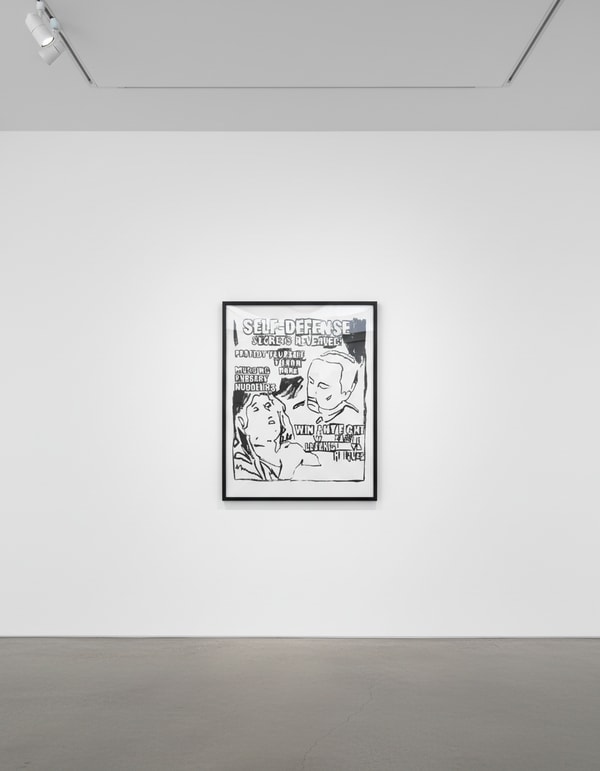
Andy Warhol
Self Defense Positive
1985-86
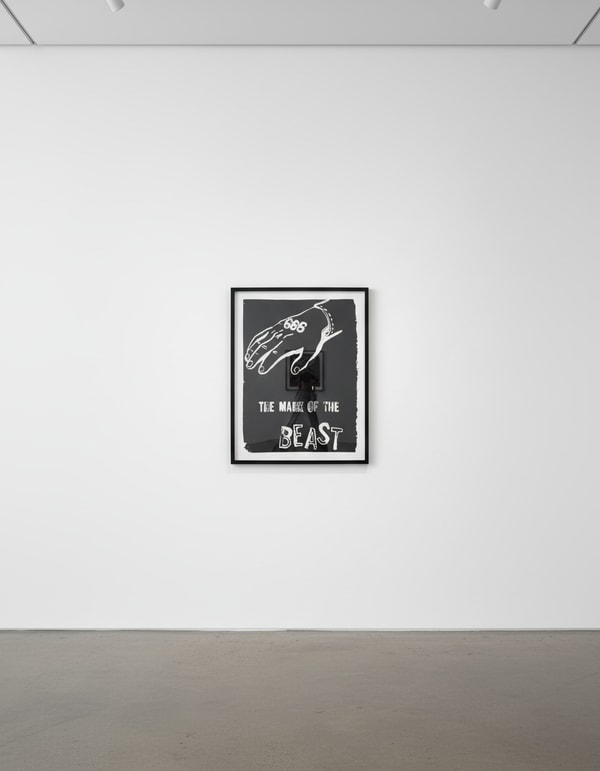
Andy Warhol
The Mark of the Beast Negative
1985-6
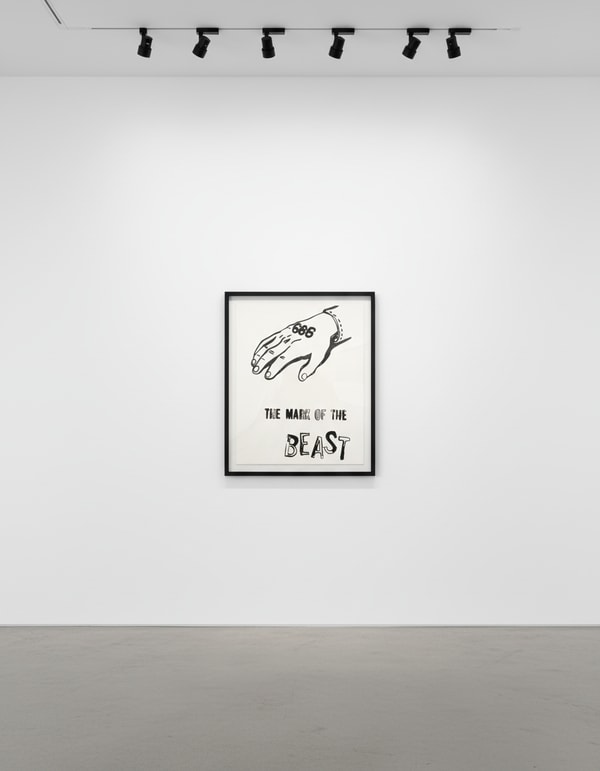
Andy Warhol
The Mark of the Beast Positive
1985-86
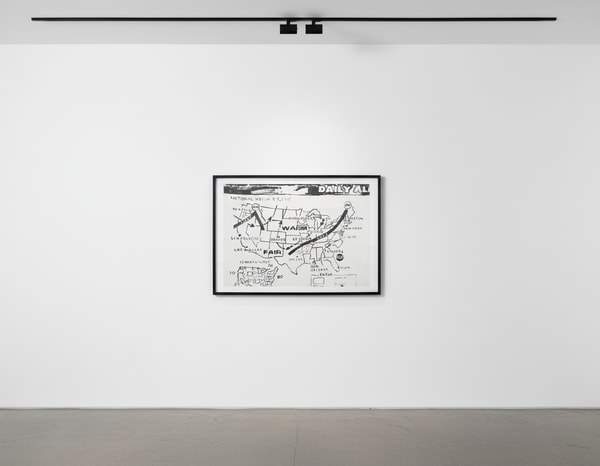
Andy Warhol
Weather Map Positive
1985-86
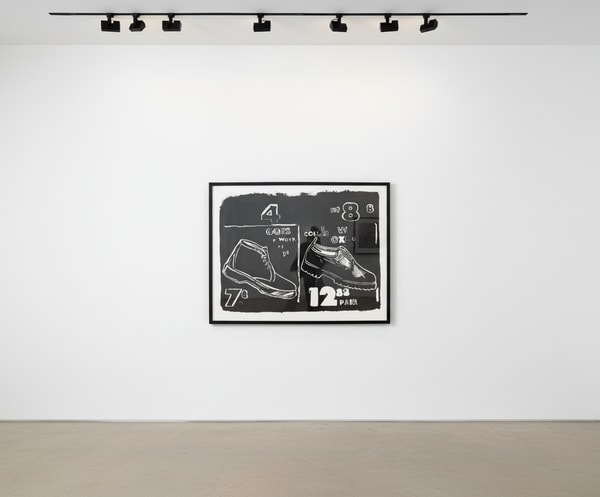
Andy Warhol
Working Boots Negative
1985-86
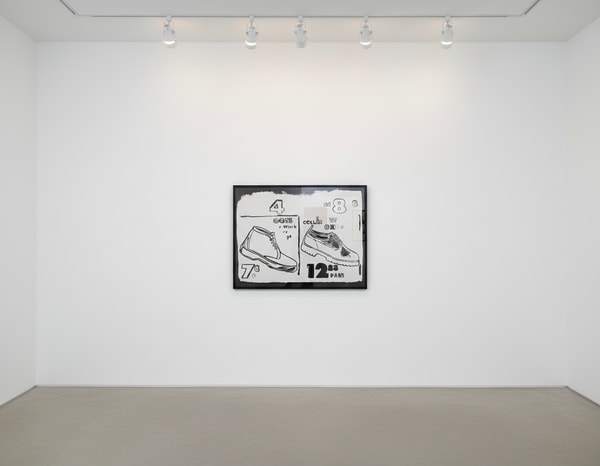
Andy Warhol
Working Boots Positive
1985-86
From the Journal