Andy Warhol Self Portraits For Sale
Andy Warhol: Self Portraits
Series Performance & Market Position
The Self Portrait series represents one of the most psychologically charged and commercially significant bodies of work in Andy Warhol's extensive catalogue. At Guy Hepner, where we have completed 478 Warhol transactions totalling over $51 million across 292 collectors, these introspective works consistently generate intense collector interest precisely because they offer something rare in Warhol's oeuvre: direct confrontation with the artist himself.
Auction records demonstrate the extraordinary range and depth of this market. A monumental 1981 Self Portrait canvas achieved $18,144,000 at Sotheby's in November 2023, with a second example from the same series realising $5,495,000 in that same sale. The iconic Fright Wig works have commanded equally impressive results, with a major example bringing £6,008,750 at auction in June 2017. More accessible entry points exist within the print editions—Self-Portrait IIIC.27 screenprints have traded between $38,100 and £50,000 depending on condition, impression quality, and market timing.
This performance sits within the broader context of Warhol's market dominance. Shot Sage Blue Marilyn established a $195,040,000 benchmark at Christie's in May 2022, confirming Warhol as the defining artist of twentieth-century auction records. The Self Portraits benefit from this halo effect whilst offering collectors something the celebrity portraits cannot: unmediated access to the figure behind the Factory.
Technical & Historical Context
Warhol returned obsessively to self-portraiture throughout his career, producing distinct bodies of work in 1964, 1966-67, 1977, 1981, and 1986. Each period reflects different technical approaches and psychological registers. The 1977 screenprints emerged during a prolific print-publishing phase, utilising the layered colour separations that defined his graphic output. The 1981 canvases introduced theatrical shadow play and gestural brushwork that departed from his earlier mechanical flatness.
The 1986 Fright Wig series, created just months before his death in February 1987, stands as his final sustained self-examination. These works feature Warhol's signature shock of silver hair electrified against vivid camouflage-patterned backgrounds, merging his fascination with surface decoration and mortality. Polaroid source photographs, including examples we currently offer, document the working process behind the large-scale canvases and prints—these intimate objects served as Warhol's sketching medium and retain documentary as well as aesthetic significance.
Individual Works & Collector Insights
The works currently available through Guy Hepner span the full spectrum of this series, offering entry points for emerging collectors and museum-quality acquisitions alike.
The Self Portrait Polaroid (1981) at 3 1/2 x 4 1/4 inches represents the most intimate format in Warhol's practice. These source photographs circulate rarely; serious Warhol collectors increasingly pursue them as both autonomous artworks and historical documents that reveal the artist's selection process.
Self-Portrait IIIC.27 (c. 1977) presents the screenprint in green on Curtis Rag paper at 45 x 35 inches. This edition exemplifies Warhol's mastery of colour separation and registration, with the green variant offering striking visual presence. Print collectors favour this format for its combination of accessibility, display scale, and direct connection to Warhol's hand through his studio production.
The Fright Wig screenprint on cotton (ca. 1986) at 32 1/2 x 40 3/4 inches captures the electric intensity of Warhol's final self-portrait campaign. The textile substrate creates subtle textural variation that distinguishes these impressions from paper-based editions.
For collectors seeking major canvas works, the Self-Portrait (1986) in acrylic and silkscreen ink at 80 x 80 ⅛ inches represents the pinnacle of this series—a museum-scale statement piece with documented provenance suitable for the most discerning institutional or private collections.
Authentication & Condition Considerations
Authentication for Warhol Self Portraits follows established protocols through The Andy Warhol Foundation for the Visual Arts and the Andy Warhol Authentication Board's historical determinations (the Board ceased operations in 2011, making its prior rulings definitive). Canvas works require Foundation examination and stamp verification; prints must reference the catalogue raisonné published by Feldman and Schellmann.
Condition factors vary by medium. Polaroids demand careful assessment of chemical stability—emulsion shifts and colour fading affect value significantly. Screenprints require examination for registration alignment, ink density, and paper condition; Curtis Rag paper used in the IIIC.27 edition holds up well but remains susceptible to light exposure and humidity damage. The cotton-substrate Fright Wig prints present unique conservation considerations given textile flexibility and potential creasing.
Guy Hepner provides comprehensive condition reports prepared by qualified conservators for every work, alongside full provenance documentation and authentication verification. We encourage collectors to request these materials prior to acquisition.
Investment Analysis & 2026 Acquisition Strategy
Within Warhol's catalogue, the Self Portraits occupy a distinctive investment position. Unlike the Marilyn, Elvis, or Mao portraits—where value derives partly from subject celebrity—these works trade on Warhol's own mythological status. As biographical interest in Warhol continues growing through exhibitions, publications, and documentary projects, the Self Portraits appreciate accordingly.
The price differential between unique canvases and editioned prints creates strategic opportunities. At $18 million, major canvases compete with institutional acquisition budgets. Screenprints between $40,000 and $150,000 offer collectors blue-chip Warhol exposure with significantly lower capital requirements and stronger liquidity should circumstances change.
Our 2026 recommendation: collectors should prioritise prime-condition Fright Wig examples, which remain undervalued relative to their art-historical importance as Warhol's final self-portrait statement. The 1977 screenprint editions also present compelling value given recent softening at the entry level—strong impressions acquired now position collectors well for medium-term appreciation as the market consolidates.
To discuss acquisition of any Self Portrait work or request detailed condition reports and provenance documentation, contact Guy Hepner in New York. Our specialists welcome conversations with collectors at every level of engagement with Warhol's market.
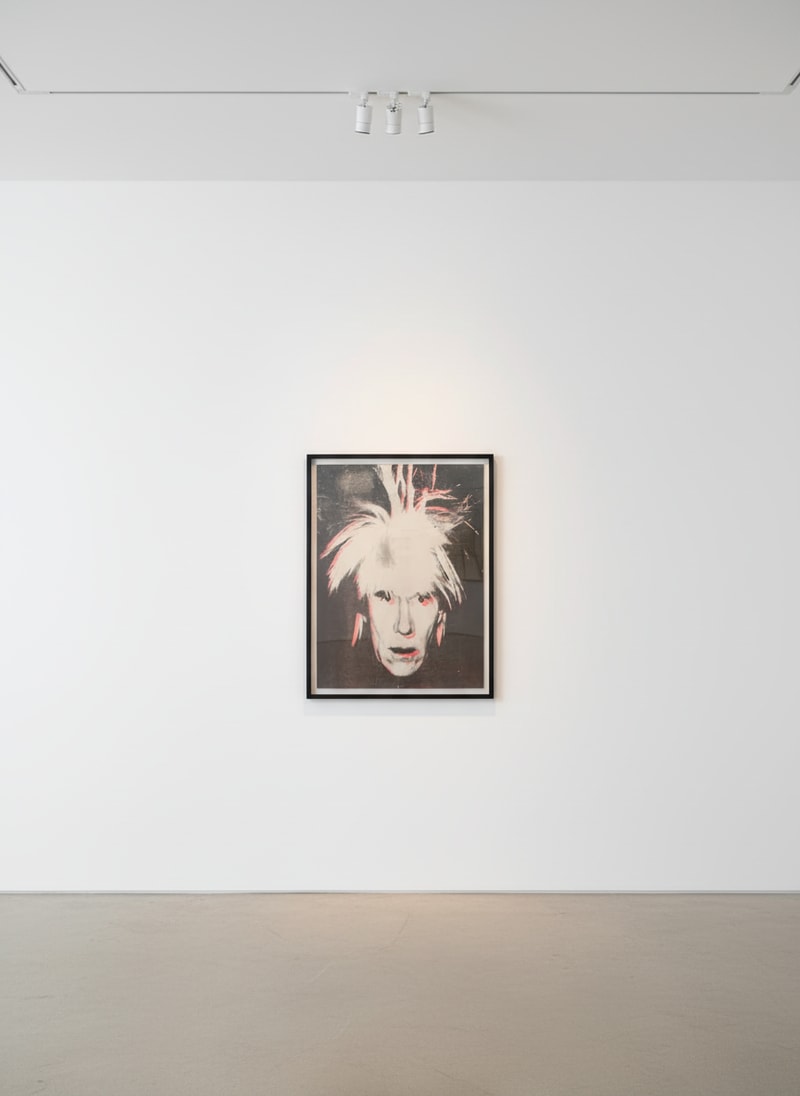
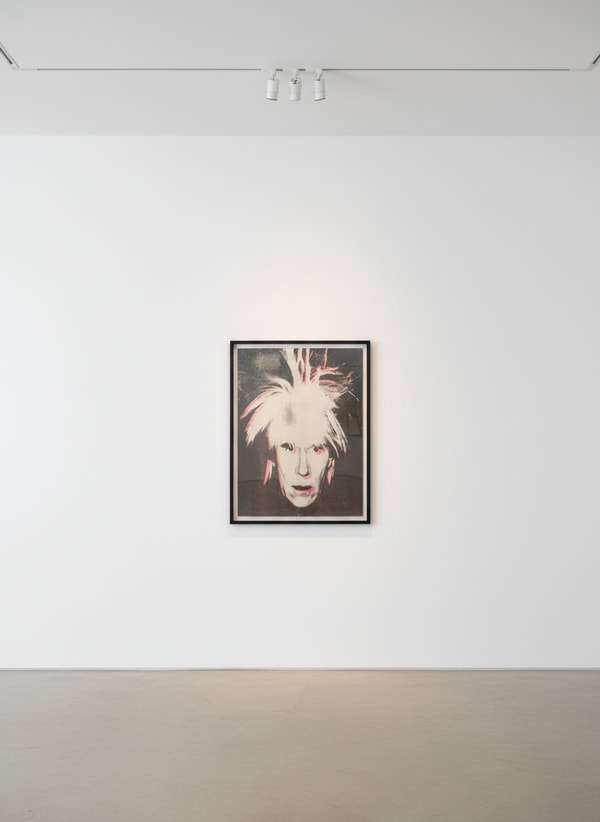
Andy Warhol
Fright Wig
ca . 1986
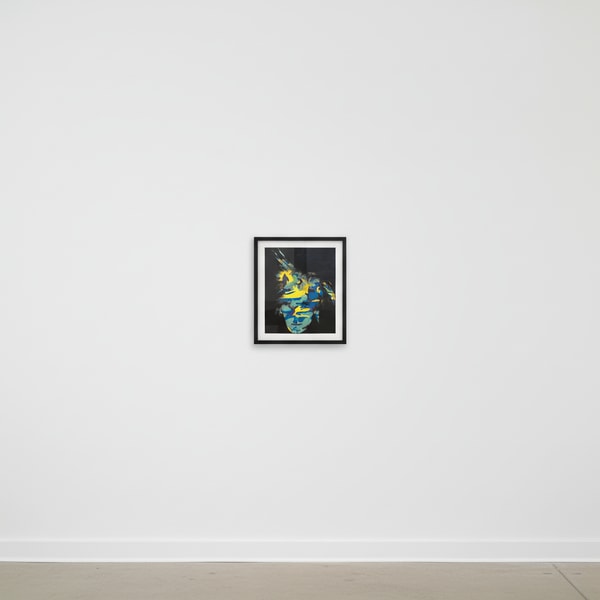
Andy Warhol
Self Portrait
1981
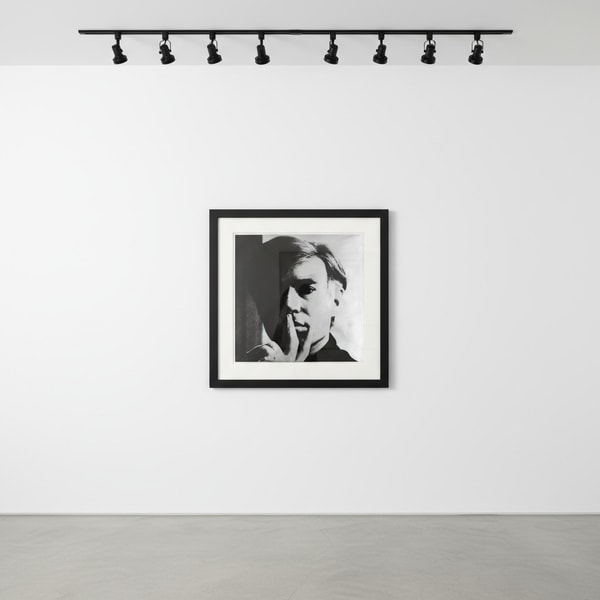
Andy Warhol
Self Portrait (F.S. II 16)
1966

Andy Warhol
Self Portrait F.S. IIIC 24
Screen print on Curtis Rag paper
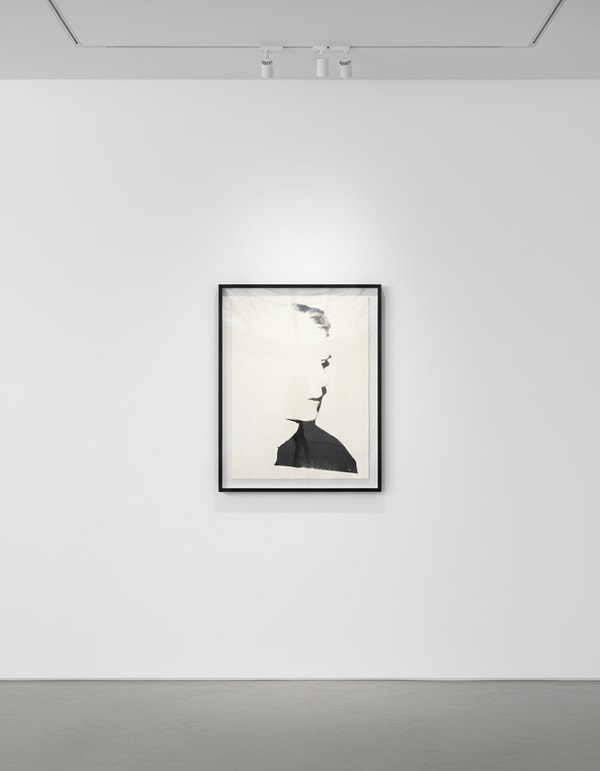
Andy Warhol
Self Portrait F.S. IIIC 25
1977
Andy Warhol
Self-Portrait
1986

Andy Warhol
Self-Portrait F.S. II 156
1978
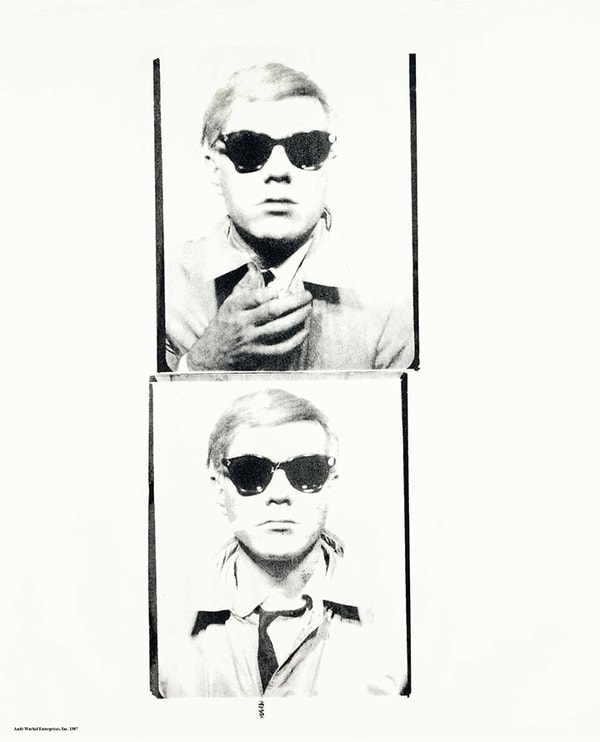
Andy Warhol
Self-Portrait F.S. IIIA 10
1978
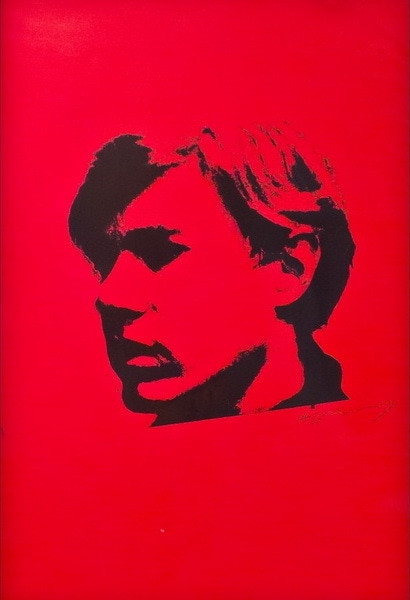
Andy Warhol
Self-Portrait F.S. IIIC 1
1967
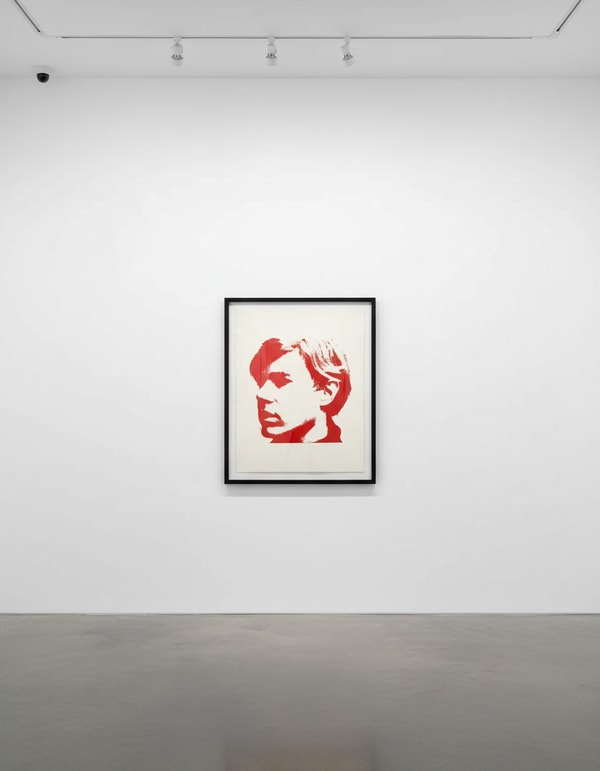
Andy Warhol
Self-Portrait F.S. IIIC 1 (c)
1967
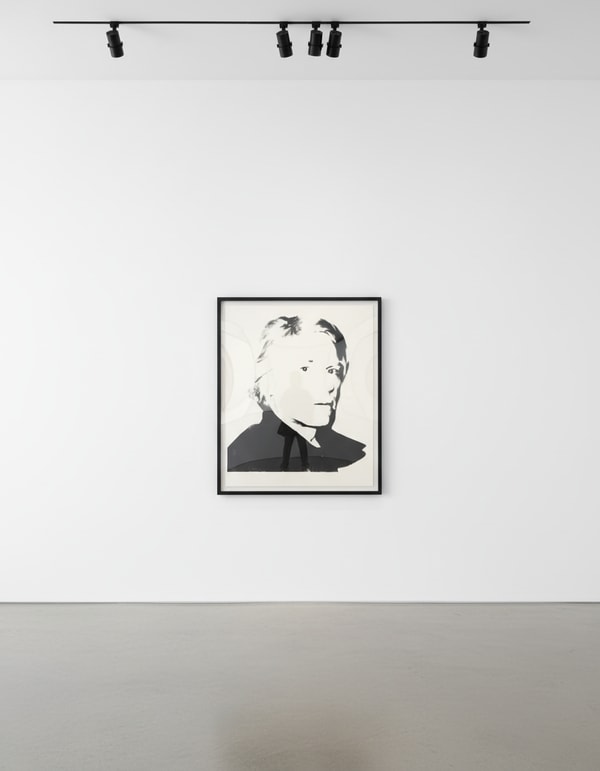
Andy Warhol
Self-Portrait F.S. IIIC 26
1977
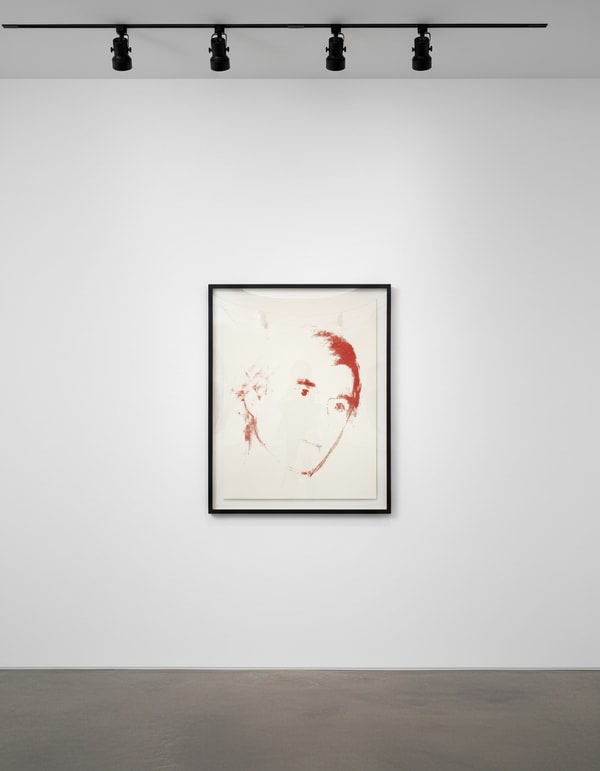
Andy Warhol
Self-Portrait F.S. IIIC 27
1977
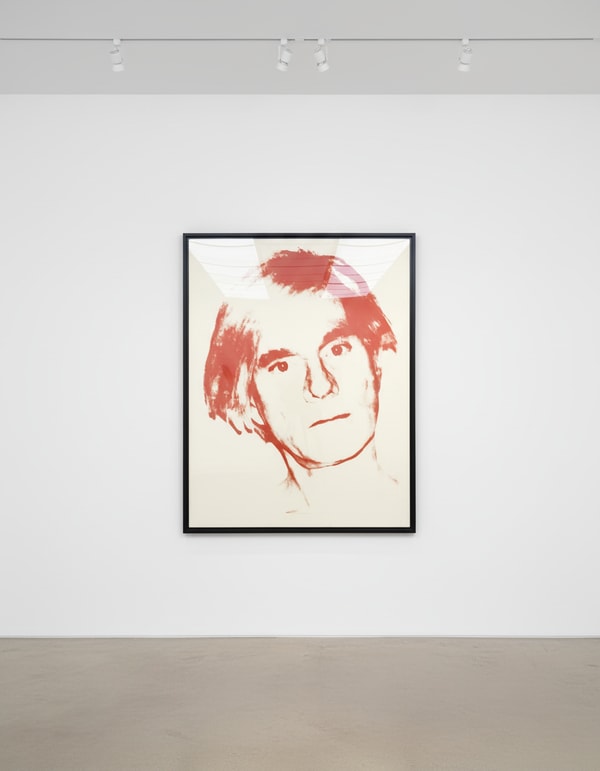
Andy Warhol
Self-Portrait F.S. IIIC 28
1977
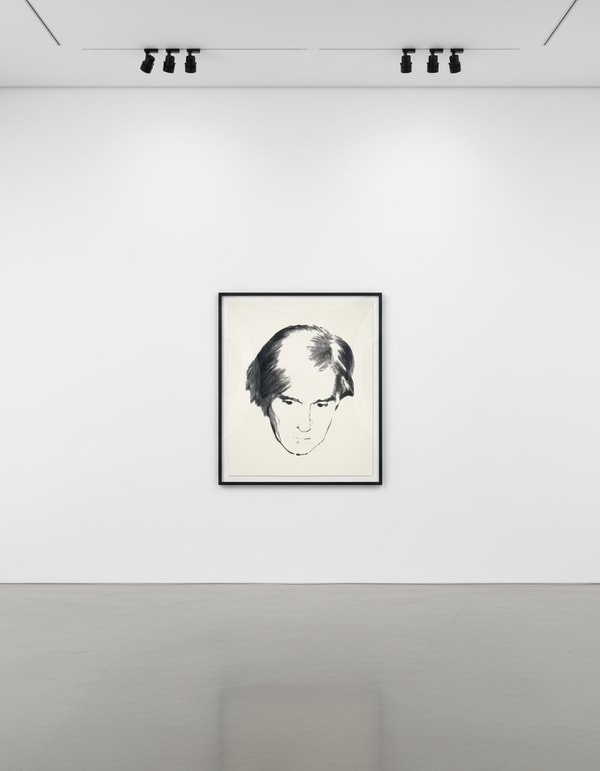
Andy Warhol
Self-Portrait F.S. IIIC 29
1977
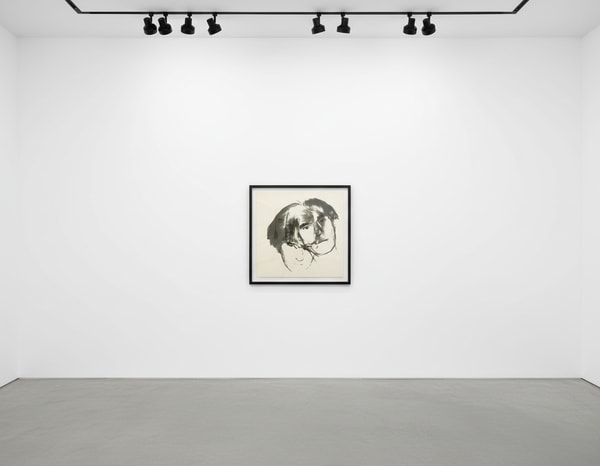
Andy Warhol
Self-Portrait F.S. IIIC 30
1977
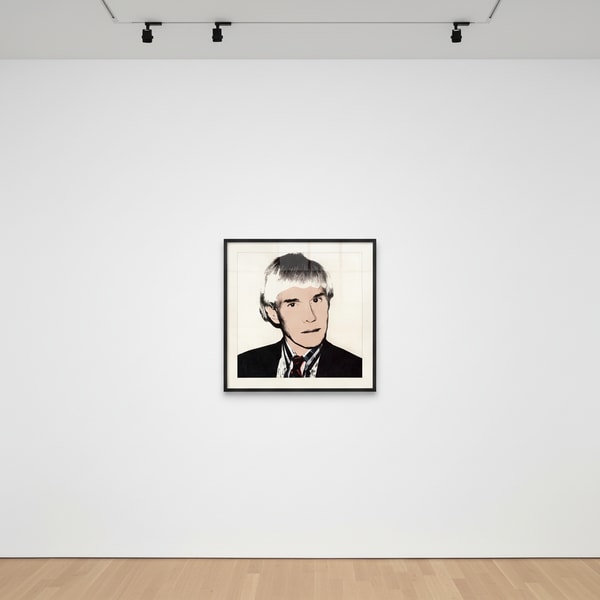
Andy Warhol
Self-Portrait F.S. IIIC 59
1977
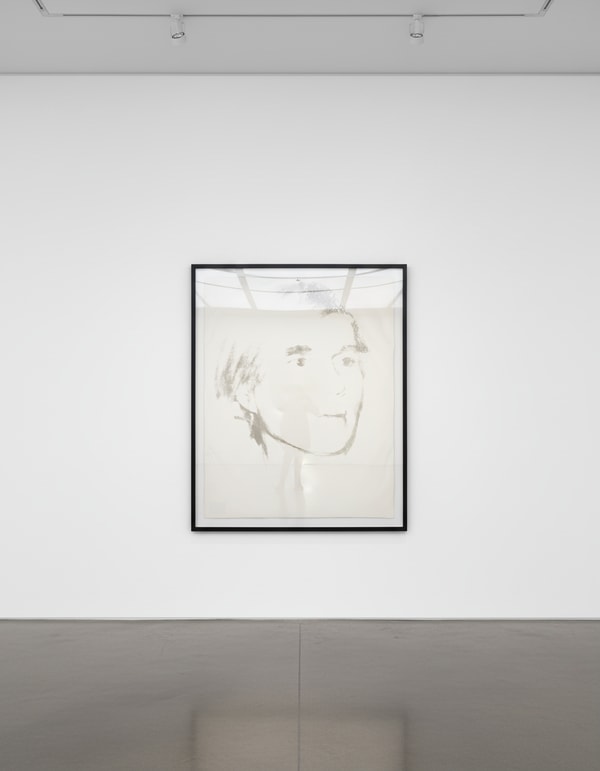
Andy Warhol
Self-Portrait, IIIC.27
c. 1977