-
The Language of Symbols
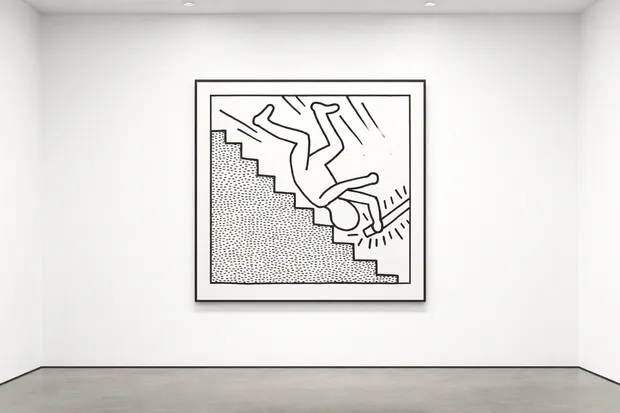
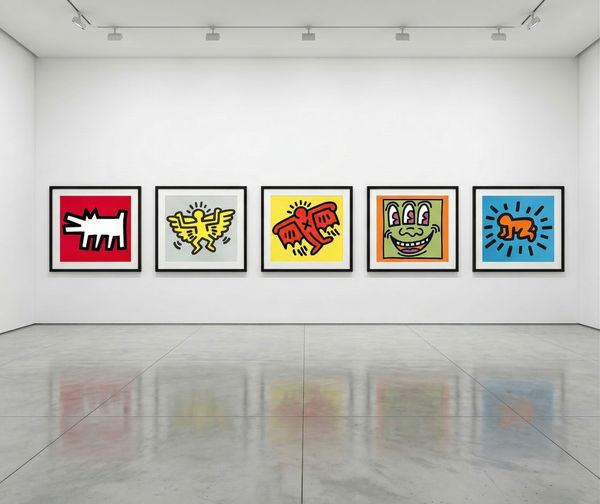
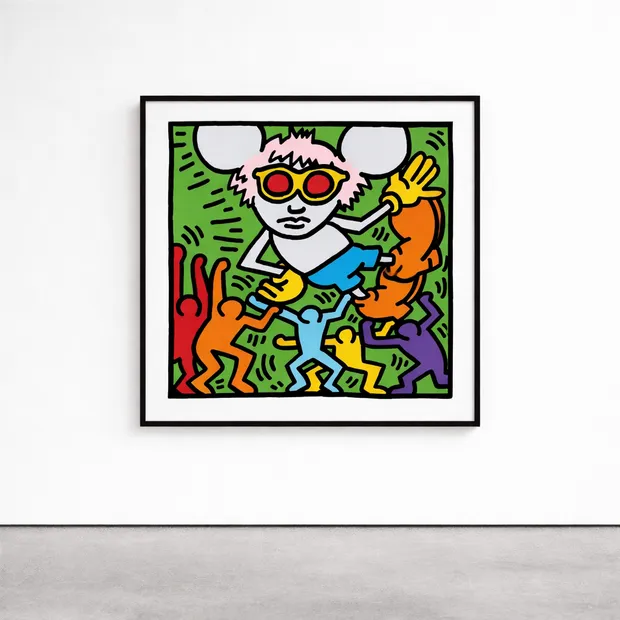
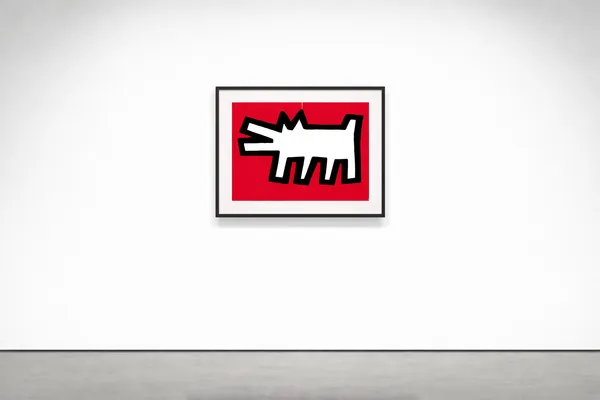
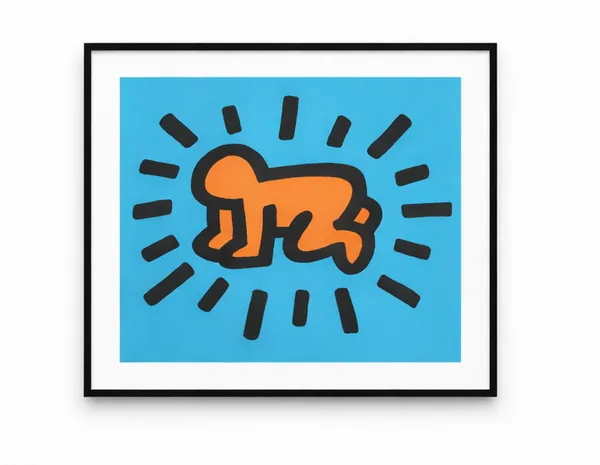
Few artists created a visual language as immediate and recognisable as Keith Haring. Emerging from the streets and subway stations of New York in the early 1980s, his bold black lines and radiant figures transformed simple forms into universal symbols. Dancing bodies, barking dogs, radiant babies and pulsing energy lines became instantly legible images that could be understood across cultures and generations.
Each of Haring’s prints captures this language in its most concentrated form. A single composition conveys movement, humour, tension or celebration within a deceptively simple arrangement of line and colour. These works possess a striking immediacy: they are graphic, energetic and unmistakably Haring.
-
Complete Sets

-
-
Images in Conversation
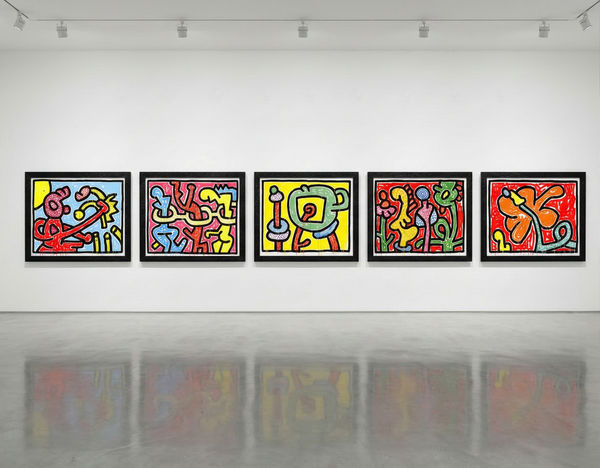
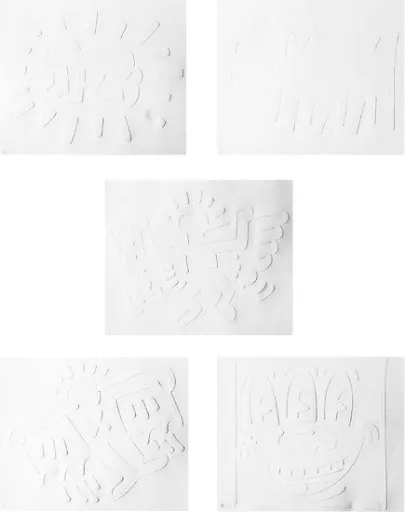
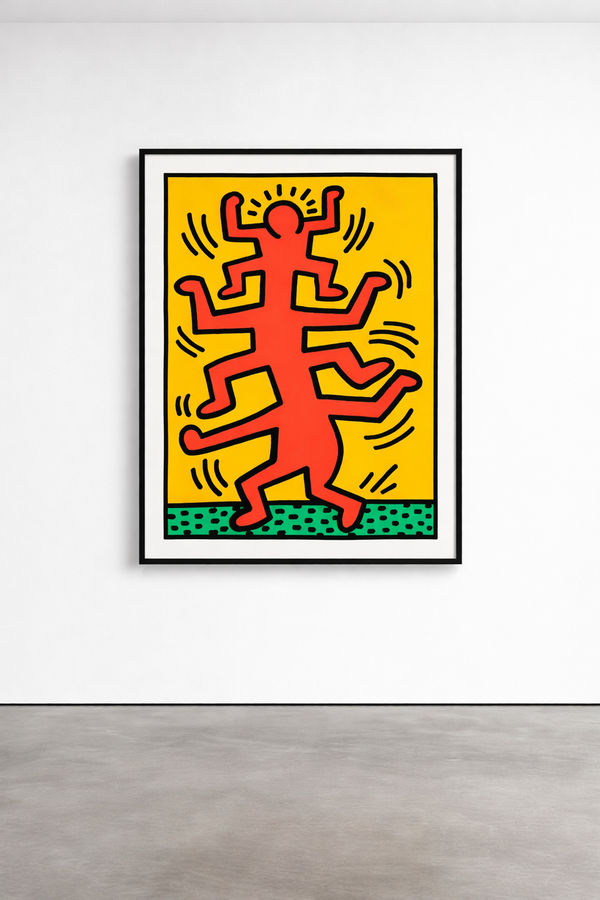
While every Haring print stands as a distinct work, many were conceived as part of sequences that explore the evolution of his symbols. Across suites such as Pop Shop, Growing, Fertility and other portfolios, recurring figures and motifs appear in new combinations, creating subtle shifts in meaning from one image to the next.
Viewed individually, these works function almost like visual vignettes — concentrated moments of movement and symbolism. When seen together, however, connections begin to emerge. Figures multiply and interact, patterns repeat, and the rhythm of Haring’s line carries energy across the series.
This approach reflects Haring’s broader philosophy that art should be accessible, direct and shared. His images were designed to communicate quickly, yet they also reward deeper viewing. The same symbols can suggest joy, community, tension or transformation depending on how they appear within different compositions.
-
Individuals
-
-
-
Collecting the Image, Collecting the Story
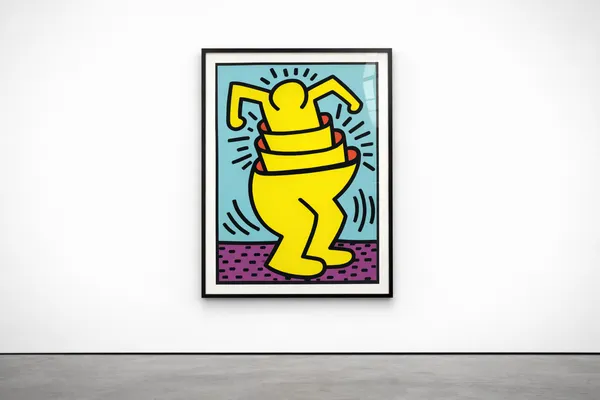
Keith Haring’s prints possess a rare quality: each image stands completely on its own. A single composition — whether a radiant baby, barking dog, or dancing figure — contains the immediacy, humour and energy that define Haring’s visual language. For many collectors, acquiring an individual print is the entry point into Haring’s world, offering a powerful and highly recognisable work that carries the full impact of the artist’s style.
At the same time, Haring often conceived his print portfolios as sequences. When viewed together, these works begin to reveal subtle connections: figures reappear, motifs evolve, and visual rhythms develop across the compositions. The dialogue between images allows viewers to experience the broader narrative dimension of Haring’s thinking.
For collectors, this duality is part of the enduring appeal of Haring’s printmaking. An individual print remains a complete and compelling work in its own right, while the larger suites offer an expanded perspective on how these images relate to one another.
Whether encountered as a single striking composition or as part of a larger portfolio, Haring’s prints continue to communicate with the same clarity and vitality that made his art resonate around the world.