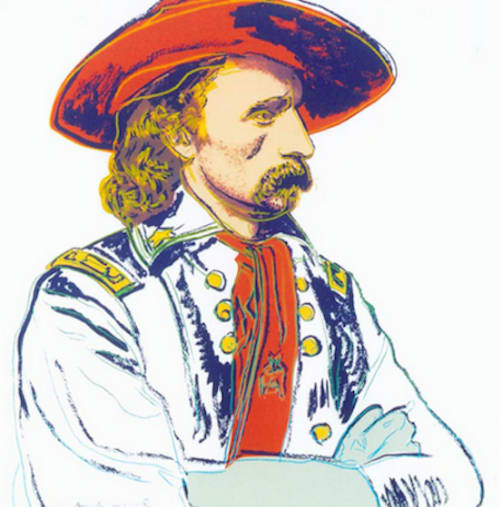
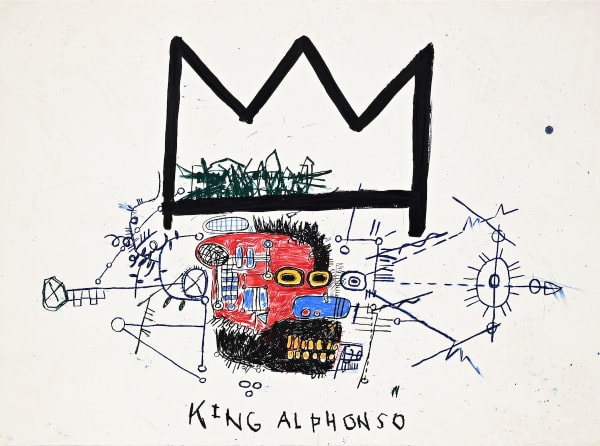
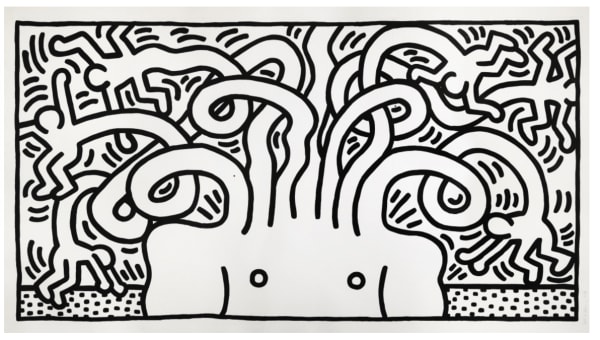
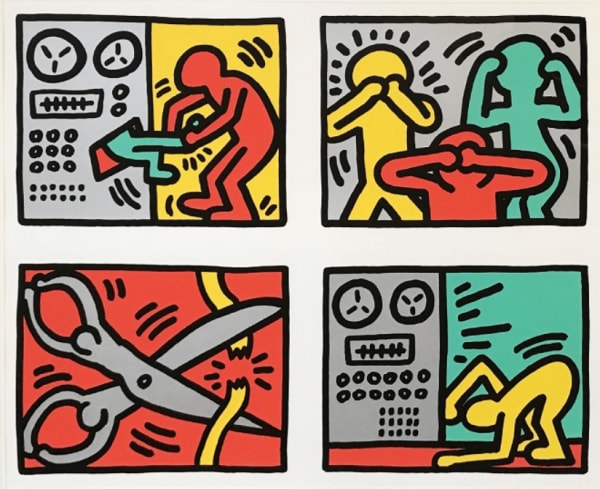
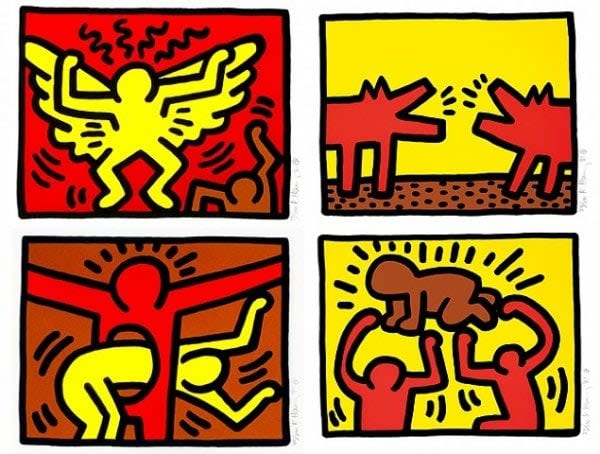
Picasso, Warhol, Basquiat and Haring are among the most transformative artists of the 20th century, each reshaping how we see art and culture.
Together they fundamentally reshaped the language of art in the 20th century, each pushing boundaries while collectively redefining what art could represent, where it could exist, and who it was for. Their practices dismantled traditional hierarchies between high and low culture, fine art and popular imagery, and the private space of the studio and the public realm of the street.
Across generations, these artists challenged inherited conventions of form, subject matter, and authorship. They embraced fragmentation, repetition, symbolism, and immediacy to reflect the accelerating pace of modern life, mass media, and shifting social realities. Whether drawing from classical traditions, commercial imagery, urban environments, or subcultural expression, they transformed familiar visual languages into powerful tools for commentary, critique, and connection.
What unites them is not a single style, but a shared willingness to disrupt expectations and expand art’s role within society. Their works speak to identity, power, fame, consumption, and humanity itself, themes that remain central to contemporary culture. By collapsing the distance between art and everyday experience, they opened pathways for future generations to engage with art as something living, accessible, and relevant.
Their legacies endure not only in museums and collections, but in the visual language of modern life, where their ideas continue to shape how culture sees itself.


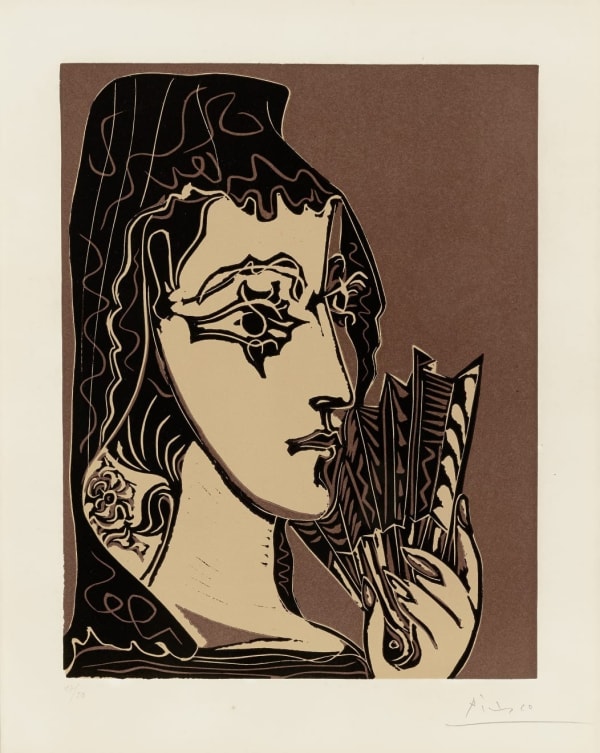


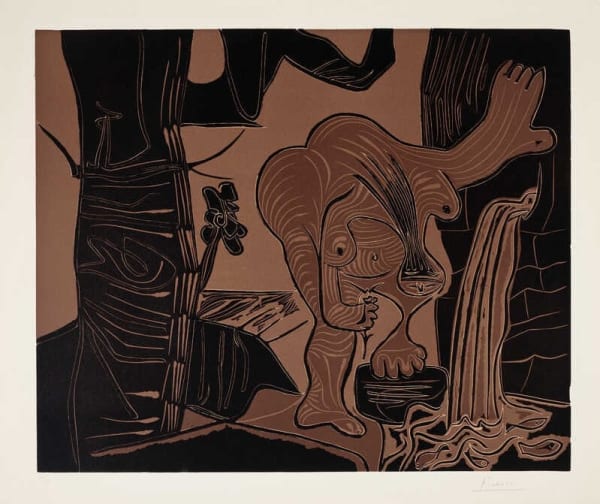

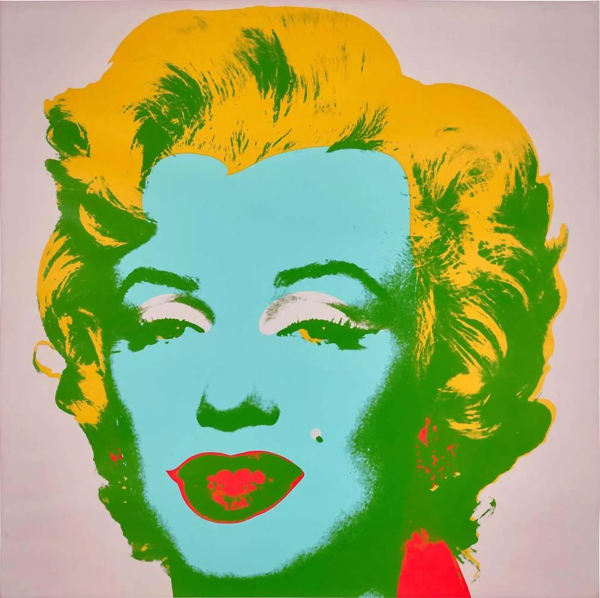
![Andy Warhol $ (9) [II.285], 1982](https://artlogic-res.cloudinary.com/w_600,c_limit,f_auto,fl_lossy,q_auto/artlogicstorage/guyhepner/images/view/16cadb7188e76f4dd7f8a7bc7a00f8b0p/guyhepner-andy-warhol-9-ii.285-1982.png)