
Sol Felpeto, born in Venezuela in 1990 and based in Madrid, has developed a unique visual language that merges Pop art sensibilities with cubist influences, creating works that are both accessible and sophisticated. Sol Felpeto encompasses paintings and illustrations that transform familiar subjects—animals, cartoon characters, and art historical references—into vibrant contemporary statements that speak to collectors seeking fresh perspectives on established artistic traditions.
The appeal of Sol Felpeto lies in her ability to bridge high and low culture with remarkable fluency. Her multicultural background, spanning Venezuela, Buenos Aires, and Madrid, informs a worldview that naturally gravitates toward cultural fusion and artistic synthesis. This geographic and cultural diversity manifests in her work as a fearless approach to combining seemingly disparate elements into cohesive artistic statements.
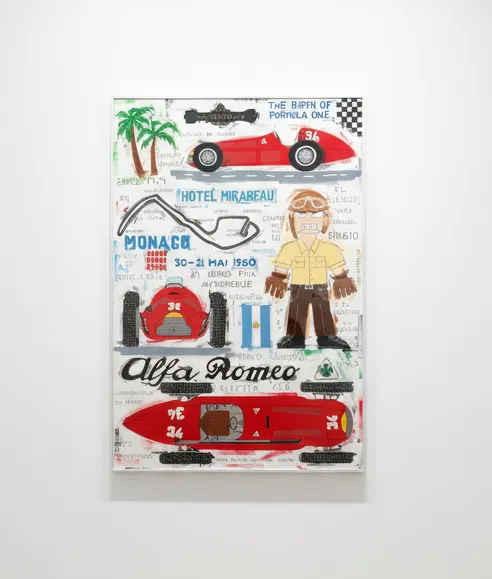
The Arttoons Technique: Where Sol Felpeto’s Work Distinguishes Itself
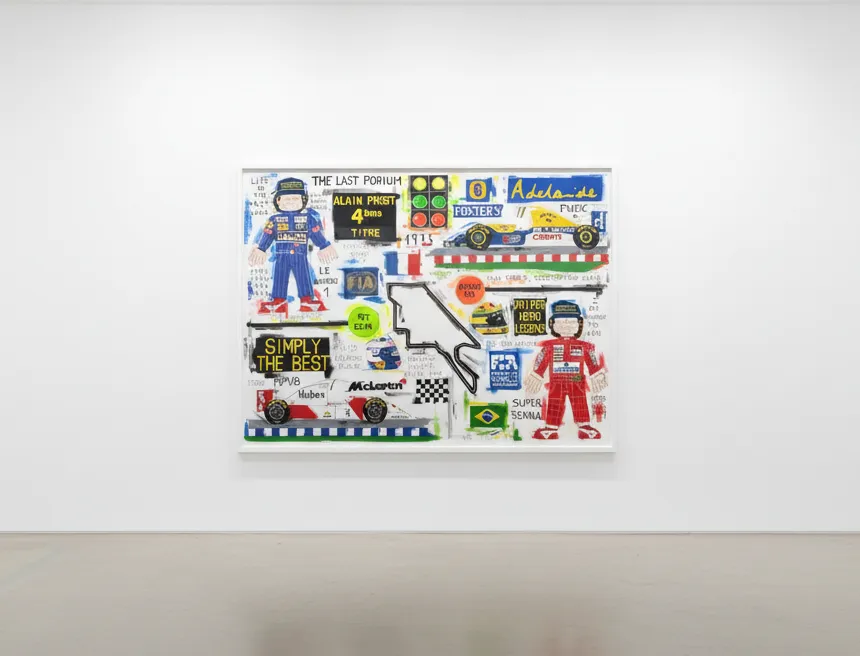
Sol Felpeto's artistic practice centers on what she terms "arttoons"—a portmanteau that captures the essence of her approach to contemporary painting and illustration. This technique represents more than mere stylistic choice; it embodies a philosophical position about the role of art in contemporary culture. Works available when considering Sol Felpeto typically feature bold, vibrant colors applied in acrylic on canvas, with compositions that playfully deconstruct and reconstruct familiar imagery through a cubist-influenced lens.
The technical execution of Sol Felpeto pieces demonstrates sophisticated understanding of both traditional painting methods and contemporary visual culture. Her use of cubist fragmentation serves not merely as stylistic homage but as a means of examining how we process visual information in an age of constant media saturation. Animals and cartoon figures become vehicles for exploring deeper themes about identity, culture, and the intersection of popular and fine art traditions.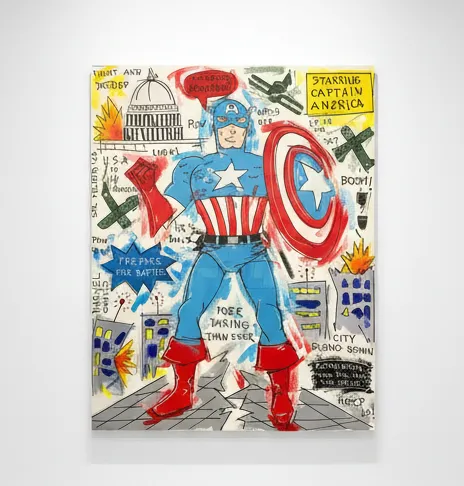
Cultural Significance and Artistic Lineage
When collectors evaluate Sol Felpeto, they encounter an artist working within established traditions while forging distinctly contemporary paths. Her approach recalls the Pop Art movement's embrace of popular imagery, but with a distinctly 21st-century sensibility that acknowledges the global, multicultural nature of contemporary visual culture. The incorporation of cubist elements creates dialogue with art historical precedents while maintaining accessibility through cartoon and animal imagery.
The significance of Sol Felpeto extends beyond individual works to represent broader trends in contemporary art practice. Her generation of artists naturally navigates between digital and analog realms, between high art references and popular culture, creating works that speak to collectors who appreciate both artistic sophistication and cultural relevance. This positioning makes Sol Felpeto particularly appealing to collectors building contemporary collections that reflect current cultural moments.
Frequently Asked Questions
Q: What makes Sol Felpeto distinctive in contemporary art?
A: Sol Felpeto features her unique 'arttoons' style that combines Pop art sensibilities with cubist influences, creating vibrant works that blend animals, cartoon imagery, and art historical references. Her multicultural background spanning Venezuela, Buenos Aires, and Madrid informs this distinctive fusion approach.
Q: What techniques and materials characterize Sol Felpeto's artistic practice?
A: Sol Felpeto typically works in acrylic on canvas, creating unique pieces often measuring around 36 x 28 1/2 in. Her technique involves bold, vibrant colors applied through a cubist-influenced lens that deconstructs and reconstructs familiar imagery from popular culture and art history.
Q: How should collectors approach authentication and provenance for Sol Felpeto works?
A: Given Sol Felpeto's growing market recognition, proper documentation and provenance become increasingly important. Collectors should ensure any acquisition includes appropriate authenticity documentation, particularly as her work continues to appear at auction and gain institutional recognition.