
Andy Warhol Toy Paintings represent one of the most playful yet profound explorations in Pop Art, transforming simple childhood objects into sophisticated commentaries on consumer culture, global politics, and the power of packaging. Created during the 1980s, these works demonstrate Warhol's ability to find artistic significance in the most unexpected places, elevating tin toys and wind-up figures into museum-worthy art that speaks to both nostalgia and contemporary concerns.
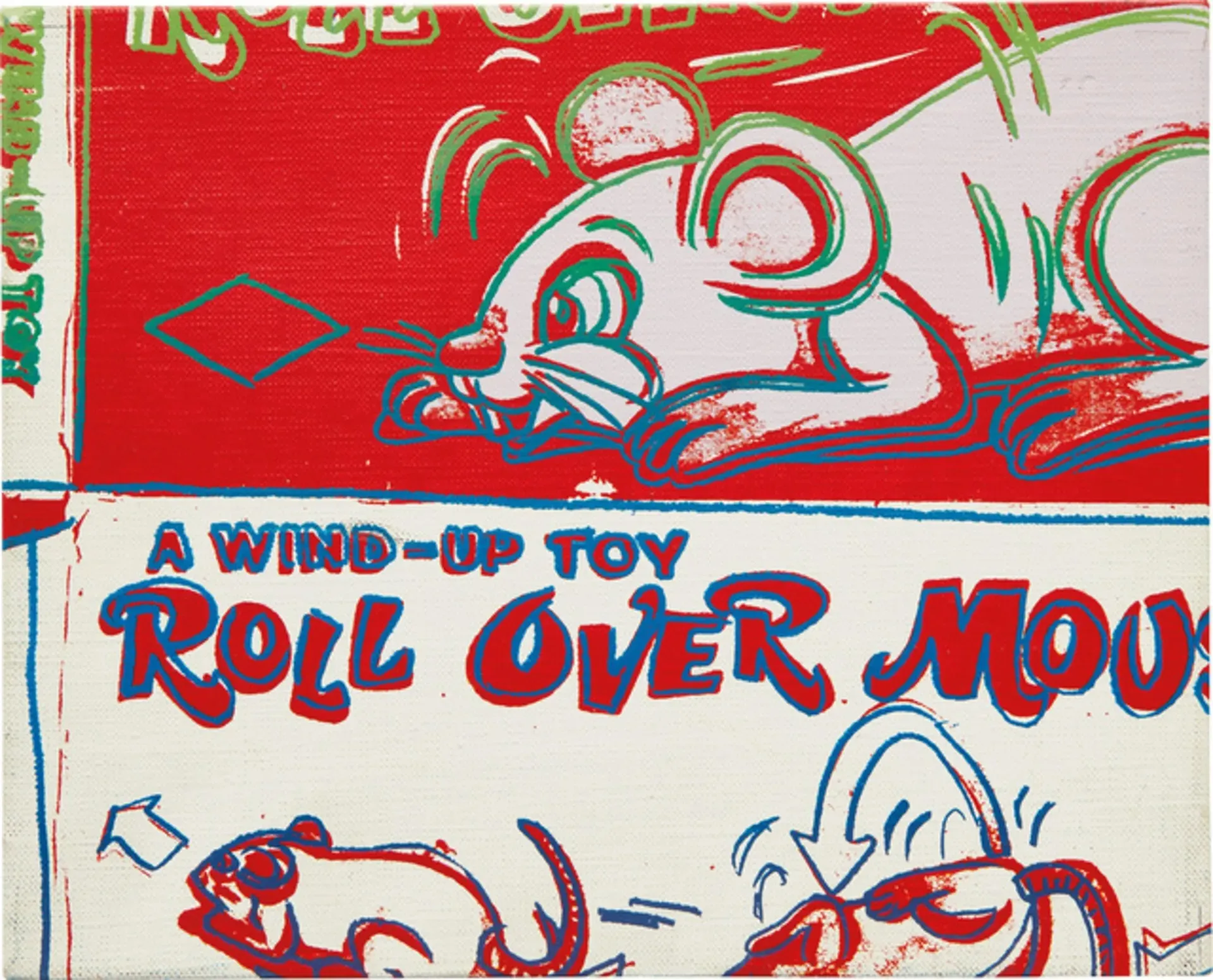
The Andy Warhol Toy Paintings emerged from Warhol's extensive personal collection of toys gathered from around the world, including pieces from Japan, Hungary, China, Germany, Russia, and Korea. This global assemblage reflected not only his fascination with mass-produced objects but also his keen awareness of international manufacturing and cultural exchange during the Cold War era.
Warhol's approach to the Andy Warhol Toy Paintings employed his signature silkscreen technique, but with a particular focus on the original packaging and marketing imagery that surrounded these objects. By reproducing the colorful boxes, promotional graphics, and product photography, he highlighted how toys functioned as both playthings and sophisticated marketing vehicles designed to capture children's attention and parents' wallets.
Technical Innovation in Andy Warhol Toy Paintings
The technical execution of Andy Warhol Toy Paintings showcases the artist's mastery of silkscreen printing, a method he had perfected throughout the 1960s and continued to refine into the 1980s. Unlike his earlier Campbell's Soup Cans or Marilyn portraits, these works often incorporated multiple color layers and complex registration challenges due to the intricate details of toy packaging design.
Warhol's process began with photographing both the toys themselves and their original packaging materials. He then created high-contrast photographic screens that could capture the fine details of text, logos, and decorative elements that made each toy package distinctive. The Andy Warhol Toy Paintings demonstrate his ability to balance mechanical reproduction with subtle color variations that gave each print its own character.
The artist's choice of color palette for these works was particularly significant, often amplifying the already bright and saturated colors found on original toy packages. This heightened chromatic intensity served both aesthetic and conceptual purposes, drawing viewers' attention to the sophisticated visual strategies employed by toy manufacturers to appeal to young consumers.
Cultural Significance and Artistic Impact
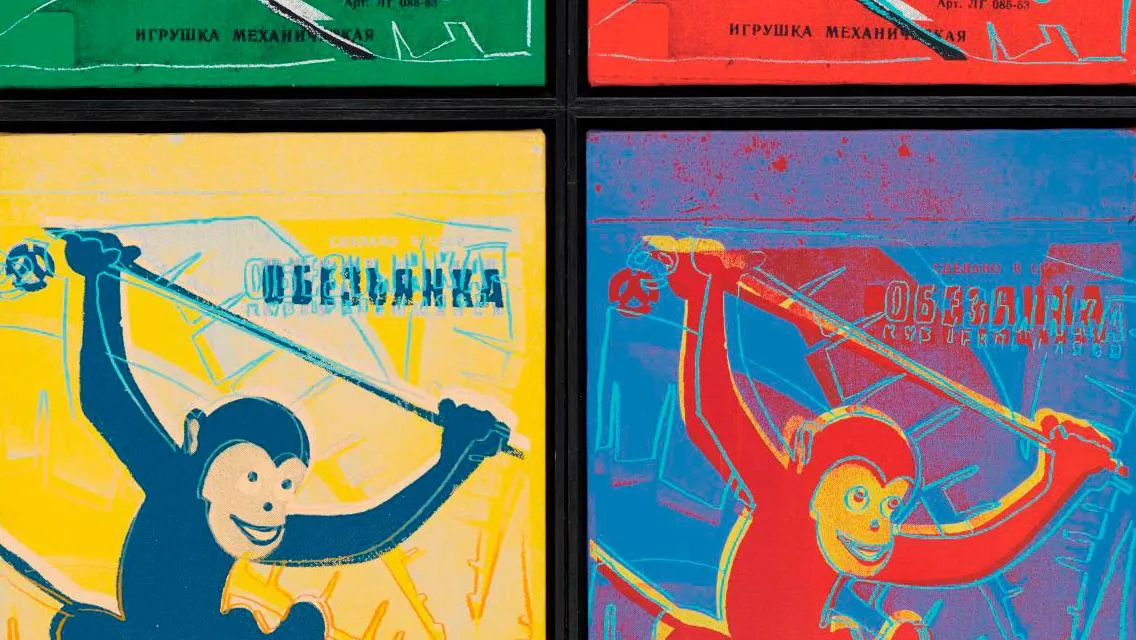
Beyond their visual appeal, Andy Warhol Toy Paintings function as complex cultural documents that reveal Warhol's understanding of toys as vehicles for political and social messaging. Many of the featured toys—robots, space vehicles, and military-themed playthings—reflected the technological optimism and geopolitical tensions of the era in which they were produced.
The series also demonstrates Warhol's continued interest in the democratization of art through subject matter that was universally recognizable. While his earlier works had focused primarily on American consumer products and celebrities, the Andy Warhol Toy Paintings expanded this vocabulary to include objects that transcended national boundaries and spoke to shared experiences of childhood and play across cultures.
These works arrived at a crucial moment in Warhol's career, as he was increasingly interested in exploring themes of memory, nostalgia, and the passage of time. The toys represented not only contemporary consumer objects but also portals to childhood experiences and collective cultural memories.
Collecting Andy Warhol Toy Paintings: Key Considerations
For collectors interested in Andy Warhol Toy Paintings, several factors merit careful consideration. Authentication remains paramount, as with all Warhol works, requiring documentation from the Andy Warhol Authentication Board or other recognized authorities. The complexity of these screenprints, with their multiple color layers and precise registration, makes high-quality examples particularly desirable.
Edition sizes and printing quality vary significantly within the Andy Warhol Toy Paintings series. Some works were produced in larger editions for gallery distribution, while others exist in smaller numbers or as unique proofs. Understanding these distinctions is crucial for collectors seeking to build meaningful collections within this body of work.
Condition considerations are especially important for toy-themed works, as the bright colors and detailed imagery can show signs of fading or color shifting if not properly cared for. Professional conservation and appropriate display conditions are essential for maintaining the visual impact that makes these works so compelling.
The market for Andy Warhol Toy Paintings has shown consistent collector interest, supported by the works' institutional presence in major museum collections and their appeal to both Warhol specialists and collectors drawn to Pop Art's engagement with consumer culture. The combination of recognizable imagery, technical sophistication, and cultural significance makes this series particularly accessible to new collectors while maintaining depth for serious students of Warhol's practice.
Understanding the cultural context and manufacturing history of the original toys depicted can also enhance appreciation and collecting decisions. Works featuring toys with particularly interesting political subtexts or manufacturing stories often command additional interest from collectors who value the intersection of art history and cultural documentation.
Frequently Asked Questions
What makes Andy Warhol Toy Paintings significant within his body of work?
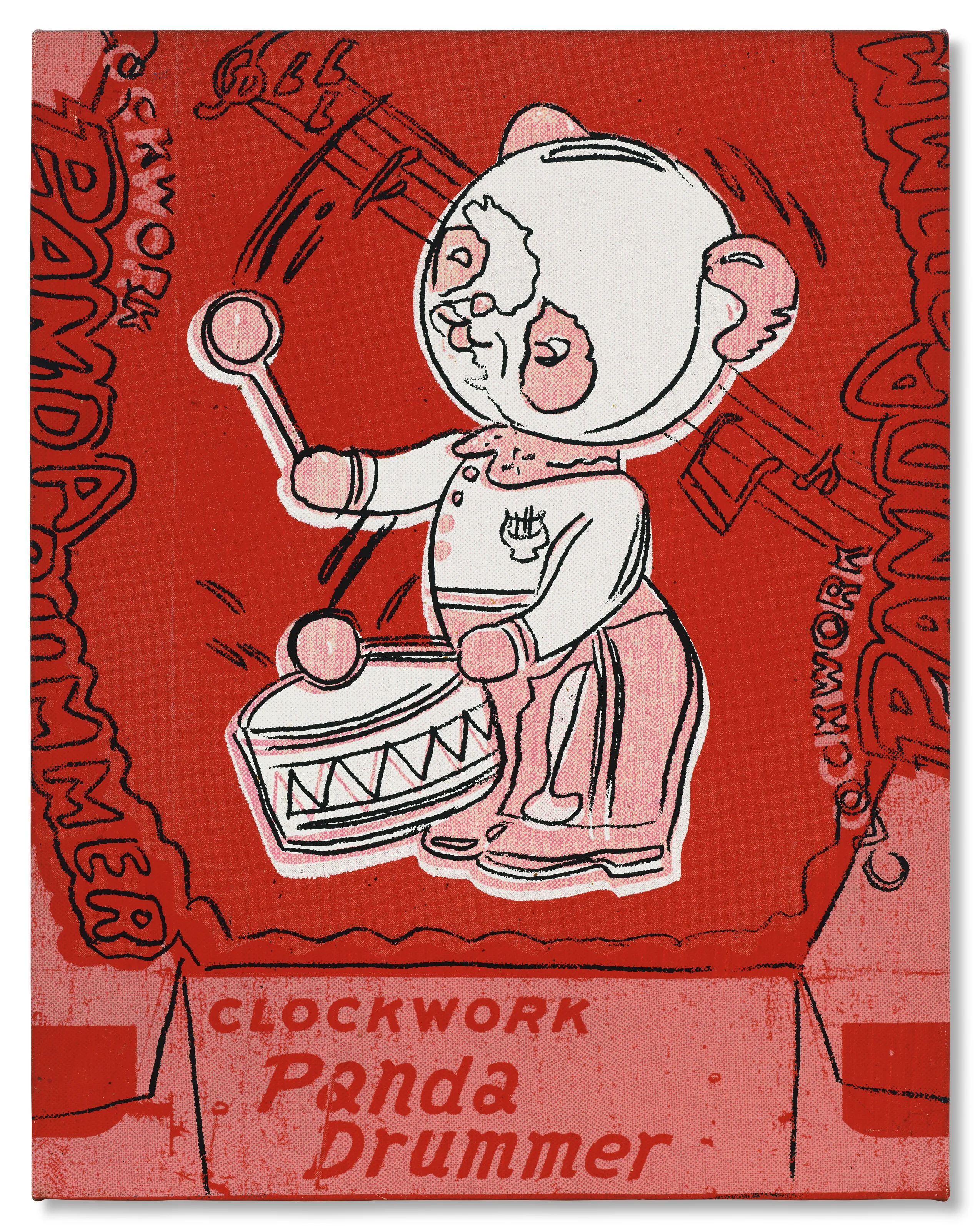
Andy Warhol Toy Paintings represent a mature exploration of themes that had fascinated Warhol throughout his career: consumer culture, mass production, and the transformation of everyday objects into art. Created during the 1980s, these works demonstrate his continued ability to find profound artistic material in seemingly simple subjects, while their global scope reflects his increasing international awareness and the universal nature of childhood experiences with toys.
How were the original toys selected for these paintings?
Warhol drew from his extensive personal collection of toys from around the world, including pieces from Japan, Hungary, China, Germany, Russia, and Korea. His selection process appears to have been guided by both aesthetic considerations—interesting packaging design and color schemes—and cultural significance, with many toys reflecting the technological optimism and geopolitical tensions of their era of production.
What should collectors know about editions and authenticity?
Edition sizes vary within the series, and authentication requires proper documentation from recognized authorities such as the Andy Warhol Authentication Board. The technical complexity of these screenprints, with their multiple color layers and precise registration requirements, makes condition and printing quality particularly important factors in determining value and desirability among collectors.
The enduring appeal of Andy Warhol Toy Paintings lies in their ability to function simultaneously as nostalgic childhood memories, sophisticated artistic statements, and cultural documents of their era. Their continued presence in museum exhibitions and collector interest demonstrates Warhol's prescient understanding of how toys could serve as vehicles for exploring broader themes of consumer culture, global manufacturing, and shared human experiences.
Guy Hepner in New York and London has extensive experience with Andy Warhol works and can assist collectors seeking pieces from this series.
