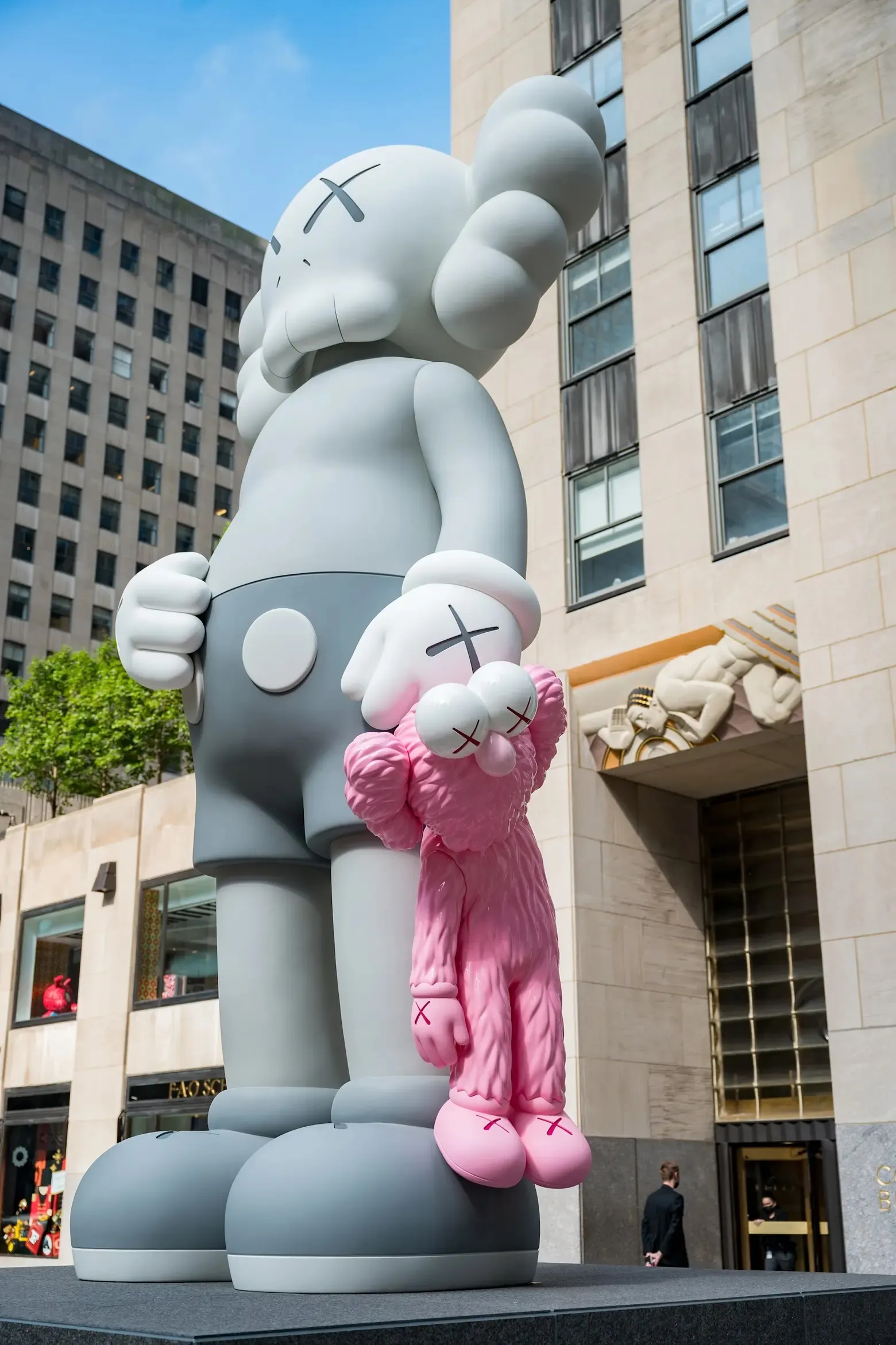
KAWS most expensive works represent the extraordinary journey of Brian Donnelly from underground graffiti artist to one of contemporary art's most commercially successful figures. His cartoon-like Companion figures and reimagined pop culture icons have redefined the boundaries between street art, fine art, and collectible culture, creating a visual language that resonates across generations and continents.
KAWS's artistic practice encompasses multiple mediums, from his signature hard-edge acrylic paintings that emphasize bold lines and vibrant colors to his three-dimensional sculptures and limited-edition vinyl toys. His technique involves a careful balance of accessible imagery—often appropriating characters from popular culture—with sophisticated art historical references that span from early modernist painting to Japanese woodblock traditions. The immediacy of his imagery allows viewers to recognize familiar cultural symbols while simultaneously encountering them transformed through the artist’s distinctive graphic language.
Over time, KAWS developed a vocabulary of recurring characters including Companion, BFF, Chum, and Accomplice, each marked by his iconic X’d-out eyes and simplified anatomical forms. These figures appear across paintings, sculptures, and prints, allowing collectors to trace how the artist continuously reinterprets his own visual motifs. This evolving iconography has become central to the appeal of KAWS most expensive works, as collectors recognize the characters as part of a cohesive artistic universe that bridges contemporary art and popular culture.

KAWS Most Expensive Works: Record-Breaking Achievements
The trajectory of KAWS most expensive works reflects his ascension from street-level interventions to museum-quality presentations. Works like THE KAWS ALBUM have achieved significant recognition at auction, establishing benchmarks for contemporary artists working at the intersection of high and low culture. The painting, which reimagines The Simpsons in the composition of the Beatles’ Sgt. Pepper’s Lonely Hearts Club Band album cover, sold for nearly $15 million at auction, cementing its status as the artist’s most valuable work to date.
Other major paintings have followed similar trajectories. Works such as UNTITLED (KAWSBOB), which merges SpongeBob SquarePants with the artist’s Companion motif, have achieved prices above $10 million, demonstrating the power of cultural appropriation within KAWS’s practice. These works draw on widely recognized imagery while transforming it through flattened color fields, bold outlines, and subtle emotional expressions that elevate the compositions beyond simple parody.
The artist’s large-scale paintings command the highest prices among KAWS most expensive works, particularly those featuring multiple Companion figures or complex narrative compositions. His technique involves meticulous attention to line weight and color relationships, creating works that appear deceptively simple yet reveal sophisticated formal considerations upon closer examination. The monumental scale of these pieces allows KAWS to explore themes of isolation, companionship, and contemporary alienation through his accessible visual language.

Beyond paintings, monumental sculptures have also contributed to the record-setting prices of KAWS most expensive works. Sculptural editions such as CLEAN SLATE, ALONG THE WAY, and COMPANION (PASSING THROUGH) have achieved strong results at auction, particularly when presented in large outdoor formats. The emotional body language of these sculptures—often depicting figures covering their eyes or embracing one another—has made them some of the most recognizable contemporary artworks in public spaces worldwide.
KAWS Most Expensive Works Investment: Market Dynamics
The investment potential of KAWS most expensive works investment opportunities reflects several key factors that collectors should consider. The artist's consistent institutional validation, including major museum exhibitions and permanent collection acquisitions, has established a foundation for sustained market interest. Institutions such as the Brooklyn Museum and the Modern Art Museum of Fort Worth have exhibited his work, reinforcing his credibility within the contemporary art canon.
His works have demonstrated strong performance over the past decade, supported by both primary market demand and secondary market activity. Large paintings often achieve the strongest results due to their rarity and the limited number produced each year. Because KAWS frequently works in series, early examples from important bodies of work are particularly sought after by collectors.
When evaluating KAWS most expensive works investment potential, collectors should note the artist's strategic approach to edition sizes and medium diversity. His practice spans paintings, sculptures, prints, and collectible objects, creating multiple entry points for different collector segments. The crossover appeal between traditional art collectors and contemporary culture enthusiasts has created a broad market base that supports higher valuations for his premier works.
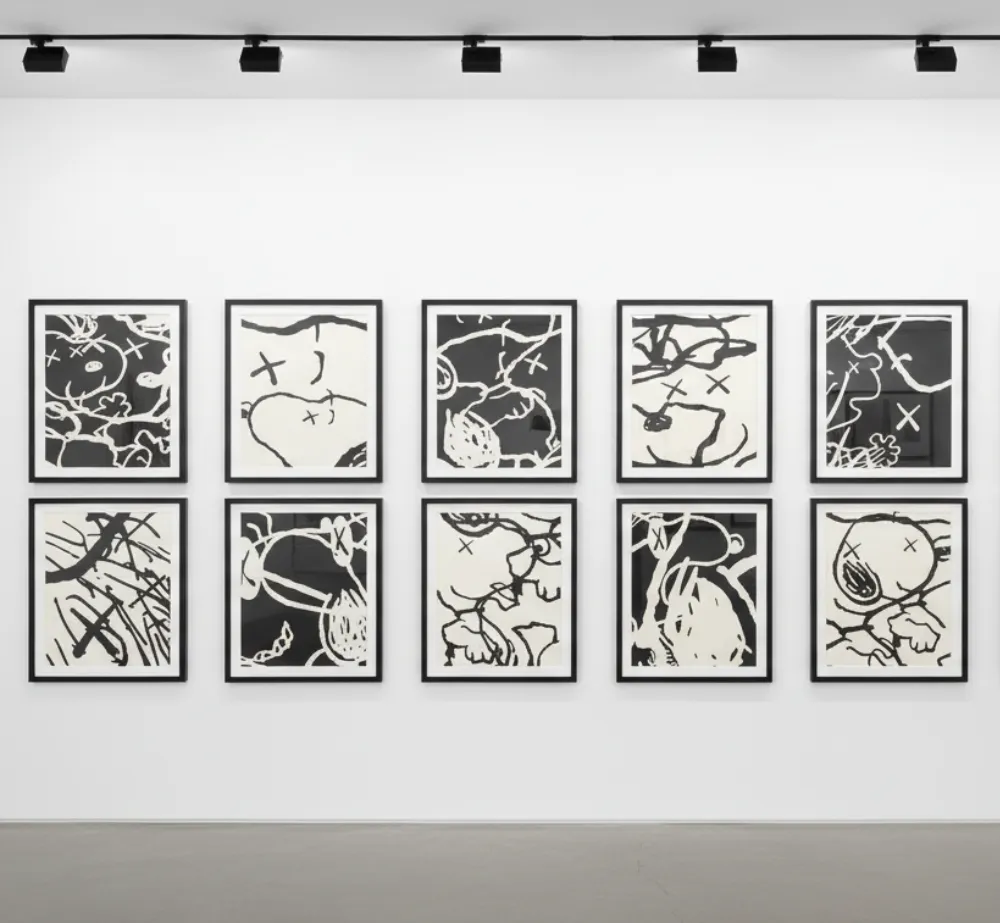
Limited edition sculptures and prints have also demonstrated strong market performance. Print portfolios featuring Companion figures, such as the iconic set of Companion screenprints released in the early 2000s, often sell out quickly and continue to appreciate on the secondary market. Similarly, editioned sculptures produced in collaboration with cultural institutions or global brands often experience strong collector demand due to their limited availability and cultural relevance.
KAWS Most Expensive Works for Sale: Collecting Considerations
Collectors seeking KAWS must navigate a complex market that includes both primary presentations and secondary market opportunities. Authentication remains paramount, as the artist's popularity has unfortunately led to numerous unauthorized reproductions. Established galleries and auction houses provide the most reliable sources for verified works, with proper documentation and provenance research being essential.
The availability of KAWS varies significantly based on medium and scale. Large paintings appear less frequently than smaller works or prints, creating competitive situations when premier examples become available. Sculptures and unique painted works tend to attract global bidding interest when they appear at auction, often pushing prices beyond initial estimates.
Collectors should also consider the artist's ongoing production, as new series and collaborations continue to enter the market regularly. Major installations and museum exhibitions often coincide with renewed collector demand, influencing both private sales and auction activity. Condition assessment is particularly important for works on paper and vinyl sculptures, which can be susceptible to environmental damage if not properly maintained.
Technical Excellence and Cultural Impact
KAWS's visual language draws from diverse influences, incorporating elements from cartoon aesthetics, abstract expressionism, and pop art traditions. His paintings demonstrate technical proficiency in hard-edge techniques, while his sculptures reveal understanding of both classical and contemporary three-dimensional practices. This technical foundation supports the cultural impact that has made his imagery globally recognizable.
The artist's ability to work across mediums has contributed to the broad appeal of his most significant pieces. From monumental outdoor installations to intimate canvas works, KAWS maintains consistency in his visual approach while adapting to different scales and contexts. Public sculptures installed in cities from Seoul to New York have further amplified his global visibility, reinforcing the cultural significance of his characters.
The emotional universality of his Companion figure—often depicted in moments of contemplation, exhaustion, or quiet vulnerability—has also contributed to the lasting appeal of KAWS most expensive works. Despite their cartoon-like appearance, these figures evoke recognizable human emotions, allowing audiences to connect with the work on both intellectual and emotional levels.
Understanding KAWS most expensive works requires appreciation for how the artist has successfully bridged traditional art world validation with contemporary cultural relevance. His works continue to appear regularly in institutional exhibitions while maintaining strong commercial performance, creating a compelling combination for serious collectors.