
Andy Warhol did not simply portray celebrities—he decoded them. In his hands, the portrait was transformed from a traditional vehicle of status into a diagnostic tool for understanding power in the twentieth century. Film stars, rock musicians, political leaders, royalty, and eventually Warhol himself were treated as participants in the same system: a culture where identity is constructed, circulated, and monetised through image.
Warhol collapsed hierarchies between Hollywood and monarchy, between revolutionary politics and pop music, revealing that all forms of power now function within a single visual economy. For collectors, this is precisely why these works remain foundational. They do not merely depict icons; they are icons.
The Silkscreen as Concept and Strategy
Warhol’s adoption of silkscreen printing in the early 1960s marked a decisive break from painterly tradition. Rather than celebrate the artist’s hand, he embraced mechanical reproduction. Publicity photographs, studio headshots, official portraits—these became raw material.
Through enlargement, flattening, and saturated colour overlays, Warhol removed psychological depth and emphasised surface. Slight misregistrations, ink inconsistencies, and chromatic shifts introduced variation within repetition. The result mirrored the machinery of mass media: endlessly reproducible, yet subtly unstable.
For collectors, this process is critical. Warhol’s celebrity portraits sit at the intersection of uniqueness and multiplicity. Each work belongs to an edition, yet each retains distinct visual nuance—creating depth within an otherwise scalable market.
Hollywood: Glamour as Immortality
Marilyn Monroe
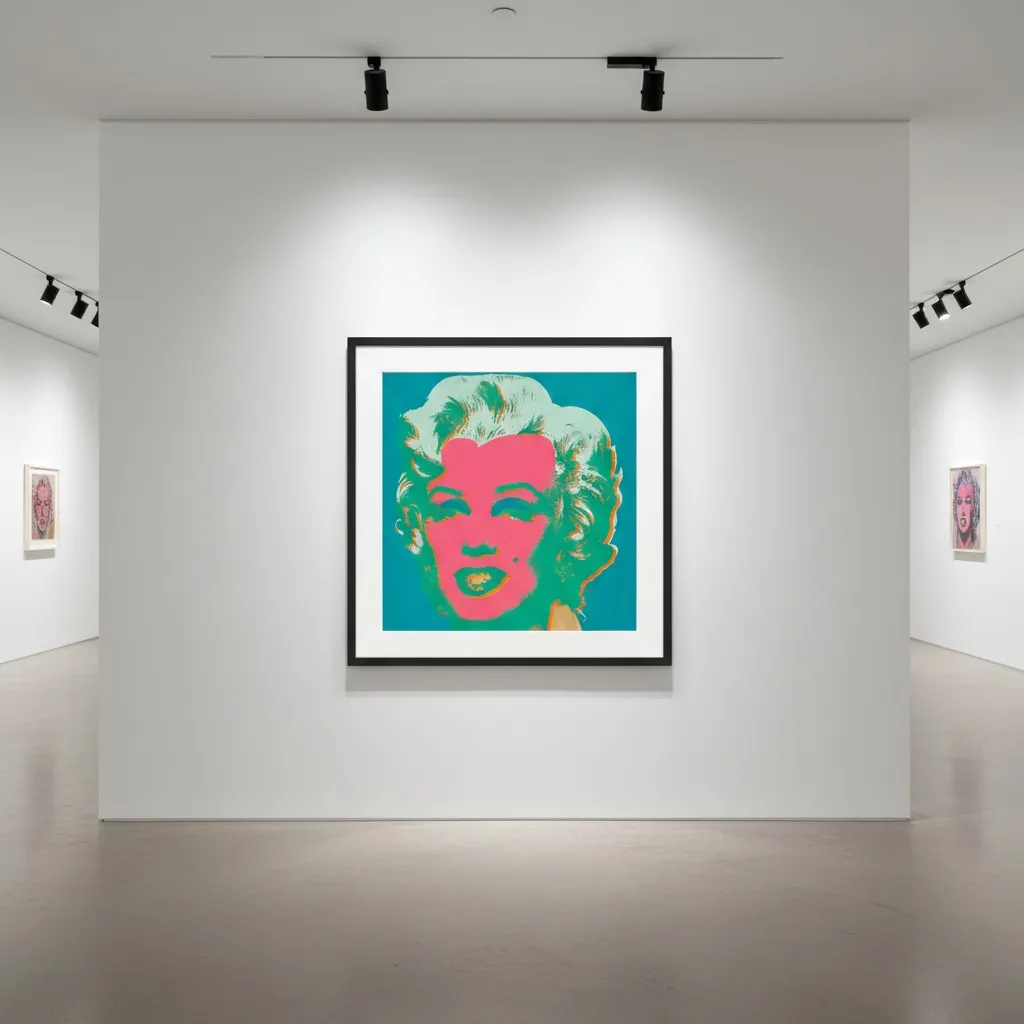
Few images in modern art rival Warhol’s Marilyn for recognisability. Derived from a publicity still and electrified through unnatural colour, Monroe’s face becomes both shrine and commodity. Acid pink skin, turquoise eyelids, blazing yellow hair—these are not naturalistic choices but branding devices.
Monroe represents the fusion of tragedy and spectacle. Warhol understood that death amplified celebrity, freezing it in permanent circulation.
From an investment perspective, Marilyn prints remain among the most resilient segments of the Warhol market. Their strength rests on:
-
Cultural permanence
-
Early date within Warhol’s silkscreen practice
-
Institutional validation
-
Global buyer demand
Colour retention is paramount; fading can materially affect value.
Elizabeth Taylor
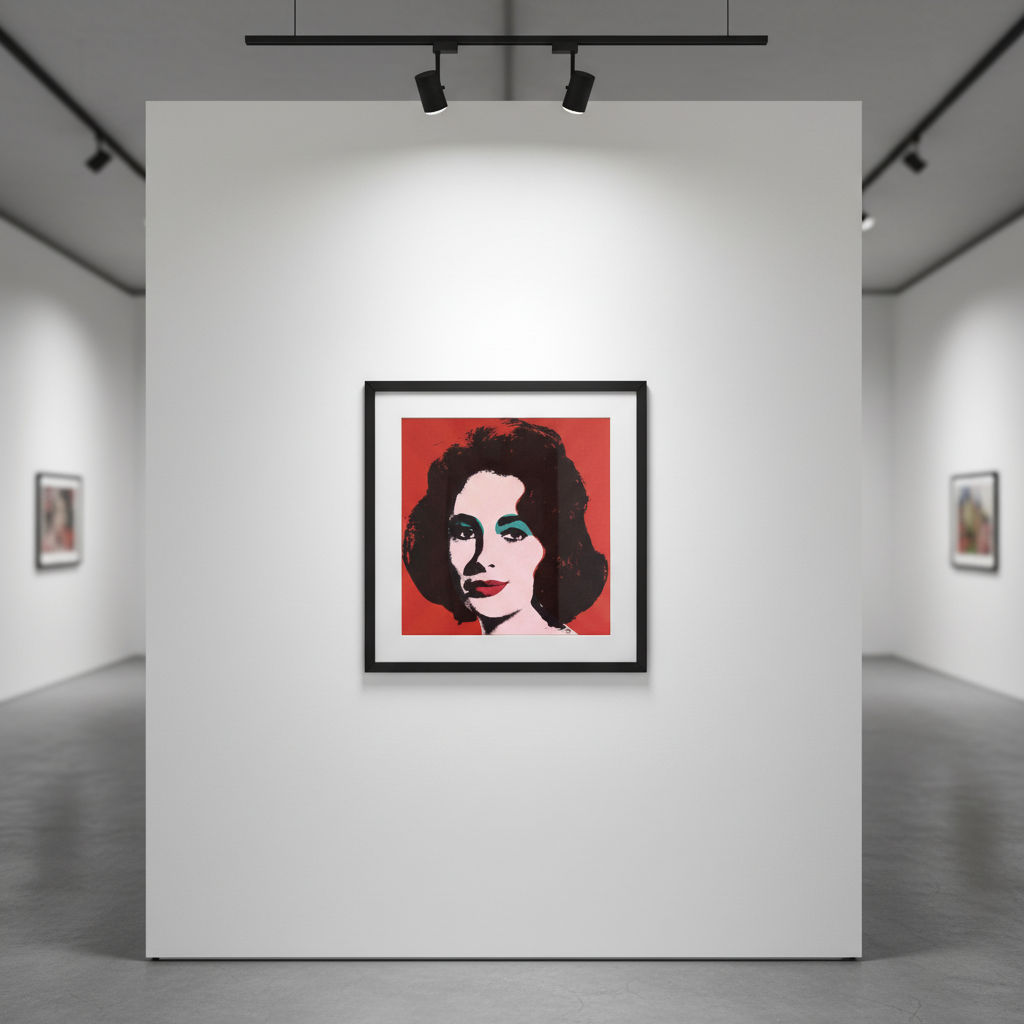
Warhol's Liz Taylor portrait exemplifies distilled glamour. The chromatic exaggeration of eyes and lips reduces personality to visual signature. Warhol strips away narrative and leaves only spectacle.
Collectors gravitate toward Taylor for its position within the pivotal mid-1960s period. Early works combine historical importance with enduring subject appeal.
Jane Fonda
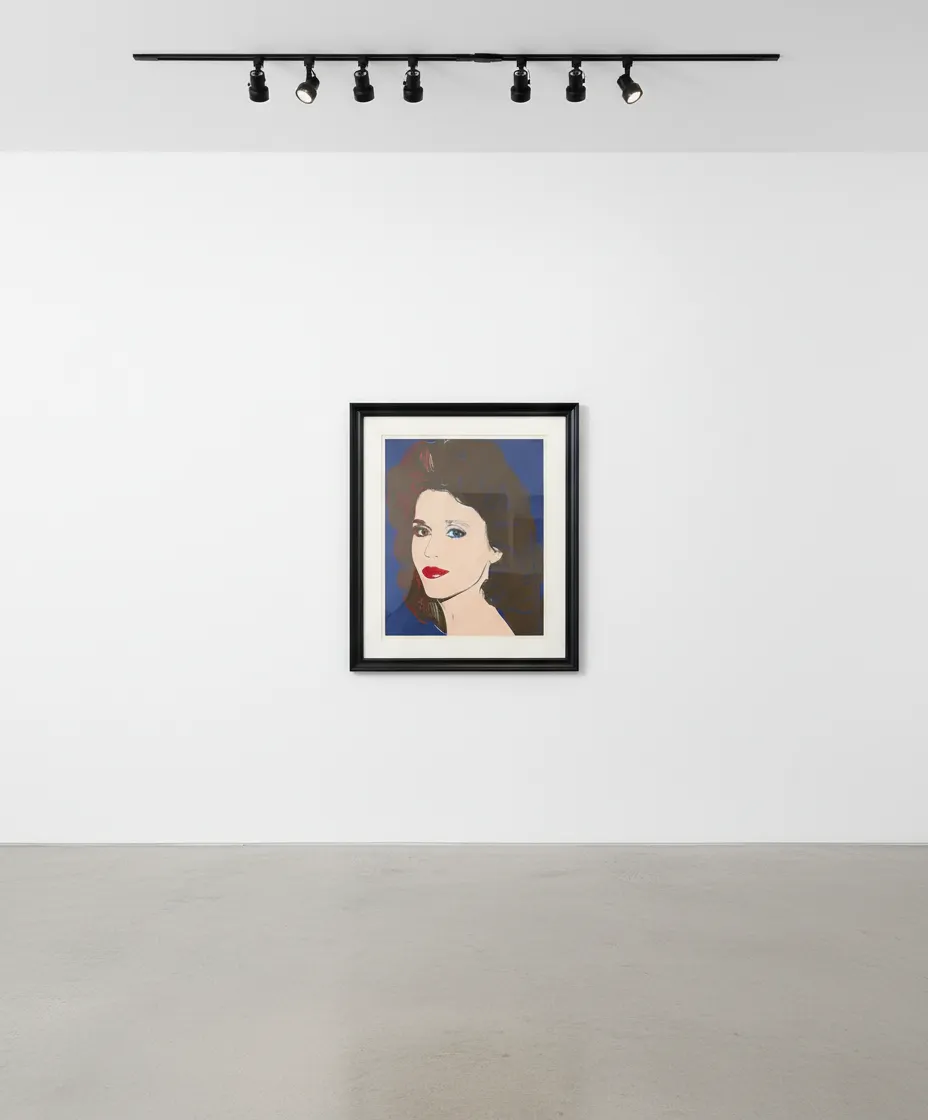
Warhol’s portrait of Jane Fonda reflects the expansion of celebrity into activism and cultural influence. By the 1980s, fame was not confined to cinema but intersected with politics and lifestyle culture. These later portraits are increasingly reassessed, as the market recognises the conceptual maturity of Warhol’s late career.
Rock and the Performance of Identity
Mick Jagger
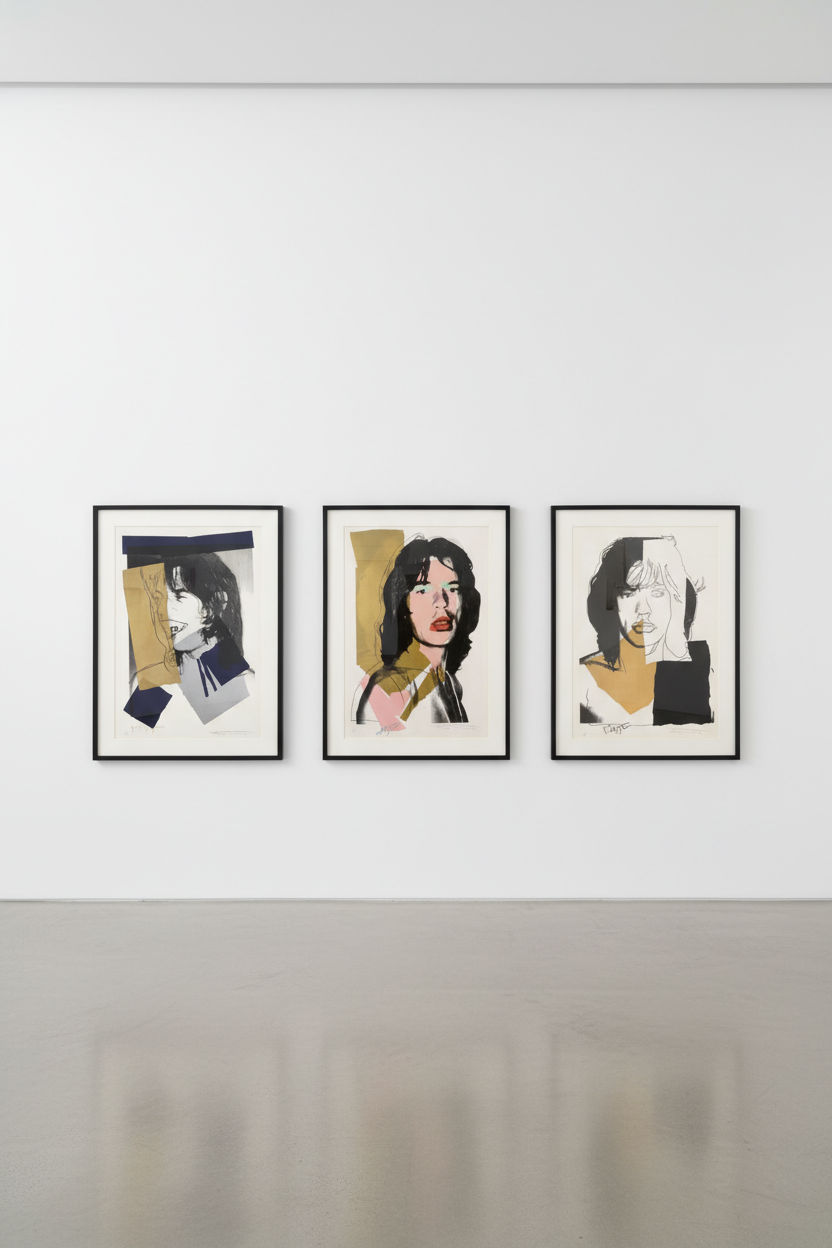
The Mick Jagger series merges silkscreen with gestural drawing, producing works that feel kinetic and performative. Unlike the cool detachment of early Marilyns, these portraits carry an improvisational energy aligned with rock culture.
Jagger’s multi-generational relevance strengthens demand. Music-driven subjects expand the collector base beyond traditional art buyers, reinforcing liquidity across markets.
Royalty and the Democratization of Power
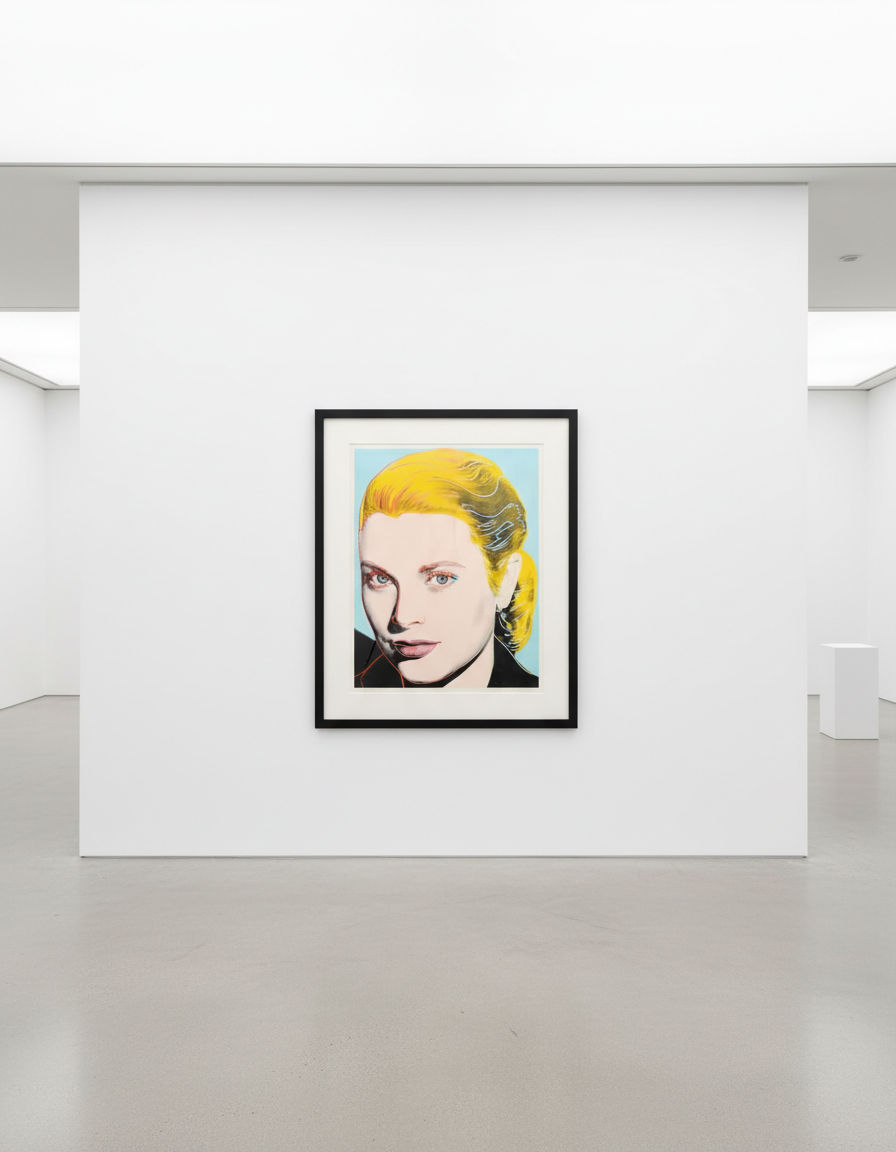
Grace Kelly
Grace Kelly embodies transformation—from Hollywood star to princess. Warhol’s treatment underscores that aristocracy and celebrity operate within the same image-driven system. Jewel-like colours elevate her likeness into Pop mythology.
For collectors, Kelly’s dual identity enhances appeal, particularly within European markets.
Queen Elizabeth II
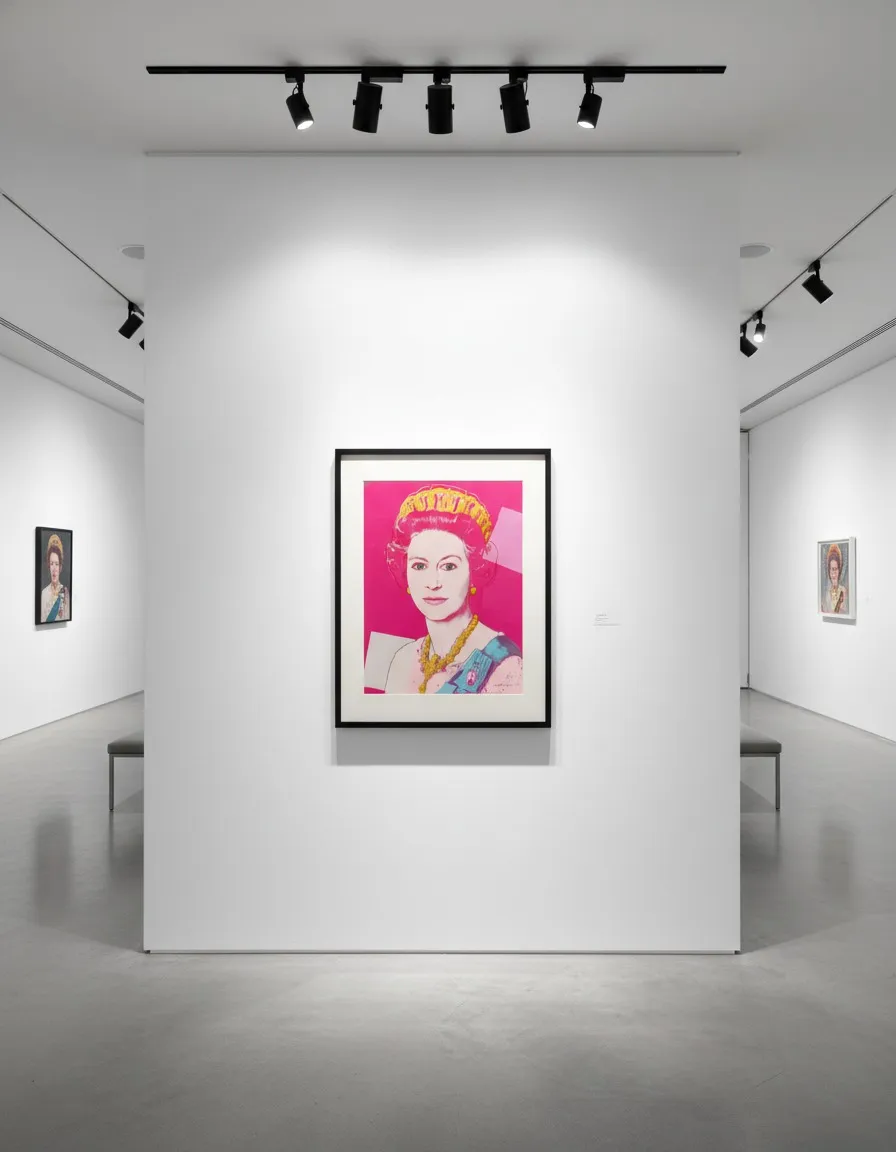
In the Reigning Queens series, Warhol reinterprets official state portraiture through Pop language. Queen Elizabeth II's likeness, sourced from formal photography, is flattened into saturated spectacle.
These works carry particular resonance in the UK and Commonwealth regions. Defined edition sizes, institutional exhibition history, and strong national identification contribute to sustained market performance.
Warhol’s royal portraits reinforce his core thesis: hereditary power and Hollywood glamour now share the same visual grammar.
Political Authority as Pop Commodity
Mao Zedong
The Mao portfolio marks one of Warhol’s most conceptually incisive moves. Taking the most widely circulated political image of the twentieth century and rendering it in cosmetic colour disrupted both Eastern propaganda and Western artistic convention.
Large-scale and visually commanding, Mao works hold substantial art historical weight. They appeal strongly to both Western and Asian collectors, contributing to global demand.
From a market perspective, Mao occupies a tier just below Marilyn in recognisability but often surpasses other subjects in scale and presence. Strong colour passages and well-preserved surfaces are key value drivers.

Warhol as Icon: The Self-Portraits
Warhol’s self-portraits complete the circle. By the late 1970s and 1980s, he had become a celebrity in his own right. The silver wig, dark glasses, and cultivated persona were deliberate constructions.
The late self-portraits—often stark, shadowed, or overlaid with camouflage—introduce a meditation on mortality. Yet they remain consistent with Warhol’s broader philosophy: identity is surface.
For collectors, self-portraits are particularly compelling because:
-
They merge artist and subject
-
They are comparatively limited
-
They hold strong institutional interest
-
They represent late-career conceptual depth
These works often perform strongly due to their symbolic importance within Warhol’s oeuvre in particular the alluring silver of the 1966 work Self Portrait (F.S. II 16).

Market Resilience and Portfolio Strategy
Warhol’s celebrity portraits occupy a uniquely stable segment of the post-war market. Their durability rests on structural strengths:
-
Global Brand Recognition – Warhol transcends the art world.
-
Recognisable Subjects – Dual layers of fame amplify demand.
-
Edition Transparency – Clear documentation builds buyer confidence.
-
Institutional Support – Regular retrospectives reinforce historical significance.
-
Cross-Generational Appeal – Demand spans decades of collectors.
In periods of broader market contraction, highly recognisable blue-chip works often outperform niche categories. Warhol portraits consistently fall within this protective tier.
A Practical Collecting Framework
For those building or refining a Warhol portfolio:
Prioritise Iconic Subjects.
Marilyn, Mao, Jagger, royal figures, and key Hollywood stars demonstrate broad liquidity.
Evaluate Condition Meticulously.
Fading, foxing, or restoration materially impacts value.
Assess Edition Size and Colour Variation.
Certain colourways command premiums due to rarity or visual strength.
Consider Provenance.
Established gallery history and clean ownership records enhance long-term positioning.
Think Globally.
Warhol’s market is international. Works with cross-cultural appeal may outperform regionally specific subjects.
Warhol’s Prophecy and Contemporary Relevance
Warhol famously predicted that everyone would have fifteen minutes of fame. In the digital era, this feels prescient. Social media platforms replicate the logic of his silkscreen practice: repetition, filtering, saturation, performance.
His portraits remain contemporary because they reveal—not conceal—the mechanics of fame. Whether depicting Monroe’s glamour, Jagger’s charisma, Mao’s authority, Grace Kelly’s dual identity, the Queen’s ceremonial image, or his own spectral face, Warhol exposes the infrastructure behind celebrity.
Collecting the Infrastructure of Fame
Warhol understood that the modern era would be defined by images more than by events. By elevating publicity photographs and state portraits into fine art, he transformed faces into currency.
The works in Star-Studded Portraits chart the full spectrum of twentieth-century power: Hollywood seduction, musical rebellion, political authority, royal ceremony, and artistic self-construction. They reveal that fame—whether inherited, manufactured, or self-created—operates through repetition and circulation.
For collectors, these portraits offer more than aesthetic immediacy. They provide entry into one of the most resilient and recognisable segments of the contemporary art market. Backed by institutional validation, global liquidity, and cultural permanence, Warhol’s celebrity portraits remain foundational assets.
In an age where visibility determines value, Warhol’s icons continue to perform—not only on the walls of museums and galleries, but within the architecture of the global art market itself.
Discover Signed Warhol prints for sale and contact our New York and London galleries via info@guyhepner.com. Looking to sell? Sell your Warhol prints with ease and contact our specialists.
