
Across contemporary Japanese art, the "Superflat" aesthetic has emerged as one of the most effective ways artists create immediate visual impact while engaging with complex psychological depths. Rather than functioning as purely decorative or commercial gestures, the works of Takashi Murakami and Yoshitomo Nara have become a framework for examining rebellion, identity, and the changing states of the human mind. Working across painting, sculpture, and limited editions, Murakami and Nara each draw from the visual language of anime and manga to anchor their work in cultural recognition. Together, they demonstrate how "kawaii" (cuteness) can operate not as a superficial trait, but as a sophisticated lens through which contemporary life and historical trauma are interpreted.
Each Artist’s Perspective on the Self
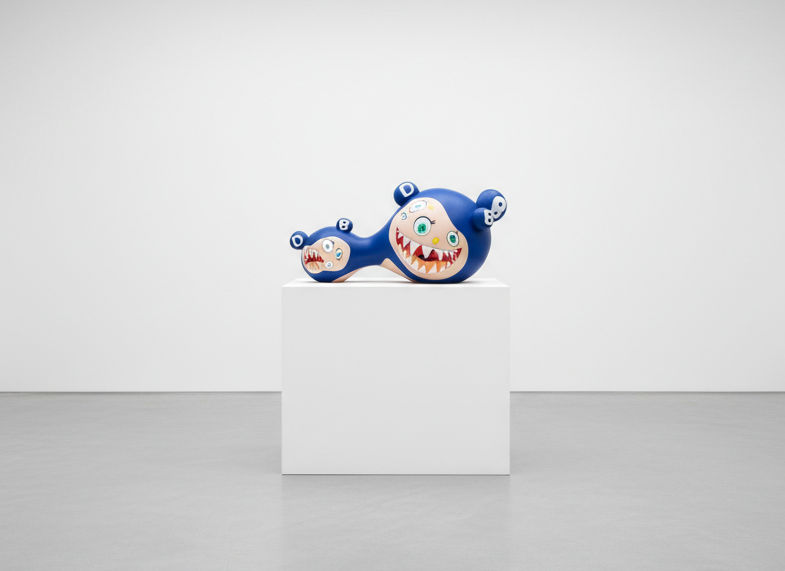
Although united by their roots in Japanese pop culture, Murakami and Nara approach the concept of the "alter ego" from distinctly different psychological perspectives. Murakami’s work is rooted in the external—the spectacle of consumerism, the vibrance of the digital age, and the multidimensionality of the artist as a brand. His "Chaos" series and the evolution of "Mr. DOB" function as a diary of his changing states of mind, moving from playful curiosity to monstrous complexity. The work acknowledges the frantic energy of a globalized society, using hyper-saturated colors to mask deeper anxieties about post-war identity.
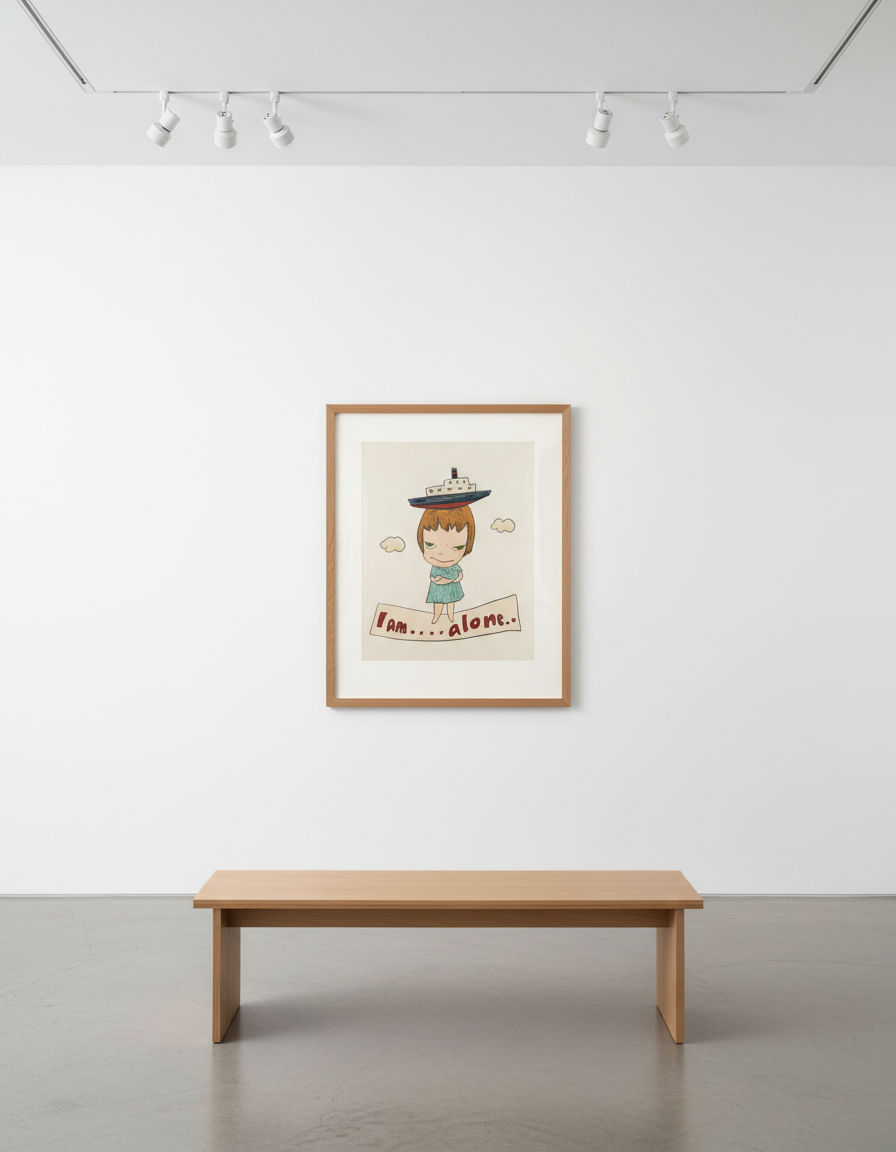
Nara’s paintings and drawings take a markedly quieter, more internal approach. Using soft palettes and minimalist compositions, his works feature solitary children who embody a sense of "quiet defiance." In Nara’s practice, rebellion is not driven by overt action, but by mood and gaze. His characters—often sporting a subtle scowl or a hidden weapon—suggest emotional resilience rather than specific narratives, positioning the child as a symbol of the uncompromised inner self that refuses to conform to adulthood.
The Visual Language of Defiance and Flux
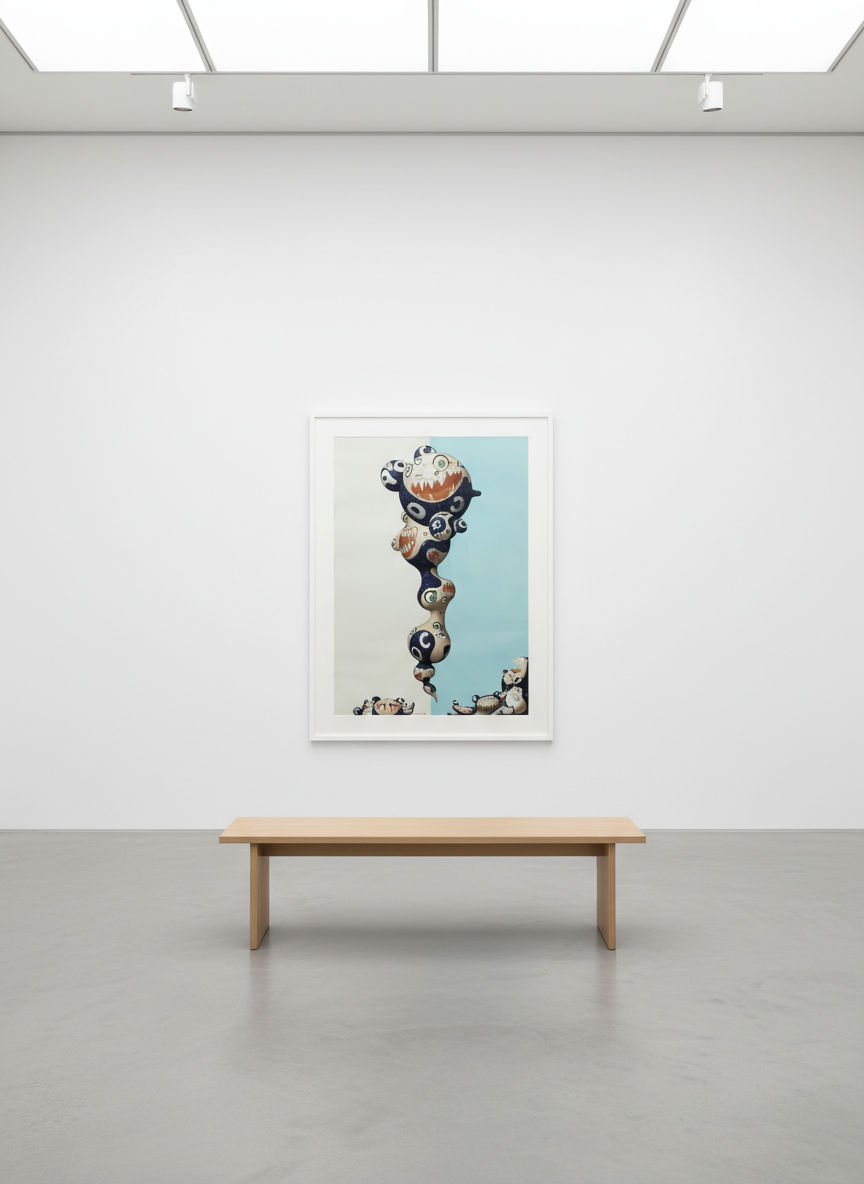
The visual language shared across these practices relies on the "Superflat" style as a point of access, but not as an end goal. Murakami’s "Chaos" series elevates the frantic nature of contemporary life to the status of fine art subjects, treating swirling skulls and flowers with the technical rigor historically reserved for traditional Japanese nihonga painting. The result is work that feels energetic and commercial while functioning as a form of cultural documentation of a world in flux.
Nara’s visual language is built through restraint. Large, expressive eyes and sparse backgrounds create a sense of emotional pause. His works resist the spectacle of Murakami, instead offering viewers space to project their own feelings of isolation or teenage angst. This openness allows his quiet defiance to operate as a collective experience for the viewer, transforming a simple portrait into a powerful statement on personal autonomy.
Cultural Significance and Artistic Impact
The cultural relevance of this Superflat dialogue extends beyond aesthetic appeal. Murakami and Nara are collectively engaging with a generation shaped by the rapid modernization of Japan. Their works reflect on how early interactions with media and animation continue to shape adult identity and emotional memory.
Rather than documenting the "Superflat" as a static style, these artists treat it as a living, evolving force. Murakami uses his series to illustrate the multidimensionality of the artist in the 21st century—someone who is simultaneously a painter, a businessman, and a philosopher. Nara, conversely, treats his characters as evolving spirits that grow more complex with time. In doing so, they position Japanese Neo-Pop as an active participant in global psychological discourse rather than a retreat into the "cute."
Collecting Neo-Pop Masters
For collectors, works by Murakami and Nara offer both accessibility and long-term stability. The familiar, cartoon-influenced imagery provides an immediate emotional connection, while each artist’s distinct philosophical depth ensures value beyond surface recognition. The diversity of their output, from unique paintings to highly sought-after editions, allows collectors to engage with these themes at various levels of the market.
Each artist maintains clear stylistic signatures—Nara’s "inner child" and Murakami’s "DOB"—which are essential for provenance and long-term collectability. While their works often resonate with a youthful energy, they are grounded in disciplined practices that support sustained institutional and market interest.
Market Context and Institutional Recognition
The enduring interest in Japanese Neo-Pop reflects a broader shift within the market toward work that balances high-art technique with popular culture relevance. Institutions and collectors alike are increasingly attentive to artists who document the complexities of the modern psyche through refined practices. The work of Murakami and Nara aligns with this trend, positioning them at the center of ongoing conversations about global identity and the evolution of the "Superflat" movement.
Frequently Asked Questions
Q: What defines the "quiet defiance" in Yoshitomo Nara’s work as an artistic movement?
A: Nara’s practice is defined by his sophisticated approach to the "inner child," combining the aesthetics of 1960s/70s punk rock and children's book illustration into contemporary fine art. His work creates a bridge between personal isolation and collective rebellion, maintaining a high level of emotional authenticity that resonates across cultures.
Q: How do collectors interpret the "changing states of mind" in Murakami’s DOB series?
A: Collectors view the evolution of Mr. DOB as a roadmap of Murakami’s artistic psyche. From his early, innocent iterations to the more chaotic and "melting" versions seen in recent years, DOB represents the artist's ability to deconstruct his own identity and the brand he has built, making each version a unique marker of a specific creative era.
Q: What makes these "Superflat" works appealing to contemporary collectors?
A: These works appeal through their combination of immediate visual recognition and profound cultural commentary. Nara and Murakami transform universal experiences—like the transition from childhood to adulthood or the feeling of being overwhelmed by modern life—into fine art that holds its value both intellectually and financially in the global market.

