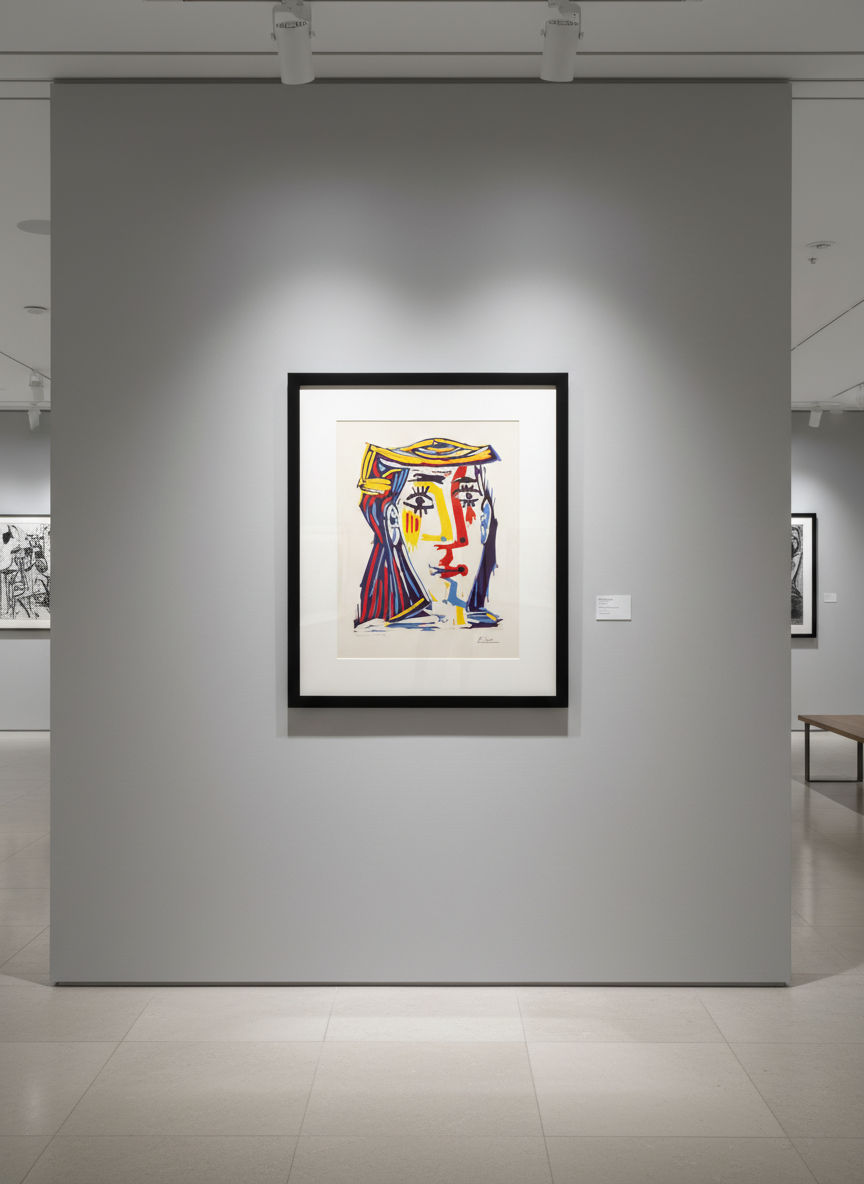
Portraiture sits at the very centre of 20th-century art, and few artists reshaped its language more decisively than Andy Warhol and Pablo Picasso. Though separated by generation, temperament, and technique, both artists used portraiture to confront identity, fame, intimacy, and the construction of modern myth. Seen together their approaches form a compelling conversation about how faces become symbols and how muses define eras.
Warhol: Celebrity as Modern Icon
Warhol’s celebrity portraits stand as some of the most recognisable images in post-war art. Emerging in the early 1960s, his adoption of screenprinting transformed publicity photographs into artworks of radical clarity and impact. By working from mass-circulated images—film stills, magazine covers, press photographs—Warhol collapsed the distance between high art and popular culture, reflecting a society increasingly shaped by media repetition and image saturation.
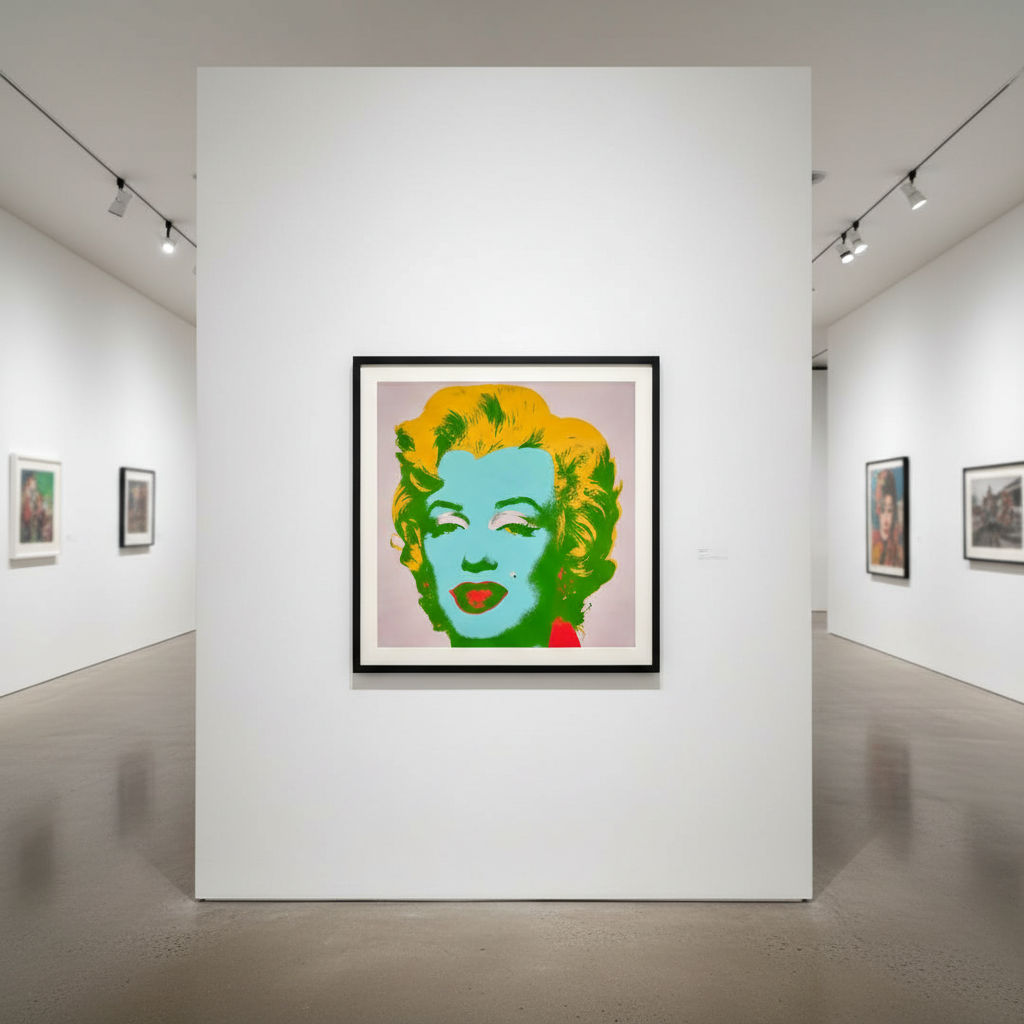
In works such as his portraits of Marilyn Monroe, Elizabeth Taylor, and other cultural icons featured in this viewing room, Warhol’s process is inseparable from meaning. Screenprinting allowed for bold, flat colour, sharp contours, and serial variation, creating images that feel at once glamorous and emotionally detached. Repetition becomes a strategy rather than a by-product: the face, endlessly reproduced, mirrors the mechanical nature of fame itself. These portraits do not merely depict celebrities; they expose how celebrity functions as a consumable image in modern life.

Crucially, Warhol’s portraits challenge traditional notions of originality and authorship. The embrace of mechanical reproduction was not a rejection of art, but an expansion of it—one that positioned contemporary culture as a legitimate subject for serious artistic inquiry. Decades on, these works retain their relevance, both as cultural documents and as cornerstones of blue-chip Pop Art collecting.
Picasso: Jacqueline and the Language of Intimacy
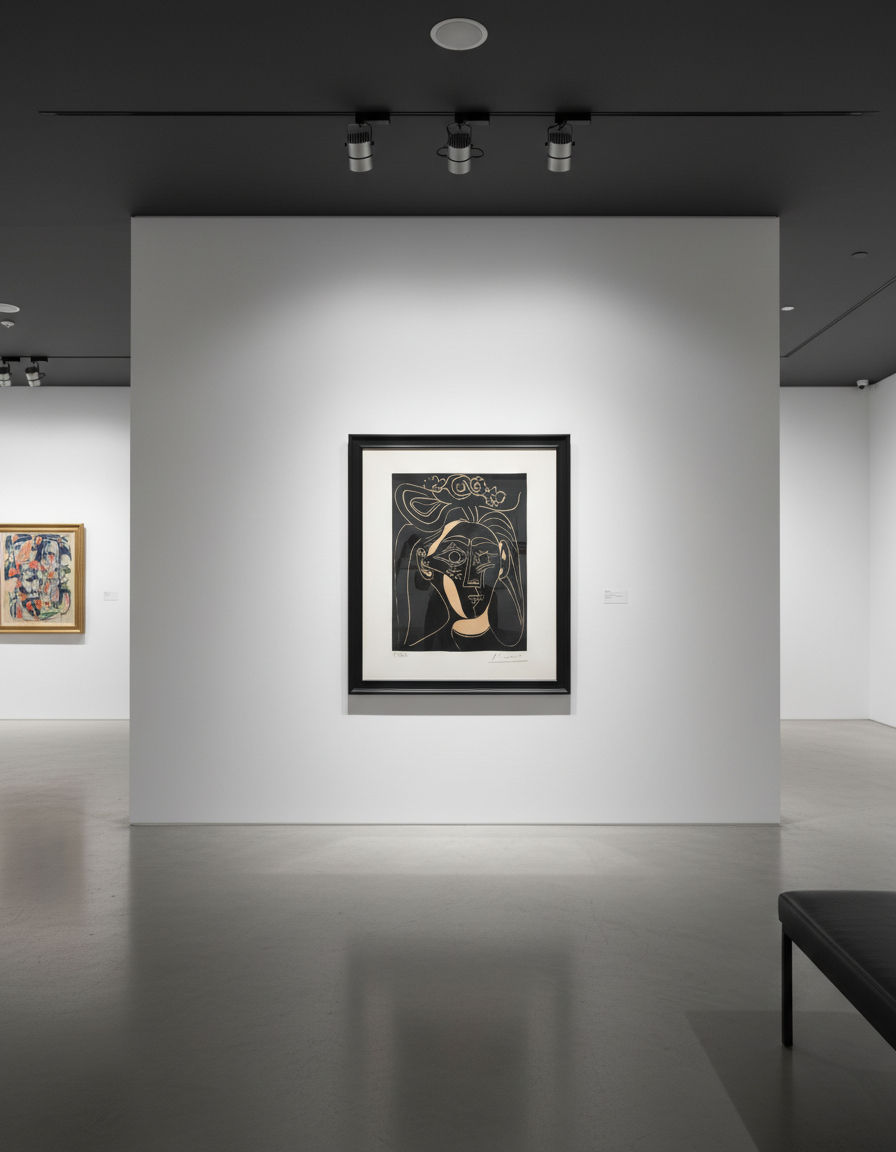
Where Warhol looked outward to mass culture, Picasso’s late portraits turn inward. The Jacqueline Roque portraits, created between the mid-1950s and Picasso’s death in 1973, form one of the most personal and sustained bodies of work in his career. Jacqueline, Picasso’s second wife and final muse, appears repeatedly across paintings, drawings, and prints, rendered through a visual language distilled from more than seventy years of artistic experimentation.
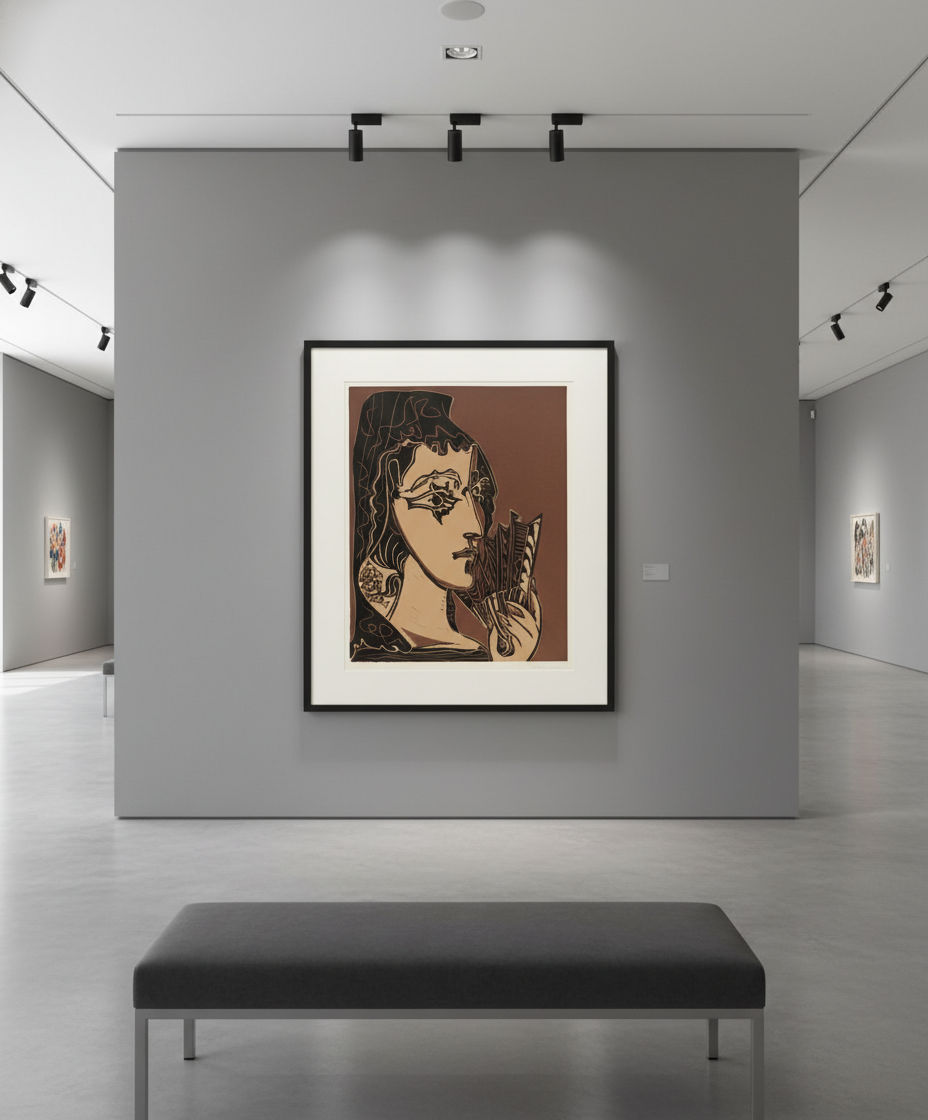
In the works shown in this viewing room, Picasso fuses Cubist fragmentation with a renewed emphasis on line, colour, and expression. Faces are distorted yet intimate, often shown in profile or with multiple viewpoints collapsed into a single image. Unlike the analytical Cubism of his earlier years, these portraits feel emotional and immediate, marked by a raw energy that reflects both personal attachment and artistic urgency.
Picasso’s mastery of printmaking is particularly evident here. Lithographs and etchings capture Jacqueline with an economy of line that conveys both likeness and psychological presence. These late works are not retrospective summaries, but acts of continued reinvention—proof that Picasso remained a restless innovator well into his eighties.
Public Image vs. Private Muse
Placed side by side, Warhol’s celebrity portraits and Picasso’s Jacqueline works reveal two radically different conceptions of portraiture. Warhol treats the face as a public surface, shaped by media, repetition, and consumption. Picasso treats the face as a site of emotional exploration, where form is bent and reassembled to express intimacy and lived experience.
Yet both artists arrive at a similar conclusion: portraiture is never neutral. Whether drawn from a newspaper photograph or a private relationship, the portrait becomes a vehicle for larger ideas—about power, desire, fame, and identity. In this sense, Marilyn Monroe and Jacqueline Roque function as 20th-century muses in parallel registers, each embodying the cultural and personal worlds their artists inhabited.
Collecting Context and Lasting Significance
From a collecting perspective, both bodies of work occupy an essential place within the modern canon. Warhol’s celebrity portraits remain among the most sought-after images of post-war art, prized for their cultural recognition, institutional validation, and enduring market demand. Authentication and provenance are critical, particularly given the prevalence of unauthorised reproductions, and works with strong documentation command sustained interest.
Picasso’s Jacqueline portraits, meanwhile, represent the culmination of his career and offer collectors a direct connection to his final creative period. Prints from this series provide an accessible entry point into Picasso’s late work, combining art-historical significance with expressive power. As with Warhol, careful attention to provenance, condition, and catalogue documentation is essential.
A Shared Legacy
Together, the Warhol and Picasso works in this viewing room offer more than a historical comparison; they present a unified narrative of how portraiture evolved across the 20th century. One artist captures the face as a cultural product, the other as an emotional constant. Both redefine what it means to represent a human subject in a modern world shaped by media, memory, and myth.