
Mel Bochner's embossed monoprints represent a pivotal evolution in conceptual art, where language transcends its traditional boundaries to become sculptural form. Since the mid-1960s, Bochner has challenged the conventions of artistic expression through his conceptually and perceptually driven works, and his embossed monoprints stand as testament to his innovative approach to text-based art.
Key Takeaways
- Embossed monoprints transform language into three-dimensional sculptural experiences
- Unique printmaking technique creates tactile, textured surfaces that blur reading and viewing
- Each work is essentially unique despite being prints, making authentication and provenance crucial
The Revolutionary Technique Behind Mel Bochner's Embossed Monoprints
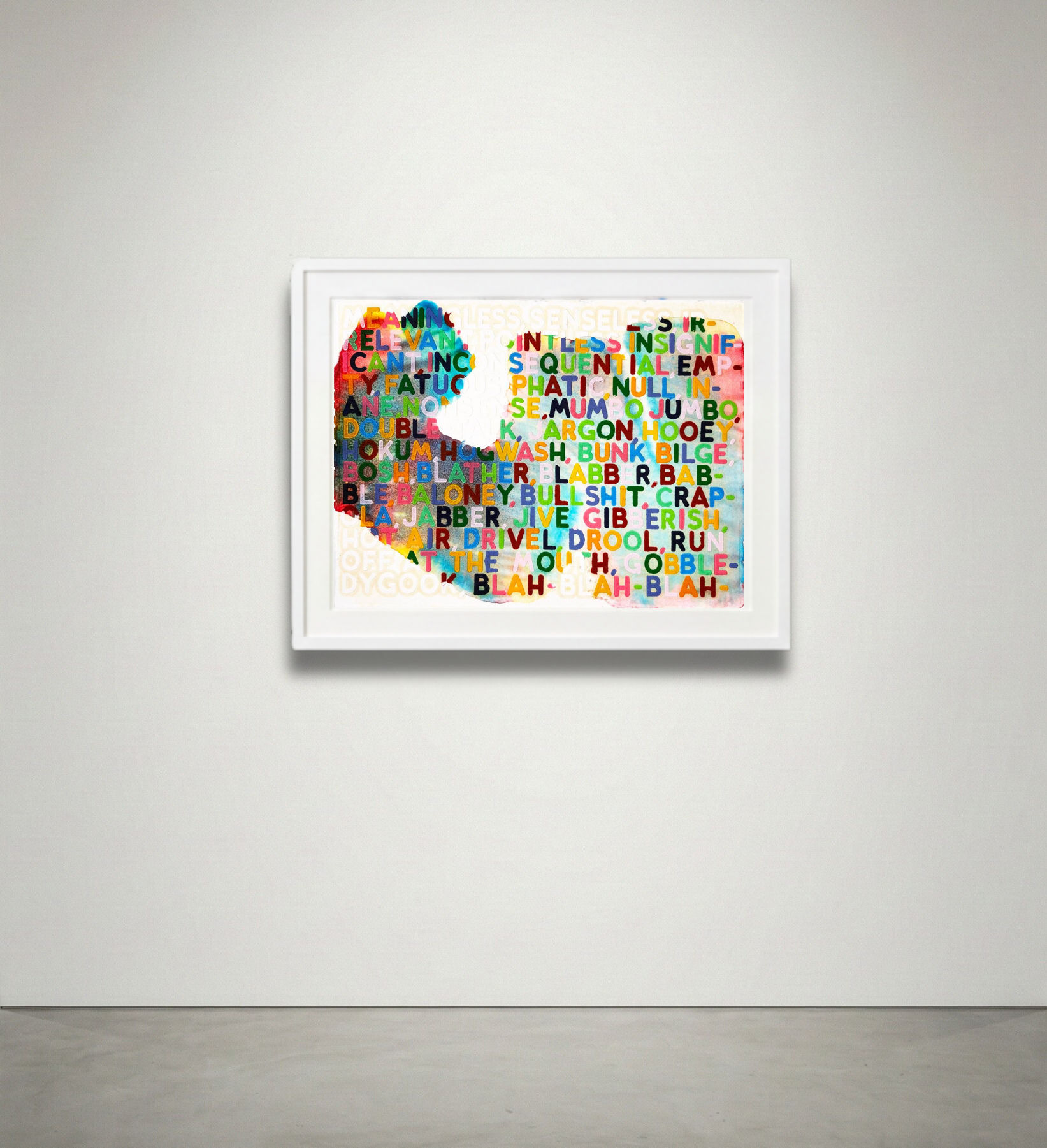
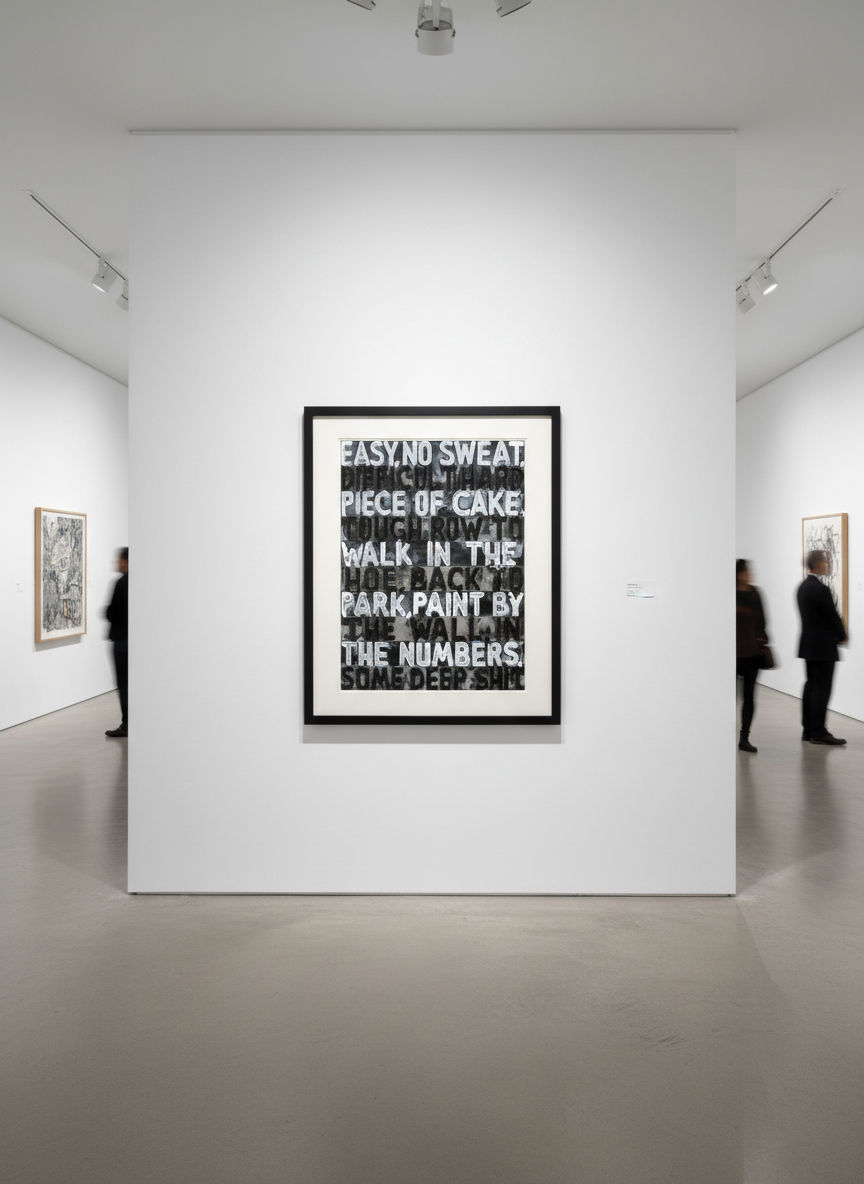
What distinguishes Mel Bochner embossed monoprints is their transformation of flat text into dimensional experience. The embossing technique creates raised surfaces that cast shadows and interact with light, giving physical weight to words that might otherwise be dismissed as mere text. This process involves pressing paper into inked plates under enormous pressure, creating relief surfaces that make the typography literally leap from the page. The monoprint method ensures that each impression carries unique characteristics—subtle variations in ink distribution, pressure, and paper texture that make every piece essentially one-of-a-kind despite being part of a printmaking process.
Language as Visual Architecture
Bochner's approach to his embossed monoprints draws from his pioneering work in conceptual art, particularly his exploration of how language functions as both meaning-maker and visual element. His famous "Blah Blah Blah" series exemplifies this dual function, where repetitive text becomes abstract pattern while simultaneously commenting on the emptiness of much contemporary discourse. The embossed technique amplifies this effect, as viewers must navigate between reading the words and experiencing them as sculptural forms. The raised surfaces create a topography of language, where typography becomes landscape and meaning emerges through both intellectual and physical engagement.
Collecting Mel Bochner Embossed Monoprints: Authentication and Considerations
For collectors interested in Mel Bochner embossed monoprints, understanding the unique nature of these works is essential. Unlike traditional prints produced in consistent editions, monoprints exist in a liminal space between painting and printmaking. Each impression carries variations that make it essentially unique, yet they're created through a reproducible process. Authentication requires careful examination of the embossing quality, paper characteristics, and signing practices specific to different periods of Bochner's career. The artist's studio practices and the technical demands of the embossing process mean that condition is particularly crucial—damaged embossing cannot be restored without fundamentally altering the work's character.
Historical Context and Institutional Recognition
The significance of Mel Bochner embossed monoprints extends beyond their technical innovation to their place in art history. These works emerge from Bochner's groundbreaking exhibition "Working Drawings And Other Visible Things On Paper Not Necessarily Meant To Be Viewed As Art" (1966), which challenged traditional hierarchies between art objects and documentation. Major institutions, including the Whitney Museum of American Art, have recognized Bochner's contributions to conceptual art through significant acquisitions and exhibitions. This institutional validation, combined with the works' unique position between conceptual and visual art practices, has sustained strong collector interest across multiple decades.
Market Context and Collector Appeal
The market for Bochner's embossed monoprints reflects broader appreciation for text-based contemporary art and the growing recognition of printmaking as a primary artistic medium rather than a secondary reproductive process. These works appeal to collectors who appreciate both conceptual rigor and visual sophistication—the intellectual framework of language-based art combined with the sensual pleasure of textured, dimensional surfaces. The relative rarity of these pieces, given the labor-intensive embossing process and the essentially unique nature of each monoprint, contributes to sustained collector demand. Museums and private collectors value how these works bridge multiple collecting categories: prints, conceptual art, and text-based work.
Frequently Asked Questions
What makes Mel Bochner embossed monoprints different from regular prints?
The embossing process creates raised, three-dimensional text that casts shadows and interacts with light, transforming flat typography into sculptural form. Unlike regular prints, the monoprint process ensures each impression is unique, with variations in ink distribution and embossing depth that make every piece essentially one-of-a-kind while still being part of a reproducible printmaking process.
How should collectors approach authentication of these works?
Authentication requires examination of embossing quality, paper characteristics, and period-specific signing practices. Because each monoprint carries unique variations, collectors should work with experts familiar with Bochner's studio practices and the technical aspects of his embossing process. Provenance documentation becomes particularly important given the essentially unique nature of each impression.
What is the significance of Bochner's text-based approach?
Bochner's use of language as visual material emerged from conceptual art's questioning of traditional art objects. His embossed monoprints transform words into physical, sculptural experiences that viewers must navigate between reading and seeing. This approach reflects broader investigations into how meaning is constructed and how language functions as both communication tool and artistic material.
The enduring appeal of Mel Bochner embossed monoprints lies in their successful marriage of conceptual sophistication with visual and tactile pleasure. These works demonstrate how printmaking can serve as a primary artistic medium, capable of generating new forms of meaning and experience rather than simply reproducing existing images.
Guy Hepner in New York and London has extensive experience with Mel Bochner works and can assist collectors seeking pieces from this series.
