
Lichtenstein's use of everyday objects represents one of Pop Art's most revolutionary achievements: the transformation of mundane comic-book consumer items, scenes and people into high art masterpieces. Through his distinctive Benday dot aesthetic, Lichtenstein elevated the everyday from intimate portraits to utilitarian chairs and lamps, rooms at home to daily life—into iconic symbols of American culture, challenging traditional hierarchies between commercial design and fine art.
Key Takeaways
- Lichtenstein elevated mundane consumer items into Pop Art icons
- His signature Benday dot technique blurs the boundaries between high and low culture
- Examples of these types of works appear across his career in various series.

The Visual Language of Commercial Culture
Lichtenstein's artistic language drew directly from commercial printing techniques, particularly the Benday dot process used in newspaper and comic book reproduction. This same technique defined his approach his practice. Chairs and tables, bowls of fruit and goldfish bowls received the same meticulous treatment as his famous comic book heroines.
The artist's method involved systematic translation from source to canvas. First, he would sketch the image, making strategic simplifications that distilled complex forms into bold, graphic statements. His everyday objects maintained this clarity of line and color, reducing three-dimensional consumer goods to their most essential visual elements. The result was a body of work that felt simultaneously familiar and estranged—recognizable objects rendered through the visual vocabulary of mass production.
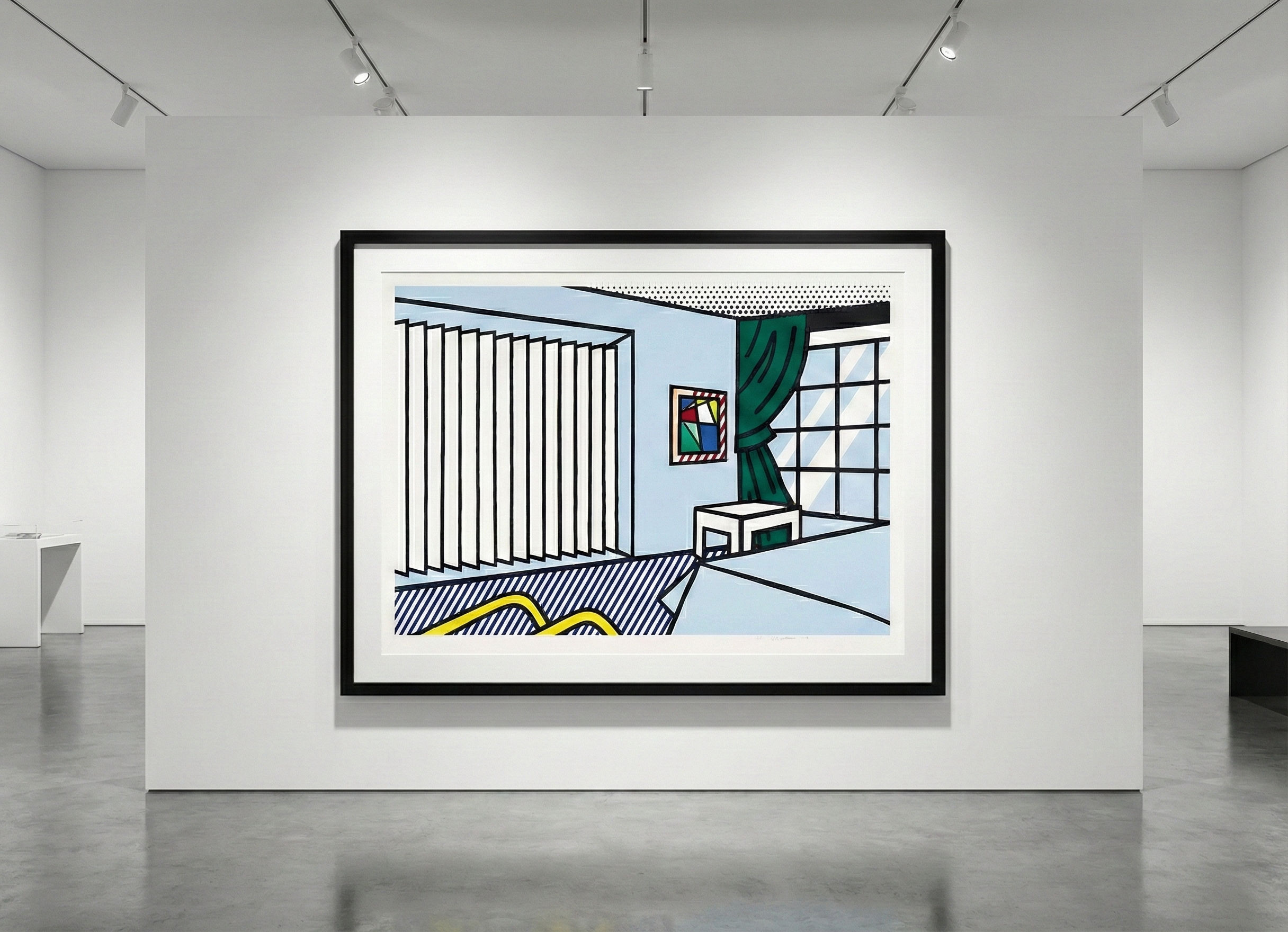
Roy Lichtenstein Everyday Objects: From Source to Art
Lichtenstein's career encompasses works created throughout the 1960s and beyond, as the artist continued to mine consumer culture for artistic material. Unlike his comic book paintings, which often featured dramatic narratives, many works focused purely on form and cultural significance. A simple coffee cup or desk lamp became a meditation on American material culture, presented with the same graphic boldness that characterized his war comics and romance panels.
Lichtenstein's distinctive style was achieved through a combination of hand-painted techniques, mechanical processes, and meticulous planning. Each everyday object underwent careful analysis and simplification, with the artist eliminating superfluous details while amplifying essential characteristics. The iconic red and yellow dots that define many of these works were applied with mathematical precision, creating surfaces that appeared mechanically produced despite being entirely hand-painted.
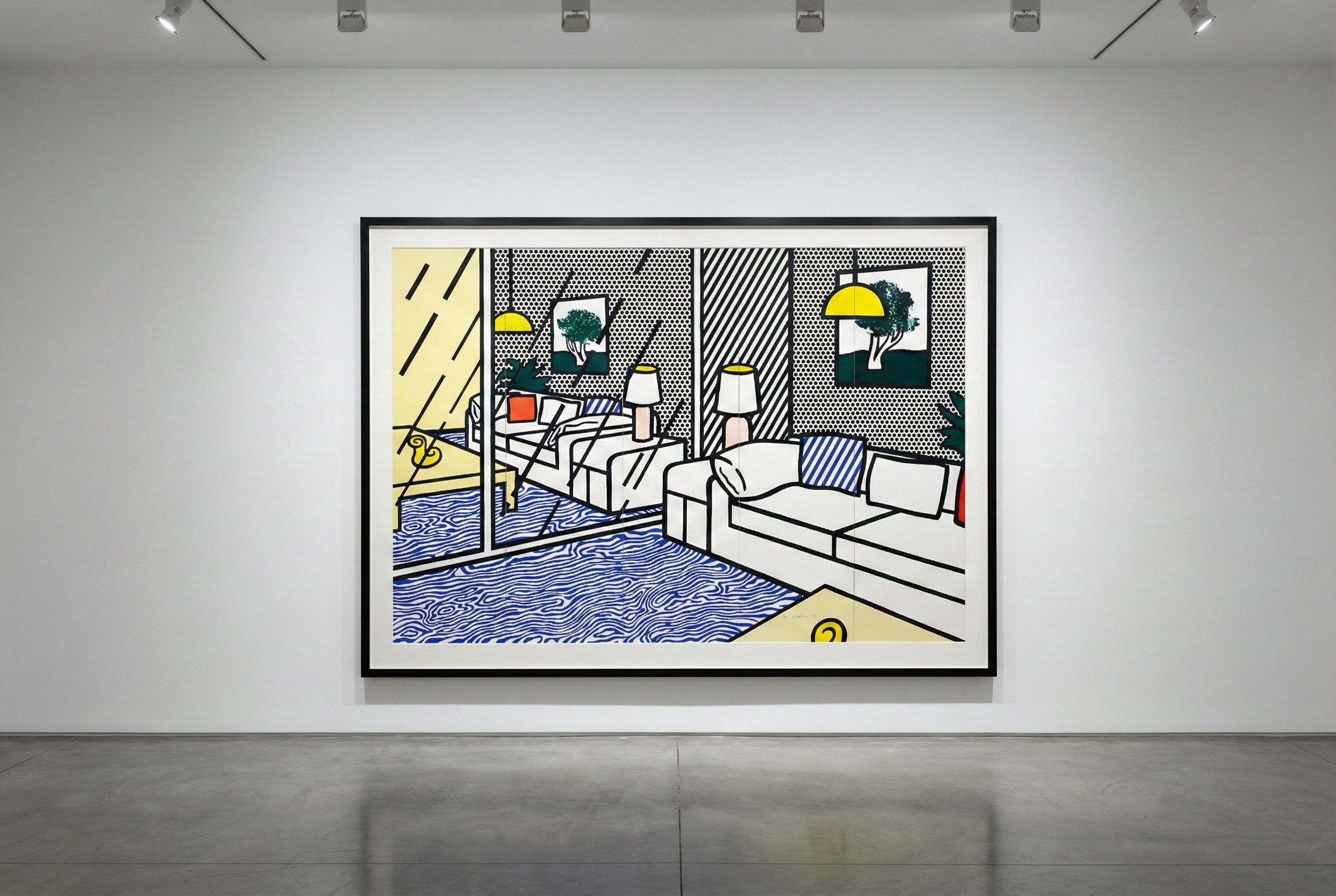
Cultural Impact and Art Historical Significance
The everyday objects series embodied Pop Art's central mission: challenging the distinction between high culture and mass production. By applying fine art techniques to consumer goods, Lichtenstein questioned what subjects were worthy of artistic attention. His treatment of a can of soda pop, for example, with the same reverence traditionally reserved for still life painting demonstrated Pop Art's democratic approach to subject matter.
This democratization extended beyond subject choice to technique itself. Lichtenstein's adoption of commercial printing aesthetics brought industrial processes into the gallery, prefiguring discussions about mechanical reproduction that would dominate contemporary art discourse. Works became emblematic of an era when American consumer culture achieved unprecedented global influence, making these pieces valuable cultural documents as well as aesthetic achievements.
Collecting Considerations and Authentication
Edition details are particularly important for print collectors, as Lichtenstein produced multiple series of prints with varying edition sizes and technical specifications. Understanding the distinction between different states and printings can significantly impact both aesthetic and financial considerations. The combination of institutional validation, technical innovation, and cultural significance makes this a compelling area of the artist's practice for serious collectors.
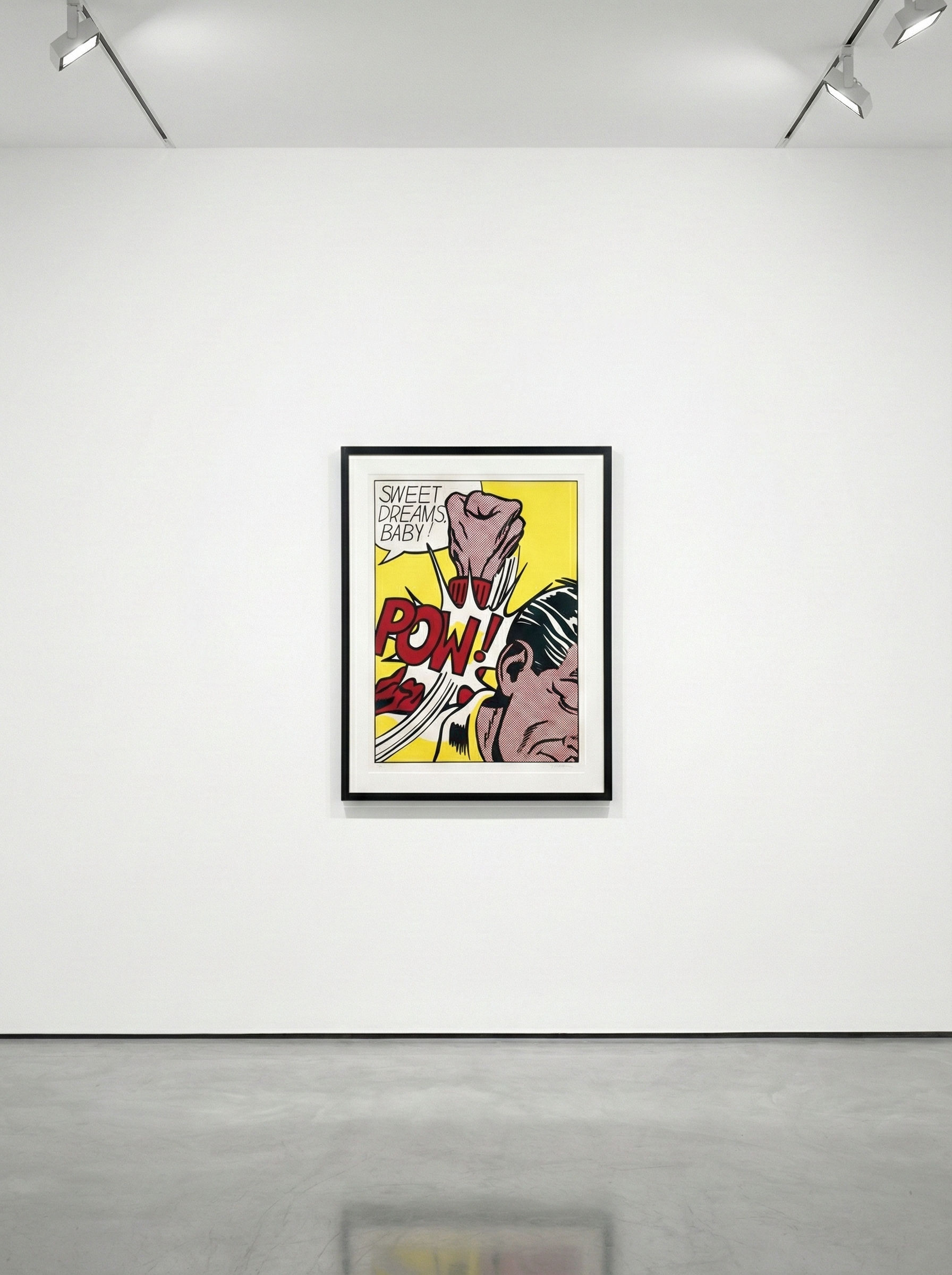
Market Position and Institutional Recognition
Examples of these works can be found in collections worldwide including the Museum of Modern Art, the Whitney Museum, and Tate Modern. This museum presence provides crucial validation for collectors while ensuring the works' continued art historical significance. Lichtenstein has attracted consistent collector interest across decades, with works appearing regularly at auction and in gallery exhibitions.
The accessibility of everyday object imagery, combined with Lichtenstein's technical mastery, has created broad appeal among collectors at various levels. From iconic large-scale paintings to more accessible print editions, the series offers multiple entry points into the artist's work while maintaining consistent quality and cultural relevance.
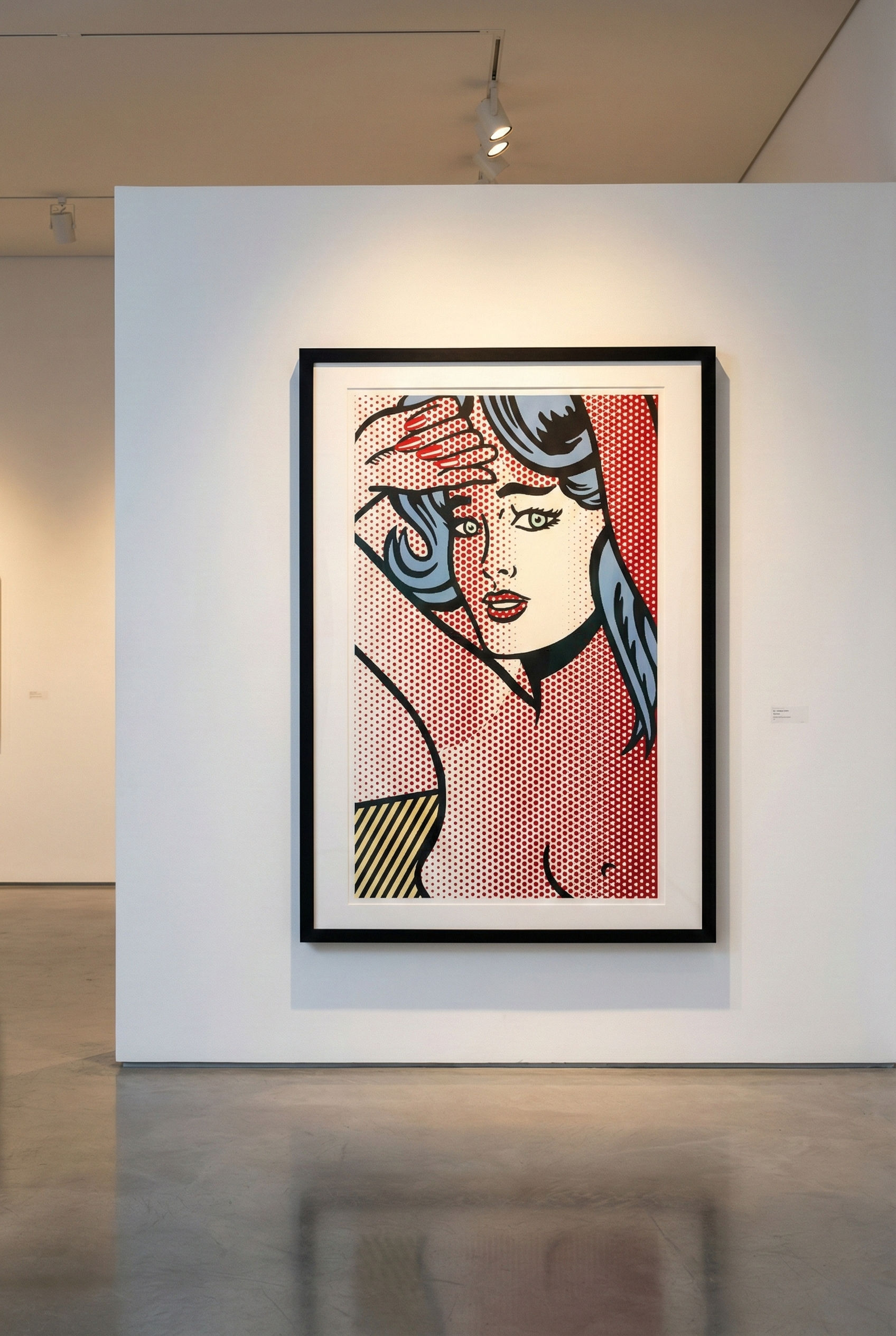
Frequently Asked Questions
What are the Roy Lichtenstein works culturally significant?
Lichtenstein exemplifies Pop Art's revolutionary approach to subject matter, elevating mundane consumer goods to the status of high art. By applying fine art techniques to household items, Lichtenstein challenged traditional hierarchies between commercial and artistic imagery, creating works that function as both aesthetic objects and cultural commentary on American materialism.
How did Lichtenstein create his signature Benday dot technique?
Lichtenstein achieved his distinctive dots using aluminum mesh templates, pushing oil paint through perforations to create mechanically precise patterns. This hand-painted simulation of commercial printing processes required meticulous planning and execution, with each dot carefully positioned to achieve the desired visual effect while maintaining the appearance of mechanical reproduction.
Which everyday objects did Lichtenstein most frequently depict?
Common subjects included kitchen appliances, office equipment, household electronics, and personal items like mirrors and cups. These selections reflected the artist's interest in objects that defined American domestic and commercial life during the 1960s, choosing items that would be immediately recognizable to viewers while possessing strong graphic potential for his distinctive treatment.
The enduring appeal of the Roy Lichtenstein lies in its perfect synthesis of technical innovation, cultural commentary, and visual accessibility. These works continue to resonate with contemporary audiences, offering both aesthetic pleasure and insight into the transformation of American culture during the Pop Art era. For collectors, they represent an opportunity to acquire works that function simultaneously as art objects and cultural artifacts, embodying Pop Art's democratic vision while maintaining the technical excellence that defines Lichtenstein's finest achievements.
Guy Hepner in New York and London has extensive experience with Roy Lichtenstein works and can assist collectors seeking pieces from this series. Contact our teams to buy Roy Lichtenstein original art. Looking to sell? Speak to a specialist today to sell Lichtenstein art.
