
Keith Haring's Pop Shop represents one of the most revolutionary experiments in making contemporary art accessible to the masses. Opened in 1986 in New York's SoHo district, this groundbreaking retail concept challenged traditional boundaries between high art and commercial culture, embodying Haring's democratic vision that art should be available to everyone, not just elite collectors.

Key Takeaways
The Pop Shop democratized access to Haring's iconic visual language through affordable multiplesWorks feature Haring's signature continuous line technique and symbolic hieroglyphic vocabulary.Authentic Pop Shop items are highly sought after by collectors and require careful authentication.
Keith Haring's Visual Language and the Pop Shop Aesthetic.
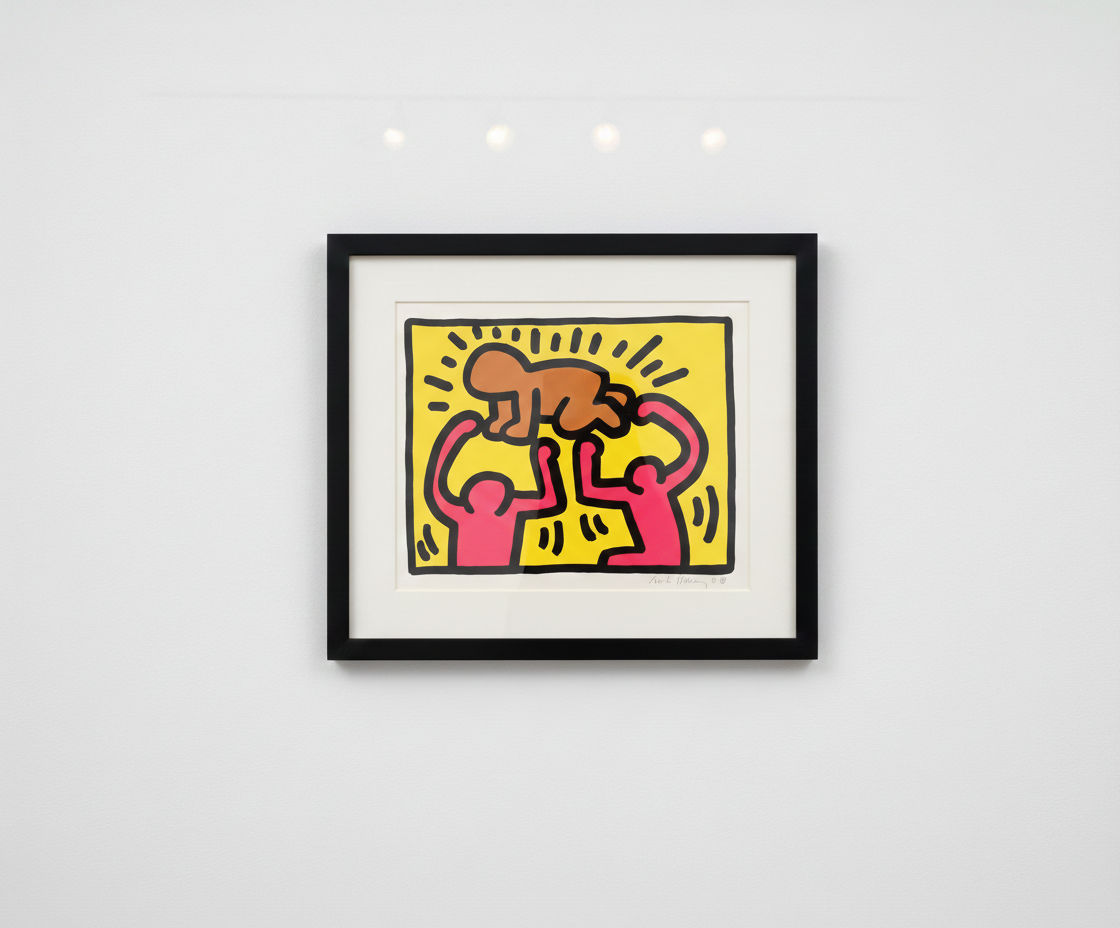
Haring's distinctive artistic vocabulary found perfect expression in the Keith Haring Pop Shop format. His signature style—continuous black outlines forming dancing figures, barking dogs, radiant babies, and flying saucers—translated seamlessly from subway walls to commercial products. The artist's hieroglyphic-inspired symbols carried universal meanings: the radiant baby represented purity and potential, the barking dog suggested loyalty and protection, while dancing figures embodied joy and movement.
The Pop Shop aesthetic maintained Haring's commitment to bold, vibrant colors and simplified forms. Each design utilized his characteristic technique of continuous line drawing, creating images that were immediately recognizable and emotionally accessible. This visual consistency across different media—from t-shirts to posters to buttons—established a cohesive brand identity that reinforced Haring's artistic philosophy.
Cultural Significance and the Keith Haring Pop Shop Legacy
The Keith Haring Pop Shop challenged the art world's traditional hierarchies by positioning original artistic designs within commercial contexts. Inspired by Andy Warhol's Factory model, Haring viewed the shop as an extension of his studio practice rather than a mere retail venture. The SoHo location at 292 Lafayette Street became a cultural destination where art met commerce, attracting celebrities, collectors, and everyday art enthusiasts.
This democratic approach reflected Haring's broader social activism and his belief in art's power to communicate across cultural and economic barriers. The Pop Shop made his symbolic language available to anyone with a few dollars, transforming passive viewers into active participants in his artistic vision. The venture also influenced countless artists who followed, establishing precedents for artist-operated retail spaces and commercial art ventures.
Authentication and Collecting Keith Haring Pop Shop Items
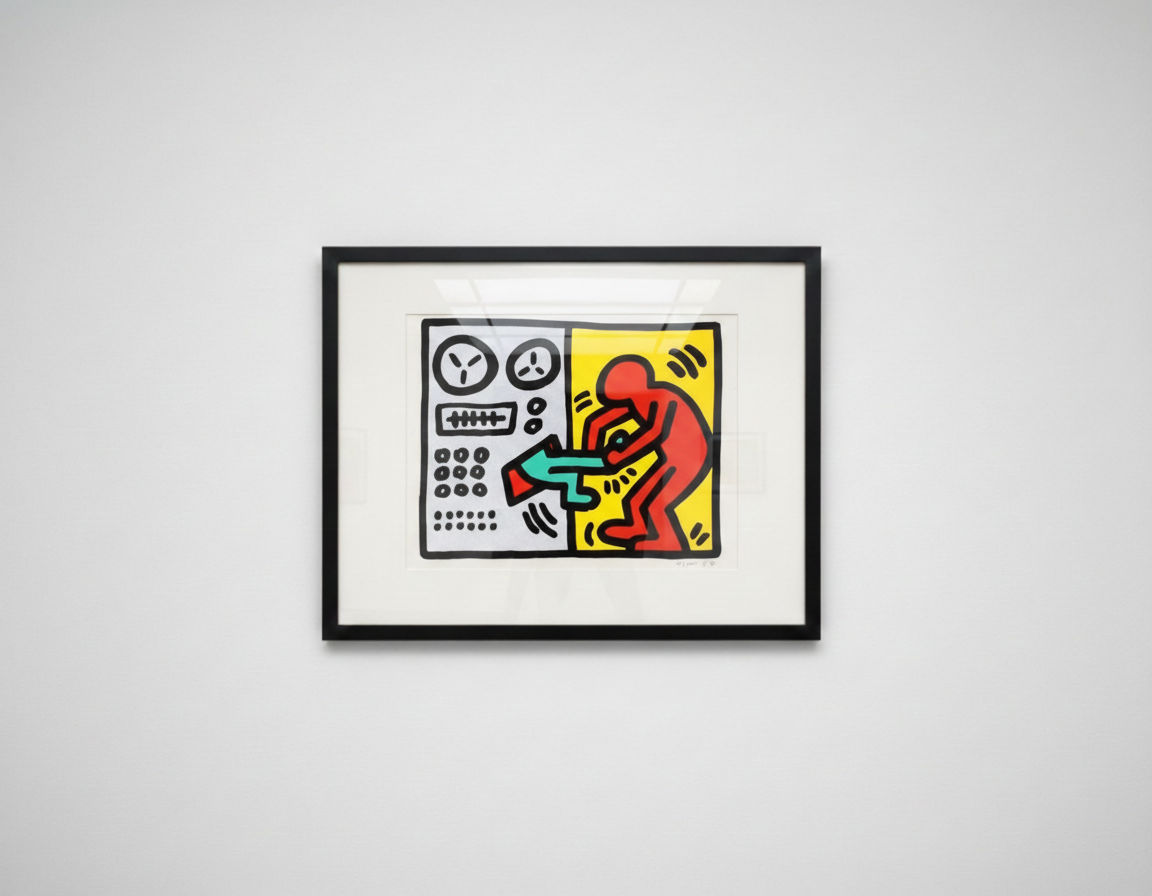
Collecting Keith Haring Pop Shop materials requires careful attention to authenticity and provenance. Genuine Pop Shop items were produced during specific periods—the original New York shop operated from 1986 to 2005, with a Tokyo location from 1987 to 1988. Authentic pieces typically feature high-quality printing, proper copyright notices, and consistent color reproduction that matches Haring's exacting standards.
Key authentication factors include examining print quality, paper stock, and color saturation. Original Pop Shop posters often utilized offset lithography, while clothing items featured screen-printed designs with vibrant, fade-resistant inks. Collectors should also verify provenance through documentation, as the Keith Haring Foundation maintains detailed records of authorized productions.
Pop Shop Market
The market for Keith Haring Pop Shop items reflects both nostalgic appeal and art historical significance. Vintage pieces, particularly rare designs or items in excellent condition, command premium prices among collectors who value their connection to Haring's democratic artistic vision.
The auction performance of Pop Shop works has shown consistent strength, underpinned by global recognition, strong liquidity, and broad collector demand. Conceived as a democratic extension of Haring’s practice, Pop Shop imagery distilled his visual language into bold, instantly legible symbols that have aged remarkably well in the auction market. These works frequently meet or exceed estimates, attracting competitive bidding from both established collectors and new entrants seeking iconic imagery with proven resale confidence.
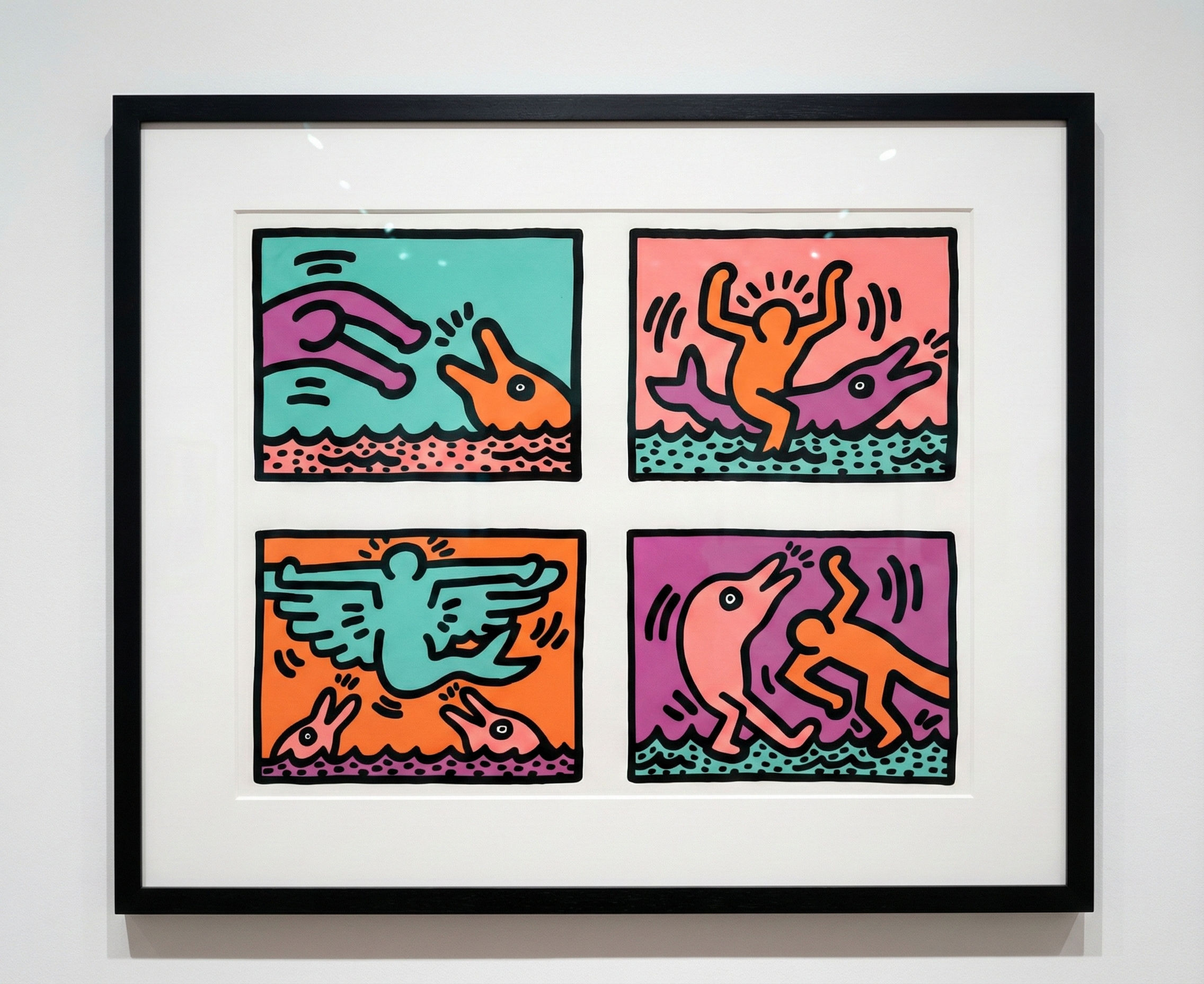
Their appeal lies in clarity and scarcity: while widely recognised, high-quality examples in strong condition remain limited. As a result, demand continues to outpace supply. From a collecting perspective, Pop Shop works sit at a strategic intersection of accessibility and importance. They represent a core chapter in Haring’s philosophy of art as public communication, while offering a comparatively attainable entry point into blue-chip post-war collecting. This balance of cultural significance, visual impact, and market resilience makes Pop Shop works a compelling and enduring addition to any serious collection.
Frequently Asked Questions
Q. What was the significance of Keith Haring Pop Shop in art history?
A. The Keith Haring Pop Shop revolutionized the relationship between fine art and commercial culture by making original artistic designs accessible through affordable consumer products. It challenged elitist art world structures while maintaining artistic integrity, influencing generations of artists who sought to democratize their work through commercial ventures.
Q. How can collectors identify authentic Pop Shop items?
A. Authentic items feature high-quality printing with vibrant colors, proper copyright notices, and consistent reproduction standards. Original pieces were produced during specific operational periods (1986-2005 in New York, 1987-1988 in Tokyo) and typically show superior craftsmanship in materials and printing techniques compared to later reproductions or unauthorized copies.
Q. What types of items were sold at the original Pop Shop?
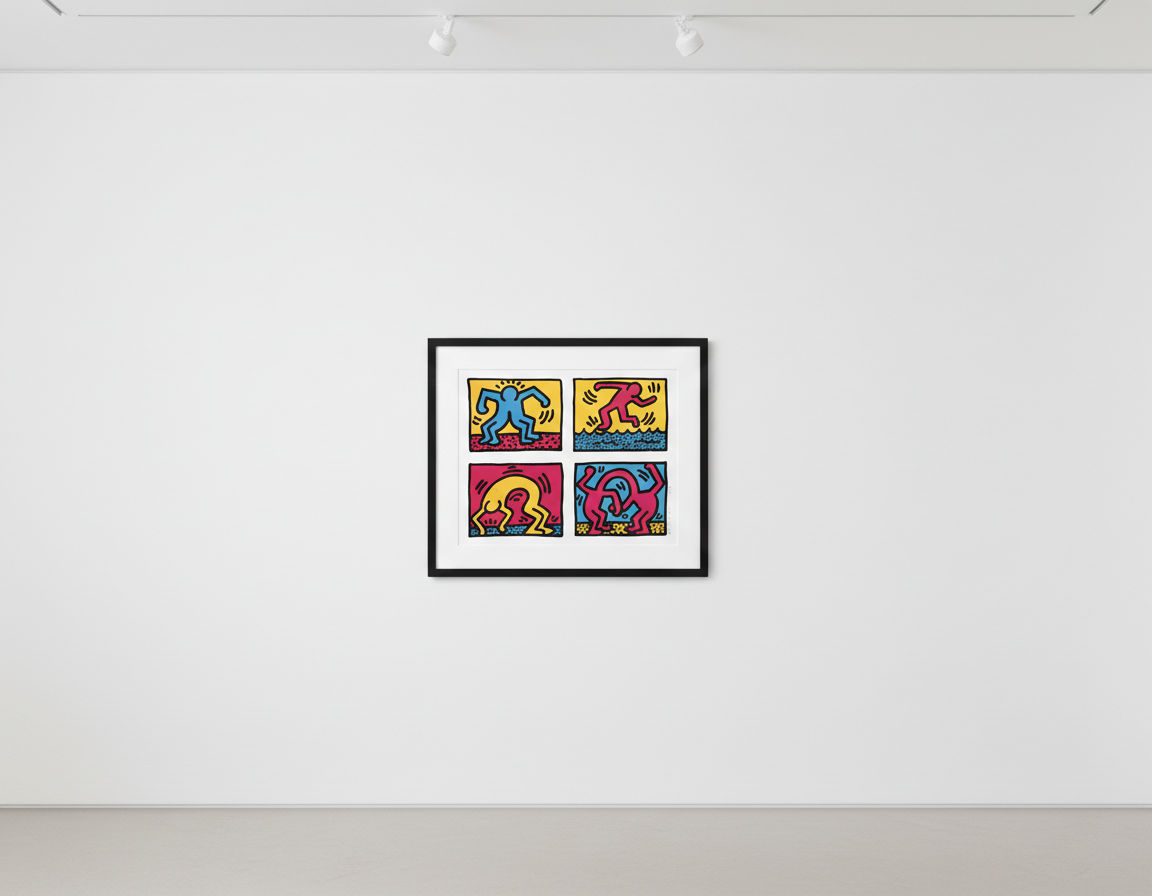
A. The Pop Shop offered diverse merchandise including posters, t-shirts, buttons, magnets, bags, and various accessories, all featuring Haring's iconic imagery. Each item maintained his distinctive visual language while serving functional purposes, embodying his philosophy that art should be integrated into daily life rather than confined to gallery walls.The enduring appeal of Keith Haring Pop Shop items demonstrates how successfully Haring bridged high art and popular culture. These pieces continue to resonate with collectors who appreciate both their aesthetic qualities and their role in art history's democratization movement. The Pop Shop's influence extends beyond its commercial success, representing a pivotal moment when contemporary art embraced accessibility without compromising artistic vision.Guy Hepner in New York and London has extensive experience with Keith Haring works and can assist collectors seeking pieces from this series.
Discover Keith Haring signed prints for sale and contact our New York and London galleries via info@guyhepner.com.
Looking to sell? Find out to sell your Haring prints and speak to our team for a complimentary valuation.
