
Guy Hepner marks the beginning of Marilyn Monroe’s centennial era with a focused presentation of photography and portraiture by Tyler Shields. As institutions, collectors, and cultural commentators prepare for Monroe’s 100th birthday in 2026, Shields emerges as a compelling voice in how her image is being reconsidered today. Known for his provocative, cinematic approach to photography, Shields brings Monroe into a present-day visual language—one shaped by power, control, and the lasting tension between glamour and vulnerability. This moment offers collectors an opportunity to engage with a body of work that feels both timely and culturally charged.
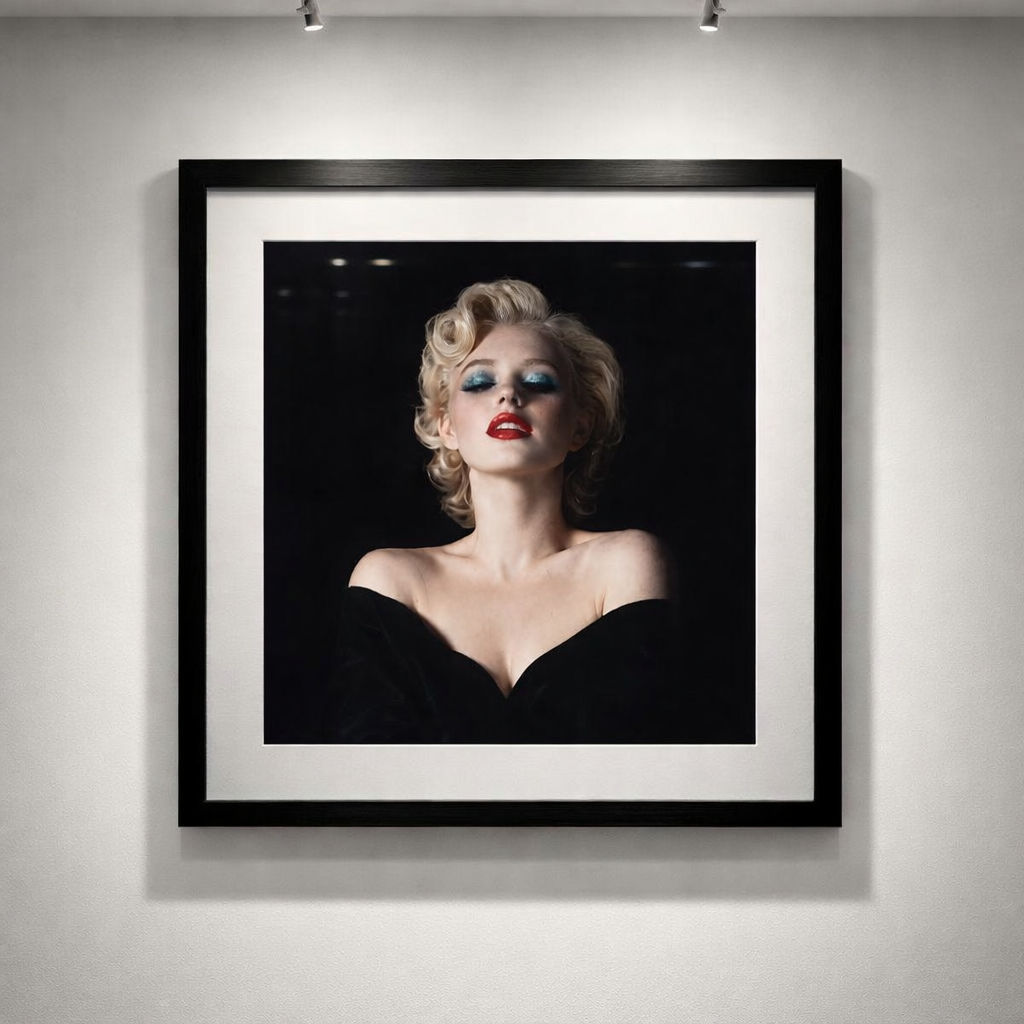
The Marilyn centennial is poised to become a major cultural milestone, extending far beyond Hollywood history into broader conversations about fame, gender, and image-making. Monroe remains one of the most photographed and mythologized individuals in history, yet each generation continues to reinterpret her through its own lens. Tyler Shields approaches Monroe not as a distant icon, but as a symbol through which contemporary ideas of femininity, desire, and agency can be explored. His portraits resonate with Monroe’s enduring contradictions—strength and softness, visibility and isolation—while reframing her presence through a distinctly modern sensibility. As the centennial approaches, these themes feel increasingly urgent.
Shields’ photographic language is central to this reinterpretation. His work is defined by stark lighting, saturated color, and a confrontational intimacy that pulls viewers directly into the emotional space of the image. Rather than idealizing Monroe as a nostalgic figure frozen in time, Shields situates her within a contemporary framework that emphasizes control over her image and the psychological weight of celebrity. The compositions feel deliberate and assertive, replacing passive glamour with tension and self-awareness. This shift is what makes Shields’ engagement with Monroe especially relevant to the centennial: it reflects how cultural memory is evolving, moving away from mythologization and toward deeper, more complex readings of her legacy.
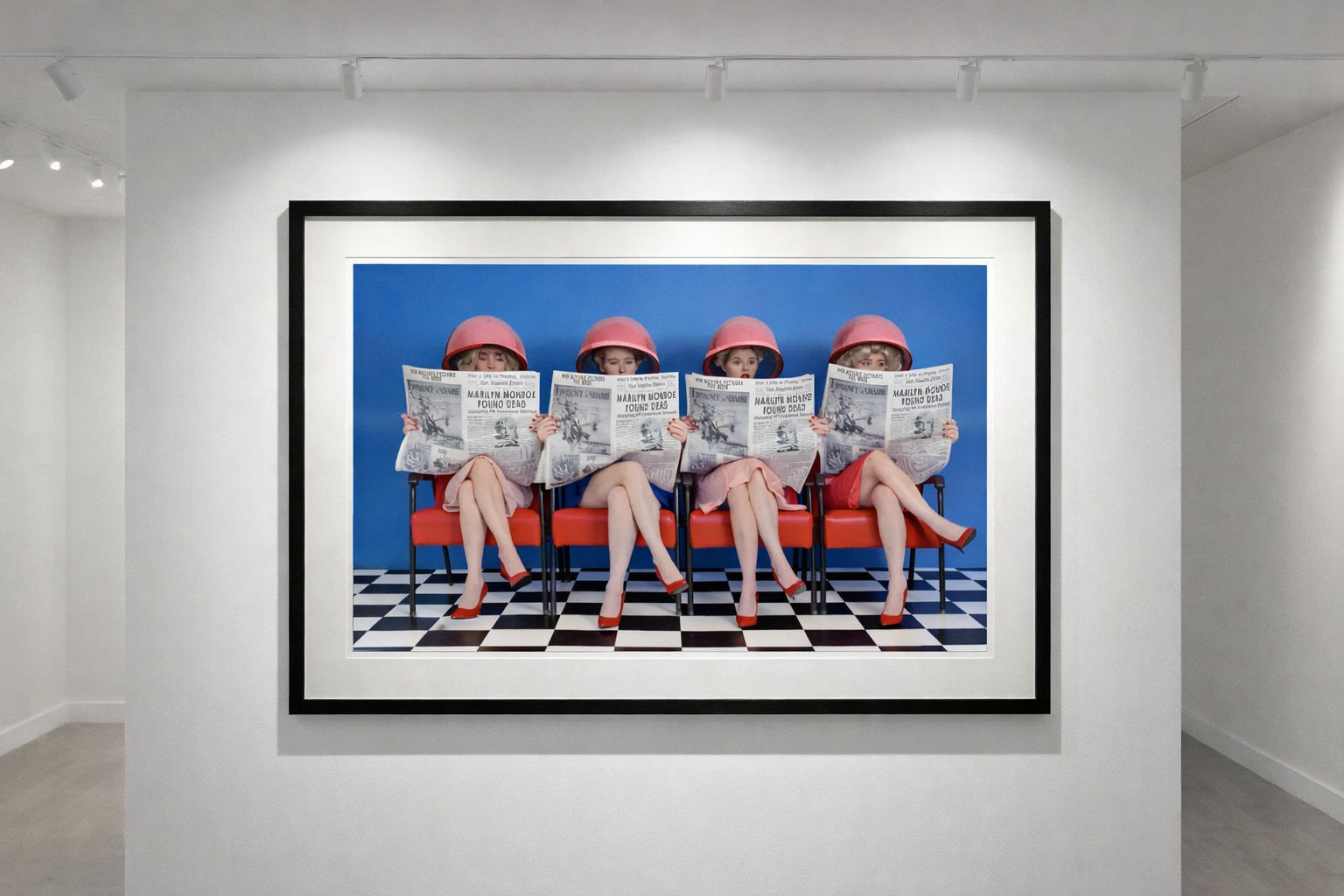
As museums and scholars revisit Monroe’s life and cultural impact, Shields’ work contributes to the visual language shaping this reassessment. The gallery’s selection highlights the emotional and conceptual strength of Shields’ portraiture, underscoring his ability to merge fashion, celebrity, and fine art into images that feel psychologically charged. These works do not rely on nostalgia; instead, they confront viewers with Monroe’s continued relevance in a media-driven world that still mirrors many of the pressures she faced.
The significance of Shields’ practice extends beyond Monroe alone. Throughout his career, he has used photography to challenge how icons are presented and consumed, often exposing the power dynamics embedded in fame. Applied to Monroe, this approach feels especially potent. His portraits encourage viewers to consider how image construction operates today, how celebrity narratives are shaped, and how historical figures are continuously re-authored by contemporary culture. As conversations around women in the public eye become more nuanced—addressing agency, exploitation, and self-definition—Shields’ work feels aligned with the current moment.
The broader cultural climate further amplifies the importance of this body of work. In recent years, Monroe has been revisited through documentaries, exhibitions, and critical writing that seek to dismantle simplified narratives of glamour and tragedy. These reinterpretations aim to acknowledge her intelligence, ambition, and autonomy alongside the vulnerabilities imposed by fame. Shields’ portraits operate within this shift. By presenting Monroe through a modern photographic lens, he resists flattening her into a symbol and instead invites viewers to engage with the complexity that has always defined her image.
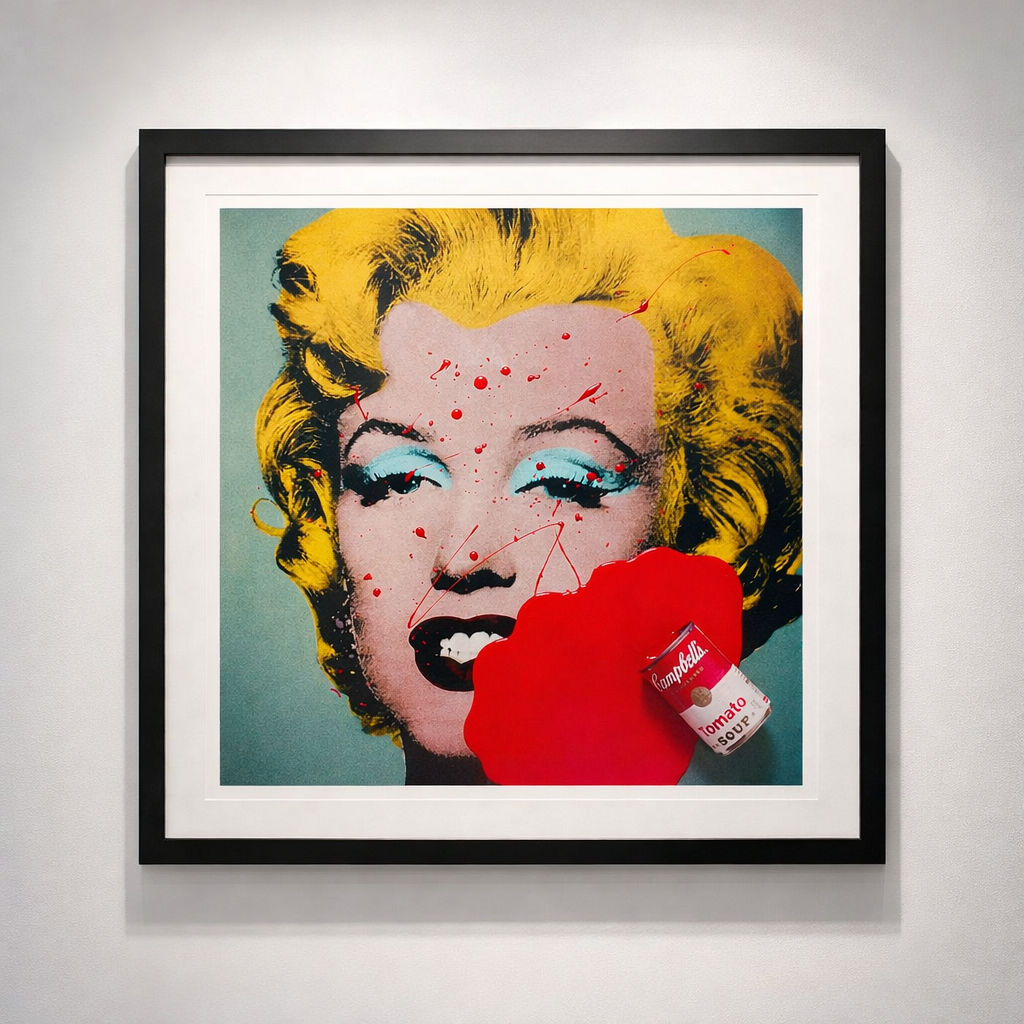
For collectors, the Marilyn centennial represents a moment of heightened cultural relevance. Acquiring works connected to Monroe at this juncture carries both historical resonance and contemporary significance. Shields’ photography occupies a space where pop culture, fine art, and social commentary intersect, making these works particularly compelling within a centennial framework. Guy Hepner’s presentation underscores this relevance, offering a tightly curated view of how Monroe’s legacy continues to evolve through contemporary art.
As the centennial approaches, Marilyn Monroe’s image will once again dominate cultural discourse—but increasingly through lenses that emphasize nuance over myth. Tyler Shields’ photography contributes to this ongoing redefinition, positioning Monroe not as a relic of the past, but as a figure whose presence still challenges and reflects modern society. Guy Hepner’s presentation situates these works within a broader cultural moment, ensuring they participate actively in the conversation surrounding one of the most significant anniversaries in contemporary visual culture. Through this lens, the centennial becomes not only a commemoration, but an invitation to reconsider how Monroe is seen, remembered, and understood a century after her birth.
For more information on Tyler Shields and Contemporary photography please email us at info@guyhepner.com or call us (212) 226-8680
