
Yayoi Kusama is one of the most recognisable artists alive today: her pumpkins, dots and Infinity Mirror Rooms have become global cultural icons. For new collectors, though, the frenzy of museum exhibitions, collaborations and social-media hype can make it hard to know where to start. This guide walks through her history, influences, market, key motifs and practical advice on how to collect her work thoughtfully and intelligently.
A brief history: from Matsumoto to global icon
Yayoi Kusama was born in 1929 in Matsumoto, Japan, into a conservative, land-owning family. From childhood she experienced vivid hallucinations of fields of dots, flowers and patterns that covered everything around her – visions that would later become the basis of her art.
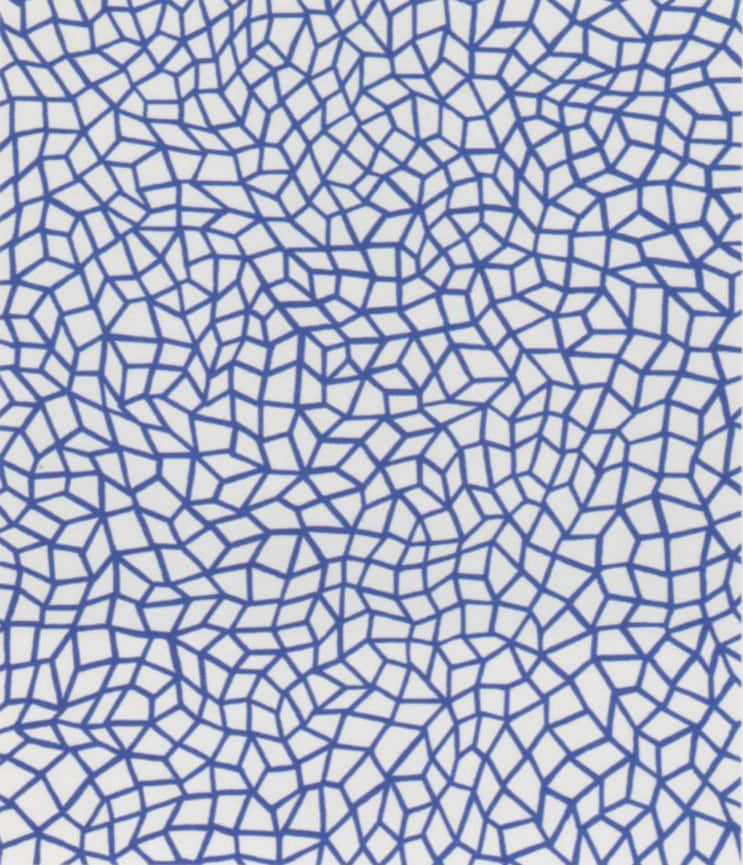
In the 1950s she moved to the United States, first to Seattle and then to New York, arriving in 1958. There she entered the same downtown avant-garde scene as Warhol, Oldenburg and Judd. Her early “Infinity Net” paintings – large canvases covered with obsessive, hand-painted loops and dots – were shown in leading galleries and helped position her within the emerging Minimalist and Pop contexts, even though her work remained stubbornly personal and psychological.
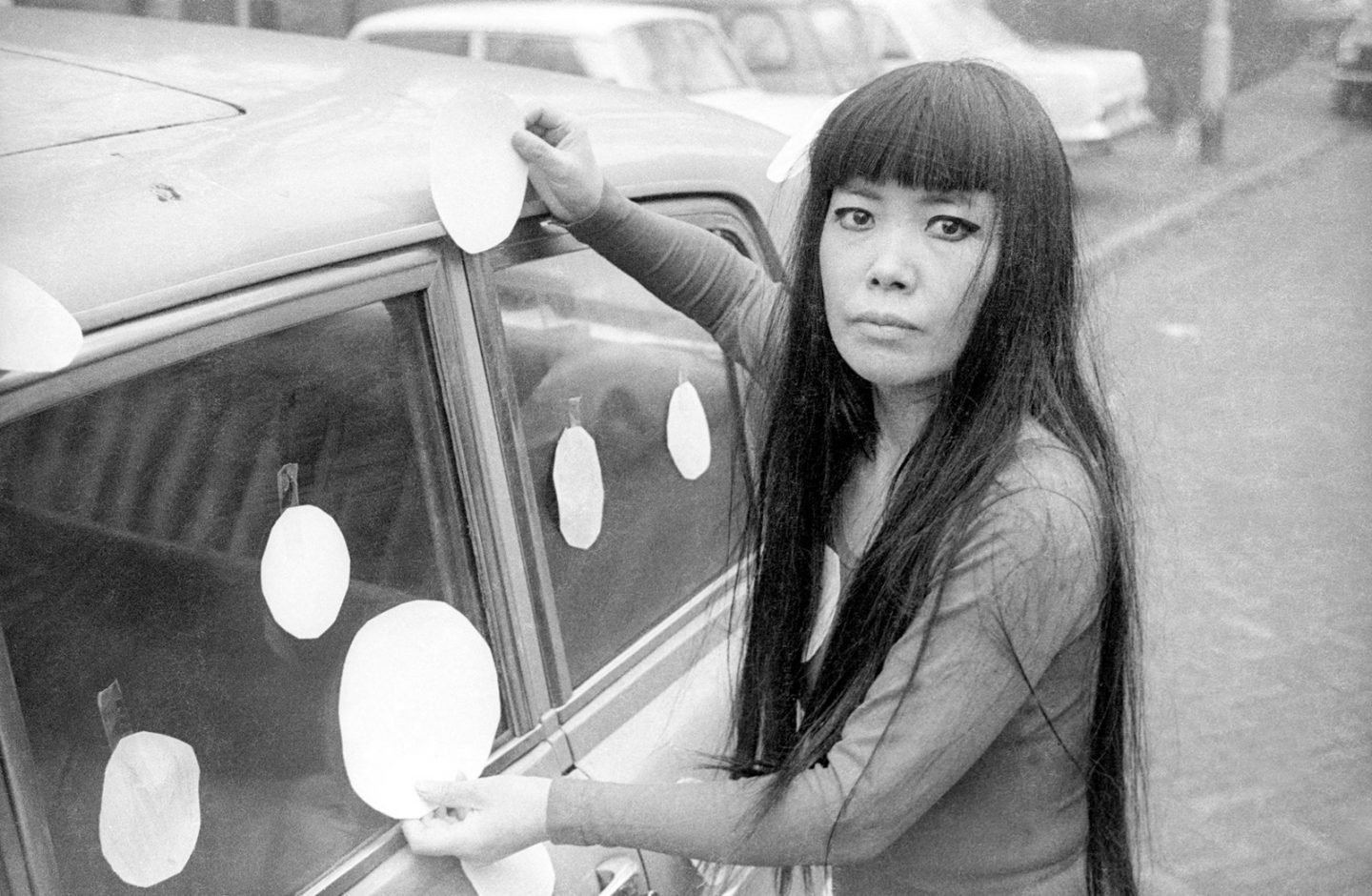
By the late 1960s she was staging radical “happenings”: performances combining body-painting, nude protests against the Vietnam War, soft-sculpture environments and her own fashion line, Kusama Fashion Company Ltd. These happenings, often covered in polka dots, merged art, performance and clothing in ways that feel remarkably contemporary today.
In 1973, exhausted and ill, Kusama returned to Japan. She voluntarily took up residence in a psychiatric hospital in Tokyo, where she still lives, maintaining a daily routine of walking across the road to her studio to work. From the 1980s onwards, a series of retrospectives and the rediscovery of her New York period brought her back into the centre of the global art conversation. Institutions such as Tate, the Hirshhorn Museum, High Museum of Art and many others have hosted blockbuster shows centred on her Infinity Mirror Rooms and immersive installations.
Today, in her mid-90s, Kusama is both a critical and popular phenomenon – an artist whose work bridges avant-garde history, mental-health narrative and Instagram-era spectacle.
Influences and themes: dots, infinity and self-obliteration
Understanding Kusama’s influences will help you read the work beyond its surface appeal.
Mental health and obsession
Kusama has always described herself as an “obsessional artist.” The repeating dots, nets and pumpkin forms are not decorative flourishes; they are attempts to externalise hallucinations and manage anxiety. She has said that covering surfaces in dots allows her to “obliterate” herself and merge into the cosmos.
For collectors, this means that even the most joyful-looking print or sculpture carries an undercurrent of compulsion and self-therapy.

Post-war Japan, New York avant-garde and feminist history
Kusama’s formative years in militarist Japan, followed by her immersion in post-war New York, shaped her aesthetics and politics. Her work has been read alongside Abstract Expressionism, Minimalism and Pop, yet she remained an outsider in a male-dominated scene. Her happenings and body-art works are now recognised as significant contributions to feminist and performance art histories.
Infinity, repetition and the cosmos
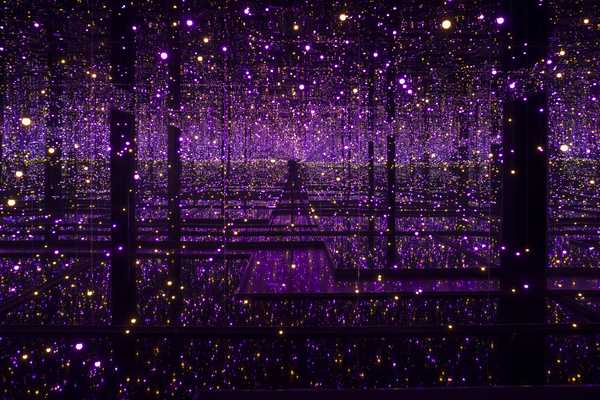
The Infinity Mirror Rooms – beginning with Infinity Mirror Room – Phalli’s Field (1965) – are central to her practice. Using mirrors and repeated objects, Kusama creates environments that seem to extend endlessly, engulfing the viewer in optical feedback. These works distil her central themes: the dissolution of the individual self into infinite space, and the tension between joy and anxiety in that dissolution.
Kusama’s market and growth
Kusama is one of the most actively traded living artists worldwide. For new collectors, it’s important to separate hype from structure.
Overall market trajectory
Over the last decade, Kusama’s market has grown dramatically, especially for prints and editions. One recent analysis notes that her print-market turnover rose from around $1.5 million in 2015 to over $8 million in 2024, peaking at roughly in excess of $15 million in 2022, with an unsold rate under 10% despite rising volume. That is a picture of sustained demand rather than speculative spikes.
Auction houses and online platforms show healthy, global bidding for Kusama works, from high-value paintings and large pumpkins to more accessible prints.
Recent auction round-ups continue to highlight strong results across media, confirming that demand has remained resilient even as some other contemporary markets have cooled.
Institutional visibility and cultural demand
Institutional presence is a key driver of long-term value. Kusama’s Infinity Mirror Room exhibitions at Tate Modern, the Hirshhorn, the National Gallery of Victoria and museums across North America, Europe and Asia draw record-breaking crowds, with the NGV show in 2024–25 becoming the most attended ticketed art exhibition in Australian history. This level of visibility creates a deep pool of future collectors who have emotional, first-hand connections to her work.
Her pervasive pumpkin installations from Naoshima to Washington, D.C. and beyond have also become tourist landmarks, strengthening her brand well beyond the art world.
Collaborations and fashion
Kusama’s collaborations with Louis Vuitton and other brands show how her aesthetic operates powerfully in the fashion and design spheres. A renewed LV collaboration in 2023 reintroduced her dots and flowers to a luxury retail audience, further reinforcing her global recognition. While some purists worry about “overexposure,” these projects have helped to cement her status as a cultural icon, not just an art-market trend.
For collectors, this means her audience is unusually broad and multi-generational – a positive factor for long-term liquidity, so long as you focus on core, art-historically significant works.

Key bodies of work, motifs and what they mean
When you start looking at Kusama works on the market, you’ll encounter a few recurring families of images. Understanding them will help you identify which pieces align with your collecting goals.
Pumpkins
Kusama’s pumpkins are perhaps her most beloved motif. She has recalled being drawn to pumpkins as a child for their “charming and winsome form” and has returned to them repeatedly in paintings, sculptures and installations. Read our Guide to Kusama pumpkins.
Pumpkins appear:
-
As large outdoor sculptures (often yellow with black spots)
-
As polished bronze or resin sculptures in various sizes
-
As screenprints and lithographs
-
As images within larger installations and Infinity Rooms
Symbolically, the pumpkin is humble and earthy, in contrast to the slick, industrial feel of much post-war art. It functions as a sort of alter ego or self-portrait: bulbous, imperfect, repetitive in pattern, yet full of quiet resilience.
From a collecting perspective, pumpkin works are highly recognisable and widely sought. Smaller sculptures and prints can be an accessible entry point, while large unique pumpkins command major prices at auction.

Dots and Infinity Nets
Dots are Kusama’s primary language. You’ll see them:
-
Covering entire canvases in her early “Infinity Nets” paintings
-
As regular patterns in prints and paintings
-
As 3D forms (soft sculptures, spheres, balloons)
-
As vinyl stickers given to viewers in The Obliteration Room, a participatory installation where an all-white interior is gradually covered in coloured dots
Dots represent atoms, stars, cells – the building blocks of reality – as well as the erosion of individual identity into the universe. For prints and editions, works that clearly connect to this core language (rather than more peripheral imagery) tend to have deeper resonance.
Infinity Mirror Rooms and light installations
Although Infinity Rooms are typically held by institutions or major collectors and rarely come to normal private markets, they’re crucial to understanding Kusama’s universe. Rooms such as Infinity Mirrored Room – The Souls of Millions of Light Years Away (2013) and Infinity Mirrored Room – All the Eternal Love I Have for the Pumpkins (2016) combine mirrors, LED lights and sculptural elements to create seemingly endless fields of light or pumpkins.
Collectible manifestations of this work might include photographs, prints and related studies, as well as smaller mirrored boxes or light sculptures. When evaluating these, consider how directly they reference the landmark installations.
Flowers, eyes and organic forms
Beyond pumpkins, Kusama has developed a vocabulary of biomorphic forms: stylised Kusama flowers, eyes, tentacles and sea-creature-like shapes. These often appear in colourful prints and paintings, sometimes in all-over compositions, sometimes as repeating units. They link back to her early drawings of plants and to the hallucinated patterns that covered her environment.
Collectors drawn to a more playful, psychedelic aesthetic may find these works particularly appealing.
How to collect Kusama Art: practical considerations
Kusama’s market ranges from multi-million-dollar museum pieces to relatively affordable prints and small sculptures. Here’s how to navigate it thoughtfully.
Choose your level: prints, editions, sculptures, paintings
Prints and editions
For most new collectors, prints and editioned works are the most realistic entry point. The good news: Kusama’s print market is deep, with strong liquidity and a track record of steady growth. As noted, print turnover has increased several-fold since 2015 with low unsold rates.

When assessing a print:
-
Check the technique (screenprint, lithograph, etching, etc.) and how it relates to the imagery.
-
Confirm edition size and whether the work is signed and numbered.
-
Look for editions that relate clearly to major motifs: pumpkins, dots, Infinity Nets, well-known installations.
Sculptures and objects
Small pumpkins, dotted spheres and other sculptures can occupy a mid-market tier. These works often have strong display impact and “instant Kusama” recognition. Here, pay close attention to:
-
Material and fabrication quality
-
Edition size and whether it’s part of a notable series
-
Provenance – was it produced for a specific exhibition, institution or collaboration?
Paintings and large unique works
These sit at the top of the market and are typically the domain of seasoned collectors and institutions. If you reach this level, factors like period (New York vs later, early Infinity Nets vs later variations) and exhibition history become critical.
Study edition details and provenance
Because Kusama is so widely reproduced, it’s vital to pay attention to the mechanics of an edition:
-
Edition size: Smaller editions (for example, under 100) are generally more desirable than very large runs, though the strength of the image and demand can offset a bigger edition.
-
Signature: Many prints are hand-signed; confirm whether the signature is in pencil or printed. Hand-signed works typically carry a premium.
-
Provenance: Provenance from a reputable gallery or directly from a recognised publisher offers reassurance. Auction records can also help confirm authenticity and market level.
Always insist on original invoices, certificates (where applicable) and condition reports.
Condition: what to watch for
Kusama’s works, especially prints, are often intensely coloured and can be sensitive to light and handling.
For prints, examine:
-
Fading or discolouration in areas of strong colour (yellows and reds can be particularly vulnerable)
-
Paper condition: foxing, creases, tears, or trimming to the margins
-
Mounting: check for acidic mounts or tapes that could cause long-term damage
Align with your collecting strategy
Because Kusama’s imagery is so iconic, it can be tempting to buy the first pumpkin or dot you see. Instead, think strategically:
-
Thematic focus: Do you want to build a “pumpkin collection,” a “dots and Infinity Nets” collection, or a broader survey?
-
Medium: Are you primarily interested in prints, or do you want to build towards a mix of editions and sculpture?
-
Time horizon: Are you buying for long-term holding, or do you anticipate re-selling within a shorter window? Kusama’s market so far rewards patient collecting aligned with institutional narratives.
A focused group of related works – for instance, several prints that trace her pumpkin imagery from the 1990s to the 2010s – can be more compelling than a scattered mix of unrelated pieces.

Balancing popularity and depth
One of the common questions about Kusama is whether her art is “too popular” – whether the selfie-ready Infinity Rooms and fashion collaborations dilute her seriousness. The market and institutions suggest otherwise.
Kusama’s popularity has actually reinforced her critical standing by:
-
Bringing vast new audiences into contact with conceptual and experiential art
-
Highlighting long-under-recognised contributions of a female, Asian artist to mid-century avant-garde history
-
Encouraging scholarship and major retrospectives that deepen understanding of her work’s psychological and political dimension.
For collectors, the key is to engage both sides:
-
Recognise the joy and accessibility of her work – the pumpkins, dots and mirrored galaxies that make people smile.
-
At the same time, understand the underlying narratives: mental health, self-obliteration, war, migration, gender and the pressure of infinite repetition.
When you select works that sit at this intersection – visually compelling and conceptually grounded – you’re likely to build a Kusama collection that will remain meaningful long after the latest exhibition queues have faded.
Final thoughts for new collectors
Collecting Yayoi Kusama can be enormously rewarding. Her work offers:
-
A strong, recognisable visual language
-
Deep art-historical significance across painting, performance, installation and fashion
-
A robust, international market with evidence of long-term demand
As you begin:
-
Educate yourself – visit Infinity Rooms and exhibitions, read catalogues and market analyses.
-
Start where budget and taste meet – often with carefully chosen prints or small sculptures linked to core motifs.
-
Prioritise quality – of image, edition, condition and provenance – over chasing the lowest price.
-
Think in series – aim to build a group of works that tells a coherent story about Kusama’s universe.
In doing so, you’re not just joining a global community of admirers; you’re aligning your collection with one of the most distinctive and enduring artistic visions of the last century – a vision of dots, pumpkins and infinite reflections that continues to expand, subtly and insistently, across the world. Discover Yayoi Kusama prints for sale and contact our galleries via info@guyhepner.com for latest availabilities. Looking to sell? Find out how to sell Yayoi Kusama prints.
