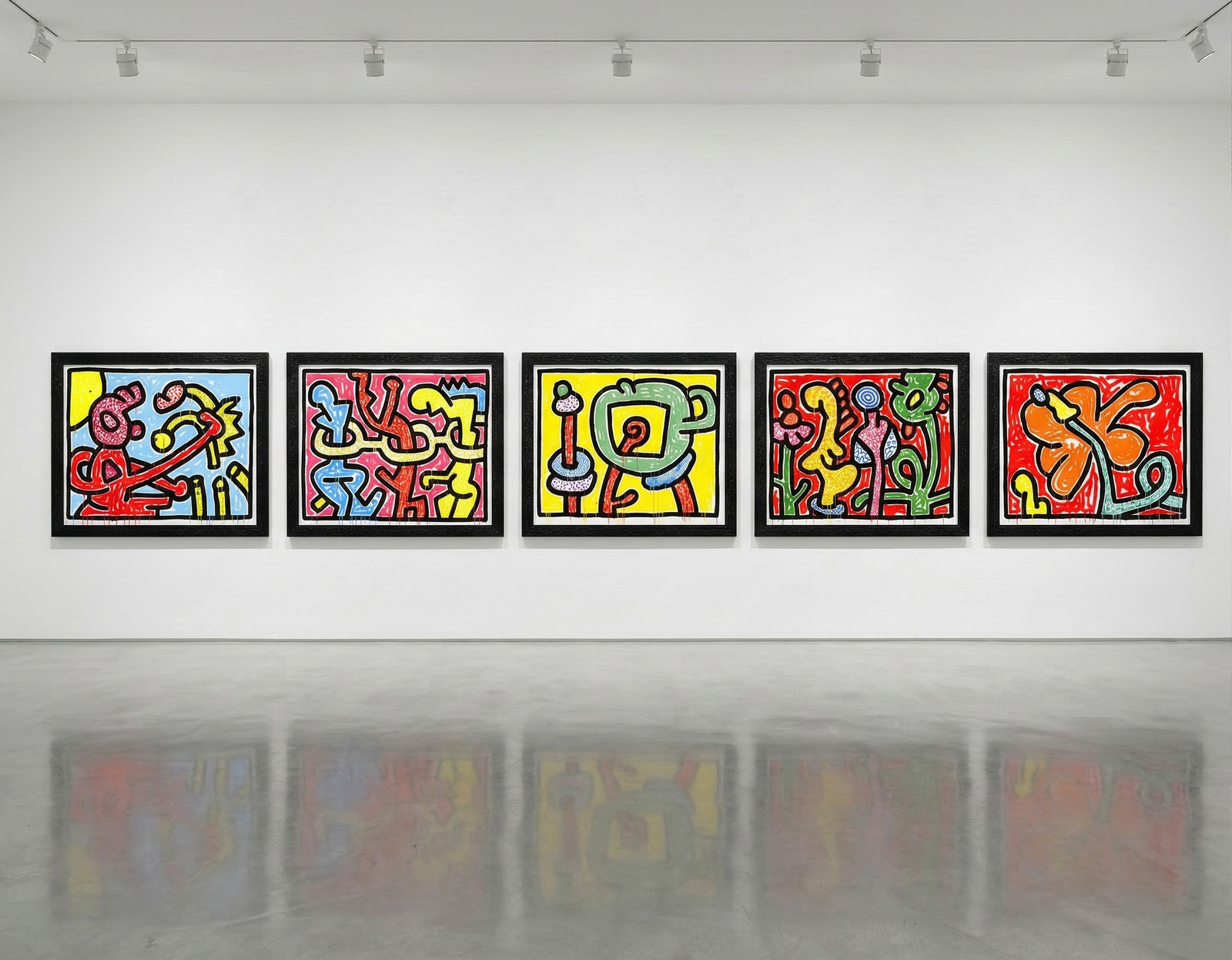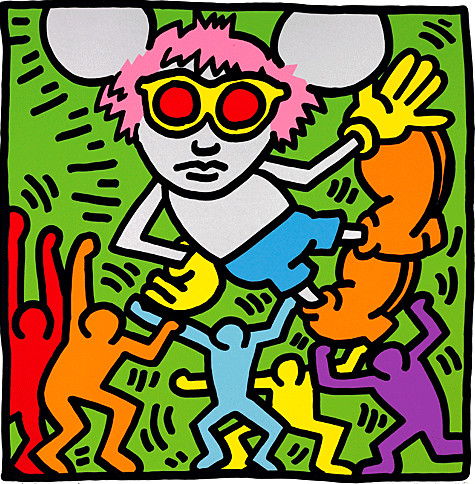
Andy Mouse

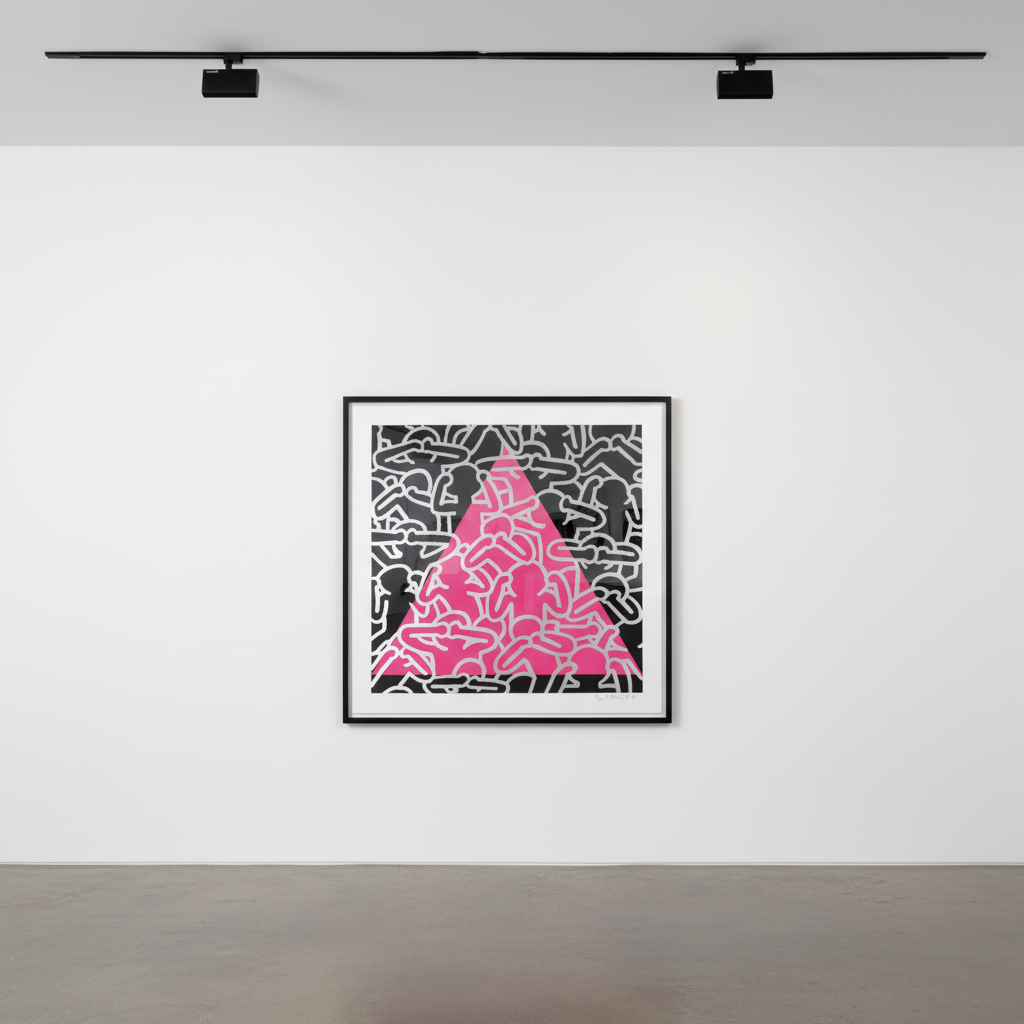
Keith Haring's Silence = Death is a 1989 silkscreen, 39 by 39 inches, showing three of his radiant figures in the poses of the three wise monkeys — covering eyes, ears and mouth — beneath a pink triangle on a black ground. It adapts the poster made by the Silence = Death Project collective, the image that became the defining emblem of ACT UP. Haring, who had been diagnosed with AIDS in the autumn of 1988, made the work as a direct protest against the silence surrounding the epidemic.
The composition of Keith Haring Silence = Death employs the artist's instantly recognizable visual vocabulary to deliver a message of urgent social commentary. Three of Haring's iconic radiant figures dominate the canvas, each assuming a pose derived from the ancient proverb of the three wise monkeys - one covering its ears, another its eyes, and the third its mouth. This deliberate appropriation transforms a symbol traditionally associated with moral wisdom into a damning indictment of willful ignorance. The figures represent a society that chose to look away, refuse to listen, and remain silent while an epidemic devastated an entire community.
Positioned prominently above these figures sits a pink triangle - a symbol laden with historical trauma and contemporary defiance. The triangle's origins trace back to Nazi Germany, where it was forcibly affixed to gay prisoners in concentration camps, marking them for persecution and death. By reclaiming this emblem, Haring and the broader LGBTQ+ activist movement transformed a badge of shame into a symbol of resistance and solidarity. The juxtaposition of this historical marker with Haring's contemporary figures draws an uncomfortable but necessary parallel between the systematic persecution of gay individuals under fascism and the governmental neglect that characterized the American response to AIDS in the 1980s.
Pyramid Teal — Keith Haring. Available at Guy Hepner, New York.
The American AIDS crisis represents one of the most devastating public health emergencies of the modern era, yet its full impact remains inadequately understood by many. At its peak, the epidemic claimed thousands of lives annually, disproportionately affecting gay men, communities of color, and other marginalized populations. The governmental response - particularly during the Reagan administration - was characterized by silence, stigma, and systematic underfunding of research and treatment initiatives. It was within this climate of institutional abandonment that Keith Haring created Silence = Death.
Haring's personal connection to the crisis lent his work an authenticity and urgency that resonated deeply with audiences. Following his diagnosis in 1988, the artist channeled his remaining energy into works that addressed the epidemic directly, refusing to retreat into private grief. Instead, he amplified his activist voice, creating pieces that demanded acknowledgment and action. The phrase "Silence = Death" itself originated with the AIDS Coalition to Unleash Power - known as ACT UP - and became one of the most recognizable slogans of the activist movement. Haring's artistic interpretation of this message brought it into galleries and museums, ensuring that the demand for recognition reached audiences beyond protest marches and demonstration sites.
The work also reflects Haring's broader artistic philosophy - that art should be accessible and meaningful to all people, not confined to elite institutions. Throughout his career, he created public murals, distributed free posters, and established the Pop Shop to make his work available to ordinary consumers. This democratic approach to art-making aligned perfectly with his activist goals, ensuring that messages like those contained in Silence = Death reached the widest possible audience.
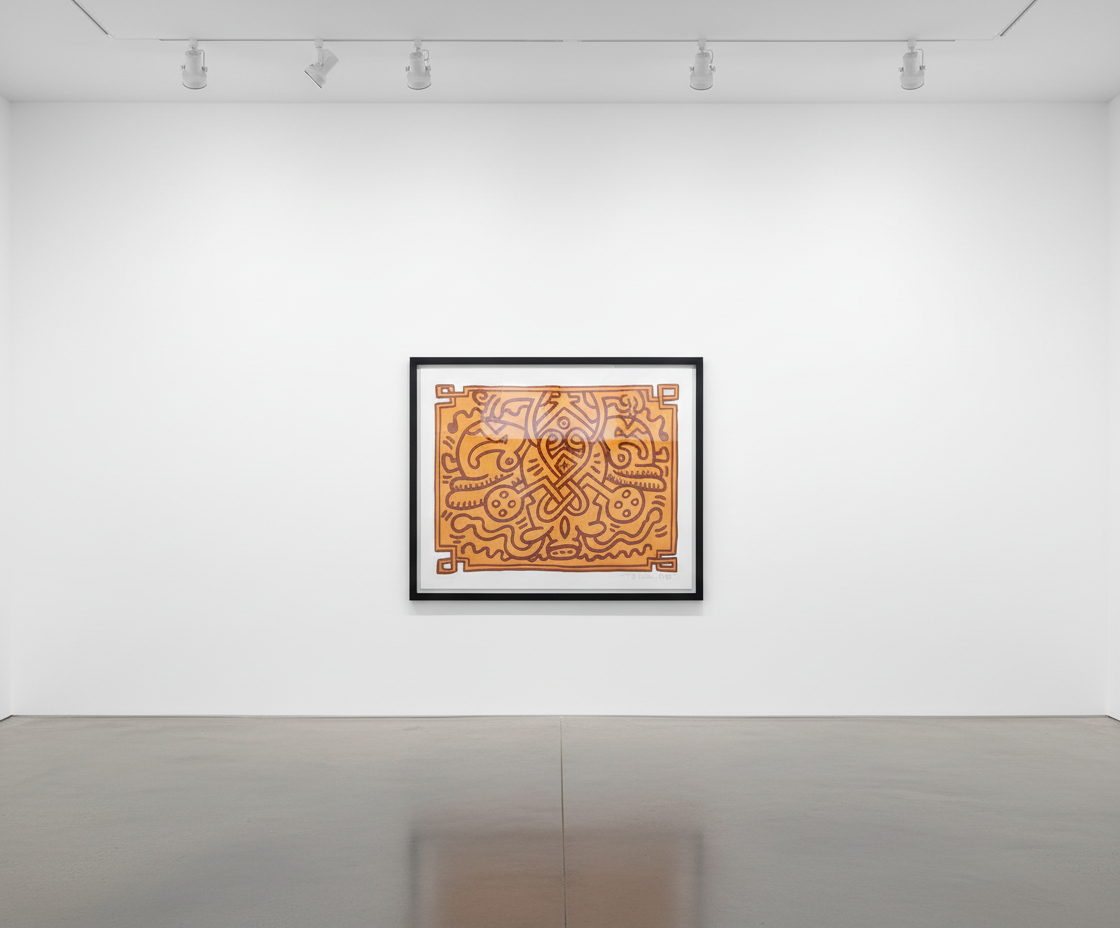
Pyramid Blue — Keith Haring. Available at Guy Hepner, New York.
The market for Keith Haring's work has demonstrated remarkable strength and consistent growth over the past two decades. According to data compiled by Art Basel and UBS in their annual art market reports, works by Haring consistently rank among the most sought-after by collectors of post-war and contemporary art. Major auction houses including Christie's and Sotheby's regularly feature his pieces in their premier evening sales, with significant works achieving results well into the millions of dollars.
What distinguishes the market for politically engaged works like Keith Haring Silence = Death is the dual appeal to collectors motivated by both aesthetic excellence and historical significance. These pieces represent not merely beautiful objects but documents of a pivotal moment in cultural history. As contemporary collectors increasingly seek works that carry meaning beyond formal innovation, Haring's activist pieces have assumed particular importance within his oeuvre.
The artist's relatively brief career - cut short by AIDS-related complications in 1990 at age thirty-one - has naturally limited the supply of available works, contributing to sustained demand and appreciation. Institutional holdings in major museums worldwide further constrain the number of significant pieces available for private acquisition, making opportunities to collect important Haring works increasingly rare. Sotheby's has noted in their market analyses that works from Haring's final productive years, when his engagement with AIDS activism reached its zenith, command particular premium among discerning collectors.
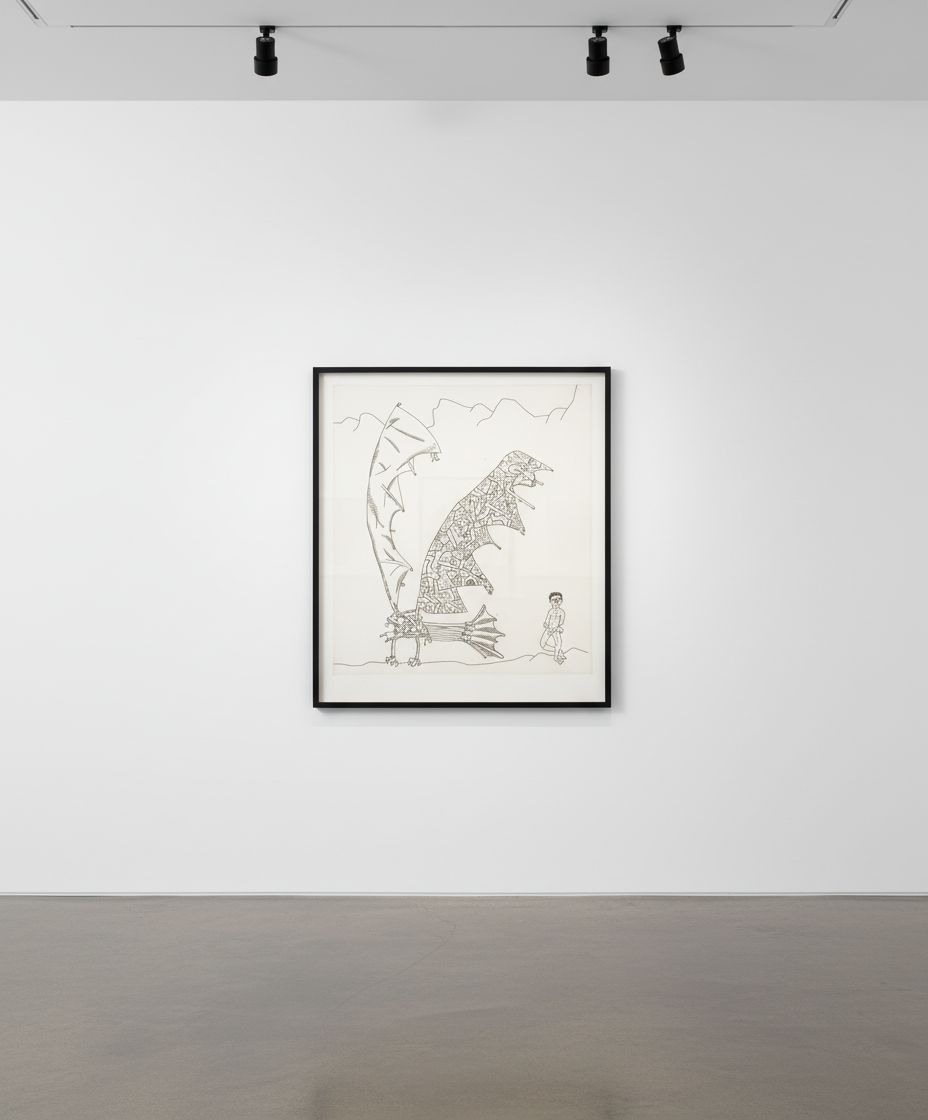
Pyramids — Keith Haring. Available at Guy Hepner, New York.
The continued relevance of Keith Haring Silence = Death extends beyond its historical moment to speak to contemporary concerns about public health, governmental responsibility, and the ongoing struggle for LGBTQ+ rights. In an era when questions of visibility, advocacy, and institutional response to community health crises remain urgently relevant, Haring's work serves as both memorial and manifesto. The piece reminds viewers that art possesses the power to challenge complacency, document injustice, and inspire action.
For collectors, acquiring works connected to this powerful artistic and activist legacy represents an opportunity to own a piece of cultural history while supporting the continued recognition of Haring's contributions to both art and social justice movements. The synthesis of accessible visual language, profound emotional resonance, and historical significance found in works like Silence = Death exemplifies why Keith Haring remains one of the most important American artists of the late twentieth century.
Guy Hepner is proud to offer works by Keith Haring that embody the artist's distinctive vision and enduring cultural impact. Our gallery maintains access to significant pieces from throughout Haring's career, including works that reflect his commitment to social activism and his pioneering visual style. Collectors interested in acquiring Keith Haring artworks are encouraged to contact our team for information regarding available works, pricing, and acquisition opportunities. We invite you to explore our current inventory and discover how these remarkable pieces might enhance your collection.
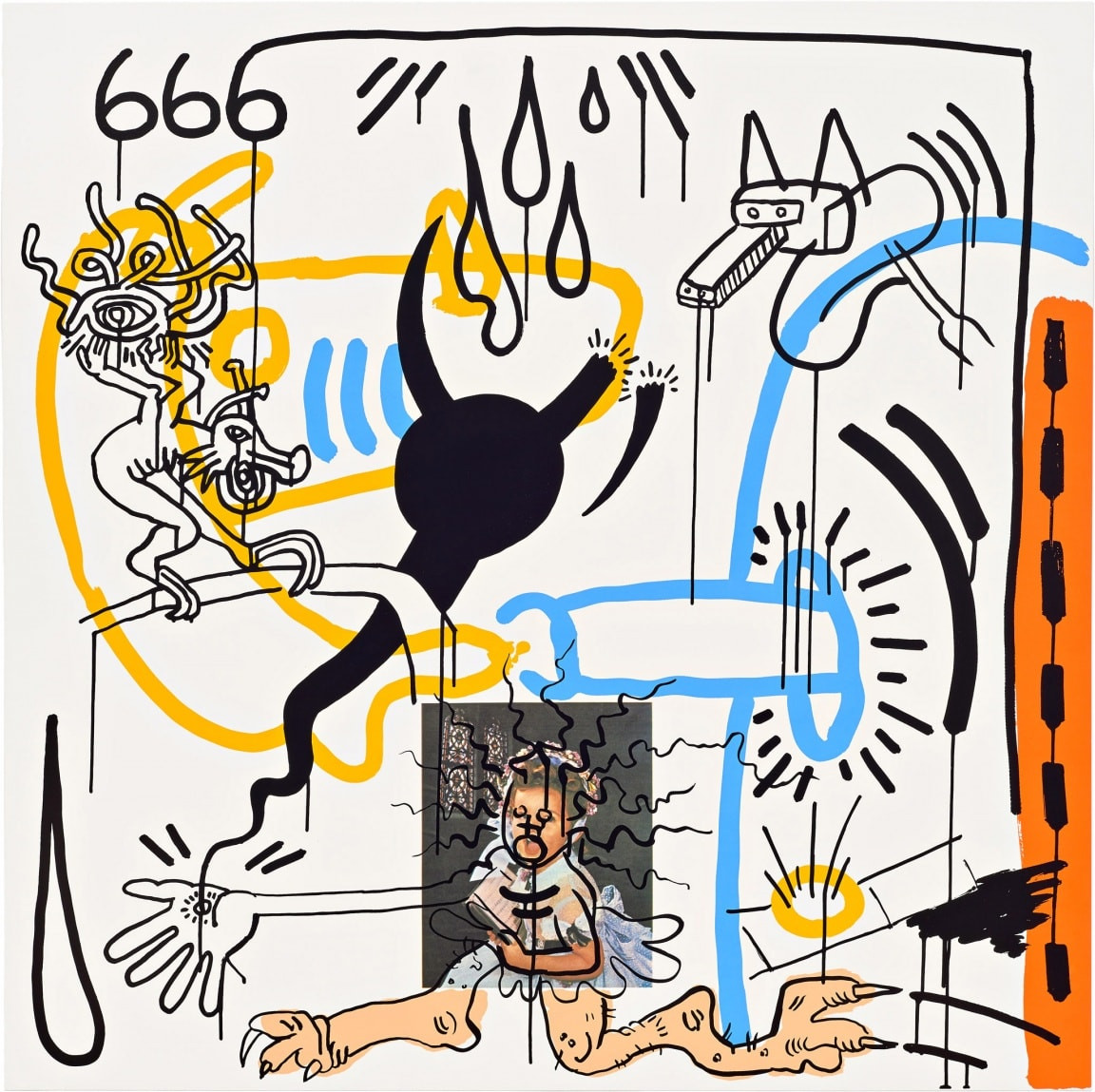
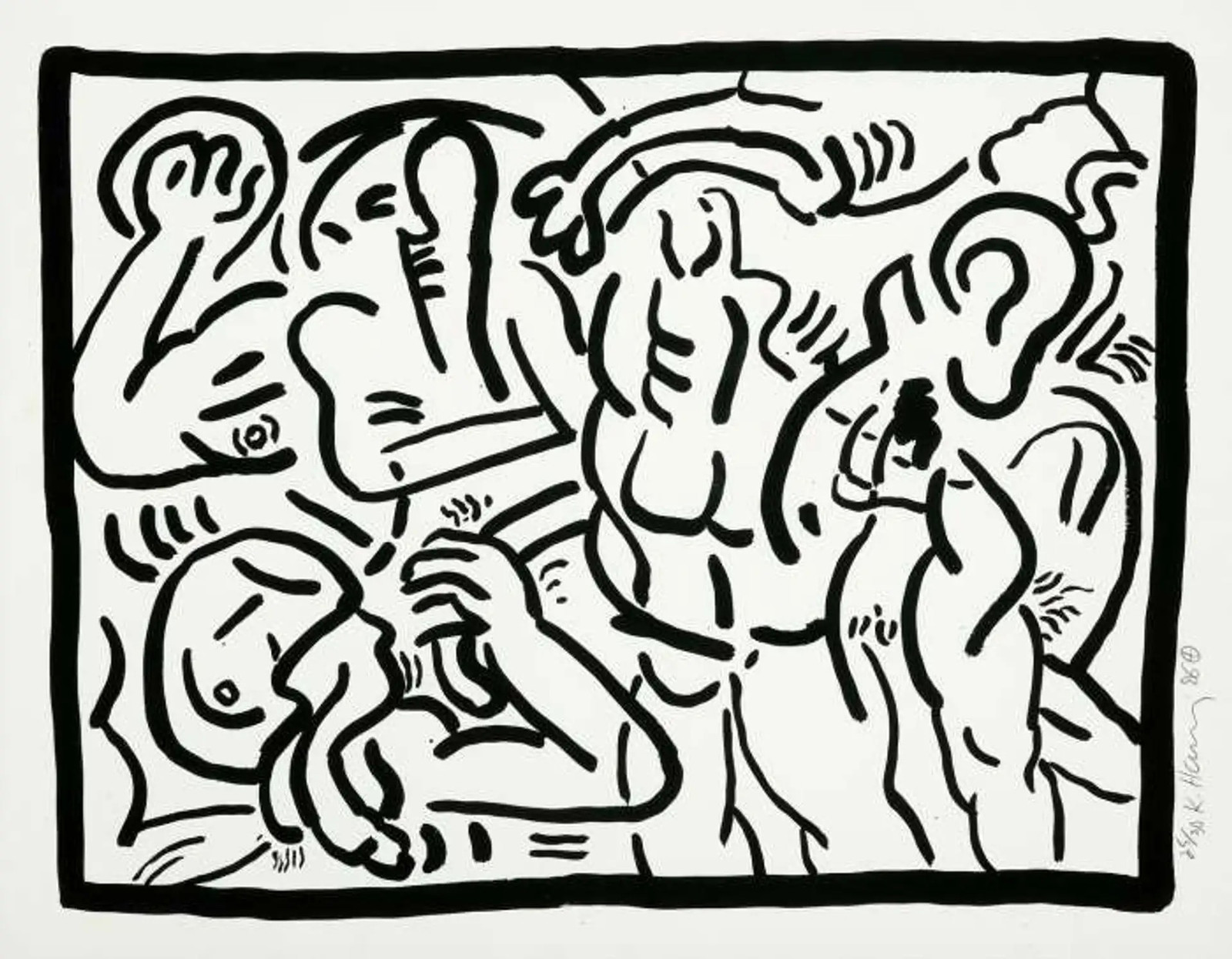
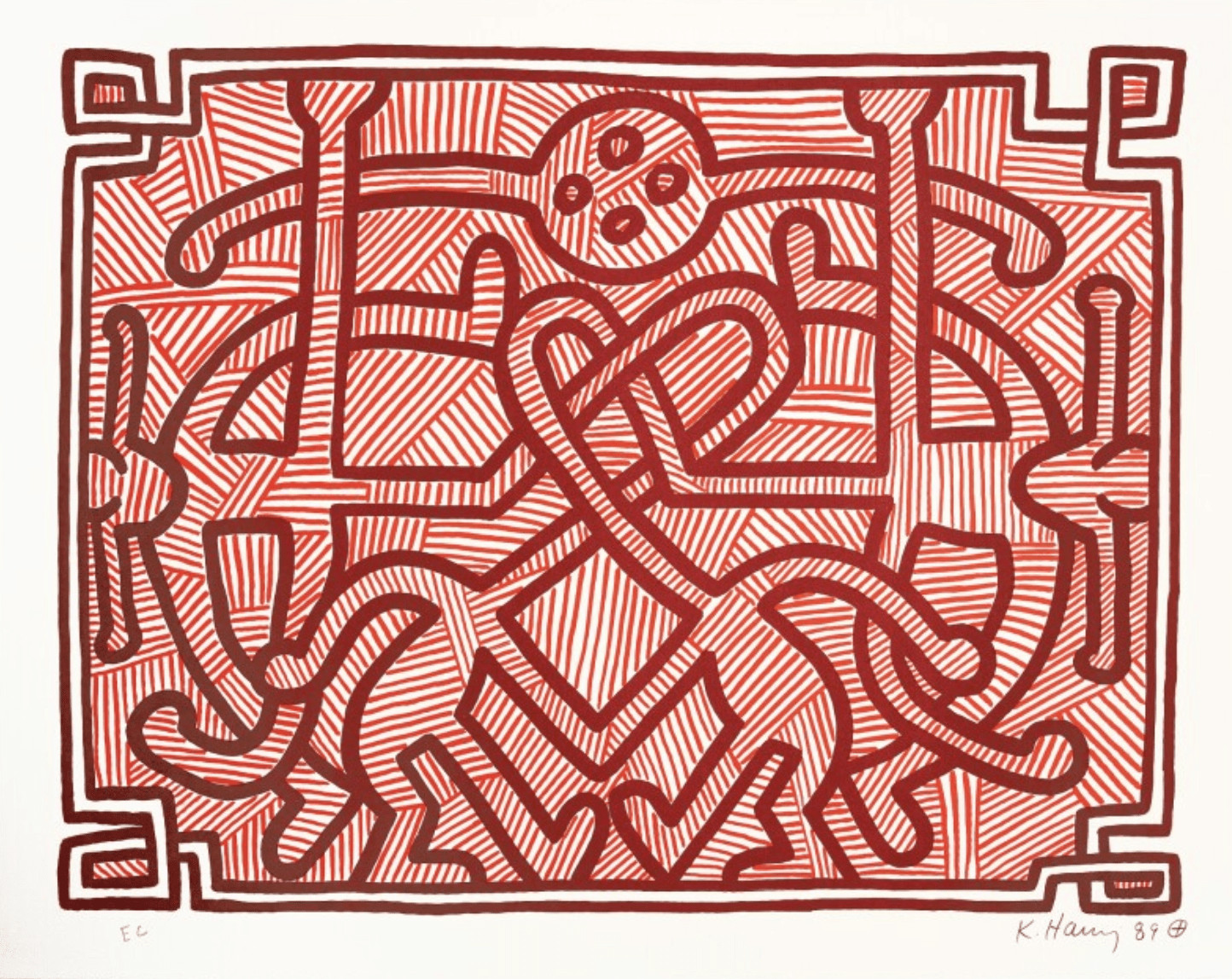
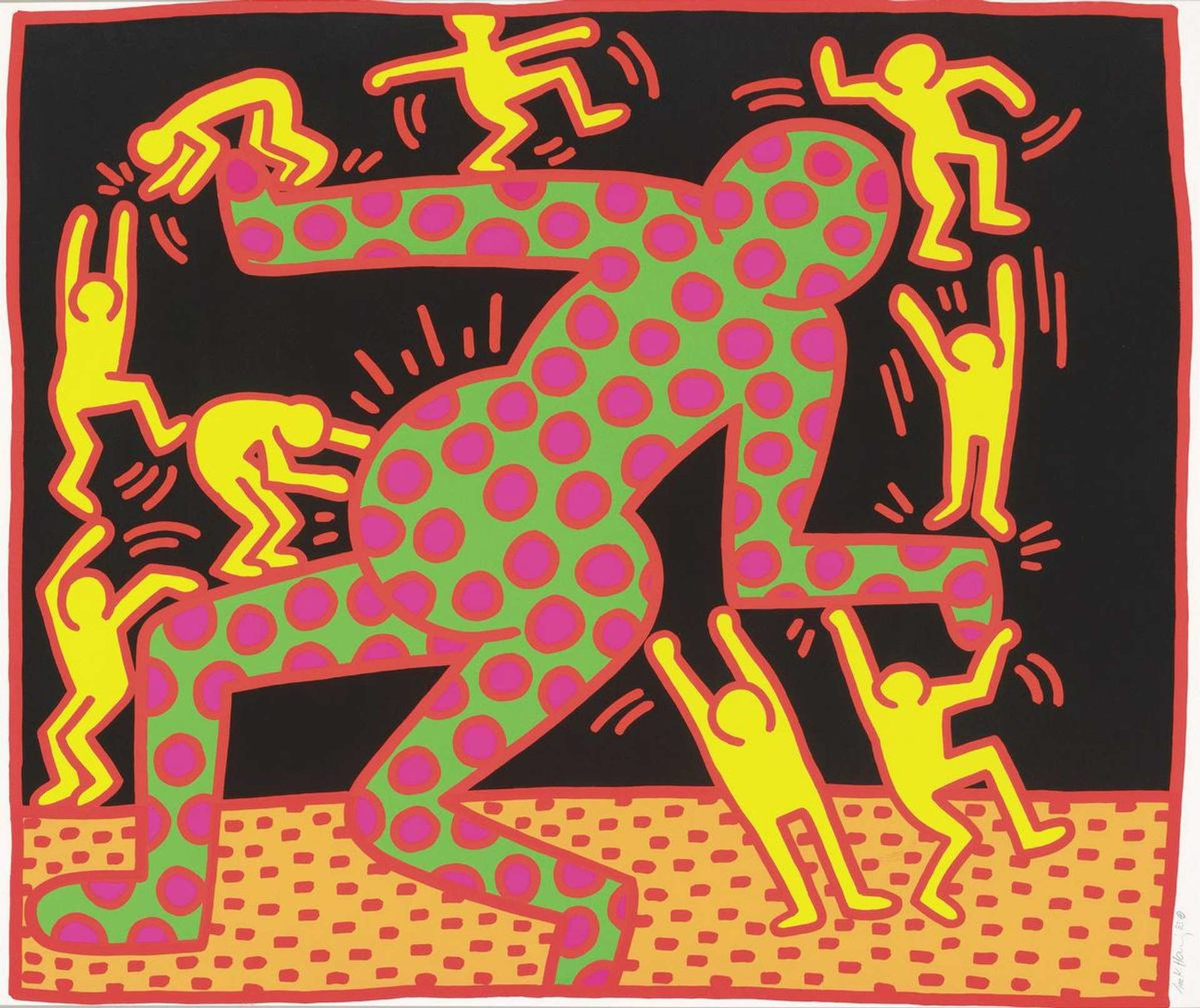
Explore Keith Haring prints for sale at Guy Hepner: Andy Mouse, Apocalypse, Bad Boys, Chocolate Buddha, Fertility.
Related Series